#H2HChat: Marketing Magic Behind the Holiday Gift Card with Teri Llach, CMO Blackhawk
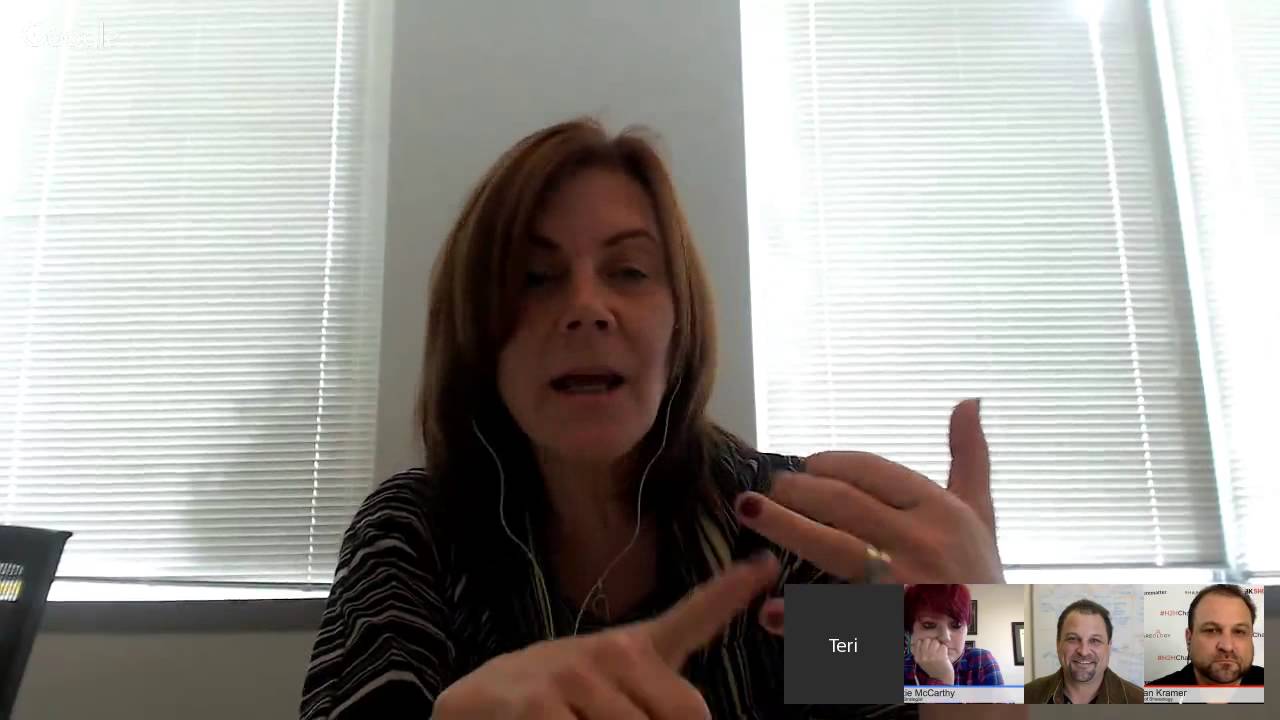
In this live H2H Chat, host Bryan Kramer and co‑host Suzy McCarthy interview Teri Llach (Chief Marketing Officer of Blackhawk Network) about the gift‑card industry and its role in holiday marketing. The conversation covers the origin of modern gift cards (starting with a 2001 Safeway pilot that grew into a global "gift‑card mall" spanning 23 countries), why consumers choose gift cards (avoiding waste, giving the joy of shopping, and uncertainty about the right gift), and how preferences differ across generations—boomers value the shopping experience, millennials favor prepaid/reloadable cards for cash‑based, low‑debt spending, and grandparents prioritize convenience. They discuss breakage, noting it is under 1% of the $110 billion market, and explain closed‑loop vs. open‑loop cards, the CARD Act’s protection of balances, and secondary markets like Cardpool. Retailers use promotions, discounts, multi‑packs, and seasonal offers to drive sales, while Blackhawk leverages physical, online, and mobile channels, partnering with wallets (Samsung, Google, PayPal) and offering new products such as stock‑linked gift cards via Stockpile. The interview also explores B2B uses (employee incentives, survey rewards), emerging trends (e‑gifts, omnichannel experiences, mobile wallet integration), and practical gifting tips (personalization, bundling with physical items, checking scratch‑off PINs, avoiding damaged cards). The session ends with a call for audience questions and a preview of the next guest.
Chapters
We are live on another H2H Chat. So excited to be here. By us being here, that means that it's a Monday. It is not only Monday, but we are, we are here again for another awesome H2H Chat, Monday at noon at Pacific Standard Time, or wherever you are, wherever you are in the world. We are happy to be connected with you here today, and I am so excited to also be joined again by my lovely co-host, Suzy McCarthy, how are you doing today?
I'm doing well. I'm doing well. How about you, Bryan?
I'm good. I'm good. I can't complain that it's cold because it's probably colder where you are. We're
having a bizarre kind of heat thing going on right now, which is kind of annoying. So it's in the 50s, which— yeah, it's annoying. I brought out all my winter clothes and I'm like, what is going on here?
Interesting. That'll be an interesting holiday season.
Right? Not too much snow.
Right? It's Hawaii and New York. Yeah, right? And we are also joined by Terry— Terry, I should have asked you how to pronounce your last name. I'm so sorry. Terry Lack?
No, it's Jack. Isn't that weird?
Oh my gosh. Yeah, I should have known that. I'm so sorry. We started all this and then I'm looking at your last name going, Oh, I'm going to ask.
Yeah, yeah, it's my husband's from El Salvador and those 2 L's together became a J in El Salvador, so it's Terry Jack.
I love it, I love it. So Terry Jack is Chief Marketing Officer at Blackhawk Network. She brings more than 25 years of consumer marketing experience. In her role at Blackhawk, she leads corporate positioning and brand communication efforts for the company. Her responsibilities are and span public relations, advertising, promotions, social media, research, and other corporate communications initiatives. In 2009, 2011, 2012, she was recognized as the Progressive Grocer as one of 100 top women in grocery, and in 2014, she was a finalist in the American Business Awards for marketing. I'm not done yet. Prior to joining Blackhawk, she was Vice President of Marketing for The Learning Company. I know them. And an educational software company. Let's go back to Progressive Grocer as one of 100 top women in grocery. First of all, welcome, and second of all, wow, okay, tell me more about that.
Well, there's not many women in grocery. No, I'm kidding. It's so easy.
There's 100 at least.
At least 100, 101, woo! No, I shouldn't say that, that's not true. I've been doing this for 15 years, a little scary to say that out loud to anybody under the age of 30. So I've been in this business of prepaid cards, gift cards for about 15 years, but we started as part of Safeway. So for those of you in the Bay Area or even around the country, different parts of the US, there are Safeway grocery stores.
Mm-hmm.
And what basically happened is that the guy who was running Safeway, Steve Byrd, was the CEO of Safeway at the time. He said, I've got all these assets, I've got all these stores, I've got people coming into the stores. What else can I have for them to do that would add value, right? Yeah. That would have the human touch. You told me to say the word, I'm going to say it. Watch out because there's going to be a lot of that going on. So he basically said, what else can I do? We looked at all sorts of— we became this little group of 7 people in Safeway trying to figure this out. We tested party rentals. We tested selling cars in the parking lot, because if you think about it, during the week all those stalls are open, so we put Enterprise rental cars in there and we were selling them at Safeway. We did all sorts of stuff. And one of the things we tried in 2001 was gift cards. So we had 7 gift cards, we stuck them on a rack at checkout, and we stuck them in all the Safeway stores, and literally, basically, they sold out. They just went boom, boom, boom, and we could not keep them in stock. And that's how the concept of Gift Card Mall was born. And it started in Safeway and then all of a sudden we were at all the grocery stores in the US and now we're in 23 countries. We work with Tesco and Carrefours and we work with Rewe in Germany and Loblaws in Canada and of course Kroger and Safeway and all these great grocers. Kind of, I was in grocery for a long time, so that's how that happened. Long story to how that happened, but that's how that happened.
You know, we've got a whole bunch of things to cover here, but before we get started, I'm curious, what do you think— just give me the concept of giving a gift card, because just before we were getting on, I was telling you about how, you know, if I gave a gift card to my wife, it'd be like transferring money from my account to her gift card and showing her that I didn't have time to shop, I think. And it's, you know, it's that kind of thing where you have to actually be really purposeful, or I don't know. Tell me about gift cards. Like, when is the right time? When is the wrong time maybe to give a gift card?
No, I think that's a good question because it's not for everybody, right? It's for the right occasion. It's for the right recipient. But bottom line is, you know, 15 years ago If you said the word gift card to anybody, most people would be like, oh, they're so impersonal. Most people would be somewhat negative about it. Well, over the last 15 years, that has really flipped around. If you look at the US alone, 99% of US population has either given or received a gift card, 99%. So basically everybody. Everybody's either gotten one or given one. And so why, why do they do it? A couple of reasons. First of all, there's a huge group of people that don't want their money to be wasted, right? How many times— I have 5 kids, I told you guys, 5 kids. I go in, I'm going to like rip on my daughter Shawn here. She's the fashionista, she's one of my little fashionistas. So I go and I buy her clothes, I think they're cool, I think they're cute. 6 months later, I go in her closet, there they are, they got the tags on them. You know, she's never worn them. So there are situations like that, right, where I don't want my money to go to waste. I don't like those clothes hanging in the closet for 6 months. So I'd rather give her a gift card and she can go get the clothes she wants. And so that's where there's a huge bunch of people who say, I don't want my money to be wasted. I want that person to pick it. Then there's another group of people, and I'm a little bit like this too, so I can really relate to this person. This is a human, aha, said it, human who— okay, good. This is a human who likes to shop, right? They love it. It's cardio for them. They get to the mall, going to the mall is so exciting. Giving the gift of shopping to somebody else is like giving something that's just so fun. So there's this group that want to make sure their money is spent well. There's a group that just want to give the gift of shopping, and then there's another group, and we've done a lot of segmentation studies, who just don't know what to give. Grandma, aunts and uncles. I have a couple of nieces and nephews. I have no clue. No clue. So I'd rather give them a gift card because I know I'm going to get it wrong.
So here's the thing. I spend more time in front of the gift card selections trying to figure out just as much time which gift to get as I am which category of gift to get. The categories are almost as plentiful as the gifts themselves. I'm like, do I go with Outback Steakhouse or do I go with Kohl's? I mean, it's 2 completely different things and I will seriously screw this up if I get the wrong one. Man, the pressure. So am I— Oh my God, yeah,
no, you know, there's over We have over 600 partners and that list keeps growing. We started with 7 like I said in 2001. So what consumers want to do is they want to have that choice. Yeah. I see people at the holidays with a list, a list of what gift cards to get. They can go to one place like Safeway or Kroger or Giant Eagle and they can get all those cards in one place and that is where the absolute convenience. is, right? Yeah. It's like, oh my God, that's so easy for me. I don't have to pop from store to store. I don't have to park at the mall. It's all right there. And you're right, there's a huge number of categories, but people have a pretty good idea at least what category. If it's a young person, a millennial, maybe you're the grandparent, how do you go wrong with a card like an Amazon card or an iTunes card because you know they can find something great there, right? And then other people who really like to shoe shop, maybe Nordstrom's, you go in and you kind of a little bit Yeah. You think a little bit about the person and then you target in on what the right category is. There are so many options. Restaurants, like you said. My kid, one of my kids, she's on budgets, very tight budgets, so a gas card is real good for her. It might be a practical gift, but man, driving around is a good thing for her, so she likes getting the gas cards. So you've got to pick it to your recipient. Most people have an idea who they're giving it to and that will help you pick that category.
Yeah.
There's even some new categories now. Have you seen we just launched this really cool product? It's not everywhere yet but it's in a few stores. It's called a gift card for stock. It's brand new and what it allows you to do is you buy a gift card, say a $50 gift card, and you go to a website called Stockpile, stockpile.com. It's got It's all been authorized and it's all insured and all that good stuff. You put the $50 in and you can buy fractional shares of stock, any stock traded on the NASDAQ or the Dow.
Wow.
You can give your kid 50 shares of Apple stock.
No way.
50 shares of Google stock. The kids or even the adults can have their own account and they can go in and track their stock and do all sorts of stuff.
So you can do that right now?
You can do that right now.
We're going to jump straight to the sale. How do we do that?
Okay, right now you can buy those cards in any Giant Eagle. They're in a lot of OfficeMax stores. Check out OfficeMax. They're going to be online pretty soon. They're not online yet but pretty soon. They're also in Safeway stores in Seattle.
So
they're different places. But OfficeMax and Giant Eagle, they're in all their stores, so good easy place to go.
Okay, OfficeMax, there we go. Alright, so let me ask you about the concept of gift cards in generations. As we're looking at gift cards, you know, in the differences of, you know, even just as we look at the millennials using prepaid gift cards, are there purchasing and user habits Different than other demographics?
Absolutely. So what we found is, as gift cards have over the last 15 years kind of become that everyday payment mechanism, right? Not just gift cards, but reloadable debit cards. I don't know if you've heard about these. They're either called reloadable debit or general-purpose reloadable. Basically, a lot of people say, I don't want this, I don't want to use a card online that's tied to my bank account, or I'm a cash-based person, I don't want to go into debt and use a credit card. So they'll use either gift cards or reloadable debit cards. Millennials, what we found is millennials are so much smarter than us boomers, and I'm a late boomer.
Great, here we go.
Here we go, we like to use a lot of credit cards, right? Oh, she's doing the millennial dance.
Thank you, Bryan.
So millennials tend to want to be cash-based, they don't like to have a lot of credit card debt, they don't want to be paying a lot of interest. They don't like paying for something 5 years from now that they're using today. And we find that millennials really like these reloadable debit cards or these prepaid gift cards to use instead of credit cards because it's just they like to pay as they go. And I don't know, I think it's smart. I'd rather my kids did that than all of a sudden had some $2,000 credit card bill that they can't pay because they usually will make a phone call to mom and— Mom doesn't want those phone calls.
So how about, I'm curious about all those gift cards out there that never get used. I'm sure we have like gift cards throughout our house, if not in the garage or lost and never to be found somewhere. I guess it's known as breakage, unused gift cards. What happens to all that money? All that money is so complex. It seems like it's good for a retailer but bad for the customer.
Actually, it's bad for retailers. Here's why. Here's why the retailers— so a couple of things. Breakage is actually only about 1% of overall gift card business. Here, I'm going to blow your mind a little bit because it blew my mind. Closed loop. We have these terms, and so a closed loop card is a card you use at one retailer. So if you buy a Best Buy card, you have to use it at Best Buy. That's kind of a closed loop card. An open loop card, which is like a Visa or MasterCard card, can be used anywhere Visa or MasterCard So those closed-loop cards, those cards that are good at one retailer or one restaurant chain or whatever, those cards— breakage is— so let me back up. So in the US, that industry is about $110 billion, which is huge. You're like, what? But breakage is actually sub-1% of that. It's much smaller than— it's still a big number because we're in the B's. But breakage is less than 1%. Now here's the good news. The reason breakage is going down, it used to be about 2%, now it's less than 1%, is because people are getting really smart about making sure they use all their gift cards, especially those millennials. Remember I said they were pretty smart? So what's happening is there's a bunch of ways people now can get those gift cards and make sure they get used. Number one, there are these wonderful things called gift card exchanges. Uh-huh. So if you don't have your— if you have a gift card and you go, I am never using this sucker, it's not going to happen, you can go to a company that we actually have one called Cardpool and you can actually trade that card in and say you get 90 cents on the dollar or 85 cents a dollar, it's all market demand. If that's a really hot retailer or a hot restaurant, you'll get higher price for it and then we resell it. And so Cardpool is this, again, going back to the value, if you want to buy a gift card, you can go to cardpool.com, put in a gift card, like the other day they had Anthropologie cards, 15% off, I love that store. So you go in, you put in Anthropologie, you buy an Anthropologie gift card at 15% off and boom, you just saved 15% when you go shopping at Anthropologie. And if anybody knows, that place is kind of pricey, so 15% is good. If you have a gift card that you're not going to use, you can sell it on these websites as well and then you get cash for it. And the other thing you can do is you can regift it. So a lot of people are getting super smart and that amount of breakage is going down, down, down every year. But you asked me what happens to the breakage, so that varies. Sometimes it bundles up and in a few years it's released back to the Sometimes the state takes it. If you know the person who has the card, you can find them and give it back to them. Here's something people don't know. The CARD Act made it so that no closed-loop gift card ever loses its value. If you find that card in your drawer in 5 years, it's got the money on it. That's wonderful. Now the plastic might expire, but the funds never do. You just call that number on the back and they have to send you a new card with all those funds on it, on those closed-loop cards.
Unless you have a Radio Shack card and they no longer exist.
Well, then it— yeah, that is true, but most of the time what happens is some really smart retailer says, I'll take all those Radio Shack cards here.
Oh wow.
Yeah, so watch for that. A lot of times you'll get a competitive retailer saying, I'll take that customer. And the reason I said that breakage wasn't really good for the retailers is I work with a lot of retailers and they really would much rather someone come into their store and buy something and have a good experience than feel icky because they have a gift card they never used. So retailers always tell us, anything you can do to just get that card into the right hands, to get it used, to get someone into my store, that's better for them.
Interesting. So what— when you see like these percentages or discounts on cards, who isn't— doesn't the consumer lose— sorry, doesn't the retailer lose money on a percentage of discount to that card? And are they just getting you into their store because you're gonna purchase higher volume of things. I see these discounts all the time. What is it? Why do they—
Well, there's no doubt, and I said that it's a great time to be a consumer, especially this time of year, because you can go to almost any grocery store right now and you'll see a bunch of cards and it will say something along the lines of buy any of these cards and get 10% off your shopping order, or, you know, 5% here, and that's a discount, right? So absolutely, that is what is What manufacturers and retailers have been doing all the time. It's a promotion to try to get you to buy their card versus their competitor's card. They're going to be happier if you buy their card and you come shopping in their store. Retail is a tough business. It's just a tough business. You've got to constantly be talking to your customer and constantly having that interaction and getting them into the store. It's a marketing tool. These cards can be marketed, but isn't that a good thing? Because who wins but the consumer? Right.
That's great. So where is— when you're looking for gift cards, give us some really good stuff. Like, where should we— what should we be looking for to really maximize for the holidays using gift cards? Like, maybe I can finally go to my wife and say, here's the reason I really got you a gift card. This is going to be awesome. You love discounts. This just saved you X. Is there anything around this that we can use?
Yeah, so I think that you're asking a great question. Sometimes particular recipients might need to have a gift card with some other stuff. Maybe you go to Nordstrom's, you buy her a nice sweater and then you put in a gift card in it and you say, I wanted you to buy shoes that you want to match this sweater and I didn't want to pick them out for you because shoes are so Feet are particular.
Okay, this deserves a sound. Wow, that's a good idea.
And that way she's getting the gift and the gift card, so she gets to do a little shopping, gets to pick the shoes to match the dress or the sweater, and everybody's happy. And then you put all that thought into it, right? So you're a good guy.
I love it.
Yeah, so I think, I think you have to think about the recipient or the person that you're giving it to, the human that is in the So basically, some of the really cute ideas, get a toolbox, go to Home Depot, go to Lowe's, get a toolbox, put a couple tools in there and put a gift card in there for Home Depot or Lowe's and give it to Dad. So Dad gets the toolbox, he gets a couple cool tools and then he gets to go pick that thing he really needs because who really knows what tool Dad really needs next, right?
Mm-hmm.
Or a fun one that a lot of people do is you get the movie gift card and the dining gift card and you put it in a little basket with some licorice and some popcorn and you give it and it's basically dinner out, dinner out and a movie. So you're saying to the person, I want to go with you by the way, here's an event that we're going to share together. Got it. Actually, the other fun thing is in a lot of these retailers, Safeway and Kroger and Giant Eagle and Publix and all these great grocery stores that have these gift card malls, a lot of times they'll have local restaurants. A lot of people are telling us, we love supporting the chains because chains are great because I know I can find one, but it's also fun to be able to go and support maybe one of my little local restaurants. We have those too, those cards.
Very cool.
Make it personalized by giving them a local.
Can any business do a gift card? We're talking about consumers, but what about business to business? We call it H2H, but what about business to business? Could any business really put their own gift card together and sell a certain plugin or a part of their product or a service or something like that?
Absolutely. There are great companies out there that will help virtually anyone get a gift card. You can either be part of a— you can sign on with a processor who will help you process the card. We even, Blackhawk, we can do all that for you. We can do the plastic, we can do the card. Now what we'll ask though, what we'll try to figure out is should you even have a plastic card? Maybe you should have an e-gift. Maybe you don't need a plastic card and you literally can develop a website with an e-gift. Someone can come and buy an e-gift and that emails right over to them. Sometimes that's even more efficient and you don't have to deal with the production costs and the shipping costs because you can do it all over email. Right. E-gifts are really picking up speed. It's interesting, we just did a study and on the physical side it tends to be mostly for gifting and on the e-gift side a lot more self-use on the e-gifts because people are using them and getting discounts and they're like, I can do that, I can use that for myself.
Right, I can see this being a big thing where even services on demand, you're seeing Companies like Soothe or Zeel that deliver massage on demand. There's Uber delivering cars on demand. There's all these different things that are happening around us, but the concept right now for all of these things is that you get it on demand for yourself. Right. What if you were to gift these things, these on-demand services for someone else and say, look, whenever you need an Uber ride or whenever you need a massage, on demand, I'd like to gift that to you. Is that something that is here, is it coming, or have we thought about that?
We have thought about it. I think that anytime you have a market disruptor, like you mentioned a few right there, Uber for sure is a market disruptor, you're going to get into a situation where they're going to build a base, they're going to build loyalty, they're going to build a consumer network, and then you are going to start to see people saying, I want to gift that, or I want a discount on it, or how about this, how about some of these Cash-based, not super easy to use Uber if you're cash-based, right?
Yeah.
So how do I use it if I'm a cash-based customer, if I don't want to tie it to my bank account or my credit card? So all of those things will, I think, resolve themselves, and a lot of them will resolve themselves with these kind of e-codes.
Yeah, I can see that now for weddings, gifting the trip but doing it over a gift card.
Well, group gifting. Group gifting like that. Like everyone can put in $20 and you can collect $200 and send someone off on a nice trip. Well, I don't know where they can go for $200, but on a short trip.
A couple hours anyway.
A couple hours into Napa.
They get up to the gas station and back.
Exactly.
So what's the rough percentage of gift cards actually used as gifts versus consumers buying gift cards for things they're going to buy anyway in order to take advantage of discounts and things like fuel rewards.
Yeah, so that's a good— I don't know if everybody's familiar with the fuel rewards, but it's a really cool thing where if you go into some of these grocery stores, you can— whatever you buy, and it's anything like the turkey or the stuffing or the gift card, counts towards these fuel points. And like every $50 or every $100 in purchase, you get 1 or 2 points. and then you can trade those points in for gas at the gas station that's run by the grocery stores. A lot of grocery stores have their own gas stations, so that's called fuel rewards, and it's really big in some retailers. Kroger has it, Giant Eagle has it, Safeway does it in certain markets, and you basically can start to get like $2 off a tank of gas or $1 off a tank of gas, or in some of these retailers like Giant Eagle, the gas can get free if you buy enough gift cards. So what happens is the physical gift card About 57% of those are used for gifting only, but the rest is used for like some of these— because of these loyalty programs, they are used for self-use. So in a lot of cases in these markets where they have these great gas programs, a contractor might go in and buy $10,000 of Home Depot cards and get all this gas for their trucks, and then they use the Home Depot cards themselves. So that's a real big market of self-use. On the e-gift side, the codes that are emailed, most of those are self-use, only about 33% are gifting. And it's because a lot of discounts are given on those. Great time to be a consumer because you can get some really nice value if you look for it, for sure, especially in these grocery stores.
You know, One of the— Julie Zisman just made a great comment. She said they are also great for business, especially getting people to fill out surveys. And that's so true. Right. You know, even at malls or in online or even just your customers and you're just reaching out, you're saying, hey, here's $5 to, you know, coffee, $10 to this, that, the other, will you please fill this out? How roughly, how many companies are taking advantage of that or are they not?
Well, that's a whole other side of the business. And remember I said that the consumer side of it was about $110 billion? Well, the business side of it is about $34 billion, so it's still a really big business. And what's happening there is, you know, you used to get the trip to Hawaii, or you got the luggage, right? You had these incentives.
Wait, who got trips to Hawaii?
Yeah, not me.
And luggage?
Other people. No, so what I'm talking about is employee incentives. So you mentioned consumer rebates, which are definitely there. So there are kind of two sides to the B2B market. There are consumer rebates, go test drive the car and we'll give you $25, and there are employee incentives, which is, hey, go reach your sales figures and we'll give you a trip to Hawaii.
Yeah.
But that employee incentive now, instead of the trip to Hawaii or the luggage, they're getting gift cards. And the employees are saying, don't force me to take a piece of luggage, give me a gift card and I'll go get what I want. And on the consumer rebate side, people are saying, yeah, give me that Visa card rebate or that Starbucks card rebate, because if I'm going to take my time to fill out the survey or test drive the car, I want something for it.
Right.
And so businesses are using the consumer side, the consumer rebates as a way to encourage certain type of behavior. And on the employee side, they're using the gift cards or the e-codes, most of those, a lot of those are digital, to get employees excited about reaching their objectives or their goals. So gift cards help motivate behavior, basically.
Yeah, yeah. What is one of the funniest things you've heard somebody use a gift card for, like completely out of left field?
Oh my gosh.
Or something interesting, an interesting use, a good tip for how to use it.
Now you're throwing me a curveball. I got to think about that one. So first thing that came to mind when you said that was kind of your wife's story in that we did this video. This is probably a little off of what you're saying, but it's the first thing that jumped into my mind. Valentine's Day, right? Not the biggest gift card holiday. Dads and grads, end of the year, birthdays, those are the big ones. So we were like, okay, how do we encourage people to use gift cards for Valentine's, right? So we went out and we interviewed a bunch of guys and the guys were all like, oh no, I won't give a gift card, I'll get in trouble. And then we secretly go interview the girl and we're like, do you like the present he gave you or what would you rather have? And they're like, oh please, I wish he'd just give me a gift card. And these interviews, they were a few years ago, but they were so funny because all the guys are like, oh no, I better not do it. girls are like, oh, please just tell him to give me a gift card because the present he gives me sucks so bad. So that was probably the funniest one. It was like every time we had an interview, the girls all said the same thing, give me a gift card, please.
I
don't know the funkiest uses of a card. I'll have to think about that, but I remember the interviews at Valentine's. So should it be— gift cards should be definitely a bigger Valentine's gift. Because that's what the girls want.
That's a good one. So just before I start in on my second-to-last question, I want to make sure that everybody out there knows that they can still— for those of you who are new to H2HChat, for those of you who already have been on H2HChat, you know that you can pose questions at #H2HChat on Twitter, and I know Tara will be happy to answer those questions. From Suzy. She's going to take your questions and repose them over to Terry. So please make sure that— this is the participation part of H2H Chat. We want you to ask those questions that are exciting about everything you wanted to know about gift cards. This is your chance. Don't waste your time by not posing your questions now. So H2H Chat, please pose those gift card ideas, questions, and how to use them for business. marketing and so on and so forth. So one of my next questions for you is, what are the newest, coolest gift cards to get for the holidays? What should we be looking for?
Yeah, so the gift card of stock I kind of already mentioned, that's kind of a cool new one. We also have out there some of these local cards, really cool. Just go into your grocery store, most of them are in the dining, frankly. So go to the grocery store, go to the dining category, and look for your local Maybe smaller type of chain restaurant, I think that's really fun, nice to support the local community. Some of the other real interesting things right now that people are gravitating to are these kind of open loop kind of cards, they are really big right now. Now those do have a fee, so be ready for that. Most people say fee is great because I'm giving the person choice, so they're really hot right now. People are really gravitating towards those. Let's see, we've got a lot of digital games right now and I think those are really fun and they don't have any fee, those are closed loop. iTunes is always a winner, Amazon is always a winner, you can always find something on Amazon. I mean, there's some really great cards out there. I think the nice thing is you have a lot of selection, you have a lot of opportunity. One other thing I thought about when you were asking the other The other question is that a lot of people over the years have used gift cards for charity, and I think that that's a really fun way to do it too. We got involved at one point with the Make-A-Wish Foundation, and you can basically give gift cards to— you know, if you give a gift card to Macy's or a gift card to Nordstrom's, people are going to go buy clothes. Right? Give it to Shell, they're going to go buy gas. You can even give a gift card to the grocery store, to Safeway, they're probably going to get food. You can really use gift cards in a nice way for charity if you want to really make sure somebody's getting the thing that you want them to get.
I like it.
That's another nice way to do it.
That's great. Last question, again everybody definitely make sure that you're capturing your questions in Twitter. How is BHN creating value in the new omnichannel environment? You know what I'm talking about there as far as digital, physical, TV, like everything is coming at you. How are you seeing that work?
Well, I think the 3 biggies: physical, online, and mobile. Those 3, we're playing in all 3 of them. The cool thing on the mobile side, because we haven't really talked about that yet, is we're partnered with a lot of these wallets. Samsung Wallet, Google Wallet, PayPal Wallet, and the reason is as you just said, we got a bunch of gift cards. Wouldn't it be great if you could take all those gift cards, stick them in your mobile wallet. I got my phone right here because I can't live without it. I did turn it off but I can't live without it. It's off but I still can't live without it. Wouldn't it be great just to put all your cards right on here? That way you could redeem them right off of here, right?
Yeah.
So you got them in your mobile wallet. You're running an errand, you're at Macy's, you go, oh, didn't I have a gift card at Macy's? And you go on, oh, I did, scan it right there and you use it. So we know that we've made it really easy. If you think about it, it's super easy to buy a gift card right now. You can go into any grocery store and buy a gift card. Awesome. We want to make it as easy to use a gift card as it is to buy a gift card.
Yeah.
So a lot of this thing and the mobile applications And the partners we're partnering with allow you to use a gift card really, really easily. Good. And yes, you're going to be able to buy and purchase. You can also— there's a great new Cardpool app. Think about this. I'm in the store, I'm in Best Buy, I'm sitting at checkout, I got my stuff. Wait a minute, is Cardpool selling any Best Buy cards on a discount right now? I go to the Cardpool app, I find out I can get a Best Buy card at maybe, you know, $100 card for $95. I just saved 5%.
Yeah.
Check out.
Yeah.
So that's how mobile and physical are all going to tie together.
You know what I like about that, the mobile aspect, is do we ever really use 100% of the card? Because nothing's exactly $50, or nothing's exactly $75, or $20, or whatever the card amount is. But if it was mobile, then you could scan your card and do a partial pay. That's right. And then you know that you've used it completely up Then you can pay the rest on your credit card or the rest on something else, right? Otherwise, how would you ever know that the card is used or where it's at? But if everything, all of your cards are in here and you can see all your amounts and then you can just keep using them until they're all done, that would be huge.
Yeah, I agree with you. I think that there's a huge amount of value for usage right here on your mobile device. The good news is most people are pretty dang savvy these days. And they understand how much is on their gift card. There's a number on the back, you can call and get the balance. I literally just write the balance right on there. I go in there, most people are so savvy that they'll spend right over the amount and they just use it all up in one use. That's why that breakage rate is going down so much is because people are so smart now about using that gift card.
Yeah, well—
But I agree with you, should be on here.
Yeah. Well, good, good. This is the part where I pass the baton over to Suzy. She's going to take the questions and comments that everyone has been asking on Twitter, and she'll be posing that— posing them to you. And I will remain here tweeting and curating the questions as well. I may jump back in from here and there, but otherwise I will pass the baton over to my lovely co-host. And thank you so much for answering my questions Thank
you.
Cheers.
Cheers.
Awesome. I also have to say, way to go, guys, with the conversation. We are now trending in the US, so way to go. Happens almost every week, always really fun. Yeah, drum roll. So lots of conversation around gift cards.
Hot, hot topic. I hit the joke drums. Whoops. That's awesome. That's fantastic.
We have some awesome, awesome questions. I have to say I have a few of my own and I get to work them in. Yay! Let's start talking. Let's start with a great question from Janet. She says, which gift cards are more popular in general? Restaurant, gas, reloadable credit cards, or retail? She's giving you 4 kinds. Feel free to add others.
So that's a very good question. I get asked that one a lot, and it will vary by holiday. So in this time of year, the kind of hot categories are dining and fashion and digital, right? So like the iTunes types of cards. Dining and fashion are really hot at the end of the year, but then you get to kind of dads and grads and slightly different ones, or back to school. Back to school, office stores get really hot, right, because you're getting the gift card for the teachers. So it will vary by time of year. The general-purpose reloadable card that she mentioned, that's a much smaller category overall, so it's hard to compare that to gift cards. Gift cards is this $110 billion category. That's a much smaller category overall. So in the gift card area, your hot cards or hot categories right now are Usually in dining, fashion, and electronics. Those are the top 3 kind of at the end of the year.
Interesting, interesting. I would have thought that the general reloadable or the kind of catch-all cards would have been a higher degree.
I apologize. There are 2 categories in those open loops. It's a little confusing. There is one called an open loop or Visa, MasterCard, American Express gift card. You put $100 on it, you use them, you can't reload them. And then there's this other category called general purpose reloadable debit cards. They've got all sorts of different names. That's kind of more of an everyday use that you can reload them. So that's the smaller category. It's a great card, but it's a smaller category. But those open loop cards you were talking about, the Visa, MasterCard, and those are really popular this time of year as well. Yeah. You're absolutely right.
Yeah, I got a few tweets coming in saying people enjoy doing that because on top of it gives them even more kind of liberty.
More flexibility. If you don't know that person really well and you have no clue if they shop at Nordstrom's or no clue if they eat at Cheesecake Factory, you might opt then, okay, I'm going with a Visa gift card or a MasterCard gift card or an Amex gift card because of that.
Right, right, especially if you're in different locations of the Absolutely. How close is it to you? Yeah, I've had that. My husband and I still have a gift card that we got about 4 years ago that we haven't used because the restaurant wasn't where we lived.
Carpool.
I did take a note. He keeps bugging me. So then I have a question, a personal question. What do you find— so we've been talking a lot about, and you've really pioneered the idea of the third-party, the grocery store gift card. What do you see though, the difference between the in-store gift cards versus going in and purchasing it in-store versus doing the third-party?
Well, you're going to have different— probably, first of all, it's the same basic product. You have to go from store to store to store to get— if you want 2 or 3 cards, to get the 2 or 3 cards. The only difference might be is you'll have different different offers on different cards at different times. So a restaurant might have an offer that they're doing just on their card that you buy in their store, and we, the third-party folk, might have an offer in the grocery stores that's different. So that can vary too. Fundamentally, they're the same product. It's just you're going to get different values and different offers at different times.
Do you find consumers Is this kind of leaning one way or the other or different demographics?
No, it's really about convenience, I think. If you have more than one card to buy, you're going to tend to opt to go to a grocery store and get a card off a gift card mall because you're going to buy 1 or 2 or 3 or 4. If you have maybe just one and you're already at the mall, you might pop in and get it. So it's really more about convenience for that purchaser.
Interesting. Interesting. Okay, so then let's go ahead and take a great question from this handle, Pay Compliment, who is just an awesome handle. They say, we're hearing great stuff on gift cards. What are some dos or don't— kind of don't-dos or insider tips to avoid when giving gift cards? You've been in the industry, I'm sure you've heard horror stories.
Well, I would say a couple of things. I'm going to break them into 2 things. First, let's talk just quickly. I think everybody should be smart when they go buy a gift card. In a lot of cases on the back, there's going to be a PIN code. That PIN code is covered up with one of those scratch guys. Check the back. If the scratch is off, don't buy that card. Just buy a card that doesn't have the scratch off. Smart, just be smart, just check the back. Just go with the flow, we don't want you to have any problems. I have to say the good news is that fraud in gift cards is super teeny tiny, but it doesn't hurt to check.
Right.
Second is the dos and don'ts. I think we caught a couple of them. If it's a romantic holiday, I might not just give a gift card, but I would give a gift card with something else. Add a little romance to the gift. I think that's number one. I think with younger kids, like if you're dealing with like really like 10, 11, 12, 13, 14, you know, you don't want to give a Nordstrom card. You probably want to give them a card that gives them a little more flexibility like an Amazon card or maybe a Jamba Juice or something like that.
Right, right.
Oh, that's another thing. This time of year you can buy these multipack cards. So my sister who's a schoolteacher, she likes to give $10 cards so she went and bought a multipack. I forget which brand it was but it was 3 cards each at $10 so the pack was $30 but inside were 3 cards instead of 1 and then she splits it up and gives it to the kids at Christmas. So you can actually find multipacks of smaller denominations mostly at this time of year Sometimes they're all year round, but a lot at this time of year. You can stick them in the stockings and stuff.
I would have loved to have your sister as a teacher. I have to say that.
Well, she is on a strict budget, so she is really cautious, and those $10 cards really help.
That is awesome. That's really cool. Paul has a great question for us. He says, going back to the generational discussion, you touched briefly on millennials. I know we talked about it before the chat, but he wants We want to know who tends to like gift cards the most, millennials, baby boomers, or Gen X.
Okay, so we have done segmentation studies and what we have found is the people who buy the most gift cards in a year and tend to like it the most are actually slightly older than millennials. They are actually more the boomer age and mostly women, and it's those people who kind of like to shop and find shopping to be kind of a, you know, just a wonderful experience and they want to spread the joy and give the gift card. What we see with millennials is a wider adoption of all sorts of prepaid, not just gift cards but the reloadable debit cards, prepaid telecom. They are basically saying, I'm not going to put things on credit cards, I'm going to pay as I go and the way I pay as I go is I use these prepaid cards in all sorts of formats. And they are also very cautious about putting their credit card or any kind of debit card information online. Right. So they— just to protect against identity theft, so they tend to use these prepaid cards as a way to shop online. So it's a little generational in that the boomers like to do it because of the gift of shopping and the fun of it. And the Younger ones are doing it more for practical purposes, I'd say. And then the other group that's probably third in the list is the grandparents, and they're doing it really for convenience and for the fact that they really want to make sure that the person they're giving it to gets what they want. And that's probably third in order. It's probably third.
Interesting. So I guess in this case, I'm potentially a millennial but potentially more of a boomer. I just love to shop. I should be paying attention to that security thing. That's a very good idea. That makes a lot of sense. I like that a lot. Great question from Kathy. She says, going now to the retailer perspective, we talked a lot about the customer side. For the retailer perspective, what about some tips for marketing a gift
card? Oh geez, that is a great question. Gift cards are brands, right? I mean, you are basically buying into the promise to shop at a brand. So if a retailer looks at it as an amazing way to get their brand out there, into people's wallets, into people's phones, so it's a very powerful tool. And so what we find is our retailers are going to be very smart about that tool. So they might say something along the lines of, hey, you know, this time of year I don't get as much sales as I do other times of the year, so I want to go put a special offer on my gift card in gift card malls and grocery stores so that I can encourage people to buy my card because maybe this is kind of a slow time of year. So the retailer is going to look at this card as a way to get their brand in the hands of people who are going to use it, and then they're going to promote when it's the most efficient or has the best chance of being incremental. Right. That's really important, is to try to find a way to make it
Interesting. Interesting. So I have a follow-up actually to that. Would retailers then— say we're talking about the holiday season— would they find, as you work with them, would they rather sell a higher percentage of gift cards or a higher percentage of actual physical gifts in their stores?
I think that's going to depend. So say the physical gift has a really low margin. Maybe it had to be discounted or maybe it just was really expensive as an inventory cost. Now you're dealing with a situation where they'd probably rather sell the gift card because here's the mentality of a gift card. I receive it, I probably didn't buy it if I got it as a gift, right? I received it, so I go into the store with this found money and I go, oh, someone gave me a $50 gift card to Nordstrom. Well, the shoes I want are either $60, I get the I can get the $60 shoes or I can get the $100 shoes. And I go to myself, well, this first $50 was a gift, so I don't mind putting in another $50.
Right.
And people tend to have kind of the mentality that I might spend a bit more because I received this first part of it as a gift. So in that case where the person is kind of like adding to it and overspending, for the retailer, that gift card was probably a much better sale than maybe a product. Right. Now, if the product has a high margin, maybe they'd say, yeah, maybe they'd say, okay, I'd rather sell the product. So it really is going to vary depending upon the margin of the product that they're selling.
Interesting, interesting. I've always been curious on that. I worked in retail many a holiday season, and there was always the competitions that employees always have, who has the most gift Gift cards
really make people feel like I get to go treat myself. Yeah. I get to go treat myself and someone gave me the pleasure of treating myself to this new sweater or this dinner or whatever it is. Then they feel again, they feel like I can add a little bit to this and I can feel really confident that I'm still in the black here, not in the red, that's the wrong way, in the black. I
like that. I'm digging it. So let's talk about what you see as the future of gift cards. I have a great question here from Christy. She says, as you're looking forward, what are some creative ways to tie gift cards to the future of business, kind of to get more traditional businesses to be thinking towards the future, perhaps mobile, etc.? What trends are you expecting? Well,
definitely the one you just said, mobile. So let's break it into kind of buckets. There's the consumer side of it and then there's the business side of it. So gift cards can be used on both sides. So we'll pop to the business side real quick. If I was a company and I had employees, and even if I'm a retailer and I have all these employees in store and I have things I want them to do, fold the clothes or, you know, be smiling all the time or get happy customers or whatever it is, or upsell or cross-sell. I can use gift cards as a motivation tool. Those can be fundamentally e-gifts. They don't have to be physical cards. They can be codes. I can be like, okay, every time this store hits their sales target, everybody in the store gets a $10 gift card. Or e-gift. So they can be used as a real motivation because that's money, that's found money and that's a good thing. It can either be to the store itself or somewhere else. Hell, it can be Starbucks coffee which can be a big motivator, right? I love the idea of that. Oh yeah. On the consumer side, I do think that what we're going to see is physical cards aren't going to go away, but digital kind of e-codes which allow people kind of that omnichannel experience, they're here to stay and they're going to cooperate, right. We're going to have people saying, I want to hand you a present, so it's going to be physical and I'm going to hand it to you in a box or in an envelope. And then there's other people who are going to say, hey, this person is across the country, I'm going to email them a gift card, or I need it like in the next hour, so I'm going to go get an e-gift card. So what you're going to see is you're going to see this marrying It's not about the form factor, it's about what that thing can purchase. I always say, we did this thing years ago, we said it's not about the card, it's not about the plastic, it's not even about the code, it's about what I get to do with that. And every card has a story to tell because it's used to redeem for something somebody really wants, a treat or something special. So I think that those, that digital and that and that physical format are going to marry up to create that wonderful omnichannel experience.
I love that. I love that concept. I think that just makes so much sense, and I love the idea too of tying into kind of the psyche there. That plays into kind of a general thought that's been bouncing around, and I'll pose it into a question. So as a marketer, how do you overcome this idea Because we do seem to be locked in an idea that gift cards are impersonal. It's the thing that you give out, the boss gives out to the holiday party. Everyone gets a $10 Starbucks card. I don't know what to get. I'm just handing it out. So how do you overcome that?
Well, the good news is that over the last 15 years I've been doing this, it's really changed. 15 years ago, I think you'd probably do a research study and 90% of the people would say gift cards were impersonal. Now you do it, it's going to be 30-40% say gift cards are impersonal. But even for those people who still think they might be slightly impersonal, this is what you do. You target the retailer to the person you're gifting. I know you like shoes, Terry, here's a Nordstrom card. Or I know you love to eat a good piece of steak, here's an Outback card. When you tailor the card, it becomes personal really quickly. Or you have some fun with it and you say, here's dinner and a movie and you're taking me. And again, that makes it really personal. So you overcome it, I think, by just providing that value. And let's face it, gift cards aren't going to be for everybody. They aren't. There's some people who maybe don't— that's great, that's fine. But for people who want to do it, there are fun ways to do it.
I like that. So you still get to have that little taste, that little personal taste with that card.
That's right. Or you get a beautiful bouquet of flowers and inside is the card to let me go shop and buy the nice new coat.
Nudge, nudge, nudge. I hope my husband is listening. I would say this holiday season, let's ask you a personal question. What go-to gift cards are you excited to get for your friends and family?
I guess I always go— I'm probably pretty traditional, so I've got a lot of nieces and nephews and I just don't know them super well, so I'm gonna give them like— I tend to go with the electronics or the digital stuff, and they, especially with the boys, hate to be, but they seem to really like the games, so I tend to go that route and everybody's happy and you know you can give, you can give, and then I always put coffee cards in the stockings. So all the kids, I got 5 of them so it adds up, but all the kids want to get their Peet's or their Starbucks, so they all get a little coffee card. So that's my personal shopping.
Love it, love it. I'm like, you know, I'm sure everyone's writing this down because everyone has that list, right? What's going on next? Well, this has been awesome. The time has just completely flown by. Our audience has loved it. I didn't get to every single question, so I'll get online,
no
worries. Totally, totally. Lots and lots of excitement. Anyway, so over to you, Bryan. You appear to be on mute.
Okay, there we go. There we go.
Yeah, he's back.
I didn't want to cough and sneeze while you were all talking, so I had you on mute. But thank you so much, Terri, for being here. I really appreciate it.
Yeah, that was fun.
Good.
Best hour I've had all day.
Well, good. That's the best thing for a Monday is to have at least 1 hour that goes by really fast.
That's right.
So thank you so much for being on here, really appreciate it. And again, if you have just a moment afterwards to touch base with people on Twitter, that would be great. I know there's lots of questions about things that— we even had one person that said, you know what, I had no idea all this information about gift cards. I'm now a fan. Yeah. So that's huge. So we had a lot of great stuff and definitely appreciate you all again, everyone on H2H Chat for joining us. Congrats again on trending, and not just in any city, in the United States on H2H Chat. That's a great move there, and much thanks to our guest for helping us achieve that. And then, Suzy, who do we have coming up next Monday?
We have Ciarán Hannan, who is the CMO of Belkin. He's been all over the place. It's Belkin International, which is encompassing Belkin, Linksys, and Wemo. So it's going to be great.
And Wemo is all the smart technology in smart homes.
There you go.
Really cool stuff. And he's Irish, so for anybody who wants Irish people—
Oh, he's got an accent.
Oh yeah,
my people, love it.
So join us next Monday at noon, same time, same place. Thank you all for joining us. Again, Terri, really appreciate it. This was a lot of fun, and we'll hopefully talk to you again soon.
You bet, have a great day.
Alright, thanks guys.
Have a good week, guys.
Bye, thanks Susie.
More from Bryan


AI Didn't Make Leadership Harder. It Made Fake Leadership Impossible | CODA Keynote | H2H 2.0
Why AI Makes Connection More Valuable | BOLD Awards Keynote Trailer | Human-to-Human H2H 2.0