Conversations are like Tennis | @caroline-cavanagh | The Anxiety Alchemist
6 Jul 2026 · 1 min
1:12
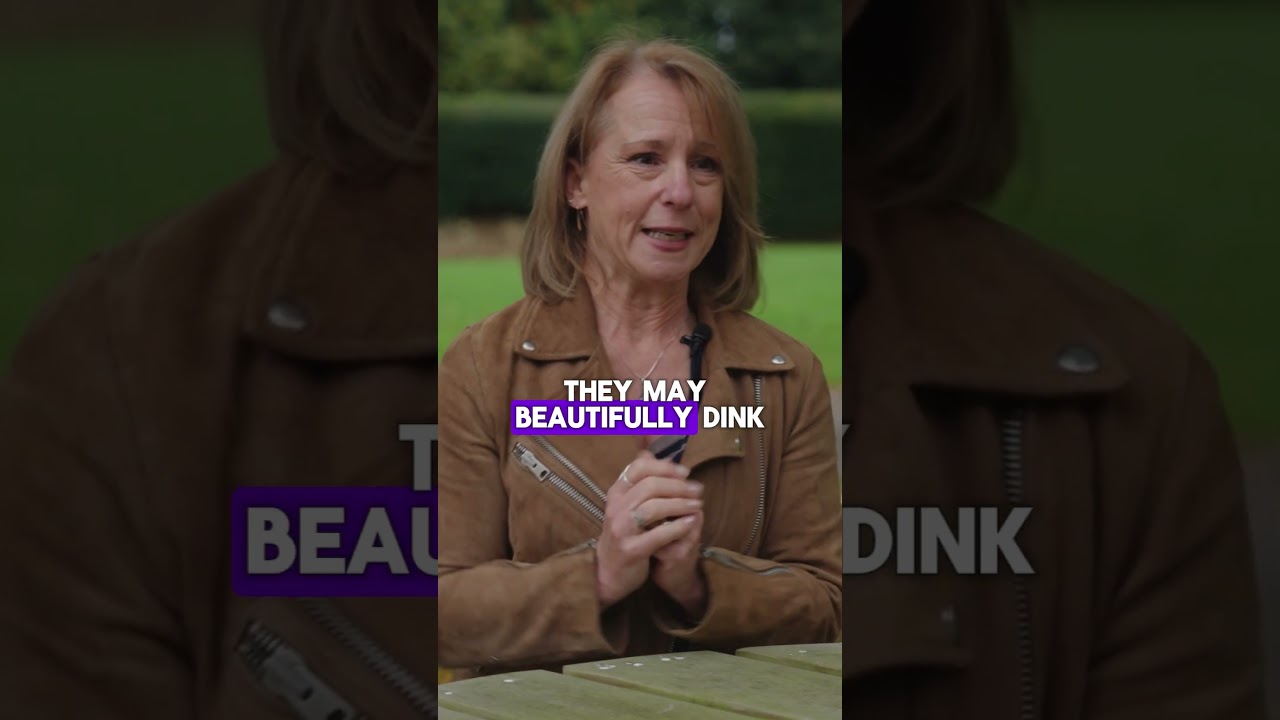
Caroline Cavanagh compares conversations to tennis: you serve the ball, but how the other person returns it is their choice, not a reflection of your worth. You can't control their judgment, but you control whether you keep playing, hit back, or walk away.
Chapters
More from Caroline



youtube.com
The Psychology of Comfort Food & Control | @caroline-cavanagh | The Anxiety Alchemist
1w ago


youtube.com
Unlock Your Mind for Subconscious Healing | @caroline-cavanagh | The Anxiety Alchemist
2w ago






youtube.com
Diary of a Hypnotherapist, Episode 40 | @caroline-cavanagh | The Anxiety Alchemist
1mo ago