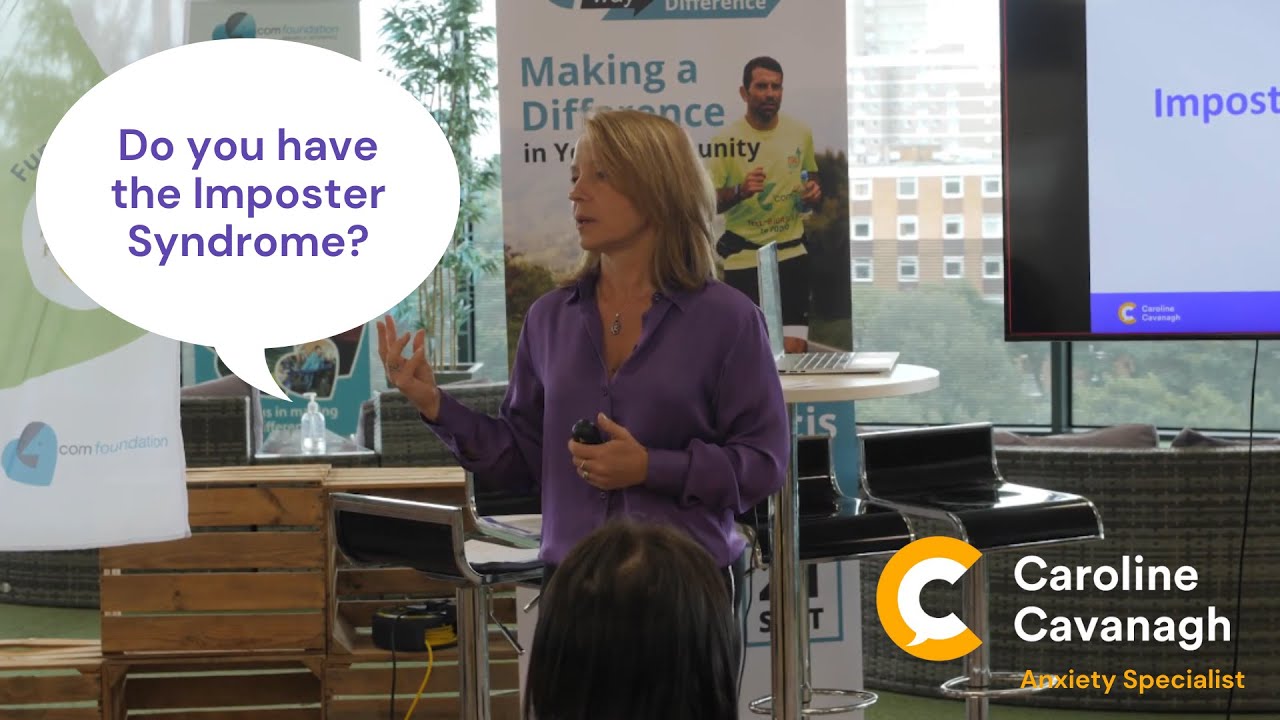
Imposter syndrome gets thrown around as a catch-all for low confidence, but the speaker argues most people using the term just feel insecure, not clinically afflicted. Like depression, it's a spectrum, and conflating everyday self-doubt with actual syndrome dilutes what the condition means.
Chapters
Talk about what specifically is imposter syndrome. Largely, it is defined as people saying, I don't feel good enough. Yeah, I'm not worthy to be here. They have low self-esteem. Find me a person that doesn't have low self-esteem at some point, but we don't all have Imposter syndrome is becoming a label, an umbrella term that's being attached to a wide spectrum of things, a bit like depression. Depression can be attached to someone that's just having a bit of a rough time through to someone who has lost all hope and is about to commit suicide. I think that's a good point. to take their life. That is one heck of a spectrum, but people all along that spectrum will say they have depression. And imposter syndrome is starting to go down that same path. Yes, just as there is clinical depression, absolutely, people do have imposter syndrome. It is a clinical situation. But there's a lot of people up this end of the spectrum that have just got low self-esteem, lacking confidence, they don't have a syndrome.




