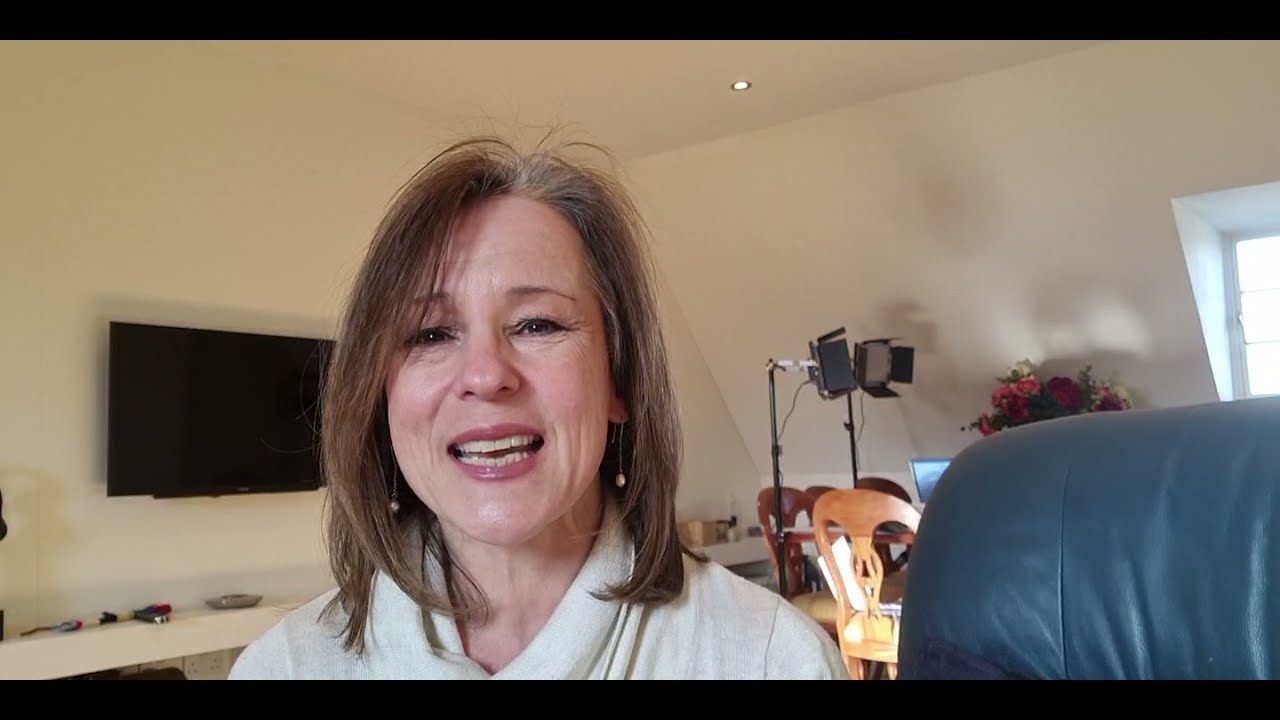
Caroline Cavanagh explains why "don't be silly" or "it'll be okay" backfire when someone is anxious. Instead, ask "How can I help?" or "What do you need?" to redirect focus toward concrete actions and help them regain control.
Chapters
Hi there! For those of you that watch my videos regularly, I'll just let you know I'm not in a bit of a Tigger mood today. I'm more of an Eeyore today, so rather than standing up and bouncing around, it's just all a bit more chilled because that's just how it is today. And what I'm here to talk about today is what to do when someone you care for, or even just a work colleague, is feeling really anxious. So a lot of the stuff that I talk about is about the person themselves when they're anxious and about anxiety, But I get a lot of questions from the parents of teens that I work with saying, you know, what do I do when my child is really at those high levels of anxiety? What can I say? What should I do? And I know myself that you can feel really, really kind of disabled, unable, guilty sometimes if what you're doing doesn't actually turn out to be the right thing for them. So what I hear really commonly when I say to people, what do you say, is 2 things. One of them is, don't be silly, and the other one is, it's gonna be okay. And now, though these things aren't bad things, and of course they always come from the heart anyway, the intention's positive, but I'm here to ask you, if you're in that situation, to not say either of those things. Because when the people are in that mental state, their brain is not working in the same way as yours. So if you say to someone, don't be silly, when they're in that high anxiety, the 2 parts of the brain, the conscious mind and the subconscious mind, are working in a very different balance. Firstly, their conscious mind, which is the rational bit, is being bypassed by a greater power of the subconscious mind. A part of them may be, no, I know this is silly. However, you can't override what that subconscious mind is saying to them too. So if they've got that inner turmoil going on, You're just adding to it by saying, don't be silly. At the other extreme, it may be that their subconscious reaction to that fear is so extreme that to them it's not silly at all. Their fear in that moment is really real, and so by saying, oh, don't be silly, it's kind of undermining how they're feeling, and that's going to add to their level of agitation. The other thing that people commonly say is, oh, it'll all be okay, you'll be fine. Their fear in the moment again is very, very real, so they can't think out into the future. They are living very much in that fear of the moment, so thinking about what's coming down the line and it's going to be okay is beyond their capacity. So again, it's just going to stress them out Even more because their fear is real in that moment. And so the thing that I would encourage you to say is something along the lines of using your own words of, how can I help? What do you need me to do? Something along those variables. And there's reasons behind asking a question like that. Firstly, it starts to focus them a solution, because they're the ones that need to get themselves back in control. You can't take their fear away from them. They need to do that, because the chances are their fear is triggered purely by a thought. It's not even something that's physically real. So by saying, what do you need? How can I help you? Their brain is going to go, oh, I need to do this. Then they are on a different thought process. It also gives their mind something to do rather than focus on that particular source of fear. It's a bit like distraction. Just take the fears over there— oh, you asked me that— oh, hang on, I need to go back there— but you've changed that focus just briefly. And thirdly, often the people will know what they need, and they may just be able to say to you, just hold my hand, just give me a hug. So give them the opportunity for them to tell you what they need in that situation. Hi there, Sam, thank you for joining. So when you come across someone that is really anxious, and we're talking not quite panic attack, that's another video that I can put a link to that I've already covered. This is more, I'm really anxious, you know, constantly worrying about things. Avoid saying, don't be silly. Avoid saying, it will all be okay. And use this new phrase, which is some sort of variant, as I said, of what do you need How can I help you? So put that in your toolbox. When you next come across someone that's feeling anxious, try reaching for that tool and using that one because it will be far more productive in helping them get out of the thought process that they're going through that's leading to their anxiety response and help them again build a toolset themselves to pull them back should that ever happen again in the future. So thank you very much for listening. I would love it for for you to put any comments that you feel about this. If you think yep, great idea, let me know. If you think no, completely disagree, I'd love to know that too because there's many different approaches to these different things. And similarly, if you're someone that has high levels of anxiety, let me know how would that as an approach help you? How do you feel if someone says to you, "Oh, you're just being." Silly, it'll be fine. Does that help you, or would you prefer to hear something like, what do you need me to do for you? So please let me know what you think to this video. As I said, I'll put a link to the video that I've already posted in the YouTube site, which is on panic attacks, which is an even higher level of escalation of fear from what we're just speaking about with this particular tool. Thank you very much for listening, and I will be back very soon with another tip. Bye-bye for now.