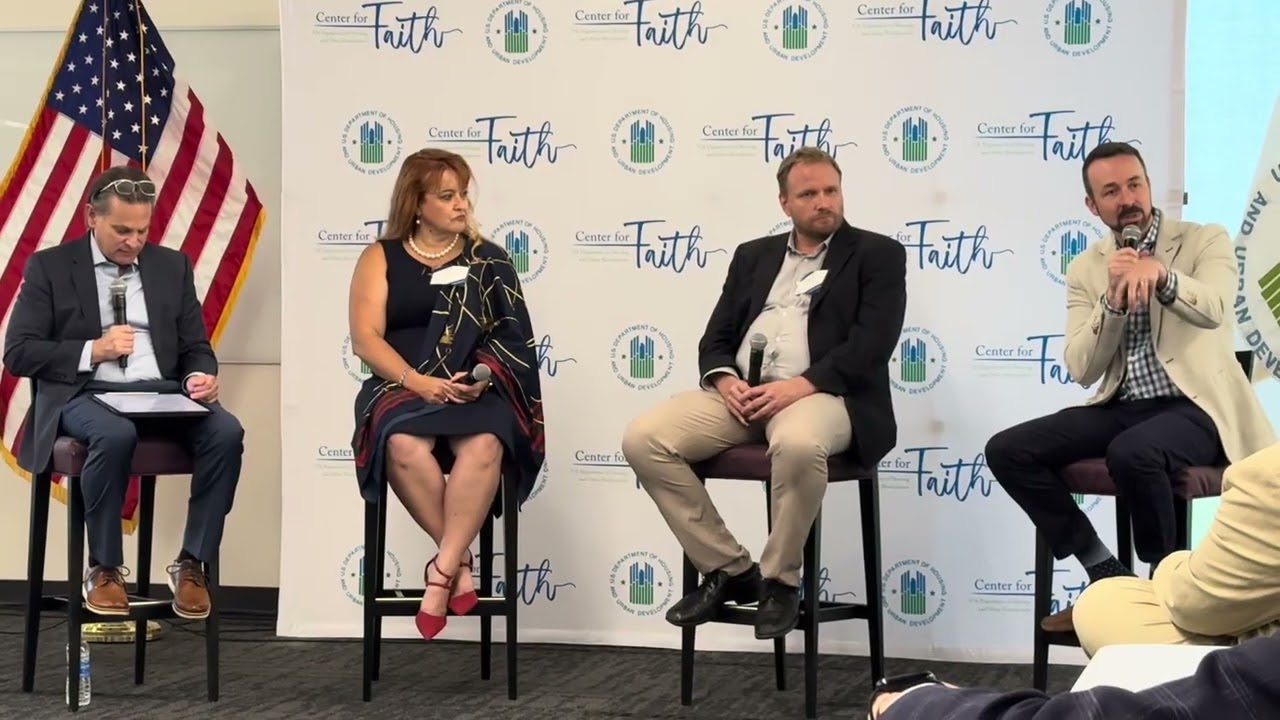
In this panel excerpt, Speaker A and Catherine Bell discuss innovative investment approaches that combine real estate ownership with operating businesses to de‑risk ventures, using a pickleball franchise as a case study. They explore how faith‑based organizations—particularly churches—can serve as hubs for opportunity‑zone projects by providing excess land, local community insight, staff resources, and congregational capital, while also offering tax‑advantaged structures for investors. Catherine Bell adds data from the FactRight conference showing that institutional capital is increasingly flowing into data centers and manufactured (affordable) housing, underscoring the growing demand for affordable housing and the supporting blue‑collar industries. Speaker A highlights a specific Arizona tax exemption that benefits 501(c) entities owning or controlling affordable‑housing property, further enhancing the financial appeal of these projects.
Chapters
So last thing I will say on attractiveness for investment for businesses, I am very attracted to, which is why we invested in pickleball, the opportunity to buy both the real estate and a piece of the operating company because I kind of de-risk both sides of that trade. So if you're doing an operating business, think about how you might wrap real estate into the business itself. A lot of times you're building an operating business, you don't want to deal with the real estate. Well, if I'm going to put up money for 10+ years of your operating business, I might want to deal with the real estate in case your operating business doesn't succeed. So just think of it kind of from that angle. And let me just add, just in the spirit of what we've been talking about today with faith-based organizations. So if you're looking at an area, is it more attractive when you have more faith-based organizations in Yeah, I'll just add one more thing on that and I'll get out of the way. Um, so I know John really well. John does great work in helping churches and such use their excess land. It's a fantastic application of opportunity zones. First, you have property in a highly attractive area. Second, you have a community of people who actually understand what's going on in that area. Third, you have a staff potentially that you could leverage between the church and maybe assisted living or whatever you're going to build on site to help make that business go. And then fourth, you have a congregation of people who potentially have capital gains. So if, if you're the faith-based organization, you sit in the middle, in the nexus of all that. You know what is needed, you've got some of the assets already, you can take some of the risk off the table, and you can find a member of your congregation to sponsor the fund and basically raise capital. So it's a really cool application. Of course, the churches don't pay tax. But the members of the congregation certainly do, and they would love to have a tax benefit and invest in their own communities.
So I'd like to add one more thing. So we were just at the FactRight conference, and I always say, give me numbers and I'll just tell you what to do. And they were doing the statistics of where institutional capital is going, and it's in— it was— the report was significant from where everything else was. And there were 2 at the very top, which was data centers and manufactured housing. And so it comes down to affordable housing. Everybody is recognizing that that is what's needed. So it's the affordable housing, and then of course the blue-collar companies that support that. And then of course, like, that is their community. And to your point, like, are in the churches and the communities. Like, again, just do the numbers. They tell you everything.
You know, the other thing that's attractive about a faith-based organization, especially affordable housing transactions in the state of Arizona, is a property tax exemption. If you have a 501 that owns the property or even controls it, then there's a way to get even more benefits that way.