How to Create Passive Income Without Burnout (Even If You’re Busy) | Titan Impact Group
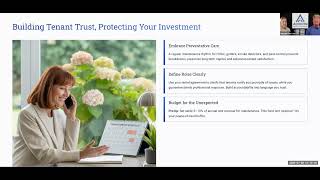
Catherine Bell, Ashley, and Michael break down real estate maintenance systems that prevent burnout: clear lease terms, vendor relationships (3-5 per trade), written SOPs, and reserve accounts for major repairs. A Saturday plumber and termite story show why fast response and good vendor relationships matter.
Questions this video answers
Started within 24 hours for major health/safety items; some regular repairs must be started within 72 hours (as referenced).
Chapters
Okay, so today I am super, super excited to talk to you guys about this again. So over the last couple of weeks, we've been talking about buy and hold and all the fun that comes with buy and hold and is if anybody who's listening to my story, I don't do tenants and toilets. And way back when, when I had this, I wish I had you guys, because I probably would have grown my portfolio in that way. And it's a brilliant, brilliant investment opportunity. And here's what I love. You're the who that knows how to actually manage all this, and you're also the who that knows how to teach people, if they want to do this themselves, how to do it the right way so that it actually is enjoyable. I wish I had had you guys, you know, because I probably would have stuck with it, but I went down a whole other path as long as you're creating passive streams of income. So today we're talking about maintenance. Maintenance with buy and hold and all the things. And so for those of you, for everybody else that hasn't been watching all the previous ones, first of all, go back and watch them. They're on my YouTube channel. You guys can watch those.
They're so good.
But let's just go do a quick intro for you guys and who you are and why you do what you do in your company and stuff. Because again, that just speaks to the heart of, like, why we connected and all the things. And then we can jump into the other fun things about maintenance and all that.
Awesome.
Love it.
Thank you for having us, Katherine. Thank you so much. So just a little bit of background, in case you've missed the previous sessions, a little bit of background about us and how we got into real estate and that whole adventure. So it started, ironically enough, when I got divorced. As they always say, you know, when something traumatic happens in your life, additional doors open, Right? Exactly.
Divorce, diagnosis, downsize being done. Like. Yeah. So it came out of one of the five Ds.
Exactly. And this is just one of the five Ds. I've got another one that I will share in a second. But it started with a divorce. And so, you know, it was. I had a software company that I just started up a couple years prior. So it was brand new, and it was just starting to get some growth underneath it. Both kids, both Ashley and her brother Brandon moved in with me. I took all the maintenance and was freaking out a little bit about how I was going to make ends meet and make it all work and got divorced in February. In March, a buddy of mine said, hey, there's a Robert Kiyosaki Rich dad, Poor dad seminar in town. Would you like to go? And so I said, absolutely, let's go figure it out. And I looked at all the different streams of revenue, and Catherine's talked about a bunch of them. But the, you know, the buy and hold, the single family, the multi family, the fix and flips, the wholesaling, the syndications, the lease options. There's so many different ways to make money within real estate. And I tried a lot of them, and I'm still doing some of them today. And so I just started literally diving into it and doing all the things and starting acquiring properties. And I did a lot of the things you're not supposed to do as the guy mowing the lawns, doing a lot of the repairs myself and all the maintenance things that we're going to talk about today. But, you know, it ended up when the portfolio grew, I could no longer do it myself and needed a property management company or something bigger to manage that for me. And we decided, Ashley and I decided to partner together on that and be able to grow it and make it a concierge type of company to not only handle my investments, but other investments as well. Ashley and I have some other investments together as well. And then the thing that totally altered both of our lives forever is the knock that you get on your door that you never, ever, ever want to get. My son Brandon, was deployed in the US Marine Corps in Afghanistan, and he was killed in action in 2010. And that was. That was the knock on the door. It's exactly like in the movies, and it is no fun at all. So that's. There's the second D. There's the second D. Exactly.
You didn't plan for it.
No. And this is one of those things that one, it just rocks all of your priorities. It makes you think about, rethink your priorities and what's important, what's not important, and that sort of thing. And so one of the things that we wanted to do out of it and that we have done out of it, we've created a foundation in honor of Brandon and his other brothers that were fallen and to again, pay it forward for the community moving forward. So that is a huge effort that we want to continue to pay it forward and help others with. But in addition to that, with the property management company itself and with our knowledge with that, we want to be able to share that. We want to be able to pay it forward. We want to be Able to help people create legacies for their families so that, you know, they can do this themselves if they want, with whether it's a single family, they can scale it if they want. And we'd love to help people be able to walk that journey and help them with that journey with a leg up. Much, much better than what we had to start with.
Absolutely. Yeah, absolutely. Now we're two times international bestsellers. We manage a 65 billion dollar portfolio and that consists of single family, multifamily and industrial properties. And that's in Colorado and Florida. So pretty amazing stuff. But definitely, you know, I feel like real estate is one of those that you can, you can do so many things with. And if your goal is like, okay, you know, I'm going to live in this property for a while, I'm going to turn it. You can do that. You can absolutely do that. That's why we're here today. We're going to teach you exactly what to do. This topic's on maintenance, just like Kathryn said. Go back, look at the other videos. There's some really, really good ones when it comes to tenant screening, evictions, all those things. But I'm super excited to dive in today and see how we can help.
Absolutely. People come into that approaches, they come into properties different ways. Some are active investors and they go out to go get the properties themselves. Others, they receive it through an inheritance or something like that from their parents or it's as Ashley just talked about, a property they lived in and then they want to, instead of selling it, rent it and move on to something else. And so a lot of the people that approach us are in this situation and they're not really sure how to proceed from there. And so all of this, all these sessions are intended to help all of you who are on that journey. And whether you're, you're just starting out or you're well established, a lot of this applies. It applies to single family, it applies to multifamily, it applies to commercial. And so let's dive into the wonderful world of maintenance. So the big thing with this is, or a big portion of this is that relationship you have with your tenant, making sure that they know you're there to manage the property and take care of the property and provide a good place for them to live. But it, they also have responsibilities themselves.
Yeah. So you've got to define your roles clearly here. What I mean by that is your lease is essentially going to tell you what's allowed, what's not allowed during the term of their tenancy. So with that, you really need to make sure that your maintenance section is clear. Where do they go for maintenance? Who do they call? How do they submit that information? What happens if they don't notify you of maintenance issues of those things? Because what we're trying to do is we're trying to build a long term relationship with that tenant, right? We've got long term relationships with tenants and it matters. If you're on top of it with your maintenance, you're going to build a better rapport with your tenants, you're going to retain tenants longer, you're going to make sure that your property's upkept and it's in a good condition and everybody's just going to win. So that's really what we're looking for here, is we're making sure that your guidelines are very clear with your expectations and you know, everything's in writing. So if there is an issue, you can quickly address it based on your lease and go from there.
So the communication in and of itself is one of the things. And you'll, we'll talk a little bit more about that with the vendors themselves, but with the tenants and the tenant relationships. I think, as Ashley said, one of the reasons why we're so successful with keeping long term tenants, finding good tenants and then keeping long term tenants is the communication that we have with them, the proactive maintenance that we have with them. And truly that relationship, that where it's not adversarial, it's not, you know, where they're going to call over, I have a light bulb that's out. And, and it's also, if they truly have an issue, you know, the furnace goes out or whatever it is, they know it will be taken care of quickly.
Yeah, exactly. And then, you know, I mean, maintenance is one of those funny things that as you, as you're growing or as you're managing your portfolio or somebody else managing your portfolio, whatever the case is, it's something that you can always fine tune and always consistently be better at, right? So if you're in a situation like Colorado is a great example for this, where during the summer, let's say you have a single family home, during the summertime, there is lawn care that the tenant's supposed to be responsible for, you know, figuring out, making sure that either you've got a landscaping company and that's a pass through to the tenant as far as a charge, and then you're having that landscaper verify everything's good at the property, everything's on track with maintenance, nothing sliding by the wayside. Likewise, if you don't have that, are you driving by the property monthly? Because that can change pretty quickly with 90 degree days here.
Absolutely.
I mean in a month that changes very quickly. So being proactive with your maintenance, figuring out your regular schedule for the term is drive bys, but it's just a terrible term. So figuring out when you're actually just doing an exterior, like quick look, make sure everything's good. If it's not, you can address it from there.
And the key is getting communication, making sure that everything is coordinated. If you do need to get it in the property, make sure that there's coordination with that, making sure that they know how to communicate in the event of emergencies and making sure things go smoothly that way. So timing is a big portion of this. We're going to go over the some of the legal aspects that are required with respect to timing and then we'll go into more of the vendor relationship pieces. But yeah, you want to talk a little bit about some of the specifics surrounding the timing.
So every state is going to have their own guidelines here. You're going to want to definitely reach out to an attorney, property attorney, and get clarification on what those are. There's a link as well at the end of this that you can go to. It shows all 50 states and what their requirements are for maintenance and when you need to respond, how you have to respond, whether it's in writing or not, when repairs need to be started and when they should be completed. By biggest thing to watch for here is going to be health and safety items. Right? So if your furnace goes out, if you have a major pest outbreak, if there's a lockout, if there's plumbing leak, catastrophic water, things like that, electrical, those are going to be major emergency repairs that you're going to want to have started within like Colorado's within 24 hours. You have to be started on those repairs and there's got to be a written notification that you've gotten everything from the tenant and you're working on it. And you know, you've got, you're working on timelines, you're getting somebody out there. So things are moving very quickly. So because timelines matter so much, this is why we're talking about maintenance and what your process is. Because if you don't have a process that can be a scary thing, you're held to this standard of okay, things need to happen here, you need to have people out here, then, well, if you don't have a vendor list or anything. What are you going to do? So you need to make sure that you're responding per your state, in accordance with your state, either in writing, and you're working on getting those repairs taken care of as quickly as possible. And this is where it really helps to have that vendor list, those relationships, because if you don't, I mean, trying to find somebody, like I always say this, this, this never fails. If you have, it'll be Colorado. Right. We're in Colorado. Let's say it is Christmas Eve and it's on a Sunday and it's a blizzard and a furnace goes out, it, like, never fails, I swear. And you're going to want to have somebody that can address those issues. And, you know, you have more than one person, too. That's the key part there. So being able to know when to handle emergency repairs and how and what your timeline is for regular repairs. At Colorado, it's 72 hours. You got to get started on it. So every state's going to be different with your guidelines, but really making sure that you're paying attention to those, because if you're not, tenants can come back, and then it gets a little bit messy from there. So.
And I really, the. The way that all of this has changed over the years is a little, I guess, disheartening. There used to be a lot more trust, a lot more just goodwill that went across in doing all this. Now it seems like you have to cover yourself every which way, which, unfortunately, it's where we are in the world right now. And that's why, as Ashley says, making sure you adhere to your timelines. And then also, as we've talked about before, making sure that when you do communicate, you document that communication, whether it's, you know, phone, text, email, whatever that method is, make sure you document exactly what was discussed. And that way you're also covered again in that case.
Well, and it goes a long way, too, because if you put yourselves in their shoes, let's say the furnace goes out on Christmas Eve during a blizzard.
And you have a baby.
Yeah. And, you know, put yourself in their shoes. Okay.
Yeah.
That's a big deal. You want a phone call, you want to know what's happening, you want to know when they're going to. Somebody's going to be out, when it'll get handled. So if you're also making sure that you're empathetic to that situation, and while you're handling it, it goes a long way in building that tenant relationship as well.
Absolutely.
It goes back to playing Monopoly, right? You don't have to agree with the rules. You don't have to like just know what the rules are. Play and win. That's it.
Yeah, exactly.
This is Monopoly in life.
Exactly. And the next one is, in terms of playing to win is about your relationships with, you know, everything you do actually in life, not just, not just real estate, but in life, is about relationships, right. And establishing those. Being the kind of person that people want to associate with, associate with. And vendors are no different. As Ashley talked about. You definitely want to have at least three deep on each of the main categories. The H vac, the electrical, the plumbing, the. I'm sure I'm missing one. Those are. Anyway, those are the big ones. Those are the big three. You name it, but those are the big three. You want to have at least three deep on each. But then you want to have the kind of relationship where when you call them up, they know you, they know who you are even before you've used them, establish that relationship with them. I want to just tell a quick story here about my early days doing this and how important these relationships are. So there was a situation. I was. So I'd been divorced. I was then dating someone who is actually now my wife, second wife. And we were dating at the time. And we were headed out on a Saturday night and I get this call from a tenant who says that their sewers backing up into their shower. And so I. There had been a plumber that I'd used and got starting to establish that rapport with. And I'd used him on several different jobs prior to this. And he was super reliable and just, just a good guy. And he was just starting out as well. And so again, I wanted to really see if we could have this relationship that continued to help both of us grow. And so I called him up and told him the situation. And he said, yeah, Mike, no problem. By the way, this was about 8 o' clock at night on a Saturday night. And he says, no problem, I'll go take care of it now. And so he did. Turns out the got it taken care of right away. The plumber, the tenant, was very happy with everything. It didn't bother my timeout with my now wife. And I found out later this was the part that was just so amazing to me is when I talked to him later, he said, yeah, well, you know, I was down, heading down to see my parents in Colorado Springs, see my mom. But I figured, yeah, it's real quick, I'll just go ahead and take care of it. So he literally stopped, turned around, went back and took care of this and then went and saw his mom. Yeah, I mean, that is unheard of. By the way, I still do business with him today. That was probably 2008, 2009 that I started working with, actually. Yeah, it was 2008, because that's when I got into it. And I still work with him today. He's grown substantially. I've grown substantially again. It's one of those situations where you never, ever, ever know how long these people will be around. And if you can do good by them, they will do good by you.
Yeah, it's. It matters so much to build that business relationship. Those vendors will put you first in a, you know, emergency situation, which is exactly what you want. It's what you want for your tenants, it's what you want for your property. And it gives them consistent business. You know, if you're paying on time and you're treating them well as well, that builds a win win for both sides. So you're not only providing work, but. But you're also making sure that your assets protected and that it's first on the list.
Yes. And that is key. Actually, I can't. I want to emphasize that again. She says pay on time. I really, really want to emphasize how important that is. Because vendors think about, again, putting yourself in their shoes. How many people do they go do a service for and then it takes them forever to get paid. That's super frustrating for them. It's not good for their business. It's not good for their cash flow. And if you can be the kind of person that pays immediately once the job is done, I guarantee they will answer your call next time as well.
Yep.
So that is super, super, super important. Yep.
And little things go a long way. You know, whether it's, I've seen Christmas cards, I've seen, you know, just phone calls like, how is everybody doing? Building that relationship, making sure that you're treating the people in the office with the same respect that you're treating the owner. Those things go a long way with vendors. But yeah, have the conversation up front. What is your net pay? When do you expect to be paid? Yeah, yeah. Are you expecting to get paid at the end of the job, or are you expecting to get paid in two weeks or 30 days? Or, you know, what does that look like? Have that conversation up front so that way they're going to appreciate it that you asked first of all. And it'll set that expectation so then you can make sure you're ready as well, especially if it's an emergency situation or anything like that. So building those relationships is really huge. All the vendors that we don't have, a vendor that we have worked with for less than five or six years right now. And with that vetting their licensing, you know, are they insured, are they licensed? Are these guys something you can go back for for a warranty thing? Or you've gotten that relationship now where I can literally call them and say, we've worked with you forever, we love you, what happened? Let's get it fixed. And they'll go, yes, we're out there, we're out there tomorrow, we're getting it done right, we're good. And then they do. So making sure that you have that relationship, you're verifying their insurance and that they're certified so it protects you as well. They're going to do the work. They're going to do the work. Right. And if there's warranty things that they can come back out and get those taken care of too.
Yeah, absolutely. So we always talk about this part of it. This is not the glamorous, glorious part of anything, real estate wise, but it's the systems and the processes, the procedures that make everything work. And they're critical to every part. Well, I think every part of every business. I've got a number of businesses and it's a critical part of every single one. But with maintenance in particular, whether you're doing a large scale portfolio or you're doing just a single unit or a single home, systems are super important. You want to talk about specifics matter.
Have it in writing so you don't have to remember it. Same thing, like what's your go to vendor? If you, whether you're managing it or whether you're having somebody else manage it, there should be a go to vendor sheet of who's contacted first, who's contacted next, if they're busy. So like you have your top, then you've got your next, then you've got your next from there, right. Making sure that you have those sops in place is going to be really huge, especially Christmas Eve on a Sunday at 2 in the morning, if you're getting, if you're taking the maintenance calls for that and that happens. You don't want to be fumbling and going, oh my gosh, what was their number? I don't have it. Were they certified? I think so. Do they do this? I don't know. Have those conversations up front, you know, is this all you Guys do. What else do you do? Do you. Plumbing? Do you do H vac? Do you do furnace, filter cleanings? All of those things. So intake and triage, right. How are your maintenance requests coming in? This is a big one. Figuring out if. Whether you're an independent landlord or you're having somebody manage, knowing that if a tenant. How a tenant can actually submit those, Is it just by phone call? Do you have a 247 maintenance hotline? Maybe? Are you relying on a handyman? Is he actually answering the phone? Nobody knows. Right? Making sure that you know where a tenant can go and that there's documentation of when that's submitted too. Because that all helps you out, right? You want to know when it was submitted. Same thing. Like, we get these calls all the time from insurance companies from. Let's say a tenant submits an insurance for something. They want to know the timeline. Same thing if you submit a roof claim for your property. They want to know the timeline. What day did it happen? What time when? What was the damage? Those are all the type of things that you want to be documenting. So having a triage process, when it comes in to see, okay, is this a valid maintenance item? Yes. No. You might be able to nix 30% of those right out of the gate. Or just have a call and have a conversation with somebody about it. Right. And then classifying if that's an emergency, or is that a regular maintenance request? You know, this is funny because we'll get these sometimes where a tenant will send in a maintenance request and it comes through and it's like the entire property is sinking into a hole. You know, something just cast off, like, blah, blah. And then the one that I've seen before is like, there's. The ceiling's about to cave in and it's been like a pinhole leak. There's a. Just have a conversation. Like the fact that we've been able to get on the phone with them right away and find out, like, actually by video, is this a catastrophic or is this a pinhole? Still triaging it, still getting it corrected as quickly as possible and getting it remedied so that way you don't have damages. But making sure that you have a process for when people call in is huge. And then. So when you. Really quick.
When you say video, you mean like your like. Like a FaceTime or whatever?
Yeah.
So actually, genius.
I know part of our maintenance, when I. I'm not kidding. When I say we literally are able to handle within five minutes or less, 30% of maintenance requests and they don't go further than that, than that phone call. So 30% of them are able to just be completely walked through and corrected over the phone. And video goes a long way with that. So in our maintenance system alone we're able to FaceTime with them. We're able to. And these are with actual like plumbers and people that know what they're doing. Right. So certified technicians and based on whatever the maintenance report came in as and they're able to walk them over the phone through diagnostic issues. So we know before you actually send somebody out that this is a valid issue. They've already tried to reset the thermostat, they've already tried to replace batteries. They've already tried all these things.
My favorite is the light won't work and the GFCI was tripped. So go push the button. Voila.
Yeah.
Magically over the phone without having to send someone out. Getting a trip charge for that and everything saves you money by, by doing the upfront.
And those trip charges can add up. I mean I've seen them where companies are charging like $95 just to be on site.
Yeah.
Before they even do anything. So that matters. Being able to triage those calls coming in and seeing, okay, can we just walk through this quickly, reset this and be done. That's gonna help go a long way. And then making sure that you've got routine preventative maintenance. This is a big one. I see this a lot. So on top of your top to bottom list, right. You've got your triage, you've got, okay, this is who's handling it, how, this.
Is.
What the, this is the timeline for when it happened. You've got all the documentation there. You can even go back later and say, okay, this is how we could do things better. This is the feedback from the tenant. This is, you know, this vendor got rave reviews. This one. Maybe not. Maybe that's another conversation down the road. Those are all going to be just improvement KPIs that you can look at later down the road. But I want to talk about proactive maintenance as well because just like I mentioned with the drive bys during the spring or whatever you have, you're going to want to make sure you're proactive with your maintenance. Not just landscaping, but let's say H Vac, Big one. I've seen, I've had landlords that have come on with us and they've told us these stores and, and it's been more than one which is mind blowing that it happens so often. But they've said, I thought the tenant or I bought the best one I got was I bought all these furnace filters. I said, well, who's doing your furnace filter changes? And he said, well, I've got all these furnace filters and I send them to the tenant. And he goes, I've sent them one automatic, automatic delivery so they can just install it. And I say, okay. We did a walk through together on his property, and there was a stack of eight of them sitting next to unopened, unused, and the original one was still in the furnace. And that tenant had been there for two years. So they had. They had to replace furnace. I mean that. Because it just was like the motor. It affected other. Other issues. But so. So that was a perfect example of, okay, the thought was right, but ensuring that it was actually being done was the fail point, right? Yes. So making sure that, okay, if you are having the tenant do it, have you walked them through doing it? Who's verifying that it's actually done? Likewise, if you don't even want to rely on the tenant, are you having a company come out and service that quarterly? Because the more maintenance, proactive maintenance you do on a furnace, the better it is when it comes to wintertime. You're not going to have issues, things like that. Likewise, that communication with that tenant. We do seasonal communications as well as just regular. So that way we know just. I mean, Colorado, it gets cold at a certain point, so we send out notices to everyone and we're like, this is what's happening. Turn on your furnaces now. We want to know if you're having issues. We want to know if it's a thermostat. We want to know ahead of time. Because on top of the proactive maintenance we've been doing with furnaces, if there's an issue that we can address before it's winter and before it becomes an emergency, that's something that we want to do. So being proactive with that is really going to help. It's going to help protect your asset and honestly save you a lot of. A lot of heartache.
And I'm sure the tenants feel like, wow, they really care.
Yes, they do. They really do.
Yeah.
Yeah. It's a different relationship than some landlords, I think. Experience, for sure. Well.
And it gets you into the property again to see what it's doing. Right, right. And if you've got those great relationships with those vendors, you know, if they go into a property and they go to replace something and they're like, by the way, you know, we saw Some illegal activity. Just thought I'd tell you. Thanks, that's great to know. You know, it's just more, it's building those relationships to protect your asset.
Yes, for sure. And making sure that you document, you know, the slide that we've got up here talks about. You can have property management software, you can have a spreadsheet, but have something, have something that you can schedule reminders on your calendar that as far as when things need to happen, you can automatically send text messages, send email reminders to the tenants if it's their responsibility to change out the furnace filters, have that in the lease, have a process and a system that's in place that's also automated as much as possible to be able to make it easy for you, easy for the tenant, and something that is sustainable. And again, I did things through spreadsheets for a long time. I'm an engineer by background and so at the very beginning I did spreadsheets. And you know, they can work as you scale. It's not as fun and it's not as streamlined, but you can make things work as long as you do it and document things.
This is like the spreadsheet master saying that. But yeah, definitely have it documented whether you're using a software, whether you're using. And there's some decent ones out there. Like even if you only have like one or two properties, I mean there's billion, there's Mint Turner, there's, there's some decent programs out there that aren't hefty on their fees to be able to do that documentation either. So you might take a peek at that.
Absolutely. One of the things, by the way, this is a little, I guess, pro tip just in terms of that establishing the relationships with the vendors as well. Vendors love good reviews. And so one of the things that you can do up front is, is just say, hey, you know, you take care of my tenant and I want this long term relationship, you take care of the properties that I send you out to. You know, let's just, let's make this thing go a long time and then as, as we find out that it's working, we will just give you automatic reviews after each positive maintenance activity that you have with any of our properties people. The vendors love that because it's a great way for them to get good reviews. It's a good way for them to have steady income stream based on the number of properties that you manage. And again, it's another win win all the way around.
Yeah, that's a great point.
So first Time, landlord maintenance. As far as just getting started, if you're just doing this, we've already talked about a lot of the different pieces themselves, but these are some very specific items that you definitely want to make sure you cover.
First one, have a move in checklist. This is going to be super helpful when a tenant moves in and when they move out, you know what it looked like ahead of time when they moved in and you know what it looks like when they move out. So having that in writing, having not just in writing, but photos, videos, every type of documentation you can have here is going to be your best friend. Same thing you're going to want to have your emergency vendor list. That's non negotiable. Right. You need to have multiple layers, multiple.
Layers for each of the main and.
Three to five vendors deep, honestly is what I would recommend and suggest that seems to work pretty great because even in high emergency weather, I mean even in Florida, right. A hurricane comes through, you know how busy those guys go. And then you also want to avoid scammers, right. That take advantage of things that are happening during those times too. So you already have pre vetted vendors that you know, that you trust, that you work with and that can take care of your property.
This includes handyman by the way. So have multiple list of handymen to go out and do the miscellaneous items. Yep.
Have a tracking of some kind, have software that tracks it, have spreadsheet. This ties into the documentation. You're going to want to have it in writing when things come through, when they're taken care of. That's just going to be helpful for any insurance and protecting yourself and your asset. Know your local, municipal, city, state, all of them. Timelines for when repairs need to get handled, when do they need to be started, when, when do they need to be completed by for both emergency and regular repairs.
Although just to clarify on this one, because Ashley said it earlier, best I think is put yourself in their shoes. What would you want in this situation? So you know, they always put the rules or make the rules or they even establish rules because of the lowest common denominator. And I mean there's a reason they say remove pizza from box before putting in oven, it's because somebody did that. And so you know, the same sort of thing is if your furnace is out, if the furnace goes out and it's, you know, a blizzard outside, fix the furnace. It's not really something that requires a regulation to make it happen. Those are in place because unfortunately you do have people that try to do the bare minimum. And really are those true slumlords that are out there that use. You don't ever want to be one. And so much of this is. Is just plain common sense. And these rules with timelines are there for again those that don't have common sense.
There's a story I want to tell here. I don't know if I've told this one. This was real, this happened. It is not made up. We were managing a fourplex and in one of the units I got a call, got a call one day and she said there's bugs coming through the wall. And I said what? She said yes. And so I we facetime through the maintenance system and I said I want you to zoom in on what one of the bugs looks like. Because in my mind I'm thinking okay, chewing through the wall that can really only narrow it down to certain bugs. Right? Termites. Now little did I know the construction on the same block. They were building a high rise apartments nearby, literally like two doors down. It had disturbed a termite nest that was underground. They had started moving and they happened to. To move through our unit. The fact that we had such, I mean amazing maintenance response. We had somebody out there within hours treating. They did an underground. I mean like they did, they did the whole thing and we were able to save the building. There was zero structural damage. It was phenomenal.
They never even got to it.
So phenomenal.
So.
Like I said things like that. I. I would have never guessed that an apartment complex that wasn't even ours that was being built had, I mean disturbed the ground and critters came. So you want to make sure that your systems are rock solid because I mean we retained a tenant. She was fantastic. The whole entire situation was remediated extremely quickly. And the vendors we used, we already knew exactly who we were going to call and they were out there immediately. So that was phenomenal. That's just one of those examples that you would never think would happen. And yet there's a story for it.
So.
So making sure that you've got that is huge. And then kind of tying into there are must do's, you know, verify who's supposed to be doing what, right? Who's maintaining what is part of the lease, who's doing the yard, who's doing the furnace filters, who's responsible, you know, how, how often are you doing inspections to make sure that the inside is being upkept. Things like that, preventative maintenance. What are you doing when, what type of property is it? Maybe it's A multi family and you've got a landscaper that's doing the outside and you're just doing regular checks to make sure their work's done. And you've got roofers checking during springtime after hail storm. Hail storm to make sure that you don't have leaks or penetrations. Same thing. Gutters. Who's cleaning your gutters regularly? Especially out here with pine trees and all kinds of things. You know, Florida's the same way. You can get some crazy vegetation there if you're not maintaining it or up on that. So making sure you know that those expectations are very clear and set in stone and communicated with that tenant.
Absolutely.
And then actually one piece of that, your reserve account. A lot of. I feel like a lot of first time landlords may or may not do this. It is highly recommended that especially depending on the age of your property, if you've got a property, let's say that was built pre 90s, you know it's probably going to have a cast iron sewer line. So it's not if it's going to fail, it's when having a reserve account for that. Likewise, there's some insurance companies that are now offering additional sewer line coverage. You know, looking into these things ahead of time before you know it's going to be a problem and creating that reserve account for those major items. Especially if you know like your water heater's 20 years old, you rented it, you've got a tenant in there. But you know, it's not if it's, it's, it's when.
Absolutely the these costs by the way, as since you're doing your real estate under a company here, you should be. You can write off all of these things. As far as capital expenditures, there's different rules and, and guidelines and timelines associated with how much you can depreciate over what period of time. They just reinvigorated the accelerated depreciation clause which is nice. So for some of these larger expenditures you can write them off in the first tax year which is again a massive, massive tax savings on top of. On top of everything else.
Yep.
So the, that's the end of the, the main discussion of the maintenance piece. We're going to have a Q and A session on Thursday to go over additional top. I don't know how many we're going to have this time, but top questions regarding maintenance that we've received and be able to respond to your questions that you may have then as well. But we also have additional resources that are available to you. We have a course that we've created called the Landlord Success Blueprint and that is available. We have free downloads. We have all kinds of resources available for you to continue to learn.
So this is so exciting. So this, I feel like this is like drinking from a fire hose, but it was so critical inside of again, it goes back to like, what kept running through my head this whole time is like, an ounce of prevention is worth a pound of cure. Right? Like, yeah, everything you guys kept talking about is like, get out in front of it, get your systems and structures and you're really providing amazing customer service at that point. Right. Like, it's not just about like you and you being an investor. It's like, wait, how am I actually, like, serving them? And again, it goes back to like leaving every person, property and community better than you found them. Right?
Yeah, it is, it is very much. And by the way, these same practices can apply to your own home as well.
Right.
And so if you start thinking about it, maybe you already do this with your own home, but if you don't, if you don't have that vendor list already, do it for your own home as well. Because establish those relationships. If you, if they know you have a rental property as well and you know, then from a vendor standpoint, they look at it and they're like, oh, well, wait, there's potential for, you know, multiple jobs because they own multiple properties and then more properties you own, you know, there's even more likelihood with that. And being able to establish those relationships, then have multiple deep on each of the areas, works across the board to help you, the tenant even, and help you with your own personal house as well.
It is a great way to test too. Like if you have them work on your own house and use like, okay, okay, how well are you going to do? You know, then you can bridge that gap and build that relationship from there.
Yes, Love that. So I know for me, it would have made the whole buy and hold process a whole lot more fun had I known all this and had all this. So this is the, again, the reason I'm bringing everybody on is so that people can learn from you to do it themselves or if they want to. You know, you have a school that are, you know, course or whatever that teaches people this or you just do it for them, which is really exciting. So.
Exactly.
Yeah. So making sure that people follow you, that, you know, again, we're going to be doing more of these around all this because again, investing is, It's a team sport.
It is. Systems are huge. And it's. You can't go it alone. You need a system and you need.
A team, and there's continuous refinement.
Right.
You always want to continuously improve and see where things can be better and just keep. Keep going that way.
Yes.
I love that so much. Well, you two are amazing. And I can't wait for the Q A session on Thursday because this, again, this was unbelievable. They all. They all are. Anyways, so thank you both for being here. This is incredible. And I'm actually going to be sharing this with a bunch of my other communities because this, again, you two are incredible. And everybody needs to know this. Again, like you pointed out, Michael, not even just for, like, investment properties, but your own house as well.
Exactly, exactly.
So we love that engineering brain.
Not everybody loves that, by the way.
Oh, I'm aware. I've got one of those. Listen, I always tell my kids, nerds rule the world. Go be a nerd.
Love it. Go, nerds.
I love it. Well, I hope you guys have an amazing day. Thank you for being here. And I can't wait to see you guys on Thursday.
Thank you for having me.
Thank you, Catherine.
Absolutely.
Talk to you guys later.
Okay. Bye. Bye.
Bye.










