Oil & Gas: How Accredited Investors Keep More Money, Reduce Taxes & Build Passive Income | Titan Imp
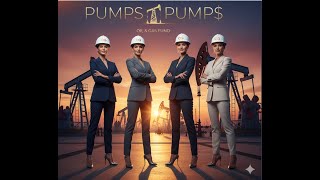
A November 2025 webinar hosted by Catherine Bell featuring Courtney and other team members promoting an oil & gas investment fund (Iron Horse / "Pumps and Pumps" fund). The strategy buys non‑operated working interests (usually 2–10%) in newly drilled wells within proven U.S. basins (Permian, Bakken, Niobrara, Anadarko, Eagle Ford, Haynesville, Appalachia) and partners with major operators (ConocoPhillips, Continental, EOG, Coda, Fulcrum, Slauson). Key selling points: large first‑year tax deductions via intangible drilling costs (80–90% K‑1 loss targeted), a depletion allowance (approx. first 15% of income tax‑free while owned), monthly cash distributions (target Q1 start), diversification across 50–100 wells, conservative underwriting (break‑even ≤ ~$40 oil), no leverage (cash purchases), contingency fund (~5%), $50,000 minimum, 506(c) offering for accredited investors, and GP→LP conversion after ~1 year. Timeline: fund close late November to enable deployment in the calendar year; distributions expected in Q1 (target Jan/Q1).
Questions this video answers
$50,000
506(c) (for accredited investors only)
Close by November 25–27 (end of month) so capital can be deployed this calendar year
Within Q1 (targeting January but conservatively Q1)
After about one year (example given: around January 1, 2027)
Chapters
Green. So thank you, everybody for being here and for joining us today. I'm really excited, personally. So I'm Kathryn Bell. For those of you who don't know me, of course, we've got Tracy Gore, Laura Miller, Nika Suneha, and the fabulous Ms. Courtney. And why are we all here? Because we're here to add commas to your bank accounts. And diversification inside of your portfolios is a really, really important part. And one of the many things that Courtney and connected on is Courtney. Courtney's goal. Courtney, share your goal. Let's start there because it's freaking awesome.
Yes. Okay. My big, hairy, audacious goal is to keep a billion dollars out of the hands of the irs. That's it.
Yeah. And then here's the reason why. Because really, I believe that we can do good and do well at the same time. And if we can, we must. So what does that mean keeping a billion dollars out of the government's hands? Because when it goes back into your hands, you have the ability to and pour it into things that actually make a difference. And that's what we're here for. So, you know, I have my nonprofit for those of you who know, you know, I'm getting the 120,000 adoptable children in the US foster care system adopted. Like whatever it is that calls to you to make that impact. That's what we're here to help make happen for you and your family as well. So without further ado, we're going to go ahead and jump in here to be respecting all of your time and get all your fabulous questions answered and to get you educated on something really powerful that I think is needed inside of everyone's portfolios.
So.
Ms. Courtney, do you see my screen?
I can.
Okay, honey, this is you. So I. Let me know and I. I'll be ready to flip the screen when you're ready.
Yeah, let's go ahead and let's go flip. It should roll us right into some disclaimers. Yes. Okay, everybody, you know, anytime before you are going to invest, you should always, you know, consult your professionals. You know, make sure that you go through the ppm, ask any questions. And obviously, you know, past performance doesn't indicate future. Future success. So just make sure you do your due diligence. Super important. All right? There are so many drains on your wealth, and this actually comes back to that bhag that I have in keeping the million dollars out. And, you know, it's going to sound like I'm kind of, you know, punching a little bit at real estate and I'm actually really not. I love all the asset classes. I used to have shiny object syndrome and I wanted all of them. But there are definitely some benefits to oil and gas and there's always these silent drains that are siphoning money out of your pocket that you may not even realize is happening. And taxes is the biggest one. Taxes is what gets us all. And you know, whether it's from purchasing things, whether it's, you know, those freaking checks that we're having to cut to the irs because I have had bigger than expected checks that I was like, man, that really sucks. There's got to be a better way to do this. And there's just a lot of things out there. You know, inflation is eating away at the value of our dollars. And so we really wanted to be proactive and bring about, you know, different ways to help you kind of circumvent and navigate that and, and, and help really protect the wealth that you've worked so hard to build. So let's get into this, let's get into our strategy, why we've built what we've done and, and start talking about what that looks like. And Catherine, I know you always interject such great interjections and so if you have stuff that you want to add, I mean, by all means, you know, hop in and fill in and add in.
Absolutely. Yeah.
So go ahead.
No, no, go ahead. This is you.
Yep. So, you know, Iron Horse is the main kind of parent fund for everything. And the reason we created this is because oil and gas is a phenomenal space. But we really were trying to figure out a way to mitigate as much of the risk as possible. And this is where Iron Horse comes in to the picture. We really wanted to build a fund that had a massive amount of diversification in it. Not just through wells, but through geology, through operator, through everything. And so I think as we move through these sites and are these slides and we talk about what this strategy is, who we're participating with, I, I think you're going to be just as excited about it as we are. So we are focusing on buying non operated working interests and we are only purchasing wells that they are, have just started drilling or they are about to drill. We are not going in and buying wells that are already producing and we're going to talk about the tax benefits and everything else, but we are coming in as a non operated working interest partner and we'll talk about that a little bit more. But we are going in with top operators in this country. And we are drilling only in proven basins. So we don't want a wildcat. And for those of you that don't know what wild catting that is, going in and trying to discover oil in an area where oil was not discovered before. And there can be a lot of upside to that, but that's just not what our strategy is. We're, we're going into proven areas that have oil and really our goal is to provide a really great monthly income, 80 to 90% tax deductions in year one. And we'll talk about what that really looks like. And a really fantastic inflation resistant commodity backed cash flow through diversified oil and oil and gas investments.
So here's the thing. I really want to emphasize what you're talking about, Courtney, because I think this is so incredibly powerful. This is a perfect example. I tell everybody to read the book who not how, right? So for instance, like when our kids need to be educated, we go find the best schools with the best teachers. We plug them in, get the benefit or we get sick. Same with the doctor mechanic. This is a perfect example of what you're doing literally is buying up the minority interest in the multi billion dollar companies. They are the who's that know how and I know you'll talk about why and all of that, but I really want to emphasize and have people understand the power of, of this particular strategy. And you're the who that knows how with all the who's that know how. So I want to just put a pin in that because we're going to come back to that in just a moment. This is a really critical piece to all of this. So I love this.
Well, everybody loves Landman. You know, the new season just came out. I've refused to even start watching it because I need more episodes in the, in the mix before I start because I don't know, how did we ever watch TV where we had to wait a week for the next episode to come out? Like, how do we ever do that? And so, you know, the biggest question that I'm getting right now is, okay, you know, the wti, which is the West Texas intermediary, you know, oil is sitting at $60. I'm, I'm, I'm scared. I'm out. I don't want to get into oil and gas. And what I really want to explain to people is that, and we'll go into the smart money and stuff, but zoom out and you got to look at the bigger picture. Warren Buffett says to buy when there's blood in the streets. And right now there's a massive amount of smart money moving in. The demand continues to grow. And y', all, the tax benefits are fan fantastic. And so we're going to get into a little bit more of all of that. And if you haven't watched Landman, watch it. It's fantastic.
Watch it. Yes.
Okay. What powered the world? And you know, I, Catherine, I need to send you this, the 2024 one to this because this is such, such an important slide and such a really great visual because I do get a lot of questions on. I think, you know, electric vehicles are going to eliminate the need for oil. And something that I think is very important in that when you produce a barrel of oil, it'. Gallons. And about a third of that, and this is rough numbers, a third goes into oil and our fuel for your car. Everybody thinks of oil as fuel, but about another third goes into like diesel and jet fuel and about another third goes into products. If you're sitting on a phone or a smartphone or a computer right now you are using plastics, I mean plastics and asphalt and cosmetics and medical equipment. Oil is needed for all of these things. And because of that, I mean, we are still very, very dependent up oil and gas these days. And it's interesting, the, this is a 2023 chart, the 2024 chart, actually. The oil, natural gas and coal went up and the renewables went down and nuclear, interestingly enough, went up. And I think a lot of that is due to the, the AI, but I think the carbon based fuels went from 82 to 84 and renewables went from like 8 to 6. And a lot of that is because a lot of these countries that were installing wind farms and everything else, they're rolling that back out and they're going back to natural gas. They have found that they are just not producing what they needed to. They're not as cost as efficient and, and they're all actually very dependent upon oil and gas too. So each one of those windmills needs like 500,000 barrels or gallons of oil over its lifetime to keep it lubricated. And we won't even go into the amount of oil needed for the concrete and transportation and everything else that goes into it. So we are very, very dependent on, on this space still.
And so I have to say the best description I've ever explained was the second episode of Landman when he's in the field with the attorney. Go and watch that clip. He does the best job explaining this.
Yep. And you can actually find some really great clips on YouTube. I wanted to share some of them. If every other word out of his mouth wasn't a cuss word, I totally would have because those clips are really great. There's some obnoxious stuff in this show, but a lot of the stats around oil and gas is very accurate and it's very good. And one of the other things that he says that I love is that, you know, the oil and gas industry is one of the top seven industries in the world. And the six that are ahead of it are completely dependent upon oil and gas. And the more they grow, the more we grow. And he said that's the size of this thing. And that is just. You can't do anything without oil and gas. You just keep.
Yep. So this is where I love success leaves clues. This is really important.
And this is what I was talking about when I said zoom out. So, you know, Catherine, you and I talked about this the other day and you know, I woke up, I get these ideas in the middle of the night. And I was thinking about the 2008 financial crisis. And you know, we had this major bubble. So many people lost, lost everything. And there were people that were sitting back that had money on the sidelines, that were able to swoop in and buy up all that real estate that everybody lost. And you know, once they got out of that market, you know, they had to sit through the rest of that market recovering. But once they did, man, those guys did really well. And that's kind of what we're seeing in oil and gas right now. We've had lower prices all year and we've had a lot of consolidation. A lot of operators have had to go offline, the smaller ones, because they're not profitable at these price points. And so all of the smart money is literally pouring in. You know, Warren Buffett bought, he's been buying Oxy for a couple of years, but a couple of weeks ago he spent another $9.7 billion on Oxy's Petrochem company. Yes. The United Arab Emirates, who drills their own oil, has launched a $5 billion fund that is drilling in the Permian and Bakken basins. They're buying non op working interest, just like we are. Every single major fund and financial agency, they have all reallocated, they're all have moved back into oil and gas. And not just that, JP Morgan came out the other day and said they're doing another $5 billion allocation that's going directly into oil and gas, minerals. And I think the other one was nuclear, which is all part of a bigger $1.5 trillion allocation into energy mineral. It's. It's crazy. So we see so much noise in the headlines, and that noise is out there to distract us. You know, it's out there to drive prices down so that these other people can come in, they can buy all this stuff up super cheap, which is what is happening. And then once this recovers, because it will, they have come in, bought everything super cheap, and now they're going to ride those prices up. They're able to acquire much more than what they did when oil was sitting at 80 and $90. And so we've been buying stuff all year long. It's a fantastic time to get in. So if you can zoom out and look at that bigger picture and stop focusing on what is happening right this very minute, there's a lot of opportunity and it's exciting. It's very exciting. JP Morgan's 2023 Energy Super Cycles talking about spikes over $120 in 2026. You know, next year. I don't have an oil crystal ball. If anybody ever finds one, please share it with me. I would love to have one. You know, I can't predict when that's going to happen, but it's going to happen. And the more operators we have go offline, the bigger gap we have in what's being produced. There's a massive amount of exploration and drilling that has to be done to keep up with the demand. And what's funny is they said, oh, demand's going to peak in 2030. They have all reversed that. Now they're like, oh, never mind, it's going to be 2050. I mean, all of the crazy fear, you know, FUD, I call it FUD that we've seen in the news, they are rolling that back out and they are changing their narratives as we speak. I've been keeping track of those, those headlines. It's really interesting to see. So try not to focus on the noise and try to try to see what's going on underneath and what's really happening. Because as these same smart money people are putting out there, oh, we're producing too much, and da, da, da, da. Those same people are allocating billions and billions and billions of dollars to that asset class.
So, spoiler alert. Courtney, I know you're not watching season two yet of Landman, but I'm telling you, the episode they just released literally talks about how these companies, how they became billionaires inside of literally what you're talking about buying at the right time, which is right now.
Okay, I'm gonna have to go watch it. So I need to. It's hard. So hard. But, yes, it's worth it.
Okay, so let's talk about the next fun thing.
Oh, the tax benefits. Okay, guys, you should never let the tax tail wag the dog. You know, don't ever come in for the tax benefits. But the tax benefits in this deal are very special. Oil and gas has very, very special tax benefits, and we get them from something called intangible drilling costs. And so when we're out drilling these wells, because we're drilling all new wells, we get to write off 100% of the intangible items the year that you invest. And those are all of the things like fuel, labor, all of the things that don't have any kind of salvageable value down the road. And we get that this year. And it was written into the tax code decades ago to incentivize people to go out and drill, because we need energy, you know, we need oil and gas for so many things. And that incentive has been left in place. You know, oil and gas was a lot RISKIER, you know, 100 years ago. I mean, even 50 years ago, the. The dynamic has changed very much. And actually being able to go in and drill horizontally and frack wells has changed things even a lot since then. But the two things I want you to pay the most attention to are the idcs and the depletion allowance, because that intangible drilling cost is going to let you write off somewhere between 80 to 90% of your investment this year against your active income. You don't have to material participate. You don't have to put any hours. You're going to get it this year. And because the tax code is so awesome, they allow for you to take those benefits this year, even though drilling does not have to start until March 31st of next year. So we even have several months that we can get those things going, and you get to take it this year. So you will get those tax benefits this year. The other cool thing is the depletion allowance. That means that the first 15% of the income from these wells is tax free forever while we own them, which is pretty freaking awesome.
Yep. So awesome. So, yeah, let's go over this example. This is good.
Yeah. So just to give you kind of a. I'm such a visual person, you know, let's say you make $500,000 and you are paying $185,000 in taxes, you know, depending on what tax bracket you're in, which is nuts. But let's say you do a hundred thousand dollar investment into this deal that's going to say, let's say it gives you an 85% K1 loss. That means you're going to get an $85,000 K1 loss for this year which reduces your taxable income from 500,000 to 415. That is keeping $30,000 that you do not have to pay the IRS in your pocket that you can go do other things with. Go invest it, put it in a, you know, high yield savings account, you know, go, you can whatever, pay for kids, college, take a trip. It's your money, you should be able to keep it. And this is going to allow you to do that.
Super important. My favorite part right here, this is.
Probably my favorite part too for a handful of reasons. You know, there's a lot of oil and gas investments out there. Most of the ones that you see that are raising capital, they're smaller operators and they are raising capital because they need to fund their project. You know, they don't have the money to drill. And drilling is expensive. These wells that we're drilling cost anywhere from 8 to 14 million dollars per well. They're very expensive to drill. So what I love is that we are partnering with major operators. And when I say major operators I am talking about ConocoPhillips, Continental Resources. These are billion and multi billion dollar operators. They are the top operators in the United States. You know, Sloss and Exploration on here. They're a private company but they're like number 46. I mean all of these companies are massive, huge companies. And the cool thing about this is they are not raising capital to fund their deals. So I had to figure out, okay, if we're going to go drill, I want to go drill with eog. But EOG doesn't need my money because they can pay for their own drilling. So how do we figure that out? And that's essentially what we've done is you know, we figure out where these guys are drilling and we go in and buy a very small 2, 3, 4, 5% interest where these people are drilling and we get to be a part of that project. And so not only are we participating with the best operators out there and I think the coolest part of that is most people will never get the opportunity. Is there a small handful of deals that have figured that out too? Yes, but for the most part most people are never going to get to go drill with ConocoPhillips. They're just not going to get to. And so we are also, not only are we drilling with the best people out there, but we're drilling in the top producing areas. And so all of these basins you see on here, the Permian Eagle Ford, they're right along central United States and they start up in, you know, the Bakken is up in North Dakota and extends all the way down here through, you know, South Texas. And so our goal is to add anywhere from 50 to 100 newly drilled wells to our project. We want a minimum of 50 wells to add a lot of diversification. And I know you haven't seen this because I just started working on it yesterday, but we have identified 20 wells at this point in time that we are going to add in and we're super pumped about it. It is with Coda, we've got a handful of deals. They are range from the Bakken, two different basins in the Neobrar Bas and we've got the Powder river and north park and then over in the Anadarko area in Oklahoma. Sorry. And one of the other things I'm super pumped about is two of our wells that are just a little bit northwest of Oklahoma City, so not too far from Tracy. It's in a little county called Blaine County. They are gas wells. And you know, we've had a ton of, I mean, our gas prices have been spiking because of the demand from AI and I think those are going to end up being some of the best performing wells in our project. They're projected to produce like 20 million MCF's of gas. That is a massive amount. So they've already, they've already drilled them. They'll be bringing them online soon. And we're excited to be adding them into the deal. So I'm, I'm still assessing everything. I'm on the tail end of that, but pretty excited about what we are adding in. And so it looks like we're going to have a pretty good solid, you know, 20 as we go into, move into the, you know, closing into this deal over the next couple of weeks.
So incredible.
This is what I think is so great about this deal. A lot of times if you're getting the active benefits, you're having to actively be involved. You've got to be a real estate professional. There's, you know, time requirements. You really don't have to do that in this. You get that active write out from the investment and, and then we give out monthly cash flow. So it's paid out monthly. We don't do it quarterly. And that's really exciting. You know, great tax benefits, monthly cash flow, and we're participating with amazing operators. I, I think this offers something that you typically don't see and I'm, I'm really proud of that.
Yeah, absolutely.
The risks and mitigation, and this is something that, especially this year, while we've seen lower oil prices, is why this mitigation is so important and why we underwrite our deals the way that we underwrite them. Because the break even price of oil guys matters. It matters big time. And one of the best things about this is these bigger oil companies, their break even price for their projects are typically $40 and under. Now what does that mean? So, you know, our biggest two things that we're susceptible to in these deals and it's every single oil and gas operator out there, I don't care if you're EXX or the smallest, you know, operator in the United States, you are susceptible to the price of oil that impacts everybody. And the other thing is how those wells produce when they come online. And you can have the best geologists out there and think that this is how a well is going to perform, but when you're drilling a six mile hole in the ground, guys, I mean, just like with anything else, you can have issues and you can have all the best technology and still have issues. It just, it's going to happen. I mean you're, like I said, you're talking about a six mile hole in the ground. I, I am blown away that anybody even figured out that they could do this. It's, the technology is really impressive. It's pretty incredible. So one of the things is that break even price and because ours are so low, you know, obviously our distributions this year have been lower, but we have still continued to pay out. And I think one of the most important things is one of my investors reached out to me and he said, courtney, and he works for a company called Marathon Oil out of Houston. He said, I'm in seven oil and gas deals. Two of them are yours and the other five aren't. And your two are the only ones that have paid out this year. And the other five, not only are they not paying out, but I'm having to write checks to cover the monthly operating expenses. And I was like, man, you know, I hadn't really thought about how that was impacting some of these other projects. And this is why we do the way we do things and why we have this very strict underwriting criteria. So, you know, obviously our, you know, when we have lower oil prices, we have lower distributions. But that oil price is going to recover and we're still paying out and we have never had to do a capital call. So you know, we are covered for those monthly loes. We are in pretty good place for commodity price volatility and the uncertain returns and any kind of delays. The diversification through all of this is what is protecting us. Those lower break even prices are, are what's protecting us. And then we have a contingency fund as well, which we will talk a little bit more here in a minute. And it's, it's all really, really good stuff. Okay. You know, a lot of people like to talk about, you know, how many doors they own and things like that. And that's great. What I really want to convey here, and I think we have a team, you know, a team slide here in just a minute. But I think the most important thing I want to talk about is, you know, I didn't just decide to quit my job the other day and hop into oil and gas. You know, Rick and I together have been a part. It's actually more than 1200 wells. We have been a part of 1200 wells together. I mean, I'm sorry, separately together, it's 1200. My, my father was a petroleum engineer and this is all I've ever been a part of my whole life. You know, I've had some other jobs and things like that, but I mean, this has been ingrained in myself and my partner. This is, this is all we both do. And so we have been a part of a massive amount of wells in a whole bunch of basins. We've produced a ton of oil, we've worked with a ton of investors. And the dry hole question is something that I always get. And in more than 1200 wells, we've only had six that were dry. And it was a long time ago. Years, years and years ago. And then there were four others that they hit oil and they couldn't actually get the oil out of the ground. So you're talking about 10 wells and more than 1200. And that was actually with Rick before I ever got involved. This was years ago. I've never had a well that I participated in that was a part of that that ended up being dry or didn't produce. And so technology has just changed. And where we're producing, our success rates are, you know, greater than 90%, which is also really important. I know we're, I'm pretty confident in the fact that we're going to have oil. The thing that we have to prepare for is the price of oil and what it's going to do and how these wells are going to produce when they come online. And so.
Right. I love this, what people are saying about this.
This. I think, you know, I'm, I'm always really honored, you know, anytime, you know, referrals are probably the best compliment that I think you can possibly get because not only does that say, hey, I trust you, but I trust you and believe in you enough that I'm bringing my, I'm sending you my friends and family. And you know, when I get those messages, I have chills right now and it kind of makes my eyes water because I, the very first thing I ever got involved in when I got involved in this space turned out to be a Ponzi scheme with people that I really cared about and loved and trusted and it was devastating. And I really have been on a mission to do things differently and do things better and in a transparent way. And I mean I'm always, you know, changing and evolving and you know, getting better and improving on things. But I'm really proud of what I built. And when I get these messages from people, it's, it's an honor and it's, I, I just wanted to share that I've started collecting it. I wasn't collecting it, but I'm starting to collect it now and it's, it's, it's pretty cool.
Yeah, super important.
This underwriting criteria is what I was talking about with that risk mitigation. This is what is so important. The, these and these are non negotiable items. You know, this is stuff that, this is stuff that is the reason why we build things out and they, they end up being strong. You know, I can never guarantee how things are going to return or what they're going to do, but I'm very confident that we're going to have oil and we're going to make some money. Sometimes it can be slower than we expected, but it's going to happen. So I mentioned before that we're going in with top operators and top producing areas. So I won't, you know, make you listen to all of that again. You know, we've got that $40 max, you know, break even price that's we're not, if, if a project and I have stuff that comes across my desk and their break even price is $65, I don't care who it is, we are not going to participate. And these, this criteria is written into our ppm. You know, we have got to have our deals, have got to hit Land us in that 80 to 90% K1 loss. If, if that's not where we're going to land, we can't, we can't buy that asset. That's what we're targeting. That's what we're looking for. And we are looking for wells that have a minimum of a 2x potential. And we're underwriting everything, you know, all of these new wells that we started looking at yesterday. We wrote, underwrote everything at, you know, 65 oil and everything was a minimum of 2x or more. So really, really proud of that. I'm really excited because if we can, if we can pull those numbers at this oil price, you know, when prices do go up, it's going to be really great. And the one thing I really want to talk about on Here is this 10 max ownership in each well. I think, you know, when a lot of these smaller operators and guys I'm not trying to harp on, there's some fantastic smaller operators. Some of my really good friends are smaller operators. I love them, you know, but they raise a lot of, a lot of them raise all of the money to fund their projects. Well, that means you own a hundred percent of that deal. Like you're coming in because you're bringing all the money. We don't want to own everything. You know, we're only going to get, you know, most of our stuff. We're getting somewhere around a few, you know, between 2 and 5% is typically about where we live. Some of our stuff is 8%, but usually 2 to 5. And there's a whole bunch of reasons for that. First of all, you know, if you've got a million dollar bill or something, we're not on the hook for the entire million dollars. You know, if we own 5%, it's, you know, gosh, what is, what is 5% of a million? 50,000. I think it's 50,000. I don't have my calculator open. But you know, when you take $50,000 and you spread that amongst, you know, $100,000 investments and 100 people or a thousand people, it's significantly less. And so, you know, our income can typically cover that. And we've never had to have a capital call, but we keep it contingency fund. You know, we will have a 5% contingency fund so that for some reason something happens and there's a major expense and our income doesn't cover it. We can tap into that contingency fund because our goal is to never, ever, ever have you write a Check for even a dollar out of your pocket once you've, you know, made that initial investment. We don't ever want that to happen. And we've been very successful at that so far. We've never had to have a capital call. And so we've got an advisory board, we've got a handful of people on our advisory board, and we'll sit down. I, I was up till one o' clock this morning, you know, building out this, you know, spreadsheet of wells so that I could dig in and go, okay, how much oil do we expect them to produce? How much gas? You know, what's the, the price? You know, what's the return? What's the K1? Look, all of these different things. What basin is it in? Who's the operator, you know, all of the things that we need and the information we need. And then we'll sit down and we'll start building out, you know, the offset and, you know, what all the wells around them, you know, doing. And we'll have this massive, crazy, you know, ridiculous spreadsheet. But it brings me joy. And, you know, when I get all of those calculations built out and I can plug numbers in and it just fills out, it. It's very satisfying. So, yeah, it is. Is. It is.
So yay for all the nerds out there.
Oh, yes. Oh, yes. So it's, it's good. Yep. Okay. So our very first asset. And I can tell y' all even a little bit about some of the other stuff we're looking at. But, you know, Fulcrum is a group that we did a project with about a year ago, and they have probably been my favorite company to work with just because a lot of. And I'm going to give you an example because I have this bill that came in for. These are some of my own personal interests. And this thing is, you know, 10 pages long. But all of it, all it is, is, hey, an expense, expense, expense. You know, I get a bill and then I get a check every month, but there's not any. We don't get, like, investor reports. We're not treated like investors, like how y' all would be investors with us. And so most of these companies we've got great relationships with and we get a lot of inside information on what's going on. But Fulcrum has been the very best company out of all of them to deal with. And I actually got to meet one of their geologists at NAEP in Houston back in February, and they're just, they're some of My favorite people, they're very, they're very proactive in delivering information and sharing information and what they're working on. And I love that. So they have been drilling some wells over the last decade in probably one of the most prolific parts of the North Park Basin of the Nebrara, which is in northern Colorado between, like, Denver and Steamboat Springs. They're drilling some more wells there. And our last project, they actually put in some pumps, you know, some like pump jacks. They're not pump jacks like what you see on screen. They're a little bit different. And unfortunately, they were the wrong kind. Caused a problem. They actually turned the oil into like a sludge. So they're having to swap those pumps out. But, man, I actually just got our first notification about what that's doing there. It's fixed it and everything is looking great. And I just, I love that we didn't even have to ask for that. I just got this new email that said, hey, here's where we're at. So they're drilling more wells over in that area. They're. They're drilling eight. We bought all eight. They've started four. They've actually. I think the first four are done being drilled and they've decided to wait on the second four. So I think what we're going to do, because what is so awesome about our fund is we have the flexibility to swap stuff out. And, you know, if we don't know the timeline on wells, we're not going to keep them in our fund. We're going to move them out and move other wells in that are being drilled. We want stuff that has already started being drilled or they're just about to start. And the great thing is they've decided to wait on drilling those other four, and so we're going to swap those out. We're going to reallocate those funds into wells that are already getting drilled. So, so the first four drilled, we expect notification that those babies are online and producing anytime now, which is super, super exciting. And the EURs, that's the estimated ultimate recovery, that is how much oil we expect those wells to produce. They're expecting these to produce. I mean, some of them are over a million barrels. You know, we underwrote them at about 650,000, so we were very conservative. But we've got a lot of, lot of potential upside and I'm, I'm super excited to be working with these guys again. Now, some of the other projects are Bakken 5 deal that we did here a couple of Months ago we did with Koda and Slauson up in the Bakken. Oh my gosh. We've only done two distributions so far. And those things are, I mean they're, they are just rocking and rolling and they're drilling eight more wells. Actually we bought a package where I think we've got even the potential to drill even more than that. But we bought eight more wells up in that area. We're excited about that. We've got a couple of the gas wells in Oklahoma that we're looking at. We bought a big section with Continental Resources in Oklahoma as well. And EOG is drilling some other stuff over in the Niabrara in Wyoming. And so lots and lots of access. I think we've identified five other projects that we want to go ahead and add in and so we're excited about them. It's, it's, it's good stuff. So I, a lot of people ask, you know, are you going to be able to spend all of this money before year end? And the answer to that is yes, because we've been buying stuff all year long and what we're doing now is sitting down and taking a look at everything we've been buying to see who's started drilling, who's about to start drilling, you know, which of those projects, you know, meet our criteria that we can move in and what else do we still need to buy. And fortunately we have a massive amount of deal flow. We've identified probably 30 more projects that we could buy right now that we've got sitting on the sidelines to go ahead and allocate as soon as we're ready to.
I love this.
Yep. This just kind of shows you where those Colorado 8 assets, you know, the Fulcrum team, they're an award winning team and we're anticipating, you know, a two and a two, two to two and a half year, you know, time frame of return of capital for that asset specifically, that's not for the overall fund, but we do own an 8 1/2% working interest in each of those four wells. This is just a little bit about the offset production and I won't go a whole bunch into this, but anytime you're looking at wells, one of the things that we do is take a look at where our wells are and then let's look at a five mile radius and see how the other wells in that area are doing. You know, what's the low end, what's the high end, what's the average? And is that in line with what we're doing, expecting our wells to do because we don't want to get crazy. We want to make sure that we are on trend with what's happening in the area. And our team, you know, myself, for those of you that know me and I, I, I see some faces and names on here that I don't know. So, you know, I am originally from Midland, Texas. My, my dad was a petroleum engineer. My uncle has a well servicing company. My entire family's been involved in oil and gas my entire life. We have lived and drilled in, in Pakistan, Abu Dhabi, and my father drilled in Jakarta for 20 years before he retired. And I inherited his oil and gas company in 2011 when he passed away. And we have continued drilling throughout the permian basin with SM Energy and ConocoPhillips and some of the other big guys there. And fortunately what he put in place allowed me to create a lot of really great relationships. This is such a relationship driven space. And it's really important because if you don't know people, they're probably not going to work with you. It's, it's very much a who you know and how you can make things happen. It's a, it's very much a good old boy network. Very much so. And so my partner Rick, his story is actually very similar. His entire family's been in nothing but oil and gas. His brother runs a family office as well. And we actually figured out that we were in the Navy at the same time, stationed in San Diego at the same time. I just was on an aircraft carrier and he was on a submarine. And then we figured out, you know, because I approached him and said, I really want to work with you. And we built our relationship from that. And then we figured out that here in the DFW area, where we've got 8 million different little towns, we live in the same one and our kids have been going to school together since fourth or fifth grade. I mean, how crazy is that? So we were literally stationed in San Diego at the same time during 9 11. And we live in the same town in, in DFW Bonkers. And our family histories are almost identical. And the one thing that I love about him so much is that he is so full of ethics and integrity that, you know, any kind of challenges that we've had, I always like to kind of sit back and assess how people handle them. And he is always, we got to do this for our investors. We got. And I, that gives me chills too because it is hard to find the right partners. And I am really proud to have him as my partner.
I love this. So the rest of the team, we are. So Courtney and I met, gosh, I think it's like three, almost four years ago now and at an investment conference and then just connected and continued to stay and deepen our friendship and do all sorts of fun things. We have all sorts of interesting videos that'll never leak into the public. Lots of singing and doing lots of investing. So I've been an investor for well over 30 years in multiple different funds. And then, of course, we've got Tracy. Tracy, you want to come on, introduce yourself? Sure.
I have a couple of my investors in here. Hi, guys. So I met Courtney several years ago and I. We hit it off immediately and I really love the integrity that she shows throughout all. Just like she says, she watches people. I do too. And I watched her and it's impressive how she handles things. I also wanted to say something that I don't think you touched on, Courtney, that is important that the first 15% of income you make from the oil and gas is not taxed.
Yep. That's the depletion allowance. It's awesome. So you get those IDCs in year one and then that ongoing depletion allowance, which is every year for the, the. The entire time that you own those wells.
Yeah, that's a super important tech strategy that I love. And so I'm in a couple, two or three different deals with Courtney. And her communication is excellent. She's always transparent. She is on top of it. You don't have to go.
I wonder what's going on with the.
Oil and gas, because she's. She's letting you know. And, and that's. It's amazing. So I'm happy to be partnered up with you.
Love this. And then we have Katie Kim, who wasn't able to be with us today, but she is also a fund manager. She actually is out Austin, Texas area. Again, Another extraordinary human being that does amazing things for those of her who know her. Saneha, are you able to come on and say. Just say hello to everybody. She might be busy with. All of us are managing multiple things. So if you are able to. Come on. Come on. Of course we have na. If you could come on. And then we'll have Laura.
Yes. Hi.
Thank you.
Yeah. And I want to thank my clones for being here. You'll have to reach out and text me and I see some good questions that I look forward to seeing in a minute. But yeah, I mean, I just wanted to re. Reiterate as well that you know, Courtney was introduced to me from a fellow investor over a year ago and even when I first started talking about this with people, four different, different scenarios of people said, oh yeah, I've worked with her, she's amazing, always good. Nothing but great things to say about her. I'm super excited to be here and I love that how it's structured very differently than your wildcatting and some of the smaller operators and explaining that to people has been. Been awesome. And then of course the tax deductions. I'm always. I love the tax deductions and that depletion allowance is amazing. So pretty exciting. Great to. Glad to be here and yeah, thank you.
And Laura.
Hi. Yeah, my name is Laura Miller. I have not officially met you, Courtney, but I look forward to doing it in person one of these days. I love everything that you stand for. Catherine and I have been best friends for, I don't know, 30 years or something like that. So if she says you're a check, then that's all I need to know. And yeah, and I love, I'm a lifelong learner and definitely about creating win, win, win situations for people. So I love diversifying and learning all about this. So thanks for bringing this all together for us.
So the truly being able to partner with Courtney inside of this is like an absolute, you know, it's a gift for all of us. So it is our pumps and pumps. Yes, we did a play on words fund. It's a minimum of $50,000 investment. This is a 506C which means that it is for accredited investors only. And then the. You want to talk about the hold period, Courtney, because this is the estimated what that actually means. And then we'll jump into the questions people are asking, which are really great.
Yeah. And, and this is a really great thing to talk about because there's a couple of caveats to being able to exit. You know, typically we do not exit. You know, my dad always told me that you don't sell interest in wells. You hang on to the those forever. But you know, fortunately with oil and gas, it, it produces so quickly and it depletes over time. So once we've gotten to the point to where we've depleted, you know, 85ish percent of the oil in these wells, which is, you know, roughly seven years down the road. Well, we want to go ahead and exit. We are going to, I'm sorry, produce the most we're going to produce in year one. And then it just kind of goes down from there and it'll Kind of, it'll deplete kind of quick at first, and then it just kind of levels off and slowly goes down. And you can have years where, you know, they'll go in and re. Stimulate or do something and, you know, increase production again. But it really, it's, it's high and then it goes down. So when we've pretty much gotten to the point where we have, you know, doubled or tripled or, you know, however, whatever, the returns end up looking like we want to go ahead and exit that way, you know, 15 years down the road, you're not having to get a K1 and process that for, you know, $1,000. So we will exit. You know, there's a lot of people out there and a lot of, there's a huge market for already producing wells. So, you know, we'll go out and sell it. You know, individuals, family offices, all kinds of people buy it. But we will do it in a way that it does not cause any kind of depreciation, recapture or anything like that.
I love this. And then, of course, you'll have all the communication around all of this as well. So the timeline is that the fund is open. We are, we have it closed the November 25th, 27th. Long story short is it needs to be closed by the end of the month so that Courtney has enough time to actually deploy the capital this calendar year so that everybody gets the tax benefits and then distributions are going to start within the first quarter.
Yeah, I, I, you know, we were hoping for a January distribution, but I, I like to give like, court, like Q1 just because, you know, sometimes there can be delays or, you know, sometimes these operators will hold three months of production before they start distributions. But we should have some distributions that start in Q1 with a pretty big ramp up to that in Q2.
That's awesome. So we'll keep everybody, you know, educated on all of that. So the process is that we have a portal that you can go into so you can reach out to the person that invited you or go to pumpsandpumps.com. it's there as well. All of the documents are there and it's ready for you to be able to invest in. So we do have, you know, white glove service. So everything is going to be taken care of for you, but you have to go in, read all the legal documents with your legal team, accounting team, all that, make sure you understand everything. Whatever questions you have, we are here to get them answered for you. So please reach out and get those questions answered for us. So now it's time for questions. Courtney, are you ready? Because there's a lot.
Yeah, I'm. And I don't know if, if we just want to start at the top and go down. Jay, I think it's really cool that we have an all female oil and gas team too. It's, it's pretty rare is here. So I mean, Rick, Rick is. Y' all are never gonna deal with Rick. You're gonna deal with me. God bless Rick. He is amazing. But he's like, I just want to buy oil wells and manage oil. He's like, I don't want to talk to people. He's such a, he's such an engineer.
I love it.
And so. Yes, let's see. So I think it's really cool. Investing is very male dominated and oil and gas is even more so. So it's pretty cool that, you know, we get to come together and I get to work with these awesome ladies. So let's see here. I'm gonna try to read. I'm actually, I'm gonna put my readers on because we're just. I had to buy readers. I ordered like five new sets yesterday.
Okay, stop sharing. That way you can see her bigger the people.
Sure. Now let's see. Where do we own and drill wells? And I'm guessing, I don't know if you're talking about existing or newer. I mean it's all the same. We, we focus only on those top producing proven areas. And most that's pretty much in the, the neo. I'm sorry, the Bakken basin is up in North Dakota. It extends a little bit down into other states. But then you've got the Nebrara basin which is primarily in Wyoming and extends a little bit down into Colorado. You've got the Anadarko basin, that, that's primarily in Oklahoma. The Permian basin is west Texas. You got the Eagle Ford which is South Texas. And then you've got the Haynesville which is a lot of, where you're seeing a lot of the natural gas plays over in Louisiana. And then actually got Appalachia up in like that Pennsylvania area that's primary, primarily natural gas wells. And so everything that I own that's in my own personal portfolio falls within those basins. And then everything that we have bought, got and done and everything that we're looking to allocate is also in those basins. Us only. We are only doing U. S. Wells. I had somebody ask me yesterday if we're drilling offshore and I, you know, I don't even know. I, I, that is not on the books. Not for now. For right now, we're going to stay here in continental U.S. you know, there's some pretty cool stuff going on in other places. I don't know what the tax benefits and things. I think you start when you get out into international waters and other countries that starts changing our tax benefits and things like that. And it just doesn't align with our strategy. When you say you buy eight wells, what does that look like? The percentages vary in everything. I mean, we could get a 1% interest, we could get a 10 interest. There's different things for sale all the time. And essentially what will happen is, you know, let's say, let's say Catherine, hold on, let me get my piece of, my trusty piece of paper. Let's say Catherine owns the mineral rights to this hundred acre plot of land, okay? Now, and we do not buy the land. Land and minerals are always kept separate. You are never going to be able to, you typically are not going to see mineral rights transfer with the land. So we're going to go in and just buy those mineral rights. And let's say that, you know, we've got a really great, great team of landmen that are out hunting stuff down. Real live land men. And let's say that Continental is going to drill four wells in this area and Catherine owns a 3% mineral right interest in this land. Now, people sell these things for a whole bunch of reasons. I mean, if you take any kind of asset, I mean, sometimes people sell them because they need the money. Sometimes people sell them because they just don't have the money. I mean, a lot of this stuff, when they decide to come in and drill and you own a working interest, you're talking about millions of dollars that you have to contribute. Some people just don't have that kind of money sitting around to pay for that. So they'll sell the interest in those wells. Some people are, are flippers, just like you see in real estate. They're flipping mineral interest. They buy that, they buy those mineral rights when there's nothing there. And as permits come and you know, the further along in the drilling process, it's valued more and more. So what might have been $250 an acre when there was nothing there, once they've started drilling, it's now worth like 7, 500 an acre, you know, as far as the mineral rights go. So I, you know, I don't ever know why people sell things, but they do. So I go to Catherine and say, hey, hey, Catherine, I'd really like to buy that 3% interest from you. And Catherine can be like, sure, I'll sell you the 3% interest in just those wells, or she can sell us the 3% interest in the whole thing. So we buy wells, we buy just wellbore interest, which means we get just the wells on that land because some people won't sell the entire lease. They'll just sell the wellbore interest. And sometimes we're able to go in and get, you know, the. The rights to the whole hundred acres and anything else that gets drilled on them as well. So we, we buy them both ways and we've got land men out hunting stuff down for us. But then we also have, I guess what you would call a, like a mineral real estate agent, you know, that knows what we're looking for. And when they find stuff that they know we're looking for, they'll. They'll bring it to us. They're like, oh, so and so's owns 5% over here. Where Continentals drilling. We know Courtney wants that, and they'll. They'll bring it to us. So we have lots and lots of deal flow.
So it's a who, not who, not how, like part of the good old boys club that, well, Courtney gets to be a part of. And now so do we.
Yep. And this says, how much are you spending? I mean, this is all over. All over the board. I mean, we can. And let me. Hold on. I've actually got my little spreadsheet of wells that I was working on last night, and I think this is actually a really good. So for like the fulcrum wells, we got four wells. We got an eight and a half percent interest in four wells. And it was $442,000 for that interest. And our drilling cost for those four wells is. Is just over $4 million. Now those two natural gas wells that I was telling you about, it's two wells over in Blaine. It cost us. We are getting a 5.9% interest in that. It was 318,000. But that's part of a lease. And we'll get any other wells that get drilled on that lease also. And then our drilling expense in that is, you know, $2 million. So it, it varies. And I want to give you another example. Some of the coda projects, the Coda wells up in the Bakken, we got a 2% interest in four wells. And it was. We got it for $160,000. And our portion of the drilling cost is a million. So it, it varies the acquisition costs and Everything are all over the place. What we do is we take a look at that acquisition price versus is our portion of the drilling costs, and we make sure that that number is not more than 20%. We want that to be 20% or less. And what's been really cool is right now, while oil prices have been down, we've been getting it for closer to, like, 12%, which is pretty amazing, which is what's giving us really good, you know, tax numbers.
So I just need to say something. So in my 30 years of investing, Courtney, one of the best pieces of advice I ever received was, was do the numbers. Numbers tell you what to do.
Yes.
And if anybody has caught it, I think there wasn't a slide that went by that you literally weren't pointing to the numbers.
Right.
Every single thing that you do points to the numbers.
Well, and I will just tell you. Hold on.
Barrels. Like, all of it. Yeah.
I'm gonna. I'm gonna turn my little background off because I want y' all to. It's probably. It's too bad. So this literally. And if you sit on here, you know, as I'm putting this information in, everything over to the right is where I'm like, okay, here's what we're expecting it to. To produce, you know, and then I go in and build out those numbers. Okay, here is what, you know, at $65 oil. Here's our multiple. Here is our tax benefit. Here's the percentage of the project at these numbers. Like, I build all of that out, and we take a look, and then we start building out the spreadsheet that goes in and starts taking a look at the offset. And so we. It's a massive amount of data, and there was actually a whole lot that went into it before it even came to my plate. But I'm an oversharer of the things, and. And I like to know all the things, and so. And the numbers. The numbers matter. The numbers are a really big deal.
Yeah. Super important.
We can definitely. We've got all. We have all the models. We have every model you can possibly imagine, so that is not a problem. And then I know there was. Okay, I'm gonna hit the regular Q A now. I think I got everything in the regular chat. Nika, you've asked so many great questions. I know. I was being. I was trying to be funny. Well, when I first saw that, and it was like, do you have a model? And I was thinking, why is she asking me that? She has the models. And then we realized there was 18 of you and. Yeah.
Yes.
Okay, what does that mean? You mean you bought 5 per.5 or 10% of the. Yes. So when I say we're buying 5%, you know, we're buying any up to 10% of the interest in each well. And how much does that cost? We just talked about that. The numbers are all over the place. It varies. Just like, you know, when a house goes on the market, people price it and they price it at different ways. So we have to take a look and we sit down and go, okay, hey, here's what they're asking for. Here's what those numbers look like. This gives us this kind of a K1 loss. This is what we're expecting it to Bruce. You know, we sit down and underwrite it and make sure it fits. So the, the, the cost is all over the place. And I think we talked about. And no, we do not take on any financing. We pay cash for everything. We have zero leverage in these deals. And, and actually I got a really great question from one another fund manager for this deal here recently. They were like, you know what happens? They were like, I've got a guy that really wants to do some due diligence on the operator and see what kind of leverage they have. And I was like, well, it's really, it's really irrelevant because what would happen? Let's say that we go in and we drill a well with eog and let's say three months from now, EOG goes under. Our interest in those wells don't change. What's going to happen is Exxon or Continental or somebody else is going to come in and they're going to buy those wells and they're going to start off operating them and then our ownership is still with that well. It doesn't matter who. If it changes hands to a different operator, our ownership does not change who owns the other 90, typically the operator. So let's say that we're going in and doing a well with Exxon. I'm going to say Exxon, because everybody knows Exxon. They are typically have almost all the skin in the game and they are funding almost the entire project. And, and why that is so cool and why that is so important is that they didn't need our money to begin with. They didn't need our money. They are not going to wait for our money to get those wells drilled and bring them online because they are financially going to. They are financially incentivized to get those things up and going and making money as fast as they can because they own the majority of it. And we're just kind of. I call it riding their coattails, and we're reaping the benefits of what they are doing for themselves. And because they have almost all the skin in the game, they're going to do it the best they possibly can, which is why this model is very, very cool. And so sometimes they might only own 70%, they might own 82%. It just. It just depends. Some of these wells are drilled on federal land. Some of it's privately owned. Some people just sell a portion of it. Some people sell a big portion of it. It just depends. And, like, the federal land will come up for sale. They'll put the mineral rights up for auction. They'll decide they're raising capital for something. They'll put it up for auction. Auction. And people will go in and just buy what they can. And, you know, the oil and gas companies, they'll buy as much of it as they can. But, you know, maybe Courtney slipped in there and, you know, grab was able to grab 5%, you know, and so the other question I get quite a bit is, you know, why didn't these people just go sell it to Exxon? You know, if they already own the other 80%, why didn't they just sell that additional percentage to them? And it's because I will pay more for it. Exxon wants to pay 250 an acre, like they did when they bought it, when there was nothing, nothing there. I'm willing to pay 7,000 an acre for it. Because you're already started drilling, and I know we've got oil, and I know we've got a great deal, and I know who the operator is. And so Exxon is not willing to pay what I'm willing to pay for it. So we give up some of our upside because of that. But it's a really solid strategy. And, yeah, so I know that was a whole lot more questions that I answered that weren't even asked, but they're. They're good questions.
Yep. So over in the. The chat, the webinar chat, there's a couple more questions over there.
Okay.
One is asking, Are we G.P. yep. Yeah.
This is a really, really good question. Okay. So our deals are structured very different than real estate or your typical investments. Because it's oil and gas, and because we're passing on those active tax, tax benefits, we set up limited partnerships. Our deals are not set up as LLCs, and we do that so we can pass those tax benefits through. And because of that, our investors come in as A general partner. Now what we do, and we're gonna, this is gonna be a longer answer than what y' all were hoping for, but you know, after about one year. So it's probably gonna be January 1st of 2027. We're gonna convert you from a general partner to a limited partner. Now this is going to scare you, but don't be scared when you come in as a general partner. The tax code says that you have unlimited liability and that scares the snot out of everybody. There's a couple of distinctions that I want to make here and a couple of things that I want to make you be, be much more comfortable about. First of all, the unlimited liability in the tax code and the law is very different. And second of all, we are the non operating partner. And I've actually been doing a ton of research. I can't find a single legal case where a non op working interest owner was held liable for something negligent that an operator did. So I want you to be comfortable about that too. I, I own hundreds of wells in my own personal name, not even in an entity. And it, I don't lose any sleep over that at night. The other thing I want to add to that is all of these companies maintain massive amounts of insurance. I'm sure you can imagine what kind of deep pockets a company like Exxon or EOG or Continental Resources has. They carry massive amounts of insurance because they want to protect themselves in the, you know, unfortunate event of something happening and there being a lawsuit. So when we buy these interests, we are able to opt into their insurance policies and we do. So now if you want to go out and buy additional umbrella coverage, you are more than welcome to do that. We do not maintain that. We don't buy it. I've never even found a needle need to do that. And so the other thing that I want to tie into that is those smaller ownership interests. And what I want to do is put a little bit of perspective on that. Because when you only own 5% of something, and I'm going to give you guys like some super worst case scenarios, you know, let's say that. And why isn't my calculator opening? Okay, we're going to bust out the calculator on my phone. So let's say that there was, you know, something happened and there was a lawsuit and non op interest owners were, you know, held liable and had to contribute to whatever the award was. And let's say that there was a, you know, $10 million award above and beyond insurance, you know, if we own a 5% interest in that, our 5% of that $10 million is what, $500,000. And when you start trickling that down over to, you know, $100,000 investor, you're talking about, you know, on a, on a million dollar fund it's 500 bucks. You know, on a 50 million dollar fund that is what a thousand dollars. It, I, I share these numbers with you to share that perspective because you know, what could be a 10 million dollar award at our ownership level and our liability, it's not nearly as scary as what it sounds. And I forgot to go into that contingency fund. You know, we have a 5% contingency fund which is money that will be sitting in a money market account gaining, you know, right now it's four and a half percent interest. I am working with the truest guys to figure out how we can rotate some of that into some treasuries and bonds and other things and get a higher interest rate. But we also have that as kind of a buffer for protection too. You know, if oil prices drop to nothing for a year, we're caught, covered. We have, you know, we will be able to cover those expenses. If there's some kind of crazy legal situation that comes up, anything that may arise, you know, we've got some funds there to cover that. So I'm very happy of that. Now if any of that doesn't get used, that along with the interest will go back to investors at the end of the fund. So like I said, that was way more than what you were asking initially. But we do convert you from a GP to LP and, and it does not raise a cause, any audit flags. In fact, Mike Pine, who is a CPA here in the DFW area that is very involved in oil and gas, I was on a webinar that he did several months ago and one of the things that he said is he had his team go back 30 years and he could not find a single tax return that had been audited for utilizing oil and gas working interests. And that GP to LP conversion is very standard. These tax benefits are, are very standard. They are utilized all the time and they have been around in the tax code, I want to say for like a hundred years now. And so every once in a blue moon I'll get a CPA that says you can't write that off against active income. And if your CPA tells you that you have probably outgrown your CPA and I would get another opinion. So does your initial capital get returned at the exit? No. So these, the way that this works with oil and gas is you invest and this is all about. This whole deal is set up for cash flow and tax benefits. It is all about the cash flow. So you're getting everything back through the, through the cash flow, which is very high initially and then goes down over time when we exit. And you know, if we've, if we have. I haven't written any kind of numbers. All of our numbers that we have written into returns is strictly just from the income from the oil and gas production. It is not, not from, it is not from contingency return. It is not from. You know, the majority of these interests that we've bought, that CODA project, they're drilling four wells right now. They have permits to drill 20 more, which means we can sell those interests in those other 20 wells. Now, I didn't write them into our deal because if they drill them next year or within the next seven years, we can sell them. If they don't, we can't sell them while we're in it. Now we can eventually sell that interest off to the next next fund, but if they're going to drill, they're worth more. So how do you price that out? I, you know, if, when you don't know what they're doing and what their plan is, we don't. So all of these additional things that we can sell and the exit and all of that has not been written to any into any returns. Now don't get excited about the exit. It is not like we're going to go and sell this for multiples of what, what we did. It's not like real estate. If we've only got 15 to 20% of oil left in these wells to produce, we're probably going to sell it for 10%. I mean, we're not even going to sell it for that full percentage. So we will, we will cash flow these till we've depleted the majority of it. We'll exit, we'll get a small exit. And I would imagine that between the sale and the contingency return and everything, you're probably looking at like 10 or 15 of your investment. And that, that's a rough estimate, just to kind of give you an idea. But the cash, the cash flow and the return of capital comes back and depending on what the price of oil does will determine how quickly or how slowly that comes back and multiplies. I think we got all the things.
There's one more. It says, why transfer the lp? Does that raise audit flags? Or change the tax treatment.
It just. It changes your potential liability. You know, when you come in as a gp, you assume unlimited liability. When we convert you to a limited partner, that. That changes your liability status. And so then you don't have to, you know, you'll stay a GP for that first year, and then we convert you. And it doesn't. It doesn't cause any kind of audit flags or. It's very, very standard. It has been that way in every oil and gas deal I've ever been a part of, even before I knew what a syndication was.
Beautiful. I think that answers all the questions. That was a lot. And that was good. So any future questions, please direct them to the person that invited you to this. And we will definitely get back in contact with Courtney around all the things. One thing I love is all of us, including Courtney, are really accessible, you know, to answer all the questions. That's the beautiful part. And so, Courtney, thank you. Super excited about what you're doing. And the, you know, again, adding multiple streams of income and commas to people's bank accounts so that they can, you know, make the difference that they're here to make in the world. So with that, I appreciate you more than you can imagine. And thank you, everybody, for being.
Can I say something?
Oh, yeah, yeah, go ahead.
I just wanted to give next steps for investors.
Okay.
Like, you can go to pumps and pumps. You can hit the. Go to the investor portal, pick your sponsor, and then go in there and the documents are ready for you to sign up if you need to get your accreditation letter. I can't say that word. There's multiple ways to do that. You can get it from your cpa. There's different links that you can go to and get them for free, upload them, we'll verify them. And then the wire instructions are going to be on page 19 of your subscription agreement. So make sure that you wire your funds in and then keep a confirmation of that and send it to your sponsor so that we can verify that the funds are where they're supposed to be and everybody gets the right credit.
And actually, I'll add one thing to that, Tracy. It's great if, as you sign the documents through the portal that Tracy was just talking about, the wiring instructions are on page 19, but you should also get an email. An email will be generated with all those wire instructions. What it needs to say that you can print that one page off and bring it to your bank. So it's. You should receive that email. If you don't receive that Email. Make sure you let your sponsor know out.
This is my first year to use cash flow portal. It's awesome. It really is very, very easy. And once they do sign, you guys will get that notification that hey, you know, Catherine signed her documents and you can go in and check it. And what I do is I click the, there's like a little money sign and you click it and it sends them the wire instructions. It's so freaking cool. And then you get a notification. Anyway. I, I love, it's very satisfying to me. It's kind of like the spreadsheet, you know, being able to check things off and click things and things are done and you know, it's, I don't know.
And once your investor signs up and has their own account in that portal, if you do other deals in there, they already have their account set up.
Nice.
Yeah. And the accreditation is attached to it and it rolls forward and it's super cool.
So we have this ending on the 27th, which is Thanksgiving. So you literally got eight days to get this done.
So. And we look, no pressure, no pressure.
Technically it's only like six more banking days. So don't wait, don't procrastinate. Like get this done, give yourself the gift and be happy for the new year.
One more question.
If we invest now, can we add it? Add to it after the first of the year?
No, we are gonna have another fund next year.
Don't wait. But.
Don't wait.
But next year's fund will not offset this year's taxes. So just an FYI.
Yeah, yeah.
So we've got seven days everybody. So get on it, read it. It's a lot of pages to read.
I'm actually impressed. Ours is a little bit shorter than most and so it's good. Can I not?
Awesome. Thank you guys. This has been great.
Oh, I see. Yeah, yeah, It's a great question.
Courtney, we cannot compound your. We are going to do your. You're going to do. I would take your distributions and pump them into either, either a high interest, you know, high yield savings account or what I've been looking at doing, and this is going down a whole nother rabbit hole is doing kind of some private short term notes because as you take that income that's coming in, you can do some short term notes and really compound that. And, and I've been actually looking at first funding whole life, pulling the money back out of my whole life policy and then turning around funding the oil and gas, taking that money and using it to fund, you know, short Term notes. I mean, you are talking about literally being able to 3 and 4x your money in like a 2 year time period. It is bonkers. And so by the way, my clone.
That'S asking that question, I can help you with that.
Perfect. So financial or legal advice, please go.
Talk to your professional court.
Yes. Our CPAs. Or play them on TV or. Yes. Well, I, you know, I didn't mean to throw all that out there, but you know, sometimes I need those extra little things like, oh, why didn't I think about that? You know, why didn't, you know, I. I need people to spell it out for me and kind of whack me in the head with a two by four where I'm like, oh, that's so smart and okay, how do we do that better? I'm going to come up with some kind of name for like fractionalized investing. You know, the banks get to do fractionalized lending. I'm going to have fractionalized banking. I'm. It doesn't sound right. It's not good. But I'm gonna, I'm gonna come up with a term for having your money working for you in multiple places. I don't know what that's gonna be. It's gonna be really great.
You want to stay away from fracking in your industry.
You know what. But I actually just made myself a shirt. I'm so excited. It says frack around and find out. It should be here any day now.
Anybody who invests, we'll get you a.
Frack around and find out. Right?
That's hilarious.
I'll have to. I'll drop y' all a copy of my shirt in the chat so y' all can check it out. It's. It's cute. I think it's hilarious. I don't know if everybody appreciates my, my humor, but, you know.
Apparently we have Billy Bob Thornton on the. On here with us. There you go, Courtney.
I love Billy Bob Thornton.
Who doesn't?
It's. His character is fan freaking tastic. Just really, really great. I don't know. For a whole bunch of reasons, it's just such an entertaining, such an entertaining show. Other Nika, AKA Billy Bob. I am headed to a baseball game. Okay, guys, have a wonderful afternoon.
Wonderful. Thank you, everyone. We appreciate you.
Bye.










