Catherine Bell and a colleague recount a real estate deal that nearly cost them $10 million after agents failed to disclose a sinkhole, geotechnical instability, and contaminated soil from a former junkyard. They explain how Errors & Omissions insurance protects against such misrepresentation and detail the decades-long remediation process required for dirty soil.
Chapters
Are you in the deal room? Information I sent you this morning about what's called E&O insurance.
Yes, I actually read it right before the call. Nice. Okay, so what do you understand what it is? Just for everybody else here, I can actually also reference the exact GPT, but basically it's like the insurance, I guess, that protects you against the same example that happened yesterday. So if you're misrepresented or they don't fully reveal all the information necessary. So here, let me actually bring it up if you guys want me to. Yes. Because here's— I want everybody to understand this. And so, Dan, just bear with us for a moment. We discovered something yesterday in a deal that we were in negotiation with that literally saved us probably $10 million mistake. So, okay, yeah, I think that when I look at it, it seems like we were in a breach of duty kind of area because theoretically he's like, hey, you have all the documents, but he never once mentioned anything. Yeah, and he was representing both parties.
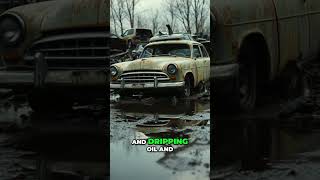
I mean, just an update about, you know, like, what, what, you know, what happened, you know, what do we— what it— what, what happened was that these guys represented us. They said that they were— they are— here's the first issue: they offered it at full price. They said the number one reason why the property didn't close was because of COVID They at no time ever mentioned a sinkhole, which we discovered, because remember I, I told you the building cracked in half and was going into right? And so that's a sinkhole. And so it has geotechnical issues and it, and it was a used car— like, we asked what they used it for before. Oh, it just had these cool little buildings. They never once said that it was a, a dirty junkyard that used to have cars there and, and dripping oil and gas all over the ground because it was a junkyard. Those things never get clean, ever. You spend $10 million, they're going to come back out and say you still got contaminated soil.
So when you have to If you choose to continue with a project where the soil is contaminated, do you have to excavate it all and get rid of the soil and put new ones?
Or what they do— and I had two dirty gas stations in Florida that did this to me— they made me do what was called soil remediation, where they put, put a bunch of pipes in the ground and they run detergent down that clings onto the contaminated soil and pulls out the contaminations according to them. And it takes 74 years to do it. I'm like, well, so the guy that puts it in the ground, how the hell does that guy know to tell his great-grandson to go out and check the dirt and see if it's still good or not. But that was a $22 million mistake on my end in 2007, right? I bought that piece of shit in 2009. I was $22 million broke because of dirty soil. You think I want to get into that again? That's why I was acting the way I did yesterday.