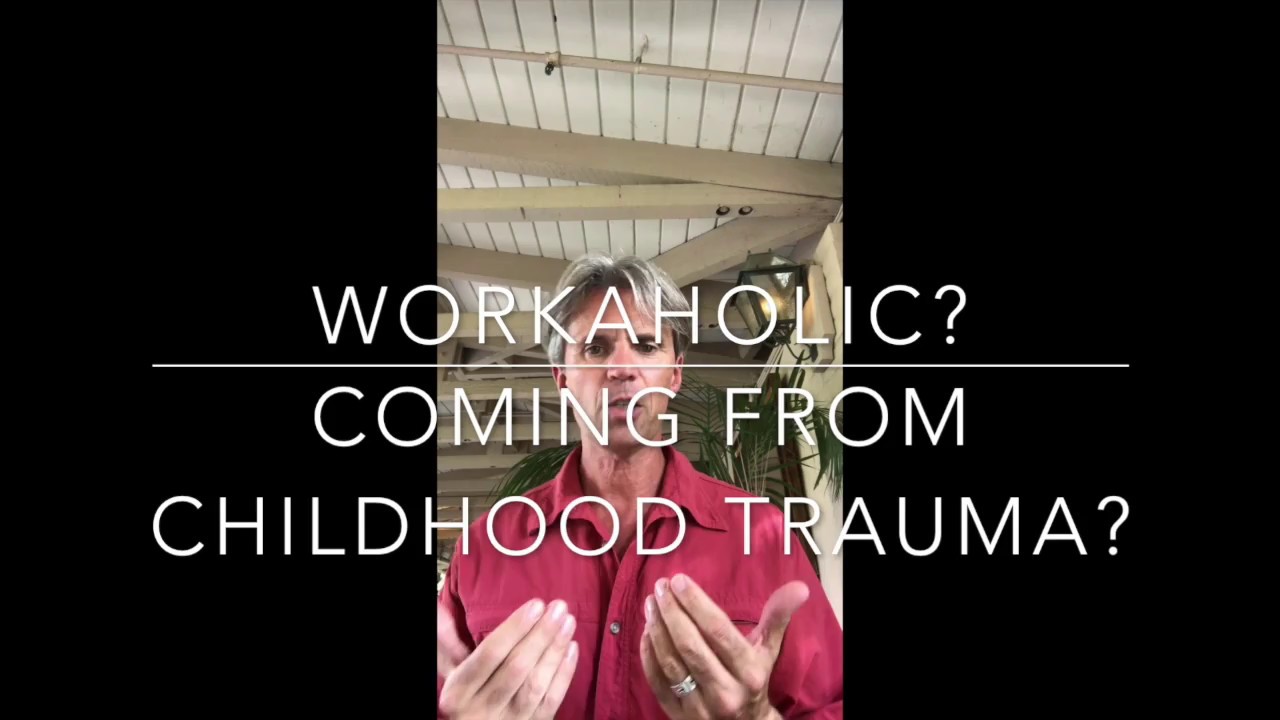
In this solo talk, Christoffel Sneijders explains that work addiction and over‑achievement often stem from unresolved childhood pain such as feeling inadequate, being compared to siblings, bullying, or social exclusion. He describes how these early wounds trigger a chronic fight‑or‑flight stress response that people channel into excessive work, which initially brings success, recognition, and a drug‑like high but ultimately leaves them feeling unfulfilled, burnt out, and prone to relationship or health problems. Sneijders outlines a path toward genuine fulfillment: acknowledge and accept the over‑achieving part as a protective strategy, integrate the neglected vulnerable part, and shift energy toward work that truly brings happiness. He concludes by promoting his therapeutic offerings—hypnotherapy, NLP, and the “Remaster Yourself” personal‑leadership workshop—as practical ways to create lasting change.
Chapters
Work addiction, overachieving. Which need is it really satisfying? And how's it connected with childhood trauma or the things that we experience in our childhood? You think overachiever, work addiction. What happened in my childhood? How come? Gabor Marte, Stephen Gilligan, Robert Dilts, and much more talk about it. Maybe you saw some previous videos of me about it. Research shows that more than 80% of really the workaholics in this world, the overachievers in the workplace, somewhere do that because it's coming from an energy source from, I'm not good enough. Because they were sometimes compared to siblings, they were not good enough in the eyes of their parents, because they were not part of their peer group on school. They felt bullied because they were different. Tall, small, big, tiny, wearing glasses, red hair, whatever. And they felt a little bit outcasted and started to become an overachiever to compensate that pain. And they created from that, say, that not being there, a coping mechanism that became a strength and quality, really something they could thrive on. And they got acknowledgement from people. Wow, you're doing great, you're doing awesome, and whatever. And they start doing it more and more like a real drug. Of course, drugs are also sometimes filling in a gap of pain. But actually, it's really coming from that fight-or-flight response, that stress response. From, I feel pain, I don't feel part of it, I need to fight or fly. And they created the fight response from being better, being overachiever, being all those kind of things. Is it bad? No, because they created a lot of success with it. They're the best, they're getting promotion, they got career, they got a lot of money and those kind of things. But at the end of the day, most of them will still feel something like unfulfilled. It's not really satisfying them totally. And just imagine that you could change that and just become like the top sporter who was a little kid, loved to play with a ball or something else, and made his living. Yeah, we know the saying, make your hobby your work, you never have to work a day anymore. But just imagine you could do that in your current life, in your current work, and change that. Getting an energy from happiness, because if you do something that fulfills you, happiness being in a happy place. It's awesome. And you can. A couple of steps you have to do for that, or have to do, could do for that. First is really stop fighting what's there in the past. Start acknowledging it as it's part of me. I have a part that's overachiever, that wants to perform. That's great. I also have a part that somewhere doesn't feel happy, doesn't feel acknowledged, doesn't feel different. That's a beautiful part. I will acknowledge it. It's part of me. I'll just keep it. And from those wholeness, you can create something more beautiful, something that's satisfying. This is the small version of the whole steps. You can see much more on my website about it. You can read in the article about it. But those are more the most important steps. Create that Acceptance. Make it part of you. Don't fight it anymore. It's too beautiful to be true because it brought you where you are now. But if you like to get more happy, more healthy, more fulfilled, that means better for your relationship, better for your work, better for everything. Because most people fall out and fall in somewhere in a burnout, divorce, and those kind of things, or chronic illnesses. If you keep that stress response too strong as an overcompensating mechanism, create happiness again. Join us in being happy again. You can do it by following one of my trainings: hypnotherapy, NLP, or the Remaster Yourself workshop, the personal leadership. Find coaching. Make it happen. See you next time. Ciao.