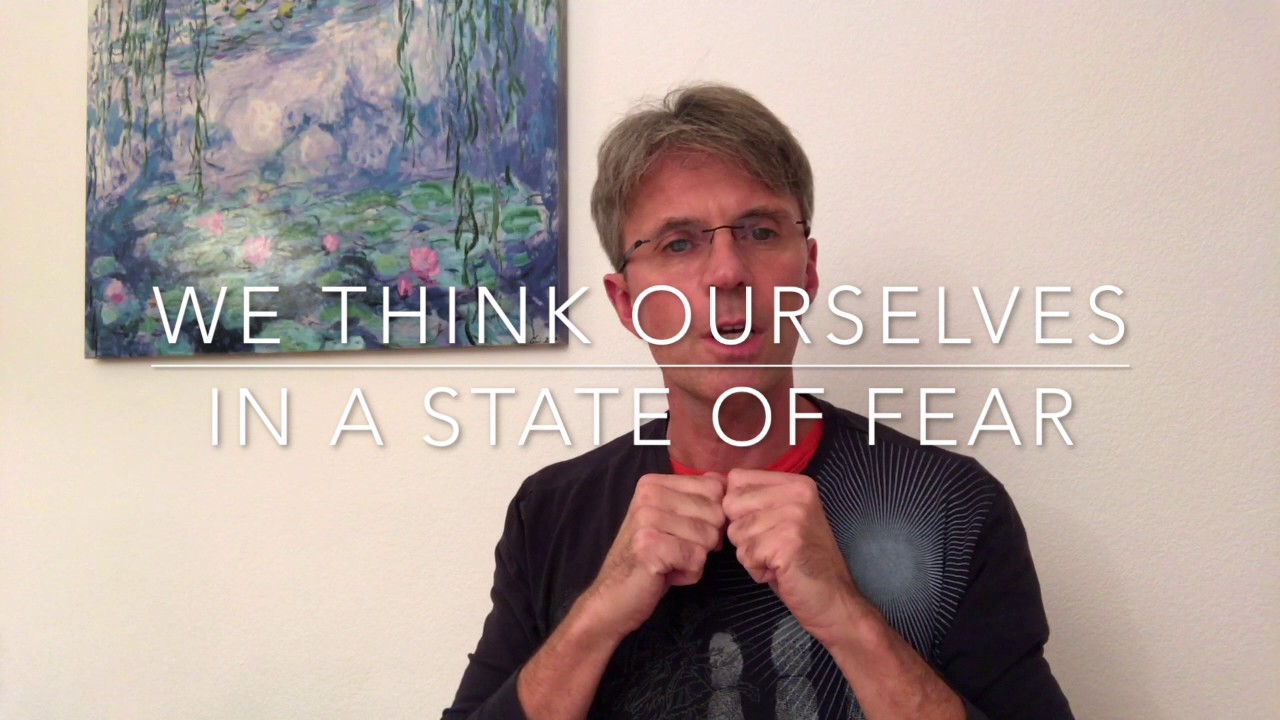
In this solo talk, Christoffel Sneijders reflects on the wave of fear that followed the 2016 U.S. presidential election, arguing that fear stems from projecting uncertain, often negative, future scenarios onto events we cannot control. He illustrates how media saturation amplifies anxiety, using examples from his own family and younger listeners. Sneijders emphasizes that most political outcomes have limited personal impact unless one is directly involved, and that the desire for control intensifies stress when control is absent. He advises viewers to filter alarming information, accept uncertainty, and shift focus toward actions within their personal sphere that promote happiness and well‑being. By concentrating on what can be influenced—daily choices, personal growth, and small contributions to the world—individuals can reduce fear and cultivate a more positive outlook.
Chapters
Hey, good to see you. Let's talk about fear. And why about fear? The last week Trump has been elected, as I think everybody knows. If you open Facebook, Tumblr, newspapers, television, whatever, see some of the news, you see Trump has been elected and all the horrible things that will be happening to us. And a lot of fear is almost imposed on us that we should really now— the world will be shaken with all the kind of things that could happen. And a lot of people feel fearful. When I talk to my mom on the phone, she's 82. Oh, she's in totally stress. She's been in World War II. Now she thinks World War III will happen and all the horrible things. If I talk to other people who are young, they say, oh yeah, this is going to happen. That's going to happen. That's going to happen. It'll be shitty and whatever. But actually, nobody knows. And fear. There's a beautiful component. Besides that, you get a lot of information about what could happen. Fear is based on, if you look at it, a prediction for the future, what we don't know. When do people have anxieties? When you are ambiguous for the future and they like to know. And they start making all kinds of projections and ideas what will happen in the future. And it could be happy ones, but most of the times they think about horrible ones. That's how our mind and brain is organized. We think about all the things that could happen in a negative so we can make plans to survive. So we make already a huge list what could happen about Trump and what we could do. But actually, do we know? No. I'm just wondering how many people of you and me are really affected about what happened the last 8 years with Obama or prior to that Bush, or prior to that, the other presidents. Did you really have a personal effect of those presidents? And think about it, how did it really influence your life personally? Probably you think, I don't know, yeah, there were some wars somewhere in Syria and Iraq, but did it really influence you personally? Unless you were in the war there, most of us not. Maybe you saw a refugee coming in and that's all. So what I like to say, not that what will happen will be awesome, maybe, probably, assumably, but that fear is something we impose on ourselves about things we're going to project in the future. And the second thing is, can we control it or not control it? I just wonder, how much control do you have personally about what Trump is going to do? Probably you cannot vote, you're not an American. And if you voted, then you're an American. But if you live in the States, what can you really do? Almost nothing, because he's elected. It's— the race has run. We know who's the winner. It's done. So the only thing we can do Is accept that fact and see what happens when it's there. Because it's out of our control to do something about it. And most people also have a fear when they like to have the control. So we think about that future and we like to be in control. But we're not in control. So we feel even more stressful because we don't like what's going to happen and we like to control it. But we're out of control. So we even create more stress. So think about it. You're not in control and you don't know what's going to happen. So why should you be fearful? Can we predict what's going to happen tomorrow with the rain, with the weather? No. So why would we be fearful for that? What most people do is they look in the morning outside the window or maybe on their app, weather forecast. Oh, it's raining. Okay, let's take an umbrella. That's it. Who cares about what kind of weather it will be in 3 months? Almost nobody, unless you think about global warming, but that's something else. So what I'd like to share with you, although there's a lot of information coming on to us, please filter it and think, am I in control? Do we really know for 100% sure it's going to happen? If both answers are no, just accept it. Don't be fearful and just go for all the things you like to do. And you are sure of you can do, you can influence, and it also makes you happy. Love to see you next time on how to create more happiness. And yes, let's create happiness by thinking about the things we can influence and how we can make the world a little bit better, and not worry about the things we cannot influence. Ciao, see you till next time.