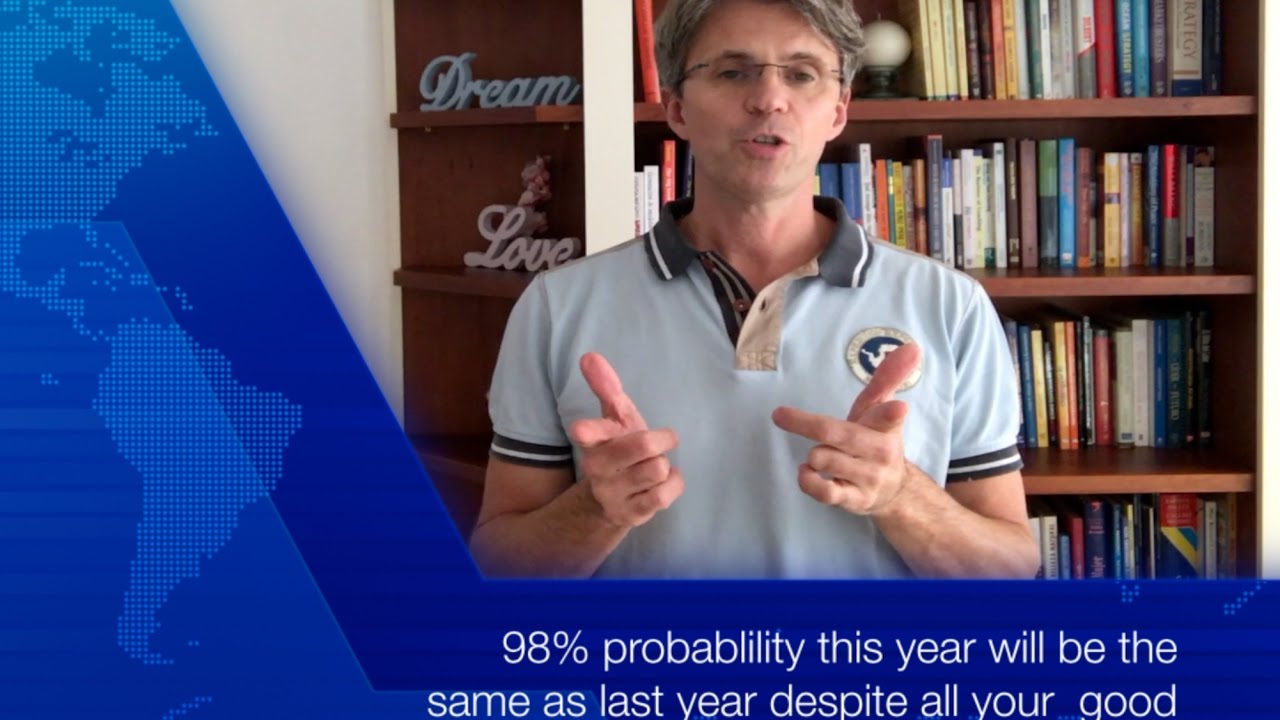
In this motivational monologue, Christoffel Sneijders explains why the vast majority of people fail to change their behavior despite making resolutions each year. He argues that change is driven by two primary forces: urgent, pain‑avoiding situations and the desire for a better, happier life. Using the classic frog‑in‑boiling‑water metaphor, he illustrates how gradual discomfort goes unnoticed until it becomes fatal, mirroring how people ignore incremental problems until a crisis forces action. Sneijders points out that most changes (e.g., quitting smoking, cutting costs) only happen when pain becomes acute. To break out of the 98% pattern, he recommends constructing a strong belief system that turns desired actions into automatic habits—like brushing teeth—so that change no longer depends on crisis. By embedding these habits into daily routines, individuals can join the 2% who achieve meaningful, lasting improvement in personal, relational, and professional domains.
Chapters
98% chance this year will be exactly the same as last year. Why is that? Because you made good promises, maybe to your partner, to yourself, to your business, to your whomever. I will do it better this year. Why then 98% chance it will be the same as last year? Because based on research, it says we change for 2 reasons. One, because there's urgency and need and Avoiding pain, or we like to do something better, have more fun, more flourishing, more healthy lifestyle. And what happens? And maybe you know that story about the frog who was put in the water as research, and they put the heating underneath the water, and slowly the temperature was rising. The frog stayed there, got a little bit warmer, but stayed there until it died. If you put a frog in hot water, it jumps out right away. And we humans do the same with our brain and how we act. And maybe you know it from last year, you did some things that, ah, I should have changed that. This year you make new resolutions, so you will say, I will take more care of my health, I'll take more care of my partner, I'll take more care about relationships, I'll take more care about my balanced private work. Based on business, I will take more care about my employees. The asset of my company. I'll take more care of the clients who are the life source of my company. And still, probably did the same thing last year. He had those promises, and it didn't work. Why is that? Because unless it really hurts, we don't change. The moment really sales drops or efficiency goes down, consultant steps in. Reorganize training, cut cost. We come to change. The moment you said, "Oh, my hurt really. Ah, it hurts here." We go to a doctor, a GP, or something else, or have something else. And when do people most times stop smoking? When they really have issues with it, physical issues or their partner. And now they say, "It's enough." Then we change. Urgency most times override important. Because seeking happiness, doing things better, is a happiness thought and it does not give an instant gratification. We don't see the right away result from it, so we don't change so easily. So what should we do to do that? What should we do to do that is create a belief system that makes it almost a habit, the new things we want to do. Just like we brush our teeth in the morning, that's a habit. And you find it totally normal. And you find it so important that if most people leave the house, they forget it, they go back and brush their teeth. Better a little bit late than not brushing your teeth. Creating a belief system that's just as strong, that's overriding the urge of the real impact That urgent can help you out. Start seeking for a beautiful belief system that helps you this year be part of the two percent who really makes a much more happy, beautiful year for yourself, your family, your loved ones, and your company. Have fun. Ciao.