How to Get into Human Resources with NO Experience - The Ultimate Guide
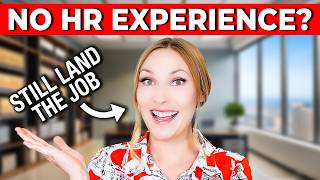
YouTube video by Madeline Mann offering a step-by-step guide for breaking into human resources without prior HR experience. Covers immersion (podcasts, LinkedIn), clarifying motivation, practical education/certification options, building transferable work experience, networking, resume/LinkedIn optimization, job search tactics (apply, company sites, referrals), and HR interview preparation. Includes testimonial from a program participant (Liz) and links/offers to a free course and a paid HR certification.
Chapters
This video is the ultimate guide to break into a human resources career, and what I hear from so many people is that there isn't a clear path to get into HR and that a lot of people have to luck their way into it. But luck is on your side today, my friend, because I am giving you the exact step by step you'll need to land your first HR role and stay to the end. Because I'm not only going to give you how to prepare yourself for an HR career, but also how to land more job offers. Offers fast well, hello, if you're new here, I'm Madeline Mann. I'm a human resources leader and job search strategist who turns job seekers into job shoppers. You may recognize me as a top job search coach on Spotify and LinkedIn learning, or you may have seen me on ABC, Bloomberg, New York Times, and more. Be sure to subscribe to get more videos to elevate your career. If you're looking to break into human resources, you need to first immerse yourself in the field and really gain familiarity both now and throughout your entire career. I recommend using podcasts and LinkedIn for this purpose. Some podcasts that you can check out include Working it, hosted by Isabel Berwick, and that's brought to you by the Financial Times. You can also look at HR Happy Hour, the HR Leaders Podcast, and I have been a longtime listener of the Science of Of Success and have even cited some of the incredible learnings I've learned from that podcast in interviews where I've been interviewing for HR roles. So definitely check it out. These podcasts will help you understand HR terminology, strategic business principles and people strategy. Next, follow influential HR professionals and organizations on LinkedIn and engage with their content by liking it, commenting, sharing and some recommendations of who you could follow include Josh Burson, Kathleen Hogan, Melanie Parker, and the Society for Human Resources Management. And of course, you want to follow me. I'm on there too. LinkedIn has timely updates on industry news and trends that are often faster than other media. Now think of this as a tasty HR buffet. Okay? You do not have to eat all of it. You don't have to listen to every podcast. Follow every person. I just said. Really sample them. Take what you want from some, leave the rest. Step two to breaking into a human resources career is to make sure you have a clear reason and motivation for wanting to be in hr. Especially if you're someone who is transitioning into a new profession. No matter what it is, companies are going to be wary of hiring you because they're going to fear that you don't quite understand what you're getting yourself into. And so you need to show that you understand the profession, what it entails and that you are down to clown. I love working in HR because it's a profession where you get to touch every department in an organization, especially if you're helping with recruiting, where you get to intimately understand what every team is working on and what it takes to be a part of their team. And that kind of deep education on how an organization works is something that I found so dynamic, so thrilling. And I also love that I was able to collect data and then create initiatives that addressed complex challenges like increasing morale, decreasing attrition, reducing time to hire, enhancing diversity, equity and inclusion. These are highly complex and deeply psychological challenges that need full time human resources professionals to address it versus doing a pizza party or a free cookie. Look at you Sephora. Sephora hit 10 billion in revenue and decided that the reward they were going to give employees was this. If this is all that you can afford, I think don't bother. I also loved that I could be a part of someone's hiring experience, their onboarding experience, and essentially get to know everyone in a business and do everything in my power to make it a great working experience for them. Though side note, don't put pressure on yourself. As an HR professional, it is somehow your job to make a company a great place to work. You are more of like the coach on the sideline calling the plays. But actually the culture it all stems from, from the CEO who's the quarterback and the leadership and the managers are the ones who are truly, truly moving the score. So know that while you can coach culture, you're not going to do it alone. And maybe don't say this part out loud to an interviewer, but a human resources career pays good money. As you work your way up, you can make a really great living as well as there's a lot of openings and the number of openings are increasing year over year. Cha Ching and you may say Madeline, is AI going to replace hr? AI and automation in general have been replacing HR administrative duties for my whole career and I love it. I don't like doing the admin stuff and I like doing the strategic stuff and the people facing things. And so everything I listed as my favorite parts of hr. It needs someone who is highly emotionally intelligent and customized in their approach. So I say embrace race AI to improve your human resources department so you can focus on the really important and really interesting parts of hr. So in conclusion, come up with what intrigues you about an HR career or simply steal my answer. I don't care. Step three of landing a human resources career is getting the right education. Here's the thing. For many HR jobs, you don't actually need a master's or a bachelor's degree. My very first HR manager only had a high school degree. But did she have the skill, skills and the know how? Heck yes. Unless it's a really traditional industry or one that is hyper specific about exact requirements like government still apply to HR jobs that ask for a degree even if you don't have them. Often companies just write degree requirements out of habit. But if an excellent candidate slides across their desk, you don't give a flying kumquat whether or not you paid an arm and a leg for four years to buy a piece of paper from a degree factory. Okay, but in order to be a good candidate, you do need to have some knowledge. So then how do you do that? Well, unfortunately, prominent HR certification programs like SHRM require that you have years of HR experience before even qualifying for their certification and their exam. So that's not good for you. And so I learned about this company called Horse Careers a while ago that creates these hyper practical certification programs that get people hired. They are one of the fastest growing companies in the United States and have helped thousands of people every month land jobs. They actually approached me to create an HR certification program which has been such a massive undertaking. But now we have folks going through this HR certification becoming super confident in their HR abilities, in their ability to interview for companies. And we are seeing people land these job offers. And the reason why the program is so successful is because it does what I call teaching to the test. What's the test? Well, of course you need to learn HR skills, but you also need to know how to use those and how to leverage them to ace the interview and land the actual job. That is the part that so many educational institutions forget about. All of this is in service of you getting a job. If you know anything about me, I'm always saying I'm just trying to get you paid. Such as Liz, who went from starting the course careers HR certification to landing her first role in hr.
It was four weeks from the day that I started course career years to the day that I received the job offer. I found your program for HR and the information resonated a lot. I started gaining like confidence in being able to land a job because the underlining of all the content is this is how you're going to get the job. This is how you're going to impress the hiring manager. You can use these projects as things you're going to bring in your first day and it's like here's the information you need to be successful.
So, so in the program you do projects that then become work samples and things you can put on your resume and talk about in the interview. And the resume bullets come pre written for you so you know exactly how to frame this experience. So if you're interested at all, there is a totally free course that I will link on how to land a job in hr. It's a three part course. You could check it out and then if you end up wanting to go to the full certification route, use the code save self made 50 to get $50 off the certification. I will link everything down below with the code as well. The next piece of the puzzle to land your first HR job is work experience. As I mentioned, doing a program like Course Careers will give you those practical projects that you can put on your resume that will act as work samples. But let's also look at your past experience and see what could be transferable. Sure, you haven't worked in HR before, but you may have done tasks for that are HR related. Such as you may have handled administrative tasks, sensitive information train, someone got them up to speed when they joined a club or a team. Or you find and bring on new people into an organization. You may have done these tasks in your life and that would actually be great on a resume. Now we can move towards networking AKA building relationships in the human resources field. You can join HR groups either virtual or in person. Become a member of professional associations such as SHRM or local HR associations and attend their events. Attend their webinars to meet other HR professionals. Actively connect with HR professionals on LinkedIn, send these personalized connection messages and engage in meaningful conversation. Okay, you've got all of your ducks in a row. Now you need to create a Strong resume and LinkedIn profile. Your resume and LinkedIn should reflect your HR knowledge and and experience. And this is a subject that is deep, like my love for warm tortilla chips at a Mexican restaurant. So I'm going to give you some strong resources. First, a resume revamp masterclass. It's free. I will link it below to help you with your resume and then I'll also give you a LinkedIn profile checklist to ensure you are taking the right steps to attract opportunities on LinkedIn. So I will link those all below. Now is the time to actually apply to HR jobs. There's several ways to approach this. Of course you can. You can look on your friendly neighborhood job board such as Indeed Glassdoor and LinkedIn to find these HR job postings. You'll want to apply to entry level HR positions such as HR Assistant, Associate or Coordinator. Next, look at company websites relevant to the industry and location you're targeting. Many of these companies post job openings on their own websites because it costs some good money to have to push out these job postings onto job boards and so there's a lot of them that are missing from job boards. You have to go to the actual company website to find them, then leverage your network to get referrals. So a referral can significantly increase your chances of landing an interview and is usually the fastest way to land an interview and a job offer. If you're curious as how to get more referrals, especially if you have a small network or a seemingly non existent network, then I will link a free job shopping masterclass below. That dives into more of the strategy now when you get your interview. First of all, well done. That's huge. Congratulations. It's now time to ace this thing. This channel is chock full of interview strategies so make sure you're subscribed and you're watching those. But specifically for hr, it's important to convey in these interviews the qualities that make a great HR professional. Those include being disciplined. You have to show that you are someone who who is organized and can handle confidential information because HR are the people who are preventing the company from having lawsuits. So you've got to have your stuff together next. Your communication should be very strong. They're looking for people who have a level of professionalism and can handle sensitive topics. And finally, you need to know the terminology of an HR professional. There are a lot of stuff skills and company processes and employee programs you should be aware of. I am so excited for you to launch your HR career. And if you're serious about landing your next HR role, go ahead and watch that free three part series on how to land a job in HR which I have linked below. This has been my absolute pleasure. If you got any value from this video, be sure to hit a like and make sure you subscribe to this channel. You've got this wi fi high five.
More from Clegg

The #1 Skill Gen Z Needs | Simon Sinek + Esther Perel | A Bit of Optimism Podcast







AI Won't Tell You the Full Truth | Arthur Brooks + Simon Sinek | A Bit of Optimism Podcast



How To Make the Best Decision | Arthur Brooks and Simon Sinek | A Bit of Optimism