In this monologue, the speaker reflects on the inherent difficulty of being human, emphasizing that excelling in relationships, friendship, leadership, and coworking demands continual effort. He describes a distinctive onboarding practice at his company: a personal phone call that frames new hires as part of a larger, impactful mission and sets a single expectation—that each employee should leave the organization a better version of themselves, regardless of tenure or sentiment toward the workplace. The speaker argues that work can serve as a catalyst for personal development, improving one’s roles as a parent, friend, or spouse. He illustrates this with the example of Barry‑Wehmiller, led by the late Bob Chapman, which introduced a voluntary listening course aimed at improving internal communication. Participants reported spillover benefits—enhanced relationships with children, spouses, and better conflict‑resolution skills—demonstrating that growth at work translates to growth at home. The core message is that individuals are the same person inside and outside the office; authenticity and bringing one’s full self to work are essential, and acting differently in the two realms amounts to dishonesty.
Chapters
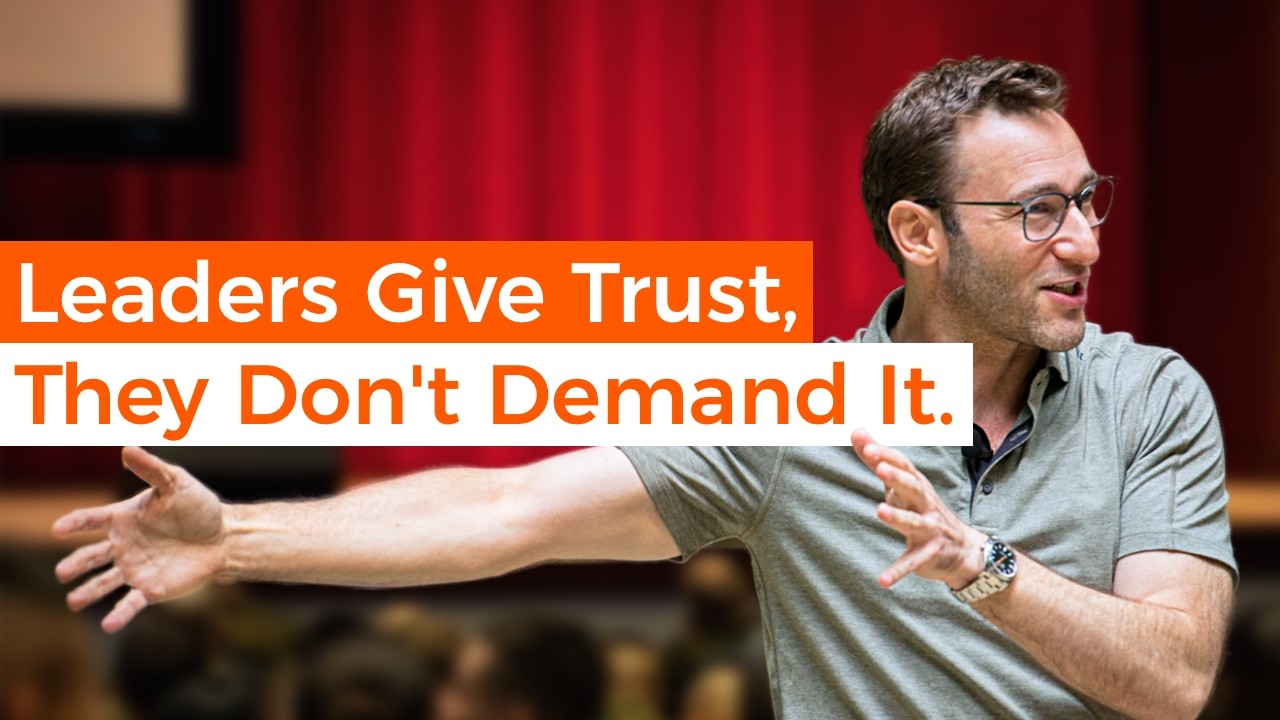
It's hard to be human. Cats don't have to work very hard to be cats. They're really just naturally good at it. But, but we actually have to do a lot of work to be good humans. You have to do a lot of work to be good at relationships. You have to do a lot of work to be good at friendship. You have to do a lot of work to be a good leader. You have to do a lot of work to be a good colleague and coworker. It actually takes a lot of work. And, and, and the, the people who show up at a company and the company makes them a promise Which is— and by the way, this is the exact promise. When people start at my company, they get a phone call from me, and I tell them 2 things. Number one, you're a part of something bigger than yourself, and our little team is having an unbalanced impact in the world, and you are part of it, right? So I start with why, and I tell them about the movement that they are now a part of. And then I always say the same thing. I have one expectation of you. What is it? that you take yourself on. And whether you stay with us for a short term or a long term, and whether you love it here or whether you hate it here, I expect you to leave here a better version of yourself because you worked here. We will give you some of those resources, and some of those resources where I expect you to do the work by yourself, but that is my expectation of you. And I think that's really important because what that does for a human being is to know that That, you know, work is sometimes good days and bad days, and we have personality conflicts, and we make good decisions, and we make bad decisions. But the belief that I'm coming to work and simply because I'm showing up to work, I'm going to be a better parent, I'm going to be a better friend, I'm going to be a better spouse, like, just because of work. One of my favorite companies is a company called Barry-Wehmiller, led by my dear friend and mentor who just passed away a couple months ago, Bob Chapman. And Bob, they implemented a listening course at the company, and it was all voluntary, and it was meant to help with communication inside the organization because we're bad listeners, right? Most people are bad listeners. And it was done for business reasons. And a few early adopters took the course, and almost to a T, The response they got from those who took the course were, my relationship with my kids is better, my marriage is better, I'm learning how to resolve conflict better myself. They talked about the fact that they were growing and that their personal relationships were growing, even though it was meant for work. And that's because what people forget is that is that we're the same human beings at work or outside of work. You know, the only difference is the clothes I wear, the table I sit at. It's me. The reason my family and my friends love me is me. The reason my colleagues and my coworkers love me is it's me. And so if you're acting differently in one of those two places, in one of those two places you're lying. And, and we want to help people to bring their full selves to work.