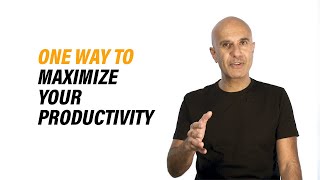
Robin Sharma argues that elite performers work in cycles: short bursts of intense focus followed by deliberate recovery like walks or naps. Rest days aren't optional. Culture celebrates constant work, but world-class productivity comes from sprinting and recovering, not grinding.
Chapters
What our culture teaches us is that it's a badge of Honor to Work 24, 7, 365. It's a badge of honor to rise and grind and spend all your time working. But what science has shown us, and some of the research from the energy project to give credit where it's due, is that the best performers are not working in a linear way. They work in a cyclical way. And here's what I mean by that. If you look at the best athletes, for example, if you it's not what they do on the tennis court that makes them great, it's what they do in between points in terms of their recovery that allows them to win the championships. And so when I mentor the billionaires, here's one of the first things that I teach them. The key to world class productivity is not working in a linear way. In other words, the key to really getting epic things done is not getting up in the morning and working till late at night. The key is to be much more like a sprinter versus a marathoner. The key is much more work in short bursts of intense productivity and then take the time to recover. So every day, work for a few hours and then take some time to go for a walk, then work for another few hours and then take some time to maybe take a nap. And then each week take a day or take two days off. Every month, take a few days off. I mean, rest and recovery is not a luxury, it's an absolute necessity.