3 Ways to Assess Your Integrity
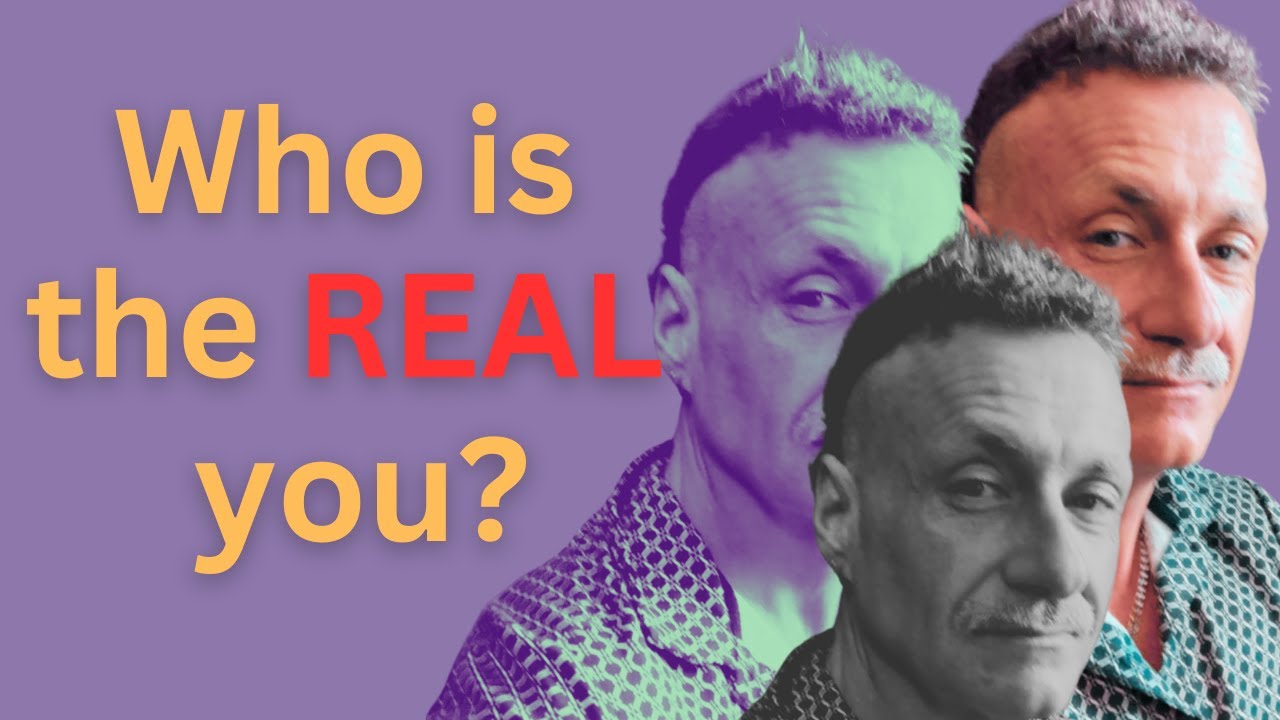
Dr. Dallas Bragg, a recovery coach for gay men in addiction recovery, argues that true healing means integrating the fragmented parts of yourself, not just staying abstinent. He shares how he compartmentalized himself as a "double-agent" and links that split living to meth's appeal. Three questions help you start: which parts of yourself stay in separate rooms, where are you still performing for others, and are you ignoring your own signals.
Chapters
Hey there, Dr. Dallas Bragg here, recovery coach for gay men who want to break free from the addictive patterns of crystal meth and live their best and highest life. Today we're talking about what it means to live with integrity and 3 powerful questions to jumpstart your journey to integrity. Because I've always said, listen, simply quitting meth is not going to solve all your problems. Integrating all of the personas you've created And all the parts of yourself that have been isolated and strung out all over the place before and during your active addiction is the real deep work of recovery. On this channel, you're gonna find lots of resources to help you do that and help you break free from Tina and attain your best and highest self. Also, don't forget to look for my podcast. It's called The Aftermath Podcast. It's also here on my channel as well. I drop a long-form video Just like this every Saturday. So please turn on the notification bell and subscribe to my channel so you don't miss any of that. And if that's not enough of me, go to drdallasbragg.com and subscribe to my blog and you will get a study guide newsletter every Monday and you will get a study guide with the podcast every Thursday. All of it's free. By the way, if you're interested in my one-on-one coaching program, it is not free, but it's called Recovery Alchemy. The link The link to apply is in the show notes. Through weekly one-on-one sessions with me, weekly group sessions, and daily accountability, your life could look much differently in 6 months from now. You know, I grew up— if you followed me at all, you know— as a military brat. I grew up in trailer parks all across the coast of North and South Carolina. I had instant neighborhoods in these trailer parks of all kinds of other military brats. In one of these parks was a huge fenced-in playground in the center where all of us played all day. And I remember playing there until the streetlights came on. That was a universal Gen X sign that it was time to come home. Nobody's watching us. But interestingly, the neighborhood kids, probably because we're all military, I guess, were divided into 2 groups and we declared war on one another. There were 2 forts located in opposite corners of this playground. And I took on the role of double agent spy. I went back and forth from one group to another, claiming to be on their side. I shared intel with both of them. For some reason, I really enjoyed the ability to compartmentalize myself in a way which neither side truly knew me or my intentions. Hiding myself came very naturally, and so did the need to be liked By everybody. Being a double agent continued as a theme in my life as I grew older, because the true me was never— was deemed to be wrong, and it was deemed to be misplaced in my family and in my culture. So it felt fulfilling to create who I needed to be in the situation. I became a master of disguise in order to fit in with my surroundings and eventually becoming completely disconnected from myself. Many of you are going to relate to that. Because our true selves were shoved in a dark compartment, we had to create various identities to feel normal and connected. This is one reason why crystal meth is so appealing. The secret world of chemsex allows us to live as a double-agent spy serving both the normie and the drug-fused personas. The road to recovery means integrating all of the various personalities into one solid and true identity. This integration is also called integrity. So what integrity really means for us— when I was using, my double agent abilities were in full force. I became a master of compartmentalization. The me who showed up at work, the me who partied, the me who called my mom on Sundays— they were different people living in different universes that never Touched. Does that sound familiar to you? Integrity isn't about being perfect or being a good person. It's about becoming whole and being true to who you are. The word itself comes from integer, right? Meaning complete, undivided. It's about bringing all those fragmented parts of yourself back together. So when we stop spending energy maintaining these divisions, The exhaustion of keeping track of who knows what begins to lift. The constant fear of being found out loses its grip. Our intuition gets louder because we're not drowning it out with the noise of contradiction anymore. We discover resources and strengths we didn't know we had. It was hiding there all along. For those of us who've danced with crystal, this integration process isn't just nice to have. It's essential medicine because living split lives is exactly what allowed our addiction to thrive in those dark, disconnected spaces. All right, so here are 3 powerful questions to jumpstart your journey to integrity. Question 1, which parts of yourself are you still keeping in separate rooms? This question revolutionized my understanding of what was keeping me stuck. Because for years after abstinence from meth, I maintained invisible walls between different aspects of myself— my sexuality, my ambitions, my spirituality, my wounds. I discovered I had a recovery room where I spoke a certain language and followed certain rules, and my recovery self was prominent on social media to celebrate all those abstinent milestones and to talk the talk. I thought that doing that would get the approval I needed from those recovery circles. And I wasn't sold out to it, right? Then there was my queer room where another part of me lived. My professional room had its own dress code and vocabulary. My family room operated with a complete different set of expectations. These divisions weren't accidental. They were my comfort zone. They were my survival mechanisms before, during, and after active addiction. Compartmentalizing helped me function. I knew no other way to survive. This question of which parts of yourself are still keeping— you're keeping in separate rooms revealed what I was following, that I was following a recovery blueprint that others had created for me. It was, it was one that worked for many, but it wasn't fully aligned with my unique journey. I was checking boxes that weren't even mine. The truth I wasn't brave enough to live was that I needed to forge my own path, even if it meant disappointing people who had helped me in the past. This is another reason why I say quitting the substance is only the beginning. The real excavation work comes after. So one powerful way to begin understanding who you are and what you want is to participate in my free visioning webinar. I have a free webinar that I did in January of 2025, but you can do it anytime. But it helps you create what your vision for yourself is. It's not a goal. It's a blueprint for your behavior, thoughts, and actions. The link to it will be in the show notes. So the profound shift here happened when I realized these separate rooms weren't protecting me anymore. They were actually imprisoning me. Integration isn't about destroying the rooms either. It's about creating internal doorways between the parts so that you can blend them all into one big— bring all the rooms together and be empowered to keep and discard what doesn't resonate and what doesn't serve you. Question 2, where do you still feel like you're wearing a mask? When a friend first asked me this question, like, bristled up. And I was probably like 6 months into abstinence and had it all figured out. And I was a fucking know-it-all. I'm completely authentic now, I said. Quitting meth means I don't hide anymore. Like, I'm— everything's out there, right? But my body told a different story. The tension headaches I had before social gatherings, the rehearsed quality of my stories, the careful editing of my experiences depending who was listening. That's all lying. It's betraying yourself. I was still performing, just performing recovery Dallas instead of sharing that inside I wanted to use and often was secretly making plans to use. People needed to know that. The mask shows up in subtle ways. That slightly different voice you use around certain friends, that polished version of your story that leaves out the messy contradictions. I've done that so many times. The pressure to be a success story, the parts of your identity you downplay to fit in. So for me, that whole breakthrough came in treatment when I finally admitted to my counselor that I thought I would probably relapse without the safety of the program. That admission opened the floodgates of other hidden fears and shame. Then I admitted I was still carrying shame about aspects of my sexuality. Shame that I thought I should have overcome by now. I was performing enlightened gay man in recovery while parts of me still carried wounds I thought made me less than. I didn't want to admit or bring it out. So what are you performing? What is your role? Who are you scared to be? Where are you comfortable in your own skin? Do you ever feel comfortable in your own skin anymore? What are you waiting for here? There is a way of living when we are trying so hard to keep all of our parts together that can be so exhausting. Are you tired? We have to feel in control of every situation or risk being seen for what we really are, a phony. The most liberating moment for me was when I just surrendered. I stopped trying to have all the answers to my addiction and stopped trying to please anybody else. I just embodied the notion that I don't have this figured out. I don't know what is going to happen, but I need to figure out who I am and live that person. It was like finally exhaling after holding my breath my entire life. Another gift of meth. Question 3, are you betraying yourself? Self-betrayal deserves special attention because it's the shadow side of integrity and perhaps the most dangerous threat to sustainable recovery. Self-betrayal, self-betrayal happens in those small moments when we override our internal knowing to please others or to try to stay safe. It's saying, I'm fine, when you're drowning. It's staying silent when something feels wrong. It's abandoning your own needs because advocating feels too risky. Each act of self-betrayal is a micro relapse, not with substances, but with the same pattern of self-abandonment that fueled our addiction in the first place. I remember being at a dinner with friends where someone was talking about recovery in a way that felt deeply wrong to me. So wrong, but I just nodded along. I even thanked them afterwards for their insights because I wanted them to like me. And that night, I couldn't sleep. My body was screaming at me, screaming at the betrayal. Your body will let you know when you're out of alignment with yourself. Self-betrayal leaves chemical traces in our body like cortisol spikes, muscle tension, disrupted sleep. Our bodies keep the score when we abandon ourselves, even when our minds rationalize it as Being nice or keeping the peace. Stop that shit. These moments of self-betrayal create tiny cracks in our foundation. And one crack might not threaten the structure, but guess what? 100 of them will. So that's how relapse finds its entry point. The pathway back from self-betrayal starts with radical self-honesty. It's not just about what you want and need. But about how often you've abandoned those wants and needs to maintain an image or to keep others comfortable. The healing practice is simple but revolutionary. Start honoring your internal signals, even in small ways, like, actually, I need to think about that, or that doesn't quite feel right to me, or I see that differently. These tiny little acts of self-loyalty rebuild trust with yourself. Confidence with yourself. You start knowing what it feels like to be comfortable in your skin and knowing what you want. The most critical relationship in recovery is building trust with yourself. So here is a journal prompt for you. Complete this sentence without censoring yourself. The version of me waiting on the other side of fear is a man who finally— what? And start writing. So let's talk about the power of living undivided. Here's what no one told me early in recovery. Living in integrity isn't just personal growth work. It's revolutionary in a world designed to keep us fragmented and disconnected from our own power so we can be sheep and follow, follow the man, right? Follow. You know what I'm talking about here. If you're fragmented and disconnected, you need somebody else to empower you. But when you're integrated, you decide. That's the true power of recovery. That's what it means to be in recovery, not waiting for rules and books and people to tell you what to do. Every time you bring another piece of yourself into wholeness, you're not just strengthening your recovery, you're showing others what's possible for them. You're creating ripples that extend far beyond your own journey. You're starting a revolution here. This integration journey isn't linear either. Remember this: some days I still catch myself slipping into old patterns, hiding parts of myself, betraying my knowing, not being completely honest. But now I recognize the signals a lot sooner. I know the way back. Your path to wholeness won't look exactly like mine either, and it shouldn't. Your truths are uniquely yours. Own them. But I believe with everything in me that you have the capacity to face them, to hold them with compassion, and to build a recovery that isn't about abstaining from crystal, but about becoming so fully, vibrantly yourself that living in that authenticity becomes the greatest high you've ever All right, love you all. See you next week. If you have any comments, questions, something I left out, something you didn't like, something you did like, tell me in the comments. Love to hear from you. All right, see you later. Bye.










