Authencity Blueprint for Tina Users (Practical Strategies)
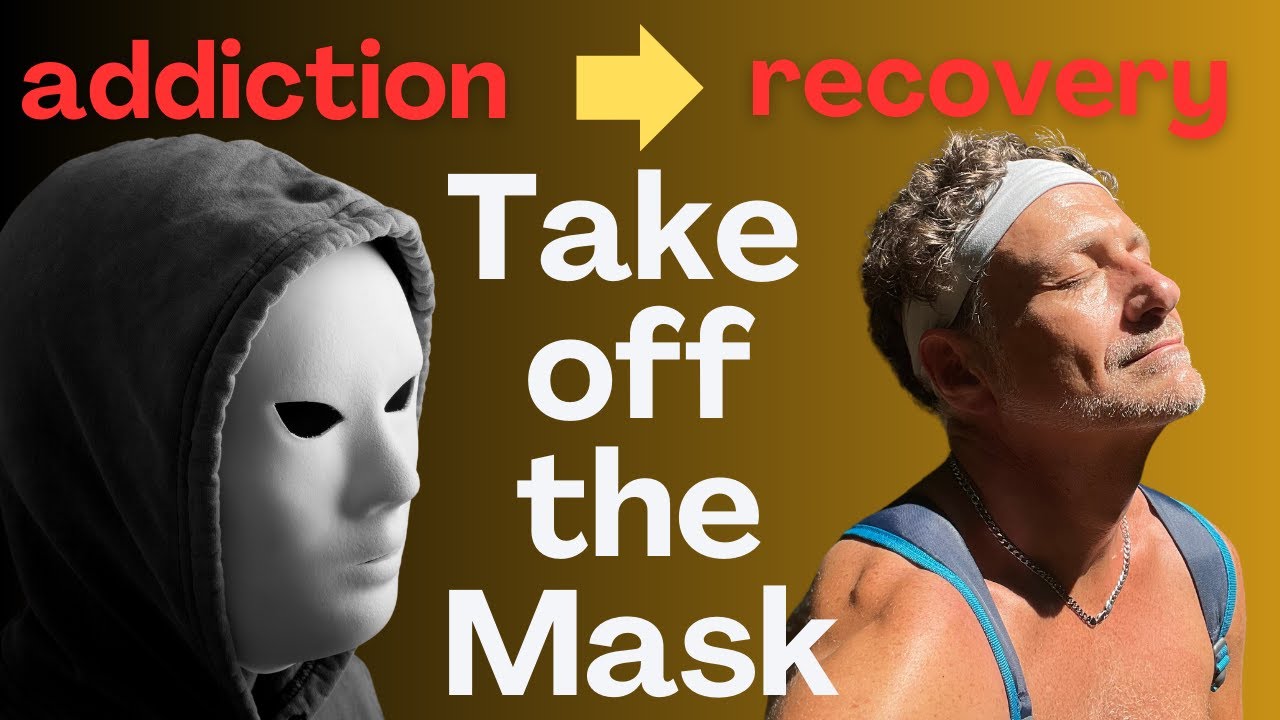
Dr. Dallas Bragg, a recovery coach for gay men using crystal meth, explains how the drug amplifies the multiple personas people adopt to survive marginalization. He walks through a five-step integration process: observe persona shifts, find shared values across them, honor their protective purpose, practice authenticity in safe spaces, and do daily check-ins with your internal voice.
Chapters
Hey y'all, Dr. Dallas Bragg here, recovery coach helping men who have sex with men recover from the crystal meth relapse cycle. I offer one-on-one coaching in a program called Recovery Alchemy. On this channel, you are going to get short and long-form video rich with tools and resources needed to escape the Tina hell, all from someone who escaped her grips years ago. You aren't going to see another channel like this, I promise you. So go ahead and subscribe. You know where to click. And when you do, you will be notified so you don't miss any of my weekly videos. They go live every Saturday. All right, so today I'm talking about taking off the many masks we wear as gay men using crystal meth and integrating these false personas into one authentic self. If that resonates with you, keep listening. You know, near the beginning of my crystal meth use, I was an executive at a law school. And I was almost finished with my doctorate degree, so I was also an adjunct professor as well. I can remember very vividly one morning sitting in the boardroom. I noticed my hand trembling, so I gripped my pen and I squeezed to stop it from shaking. I could feel my chest pounding too. And a bead of sweat was pling going down my spine. Using my periphery, I strained to catch any sign that the next person next to me at the boardroom table, to see if they noticed my body language. I adjusted my position in the posh chair to better view the report being projected on the large screen. I was straining to follow the speaker. I saw a mouth moving up there, but I could not comprehend the words. My brain couldn't focus on anything but the constant sound of the air conditioning. If you've used Tina, you know what I'm talking about. So as I'm sitting there, I scan the neckties and the blouses gathered around the table, and I just grin to myself. Knowing that I was wearing a seedy jockstrap and cock ring covered with lube under my business suit. I was still high from the 4 AM hot rails. What a contrast. Only hours before, I was dancing to blaring music with 2 naked guys in my bedroom. At 8:30 AM, I was staring at profit trends in the executive conference room. I'll be honest with you, these moments that I'm, that I'm describing right now were some of my favorite parts of using crystal meth. It wasn't the sex that drew me in. It was the secret life, the conflicting personas, the contrast of being Meth Dallas, then Daddy Dallas, then professional Dallas, sober friend Dallas. Balancing all those personas fed my dopamine hunger as much as crystal meth did, as much as the chemical high. It felt so natural for me to embrace the underground society of Tina users. That's because I had lived my life juggling personas already before I started using crystal meth. I knew no other way than to adjust my personality to my environment. It was my way of surviving a lifetime of feeling like I belonged nowhere. If this sounds familiar to you, don't forget I do take new— 2 new clients per month into my one-on-one coaching program called Recovery Alchemy. In 6 months, you could be free of the Tina Cycle and living your fullest potential. If you're interested, click the link in the comments of this video or the notes of this video and apply. Listen, the real me had been shoved into a dark closet early in my life. I was told that the way I walked, the way I talked, and how I wanted to play house instead of army was wrong and abnormal. But because I hated that aspect of me so much, I had to invest in other aspects and other personas that gained the approval of the people around me. I believe this is one of the main reasons I dove into meth so fast and so hard, because in having that secret life meshed so well with my already present coping mechanism. The real me had never seen the light of day. There was more than enough space for my dark sides. So can you relate to this? How many versions of yourself are you keeping alive? I'd like to hear. Tell me in the comments. Addiction recovery is about becoming aware of all your parts in order to integrate them into one authentic you. It is about discovering who you were before the world defined you. It is about being the same persona across all aspects of your life. This resonates with you. I want you to keep listening because we're going to talk about how to integrate. Managing different personas is like running multiple full-time jobs. It's exhausting, confusing, and ultimately unsustainable. in recovery. Each persona was created for a reason. You created them for survival, acceptance— like me— protection. They serve their purpose during different chapters of your life. Remember though, these aspects of you are not your enemy, and they are part of you. Often I speak with men who are villainizing These parts. And that is only going to create more shame as you turn against parts of yourself. You created them and they are only doing their job— protection or acceptance, whatever it was. And if you created them, then you can also reprogram them. But maintaining these separate selves might hold you back from experiencing the depth and the authenticity that lasting recovery demands. So let's explore why this happens and how you can begin bringing these fragments of yourself together for wholeness. So understanding the splintering. So think back, think back to when you first started creating these different versions of yourself. Maybe it began in childhood, becoming the quiet one at home to avoid conflict, the class clown at school to deflect attention from your pain, the tough guy in your neighborhood to survive. Then came the using persona, the meth persona, perhaps your most elaborate creation, right? It's designed to navigate the world of addiction while maintaining the illusion of control in your life. As life grew more complex, so did your personas. Each new environment, relationship, or challenge might have prompted the creation of another version of yourself. In recovery, you might have even created a recovery persona. The person you think you should be now that you're not using meth. The person you think you should be based on what the group says. So take a few minutes. I want you to take a minute. You can pause this video and write an inventory of your personas. When do they come out? Why do they come out? Where do they come out? And who are you in those moments? I don't want you to judge them or make any changes to them yet. Just list them all and get to know their desires. You, in this process, are actually getting to know yourself. Okay. So the true cost, the true cost of this, the fragmentation that comes at a price, and it goes far beyond just mere exhaustion. You are exhausted when you are trying to keep up all these personas. It's called literally persona fatigue. When you're constantly switching between different versions of yourself, you are expending enormous energy Just keeping track of which self to present in which situation. The energy could be better spent on actual recovery work, right? Actual healing. So take a moment now to consider, when was the last time you felt truly, completely yourself? Can you even remember what that feels like? In early recovery, when I asked myself this question, When did I feel like myself? I had no answer. None. I couldn't think of any time in my life. That might be the case for you, and that's okay. Begin to tune into moments when you feel the most aligned with who you are and take note of the circumstances and the people that are involved in that situation and circumstance. This will give you some clues as you begin to understand yourself. You start putting clues together. Listen, the path to integration doesn't mean destroying these different aspects of yourself. Instead, it's about acknowledging each persona's purpose and bringing their valuable qualities, whatever they're giving you, into a more cohesive whole. So here's how to begin. Start with gentle observation. Number 1, begin by simply Noticing when you shift personas. Don't judge, just observe. Keep a small notebook and jot down, or you can put it on your phone. What triggered the shift? How does this version of you speak? How does it move? How does it think? What fears or needs is this persona protecting? Number 2, find the common thread. In quiet moments, review your notes. Read them every day if you have to. You'll likely start, I promise, noticing patterns. Maybe your professional self and your recovery self both value integrity. Perhaps your family self and your using self both seek connection, just in vastly different ways. Honor each person's purpose. Each version of you developed for a reason. Your using persona might have been protecting you from the unbearable pain. Your professional persona might be guarding your dignity. Thank these parts of yourself for helping you survive this, this far, even as you prepare to transform them. Practice authenticity in safe spaces. Finding others in recovery can be an ideal place to start here. Share about your struggle with different personas. Be vulnerable. Admit that you have been a different person at different places and watch how others respond to your authenticity. Notice how being real, even when it's uncomfortable, creates deeper connections than any well-crafted persona ever could. So here's some integration exercises. Try this daily. Each morning, ask yourself, Who am I trying to be today? Then ask, who am I really? Notice the gap between the answers. This gap is where your integration work lives. The challenge and promise of integration isn't about becoming a completely different person. It's about becoming more fully yourself. This process can be very uncomfortable. You might fear that without your carefully constructed personas, You don't know who you are anymore. And that may be true for a bit. You might worry that your authentic self isn't enough as well. That your personas are more interesting. Your personas are part of you. But consider this: how much energy could you redirect towards your recovery if you weren't spending it maintaining multiple versions of yourself? And how much more genuine could your connections become? With other people. Because when you are a fake persona, other people buy into a version of you that's not true. How much more peaceful might you feel being aligned with your true self? Remember, integration happens gradually. You might still shift between different selves as you work on this, and that's normal. But the goal isn't perfection. But progress toward authenticity. The process will require a constant checking in with yourself. It helps to identify the feeling and the tone of each aspect of you to know who is currently speaking or controlling your thoughts and behaviors. It's a constant check-in with yourself, as I said. Who's speaking right now? Is this the authentic me? Which aspect of this is— of me is it? They each have their own distinct personality. Constantly connect and check in so that you can begin to notice when your authentic voice is being allowed to speak. So moving forward, start small. Choose one situation today where you'll try to be a little more authentic. Speak your truth. Say what you really want. Notice what that feels like in your body, even if it's deciding which restaurant to eat at with a friend or what drink you want. Notice the fears that arise, and notice also any sense of relief or freedom. Your personas helped you survive, but now it's time to thrive. Integration isn't about erasing your past. Or denying parts of yourself. It's about bringing all the pieces together into one more complete, authentic whole. Someone who can face life's challenges without needing to fragment or hide. In recovery, we often say we're seeking not just sobriety but transformation. Not just abstinence from a substance— transformation, your full potential. Integration is a crucial part of this transformation. It's how we move from surviving to truly living, from managing personas to embracing our authentic selves. Take one small step today. Your true self, your authenticity is waiting. And when you get into that alignment, I'm telling you, there is no better high. Let me know how I can support. I love you all. P.S. I am taking 2 new clients for next month for my one-on-one coaching program to help gay men break free from the crystal meth relapse cycle. If you're interested in applying, click the link in the show— in the video notes. All right, have a good week.










