Break Free from Relapse Now (5 Question Framework)
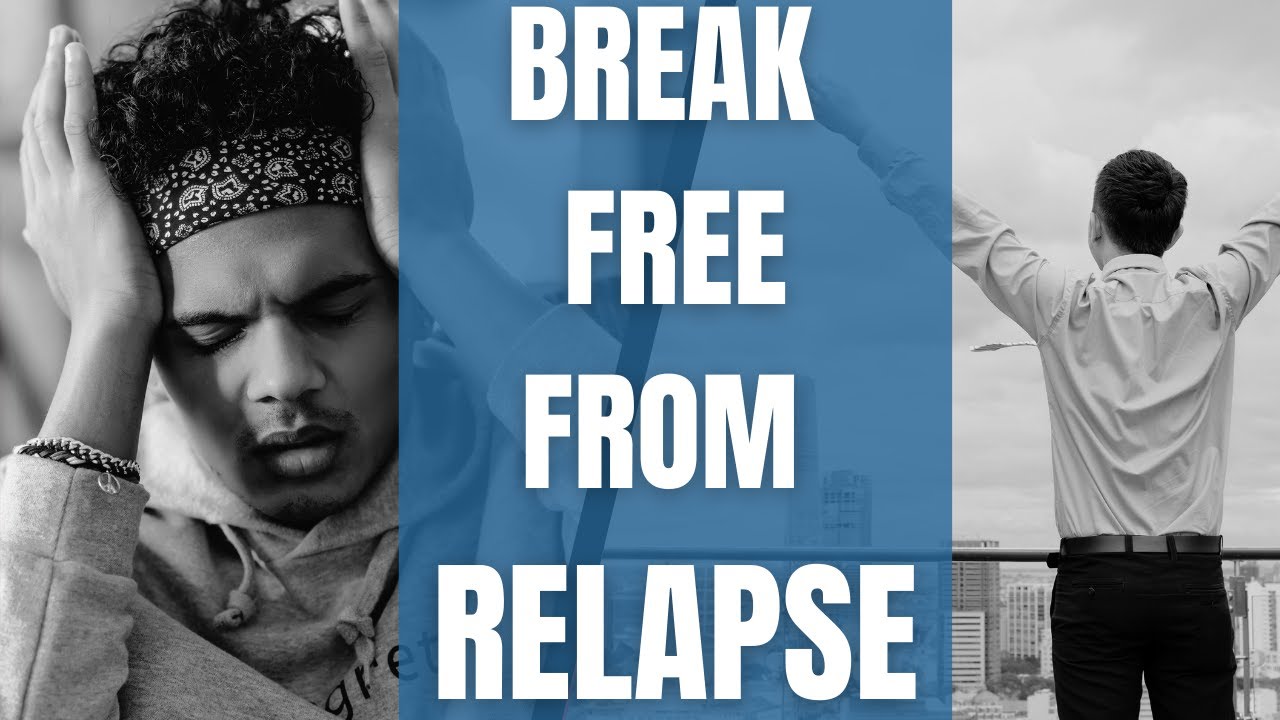
Dr. Dallas Bragg argues many people stay addicted because the addiction meets a need for validation rooted in childhood neglect. He offers five questions to uncover why you might be sustaining yours: Are you comfortable with chaos? Do you love the struggle? Does recovery threaten your identity? Are you creating a smokescreen? Are you afraid of calm?
Chapters
Hey, I'm Dr. Dallas Bragg, and today I'm talking about why you are addicted to being addicted, and I'll offer you 5 questions to help you reflect on your own experience. You know, when I was a little boy, I didn't fake sickness to skip school. I wanted the drama. I wanted the attention. I wanted to feel special. And once I was attached to the story of sick boy, I could enjoy all the popsicles, the snuggles, and all-day cartoons that I wanted. However, There's a core need that that role was fulfilling for me that was much deeper and much more vital. I was seen. To be seen is the most gratifying feeling we experience as humans. To be fully seen without judgment, to me, is the antidote to addiction. So what's the cause? Neglect. Our basic intrinsic needs have been neglected. So, we seek extrinsically to fill them. I hear it every day. Gay men using crystal meth as a means to be seen by other men. Taking on the partier role so they too can get their popsicles— drugs— their snuggles— PNP— and their all-day cartoons, which is porn, right? By the way, I help gay men break free from crystal meth addiction through my one-on-one coaching program called Recovery Alchemy. In 120 days, I'll help you find the strength to stop the relapse cycle. If you're interested, click the link in the description of the video. Book a call with me. It's free. Some who are stuck inside the meth addiction loop are keeping themselves there. They like the role. And the special attention that it gives them. They identify with the story. The script feels familiar to them. It allows them to be seen. Why get sober and be lost in the sea of normal people that are out there? The normies, the on-set extras. We want to be the headliner, right? We want to be the star. This phenomenon is what I call addicted addiction, and here are 5 telltale questions that will help you reflect on your own situation. Number 1, am I comfortable with chaos? Is your life one haphazard after another? The car's constantly breaking down, arguments with your partner, family drama, work stress. Ever notice that the same people seem to experience chaotic situation after chaotic situation? This is not an accident. Often we grow up in tumultuous environments, so our brains are wired to expect and even seek out similar situations. It's comfortable. Others grew up maybe in straight-laced religious-type households, which caused them the need to create chaos. Whatever the reason, are you that person who is thriving in the drama of their lives because it distracts from the real world of Are you allowing yourself to spiral into chaotic situations to give yourself an excuse to relapse? Start by devoting time to sit in silence. Stare into the mirror. Turn off the phone. Go offline. It will be uncomfortable, but it is time to do the work of recovery. Do I love the struggle? Being a victim of addiction, always struggling, being triggered at every turn. Has this become your personal narrative? Does the story of struggle provide you with a dopamine fix? Maybe you are getting high from the friction of trying not to get high. The constant state of crisis keeps your adrenaline pumping, and over time, we can become addicted to that feeling. Recovery starts to feel boring in comparison because you, you're not getting that high. This adrenaline addiction is rooted in your body's physiological responses. When we're in crisis mode, our body releases stress hormones like cortisol and adrenaline. Those hormones can create a sense of alertness and even a sense of euphoria. Over time, we might start to crave this biochemical cocktail, seeking out stressful situations, To get the fix. So how does it— how do you feel when you are doing really well in recovery? Do you feel dull, lifeless, bored? Does talking about the struggle of addiction give you energy? Does it give you life? Does it motivate you to attend meetings and make posts about your accomplishments on social media? Think about what is your motivation for sharing your milestones Or sharing your do-overs? Is it for attention because that's what you're comfortable with? Question number 3, does recovery threaten my identity? So you know how every sitcom has the same basic personalities, right? The dumb one, the slut, the smartass, the sage. Think about The Golden Girls, right? Are you clinging on to being an addict because it gives you a sense of belonging, a sense of A character. It has subconsciously become your personal shtick, right? You're the one who's always dealing with something, always has a story to tell. It's how people know you, and maybe even how you know yourself. It's what people begin to expect from you. Letting go of that narrative can feel like losing a part of yourself. This identity trap goes really deep, right? We might have built our entire self-concept around being the addict. Our struggle becomes our story, and that story becomes who we are. The idea of being just a regular person might seem not only foreign to you but even threatening to you. Furthermore, this identity can affect our relationships. We might surround ourselves with people who reinforce the chaotic identity, right? We're pushing away those people who encourage stability. So ask yourself, who would I be in recovery? Who am I? How would I show up? Is that answer really hard for you to conceptualize? Are you afraid if you recover from addiction you'll no longer have a place in the world? Are you afraid someone else will be cast in your role as addict and you'll fade away into the background? So many of the men I help recover from crystal meth addiction have no sense of identity. That's something we work on through my one-on-one coaching program. Now again, if you're interested, click the link in the description and book a free call with me and we'll get started talking about it. Question number 4, am I creating a smokescreen? So here's a tough pill maybe to swallow for you. Sometimes we use the chaos and the addiction as an excuse. The relapses too. You can't hold down a job. Because of all the stress. Failed relationships. Well, with everything going on, how could a relationship work? The addiction narrative gives us a ready-made explanation for why things aren't going well, saving us from having to take a hard look at ourselves. It creates a smokescreen so that we can avoid the real work. This excuse engine can be incredibly powerful and incredibly sneaky and subtle. You don't even know you're doing it. But it allows us to avoid taking responsibility for our actions and the consequences. So instead of acknowledging our role in the problems, we can point out to the chaos in our lives as the culprit. That's the reason. That's to blame, right? But the danger here is that this mindset can keep us stuck, stuck in the relapse loop where we're happy. If we're always blaming our circumstances, We never develop the skills or the mindset needed to create positive change. It can lead to a sense of learned helplessness where we believe we're powerless to improve our situation. We're the ultimate victim. Quitting crystal meth is the easy part of recovery. The hard work happens after. Without our coping mechanism, our emotional pain anesthetic, crystal meth, We are left raw, vulnerable, and open. Then everything we've suppressed comes up and is ready to be processed because there's nothing blocking it anymore. This is when shit gets real, right? Creating a story around how hard you have it and a barrage of degradation about how much of a failure you are, all of that can be a smokescreen to keep you in a place where you can bypass the work. Ask yourself these questions. Number 5, am I afraid of calm? When you're used to putting out fires all the time, a calm life can feel scary, unfamiliar, and just plain out of place. What do you do with yourself when there's no crisis to manage? The quiet can force us to face thoughts and feelings we've been avoiding, which can be very uncomfortable and painful. But sometimes it feels easier to just keep the chaos going. The fear of calm is often rooted in the fear of the unknown, right? We know how to handle chaos. We've had plenty of practice doing that. But a peaceful life? That's uncharted territory for us. It requires different skills, different ways of thinking, and a different way of relating to ourselves and to others. But moreover, calm can feel boring or even meaningless if we're used to the intensity of a chaotic life. We might struggle to find purpose or excitement in everyday activities. So this leads to a sense of restlessness or emptiness, and we try to fill the void by creating more drama, or we try to fill the void by doing what we know, which is get high. So how can you move forward in It's hard to maintain your recovery if you don't know where you're going. This is the number one task we complete in my coaching program. A vision of the future. Imagine and feel the emotion of your future life in recovery. Calmness, peace, happiness, love. This will drive your subconscious to lessen the cravings and push you more toward a new way of life. Of being, a new reality, a new narrative, a new story. If you've watched this far, thank you. My life's purpose is to make an impact on the lives of people with crystal meth addiction. I will not stop writing, recording, coaching, podcasting. That said, as you consider these questions, really, really, really look inward and ask yourself some challenging questions. Are you subconsciously holding yourself in an addiction place? Are you addicted to being addicted? If so, reach out to me. Let's get you moving forward. Click the link in the bio, create a free one-on-one meeting with me, and we'll talk about it. All right. If you have any questions or you have anything you want to add to this, comments, feedback, Put them in the— put them in the notes here. Put them in the description, in the comments. If you like this video, please subscribe, like, share, and all the good stuff to get the movie— the movie— to get the video in the right hands and in front of the right eyes. Okay, have a great day.










