EP 1:11 When Interventions Work with Brandon
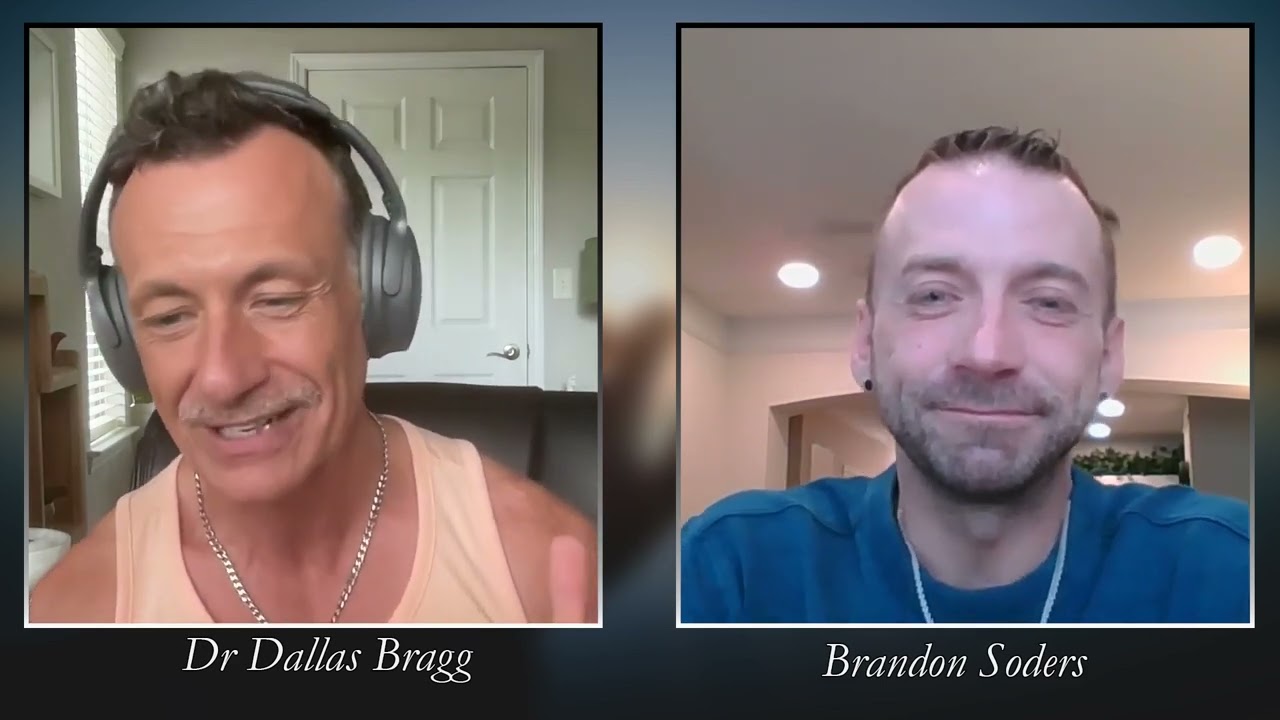
Dr. Dallas Bragg interviews Brandon, who spent twenty years addicted to crystal meth before his last use on June 27, 2018. Five close friends gave him an ultimatum that sparked the intervention. Brandon shares the tools that kept him sober: meditation, journaling, a structured routine, and chosen family.
Chapters
When the ultimatum was given to you, the intervention, did you stop altogether? Did you relapse more times? Did it take a while? How was that process?
So my last day was June 27th, 2018. Um, I— they gave me the ultimatum, and I had a— one of my friends that moved from New York to Raleigh. He basically has always been there. He said He's been one— he was one of those friends. He said, whenever you're ready to leave the city, whenever you're ready to get sober, there's a room at my house. Come down whenever you're ready. But there's only one catch.
Welcome to the Aftermath Podcast. This is your host, Dr. Dallas Bragg, a former crystal meth addict, now sobriety coach. Join me on my mission to increase awareness around the epidemic of crystal meth among the gay male population. And create a repository of resources for current and past addicts, as well as, and especially for their loved ones. This is The Aftermath. Trigger warning, this podcast will contain discussions pertaining to drug and alcohol misuse. If you feel triggered to use or relapse, please call SAMHSA's National Hotline at 1-800-662-HELP. Also, if you are new in your sobriety journey and you feel like you could be triggered by discussions around drug, alcohol, and sex misuse, please do not listen to this podcast. All right, now on with the show. All right, welcome to this episode of the Aftermath Podcast. I'm your host, Dr. Dallas Bragg. As you know already, you've probably heard it 3 times in the intro if you listened. I'm here with my friend Brandon today. Uh, Brandon is a survivor of crystal meth, of course a gay man, as you might expect. And so we're excited about getting into your story. Brandon and I have been friends for quite a while, I think, and we've been chit-chatting over our coffee. So we're just pretending we're at a coffee shop today to get comfortable. Um, before we get started, I'm gonna I have had a kind of a chaotic morning. I'm just going to clear my space with some Palo Santo, get my mind cleared up so that I can be the best guest— or not guest, host— I can be. I'm your guest today. Um, I do want to— I just— I do want to provide a quick Reminder before we get started that on the website— and we have a website, aftermath.net— there are options for you to submit questions and stories on there, and they're all anonymous. There's Recovery Aftermath, where you share your happiest moments and epiphanies, success stories. Hot Meth Express, you can share crazy memories that you've never told that you need to get off your chest. Parties over the letter to crystal meth. Express, express your emotions or say farewell. Meth understood. Share something about your experience with meth that is often misunderstood by society. And then there's an option for our LOMAs, which is our loved ones of meth addicts. You can submit your questions, your triumphs, your struggles. That is all on the website and submit those anonymously. And we will read them on the air. I just wanted to get that out of the way first. So just to get started, Brandon, on the podcast we always have a wellness check-in to begin. So how are you doing today?
Uh, I'm doing great. I was a little nervous, did a 5-minute meditation to calm my nerves and be in the present moment. Yeah, and I did exactly what you just did. I cleansed myself with Palo Santo.
Yeah, yeah.
So I feel it's about 79 degrees here. Well, no, I'm saying about 70 degrees. Um, supposed to be 80 degrees here, so I'm going to be enjoying the day.
Nice. Do you meditate often?
Um, I try to meditate as often as I can. Um, if I feel like my mind is wandering, I sit and I meditate. Um, Sometimes at night I'll meditate right before I go to bed, um, just to calm my mind so I can actually sleep through the night. Um, so yeah, that's how I— yeah.
Yeah, good. That's good. I want to take a— already take a little note there in something that I've been talking about lately, in that there's so much, uh, static and, and noise on social media right now about a morning routine. And everybody's interested in what the millionaires are doing in the mornings. And, um, you know, what should I be doing? Should, you know, and sometimes it sounds like somebody's morning routine is like the whole day. Uh, but I find with addicts, and especially crystal meth addicts who are, you know, in the last stages and they're trying to stay away from it, try not to relapse, or even after 6 years of sobriety like me, The most important part of your day is the nightly routine. I mean, that's when it really matters is how you end the night. So if you end the night with a bunch of porn, you know, I mean, that's probably going to set your mind up for the evening, for the night and the morning and how you wake up. It's also going to put you more at risk of having a using dream or having a relapse. Um, how you end the night in terms of scrolling on your phone, you know, and your brain's not relaxed. So if you wake up at 2 AM, and this is what happens a lot with meth addicts, as you know, I'm sure.
Mm-hmm.
Wake up at 2 AM, your Grindr's on, all of a sudden the hottest guy ever has messaged you. This is a square you've never seen in this community before, and you're red alert, right? And, and of course he's going to be partying because it's 2 AM, 3 AM, or especially 4 AM, our favorite hour, right? Yeah. Um, yeah, but if— so if you've meditated before bed, if you've cleared your mind, if you've prepared yourself for the evening, you're less likely to succumb to that temptation, in my opinion. What do you think?
I think that— I think you're absolutely right. Um, I, I actually— I just had an aha moment because I had a dream a couple weeks ago about using, and I didn't realize that What I was doing at night was making me actually dream of that. So that was an aha moment right now. Um, so thank you for that.
You're welcome.
I also, I try to read a chapter in a book every single night. I redid my room, took away the TV. Um, and I think that helps too for me is to stay grounded and just stay in the moment. When I go to bed, I put my phone on a different nightstand, not next to mine. So that helps. So I'm not reaching for my phone. I have been waking up at 2 or 3 o'clock in the morning. And I think what I do, I used to just reach for my phone just randomly, and now I have all my pillows on one side, my phone on the other, so I can't reach to it. So I just go straight back to sleep.
Mm-hmm.
But I do, I do try to meditate at night. But the best thing that I've, that for me that helps is when I read a chapter of any of my books. And that just puts me to sleep. It calms me, it puts me in the present moment, and I just go right to street— right to sleep.
Yeah, I like that. I like that. Um, thank you for sharing that. And I want to— I want to backtrack to something I said. Sometimes if you are tempted to use, masturbation is the key, right? Masturbation to clear everything out and you forget about wanting to use, right? So I'm not saying never watch porn before bed. A lot of times it's what kind of porn are you watching, right? Like, if you're watching something that triggers you to use, like something like, I don't know, some kink or fetish, or even those, those, those, uh, supposed meth porn, you know, the party and play porn, which I don't think any of that's true. Because I've, I've— when in my, in my active addiction, I videoed sometimes, and it was the most stupid looking— Sex ever. Wild-eyed and clumsy, you know. I know what— I know what it looks like. So anyway, I know that tangent, but I'm just saying, sometimes, most of the time, how you end the night is going to dictate how strong you are when you have those urges. And it could keep you from having a using dream, depending on what you know. I, I have I'm all about masturbating without porn. You know, I grew up before the age of internet, so I had to use all my imagination anyway. And, and my Men's Health subscription.
Good subscription.
Yeah, yeah, the job.
I mean, I do that like at night. Like, I, I was never a really big fan of porn. And it was because of things that my exes, you know, did and triggered me. So I do use my imagination. I think that is, for me, is the key of like just imagining and being creative. Um, so yeah, I do do that at night sometimes, and then even in the morning. I mean, we're all men, we all do that.
Um, and the middle of the day.
Or 3 times a day, 4 times a day, it doesn't matter. Um, but I think, yeah, you're absolutely right, is how you end your night is how you actually wake up in a, in a better mood, um, or any kind of aha moments you have. Um, I know that when I read and meditate, I have more aha moments in the morning than I do if I just watch TV. So yeah, we did a whole thing in my bedroom. No TV, more peaceful. Did my whole thing of green, the green color to help with the heart chakra and peacefulness.
Mm-hmm.
And I feel like your bedroom is your sanctuary. So it just has to be peaceful.
Yeah, I like that. I like that. Well, that's a good segue. Um, you mentioned what your boyfriends had done, so I think that's a good segue into sharing your story. And let's hear, uh, what you'd like to share in terms of what you've been through, um, with this addiction. Wherever you want to start. You want to start as a child, that's fine with me because I think that's where it starts anyway. But it's all your Ball's in your court.
Um, I'm gonna go back all the way to my childhood because I really believe that that's where the addiction started for me. Um, I had, you know, I'm adopted, so I felt very abandoned by my adopted mother— I mean, by my birth mother. Um, at, I believe, 8 or 9, my aunt was murdered by her husband, and then who killed himself. So my adopted parents would be drinking all the time, which made me think, okay, drinking is fine. So I would start with drinking alcohol and taking it from their liquor bottles and then taking to school, um, at 9, 10, 11, all the way to 14.
Wow.
Um, at 14, um, I'm originally from Lancaster, PA, so I'm only— I was only 2 hours from New York. So at 14, 15, I would go straight to New York on the weekends. Lie to my parents, say that I was going to stay at a friend's, go to New York City clubs. And I think that's where you know I I think Limelight was actually where I started my first drug, which was at the time ecstasy. Okay. Backtracking to that, that was like 14, 15. At 16. I was dating a guy that my first 15, 16 was my first relationship. Where the really hardcore drugs started was after that relationship. He what he would do is if I didn't want to have sex, he would choke me until I blacked out, and then I would wake up to him actually having sex with me.
Hmm.
And then. That was about the first six months, and then the last six months I would just give in. So anytime that his hands would come to my neck, I would just just basically just give in and just put my hands up and just really just give him all my power. After that, I started spinning out of like spiraling downhill, going kept going to New York, kept going to Philly. And that's when the real— around 17, 18, moved to New York. And that's when the real drugs started. Because I didn't process that, didn't understand what was going on between the murder and between the sexual abuse. I didn't really understand what was going on. So I would start with ecstasy, then it got into coke, and then the coke wasn't working. And then I got into the crystal. Okay. The crystal was given to me when I thought it was coke. One of my friends said, "Oh, this is coke. You'll enjoy." Like it's it's a higher grade of coke. I didn't think of anything about using crystal. From what I understand, that was back in late 90s, early 2000s. So it Everyone would say you want to stay away from it. Um, so one of my friends gave it to me. It obviously— it burns when I put it up my nose. It burns. And I, 3-day high, I was like, what is— what is this? This is great. Oh my God, like, I don't have to spend this much money. Um, you know, people are just giving it to me. It's great. Um, so that's when that started with the crystal addiction. Okay. Um, that was—
you still with the boyfriend?
No, I was not. I okay. We broke up. I finally had the like the strength to leave, and then that's when I just decided just to move to New York because back then Lancaster wasn't really ideally great for openly gay people. I believe they only had one gay bar. It was twenty minutes from Amish land. So you can kind of decipher that. You know, when I went moved to New York, I started meeting a lot of people, a lot of people that were you know very high in the nightlife. And when I tell this story, it's they didn't activate the addiction; it was me. You know, I take very very much ownership of my own addiction. I think that is the key of it. Um, you know, I, I became a member of the House of Xtravaganza, which is a very big voguing house in New York. Um, they, you know, dance with Madonna, stuff like that. And that's— having that last name kind of catapulted everything that I was getting. So free drugs, free entrances.
Um, okay, because you had that? I don't know. I don't know. I can admit I know nothing about voguing. I know that I see you. I see your name on things that it says Brandon Extravaganza.
Yeah.
It's just, I did watch some of the show on Netflix. But what is that? How do you prove what house you're in? And does it— so is it just like a societal structure in New York City? If you have that name, you Immediately get in certain places too?
Because they were very well known because of the Blonde Ambition tour, because 2 of their dancers actually was on tour with Madonna in the, I think, '89 and '90. So that started once that name was built. Anybody who was in that house was affiliated with these 2 dancers. They were on tour with Madonna. They had, you know, the grandfather of the house was very iconic of speaking about, you know, very big activist for AIDS, very big in the New York gay life. So it kind of, you know, in the nightlife too, like you had Junior Vasquez who did a track for, it was called X99. So he did like an anthem. So you had that, once you had that last name, Um, in the nightlife, it just catapulted. Um, you know, there's other houses that are very well known in the nightlife too, as well.
Okay.
But with being an extravaganza, it just catapulted the, you know, the usage. Like, I wasn't coming from a small little town to New York. I wasn't used to having— being like, you know, here comes Brandon Extravaganza, like, let him in, like, let all these people in, like, You know, oh, like you're a vulgar. Like here's here's this here's this, and it wasn't that they were giving it to me because they had it because I had the addiction. They were just giving it to me because of you know just because of the dancing, and I you know they were happy to see me, which led into me being you know the crystal meth addict ownership. I you know go ahead.
Yeah, so, so basically this was a replacement family for you since you didn't— you felt— you mentioned feeling abandoned. You were adopted, you had deaths. So this was the first time, it sounds like, that you felt as if you had a family.
Yes. Um, the whole part of a house is, you know, the, the rejected kids, the, the kids that, you know, the children that are kicked out of the house. That's what a house is. They're family houses. That's what a voguing house is. It's a family. It's like your second family. Like they'll take you in, they'll, you know, guide you. They will help you in any way, shape, or form. So, you know, the grandfather of the house was known to help pay rent, help with therapy. So they are your second family. It's basically, that's what it is. They always say it's, A gang. It's like a gay gang, but to me, it's it's your family. It's your gay family. It's your chosen family. You do have a fat. You do have a blood family or adopted family, but you have a chosen family. Okay. So to me, that's what it was. It was feeling really connected with with members, with people in the clubs. You know, I wasn't I wasn't prepared for all the. Excess stuff that was going to catapult when I got the name and when I became in the house. Um, so during my crystal meth days, you know, I was going out dancing, enjoying my time, 3 days up, um, having the craziest sex ever. Yeah. Um, you know, I think that during my journey— this was 20 years using on and off. So I think through my years of using, I started to realize that I didn't love myself and I was numbing everything. So I would say I was just allowing guys just to use me no matter how, who, what, when, where, why. I was having, you know, At that time, we only had Adam for Adam, Manhunt. That's when the internet started coming. So I would be on there six, seven hours a day, you know, trying to find people or taking guys home from the club, going to guys' houses, bathhouses, whatever whatever the case may be. And then I believe you know I started dating somebody in twenty. 20— 2015-ish, um, in September 2015, and it was going great. Uh, December in 2015, December 1st, 2015, I found out that I was HIV positive.
Okay.
Um, which I, I've helped— I've been there through friends that have been diagnosed with HIV, so I thought I could handle that. And it's very different when you're helping someone to when it happens to you. You think you can handle it but you just, it just, you just blow up. That was for me anyways. So I started dating this guy 3 months before that. In between of processing my HIV journey, well my HIV diagnosis, he The guy I was dating was cheating on me, telling me that I deserve HIV, telling me that you know when we get into fights, telling me that I deserve to die, telling me that no one will love me because of the disease I got. You know I should be ashamed of myself. I'm a whore. You know I'm no good. So the self-love that the loving myself like that I didn't have. He basically stamped everything, or any kind of love that I had, he took it away. He was that person that just basically buried me. We broke up in April of 2016, and at that time, between the breakup, the HIV diagnosis, and losing jobs, becoming homeless. you know, you know, living from one couch to the next couch, um, I spiraled down, like extremely spiraled downhill to where the crystal meth addiction got even worse.
Okay.
And this was when I moved out of New York, moved to Philly. Once I got to Philly, I— all my friends had in Philly had their own life, so I felt very, very alone. And it has nothing to do with them and everything to do with me is I basically just, I didn't understand like a lot of things at that time. So the only thing that I did understand was using. So I would use every day. I started, you know, finding people that were, you know, would invite me over that was partying at 2:00 AM, 3:00 AM, 4:00 AM.
Yeah.
So I would go to their house, you know, start partying with them. And, you know, some would be orgies, some would just be threesomes. And really just, you know, I was having sex and getting the drugs. I wasn't paying for it, so I would just keep going.
Yeah.
Um, and then after about 3 months, 4 months of doing that, I Got into the deepest hole ever when I started going and just technically living at a bathhouse. I was using every day. I was paying for my room that I was renting, but I was also living at the bathhouse. I was doing you know three or four nights at the bathhouse. Can't tell you. How many guys a day? Can't tell you how many, you know, guys a week, which I own. That's you know, that's that's my story. I own it.
Right, right.
What I didn't realize, and that was 2016 to 2018. I think at the beginning of 2018, end of 2017, end of 2018, I didn't realize what I was losing. Um, I was losing myself. I was losing my friends. I was losing everything that I knew. Um, 2018, the beginning of 2018, my, you know, 5 of my friends, some of them didn't even know each other, just sat me down and just said, we cannot watch you go down this dark path anymore. We can't do it. So you have to choose. You have to choose. You have to choose the drug or you have to choose us. You can't have both anymore. And these are friends that I've had for 10, 15, 20 years that allowed me to stay at their apartments, allowed me to live on their couch when I would visit them, like, you know, fed me, gave me money to go to work. Um, so these 5 specific friends, they gave me the ultimatum, and I— they, they kept saying it in ways of they were trying to help me, and then all of a sudden they just said, here's, here's the issue. We can't, we can't watch you down— go down this dark path. We can't watch one of our friends that we love continue going down this. So we either have— you have to choose the drug, and if you choose the drug We don't want— we don't want to associate with you. You can't say hi to us. You can't even acknowledge us. We will literally block you on everything.
Hmm. Or let me— go ahead.
I was gonna say, or they decided, or they said, you can choose us and we will get you the help that you need, or we will help you in every step of your journey, and we will be there for you no matter the darkest time, no matter what. But you can't have both anymore. So they gave me a time limit. They said, you, you have until this amount of time to tell us. If you don't, if you don't tell us, we're done. Hmm.
Interesting. So not often do you hear ultimatums like that, or, well, I wouldn't say not often, but yeah, I would say not often ultimatums or interventions like that. uh, go successfully. And I have a lot of sisters, brothers, mothers, friends writing into me and saying, you know, my loved one is lost to this addiction, and I don't want to just stand back, you know, and watch them destroy their life. What do I do? Um, typically my advice is, is typically to Be present, but don't pressure them and let them come to the decision on their own. Because if they're not asking for help, then they're usually not going to accept it. But in your case, you weren't asking for help. Your friends came to you with an ultimatum. So why do you think you didn't rebel against that? Were you just in the right space? headspace for it, or did you want to kind of rebel against that in the beginning, or what was different about your case?
Um, and sorry, people are mowing outside, so if it's loud—
Oh, it's not, it's not.
I, I'm all about loyalty when it comes to friends. So if, you know, for me is I— they were loyal to me in times of my need, so this is apart that they're really actually deciding to give up the friendship. Um, I think I was at a place where when they were saying it, I was able— they knew me so well that they knew when to say it. So they were saying it to me sometimes when I was high as a kite. Sometimes they were saying it to me when I was coming down. So they knew when that I would actually sit back and think about it and, um, ruminate all, all Everything that would happen. So, yeah, what I would do is, you know, okay, this person is saying this. This person's been my in my life for fifteen years, and I would actually when they five people would just say that I would actually take that day and not actually go have sex. I would actually take that night and actually just sit in my thoughts and just be. It was so much chatter, and I would just sit and be like, okay, they're right, they're right, they're right. So for me, I was at that place where I was ready.
Yeah.
I, I've, you know, my sister is a heroin addict. I, we have tried to help. I think that when that person is in a place where they're ready to be helped, any part of guidance or any part of discussion is helpful. When someone isn't ready to be helped, you can—they can be living on a rock. They can be living, you know, in a bathhouse. When they're not ready, they're not ready. So no matter what you say, they're not going to be ready. I think that with other people, you know, everybody's journey is different. I think that what I would say is be patient. Because they will get there. Yeah, they you know sometimes you just have to be in that dark place and you have to be you you can't be afraid. I think and I'm getting chills right now. I was in a place where I didn't fear death. I actually welcomed it. Ah, I was. Wanting to die, like I would sit back and say, okay, either A, I'm gonna get killed from having sex with the wrong person. I the drug is going to take me. I'm going to go to jail, or I'm going to live in in in the streets and die of hunger or whatever the case may be. So I was trying to die. Yeah, and I think that's what made me realize, okay. Me fearing death— me not fearing death and actually welcoming it is that key of, okay, this is time to wake up.
Yeah.
In that— in, in, in the meth journey for me, in the sobriety journey, I think that it was when they would give me that ultimatum, it made me actually— they were poking things in my brain that they knew, and it was waking me up when I was high, and it was waking me up when I wasn't high. Um, and that's for me is how I started. Like, that's for me was, was my start.
Okay, okay. Thank you for sharing that. And by the way, thank you for being honest about living in a bathhouse, you know, sleeping with thousands of men. Because here's the thing, none of us that have been meth addicts probably want to see that number, right? We don't want to know.
Exactly. Yeah.
But when you share something like that openly in a public forum, there's a man out there who's never shared anything about his experience, who just got healed a little bit, who just had a moment of relatability, who had a moment of, I'm not the only one, you know? And so I just applaud you and want to say, keep sharing and don't, you know, and I know you're not embarrassed because you own it. You said you own it. This is my story. But for anybody out there, you know, I— there's a difference between reliving it in shame and talking about it in an effort to help other people to know that they're not alone, that you— there's somebody else who's done just as much shit as you have done, and probably worse, right?
Mm-hmm.
Um, yeah. So let me ask you, how many times after— so When they— when the ultimatum was given to you, the intervention, did you stop altogether? Did you relapse more times? Did it take a while? How was that process?
So my last day was June 27th, 2018. Um, I— they gave me the ultimatum, and I had a— one of my friends that moved from New York to Raleigh He basically has always been there. He said he's been one— he was one of those friends. He said, whenever you're ready to leave the city, whenever you're ready to get sober, there's a room at my house. Come down whenever you're ready. But there's only one catch.
No drugs.
No drugs. If I have any inkling that you're on drugs, I won't even say anything. Your stuff will be packed. I will call the cops and you will be gone.
Wow, good friend.
You will figure out how you're gonna have to get home, whatever case may be. He basically said all that. He said, that's the only— that's the only catch to this. And this is somebody that I have lived with, so he— and this is somebody I've known since he was 16, so he— I was about maybe 20 years of his life. So he knew every step. He knew when I was lying, he knew when I was high, he knew when I was sober, he knew when I was coming down. So there was no getting around lying to him. If he knew that I was in my room for three days, or I didn't come in back for three days, he knew what I was doing. So the third day, he was like, "If you don't come back in three days, and I'm texting you, and you're not texting me back, your stuff is out because I already know what you're doing." Yep. Um, I from 2018 to 20 when did I go? I think 2021 or 2022. No, 2022, I had no sex at all. Sex disgusted me.
Um, let me ask you, sorry, let me just interrupt. Did you not want to have sex, or did you not have a libido? Because this is the, this is the, like, the million freaking dollar question that I get from, from men who, when, when I, when we work together and they quit meth They just don't want to have sex because they don't have the libido, they can't get hard, they just don't have any desire. Now, was it that, or were you just disgusted by all the things you had been doing and associated with sex?
I was disgusted. Okay, I would still masturbate and I would still do all that. I was completely disgusted. Even when people would talk about it, even when friends would talk about having sex with their partner or whatever the case may be, I would have to end this I would have to say, hey, I'm feeling disgusted, because it would trigger me into backtracking of everything that I was doing. I felt very ashamed of how I got. I felt very embarrassed. I felt this is— I can't believe that I'm 35 years old and I allowed myself to get like that. Um, and that was 2018, so I was 35 then, I think. Yeah. Um, so I was Completely embarrassed. I was disgusted. I started thinking that I actually had so much sex high that I didn't even know how to have sex sober.
Um, twenty, you know.
So that's why I didn't have sex. Plus, it was a new place, a new area. I had, you know, no idea of who I was. I had no idea who I was sober. I spent most of my life doing drugs and drinking, and I didn't know who I was. Um, so it was me figuring out, okay, the first year was how do I live a life sober?
Yeah.
I— and that to me is, for me is I went to work, I went home, I went to work, I went home. For the first 2 years of living in Raleigh, I had no friends. My friends were the roommate that I lived with and his boyfriend. That was it. I— sorry, I had 2 other friends that did move from New York that lived here, but they had their own families, so I couldn't see them as much as I wanted to. So I would just go to work and come home, go to work and come home. And then I would gradually go— after the first year, I would go back home to New York. And I wouldn't go out. I wouldn't— I would see some of my friends that knew I was doing this, you know, the sobriety journey, and I would only see those specific people. And it was, okay, I'm gonna go home. Okay, you don't want to go out, you're gonna go home. You're not allowed to go out. Um, I remember the very first time I went out, I went out— when I visited New York, I went out for maybe 2 hours. And I was like, I can't do this. I need to leave. And all my, like, the friends that I was with walked me out and they said, you're going home. And we knew the door guy and we told the door guy, I'm not allowed back in.
Hmm.
And if I try to get back in, just nope, you're not allowed back in. So even I had even people that were working the clubs that were helping me. They were like, hey, you're trying to get sober. You're not allowed in. So you need to go home. So if I would say, hey, this is triggering me, I'm leaving, they knew that, hey, if I wanted to come back, they're going to say, no, you're going home. This is triggering you. You got to go home.
Mm-hmm.
So even the people that were doing doors, um, you know, I knew security. So even some of the security would be like, no, you're going home, whatever. So I had a lot of people helping me, um, when I first started that I wasn't aware of. Um, And then 2022, I was away opening a new store and randomly just felt okay. 4 years not having sex. I really hot guy, really like you know really hot guy where I was. I forget where I was, and I was like okay, let's do this. I think I'm ready to have sex without crystal. Like I think I'm ready. And I did, and I was able to actually have sex with crystal for the first time in 2022 since I was 14, since I was 15, 16. Sex without crystal? Sex without crystal, sex without any drug. And it was a very different experience. I After that, I didn't have sex for a while. This is going to be my first time sharing this openly, but I think it's okay. I think this is, you know, the time to do it. I was, you know, 2020— what year is it? 2023. I was in another state training for work, and again, Grindr, I think it was 2 o'clock in the morning. Whatever the case may be, I invited this guy over to the hotel, and I did not plan on doing anything. No, no crystal, nothing like that. I was still on my journey. And what happened to me was something that I would never want anything to happen to anyone, is I was unaware that he actually Put crystal in my anus, and or ass, whatever how you ever want to say it. And booty hole, the booty hole. Okay, he gave me a booty bump. Yeah, I was unaware. And the once I felt the burn, once I felt the once I felt that, I realized what it was, and I was like, okay. Crap, I'm not going to think about it. I'm just going to keep going, and I'm going to move on from this. I that was that's the first time I'm sharing that publicly. I didn't you know I was unaware. So you so for me at that part is six years sober, and well yeah six. 5 years sober at that time because it's 2023. I was very panicky. I was like, oh my God, this is— this messes up my sobriety. This messes up my sobriety. Like, what the heck is going on? Um, but not realizing that I physically did not do it. Um, he actually left a bag of crystal there, and what I— what I did was I was packing up my stuff, did not know, um, and I took the bag with me. And before, I didn't flush it down the hotel room because I was like, in my thoughts, in my mind panicking. So I decided to go to a safe friend's house. And I decided to flush the whole entire bag down the toilet. And I thought, okay, this is You know, I talked to a few people. I talked to you. I've talked to you know very few people knew about that, and I realized that that to me is growth, and that to me is you know the part of I didn't actually do it. I didn't. There was a bag. I didn't actually do it. Um, yeah, yeah. The reason why I'm telling that story is I think it's really good to understand that there are people out there that. Are in that mindset, and you may not want to party. You may, you may have that mindset of, okay, I'm sober, you know, this person, you know, says they're sober, but in the end they're not, and they're giving it to you unwillingly, uh, unknowingly to you. Well, they're giving it to you and you're not knowing. Um, so I think there, you know, there are people out there, and they're not bad people, they're just in that moment of they want to have sex, they want to get high, they, they want you on that level.
Yes.
And I think I was not ready to say that in a while. And, you know, I think these past couple of weeks and months have made me realize that I have to own everything. I have to own everything.
Yeah, yeah, yeah, yeah. Well, thank you. Thank you for sharing that. Because same as before, you know, I mean, there's, you That situation that you had is not uncommon.
Mm-hmm.
Um, because as, as well as you know as well as I do the mind of a meth addict, and it's actually— it— some people get off on sneaking it in to someone or getting somebody that isn't using to use or having someone try it for the first time. You know, it's like a fetish, right?
Yeah.
Um, and especially if it's someone that they're with and it is a— then they are a bottom and they can sneak it in like this person did. That's hot to them, right? Um, and I— if there's other people out there that this has happened to, which I know that there are because they've talked to me, um, you know, it's just this whole guilt thing. And then Luckily for you, you were in a place in your recovery where having it in your system didn't trigger you to want more and more. Because some people, if they have any little bit in their system, it— they— a switch is flipped and then they're in, right? They're on the search. And wow, how lucky that he— this man must have really been out of it if he left his bag. He in the room. Uh, yeah, he must have been way out of it.
I was— when I was packing up, I was like, what the heck is this? I didn't bring this. And, you know, I, you know, in that moment there was a lot of guilt of, sure, why, why did I allow this person over? Like, you know, why did I, you know, let my guard down? Um, but that to me was a learning lesson of You know, if you're two or three o'clock in the morning and somebody's looking for sex on Grindr, you should ask them certain questions. And that was just a learning lesson. And I think that's something that maybe I had to go through to continue discussing my journey, to allow people that has that has happened to come forward and say, "Hey, this has happened to me." Yeah.
And it was a decision point for you. You had this baggie, right? A gift from God, from the meth gods, and you could have done something with it. Um, you know, there's times when we have that. For me, there was a time when it was early in my sobriety, I was walking downtown, uptown Charlotte, and I went into a random restaurant to use the bathroom. I went into the stall, I sat down, I put my phone on the toilet paper thing, and it fell in behind. So when I reached down to dig my phone out of the toilet paper holder, I pull out a fresh needle full of meth.
Ooh.
Um, I guess it could have been something else too, but It was clear it was meth. It had to be. I'm like, of all the fucking bathrooms, of all the bathrooms in all the restaurants in this city, of all the people to find a needle of meth, it had to be me. It had to be you. But when you are faced with that decision moment and you decide not to, the ripple effect, the message, the signal, the intention that it sends out to the universe, to your subconscious, You know that we are not using this anymore. You know we are past it. That's that's powerful because I think it then equips you with another layer of strength and another layer of resolve to stay to stay sober. So congratulations.
Thanks, and congrats to you for not not not. Thank you. Thanks. I think yeah, I think that when. you know, this spiritual journey too that I'm on, I think the universe has sent you lessons to see if you have grown. Um, and that was a huge, huge lesson for me of—
Yeah.
Not just growth on the method— meth part, but also growth on how to proceed if I wanna have sex with somebody, how to proceed on how I wanna discuss if I'm, you know, on Grindr or whatever the case may be. Um, You know, now I really don't. Like, I'll download Grindr here and there just to see if there's any new people, but I don't think for me Grindr doesn't really do anything for me. Like, there's no substantial conversations, there's nothing in-depth. It's just people looking for sex. And that's for me, that's not, you know, everybody's different, you know. That's just for me, is I, I went 4 years without having sex. I, you know, to me it's something that I Hold dear in my heart right now is like I don't want to just give myself away to anyone. I did that for twenty years of my life, so I want to actually give myself away to somebody that I'm actually interested in dating. We all have our needs, so you know at that point, if you know I had a need, then that's something that in that moment, yeah, sure. But it's not something that I'm going to go into where I need to have sex every single night.
There's also something to be said about being out of town and in a hotel room. There is no— I don't think there's any bigger trigger for a meth addict to be in a hotel room out of town by yourself.
Yeah.
That's where the action happens.
And it was in a state where the guys are, you know, very good looking. So I, yeah, you know, At that point, like I said, I wasn't even looking. I wasn't looking. And then just randomly, I just got on Grindr and I was like, okay, it's my last night. Let me have some fun. Let me have sex.
Yeah.
And yeah, um, I thought it was going to be like that time I had in 2022 is I'm in a hotel out for work. I can invite somebody over, enjoy my time, you know, and just go back home. I'm never gonna see this person again. Um, And at that moment it wasn't. So I think, you know, have I had sex after that? Yes. So, and was it without crystal? Yes. So I know that I 100% can have sex without crystal. Um, but I also know that I don't want to just randomly give myself to 4 or 5 people anymore.
Yeah, yeah. And an important part of your story too, I think, is this detox period you're talking about that you— I mean, 4 years is a, is a while. you know, it's a long time to not have sex. But, you know, David Fawcett, he's like the— he's the expert on sex, meth, lust. He suggests 90 days no sex, no porn, no masturbation as a detox period to reset the brain. Um, I, I never like to prescribe anything to anybody in terms of how long they should or what they should and shouldn't do, but I do think there's value in resetting the brain to try to re— try to rewire it away from porn and away from sex on meth. Um, and so if you have to go a certain period of time, 90 days is probably ample, um, of, of doing that. Just do none of it. Just reset. So what has your— what have your experiences with sober sex been like? What are the challenges And to be honest, do you miss anything about sex on meth?
The challenges would be, um, you know, depending on who it is, you can't last for hours. So you're so used to having sex for hours, um, you know, I think that that part is what I do miss of like, okay, I can just have sex for hours and not care, um, and it'd be random people. Um, but I think the— what the part of me enjoying sex without crystal is, it's a very mindset of I actually can enjoy sex. And when I start— when I start dating somebody, or if I start dating somebody, whatever the case may be, I know that I'm not going to think about using. Um, and I think that also goes into the fact of Why I didn't have sex for four years is I want to have sex with somebody that is going to not get triggered of if I have to stop in a moment and say, "Hey, this is triggering me." I have to stop and feel comfortable with themselves of saying, "Okay, I get it. I totally understand it." So let's we can move on from this. We don't have to continue. And there's not a lot of people that. can do that, like, in the moment. You're in the heat of the moment. And where I need to make sure that I'm comfortable having sex with you, and I need to make sure that if I am comfortable with myself too, is if I'm getting triggered, I can stop. And if I'm comfortable with you and you're comfortable with me, then you're okay with that. You're okay with stopping and not continuing.
Yes.
Um, I think that's the also challenge of having sober sex for me. Is I don't know when the trigger is going to start. Yeah, it could be why we're going at it. You know, we could be 15, 20 minutes into it. I don't know.
That's a hand on the throat.
Yeah, the hand on the throat could be a trigger on you, right? Um, however, I do like a little bit of choking. Okay, just don't choke you out. Yeah, just don't, just don't black me out. Um, but I Yeah, there's, there could be instances that could trigger me and I just don't know when, I don't know how, and I don't know at, you know, at the moment. And I think that's a huge challenge for me. Um, I think that's what I missed from it. Like I said, was the hours long is you can go 2 or 3 hours and not just not finish and whatever. Um, Right. I think also that, you know, the thing that I'm going to enjoy, um, if I'm— when I start dating somebody is that actual intimacy, the actual connection, the actual— you know, I did have sex with, you know, boyfriends when I wasn't using, um, and there was a better connection. But I think then this time that I'm completely sober and not ever going to go back to it, I think there's a different connection. Um, and that's what I think is, you know, excites me is when I actually start dating somebody, is, is the actual intimacy and not the drug intimacy part of it.
So what have you— what particular— so in this 4-year stretch you weren't having sex, I mean, you were going to work and home, but are there specific things you did to propel your healing journey? You didn't mention 12 steps. You said you didn't— you weren't really around people, right? What did— what have you done to kind of repair that damage that from early on, the abandonment and the need for validation and finding where you belong and finding out who you are? Like, those are big endeavors, right? So— What, what have you done along those lines to help someone else?
I would say the first 4 years, um, because my— this, you know, I think that we're never healed. We, we always are continuing to heal, and the sobriety journey is a never-ending journey. Um, I have been sober for 6 years. Uh, the first 4 years, um, for me it was Just understanding life without partying, drugs, clubs. Understanding of, you know, I have to get my weight back up. Understanding like it's it's me. It's it's it's about me now. It's not about you know giving anything to anybody else. You know I did rely on a lot of my friends that you know were back in New York if I had a trigger. Or I had an urge, I would call them. You know, I think for me the true healing and the true understanding started last year. And that involved— and I'm still doing it— like very intense understanding, very intense of why I— how I started the addiction, why I started addiction, where did it come from, You know, what age was I? I think the first four years it was. I didn't understand myself. I didn't. I thought I loved myself. Yeah, you know. Yeah. I stopped. I stopped crystal meth. I was starting the sobriety journey. I was starting it. Yes, I did love myself for stopping, but I didn't really truly love myself because I didn't. I was still ashamed. I was still feeling guilty. I wasn't in that place to actually start. diving deep. Um, I was still blaming everybody. I wasn't really blaming myself. I wasn't taking accountability. I was blaming—
Interesting.
I was blaming my ex for putting me in that dark hole. I was blaming, you know, my aunt getting murdered for putting me into starting the addiction. Um, and I didn't realize that, you know, when I started the very, very intense spiritual healing journey last year was You do have to take accountability for your own actions and for your own well-being. Because at the end of the day, I could have walked away. I, you know, everyone has, everyone has that strength in them to walk away. You just have to find it. And you have to put yourself first. The 4 years, the first 4 years, I really thought putting myself first was being selfish. Because I was putting everybody else, everybody's needs. I was a people pleaser. I had to make sure everybody liked me. I had to make sure, you know, everybody was understood that this is— I had to make sure everybody knew that I was on a sobriety journey, that, you know, so that they could be proud of me. And I wasn't proud of myself. Um, oh, I see. So I had— so I had to have the external validation. Um, where now doing the intense journey is I don't need somebody to be proud of me. I need to be proud of myself. And very, very— and if I start getting emotional, I'm sorry. I'm very proud of myself for continuing the journey. I'm very proud of myself for feeling the feelings. It was very hard the first year because I didn't— you have— I think the first year you're still rewiring your brain because I think it takes a year to 2 years to actually have the full meth out of your brain. And for you to neurologically, I think it, I think it takes a year to actually get out of your system so you can start living the life.
It's 12 to 24 months. Yeah.
Yeah, I was gonna say it's a year or 2 years, I forget. You know, don't quote me on that. I'm not, you know, not an expert on that. Um, and so it was just diving know, diving, going in. But the 4 years I wasn't sober, I was still drinking. So I wasn't actually really sober.
Yeah.
Um, and I think that that also has to be talked about too, as well as you're substituting— if you're drinking and you're, you know, you know, not saying anything wrong with it, but if you're substituting something from, from, from crystal, is you're not actually feeling your feelings. You're actually numbing. You're still numbing. That's right. That was for me. And you know, back in June of last year, I you know something happened. Like I you know I got a DUI, which has been expunged. All good. I didn't hurt anyone. Thank God. I think that was the first. I was really dark into drinking. I was taking shots and stuff. So I think you know last June is when I got the DUI. It woke me up. Another another wake-up call of like okay I need to really take this journey seriously and need to really dive deep and understand why now I'm drinking a lot. Um and that you know spiritual journey healing journey started um very intense very um overwhelming very uncomfortable. Um, but I can look back and say it has been very, very, very, very rewarding and very fulfilling.
Um, so I'm gonna interrupt you right there and just point something out here. And that is, there's a— if you follow my, my material at all, you're going to know that I talk about emotional sobriety a lot. And so what you're talking about here is 4 years of being without the substance. That does not mean that you're any farther along in your recovery than someone who's been 1 to 2 years, because recovery is actually peeling back the layers to figure out how did I get here? Because being without the substance, you're still exhibiting the same behaviors that you were doing to get you there. which was finding validation outside of yourself, right? Numbing the pain with something else. It doesn't have to be alcohol. And some people define sober as no drugs, but they drink. But it all depends on the motivation of why you're drinking, right? Mm-hmm. So if you're drinking to numb the pain, like you said you were, you're, you're not taking advantage of recovery and, and in living up to your full potential, living up to everything that you can be, the best person you could be, the most healed person you could be every single day, which is questioning, why am I seeking external validation? Do I love myself? Right? Which is the big thing. And so how do you— and you can finish what you're saying if you can remember. I know I interrupted you, but it's all right. How, how did you come to a place where you loved yourself? Um, or how are you coming to that place?
I was gonna say, I, I'm— a lot of guidance, um, from you and other people too, of, of tools. I think that what really for me was what I didn't understand is I was not allowing myself to feel the feelings To understand them, to let the emotions come out, and talk to myself kindly because I believed everything that everybody was saying. I was never—I never really thought of myself as this, you know, loving, caring person that just wants to see people get along. You know, I have a really big heart, and I—I know that, but I didn't really know that. I was always there for my friends. I was always, you know, if somebody didn't have, if I had the money and somebody, you know, didn't didn't have money, I would give it to them. If somebody, you know, didn't have food, I would cook them dinner. You know, when I had it, and I just never really thought that highly of myself. My really close friends, my best friends, they all think of that of me. I think that. What I was really missing is those moments of really sitting and understanding the feelings and the emotions that were coming up and allowing them to— allowing myself to digest them and feel them. I think that for me it was I needed to sit there and say, okay, you have to love me, you have to like me, you have to sit here and, you know, You have to go out with me. You have to do this. But in actuality, I didn't realize that the only person that really needs all this is yourself. If you love yourself and you have all the love and the happiness and excitement for yourself, you don't need anything else. You don't need that validation. You don't need that, you know, okay, well, this person needs to go out with me. This person needs to go on this hike with me, or this person needs to go to this club for me. With me. You, you can do it yourself. You, you know, I, I look at this as everyone has their strength within them to do anything by themselves. Um, so for me, this whole past year or 10 months, whatever the case may be, has me promising myself of if something, if I'm feeling some type of way, Stop, be in the present moment, and understand why I'm feeling that. What is actually coming up? What is what's the emotion that's coming up? What's the feeling that's coming up? What triggered that emotion, and what triggered it? Was it something that somebody said? Doing this, you know, starting the the very intense journey is I couldn't go a day without crying. I didn't cry. You know. I didn't cry. I think the last time that I cried besides my diagnosis, and I did leave this out, was when you know I was dating somebody who committed suicide, and I talked to him five minutes before he jumped off his 31st balcony. So the guilt was there, and that was the last time that I had a really intense cry, and. After last year, and I started a journey, I was crying every day. I was crying with just words. I didn't really understand why I was crying because my boss said I deserved a really good day off. My friends said I'm really good. I have a really good heart. I didn't understand that. And what I also didn't process until really last year was the sexual abuse at 16. Now that I wasn't drinking, now I wasn't numbing the pain, I could actually start processing things. And, you know, I had people there that could relate to me and, you know, could, you know, I could share how I was feeling. I could pick up the phone and, you know, allow them to— they were allowing me to vent to them and discuss what I was going through. And then they would tell me their story. Or what they what they could relate to at that moment, and it really helped me with this process. I think too is I had to really sit and tell myself it's okay. You're not your negative thoughts. You're you know you're so much more than what people say about you. Any negative thoughts or any negative comments or any negative words that people say, your parents say to you. Your boyfriend said to your girlfriend, whoever, no matter who they are, you are not those thoughts. You're so much more. And I think that that to me was I had to keep speaking to myself kindly because every time I would cry, I'm like, you're not supposed to cry. You're not supposed to show your emotions. Yeah. But I would sit there and say, it's okay to cry. Let it out. And I would be sitting there voguing, dancing in my apartment, and I would just Fall to my knees and just start crying, and I'm like, why am I crying? Yeah, and I couldn't pin. I wouldn't pinpoint it, but I would. There was a day that three hours I was cleaning and dancing, and I would drop to my knees every five minutes crying, and I would get back up, dance, clean, cry, and I would just tell myself, it's okay, it's okay to cry, it's okay to feel these emotions. You're it's you're not you're not a bad person. You know, you're you're you know you're human. You have a soul. Like you you're supposed to feel these. And I think that was the start process of loving myself. I think really looking at yourself in the mirror and first really looking at yourself in the mirror with all your clothes on, pinpointing your imperfections, and then diving into why are they— what's wrong? Like, why do you need to change them? Then looking at yourself naked and pinpoint all your imperfections. And then really dive in and why do you need to change them? What's what's the root reason? You can't really change certain things. Um, you know, a friend of mine says, you know, your your imperfections mean you're I'm perfect. Basically saying you have to look at yourself and saying you're perfect the way you are. Yeah. So just because you are, you know, just because you don't go to the gym every day, just because you know you don't. You know, don't you know you have a crooked nose like that? You know, for me, I did. You have crooked teeth like I did. I changed those because it was really actually beneficial for my health. But really looking at yourself as saying, there's nothing wrong with me. Yeah, there's. I have to love myself. There's nothing wrong with me. It took me. I'm still I'm still going. I'm still I still have a little bit of way of loving myself, but. I understand that I don't need that validation, and understanding that if you want to do something, go do it. If you want to go hiking, go hiking. You don't need somebody to go hiking with. That's right. You you know this past weekend I went. I really spoke to my inner child, and I went to a tiger sanctuary, and the excitement, the joy that I got out just from being 5 feet away from a tiger. Um, you know, that's what it's about. That's, that's loving yourself, giving your, you know, speaking to your inner child, speaking to yourself with love and just saying, I'm gonna go do this. What excites me? I don't need somebody to go do this. Yeah. If somebody doesn't want to do it, let them. You just go do it. I think that's, I think that's where I'm at is Understanding I don't need— I don't need people to go do things with.
Yeah, yeah, yes. And it's such a gauge of where you are in your recovery if how much time you can spend alone and enjoy your own company. I mean, to me, that's— that shows how far someone has come. And you have— you have come so far. I mean, what a, what a story. And I'm sure that you left a lot out of that.
Yes.
Yeah, just the boyfriend's experiences alone. You know, you've, you've really come through some, some situations that I think would have broken a lot of people. And one thing you mentioned was that you wanted to die. You know, one, one of the, one of the, um, breaking points for you was realizing that you were ready to die, that you didn't care if you lived, right?
Hmm.
And I said this before, I feel like other drugs— fentanyl, heroin, pills— they, they kill, you know, they physically end your life. And even though You hear some meth addictions, you don't hear as much. I feel like meth is a drug that makes you wish you could die, but strings you along, you know what I mean?
Yeah.
Like you're wasting away, you're wasting away your mind, you just want to die, you know? And so it, it, it— that's what it does to people, and that's what it did to you. And Great. And thankfully you had some, a really strong social network to, to dive in and intervene for you and give you some support. So that's a big key as well, is, um, for, for anyone out there, is, is calling on your social network. Because the other thing that we do as meth addicts is that we turn on the people who care for us the most. Um, be it family or friends, we tend to treat them as the enemy. It doesn't sound like that you went there, but a lot of us, a lot of us, including me, did that in active addiction. So moving forward for you, I know you, um, I had asked you about books that had helped you, but moving forward for you, what does your daily routine look like? What is your healing journey look like? Take us in a day-to-day recount.
Um, well, for me, it's, you know, a day-to-day is, you know, getting up, you know, saying my gratitudes of what I'm really thankful for and thanking the universe for, you know, bringing me to life. And, you know, number one, I'm thankful for the healing journey. Um, then saying the Anamanapio, um, Mantra is you know I you know I'm sorry please forgive me I love you thank you of you know that to me also has helped in a way of of you know you are there's really nothing wrong like you need to thank and you need to love yourself you need to thank you and but you also need to forgive yourself too um going to work and just being you know not every day is going to be positive. So when you have that negative day of, for me, it's, you know, being in the moment. If I'm overthinking, stopping in the moment and saying, okay, why am I overthinking? What is making me overthink? What is making me go through these emotions?
Mm-hmm.
Um, I believe your past is your past. You can't change your past. You can learn from it. Your future, you have no idea what your future is going to be. So the only thing you have is the now and the, the things that you do in the now is only gonna prepare you for the future.
Hmm.
Um, so it's going, you know, going to work and, you know, just trying to, you know, understand that you, you are the only one that can change your outcome in life. And you are the only one that can change your attitude. You're the only one that can, you know, make yourself in a good mood. If you're in a bad mood and you're in a negative mood, Dive in, and and for me it was it was diving in and understanding that. Yeah, but not not projecting my negativity or anything on anybody. Um, so it's going to work. You know, for me, it's you know when I get done work, I take my walks every night. You know, to release any kind of negative energy and release any kind of negativity at all. Um, you know, if it's raining, what I do is I come home, I put on. you know, some music and I dance it out. I don't, you know, just get on the couch and watch TV, you know, I'll dance it out. Journaling for me is, you know, I haven't journaled, I'm not gonna lie, I haven't journaled a little bit, so I need to get back into that.
Ah.
Yes, I know, I know, I know. Um, but I think it's for journaling for me is if I'm having those crazy overthinking thoughts and I can't pinpoint why, then Writing it out on paper, and I think that really did help and does help. Yeah. Picking up a book that you know can change your you know mindset, can change your perspective on things. You know, I think that you know talking to friends, you know, you know if I can't read or I'm not in the mood to read, I'll call a friend and say, "Hey, this is what's going on." I'm a big, big firm believer on my journey and my you know spreading journey is someone's survival. survival guide. So doing things like this podcast and, you know, just talking to people about it.
Yeah.
It's somebody's survival guide. It's going to help someone out there. Um, if I help one person, then my job is done. And then, you know, and if it's not just myself, but it's one person, then I'm doing what I'm, what I'm meant to do. And I'm doing some kind of work. Um, I have read in about a year, probably read like 7 to 10 books. Um, so finding that those books that really makes you stop in the moment when you're reading and have those aha moments. Um, you know, so, so, so that's kind of what I do. And, you know, Yeah. I've promised myself one outta every two day, one of the two days that I have off doing something for myself.
Okay.
So if I don't, you know, if I wanna go hiking and somebody doesn't wanna come with me, I'm still gonna go hiking.
Yeah.
If my friends wanna go out drinking and I don't wanna go to the bar because I don't wanna watch them be fools, then I'm gonna go do something for myself. And that's what I did this weekend. Um, you know, doing things that you always say that you were gonna do, but you never did.
Yeah.
Because you were too busy getting high or you were too busy getting drunk.
Right.
And for me, it's also is putting myself first and making sure that the things I'm doing are what I want to do, not for other people. If I'm going hiking, is it because I want to go hiking? Is it, you know, if I'm sitting at somebody's house and I just want to watch TV, is it what they want to do or is it what I want to do? So making sure it's what you want to do.
That's right. That's right. Obligation is Not the move. Well, what are your top 3 books that you would suggest?
Okay, so I don't have top 3, I have top 5. Okay, so I'm gonna do the first book that I read during this healing journey is Healing Is the New High. It's from Vex King. Okay, um, the next one is another Vex King, is Good Vibes, Good Life. Hmm. All right. He has another one coming out. I think it's going to be pre-release next next year. I have The Power of Positive Energy by Tanya Stub. Very good about thinking positively of yourself, thinking you know it's okay to think negative, but how don't resonate on them and don't stay in that. This has made me. changed the way I think of if I'm thinking about the past or overthinking or thinking about the future. It helps me stay in the present of the now, and it is Eckhart Tolle's The Power of Now.
Yeah.
Very good book.
Very good.
I just— this is my friend Joe Russo's mom's book. Um, she is The Happy Medium. Um, I just read this, and this has helped me have a lot of aha moments. It's by Kim Russo. It is Your Soul's Purpose.
Okay.
Um, I read it and I, I read 4 pages of it at the time. At the time I wasn't ready for the aha moments, so I put it away and then I picked it up. And in the past 2 weeks I had so many aha moments. Um, very, very all 5 of these are very, very good books.
Yeah, that's a great list.
Yes, I started the journey until now is, you know, that's, that's the books that I've read.
Yeah, yeah. Well, thank you for sharing. Um, yeah, it was very, a very vulnerable story, and, um, you've been through, you've been through it, Brandon. But, um, yeah, so I'm anxious to hear and keep updated on your healing journey. Um, I think it's going to be really important for you to document and really lay out this process you're going through because you're— you hit bottoms, and no pun intended, you, you hit rock bottoms and places in your psyche and in your life that a lot of us don't ever see. You know, we didn't— there we went, we all went through something, but not to that level of darkness.
Mm-hmm.
Um, and so when you come out of that and you're where you are, and then of course what's next, I think that's going to be so important to share. With other people who come from that place. They get rid of the substance, they get rid of the meth, but they just don't know what to do next. You know, that's the, that's the important part is what do you do? I've done the 12 steps. I've, I, I'm, I'm here. This is where I am, but I don't know where to go next. I don't know how to heal. I don't know how to purge. You, but you, you know, you're purging. All these emotions are coming out in tears and they're coming out in dance and You're moving energy. Um, that's something that's important. It's something that's tough, uh, and it's something that people don't know how to do, right? And it's something you have to be mindful about. So, um, I just want to encourage you to, you know, continue sharing your story moving on, just as important as it was, this story behind you.
I— one of my goals is, like you said, document the whole journey. Um, and potentially put it in a book so I can just release it and let people, you know, that are in different areas of the country like that I possibly can't reach, um, actually be able to reach. And, you know, I think that it's go big or go home. Um, I wanted to just reach the gay community at first, but I think it's now it's not just a gay community. I think I want to reach, you know, anyone that's going through any kind of struggle.
Yeah, yeah, great, good. Excited to see that. All right, okay, well, that's it for today, guys. If you want to join the Aftermath community, we have 2 options now. You can join the Facebook page, which is called The Aftermath, or I am getting way out of my comfort zone and, and, uh, created a Discord community. And the Discord community link and the Facebook link will be in the show notes. Please join us there. Don't forget to subscribe to my newsletter from the website drdallasbragg.com. And like I said, we have on the aftermath.net website options for you to submit your stories and questions. You can also call and leave a voicemail, 704-559-9555. Please remember to like, rate, share the podcast. It's going to help the algorithm get the podcast in front of more people. I always tell people, even if this podcast is not for you, you don't want to hear all the, the deep grimy details of meth addicts, but you support the cause, that's what's important. Rate, like, and share the podcast so you can get into the front of the people who need it. If you want to be a guest or you know someone who would be a great guest, email aftermathpod@gmail.com. All right, I'll see y'all next time.
Bye.










