EP 1:6 Supporting an Addict from a Sibling's Perspective
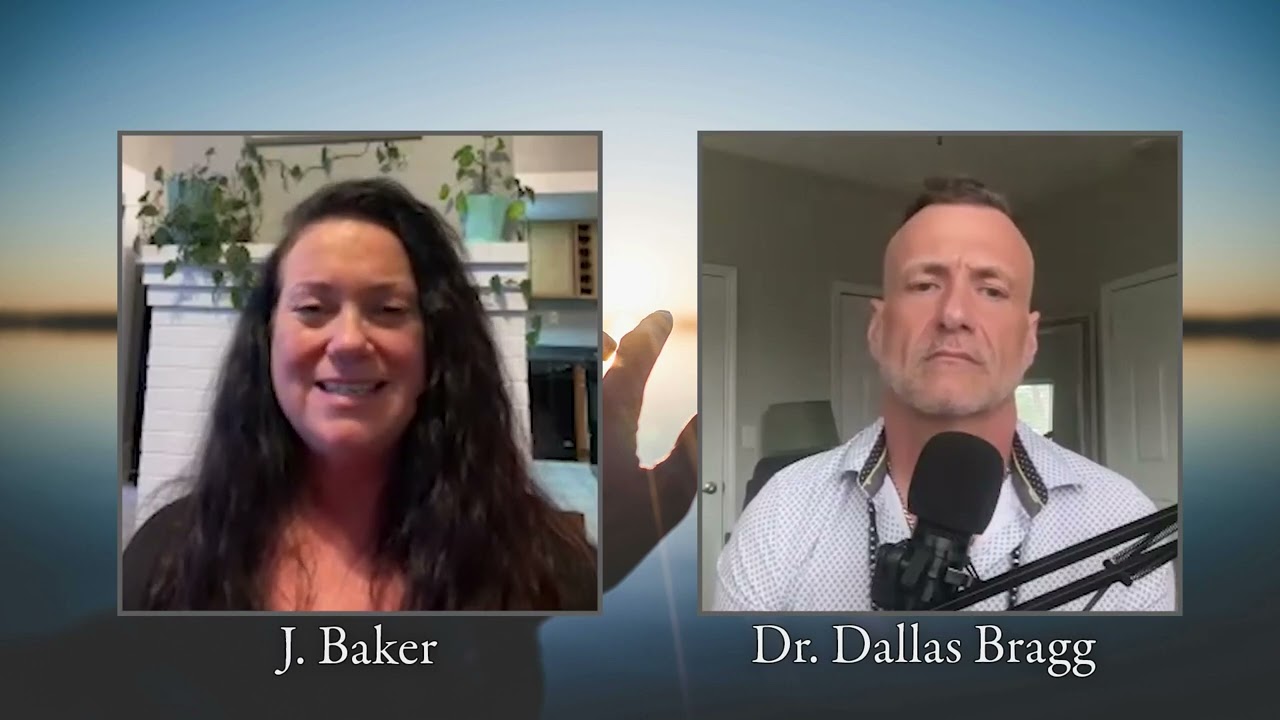
Dr. Dallas Bragg, a former meth addict turned sobriety coach, talks with his aunt Janice about watching him spiral into addiction, job loss, arrests, and homelessness. She describes the warning signs she missed, how she learned to help without enabling, and the exhaustion of loving someone in active addiction.
Chapters
Welcome to The Aftermath Podcast. This is your host, Dr. Dallas Bragg, a former crystal meth addict, now sobriety coach. Join me on my mission to increase awareness around the epidemic of crystal meth among the gay male population and create a repository of resources for current and past addicts, as well as their loved ones. This is The Aftermath. Trigger warning, this podcast not may, it will contain discussions pertaining to sex, Drugs and alcohol. If you feel triggered to use or relapse, please call SAMHSA's National Hotline at 1-800-662-HELP. Repeat, trigger warning. This podcast will contain discussions about drug use, alcohol use, and sex misuse. If you feel triggered to use or relapse, please call SAMHSA's National Hotline at 1-800-662-HELP. Hey there, before we get started, Today's episode is about me interviewing my sister, and there's a couple of things I want you to pay attention to. One is how she describes me as a child. Two is how I remember the reality of my active addiction differently than she remembers. Whose memory is most reliable? Of course, it's going to be hers. But when she describes how I am as a child, that's a clue For you, if you're trying to figure out what brought me to addiction, or if you have a loved one who's lost in the meth addiction and you're trying to piece together like where this hap— started, where this went wrong, listen in on what I was like as a child. Also listen in on the fact that I turned against the people who loved me most, and I supported and was loyal to the people who loved me least. Turned against my family, and I was loyal to the men that I was using with, and those men couldn't give two shits about my well-being. So that is something— if you have a loved one who's a meth addict and you see that happening, if at all possible, please do not take that personally. Hold space for them where they are. They're viewing the world through the filter of a chemical, and it is not who they really are. They're not acting the way they really want to. So there you go. If there are other things that you pick up in this interview that you think would be helpful for family members or other people struggling with meth addiction, please add them in the comments. I would love to hear from you, or send them to me. You can email them to aftermathpod@gmail.com. We're trying to create a repository of resources. So if there's something that you observed today, or there's something that is missing, it's something that was in your experience, please feel free to share. All right, enjoy the episode. All right, welcome to the Aftermath Podcast. Today is episode 4 with very special guest Janice Baker, my aunt sister. And we are going to talk about me, my favorite subject. But we're going to Hopefully pick her brain about what it was like to have a close relative addicted to crystal meth, what the signs and symptoms were, and the mistakes and the good positive moves and decisions she made in that relationship. Welcome, Janice.
Thank you. It's nice to be here.
So I call Janice my sister, but she's actually my aunt, which is still confusing to my son for some reason. But Janice is my father's sister. We are close to the same age, and we basically, basically grew up together. We left for a while for the military, but we think of each other as brother and sister, or at least I can say I think of you as a sister. So before we get started, we usually do a wellness check-in. I'm gonna check in. With how I'm feeling today, which is I am a little bit— I am trying to make sure that I take care of myself through this process of opening up Pandora's boxes of memories. As I was talking to you before the show, I, over the weekend, was going to interview my mom. But as I started to talk to her and remember, try to go through the memories of what had transpired in my addiction, I realized She loves me so much that she believed everything I told her, and I was very good at manipulating her throughout my active addiction. So what she remembers is actually not correct for the most part. As, and as I was correcting her over the weekend, I saw her just kind of go blank sometimes. Her eyes were a little wide. I don't know if she was processing it, but she's probably thinking, wow, he had me fooled. Which is normal for addicts, but especially, I think, crystal meth addicts. But anyway, in that process, and then she, she busted out some memories that I had forgotten about. And so I had a hard time kind of processing all of that, kind of hit me hard. I had to do a lot of self-care this week. So I've kind of prepared myself for this interview because I know There were times, especially in the beginning, when I was able to create a front for you and try to pretend different things were and weren't happening. But you had, I think, out of all the family, even the kids, I think that you had the most inside look at what was truly transpiring. But anyway, where my check-in is, I am trying to take care of myself as all of this moves through and I open up these memories and sort through them. I know this is for the best for me, and I know it's going to help someone else. So I'm, I'm doing it. So you have any check-in for you?
Just a brief one, because trying to reflect this weekend and trying to think about, like, you know, honestly, the first thing that I thought about was How honest should I be? And then I thought, well, he wants complete honesty. So as far as I remember, and as to what I remember, of course, that's from my perspective. But yes, so I'm a little nervous about that because I don't want to agitate or activate you.
Okay.
But at the same time, I know you're doing this for yourself and for others. And so honesty in this case is absolutely the best policy. So I'm slightly nervous and I'm worried about you afterwards. So I'm glad that you have a plan in place to take care of yourself, but that's where my mental check-in is right now. Okay.
I appreciate that. Yes, please be as honest as, as you can, which you never really have a hard time any other time being honest with me. So, so, uh, but yeah, I have some, um, Epsom salt bath waiting for me after this.
2.
But yeah, yeah, please be honest. Because I don't think that we've ever really sat down to unpack this. I mean, we, you know, I don't think that we've ever intentionally went back through it. Right?
We've made disarming comments. We've made some, you know, you'll— I'll say something and you'll say, well, that's not actually what happened. It was this. And I'm just like, One more layer. Yeah, it would be good for both of us and for many other people who are suffering the same thing.
Yes. Yeah.
Yes. Okay.
Well, let's start at the beginning. And if you could kind of— because the reason I'm asking this question about me as a child, or what I was like before crystal meth is that hopefully if someone else is suspecting a family member of being an addict, or maybe trying to put the pieces together as to why they're in addiction, maybe some of what you described could ring a bell and there'll be some parallels. So just, you know, briefly, or not briefly, it's up to you. I don't care. What was— what do you remember about me as a child? And then, or growing up, and then how about me before I got into crystal meth?
Well, the thing is, when we were growing up to start with, um, when you were at Mom's house, which would be your grandmother, you were with, you know, a bunch of different kids because I had so many siblings. But you and I always seemed to manage to work ourselves away from everybody else so that it was just you and I. And it was fun and funny, and you were smart and you were creative, and we wrote silly songs and we made up silly games, and it was all like fun.
Mm-hmm.
And whenever your parents would be around, you honestly were different. You insecure. It seems like you were more like, not undecided, but you really were tiptoeing around. And that is interesting in retrospect to think about the 2 different sides of you from a young age.
Mm-hmm.
Because you were funny and happy and carefree when it was just us, but then get even some other adults like my dad, or your dad, even sometimes your mom, and you would be, you would be different. You would be quieter. You wouldn't be as outlandish, you know, or funny. And by outlandish, I just mean like the games that we would play, you know, like Wonder Woman and dress up and things like that. So it's interesting to think about that. Then as you like became more of a teenager, Um, you were still funny, but you also seemed a lot more guarded.
Mm-hmm.
And then as you went into adulthood, you know, you had one responsibility after another and you shouldered all of those responsibilities. You always had a job, you always took care of people. And so, you know, it was just interesting thinking about that progression over this weekend. And really trying to delve back into, like, what were we like when we were younger? We've always had a great relationship. We've always been— well, to me and you, we've always been very, very funny, and we're sarcastic with each other. But we're also usually— we've always been very honest with each other.
Mm-hmm.
And so when I started to notice a change It was very disconcerting.
So I, I don't want to put words in your mouth, but I assume, and if you haven't heard my story, if you're listening to this and you haven't heard my story, I would go back to episode 2 and put some of these pieces together. But I would guess that I started to have display a marked change when I came out.
Um, yes, that would be the beginning.
Oh.
Um, when you came out and you were really just trying to figure things out and where you fit in and what you could do, and you started having like this really like almost grating part of your personality where you were just like, you know, don't care what anybody thinks of me, and, you know, they can all go to hell or whatever. But I knew deep down that that is not what you were feeling. But I kept, you know, I played along with you because again, at the time, that seemed to be what best served you.
Yeah.
But the change that I noticed was when you had split up with Tommy and you were let go from the law office and you had like 3 months severance pay. And that's when I really started to see like a huge difference.
Yeah. Yeah. And I guess it's important to note too that we didn't exactly, even though we lived kind of close, we didn't see each other that much either during that time, right?
That's right.
So Tommy was the boyfriend that I, that I got right out of, right after I came out. And then when we broke up, that's when I discovered crystal meth. And, and it was slow at first. Actually, I remember telling you I don't know if you remember this phone conversation, but I remember calling you and telling you I had done this. Do you remember that?
I mean, it vaguely rings a bell, and I remember being like just shocked. I knew that you were trying other things, and I just honestly at the time, I just kind of thought, well, this is something else that he is trying, because it seemed like that was a lot of those years after you came out, was you just trying different personas on, trying different, just different everything. And so I just thought that maybe this was just like another, like, try.
Yeah. Yeah. So if you knew now, if you knew then what you know now about crystal meth and what it does to a gay man, how would you have handled that phone call? It would have been different, right?
Oh, it would have been different. I'm not sure how I would have handled it. But I feel like knowing myself and knowing you that after that phone call, I feel like, and I wish that I had gone straight to you and asked you like, What are you doing? What are you thinking? Yes, you've got some, you know, you're, you're a bit freer now, but it also seems like you were even more caged. But also, you know, I just never saw where you took the kids into consideration, whereas before, like, every decision you made revolved around them.
Yeah.
And so that's what was very, the most shocking for me. Is that you changed as a father so much.
Yeah.
So yes, if I could go back, I would go to your house and I would at least try to attempt to have an honest conversation with you.
Yeah. Yeah. And I bring that up because if someone's listening to this and they find out, or maybe, you know, their, their relative, friend, loved one says that they tried it. that they take it very seriously. And they understand that from that phone call to you, it only took 3 years for me to become homeless and lose it all. Right?
Yeah.
And especially if it's an older gay man who has given their life to their kids. You know, that's the thing is, in my mind, it was like, I finally have— I can finally put me first. This is something that— this is something that I can do. And I have poured my life into them forever. And now it's my turn.
Right.
For right or wrong, but that's what it was. So, so losing my job from the law school, and that That was way into my addiction. So there was the ability— I had the ability to hide it from you. It seems that, like, because it wasn't long after when I got let go from the law school, was less than a month, is when I was arrested the first time.
Mm-hmm. Right.
And so obviously, that was so, so I guess an early warning sign, if you could list early warning signs for someone about when you noticed something was going on. So losing my job, obviously, right?
Losing your job, not being as attentive to the, you know, your children's needs, amped up behaviors. Acting out, um, uncharacteristic behaviors. Like, you were really ugly to me several times, or you allowed others in the room to be really ugly to me, whereas I always felt like you and I kind of took care of each other.
Yeah.
And so that— and at the time, again, I just, I didn't mark it up to being meth. And so it was more hurtful. Honestly, in a way, it was kind of a relief to be like, oh, that really wasn't Dallas. That wasn't Dallas that I know and have loved and have been close to for many, many years. That was, that was really interesting for me to realize.
Yeah, yeah, that's a good point too, is that To understand that it's not that person, it's them under influence, right?
Right.
So moving forward, um, into the— into my addiction, um, I don't remember calling you anytime I got arrested. I was arrested a total of 4 times. Did I call you? I did, right?
You called me multiple times. Oh, okay.
I love that.
Yes, I think you called all 4 times.
Oh, okay.
Yes.
But you weren't able to pick me up?
Uh, the first time you called me, I left work. I went straight to Charlotte. It was a Tuesday because I had just started my job here in Spartanburg. Oh yeah. drove straight to Charlotte and they wouldn't let me in.
Oh.
And I talked to the officer that arrested you, and he and I had a conversation on the phone, and he said, you need to just go home. There's nothing you can do for him here. And I was devastated because I didn't know what to do. And so then I went home and I called Donna and I told her what was going on. And then she called the police officer and they spoke too. And then honestly, after that, I'm not sure. I think they just held you for 24 hours or something. And then, and then the time you got arrested, you also called me and I told you that, you know, I put money in the account so I could talk to you, which I had, but it's like you forgot that you had called me. And so you called me like multiple times.
Uh-huh.
And I just kept saying, I, I'm not sure what I'm supposed to do. And so, and then I guess maybe the third time you didn't call me. I'm not sure about the third time. Because then the next horrifying phone call that I got was when you were in the middle of Charlotte and you had lost your bag and you had lost all of your stuff and you didn't know where you were and you wanted me to come pick you up. But I was in Hilton Head at a conference. And so I'm, you know, freaking out because I don't know what's going on. And finally I just called Donna and I said, Donna, he's somewhere in Charlotte. He's on drugs. I don't know what's going on, but I'm nowhere near Charlotte. I said, you're actually closer than I am at the moment. And that's when she went and got you.
Yeah. And I had called her too. So Donna's— for those listening, Donna's my mom. So if you didn't put that together, um, I do remember calling as well from Roanoke. Um, you were in— you were over— you were at the— on vacation with your daughter.
Yes, that's right.
I had a panic— I was having a mental breakdown, panic attack. That was in Roanoke because I was also homeless but had been kicked out of, uh, a guy's house. Um, but I didn't know who else to call. So if you were to give someone advice or give yourself advice on those, on how you handled those phone calls, when to give money, when not to give money, or what would you say?
Um, I will say that especially the first time, absolutely, you know, help as much as you can, do whatever you need. But then sit down and have again just like an honest phone call. But I wish in retrospect that I had kept up with it better because a lot of times, like I said, I just don't feel like I did everything that I could have. And of course, that's just my own guilt and shame over feeling like I let it get too far when it really isn't any of my guilt and shame. But People will feel that way. And then, like, you know, you being stranded different places, at least— and it sounds— I'm not gonna laugh, but I might. You being stranded different places, and the one time you called me at like 11 o'clock at night, which— no, none of your viewers know me, but they should know that I'm in bed promptly by 9:30 or 10 o'clock. Phone call at 11 o'clock saying that you had a flat tire and you needed to buy tires and blah, blah, blah. And the smartest thing that I ever did was to not give you my credit card number. I said, I will call and get you tires, but I'm not giving you my credit card number.
Yeah.
Yeah.
Good idea. That was a good idea. Yeah.
Yes. I mean, do as much as you can for the people that are around that person because they're at the moment, they're the ones that are probably floundering and need support. But you were in no place to even want or accept real help. You just wanted a quick solution to whatever jam you had gotten yourself in at the time. That's right.
Yeah, that's right. And sometimes cutting someone off, you know, makes them hit the rock bottom, and they have to hit that rock bottom. You keep floating them along, right?
Yes, that's right.
Yeah, that, that time with the tires. I had 2 flat tires. Um, yeah, I don't know what I would have done if you hadn't intervened. And especially, you know, like you said, if I'd have got your credit card, who knows what I would have— I would have bought a new car.
But you know what, let me interject something in this. Linearly, this doesn't make any sense, but there was time at one point before you became homeless that I went to your house to pick you up to take you apart to look at an apartment. But before I got in there, you said to me, don't use my Wi-Fi because all of your information can be gotten from that.
Oh, yeah.
So I mean, you even at that moment still had enough of you left in you to know to tell me that the people who were in your house couldn't be trusted, and you really couldn't be trusted. But there was enough left of you to tell me even a slight warning. And I didn't know why you were telling me that at the time, but I was just like, yeah, okay. But now I realize all the people that you were— well, it was you and all the people that you were running with.
Right.
Yes.
So I know you came to my house once and the people— so later on in my addiction, I went heavy into needles and injecting. And in that process, I stopped. I really stopped seeking sex and just got dependent on Just the high every day. And I made 2 friends, and the 3 of us were partners in crime, literally. And we were shoplifting, we were doing fraudulent stuff and printing checks. But one thing that we were able to do is if somebody tapped into the Wi-Fi, we were able to get into their information. Um, but you, you did come by and you met them and you saw them hanging out at my house and you had to have known something was off, right?
Well, yes, at that point. I mean, so from before you got arrested the first time, that's when I finally started picking up on these clues, the different people who were at your house all the time, the comings and goings in the middle of the night, the things that were going on when your kids were there. And I was just like, this is not— this is not normal behavior for the person that I know. Even someone who changes and grows or whatever, that's just not the behavior that I was used to. And I was at your house multiple times when there were multiple shady people there.
Yeah.
So I, you know, I did— I witnessed that quite a bit. It wasn't just the one time that I was there. That was the one time that I was talking about in particular, but I had been there multiple times and it was always something. But that was the first time that you ever warned me. And I thought to myself, I mean, I already knew there was something going on, but that hammered it home. And I left and I was just like, you know, I took you to see the apartment. And I took you through McDonald's drive-through, and, you know, you scarfed down this, this cheeseburger. And I was just like, again, when I took you home, I just thought, I don't know that I'm gonna see him again, for a multitude of reasons.
Yeah, the apartment that I've, you know, I, I in my mind had planned to somehow steal the money, you know, to put the money down on it. But they had just installed new carpet, remember? And I dumped an entire Big Gulp. Yes, I remember. Out of it. Even that is kind of a sign, right? I mean, there's— by then, I mean, you kind of knew what's going on anyway. But, but you were still helping me. I mean, you were still giving me rides. You were still, you know, meeting me. You were still Doing this stuff for me.
Well, I couldn't see you be hungry. Yeah, like, I could— hungry. And I couldn't see you, like, not have a place to live. And, you know, it didn't— at the time, I just kept thinking, this is not hurting me in the slightest, and if it's helping him in the slightest, then I'm going to continue to do it. But Yes. And in retrospect, I mean, just to make sure that you had food, you know, just to make sure that the kids were eating, you know, those were probably the only things that I should have done. I should not have bought into the whole everything that I bought into.
Yeah.
Because I just kept thinking, well, it's going to stop or it's going to get better or there's going to be a catalyst, but there never really was.
Yeah. You know, hey, Dallas here. Are you tired of stacking up the white chips? 12 steps hasn't worked for you? Been to treatment several times? Feeling pretty hopeless? If you're asking yourself, will I ever be able to get past relapse? Will I ever be able to string together a substantial amount of sober time? I'm here to tell you that oftentimes The answer to relapse is a slight shift in perception. Actually, any growth in life— spiritual, mental, emotional— it's one perception shift after the other. I'm giving away my free 28-day Reframing Relapse online course to help you shift your perceptions about your addiction, your relapse, and yourself. This 28-day program has daily journal prompts, guided meditations, and 2 free 30-minute coaching sessions with yours truly. At the end of this 28 days, you will look at relapse through a different lens and change the course of your addiction cycle. I promise you that. I could give your money back, but I'm not charging you anything. If you're interested, the link will be in the show notes, and I look forward to seeing you there. What do you think you wish more people understood about crystal meth addiction?
How tricky it makes the person who's using. Like, they're so tricky and cagey, and they're wasting away to nothing in front of you, and they're displaying all these behaviors that they never did before. And you have to understand that that's not the person that you knew. And if they aren't going to try, or if they're not able to try and help themselves, Then I don't know how much you can do for a person in that situation. And sometimes you may have to cut them off in order for your own mental health to not be dragged down with them, or, you know, cause yourself a lot of, like, anxiety and health issues just because you're constantly Worried about that person, but it's hard to pin down. It's hard to figure out. And meth is probably the worst drug anyone in the world could ever do because it's so addicting and it's so— it's such a destructive drug, not just for families and relationships, but for your own body, for your own brain. The fact that, like, even now, like, you've done so many things to, like, rebuild your brain, but you still have gaps too.
Yeah.
You didn't remember that you called me, like, 3 of the 4 times you were in jail. You thought I was only at your house 1 time. No, honey, no, that's not true. So it's insidious. It's an insidious drug that its only thing that it wants to do to you is to destroy you. And you just want more and more and more of it. And it's horrible.
Yeah. So, um, I guess if someone came to you, another sis, you know, another sibling came to you, and well, let me ask you this first. Would you— do you think it would have helped if you gave some ultimatums? So for instance, I'll give you a ride to look at this apartment if you can show me you have the money to pay the down payment or the whatever it is, the first month deposit and first month's rent. Do you think that that would have helped or hurt or made any difference?
I don't think it would have hurt. I think it would have helped, but only me. It would have only have helped me. It wouldn't help you because you would have gotten angry or distraught that I wasn't helping you, and you would have again reverted to this uncharacteristically ugly behavior. And so part of you wants to protect yourself against hearing these ugly things come out of someone whom you love's mouth. But yes, I wish in retrospect that I— that day that I had said, well, you know, I'll come pick you up, we'll go get some food, we'll talk about this, what's your plan?
Mm-hmm.
And on from there. And if you didn't want to do that, then that would have shown me that you weren't anywhere near prepared to go rent an apartment. So instead, I wasted multiple hours of my day taking you to an apartment and then dropping you off with these weirdos that I just didn't— I don't know, you know. Okay, I guess I'm just gonna drop you off here.
Yeah.
I don't know. But yes, I mean, that is, that is definitely something that a lot of people could do. They just need to be mentally prepared. for the other person to turn on them in a second.
Yeah. Yeah. And as hard as it is, maybe have some empathy to know that that isn't them. Shield yourself from the words and not take it personally and just know that it's the addiction talking, right?
Yes, that's exactly right. But what makes it so difficult is that you can recognize that this is not the same person that you know. And you can shield yourself against their words. But if the two of you are very close, like you and I are, then you're going to know exactly what to say to me to hurt me the worst. Yeah. And so, and you did a couple of times, and it was difficult to hear you say those things when you would never consciously hurt me.
Yeah.
So, but yes, absolutely. I think that that's a good That's a good, um, point.
Well, I'm sorry that those things came out and that I hurt your feelings.
My feeling?
Your feeling. The one.
Well, thank you. I appreciate that. But you've apologized before, so there's no need to apologize again. But thank you.
But, but yeah, you're right. Um, the, the drug also allows you to— there's something about it picks up this reservoir of knowing what to say that's the most cutting and the most hurtful. I could do that with anybody, you know, in my existence. So, okay, so I was arrested the last time I turned myself in, in Charlotte, and Got out, and then that started my sober journey. Um, the kids— I was homeless for a while, you know this, you know that, you know the drill. You were in South Carolina, um, at the time. Uh, I don't think— and you can correct me if I'm wrong— I don't think we saw each other a lot that first year and a half when I was in drug treatment court. Um, but In that process of me getting sober, how long and at what point did you begin to trust me again?
Um, it was a while. It was a while before I felt that I could trust you or that even that the kids were safe with you because I hadn't felt that way in a long time. I didn't feel like the kids were safe. I didn't feel like I could trust anything that you said. And so it did take a while to put that trust in you. And that's the thing, is that once you started talking about it more and talking about like the things that you were doing to like retrain your brain and all of those things and admit it, when you finally started admitting, well, I relapsed here or I relapsed there or All I can dream about are needles and things like that. So once you started being able to like be more vocal, I felt more comfortable. But also insidiously, again, at the same time, you were still doing those things. And so it was so hard to figure out what I could trust and what I couldn't.
Yeah.
But the— that we went when you graduated from drug court, It was, you know, it was like such a, a relief and happiness, but also in the back of your head, there's still just like a shade or a shred of, is it going to stick this time? Is this real? And so that's the thing, is that if you do have a family member who is in active or inactive addiction, it's going to be hard to figure out if what they're saying is sincere. And it probably is sincere at the time. And then trigger or something will happen. And then it takes away all of the progress that you made. Because, you know, once you're back in, you're back in.
Yeah.
And so very difficult for anyone out there.
And that's a good point. And what I'm, what I'm going to make with my mom too, because When I would relapse, she would say things like, well, all that stuff you wrote on social media was all lies, right? When I would make this, you know, big proclamations of being sober and thanking, thanking her and that stuff. But in the moment, it is sincere.
Yeah.
In the moment, you have this resolve of, I'm going to quit no matter what. I'm done. I'm ready, you know. Um, but that just because you relapse doesn't mean you never meant any of that.
Exactly. Mm-hmm.
Yeah.
And I would agree. I would agree with that because you were sincere and we did believe you. And we— I mean, I can't speak for anybody else. I hoped for the best and I hoped every time for the best. But, you know, and I never like thought anything bad of you, like oh well, he was writing all this stuff on social media, but the whole time that he was just waiting for his, his chance, you know. I mean, because that doesn't do anyone any good. You just have to trust that person and hope for the best for them and be there if they reach out, um, and, and be around and be— just be open. Because even if you do relapse again, that does— or if they relapse again, it, it's okay because hopefully they'll come back to you again.
Yeah.
And it may take 15 times, it may take 1 time, it may never be completely over. But if that person is actively working towards something and you are helping them, or even just being an ear, then that's, you know, that's all you can do.
Yeah, yeah, yeah. I will say that it was comforting, even though I was in a manic state most of the time, or psychosis. It was comforting to know that you would at least answer the phone. Yes. Toward the end, of course, you couldn't do anything else. And you were in— where were you, Barbados or some exotic—
where? Punta Cana, the Dominican Republic.
Okay.
And I at my phone and looking over at my daughter who had just graduated college, and that was like her, like, graduation gift. And just for a split second thinking, I can't do this today. I just can't. But, but I did.
You did it. But I did.
And so I don't know what kind of advice to give for somebody for that, because honestly, I probably shouldn't have. Yeah, or I have. I still don't know. Did I do the right thing in answering the phone? I still don't know.
Well, I don't know there's a right or wrong there. I think it would have been wrong if you wired me money, you know.
Right.
I recall throwing myself on the ground in the parking lot, just throwing myself and just. Like, I, for a moment, I didn't, I just didn't know where to go, what to do, had no gas, no money, you know, had to resort to other things.
Right.
But anyway, how has this, how do you think this experience has affected your, your everyday life, if at all, or relationships or world, worldview, anything like that?
Well, It's opened, it's opened me up in a lot of ways, and it's kind of closed me off in some. It's definitely made me kind of throw off this whole, you know, Alice in Wonderland persona that, oh, you know, that just happens there, or this just happens there. That's not really going to affect my family. My family has addiction, yes, but they drink or they smoke or, you know, they smoke weed. And they're still okay, you know. No, that whole kind of like Pollyanna thing is, is pretty much gone. And it can affect anyone at any time. And it sounds like an after-school special, but it really— it takes the right person and one time, and then that person has gone down a rabbit hole for a while.
Yeah.
And that's scary. And it's scary Think about that. It could be anybody. But it's, it's made me more aware of the absolute— the worst thing to me about that drug, meth in particular, is just how addicting it is, how it changes the person who is doing it. How they will beg, borrow, or steal, sell everything that they have. They will manipulate to get what they want, which is just another— what, another hit, another high? I, I don't know. But it's in it. And I've said this word several times, and I need to look at a thesaurus so I don't say it again, but it's such an insidious drug. It It just like bores down into your brain and then it changes like the chemist— the chemical makeup of your brain, and then it eats away at your gray matter and your brain is just eaten and rotten and awful.
Yeah.
And it, it's just horrible.
Yeah. Yeah.
But if you look at yourself, and I know you're going to get to this in a minute, but I just wanted to hurry up because I always like to be first and right. But look how far you have clawed your way back.
Clawed, isn't it?
You truly are. I mean, you really are. You're a success story. And even if, God forbid, but even if you relapsed again, I still feel like you would know that there is not— that's not necessary. necessarily the be-all and end-all. And, oh well, I relapsed again, I'm worthless, I'm just gonna, you know, keep doing it. You're, you're not there anymore.
Yeah.
And I'm very proud of you.
Well, thank you. Appreciate that. And I did relapse, um, you know, after the— so when I say— I want to make this clear to everyone too— my sober date is 2018, August 4th, 2018. I did relapse between then and now. I still— I didn't start my days over because that's when my sobriety journey started. But when I did relapse, it was a very random weekend relapse. I know I confessed right away.
You did.
I didn't— there was something about that experience that Cleared out what was left. There was something about it that really, from that point forward, catapulted my recovery. But I know that I let you know right away.
And you did.
This was very different too, right?
Yeah, absolutely. Because before it was, you know, um, you tiptoeing around the topic or you hiding it or not even telling me at all, or just telling me like a A brief little fraction, you know, a minuscule amount of what was actually going on. And again, it's to hide and to cover up and to manipulate. So yes.
And to turn on you, you know, like you've mentioned that several times, but really to turn on the people who care for me the most. And I was most loyal to the people who Didn't have my best interest in mind at all. You know, these, these guys that I ran around with.
Mm-hmm. That's right.
Yeah, I remember trying to put it, throw it in your face when one of the guys— so we would steal, or I would steal things and bring them out to the car and they would sell them on Marketplace, right? And I had stolen this expensive vacuum cleaner. And one of the guys returned the vacuum cleaner for cash and didn't buy drugs with it. But he bought a bunch of groceries and filled my refrigerator with it. The kids mainly. Yeah, I remember throwing that in your face and saying, look, these are my real friends, you know?
Yes, absolutely. Yes. So Someone has forgotten the many times that I ordered those children pizzas.
Yeah.
And several times that I came over with groceries, or I would Uber Eats them something. But yes, someone has forgotten that in his active addiction, that yes. Oh, a one-time thing. That is definitely, wow, what a great guy. What a, what a best friend.
And he may have stole the groceries for all I know. He may have stolen them.
I don't know.
But, um, yeah, so I think, is there anything that we've missed here that we should, that should be mentioned?
Um, I don't think so because we did like a, a lead up to like your life, your childhood, um, your teenage Here's your early adulthood. And then we went all the way through to, you know, the active addiction, the arrest, the manipulation and lies and the vicious comments. And then we kind of winded our way back to, you know, you're doing so well now, but, you know, if you do have a family member, you just I trust you now. Like, I trust you so much more now than I did before. And you know what a hard road that is to rebuild trust because you've had to do it with so many people. And so it's just really difficult. And for anyone in this situation, I would really just say, you know, be honest. Only do what you personally can do because the more you do, the more that, you know, you're going to be taken advantage of. And you have to learn how to say no. And you have to be able to differentiate between the person that you know that they are, and the person that they are on drugs, or especially on meth.
Yeah, yeah. And I think it's important to note that through all of it, you know, we repaired our relationship. And like you said, you trust me now, we're in a You know, much different. I would say much different and better. But I think the situation for me, you know, drew us much closer.
Mm-hmm.
I think— I hope— you tell me, but I think it humbled me as well in terms of, you know, I may have had this I do no wrong kind of my life is this or that. And then suddenly I'm a homeless meth addict. You know, I think it humbled me as well and helped me see that I'm just like everybody else.
Yes, I would agree with that. I would agree with everything.
Yay.
Much better place. I think that we are stronger than we were before. You know, you can have all of the childhood memories, you can have early adult memories with you and your family member. But what matters is when and if they come out of active addiction, that you are there to still be like, able to have a relationship with them. Because after the addiction is when they really truly are going to need you the most.
Yeah. Yeah.
And if you are not able to, to put those 2 things into perspective, then it's going to be more difficult for you to have a relationship for them. And it's going to be more difficult for them to confide into you if they think they're being judged or if they think they're being, you know, whatever.
Yeah.
Because I know that's what— that's about me several times. Okay. That's judgy judge judge.
Right.
Judging anything. I was just like, is everything okay? Where are the kids? What's going on? Spilling my information over Wi-Fi. How does this happen? You know, for anyone out there who's struggling with this, just be open to having a relationship with that person again. Because that's what's going to matter. It doesn't— it's not that it doesn't matter what they did when they were addicted, but that wasn't them.
Yeah.
And same person as they were before they were addicted, that's not going to happen. You have to be able to forge something new.
It's a good point. That's great. It's a good point. And one thing that you have not done is bring those things back up. You know, like, on the sobriety journey, you haven't reminded me— like, like I said, we haven't really— we, we haven't had this conversation.
Right.
You haven't reminded me of how ugly I was. You haven't reminded me of all the money you spent on me. You know, there's a lot of things you, you, you just— you showed compassion and empathy and forgiveness, and you let it go. And it wasn't— I never felt like I needed to make up for anything, or that there was any guilt or shame being held over me. And I think that's important too.
Well, thank you for telling me that, because I do appreciate that. Because I never, I never wanted to like throw something up in your face, or, you know, feel like I was holier than thou or anything like that. I was just so happy to have you back.
Yeah, yeah, yeah.
New and improved.
Yeah, new and improved. And you too.
Yes, thank you.
Okay, well, I think we can conclude there. Next, we typically in the podcast will read a listener letter. I think I'm going to read the listener letter, but I'm also going to tell the listener to listen to the podcast because I think we've answered it.
Okay.
The listener letter is, um, I have a cousin who continually relapses. His mom and immediate family have disowned him, and now he has come to me asking for help. I've given him rides, some money, and a place to stay here and there, but now it is getting more frequent. My heart goes out to him, but at what point do I cut him off, or is cutting him off what's best for him? So I think we have really answered that, right? Yeah, I would say to the listener, and I'm sorry for my lighting, by the way, I didn't expect it to get dark. But I would say to the listener to go back and listen to this conversation because it's really adequately answered there. Okay, and so upcoming promotions, I wanted to mention that I do have a free relapse reframing relapse online course that's coming up, Reframing Relapse. If you've gone through the 12 steps, if you've gone to rehab, if you just can't seem to stop relapsing, my course will help you change your perspective on what relapse is and how you can use it as a stepping stone instead of stumbling block. I'll put the information in the show notes if you want to get on board. It is free, like I said. If you'd like, please join our Facebook community. We have a Facebook page called The Aftermath. This is for current meth addicts, previous meth addicts, or the families of them. So this is a place for, for instance, if— well, if you, Janice, wanted to join, you could be there as a resource in case a family member, you know, was in the group and they had a question, they're having a problem. It's a place for people to go when they have needs, if they want advice. It's also a place for current and previous meth addicts to find relatability, to talk about what worked for them, what didn't work, and those kind of things. So it's a community that goes along with the podcast, and the podcast is going to come out every other week. So it's a place for you to interact in between. You can also submit— if you don't want to submit a survey question, by the way, the survey questions are on the website. The link will be in the podcast notes. The surveys range from, um, you as a current or previous meth addict. If you want to share something, a story, a memory, you want to get something off your chest, um, that's a place for you to anonymously share this. You can ask questions, you can ask for advice. There's also a place for a loved one to ask for advice, uh, just like the listener that I just read. Or you can also leave a voice message. The number is 704- 559-955-5555. Please like, share, and rate the podcast to help the algorithm get the podcast in front of more people. And if you'd like to be a guest, you want to suggest a guest, just send an email to aftermathpod@gmail.com. Thank you very much. We will see you in 2 weeks.










