EP 1:9 Finding the Root of Addiction with Sober Dave
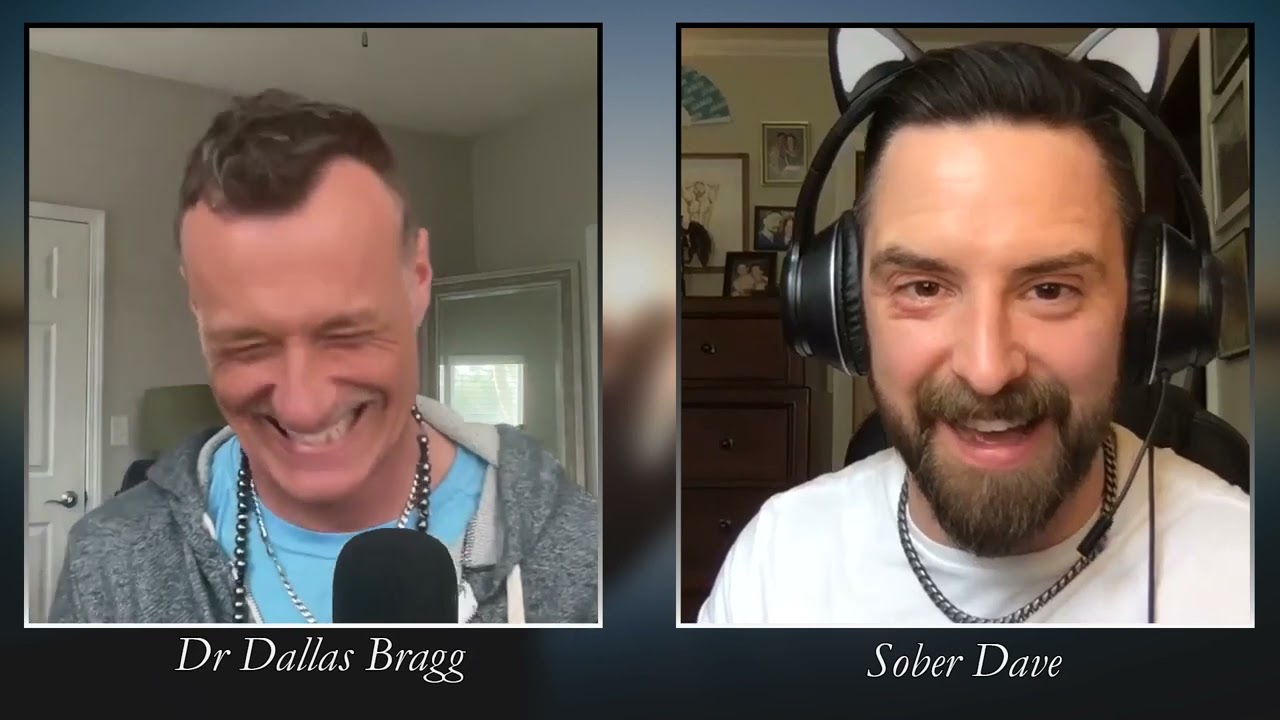
Dave Becker, a 38-year-old gymnastics coach and founder of Sober Gay Sunday, shares his path from crystal meth addiction to recovery in 2020, sparked by a DUI and pandemic isolation. He's now built a community offering sober alternatives to the club scene, including a podcast with 33-34 episodes of gay men's sobriety stories and events like drag brunches and sober Pride block parties.
Chapters
We have to break the public's perception out of the fact that addiction is a choice. And, and to vilify someone who suffers from a mental health issue is something that we need to work on. And I was like, that's pretty— that's straight up, girl. Like, you— that's what's up. Like, I definitely agree because it's something you don't really understand.
Welcome to the After Meth Podcast. This is your host, Dr. Dallas Bragg, a former crystal meth addict, now sobriety coach. Join me on my mission to increase awareness around the epidemic of crystal meth among the gay male population and create a repository of resources for current and past addicts, as well as and especially for their loved ones. This is The Aftermath. Trigger warning, this podcast will contain discussions pertaining to drug and alcohol misuse. If you feel triggered to use or relapse, please call SAMHSA's National Hotline at 1-800-662-HELP. Also, if you are new in your sobriety journey and you feel like you could be triggered by discussions around drug, alcohol, and sex misuse, please do not listen to this podcast. All right, now on with the show. Welcome to this episode of The Aftermath. Today we are talking to my new friend, Dave, a fellow brother in sobriety. And I just wanna say, You're quickly becoming one of my favorite people, and I've never even met you before. So I just want to appreciate how kind you've been, how generous you've been with your time. And I enjoyed being on your podcast, which we'll talk about, I'm sure, today. But I just want to say, I think you're a very special person, and I'm really glad to be in your circle, even if it is a virtual circle. So thank you for that.
I appreciate that. I appreciate that.
Yeah. Yeah. So let's go— let's talk about Dave a minute. He started drinking at the beginning of college, 2003. Oh, what a baby.
Mm-hmm.
And was using meth a year later or so after college, 2008. He used for 12 or so years on and off until finally getting sober after meth ended his romantic relationship. He is a 38-year-old gymnastics coach and sober advocate. He lives in Boston, has an organization called Sober Gay Sunday. It's a social group for members of the LGBTQIA+ community in recovery. He also has a podcast, which I've already mentioned, and I have been on it by the same name, Sober Gay Sunday. And so, where was I? Yeah, for members of the community. And he also has a podcast of the same name. Anyway, before we get started, what I like to do on each podcast is have a little wellness check-in, probably more for me than anybody. Um, but I just want to ask how you're doing today.
So far so good. You know, I'm excited to be here. Like you were saying before, we were kind of connected through my podcast and, um, excited to kind of pay it forward and, and be on yours. This is an exciting, exciting experience, I think, to— I spend my podcast listening to other stories and I have told my story, but it was at the very beginning back in July when I started it. So it's nice to kind of maybe rehash and catch up and give some updates and kind of move forward through my story through your podcast, which I'm excited about. Good. Good.
Thank you. Thank you for that.
And I am—
I shared in the last podcast where I am lately, and that is I'm learning to express emotions. That come up in me. Because I, you know, a lot of us, probably most of us were taught as children to not express our emotions, not show when we're frustrated, when we're angry, when we're sad. You know, that was kind of penalized. It was for me. And so I'm learning to, when I feel an emotion, allow it to have its full wave all the way up my body. And so I've been doing that a lot over the last week. And so I'm feeling a little I'm feeling freer, but I'm also feeling a little tender. So I find myself like, I don't know, crying weird, weird times or suddenly really angry. So who knows how the podcast will go?
Here for the ride. Let's do it.
It has been a ride. It has been a ride. But yeah, so anyway, that's, that's where I am today. But anyway, let's get to your story. You talked about telling your story and you had your podcast since July. So Let's get to that later. But can you tell us a little bit about fill in the blanks of your story as far back as you want to go?
All right. Well, I mean, I— we can go back as far as saying kind of where it all started with what led to me using and drinking. You know, I'm a— I've been a gymnast since I was 2 years old. And I've always been an anxious little kid. I've really always I had a nightlight for way too long. I was a nail biter. I definitely was just quiet and sensitive and gay. Like, even at a very young age, it was just— any gay person understands that kind of proverbial chip on your shoulder from growing up different.
Hmm.
And to have a kind of personality that was quiet and the personality that was shy and anxious just kind of added to that. Chip being kind of bigger than, you know, I could handle. So cut to, you know, growing up, listen, growing up in a very, very supportive family, twin sister, amazing, loving parents, emotions were very, very much talked about in my family, but I was still just quiet, like just so quiet. So cut to my first drinking experience in like middle of high school and all of a sudden, This mystery substance that I had, you know, drank was the key to opening up and key to being emotional and key to being funny and silly and the life of the party. And I remember just being like, oh my God, I can feel this way with a, with a, you know, a simple sip. And that was kind of where I guess the problem always starts. You know, you're like, wow, I want more. And Didn't really start drinking until college. I was working full-time in school and I was on 2 gymnastics teams when I was in high school. So I didn't really have time to be social or time to be like, you know, to drink or to party until college. And then, um, kind of had the normal— Eh, well, yeah. I mean, normal college experience of like drinking like a crazy person on the weekends. Like everyone I was around did that all, you know, on campus. I was a cheerleader, so, you know, the frat parties and the— and then also when I was in college, all the bars and clubs in Boston were 18+.
Oh.
So you could go out and you could, you know, we would pregame before because they wouldn't sell to you, obviously, but like, you know, you could still go out. So I had like my gay life and then my cheerleading life in college, which were both big party times. And then the party kind of continued after. After college. And I remember the first time I used crystal was a couple years after college, I think. And I remember it so vividly because I was drunk with a couple of these guys that I had really big crushes on at a club. And then they brought me back to their place afterwards. And I had seen crystal meth used Before, like, I had seen the pipe. I had seen stuff like at sex parties I had gone to, or like going home with a boy, you know, with a guy or whatever. Or that's what I was aware of its existence, but I didn't really know what it was. And I had done, you know, cocaine. I had done— I had done weed. I'd done the weed. I had had a weed before.
A weed.
And, you know, and I'd done ecstasy, like I had done these things kind of woven into my drinking life. And then when I went home with these 2 men and they suggested I try to smoke, of course I was drunk. So like, I was like, yeah, sure, whatever. And I remember so clearly because my existence In that space, my awareness snapped into perfect clarity. Because when you're drunk, you're— I always, I always kind of explain to people the difference between like drinking and doing drugs. And I feel like when you drink, you're, you're obviously like your inhibitions go down, but the world kind of closes in around you.
Yeah.
And it gets kind of like dark in the peripheral and like you're just kind of focused like in this little tunnel vision. But when you do drugs, it opens up.
Yeah.
And so I remember like being with these 2 really hot guys and hitting that pipe for the first time and kind of the world is kind of boom opening and me being like that initial, that rush of excitement and horniness and power and just submission in my case. And just, I wanted every part of those 2 guys' bodies and every part of mine now.
Right.
Like, and, and I remember them looking at each other and kind of seeing that kind of like, you know, Homer Simpson licking the back of the frog eyeballs opening moment and being like, he's gonna be fun. And, and it was just— and I remember being like, This is too good to be true.
Right.
And it was this kind of perfect storm of the setting I wanted to be in. Like, the porn was on the TV. The men were just beautiful and hung and jacked and just everything I'd ever wanted to feel, to be around and to have sex with. And it's 2 of them and their apartment's beautiful. And it's, you know, this experience was just such this like pornographic perfect scene, which I think was a big part of setting it up as a problem. Because you always try to emulate your first time and you don't do drugs because it's not fun.
Right.
Like if it had been bad and it'd been gross and it'd been not fun, I would have been like, maybe it would have taken a different path. But like it was straight out of Like a Falcon porn moment. And so, you know, from there, I just, I kind of used intermittently for years and years and years, just again, kind of always falling into that, wanting to recreate that first kind of night and wanting to have that experience and wanting to have those types of people around me. And, you know, Just like any addict, it just started to lose the fun. I just was then just going for the dick and the feeling, and it didn't matter where I had to be. And I would end up in the sketchiest places and dangerous places of the city and with dangerous people. And I found myself surrounded a lot by drug dealers because the drug dealers had The drugs, they had the connections, they could call anyone at any time to come on over. I got this, you know, hot little thing that's just strung out and wants to get fucked and like, bring all your buddies and let's go. And, um, yeah, and, you know, I didn't believe in myself enough before drugs to realize that I didn't need drugs to feel wanted.
Hmm.
I didn't need drugs to feel accepted. I had, I had acceptance all around me, but I was just so Anxious and insecure and, and, and young and stupid. But I didn't see that. And you're telling me I can just literally be the one at the party? I can be the moment. I can be the boy. I can be like— I just, you know, guys walking in being like, where did you find this guy?
Wow.
Like, look at him. And I'm like, you know, loving it.
Yeah.
And if I'm not on drugs and people say those things to me, I'm like, okay. Cool. Like, you're full of it, whatever.
Yeah.
So that was just kind of like how it all, it all started and how it all kind of became such a problem was because of all that.
Yeah, yeah, yeah.
So, um, and then I had, I'd used, like, I had had boyfriends throughout this time and we're kind of creeping up on 2018 at this point. So it's again about a decade of, of use kind of. On and off. I had stopped for a little bit here and there because of drunk driving. I had been caught doing drunk driving and I'd gotten— the punishment was sobriety, court-ordered sobriety. So I took some time off from that. And then that's around 2012. I took a couple of years off to Because it was court ordered. And then slowly kind of came back into the kind of circuit scene of club drugs and going out around 2017.
Okay.
And so about a year or 2 of that, everything led back to meth. Everything led back to meth. Like you would— I would do my usual kind of G and K and out with the boys partying and dancing, having a great time. And then At the end of the night, I would slink off to my own kind of seedy after-hours moment to do the meth and hook up with the boys. And I kept those 2 worlds separate for a few years. And then I fell in love for real, like really fell in love with this guy that I had met in Provincetown in 2019. And that was the moment where I was like, I, I think it's time to be done. I think it's time to just focus on this actual amazing person that is giving me all those feelings that that first night with those 2 guys did.
Yeah.
The amazing— and he loved me. Like, he was a wonderful, wonderful person. Like, this was actually real. Like, he did not— it was physically everything I needed and wanted from a partner. And then he was also the kindest, sweetest, most amazing emotionally intelligent, just sweetheart with a British accent. Let's go. Like, let's go. I'm like, and you got a big tattoo on your butt. Like, yeah, like, come on now. Like, it was just— I could be everything that the meth brought out in me that was fun and exciting and sexy and slutty and kinky. And he was just all about these, like, absolutely, like, we can be all, all that. And, and then the pandemic hit.
Okay.
So we're hopping up on 2020. He— the guy that I was with was actually from the UK. And so we were, you know, having conversations about him moving here and making this, this relationship a reality. And then the pandemic hit. And for the 10 years or so, I would say, of using drugs and drinking, I had never sat with myself sober, craving drugs at like a physical level.
Hmm.
We're sitting next to each other on the couch watching episode after episode of The Great British Bake Off or whatever the fuck, you know, I think it was maybe Tiger King at the time was the thing, which was probably not— Tiger King was probably not the best thing to watch when you're kind of a crystal meth addict.
Exactly.
Shall we say? Yeah. But I remember sitting there on the couch with this Beautiful man. And my body like needed to do drugs. And he was at the end of the couch. He might as well have been on the fucking moon. Yeah, because I was so like panic attacks, like just all on my own, just trying to like white knuckle my way through this pandemic.
Interesting.
Because here's everybody like doing their TikTok dances and organizing their cupboards and like doing the project they always wanted. And here I am just like mentally unraveling. Oh. And by not being strong and like adapting to this new normal that we were experiencing of being locked down, I felt like a failure. And so this failure idea just like looped and spiraled, and I didn't wanna reach out to him even though he was literally within arm's distance to help, because I was like, I don't wanna be weak. I don't wanna be like, you know, a failure in this epic historical moment of the, you know, pandemic plié that we were all dealing with. And so I remember getting texts from my drug buddies, like all the boys were, of course, no work, money coming in from the government.
Exactly. It was the perfect storm.
Yeah, exactly. And, you know, like, it was a couple of guys that like I loved hanging out with.
Yeah.
And I was, of course, just like, You know that texting back, and he kind of like realized that something was kind of off, and so he like confronted me, and that you know was a big fight for us. But then he ended up he had to go back home eventually because you can't stay forever from the UK during the pandemic. So he flew home, and I kept it together. I kept it together until like the week of the fourth of July. Like I really did. Like my work opened back up a little bit earlier than a lot of the other kind of like sports facilities were opening up. So like I was able to go back to work, but it still was. horrible. Like, it was the hottest summer I've ever remembered. Masks on, no air conditioning in my gym, wiping down mats, and, and, and the kids had to hand sanitize every 5 seconds. It was just this, like, it was horrible. It was awful. And the man I loved is 1,000 miles away and really can't come over.
Yeah.
And I'm fat at this point because I— the gyms are all closed and Like, I'm sorry, but I can't do squats and push-ups in my fucking living room anymore. Like, I just can't. And so then I was at the beach with my friend, and he could tell that like I was just off. I didn't really want to be there. I didn't feel good in my body. I didn't feel like it was just everyone was so awkward and weird. And like the fear of like getting COVID was still like thick in the air. You can still like feel that fear that summer, that 2020 summer.
Yeah.
And so he was like, let's do it. Let's do a dose of G and chill you the fuck out. And I was like, all right, cool. Like, you know what? I think I can handle that. And I could not. I did one dose of that G and I was— the phone came out, texted one of my friends who I knew always had stuff and had been bugging me kind of throughout. And I was like, let's go. And I partied On crystal meth for a week straight.
Wow.
And I called out of work that week because I, I was like, I think I, I think I have COVID. I don't feel well. Which of course was like during those times, like, oh God, like stay. And you couldn't get an appointment to like get a test. Like there was no like at-home test. So like I had to wait and like, and I just kind of played the system, which was horrible that I was at that point. But And of course, when you are dating someone who lives 6 hours ahead of you, there's only a certain window of time where you're both kind of awake and in a— to chat. And when you're face down in a fucking pillow for 8 hours at a time during this time, or—
Yeah.
It's— it's— I missed a couple of the phone calls. I missed the, you know, FaceTime check-ins and just to see him. And I woke up on the morning of the 4th of July, and he was just like, you need to FaceTime me right now. And I was like, it's over. Like, I just knew. And there was this cute little face just all sad. And I was like— he's like, just tell me what you're doing. And I was like, I've been using crystal meth for a week straight, lying to you. And he was like, all right, it's over. I was like, I know. So hung up the phone and Just watched my future with him just evaporate in a second.
Yeah.
And that was a moment where I was like, okay, like, it's— we got to stop. This is crazy. And so I— when I used to party, I had this, this daddy that I used to call at the end of my nights.
Okay.
And he was sober. He'd been sober for forever, and he would be like my party nightcap. Like, yeah, I was done with like the sketchy boys, and I wanted to be in like a safe, warm place, and still with someone who I wanted to have sex with, and still was like, was understanding kind of like the comedown of like what it was. Um, and every time that we would hang out, he would always say to me, When you figure this out, let me know. And I was like, whatever. Like, thanks for the dick, Daddy. Bye. Like, whatever. And then that I hung up the phone with my boyfriend, and I picked up the phone and I called. I called this guy, and I was like, yeah, I called it my Daddy Savior. I called him, and he just said the first thing was like. You figured it out, kid, didn't you? And I started crying and crying and crying. And so he was like, all right, let's get on a FaceTime. Like, you know, we'll, we'll chat it out. And, you know, it turns out he is, you know, he actually works in recovery. He specializes in like crystal meth, you know, recovery for, for people. And he had all this. He just like was my kind of my therapist until I could get in with someone.
Yeah.
Professionally to kind of like untangle everything and just would talk to me every day and kind of check in and set that kind of groundwork for kind of rebuilding my life after, you know, I had just kind of screwed it all up. So he was monumental in making my, my steps into recovery really successful. And, you know, that was July 5th, 2020, and I Just threw myself into, into sobriety, threw myself into being the sober guy. Because one of the things I realized is like, I had known about a lot of people that were sober but didn't really have like a network of my own. Like, I just kind of was like aware of people and I was like, wouldn't it be cool to just be the sort of social media queen of sobriety and gay sobriety? And I already had a significant Following from being a little thought on on Instagram. So I've got you know I have some adventures that are fun and like whatever. I never had a shirt on half the times, which is fine. So I was like, why don't I like really make this a thing? And so I started to just post my like monthly countdowns or count ups of one month sober, two months sober, three months sober. sharing sobriety, you know, stories and, and, and just being really out there. And I ended up like, it skyrocketed my following because all of a sudden I was— people were like, thank you for being so honest. Thank you for being out there.
Yeah.
And so once that kind of like service ball would start rolling, I was like, let's go, let's do this. And I found once everything kind of started to like the, the, the ball started rolling, I really started to do the really hard work on my own and like work on me, work on my, my end. And one of the first things that my therapist and I did was go back to the very beginning of my life, the first memory I ever, ever had.
Yeah.
Ever that I can really like pull up and we Made a map of my entire life.
Yeah.
And started working on the childhood trauma of, you know, my, my little sister, my, my twin sister was in the hospital when we were 4 with open heart surgery and almost died. And he was like, well, that's, that is a very easy start.
Bing.
Like, drop that pin. Because— Yeah.
Yeah.
Like, um, is that your, your abandonment issues and your fear and your anxiety and your loss of your twin?
Like, Yeah, nail biting.
Right? Like, yeah. And so we started there and just kind of like unraveled this matted tapestry of, of my life. And so finally, in like 2021, and on Memorial Day weekend of 2021, every club in Boston opened back up. And so I was— I had been doing such good work and I've been doing such like solid building and I was like, let's, let's try to go out sober for the first time in years. And I've been going out in Boston since I was 18 years old.
Yeah.
So I have a pretty significant group of people that I've known forever. And, and because again, like when I had gone to the beach in 2020, and it was weird, and people were weird, and people were scared. That first night on, on that Sunday of Memorial Day weekend, people were so happy to be out.
Mm-hmm.
And every single person that I saw that night, which is a lot of people who I know, Yeah. Congratulated me on my sobriety.
Oh, wow.
Every single person. Now, some of them had pupils the size of dinner plates while saying congratulations. But there were some— there were some long hugs that I, like, was, like, not ready for because it was just these people I had been, you know, around my whole life. And then just to have this unbridled acceptance and unabashed just happiness for something that was truly beneficial for me from people I had looked up to and been friends with or friendly with and was so solidifying. I like even people that I didn't think liked me. Like, I was like, this guy, like, never talks to me. He's like, you know, whatever. Like, grabbed my face and was like, You have no idea how important you are and how important what you are standing for is.
Yeah.
There's so many people in that room. And it was just like, oh my God. And like, it was just this moment of like, this is— I'm a big, like, everything happens for a reason person. And it's— it breaks my heart to this day that I had to break somebody's heart to get to where I needed to be.
Right.
Um, and, and he, my ex, who was the catalyst for my sobriety, knows all about this. We talk all the time and like, it's, it's one of those things where, you know, it's, it's part of our relationship now.
Mm-hmm.
But, you know, I'm still gonna feel bad about it forever cuz that sucks. Like, you're, you know, like, God. But, um, And so now, like, you know, a couple years after getting sober, I started my organization of gathering gay men and women together for events and really building that community that I remember being like, I don't really think there's much of this in the city.
Right.
And being that I had been through the AA program and NA program through the punishment of my DUI convictions, I didn't have the same connection with the program that, um, some of my friends now really do have a really great relationship with AA. And they're just— there's this great group in Boston called Jaywalkers that are just this big gay room of all addicts, and they're friends and they're great and they're funny. And it's like, it's everything you ever kind of wanted and didn't want from like a giant group of gay men all at once.
Yeah, yeah, yeah.
But for me, it's like I just have that kind of that I wanted to do things that were just fun and I wanted to be— I wanted to be social. I wanted to be, you know, doing cool stuff around the city that I grew up in. And, and, and I— so I started that and it's been pretty successful. It's another outlet for people to kind of join in and be a part of a community. And then, you know, in July of this year, I started the podcast, which was kind of connecting people from all over the world.
Mm-hmm.
And when I started my sobriety journey in 2020, podcasts was like a really good way of connecting me to a sober storyline and connecting me to other people in an indirect way where I could just kind of sit and listen. So I wanted to kind of start my own. And now here we are.
Wow, that is a lot. Thank you for sharing your story.
Thank you for letting me share it.
I really appreciate that. One thing that I'd like to point out, well, a lot of things I'd like to point out, but is that if the beauty and the healing that happens when you share your story.
Mm-hmm.
And you're talking about everyone coming out of the woodwork. And I had the same type of experience when I started to share on social media. And the more vulnerable you are on social media, the more people come out to say thank you.
Yeah.
Because with this, with crystal meth, and there's always a sex addiction part to it, but there's so much shame and there's a stigma. And there's a lot of guys that I talked to who will go to AA because they don't want to admit, they don't want to go to NA to admit they have a meth problem.
Yeah.
They're so bound up depending on where you are geographically too. You know, so I mean, some of these southern states that I'm in, it can be more challenging to even admit you're gay, much less you're also addicted to meth, right?
Yeah.
But for you to come out and share like that, it's, it's a, it's a way to kind of offer healing for people in a way that allows them to, to heal through you. Yeah, you become a conduit of healing. And so I just want to Say, if you're listening to this and you haven't shared your story, you know, it's not only healing for you, but it's healing for so many people around you. And there's always someone 3 steps behind you in addiction who needs to know that they can do it.
Yeah.
And they have a similar story than yours. So, I want to thank you for that and what you're doing and standing up. And thank you for sharing that part as well. And I also want to mention from what you're saying in terms of your therapist and going back through to unravel and unpack where it all came from.
Yeah.
And I feel like some of us are missing that in our recovery.
That's huge. Yeah, I completely agree. It's like when I would go to AA back when I was, you know, filling out, you know, completing my punishment for my DUIs. I just felt like we're standing around and sharing like the horror stories of the bad things we've done. Now, you always have to remember where you came from and what happened, but I'm a big kind of like positive reinforcement type of person in that, like, I'm I'm not gonna sit here and continually apologize for the things that I've done when I've already said I'm sorry.
That's right.
I'm not gonna do that.
That's right.
And it's not my responsibility to keep— it's not, it's not good for me to keep smashing myself down for the time that I threw up in front of the Christmas tree, or I missed my sister's, you know, recital because I was, you know, at a fucking sex party, or I, you know, embarrassed my mom on the— on 4th of July because I fucking passed out and like, whatever. That stuff is trauma and, and, and it's painful. And I'm not going to keep batter— like battering myself down for that.
Yeah.
And if you don't, I always— I, I have this outlook of addiction is not the disease. The disease is the mental health issues that you're not dealing with, and addiction is your incorrect solution to that.
Maladaptive behaviors.
So if I'm not fixing, or at least working on— because fixing is kind of a little bit of a, you know, fix makes it feel weird— but if I'm not working on the anxiety, the depression, and all those things, then it's just gonna find another way to, to fuck me up. Like, and if I'm not working on the trauma, it's gonna come back. You can't just— you can't squash it. It's gonna come out in some weird way.
That's right.
Um, and so I felt like just the system that I had been exposed to for— through that program just didn't really feel helpful to me. So I was like, let's get in and let's get into it and let's dig out all the sad stuff. Yeah, because I don't want to dump my sad stuff on anybody else.
That's right. That's right. Yeah. Thank you for saying that too, because I've been facing lately some other men who I'm not— I'm not being remorseful enough for them, right? Like, I, you know, I'm not— I'm not meeting their definition because When you start talking about in these interviews that I'm doing, you start talking about a lot of, you know, fucked up things you did.
Yeah.
And not in a way of reliving it or rehashing it, but almost— it's almost like I need to say it for some of those out there who also did fucked up things who are embarrassed to say it.
Yeah.
But it comes off flippant when you've already healed it, you know.
Yeah.
You've already moved past it.
Yeah.
So you're not going to say it in this reverence, you know, like crouched down way that in a shameful way that I did it. You're going to say, yes, this happened. Here's how I got through it, though.
Yeah, exactly. My— when I was working with my friend, when I first got sober, my, my, my daddy in shining armor.
Yeah.
Who came— one of the best pieces of advice he gave me was, no matter how bad you think you fucked up, Someone else has already done something 10 times worse than you and is on the last stop of their book tour about it. You're gonna be fine.
Yeah.
And it was one of those like aha moments where I was like, it is bad, but there's, there's, there's people have made it through and you're gonna make it through.
Yeah.
Like there isn't really another option. Like I, I find that the shame that we have, like, kind of piled onto ourselves makes, I feel like, coming out of meth addiction sometimes more challenging because there's so many roadblocks in our way of, like, society's idea of what crystal is. Like, crystal is kind of like to the gay world what, like, like, heroin is to the straight world.
Yeah.
Like, oh, well, it's not meth. Was it meth? I hope it wasn't meth. Like, that's kind of like the reaction.
Yeah.
Which, you know, when I explained to my parents, kind of like when they wanted to hear about what had happened and what was going on with me during my, you know, current, my current reign of sobriety, um, I, I could tell that there was something in their eyes they didn't want to ask me. And I was like, do you guys think it's heroin? And they were like, is it? I'm like, No, that's not a gay thing.
All right.
Which it is for some people. I'm not, I'm not diminishing anyone's experience. But in my moment, I was like, then, you know, you just, you kind of have to just, it's hard to just drop the meth word, the meth word to say it. Right. I was on the Gay A Podcast, shout out to Gay A Podcast, like, during my first year of sobriety. And I just remember listening back to it and hearing that word meth come crashing through my headphones over and over and over. And I was like, like, I've never said it that many times. And it just like comes right through the screen and punches you in the face. But it's such a problem.
Yeah.
It is so I didn't realize kind of how rampant it was until after I got sober and after I got out of it, because I feel like it's only gotten worse.
Yes.
Um, in my experience of like my heavy, heavy crystal-using years were kind of more towards like 2015 and 2012 and 2015. Like, that was kind of like the big scary— like, I was using way, like, a ton, a ton. Um, and back then When I first started and was really getting into it, it was like a scene almost. Like there was like a pocket of people in the city of Boston and that was kind of it. And the circuit boys and the club kids didn't want anything to do with the meth guys. But then like the drinkers didn't want anything to do with the druggie kids. Like it was this like little kind of pocketed, like, you know. Oh, I drink 6 days a week, but I would never touch a drug ever. Like, okay, cool. Well, you're still having a problem. And now just because of what I do and who I, you know, who I speak to, I'm realizing that the crystal meth issue is like, it's just fanning out and like hitting so many different groups of guys that I have known for a long time and would have never thought. Yeah, would have gotten hooked in.
Yeah.
But it's still very like hidden, but it's just permeating everything.
Yes. Yeah. And that's the reason. That's the reason I wanted to do this podcast because it is an epidemic. And it is hidden in plain sight. And you can go pretty much anywhere in the country and get on Grindr and find it within an hour. And there's always a party going on. I don't care where you are. I can find one, I could find 3 right now, probably going on right now in downtown Charlotte. And statistically, it is growing. And statistically, it's the younger, the younger men who are getting into it more and more and more. And not only that is we're still seeing the ripple effects from COVID A lot of what you mentioned was COVID. The, the isolation and the mental illness that came from that year is just now trickling into, and, and people are coming to a head in their, their meth addiction.
Yeah, I found that like a lot of the people that I interview, um, the pandemic is always a part of their story. And you either— a lot of people, like, a lot of people surprisingly like got sober during COVID and were like, oh, I Gotta stop. Or you ramped up and like, that's when like the addiction really kind of took a big swing upwards. Um, but it's, it's, it's crazy to, to like, to see how this, this scene has— it's, it's something that I really didn't think was gonna keep going for some reason. I don't know. I had this weird idea that like, Meth wasn't— was gonna get smaller and smaller because of how the people that on the outsides of it were so disgusted by it and so like, you know, turned off by it. Um, but then again, like, keep doing these interviews and I'm like, oh no, like, yeah, um, it really is getting worse. So it is.
And, you know, I mean, these, these— what you judge is really what you're struggling with. And I know that when I was in active addiction, the guys in the community who were most adamantly against me would also message me in secret.
Yep. Yep. That's kind of, that's kind of across the board with everybody. It's like the anti-gay, you know, legislators are actually, you know, on.
Yeah.
You know, I remember I went to Miami Pride last year with my, one of my sober guys and my buddies who is just kind of coming up on a year or so of it. And we were— he was on Grindr. And he was like, oh, this guy's like wicked hot, blah, blah, blah. And I was like, let me see, let me see, let me see. So he turned his phone around and I looked, I like just threw his pictures. And I was like, he's partying. You, you may be walking into a methy situation. And he was like, yeah, there's not even a face picture in here. How do you know that? And I was like, I see a little bit.
Yeah.
And then he like comes in our hotel room and he's like, how did you know? And I was like, yeah, you just, you can see it.
You can always see it.
It's so, and like, he's like, it's like 4 pictures on his thing. You just knew.
Yeah.
It's like, and I mean, one of the things that too is, is, is you had mentioned this on, I think on my podcast was the, that meth has its own app.
Yeah.
And it's, it really is so accessible and so easy to find. And the language and the terminology that we all use and know is, is just all over people's profiles. I even remember when like the emoji update came on the iPhone, and it had the little like emoji with the little, or like the little emoji with like the little you know, party hat on. I was like, this is not good. And I knew, like, here it is, this cute little emoji. He doesn't know what he's gonna— about to, you know, the problems he's about to cause. Like, stop it.
Um, so yeah. So how do you— when, you know, you kept— I, I think, you know, I take it that you kept part— you know, you kept partying, you kept being in— doing your stuff with your friends. How do you manage that And not be tempted, not be— not manage your cravings, manage not avoiding that scene again. If you were to give someone advice who you're— they're a man, they're trying to get sober, but they still want to go, they still want to party, they still want to club. How do they— how can they do it?
So I, I'm lucky enough where I don't have a lot of like cravings. I don't tend to sit anywhere or go out dancing or, and be like, you know, it would be fun again. I'm lucky enough that I do not have that kind of response.
Okay.
Every once in a while, like, some of the porn that I'll watch does kind of trickle over to that sketchy side. But that's kind of where it ends. And One of the things that I always kind of suggest to people who are trying to go back out to the club scene and get into the gay scene again is to kind of have like a little, like a lifeline, have someone, if you do feel like you want to use, or you do feel like you want to drink, is to have someone you can call and kind of be like, like, you know, to either talk you down or just to have another voice at the end of the line saying, hey, like, what's up? Um, you know, a sponsor-ish situation is, is great.
Cool.
Another suggestion I always give people is get out of there. Like, if you're, if you're not having fun and you're feeling like you're, you're waddling down that path of kind of wanting to use again, just leave. Yeah. Like, I, I have this, I have this tradition where when I go out, I get 25 Dunkin' Donuts munchkins before I go out, and I and I eat half of them before I go out. And then when I go out, if I'm not having a good time or music's not right or whatever, I just think my munchkins are waiting for me, and I go back to the point where to the point where now every time I leave, all the guys I say goodbye are like munchkins going home. Don't you munchkins? And it's like. You know, like, it's, it's, it's a good thing to kind of have something to look forward to when you get back home. But, you know, I also suggest people, like, you know, put that on a t-shirt. Let's go. Come on, munchkins. Dunkin' Donuts, sponsor me. But I think, like, I also just kind of very— don't go out in baby sobriety. Don't fucking do it.
That's right.
You don't need to. If you really want to Surround yourself with that gay atmosphere. Go to like a drag brunch, go to like do something that's less kind of like clubby, or just have a group of sober guys you go out with and have a group of people that you are surrounded by that are like really your safety net. At this point in my sobriety, I can go anywhere and do anything. And I'm okay, but I've also put in a ton of work to make sure that I am mentally stable enough to do that. I've had some newbies in my group who connect with me and they want to, they want to do what I do and now immediately. And I'm like, you don't understand. Like I got sober in October and I got sober, I got sober in July of 2020 and I didn't venture out until May of 2021.
Wow.
And so I, and that's months of therapy and, and, and talking to my sober coach and my family and my friends.
Yeah.
You, you need to give yourself time.
Yeah.
Um, and you need to understand, kind of like, for me, one of the big things about that I worked with, with my therapist at the beginning was, what feelings do I have that made me want to use in the first place? And if I see those feelings kind of sneaking in, you can nip a relapse in the bud so long before it even becomes that urge to use. Loneliness, anxiety, all that stuff. When I start to feel that stuff, I can kind of pivot and adjust and make myself step back way before I'm sitting on my edge of my bed with my phone in my hand thinking about redownloading Grindr.
That's right. And that's, and that's the value of digging deep. To that inner little boy. You know, when you start feeling that anxiety, the same as, you know, the same as he felt.
Yeah.
That's when you know you have the tools in place and you recognize the causes and you can put a stop to your relapse.
Exactly. And I don't want to get to the point where I need something to stop me. Because at that point, you're, you got, you're halfway down that slide and you're like, It's just, I need a meeting. I need to call.
Right.
I want to be like, hey, I'm kind of feeling funky. Like, I want it to be a want, not need, because by the time again, you're at that need.
Yeah.
I find sometimes when people are like, have to do meetings and have to do it, I don't— I personally feel like by the time I get there, to that level of need, it's, it's already too late.
That's right.
That's right. And again, those systems and those programs and those people in those places and those things work for people. And it's amazing. I've seen incredible success from people in that program. For me, it's just one of those things where like, sometimes I feel like you're replacing an addiction with another addiction.
That's right. That's right. And that's a good measure for someone because— so it's very important that you said To gauge where you are in your recovery before you venture out to do some of the things you want to do, a good way to measure that is, am I resolving— do I have the tools to resolve my triggers and my cravings on my own?
Yeah.
How much time can I spend by myself and be happy with my company? Mm-hmm.
And I think it's also good to think about why, like what the— The feelings that make you want to use, be aware of those. Then also like the feelings that you're kind of seeking when you go out, what are those?
Yes.
And to go out with like a purpose and a plan, in my experience, can be helpful to keeping you kind of on track. Like, and be honest with yourself. Like, it's— you don't— this idea of being this like perfect specimen of a, of a gay person or being this perfect man or being this perfect they or she, whatever you want to— like, it's not, it's not universal. Like, you need to be like, hey, I want to go out. And I want to just throw myself into the middle of the dance floor and just lose myself in the music that I love so much. Or, hey, my buddy Andy and Michael are going to be out. Let me go see Andy and Michael. I really want to see them. I really want to dance with them. I really want to, you know, enjoy their energy. Or I want to get fucking railed in a bathroom stall. Like, be honest.
Right.
And be okay with your, with your choices.
Yeah.
Um, yeah.
Surround yourself with people who allow you that as well.
Exactly. Yes.
And that's what I wanted. And that's what I'm segueing into because I don't want to, I don't want to take up too much of your time, but I want to segue into your program, your, your ministry, per se. Sober Gay Sunday. So you have the podcast, but also you've created this container for gay and sober people. It's people, right? It's not just men.
Yeah, right.
To do fun things, to hang out, to have an outlet, to have fun. And that's so— I did a podcast with a therapist recently, and we talked about the importance of social, you know, social circles and building that social circle in recovery.
Yeah.
So what have you— if I am right out of a meth addiction, and I have— I'm nervous about being around gay men, I'm nervous about doing anything sober, I can't imagine how corny it sounds to go bowling or whatever. What would you suggest to them? What would you suggest to me as a gay man? How would I get the strength to do it, the courage? And what's the lure of doing it? What are the benefits?
So this is one of the things that actually, like, my group has come under kind of a little bit of scrutiny about is it is hard. It's intimidating to walk into a group of gay men in recovery. out in public doing whatever we're doing. It's— I have been told before many times that I really want to go, but I'm nervous to do it because it's so many gay guys at one time. At one time.
Yeah.
And that, I think, is one of those things where you have to do the work on yourself before you throw yourself into a possibly kind of anxious position and a triggering position. Because a lot of times, especially with meth, like, guys started drinking and using because groups of gay guys made them nervous. And now here they are jumping into the situation.
Yeah.
And my— I mean, Because I am also a gymnastics coach. So like getting people to do scary things is my entire life. And so there's a part of me that says, and I tend to kind of go in this direction, is just like, just try it. And like, just take the jump.
Yeah.
And you will find that we're all awkward and uncomfortable and weird and like, It looks like a certain thing from the outside. But once you get into this group of men and people, like, it is more healing and comforting than you think it would be. Because like 9.9% of the time, like everyone says, I'm so glad I just did it. But I also, again, I'm the one who started this thing and I'm nervous, super nervous. Up until the moment that my events start, and even sometimes after, because you're, you're in a space where it's a lot of big personalities and an uncomfortable activity. Maybe we throw axes, sometimes we go painting. Like, it's just, I'm not really selling my group very well, but it's, it is one of those things where like, you just kind of have to start small. And maybe like, if— try to find a person. Yes.
Yeah.
And then you'll have a buddy. Yeah. And then maybe that person will know someone else and kind of build your confidence being around other sober people. And then that way, the bigger group events will be less stressful because you'll have a buddy.
Yeah.
Um, 'cause even for me, my whole life, I've, I've, I've, I've really wanted a buddy to be there with me. I could be 2 molly pills in and I'm still like, who's gonna be there? Like, you know what I mean? Like, I'm still, I've always had that. I mean, I'm a twin. I was conceived with somebody else next to me. So like, it's, that's a whole thing. But yeah, that would be my suggestion. Like, if, if you are looking to be social, just start small.
Yeah.
Start on— go online and just like chat it up with the boys in your, in your area, chat it up with the people that you can find. And that way, like, at least you have that kind of like digital foundation to at least find the people you connect with. Do a little, you know, do a little Zoom meeting, maybe go and sit in on an AA meeting that's in your area that, you know, the gay guys go to so you can just like observe. Like, slowly introduce yourself. Um, one of the things that I know I need to do to further my group is to make sure I get more kind of like face time in some of the groups in my, in my area. I need to do more, which is tough for my, with my schedule, but like, I, every single person says to me, I was so intimidated by you until I, you opened your mouth the first time we talked and then it was just boom.
Yes.
So I'm like, I need to be able to convey that more effectively, I guess, before people show up because they're like, oh, I really didn't want to come because I was scared. And like, yeah, like, we have a great looking group of guys and that gets people intimidated where like, you see all these pecs lined up at the fucking beach and you're like, not, not for me. Like, which is fine. I get that. Like, but it really is about just like moving at your own pace. Yeah.
Yes.
That's—
yes. Yeah. Thank you. And yeah, and I would suggest too, if you're listening to this, that you don't have to start with a gay event either.
True.
Yes. If it makes you more comfortable, what do you like? Do you like painting? Do you like dancing? Do you like— what do you like? And find a meetup group. And it doesn't, you know, go hiking with some straight people, you know, something to begin to get you social again. Begin to get you understanding what fun is and without the drugs, you know, and how to exchange with people. And when you build up a little bit of your self-confidence again and your ability to socialize and communicate and have dialogue, then put yourself in a situation like with a bunch of pecs and Speedos.
Yes, pecs and Speedos. I know. Yeah. Which is always— the beach days are always so fun. But I definitely understand the anxiety because a lot of us started drinking, using because we have social anxiety. anxiety. And that's just part of it. It's part of it. Um, yeah, but people always approach me like, I wish I had this in my city. I wish I had this in my city. And I'm like, it is not hard to start.
Yeah.
Like, I will be out at the clubs with my, with my friends who are still— who can drink and use recreationally, and they'll be in the middle of it and they go, oh my God, I have someone for you. And they'll pull up their Instagram like, this person's sober, let's go. Here's this. I get messages on, on Facebook and Instagram and all the places where people are like, my buddy just got sober and I told him all about your group here. So that was one of the big things about Sober Gay Sunday that was so shocking was the sober community knew about it. And then the entire Boston gay scene knew about it. You're Dave Becker, you have that group. Oh, you're the sober guy. Oh, you're that guy. Like, and to walk into tea dance at Club Cafe or tea dance at D Bar, and to have people be like, you're the sober guy with that sober group. Like, I, my, my cousin, my friend, my boyfriend, my this, that, that, that.
That's right.
The connections are wild. Like, and it's, it's one of those things where like, just by networking through the city, all these little, you know, little sober babies are kind of floating around and getting You know, finding their way. And that has been some of the most powerful things that have, that have come from this is just that the whole community has kind of rallied.
I love it.
I love it.
I would love to see that happen in this area. We'll see if it does.
It takes work. It takes work. It is a trust. Listen, I would love to say that I'm the perfect organizer and that it's just flawless and seamless. But it's really hard to wrangle gay guys.
Yeah.
And, and, and it's, you know, I have like 200 emails on my email list, but like 4 or 5 people show up and I'm like, yeah. But once you get the ball rolling, I think it also, I also love watching the connections that come from my groups.
Yeah.
And the things that happen with, you know, I see them in the pictures at the, at the other, with other groups and other AA groups. And it's like, I connected through Sober Gay Sunday. So like, thank you so much for helping me find my spot.
I love that. Yeah, a connector. And tell us a little bit about your podcast. What—
so, um, my podcast is called the Sober Gay Sunday Podcast. Uh, it's, it's a podcast, just, it's new. It's— I started July this year. I think I have like 33 or 34 episodes. Um, and it's gay guys telling their story, or mostly gay men I don't think I have any women yet. I should probably work on that. Um, but I— it's people telling their story of sobriety. And one of the things that I really liked about the Gay A Podcast was just the openness of the share and how we could just kind of really, really unravel everything that, that the guests had gone through. And people have told me, like, it's nice to be able to just— because shares at meetings are only for so long.
Yeah.
And so to really just Delve deep and just open up about everything. And so it's, it's been, it's been a wild ride.
Yeah.
Because, I mean, my story is my story, but some people have done some crazy shit.
Yeah.
Some people have been through some crazy shit. Like, I— you will find this out, and I'm sure you already have found this out with a few people you've interviewed. It's wild.
Yeah.
It's like, yeah, wow, you— the perseverance of the human spirit, so to speak, is incredible.
Yeah.
And so I just wanted to get people's stories out there and wanted to let people, like, speak. And the whole point of it too is not to just share the scary, but The recovery part of it is huge.
That's right.
Because again, like through the AA process that I personally experienced, it was just like bad stories.
Yeah.
And what you hear through people being able to actually share their whole experience is the way that their families came together, is the way that their friends showed up, is the way that their employers showed up, is the way that, that You know, I've been— I interviewed a few adult film actors, and the realization in my mind that, and through talking to these, these guys, is that even an industry that we think is riddled with drug use and is, you know, is actually incredibly accepting and run by sober people. Like, it's—
Yeah.
It is, it is such an interesting thing to, to listen to people's experiences all over the country and all over the world. And to see that, like, all the things that are similar, but also how much difference there is. But the end result so far has been the same, and that is that they're able to recover and able to move past the horrors in their life and become stronger and build families. And so it's been really, really great.
Yeah.
To hear all that.
I'm sure it sounds like it. And what that does as well, and what I hope this podcast does, is help people, the mainstream society, understand more about the characteristics and the nuances of this drug. And the story that you told today gives us an inside peek of why men, why gay men are living the way they are. And how it cascades from that very first time, that porn scene that you described, you know, every time, every man I've ever talked to, the very first time was just this majestic opening up of, I finally— and mine too, I finally feel complete. And I have found the answer to everything I've been looking for.
Right.
People, I just want like family members. And you mentioned your story is important because there are a lot of gay partners, sober partners, who are either dealing with a partner with meth addiction or have been done wrong by them.
Yeah.
And they have this perception of meth users that is not correct. And so hearing your side of that story was important too. So if you're listening to this and you're a partner, And you listen to how the thinking, your thinking was that it wasn't malicious. Your body was crying out, you know, and just hearing the other side of it is so important.
And it's one of those things where unfortunately when my British boyfriend and I were together, there was this one moment because he chose to be sober because he had had his ex before me had passed away from drugs. And so he was, of course, sympathetic and supportive and amazing and blah, blah, blah. But there was this one moment where we were sitting in bed together and I was telling him about some of the experiences with crystal meth that I had had. And he just looked at me and he just said, but you're never going to do it again, right? And it was that— And it was that one line that I was like, Damn it, you don't understand.
Yeah.
He listened fantastic. He was just so wonderful and supportive, but you don't get it.
Yeah.
And there's this feeling— my current boyfriend now is also sober. He's just— he was a drinker, not a crystal meth user, but, um, he understands. He understands what it's like. And, um, it's this Trying to describe to somebody what it feels like who's not an addict is incredibly hard. And even like, because I work with teenagers, there is— they eventually kind of figure things out. So, and I'm honest with them about it because my teenagers are— they're drinking their drinks and they're having fun with boys and they're doing their thing. And like, you know, there's like your I want to be transparent with them if it's an appropriate conversation, of course. And some of them just have that kind of question of like, what is it like? I don't understand why you can't just— someone just can't stop. And so I'm like, go get your phone, give it to me, and I don't want you to think about it for the rest of practice. And they cannot do it. They cannot do it.
Right.
Like you, and it's this, it's the anxiety of not getting a text or a call. You need to check your Snapchat. And it's a similar situation with addiction, 'cause I think everyone's addicted to their phones.
Oh yeah.
Where your mind is just locked in on this thing that is Not really necessary, not necessarily good, not necessarily evil. It's like this weird thing that is not food, water, shelter, or sex that is just— you're hooked on. That is the closest I think that non-addicts can experience the feeling of addiction. Yeah, yeah, yeah. That's a great—
I love it.
And so it's, it's one of those moments where, like, I did this, I did the Shatterproof Walk here in Boston, which is a walk to fight, you know, fight addiction. And they do all this fundraising. It's really amazing. And the founder was there and she was saying how, I just, if anything, if I get anything out of doing all this fundraising and all these walks all over the country, is that we start to break down the idea that it's a choice. We have to break the public's perception out of the fact that addiction is a choice. And, and to vilify someone who suffers from a mental health issue is something that we need to work on. And I was like, that's pretty— that's straight up, girl. Like, you— that's what's up. Like, I definitely agree. Because it's something you don't really understand.
That's right. That's right. Yeah, yeah, I love that. I love it. Okay, well, where can we find you? Obviously, we'll put everything in the show notes too.
So my, my organization, Sober Gay Sunday, and my podcast is on Instagram @SoberGaySunday. If you're interested in being a guest on Sober Gay Sunday, please email me at SoberGaySunday@gmail.com. Or you can also just DM me @SoberGaySunday on Instagram. My Personal Instagram is Jim Dave 85, G Y M D A V E 85. That's a little bit of my sober stuff. It's some of the podcast. It's kind of like just my more. It's my gay one, actually, because I have like a bunch of. I have a bunch of. I have like my kid-friendly gymnastics Instagram too, which is nice.
Okay.
Yeah, we gotta. Every once in a while, my teenagers find my gay one and they're like, shirt? No, none, none.
Okay. No, no shame.
No. Um, and so those are the 2 places to kind of find me. Again, I'm like always looking for guests. I, um, on the podcast, just again, come on and tell your story. And, um, you know, if you're in the Boston area, like, let's go. You can definitely hit me up and we can try to get you into an event. I gotta start planning an event for the spring and the summer. Actually, we have a, we have a big event coming up in the summer, which is this big dance party.
Yeah.
Um, for Pride. The big sober block party for Pride.
Okay.
It's gonna be really, really great. Um, there's an organization here and all over the country actually, and all over the world called The Phoenix, which is a sober gym.
Yeah.
Um, and so I'm in, I'm in close contact with a couple of the guys that work there. And so we're planning on this really, really amazing event. Um, that's a great spot too. Like honestly, full, like, you know, full plug. Um, The Phoenix is a sober gym and you go, it's if you're sober. Yeah, you work out for free. It's a free gym if you're sober.
Okay.
So I love that.
Yeah.
Get in on them. They are fantastic. And at least the one in my area does events too and does some cool stuff. So that's exciting.
Well, what an inspiring story you have.
Thank you.
I'm really, really happy that you shared it. Was there anything that I didn't ask? Because I didn't ask any of the questions That's fine. Is there anything I didn't ask that you'd want to share?
I think, I think just kind of like leaving your listeners with the fact of like, be patient with yourself, be patient with the process. It's not— it is not overnight. And to really like be kind to each other. I want to— I wish that the sober scene in Boston We were a little more friendly to each other.
Yeah. Yeah.
It's, it's— we cannot— we can't do this by ourselves. I tried the first time I got sober. I wanted to be this kind of lone wolf of strength and perseverance, and I was going to really, like, you know, put my head down and just be like this white-knuckled, cold turkey, you know, strong, whatever. It was stupid. Like, it didn't work. Like, I started using at the first mention of me being an awkward person. This one of my quote-unquote club friends was like, we love hanging out with you, but you're kind of quiet and you're kind of awkward.
Uh-huh.
And that's kind of what, like, pulled me back after that few years of sobriety back into using the, you know, um, into using, period.
Wow.
And what I— I thought I was so strong because I'd done all my recovery on my own. And what I should have done is texted one of my friends, be like, do you believe this bitch right now? And work, you know what I mean? And like work and like reached out and like been— had a strong moment. That's a strong moment. Being strong is asking for help, right? Like some fucking circuit queen telling you you're awkward and then you're— no, that's not. So just You know, build your foundation, like get your friends around you, like gather your people. Like, they don't even have to be sober people. Just get people in your corner.
Yeah, yeah. This is all advice I'm taking for myself too.
Good.
All right, we're gonna leave it there. And hang on, and I'll have some other messages for you as a listener. Hey, Dallas here. Are you tired of stacking up the white chips 12 steps hasn't worked for you, been to treatment several times, feeling pretty hopeless. If you're asking yourself, will I ever be able to get past relapse? Will I ever be able to string together a substantial amount of sober time? I'm here to tell you that oftentimes the answer to relapse is a slight shift in perception. Actually, any growth in life— spiritual, mental, emotional. It's one perception shift after the other. I'm giving away my free 28-day Reframing Relapse online course to help you shift your perceptions about your addiction, your relapse, and yourself. This 28-day program has daily journal prompts, guided meditations, and 2 free 30-minute coaching sessions with yours truly. At the end of this 28 days, you will look at relapse through a different lens and change the course of your addiction cycle. I promise you that I could give your money back, but I'm not charging you anything. If you're interested, the link will be in the show notes, and I look forward to seeing you there.










