EP 2:10 Teacher to Tweaker: Bobby’s Story
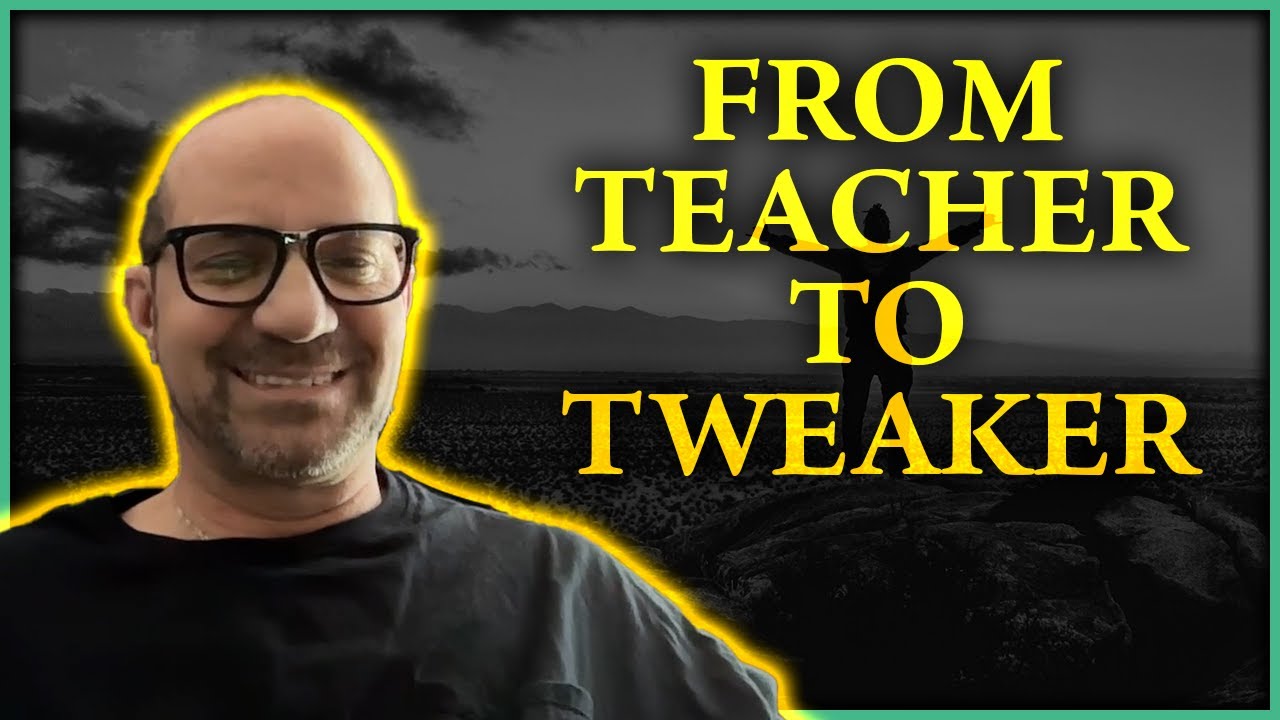
Bobby, a former teacher, describes how methamphetamine use started as a productivity boost and gradually destroyed his health, relationships, and career. He and Dr. Dallas Bragg discuss why connection and community matter more than willpower alone, and share practical steps: find a buddy for detox, get medical supervision, cut off digital triggers, and join a recovery group.
Chapters
Because you have to set your life up in a way where it— there's no option to do it. The Aftermath Podcast is an outreach tool to help men who have sex with men break free from the addictive patterns associated with chemsex, otherwise known as crystal meth or Tina. I'm your host, Dr. Dallas Bragg, a former crystal meth user, now recovery coach. Here you will find a repository of tools and resources intended to eradicate the epidemic that is plaguing our MSM population. Please note that the views expressed on this podcast are not to be taken as medical advice. Also, we will be talking about drugs and sex, so if you feel triggered to use, stop listening and contact your local emergency system and/or your support network. Let's go. All right, welcome back to the Aftermath Podcast. So glad that you're here. If you have been a longtime listener for now over a year that we've been on, or you're just brand new to the podcast, I want to say welcome. And I want to say thank you. I do really, really appreciate, uh, you listening, taking your time to help in our mission of trying to eradicate this epidemic of chemsex, specifically crystal meth, among the men who have sex with men population. Um, the fact that you're taking your time out to just even just listen means a lot. But also, if you could go an extra mile and share the podcast with somebody, that would be lovely too. Um, we continue to grow. We hit a record number last month in April of 2025. We had the most downloads ever. About 2,500, over 2,500 downloads in a month. For me, that's great. It's continued, continued growth and actually globally as well. And so what a way to reach out and what a way to make a difference and get this dialogue and discussion started. And as of right now, I don't think there's another podcast like it in terms of this particular niche that we're talking about. So if you know anyone who is a man who has sex with men, or have, or is a loved one of someone who is entangled in crystal meth addiction, chemsex addiction, then please share this podcast with them. Or if you can share it on your social media page, I would be greatly, greatly, greatly appreciated, appreciative for that. Um, there is a supplemental study guide that will go along with every episode. That supplemental study guide link is in the show notes. Every week we are going to have journal prompts and reflective questions and key points from the podcast so that you can get as much out of it as possible. We do have a free Facebook community. It's called the Aftermath Podcast. If you are still on Facebook, there are a lot of people still there. We have that community there too. You can reach out for help. We can ask questions every once in a while in there. Talk about the podcast. I do like to also ask questions in there as far as like what's working with the podcast, what isn't working, those kind of things. Um, we do have a YouTube account so you can watch the podcast as well. It's the Aftermath Podcast. Be sure if you try to find us or tell someone to try to find us, add the caveat that you have to make sure that it is not autocorrected to the Aftermath Podcast. You get a complete different podcast. than what we're doing after Myth. I do have a free course, by the way, Reframing Relapse. It's a 28-day course with online video modules, daily journal prompts, guided meditations, and a free coaching session with me. If you're interested in that, the link to the course is in the show notes as well. All right, if you have not rated and reviewed the podcast, I ask that you please do that. Anytime that you interact with the podcast, the algorithm says, ooh, ooh, the people like this, and they send it out to more people like you. So I would greatly appreciate that. Although I have heard lately a lot of guys saying, you know, I can't like your content in public because of my, my job and different things like that, and other considerations like family and, and friends. And there's a lot of anonymity Um, in this particular addiction because it is so stigmatized. So, um, I, I also recognize that you might be a lurker and listening to this, uh, in, in private, and that's fine too. I appreciate that you are here today. We're talking to Bobby. Uh, Bobby has just joined the Recovery Alchemy team, which by the way, Recovery Alchemy is my coaching program. It's, uh, traditionally been one-on-one, but we are kind of, uh, playing with and introducing a new group coaching model for that. Um, but it's called Recovery Alchemy, and it has grown so much that I've taken on an assistant coach, and that is Bobby. So I wanted to introduce him to you all. Um, but don't Miss at the end, after we are talking, we're going to talk about Bobby's story and introduce him. At the end, we're going to read some listener letters here on the podcast and kind of bounce back and forth in terms of what coaching advice we would offer. So the thing is, is that these would be DMs. And so there's certain questions you can ask in a DM that are different than what you would ask in person. Because in a coaching, coaching experience, you try to really lead, help kind of read between the lines, but help the client get to their own conclusions. But sometimes when you're dealing with a subject like this, uh, you have to step in and say, this will happen if you do that, or this is what I'm seeing, right? Um, you can also— but so it's a little bit different when you're dealing with DMs, but I think you're going to— we'll have a good time kind of getting an idea of what we would say to you. And you might hear and see yourself in each of these listener letters. I'm guessing that you probably will. Um, and so you might actually get some advice and, and maybe get some tips and tricks, uh, of your own listening to us banter. So don't, don't forget that that's at the end here. So let's talk about Bobby. Bobby was born and raised in Philadelphia. That's in the United States, in Pennsylvania. He graduated from Northeast High School and went on to a graduate college at Widener University with a bachelor's degree in political science and business. He continued his education and obtained his master's degree in public administration During that time, he worked for a local councilman in the Philadelphia area as a legislative support representative. After a few years of that, he had a career change and went to Temple University to receive his master's degree in finance. He worked in the financial industry as a commercial specialist with Merrill Lynch for several years, providing lending and investing opportunities to large corporate companies across the United States. After his finance career, he decided to move into the education industry. He went back to school to try to obtain his master's degree in special education at Cedar Crest College and became an autistic support teacher and a reading specialist for a local elementary school for students K through 3. After 5 years in education, he ended up going into the recovery field, which we'll find out why. He now works for a small nonprofit harm prevention organization called Savage Sisters Recovery. They provide trainings in overdose reversal, Narcan, harm prevention, and xylazine in the local communities, schools, and treatment centers. They do community outreach several times a week, providing harm prevention supplies, water, food, clothing, showers, and wound care to our friends who may be struggling with substance abuse disorder in the local community. If you've been listening to the podcast this season, you know harm reduction is close, near and dear to my heart.
So I—
Really align a lot with Bobby. Uh, Bobby recently, recently obtained his certification as a certified recovery coach in Pennsylvania and now also an assistant recovery coach for Alchemy Recovery Alchemy. And of course, as you know, it's a program for men who have sex with men who want to break free from the addictive patterns of crystal meth or chemsex.
Wow.
That's a lot, Bobby.
Yes, yes, it changed my addiction. Already in control. More and more and more.
Right. Yeah. What could we— what could we ascertain from your career jumps?
A lot of validation.
Dopamine fixes too, huh?
Yep.
Probably. Well, we were talking about your story And honestly, there's a lot of your story that I learned now after hiring you that I didn't know. All I knew was that you were jumping in and doing a lot of support for other members of the coaching program without me asking, and just always willing to be the quote guinea pig when we had to have— when I would do have different tools or want to test out tools. Um, you're really good at me testing out a tool to see how well it works and how to be refined. So you were already kind of doing a lot of work, and so I knew— I already knew that you were, uh, capable, but also just a, a really sound, sound individual. So, and you really align with my, um, really align with my philosophy. And I also like that you are involved in in CMA as well, Crystal Meth Anonymous. So you're very well-rounded, I will say, maybe even more well-rounded than me. Um, but, and as I listen to your story, there's— I— we can— let's just jump into this part. I think what's unique is that, because, you know, the reason I stopped having a lot of stories from men is that at the end of the day, yes, they're unique, but they're all the same, right? I mean, The reason we got into it or how we got into it, and then the shit that we go through during it. Um, you know, this other world that is the chemsex world, only men who have sex with men who have gone through it understand that it is just a different type of— you step into a portal into something else, right? Um, and so, but basically it's all the same, and it's all the same all around the world when you start looking at Chemsex parties, or as they call them, chill-outs, you know, in a lot of the UK countries, they're the same thing. Um, but what's different is the, the recovery part. However, yours is a little unique in terms of you were arrested at the elementary school where you were working, um, which started your recovery journey. Um, so could— let's just jump in there. Um, and you want to talk about what was that like and what happened? Sure.
So how, how that happened was, it was my— so I was in education for 5 years. And what I had off was the summers, which I never had before. And my drug use really took off around 2020. That's when it really like went to new levels. And when it went to those new levels, when I had the summers off, I didn't have anything to do but use. And so what I did was the school and education teaching helped me, helped my using and helped limit it. And that's how I, you know, tried to limit my usage. But when I had off in the summers, it went through the roof. So I started teaching summer school. So that would block me out for another month in the summer. So that way, I would only have 6 weeks of what at the time I thought was the best time of my life. But by the time summer number 4 hit, I think it was like the 4th summer, I was creating new things every summer of crazier things I could do and different ways I could use, and it got started getting more dangerous. And, you know, I went from the typical just weekends to, you know, every weekday, to, you know, snorting originally, to smoking, to eventually, um, being an IV user by the end. And for me, GHB was my original drug of choice and meth was my supplement, and between the two of them, it just became into the fact of I needed it to just function. So when I was in summer school the last year, I had 3 days left and I had all the kids' progress reports done. And I don't know why I decided that weekend that I was going to stop then and not wait till school was over. My thought process was, I'm lying to myself if I say I'm going to stop when school's over, so let me start now. And for the next 6 weeks before school started again, that I was going to So I got all my lovely paraphernalia and supplies and put them in my one bag. And that morning going to school, it was just— a lot of things happened the evening before. I didn't sleep. Cops were called with my roommate. It was just a mess. So when I was going to work, I was very disheveled and I was withdrawing. And when I got to school, I was basically falling all over the place down the hallway. I tripped in the hallway. They called me into the nurse's station. And when I was in there, you know, they said, you know, they called 911. And when they called 911, they asked me where my ID was. And I said it was in my bag. And they went to my bag and there was no ID in my bag because I took the wrong bag to work. And every other piece of material and every other thing that I would never want another human to see was in that bag. And not only that, I got to have the principal standing there. Now, It was summer school, so no one, no staff was there, but they all came in. And it's 45 minutes. I don't know how they all got there so fast, but the vice principal was there, the principal was there, the director of special education was there, the secretary was there, the cops there, the nurse there, paramedics there. And I'm sitting there, I was in shock just as much as their faces were all in shock because I was very well liked and it was not expected. So You know, when I— they did lock me up and I went to jail that day. And I will say that there was this little room that they put you in before the holding cell. It was this little like square room. It was literally like I could stand in it. And I don't know, I had this sense of peace that came over me when I was in that room. And I thought I'd be scared and terrified, but like I just stood there. I didn't even sit down. I was just like, this calmness just came over me. It was just finally like in my head was like, this is over. Not only is the drug part over, but like my career is over. Everything I ever worked for, all those degrees, everything I ever did in my whole career now was going to be down the tubes because of the fact that I could only— I didn't even know what my charges were yet. But basically what happened at the end of that, which is part of my recovery, is that after getting attorneys and everything else, you know, I was offered treatment court and I looked at it and it was— I was offered it 1, 2, 3, 4. 7 months into my sobriety. So I was already 7 months sober at the time. And I looked, I was like, my God, I was like, I did all this already. So it was to, you know, basically, if I complete the program, I don't have any charges. So I went into this program. And the reason I chose it is one, I feel like you cannot put enough with, especially with meth and GHB, for me, you can't put enough barriers up. So for me, that was a huge barrier that I could put up where I'd be monitored. And not only that, I did everything they wanted me to do in the program anyway, so I was doing it anyway. So for me, it, it wasn't a challenge other than they do remind me sometimes. I forget a minute, but they remind me very quickly. So yeah, it is— even though I've done everything that they asked me to do, it does get difficult at times.
Okay, thank you. Yeah, well, A lot of, a lot of things popped out, um, when you're talking. And the first is what I see a lot is that we get into jobs that allow us to use, right? So for instance, there's a lot of guys I talk to who work from home, and they're working from home, and it's just not a very, um, high-demand job in terms of You know, they could be there, they could not be there, right? And when you're working from home and you're stuck in the same room every day and you're bored and you're not challenged by your job, then, you know, that's going to a lot of times lead to, to meth use, and it allows it, right? So because what you're talking about as a teacher, and I've, I've talked to and I've met and I've talked to many teachers who are users, and they only do it in the summer. They only do it in the summer, and it allows them to do it. But what happens is, just like with a weekend warrior, with a summer warrior, it begins to bleed because you just can't stop, right? But it sounds like for a while you were able to try to juggle that.
Yeah. And to your point, um, the remoteness— when 2020, when the schools shut down for a whole year, I was teaching remotely. So that really, that's where my elevation, now that I think about, that's where the elevation really took off because I only had to go on camera for 25 minutes, then off and on and off. That was, it was, I thought again at the time, I thought it was the best time of my life. Yeah, it's the worst.
Yeah, yeah, yeah, yeah. Interesting. Yeah. So I would say if you have a job that's, you know, providing opportunities to, to use Really think about that. You know, I mean, the thing is, is that we have to make drastic changes or life is going to make drastic changes for us. Just like with you, like you waited until the weekend before to stop, which was, you know, kind of funny that, you know, what you could say about this is self-sabotage, right? You brought the wrong bag to work, which was full of Bad stuff, right? Um, you really— and then you, you know, you're tripping down the hall and don't even know it. So in, in a way, it's like you're subconsciously crying out for help. But the thing is, is that people, people come to me and they don't think that they have to make the big changes. And making a job change or a career change seems too big. But the fucking thing is, if you don't do it, It's going to be done for you in the most painful way possible. You know, I mean, I, I was the same way. I thought that I could handle it. I thought that I was doing so well that everybody in the, in the law school I worked for knew, you know, as, as, as I shrank, you know, as I lost all this weight and I was crazy and leaving early all the time and all this kind of stuff. I really thought I had everybody fooled and I didn't think that I needed to change a job, but. The job I had was allowing me to use because it was— I was an executive and I could be there or not be there. I didn't have anybody, honestly, there was no direct report to me either. So, um, there, there wasn't anybody really keeping tabs on me, I thought, until, you know, the people that had offices around me started reporting, uh, stuff like that. So, so anyway, I just wanted to kind of point that out for you listening. Um, if you Are you stuck in the cycle and you have a job that gives you enough space to use, then really think about long and hard about pinning yourself down, getting a job where you have to come in the office. Um, that is— that's not the long-term answer, but that is at least going to get you out of the pattern long enough so that you can start working on the long term. answer. Would you agree with that?
I would absolutely agree with that.
Um, the other thing that you talked about was the peace that came over you once you got caught, right? And I, I also resonate with that because I just remember, you know, the, that the very first time I was arrested, just like in the back of the, the police car, I was like, finally, you know, this, this, this train is ending. Like, you know, this roller coaster that I was on, um, because I was crying out, you know, for, for help too. You know, I, I knew the neighbors knew something was up, and I had men coming in and out, and, you know, all this kind of stuff. Um, and I was subconsciously crying out for help too. But, but just in that police car, and it was just like nothing. I couldn't make any decision. Like, I had to go, and my arms and my hands were cuffed, and I was like, Handcuffed. This is it. Like, this is why I use the term with my clients, we need to handcuff you. We need to handcuff you because there's relief in that. Because in the very beginning of your recovery, if there's a choice between using and not, you're going to want to use, you know, you don't want to leave any, any margin of error there. So there is this calmness and this peace and relief of finally over, right?
Yeah. It took me to the— to get to the police station because I got one of the roller coaster rides. on the way there because they were not thrilled with me. Turns the whole— they said, stay in one spot. I'll never forget that. I was like, this is on purpose. My dad, my dad's a cop too. When I told him, he goes, oh yeah, it was done on purpose.
Yeah. Oh yeah. Interesting, huh? That's interesting. Um, okay, so then you went to treatment court, which is another way that we aligned because I went to drug treatment court as well. Uh, I don't know if— I don't know what, what the statistics are. Maybe I should have looked this up, but in terms of which states offer, um, drug treatment courts and which, which states don't. And I know it's even down to county by county. Um, but luckily in my county they offered it, in your county. But if you don't know what a drug treatment court is, when you're facing prison, it's a way to— it's really a way for them to save money and also help you recover in terms of you, you go through a strict, strenuous process of seeing a judge every other week. You have to do IOP, which is intensive outpatient recovery, or even more, even inpatient recovery too for some people. You have a probation officer that you have to see as well. Um, you have random drug tests. This was my life for about 14, 15 months, I guess. Um, even maybe even longer than that because I had to start over once, uh, because I took a shot of vodka and for somehow that stayed in my system for 4 days. It was really weird. But, um, but anyway, you, you know, it's, it's pretty intense. Like you said, it's— you have to jump through a lot of hoops, but if you can do it, Um, you know, I got through and, and I'm—
it—
my charges were not only dismissed, but they were expunged from my record altogether. And I didn't have to pay for that at all. Um, it was worth it. So, and then in that time, the idea is that you, you get a taste of what life could be like without drugs in it, right? Um, and that is what happened with me. I mean, after all of that was off of me and I was free to use, By then I had got my kids back. I had found money to rent, found somebody, talked them into letting us rent a house, and I had a job and, you know, a car. And so everything was building back and I had that momentum going. So I was like, why would I go back now, right?
Yeah.
Wow, I'm talking a lot about me. Um, yeah, so, okay, so you went into treatment court and Um, what has it been like for you, um, since? So you said GHB was your— would you call that your drug of choice?
Yeah, that is my drug of choice because that is— so basically in 2003 I was introduced to GHB and it was more of like just the fun going out to the clubs, you know, doing the molly. Well, it was E at the time, doing E, then doing some GHB and doing some ketamine, and they were like the 3 that went together. And I was with my partner at the time, and he was the one who sort of controlled that. I didn't really know what I was doing. I was totally anti-drugs pre-2003. Like, I didn't even know what they were. I mean, I knew what they were, but I— like, you came near me in a club and you did drugs, I was like, nope, don't want to be anywhere associated. I was, I was that type. Like, get them away, because you are who you— you become who you associate with. And then my partner at the time sort of got me into it, and then I overdosed on GHB in 2003. And found me in the bathroom and sort of revived me. And I made a vow that I would never ever touch that again. And I didn't until 2020. And they shut down the liquor stores. It was like, the government is not going to be telling me what I can do and what I cannot do. So I said, it's cheaper and easier for me to go out and get drugs on the street. So I went out and got GHB again. And I was like, God, why was I ever drinking? Like, what a waste of time. What a waste of money. And, and I have not had a drink since April 27th, 2020. Um, but, you know, I just substituted and, you know, it took me down a path very, very quickly. And that's what led me into using meth all the time. And then, you know, the meth supplemented that very nicely. You know, I never used one without the other.
Yeah, yeah. So that— I mean, that's so common. And if you're listening to this, I'm sure you know, um, you know, G and T are sisters, basically. I mean, they, they go together, right? Um, GHB or GBL Um, the use of GHB, I, I have found it commonly guys will say that they're kind of using it on a daily basis without meth, but that it eventually does lead to want to use meth. Um, I used it some too. I mean, yeah, I, I used it. It's dangerous, right? I mean, I even sold it. The thing is, is that I was a— I was a— I don't think I was a distributor. I sold it for somebody. But we would water it down depending on if we needed more money, right? Or who we were selling it to, if it's somebody we didn't know. So when you start messing around with the, with the, the potency of this really dangerous substance, then that means somebody who's new to it could have G at a party and it's a watered-down version, and then they go to the next party and it's not the watered-down version and they have the same amount, and all of a sudden they're fucking flat on their Yep. Their ass, right? And you could, you know, and like I said, you can overdose on this so easily.
Yep, very easily, very easily. And I don't know how I managed not to do that because I was not, um, at the time I was not careful, you know. I didn't do— there's rules with it and I did not abide by those rules, you know, of how you should use, which we don't have to go into, but I did not abide by them by any means. And You know, I used a lot more than the recommended dosages. But again, I built my tolerance up.
Mm-hmm.
You know, over years I built my tolerance up. It was so high, it was just like, my God, maybe I should go back to alcohol because now this is getting more expensive, you know? And it was just like, it really became really bad. It was just like— and I needed it to function. Like, without it, my anxiety through the roof. I'd be shaking. Well, exactly what happened. I'm falling all over the place. So for me, when people would see me And they would think I was high. I wasn't high. I wasn't using because I was a complete mess. But when I was using, everybody thought I was okay. It was the opposite.
Interesting. So the GHB made you function, or you had to have it to function? The meth, not so much, but the GHB you had to have every day to just—
To revive. And so GHB would liven me up and the meth would calm me down.
Okay.
So it was like sort of like a balance, sort of like using Adderall and Xanax.
Yeah, yeah, yeah. Okay, okay, interesting. All right, wow. Okay, um, and so going along here, GHB, and then did you use with other people? Were you— did you have the parties and the, the hypersexuality?
Yeah, so I was on Grindr and I lived across the street from a bathhouse, so I—
Oh wow.
I was in the gayborhood living across the street from bathhouse. with my own place and the apps and it being 2020 and working from home. I mean, I had every variable that could help me, uh, use successfully. And, and at the time, in my head, yeah, having the best time of my life made the access very easy, very easy. And all I did was go on Grindr and I had people over all the time. You know, there was a front desk, you know, which, you know, I just told them to use one name so it looked like it was the same person signing in and out all the time. And it was just like, and they knew just that, like, I would, they would call upstairs, I'd be like, yep. And it was just like a revolving door. It was, it was awful. I mean, it didn't seem awful at the time, but now when I think about it, it was, it was awful. It was just—
Yeah.
So easy. It was so easy to get so deep in that addiction, which, which I did. And, you know, I got kicked out of that. Um, they had a board meeting about me in that apartment complex and they kicked me out for other reasons. I did other things, but The things they should have kicked me out for, they didn't, but they had a board meeting and they voted me out, um, for being an endangerment to other residents.
Hmm.
And then that led me into moving home with my family, which I thought would help my addiction, and it did not. It just spun even more out of control because I had a— I got another job, which higher money, was still teaching, was in high school, but then I wasn't like paying any bills and I could not believe it, but I was just using in my bedroom at home. It was just— it was horrible. It was horrible.
And this was after— okay, go ahead.
After the school, then I moved into an apartment thinking that this would be my new start. So 3 new starts all within a 6-month period, and they all failed miserably. Each new start became a worse program until I ended up in jail.
So why do you think the new starts were worse? So you're living with your parents, you didn't have any You know, bills or anything, and you used in your bedroom by yourself?
Yes, that is when I was introduced to Zoom, and that is when I isolated, and my new friends were all people on the Zoom accounts.
Okay.
And that's when it was turned into complete isolation. And when I moved to the other apartment, I thought things would go back to the way they were with the old apartment. Well, actually, I thought that I would just try to clean up, but it never happened. The total isolation, totally alone. Totally thinking everybody on Zoom was my friends, literally. And I ran my own rooms, had my own rules, you know, and literally had people like hosting my room. So like I would just come back in and it'd be running while I was gone. So it was, it was a mess. And it was just with me, that was all about valid— it was so much easier validation. And for me at the time, I thought it was true validation, but you know, I didn't realize how little validation that really was. But In the twisted mind of, of me, you know, under the use of substances, you know, I, I thought that it was great. It's like I get validation by all these people now instead of just one.
Oh, right, right. Hmm. Okay. And then, so then what was the next arrest?
So then that was the— that was my only arrest. So when I, when I got arrested, I ended up going to rehab for 90 days. Okay. So Basically, my recovery started out with me doing everything on my own. I didn't need— I wasn't forced treatment at first. So I went to rehab for 90 days, and then when I got out of rehab, I was not coming to live with my family. I chose to go to a halfway house. Well, I tried to go to a halfway house, and I could not get into any halfway houses because they didn't test for GHB. So they would not let me in because I told them that was my drug of choice.
Right.
So I found the recovery house called Savage Sisters, who I work for now. Which I was terrified. Like, I didn't even know what a recovery house was when I was in rehab, and I didn't know what to expect. And when I got there, I was terrified. I thought I was going to be discriminated against. I thought because of being gay and being with all these straight guys, it was going to be an absolute horrifying experience. And it was not. It was the total opposite for me. It was just the connection. First of all, having— getting connection with straight men amazed me because I didn't think that was possible for me. Mm-hmm. And just the connection with other people who wanted to do the next right thing and in recovery helped me. And, you know, I did very well there. And then I became a house manager. Then I obviously became hired by the organization, and I'm still working for them now. And it's just— it was just— it was just great. So it was the connection that I got and the living with other people and being able to, like, get social again without having any drugs involved. That was the biggest part for me. Like, I wasn't able to go out become social with anybody without a drug in my system. And being in the recovery houses really helped me regain that social lifestyle that I'm able to have now without having substances in me. And then, so I had a lot of times. And so then treatment court happened. But just to go into my story real quick, I went through about 18 months of sobriety. So I had 18 months of sobriety and, you know, I got very involved with CMA. I'm a 12-stepper. And when I say 12-stepper, a liberal 12-stepper.
Mm-hmm.
So I have a very liberal stance on some of the things, but, you know, I take what I need and leave the rest. And so I started going and I got very involved. I became secretary of my one home group, um, for an AA group, then for the CMA group. I became the, um, intergroup rep for the CMA group, and then for the intergroup, uh, group that I was part of, I became the hospital and institutions person to go out, and we spoke at all hospitals and institutions, you know, just, you know, giving our, you know, strength and hope to those treatment centers. So I got very involved. And then I started noticing that around Christmas time, my work gave us a 2-week break. And when that happened, I didn't make any plans. I didn't do anything because I felt like I was so involved in doing so much. I thought I needed a break. And so I did. I literally laid in bed for 2 weeks, watched things on TV, stuff I never did because I'm always active. going like 24/7. And I thought it was a nice break. And when we started back up at work, I was like thrilled. I was so thrilled to start up work again. But I started noticing I started getting antisocial and like with the meetings, and I was going to meetings, I was getting very upset. And I was like starting to watch other people, start noticing what other people were doing. Other people were upsetting me in business meetings. And I started like, they were just getting me upset with their this organization and just things, things that did not get me upset pre-December were getting me upset.
Mm-hmm.
And I was always going out and helping people. I went to help this one person who was getting evicted from their apartment, and I guess they call it DID. Um, he went into some psychic psychiatric episode, and it freaked me out, and I had to get out. So I ran into the bathroom, which was like 2 doors, so you could go in one side and out the other. And when I got in there, my phone was left in the kitchen, and in there there was a plate of meth on the bathroom sink. And just impulsively, I licked my finger, went like this, stuck it in my mouth. And I never ate meth before, and so that was a shock in itself. And I was gagging. I kind of couldn't believe I did it, but it was done, and I just had to get out of there. So I got out of there. I went home. That— it was like very late that night. And the next morning, I spoke to my Um, boss. I admitted my use, and they were absolutely wonderful about how they handled it. She sent 2 other employees over right away. They talked to me, made sure that I was okay. In the meantime, another employee called and set me up to get to a rehab, because part of my program for my work is we go back to rehab if we relapse. So this was still not dealing with treatment court. Again, everything I do aligns with treatment court anyway.
Mm-hmm.
That was sort of just like whatever I'm doing in my recovery aligns with what they want me to do. to do anyway. So I ended up going back to rehab. My lapse was in January, January 29th was my lapse. And I went back to rehab and I just did what I had to do. I went through a 30-day program and then I got out and then I started— I don't do exactly what I was doing for my organization before my lapse, but I am doing like other things for them now until I go back into that role. And then for treatment court, of course, you know, that I did start That's why I say they remind you very quickly you're in treatment court. And for our program, it's up to 30 months. So, you know, it's a year to— it's 12 months to 30 months, I believe. So I had to go back to IOP, which I'm kind of in now, and I just had to start over. So that was very difficult for me.
Mm-hmm.
But, you know, I believe that, you know, I believe in that things happen to you for a reason and that things in the universe, like a lot of things that I did not accept and I did not wanna accept, that happened to me turned out to be for the better for me. So as much as I didn't enjoy IOP at the time, you know, for me, I don't mind it when I get there. I love the socialization. I love helping other people. That helps me. But, you know, I feel like, you know, obviously the universe feels like I may need this at this time. So, you know, I do it.
Yeah, yeah. Thank you. Thank you. So things I want to point out— I want to go back. Um, sober living. So I have a lot of people contacting me, um, gay men usually, um, and they're— they have uncomfortable situations in sober living, um, or they, you know, it seems to be either really good or really bad, like, experiences with sober living. But what you're talking about is that it helped you with the socialization aspect.
Yes.
So can you talk about that a little bit more, just for, for somebody thinking about sober living or maybe a loved one thinking about sending their loved one to sober living, what did you get out of it?
Sure. So what I got out of it was basically, you know, living with other people, being put in a room with somebody else forced me to start talking to other people again. And, you know, for me, I didn't talk to anybody. If you weren't using and you weren't using with me, I couldn't talk to you. Like, if I did have a substance in me, I wasn't able to socialize at all. I wasn't able to Say hello, go out, go out anywhere to a restaurant, to a bar. I don't care where it was. I wasn't going out with anybody because it was just the fear and the anxiety and the thoughts of, you know, the shame that I had for what I was doing alone. It was just horrifying for me. And, you know, being in a sober living environment and having other like-minded people around you helped me. And, you know, there are a lot of sober living places out there and it does. You know, there are some that aren't, aren't so great, but, you know, if you get into the right one, you know, it really helped me. And with ours, you know, we have a lot of things they offer us— trauma therapy, kickboxing, yoga.
Mm-hmm.
So it gets you involved. So they have other forms of therapy. And then we also do offer our men all SMART recovery. We are required to go to 90 meetings in 90 days to help with socialization. And then we have like a Be Well therapy. Because in my sober living, we believe in all pathways to recovery, not just a 12-step program. So we offer 3, 3 pathways, and you can choose which pathway you would like to use.
Nice.
So that, that helped a lot too. And especially getting to know straight men. Like, I did not have any straight friends, and that alone was an adaptation for me. And I— and it just, it just went well. I got along with them, and that just helped me grow, and it helped me communicate and helped me learn that I could be accepted. Key, that they accepted me for who I was, and I did not think that was going to happen. And that was key in my sober living, is the, the, the acceptance by all the other men in the program, which I did not expect. Love that.
Love that. Yeah, there's, there's such healing, and I— there's, there's big healing, but it's— there's a big fear a lot around a lot of us. So when we come out of this, we come out of this chemsex, um, world, a lot of us do not trust men, period. You know, we didn't trust men a lot anyway, you know, as growing up gay. But then what we experience on this drug, we a lot of times don't— not only don't trust ourselves anymore, but we don't trust other men, right? Um, and then we're traumatized by the experiences as well, a lot. Often, not, not always, but often. But there's such big, big, big healing in being able to not only find intimate relationships— not intimate in terms of sex, but vulnerability— with other men, especially straight men. There's big, big, big healing in that. I will say, my— I've talked about this on the podcast, but my recovery group you know, it wasn't even a recovery group, right? It was just, just people. It was a group of people, um, and a lot of them were straight middle-aged women, but some of them were straight men. And, um, I, I was able— I was so scared I would not talk to them, you know. That's just how I was anyway. I had this block against straight men. But if you can find really masculine straight men— and I'm saying masculine in terms of comfortable in their own skin, comfortable talking about gay stuff, right? Um, very much caring, vulnerable, and not, not scared to ask for help, not scared to, um, show their sensitive side. That to me is real masculinity. And when you can experience that with straight men, there's big, big healing in that. Um, so I, I also resonate with you on that. Thanks for saying that.
And I think what you said also was key, that barrier for chemsex for me is going into not a gay sober living house but a straight— well, if we're very obviously we're not straight, but to be— that put another barrier up that helped me avoid the chemsex or the temptation of it.
Sure. Yeah, yeah. Now of course, you know, we've had gay-affirming, um, sober living on here, and there is a place for that too. And, and maybe you're not ready for to be around a bunch of straight men, right? Uh, listen to yourself. Either way, there's healing. Um, yes, thank you for that. So you talked about— on something else you said you're a liberal 12-stepper. I think it's funny. Um, and but what you said was key, and what I've said on here before, is take what resonates with you and leave the rest. Like, you don't have to— just because, you know, I hear so many people say this, like, I'm an atheist, or I don't believe in God, or whatever. Or I have trouble with the God part. Um, I, I get that. I do. Like, I have trouble with a lot of parts of it, but I can also attend a roundup and, and, and just take the great parts of it, like the stories and the healing, you know, and the experience and all that kind of— like, I can take those parts and ignore the rest because that's what you do as an adult, right? That's what you do as an emotionally stable person, is that You, you can be— you can just take what's good for you. And so, you, you know, there's this, there's this block, and then people use me as permission to not go to 12-step meetings because of the problems that I have at some— with some of the people in them. And that's not, that's not good either. Like, don't use me as an excuse to say, well, Dallas doesn't like 12 steps, I'm not going. That's not true, right? You don't have to buy into it 100%. But like Bobby is saying, is he takes what works and he leaves the rest, period. And it's enough that works that he keeps going. And it's— there's socialization. And a lot of times when you're in a city, where else will you meet sober gay men, right? Where else are you going to?
And that's key. The social— for me, the meetings and the 12-step fellowship is all about the socialization. That's why I go. And it helps me exactly what you said. It helps me meet other gay men who are in recovery. And I don't have to go on Grindr to do it because it's sort of like, where else are you going to go to meet these people? Like, you know, it's very hard to go out. And if you're trying, especially early on in recovery, and you're trying to meet other gay men, that they're not out doing something or another that, that may not jeopardize your recovery depending on what your drug of choice is. So, you know, that, that's key to me with the 12 steps is the socialization and the meetings. Yeah.
Yeah, go ahead.
Oh, I was just going to say, you know, in addition to the 12 steps, you know, I have a therapist, a trauma therapist that I can do. And then of course, you know, your program, which is the most important part of my recovery. I started listening to you, my friend recommended your pod, you think you're on podcast 2 or 3 when I first started listening to you. And, and I was just, I was totally sucked in and I loved everything. And, you know, and then, you know, I started with your group in August and, you know, know, your recovery program has been, for me, the most helpful for my recovery.
Well, thank you. And I did not tell you to say that. Yeah. Yes. Thank you very, very much. Yeah. I mean, keep doing, keep adding stuff in, whatever you can, right, to get the job done. Um, so I wanna, I wanna zoom in on something, and that is the signs leading up to when you lick the plate. Which, what if you're going to relapse? What's, what's the worst way to do it than eat it?
I'm still mad. I'm still, I still try not to think about it because the last thing I want to do is put myself into that. Let me go use the bathroom. Right.
Uh, yeah, good thing though, right? Um, yeah, so you were saying, and I remember this happening, right? I remember you coming to the group and saying, I'm so frustrated with my CMA, like, I'm stepping down. Um, you know, I'm not going to the meetings anymore. Um, you know, I, I could tell you're irritated. And then there was something that I remember right before you had your lapse, and that was when there was one night I switched from Zoom to—
I'm tired that night.
Another platform for us to meet as a group, and the platform was so horrible. Like, it was just really hard to work, but you were so triggered by it. You were so frustrated.
I couldn't see myself. I couldn't see anybody else. I always have to like see myself. And then like everybody was over here in the small corners. I couldn't see who was talking. And we eventually switched over to Zoom that day, right?
Yeah, we did. That was the last time we did that. But you— I could tell that like I'd never seen you come unglued like that. Like you're— because you're— you were always pretty You know, and so I wasn't— I didn't see the sign. I mean, I saw the signs, but I didn't really think it through in terms of he's headed toward a lapse. And so I want to point that out to say, a lot of times we have to really look holistically at how we're changing. And one, one key way— and it's not getting on Grindr is, yes, maybe a sign that you may be starting to relapse, or when you start being hypersexual and you start hooking up. Or blah, blah, blah, blah. But the other parts are, think about how dysregulated you are emotionally and how irritable or frustrated you might be. For instance, even in traffic, like I can tell when I'm headed for an emotional relapse, how much road rage by the, by the amount of road rage I have, because there's something about that that's signifying that I am dysregulated. Right? There's something building up in me. There's something off that I need a break. I need some self-care. I need something. I need to express some emotion. I need to talk to somebody. Like, for me, I, I know, I'm like, why did I just fucking flip him off and scream when he pulled out in front of me? That is not me, right? Uh, one of the first things that I— my mother noticed when I was going through drug treatment court, one of the first things she noticed was I cannot— she goes, I've never seen you so calm. This, you know, this guy like almost backed into me in the parking lot. I never— I didn't even flinch. I just, you know, quietly backed up or whatever. And she was like, you would have been screaming at him before. So I point that out to say, 18 months out Bobby was, 18 months out of abstinence. And if— and then he's— there were signs. saying to him, you need something. You need to express this anger. You need to look at yourself. You need to take some self-care. You need a break. Whatever it is, there's some things that you need to take care of because emotionally, the irritability, the frustration, something was off. Um, and so that's just something that I think that we don't pay enough attention to, uh, when we're in this, in this cycle, right? Um, and so, and that's another great use of journaling. You know, that's why I use— I, I count down. I have a cycle every 90 days. Every 90 days, I can tell from probably 50 on, 50 to 90, something's going to happen, like some type of quote-unquote relapse is going to— is going to be an assessment from the universe. I don't, I don't like tests. I don't like when people say I'm being tested because test is pass/fail. But an assessment from the universe shows you where you are, right? So anyway, um, there'll be something that comes along that will assess me, right, every 90 days. And I can always— I just know. I, I know when I'm off. And so because I look in my journal and I can see through my writing, through my sentences, the way I'm thinking, the way I'm viewing life, the way I'm responding to things that I am creeping up on a relapse because I, I'm just— I'm not myself. I'm out of sorts. I'm dysregulated. So it's very important. I think this is the big importance of journaling, is to really monitor, because you don't remember a month ago, 2 months ago, that you were, you were dealing with the same thing that you are today. You were thinking the same way. Like, you, you just don't remember. Hardly. Most of the time you don't remember yesterday. And so if you can monitor that and, um, and track it on paper, then you can get a better handle on it. So, you know.
And for me, how I journaled— I, I journal, but wanted to bring the 12 steps into my program. How this works for me is we have a 10th step, which I did every night with my sponsor because I went through all the steps. So at night you do a nightly review. They have an app and you type it up and it says, were you resentful? Were you afraid? Were you dishonest? Do you owe someone an apology? And by doing that, it's sort of their way of— in my way, that's the journaling trick of the 12 steps.
Mm.
Writing every night and you're reviewing your day, and then at the end you just sort of blurb, is there anything else that you need to say? And you say it. And I noticed at the end, every— when I got through my steps, maybe in 4 months, I was doing that every day with my sponsor. We texted it back and and forth. He texted me his, I texted mine, and I noticed when I went back I was missing days. Um, and I started missing days, and my ones that I was doing was, were you resentful? No. Were you dishonest? No. There weren't any— there weren't any explanations. It was, I was doing it, but very one-word answers. Yeah, yeah.
So that's— do you see what, like, Impactful, important information that is, for to write that down and to see that no, no, no, right? We're missing days. So when that starts to creep up again— not if, when it starts to creep up again— you're— you can get out in front of that and say, okay, I notice I'm using short answers again. I notice I'm missing days. What's up? Let's observe what's happening around me. You know, what is my life looking like right now? And what can I do to step in? Because who knows? Who knows what? The thing is, is that when you get to that point, that assessment could be something as blatant as a user buddy walks up to you in the supermarket with a pipe. I mean, it's something so like over-the-top spontaneous. Things like that happen when you have all the other barriers in place. But if you are, if you are already on top of things, you know that you're headed that way. then you are in that observer mode. You're observing yourself in a way, and you can control things before it gets out of— before it gets out of hand. And you can say no to the user buddy who walks up to you in the supermarket. And guess what? If you pass that assessment, then you're going— you're on your way. You are on your way. Okay, so anything else there, Bobby? I'm—
no, the only other thing that would— that led up to my last diagnosis, I started to, uh, bring back sex into my life. And again, that, that I did not do for the first year. It wasn't— I did not do it because the 12-step program told me. It just did not come my way. And it just— I was not interested because of how much of the damage the meth does to that part of the brain that, you know, I just had no desire or no confidence whatsoever to integrate that. And I really didn't start integrating that until after the first year. But towards the end, I noticed that my sexual activity started to increase, and it's turned into not just having that one sober partner, it, it turned into me wanting it all the time. So like all that stuff piled up in the— all happened in the 3 first 3 weeks of January. It was very quick. And I feel like my biggest mistake was those 2 weeks at the end of December, not making plans and sitting back and letting— I didn't realize I got into my head, but I obviously did.
Yeah. Yeah, yeah, yeah. And so in that take— in that sense, taking a break, you have— you, you know now that taking a break needs to look a little different than actually just rotting, as the kids say, right? Sounds like you rotted for 2 weeks.
Yes. Yeah.
And then adding sex to it. Yeah, I remember all that too. Um, Yeah, there was a lot of trauma that came up, right, when you started having guys over, um, again. Um, although, you know, although that was still great, I think a good experience for you overall.
Definitely was.
Okay, and so, you know, one thing that— one reason that I was really impressed by you and wanted you to be a part of this program is the way that you dealt with your Using episode, as I like to say. I'm saying relapse here just so people can know what I'm talking about. But the way that you handled the using episode, I mean, you called me right away. You were very calm. You know, you, you had this— there's a, there's a missing piece in a lot of, of us when we use, and that's certainty. Certainty that what happened is for the best. Like, you had your mind open to, okay, this happened for a reason. There's something for me to learn. There's something for me to— there's something pointing me somewhere. And there was a lot for you to learn, right? Um, you know how you could have really been devastated by the fact that you had to go back to inpatient, you know, in front of all your coworkers, in front of your, you know, the guys in the program. Um, but you weren't devastated by it. You, you took it, you did it, like, and you were— you just had this, this sense of peace that, okay, this does not mean failure, this does not mean I lose all that 18 months, it does not mean anything negative. It means that there is something— this is a favor for me, this is a positive for me to learn something new so that the next trajectory of my recovery is going to be even stronger.
And the key to that for me was having all the proper support systems lined up all around me. And there isn't anybody in my life that I have that I am in contact with that does not support my recovery. And that is key.
Yeah, yeah, good. Okay, well, what did I miss that you wish I had mentioned about your story and recovery?
Um, I would just say for my recovery part is that you have to be willing to do the work. And that, that is the most important thing. It's easy just to, you know, for like, if I answer the 12-step program, it's easy just to go to meetings and not do anything. But if you're going to go to the 12 steps and you want to, you got to do the steps. Because, you know, if you just go to meetings and you're not doing anything else, you know, doing the steps, you know, they're there for a purpose. And to me, they are a very simplified version of therapy. You know, it's not a deep dive. It's more of a very simple dive into your life, which makes you think about— that helps you get to the point where, to me, should lead you to therapy, or at least you should get into therapy. And then for me, the outlet of trauma therapy, because to me, trauma is the gateway drug to everything. And so going to trauma therapy and treating it there. And then even with your program specifically, you know, you offer so many tools and so many modules in your program that, you know, it's just, you know, you got to do them. And if you do them, at least what I've learned from our group, that, that I've seen, the people who are doing the tools and using the tools are much more successful than those who are not using the tools. So to me, you need to do the work. And then no matter what programs you— if you choose SMART Recovery, if you choose, you know, Alchemy Trauma Therapy, if you choose 12 steps, whatever program you choose or pathway you choose therapy, you need to do the work. You just can't show up and not do anything. Right.
That's right. That's right. All right. Thank you. All right. You want to look at some, uh, listener letters?
Sure.
I'm gonna do my— I don't want you to be afraid to DM me. I'm not gonna out you or share any kind of personal information. So, but if you recognize this as you, I, I'm— don't— I don't want you to be embarrassed. Um, and also it's probably not you because a lot of them are very similar. But let's go through a few and I will ask, kind of discuss it. So, okay, I'm writing from X. Um, I quit meth 4 months ago. I was so happy, but yesterday I used it again. I was sad and lonely and didn't have the strength to not do it. I ended up having sex with 4 other guys and I feel like shit. Does, does this mean I'm back on it? Is the question. Does this mean I'm back on it? What would you say to this person?
Um, I would say that it's all on how you handle it and how you respond to it. So for me in that situation, you know, as you stated earlier, it's a learning opportunity. It's— he already identified in that, in that statement alone that he was lonely. He identified the things that, that he was craving. And so next time when he's feeling those ways, to me, you try to find another avenue other than using. And to me, the loneliness right there was the socialization and the connection and to reach out to— for other people and to have supportive people around you. That would be the key for that one to me.
Yeah, right. Yes, very good. Um, yeah, I was sad and lonely, right? And I didn't have the strength. So when I— when I see I didn't have the strength, that to me it indicates— so I find that people either fall in the victim category or the perfectionist category. And I wrote about this today in the newsletter, but this person is using victim mentality, right? I didn't have the strength not to. And to me, that sounds like— I mean, I'd have to ask more questions, and I did. I think I did. I talked with this person. Um, you don't have the strength, right? It's willpower And, and strength not to is actually what I say is bullshit, because you have to set your life up in a way where there's no option to do it, right? So you had access to it somehow, either through Grindr, through user buddies, through whatever. You had access to it. You got sad and lonely and you did it. And like Bobby said, yes, the sad and the lonely is— is— so if you're sad and lonely You, you got happy and connected through, through crystal meth, right? And connected with 4 other guys. Um, and you know, the other thing too I want to tell you, if you, if you write to me, you, you try to shock me with what you did during use, it doesn't— like, there's nothing that could shock me. And, and, and a lot of times I could tell that you're, you're giving all these details out of a place of shame. Um, you're not alone. Like, we've all done it. 4 guys? Hell, that was 1 hour for me, and most of the time when I was using. Okay, so it's just, you know, I just want to say that too, that don't— please drop the shame about what you did during it, because we all do it and we've all done it. Um, but I would say yes, sad and lonely. What, what could you do to get happy and connected? Are you connecting? So you've been— you've quit for 4 months. What have you done in 4 months to build your, build your circle, to build new friends? What have you done in 4 months to figure out why you're sad and figure out other ways to— when I feel a little sad, what do I do? But immediately, what is my action plan, right? So the follow-up on here would be, when I feel myself being sad— and again, journaling. If you start journaling, you'll notice sad just didn't hit you that day. Sad came on. It's like dominoes, right?
And lonely.
again, probably came on— here's what we do: we look at something on Instagram, we see people having fun in another country with a perfect body and whatever, whatever, and then we start feeling lonely. And so that loneliness probably came on too through a series of events. So there's a lot to dissect there that we don't know, but I did want to mention that because that's a common, a common one that I get. Okay, so I was— I've been watching your videos, wondering if you had any advice for someone who just relapsed after being clean, which I hate that word, for 4 years. How can I make sure it doesn't happen again? I thought I had beat it. I ended up doing something I said I would never do again. Okay, that was after 4 years. And by the way, back to the other one, does this mean I'm back on it? Um, I just want you to know that this is something I see often too, is people want to categorize themselves as either addict or not addict, on it or not on it, you know. And when you get stuck in that, you're just going to make yourself feel worse. Right? You're not on it. You're not back on it. You just used. You used. Learn from it. It doesn't mean anything. You didn't lose four months of time, and in this case, four years. You know, he was absent from meth for four years. How can I make sure it doesn't happen again? I mean, you know, of course, we need to know a lot more details here. But what would you say to somebody who who went out and used after four years?
The first thing I would say is: What did you do correctly for four? 4 years, because that's amazing.
Mm-hmm.
To have 4 years off of meth. So no matter what he was doing, he was doing something right. And I would automatically write all those things down and then add to them and just go back to the, you know, when someone relapses, I normally ask, you know, what happened a couple weeks before and go through, you know, normally it's always a couple weeks up to it. And, you know, like you said, a lot of questions there, what led up to it, and just like To me, you know, just make the adjustments that you need to make. And to me, you know, depending on what the answers to those questions would be, is just, you just have to make some adjustments. And he has 4 years under his belt, 4 years of doing whatever that person was doing correctly that gave him 4 years, even if he white-knuckled it. You know, that's amazing to me that you were able to white-knuckle it that long. And I'm not saying it, I'm just saying however he got the 4 years, stick with that and add. Right.
Yes. Yeah. And so often, so often we focus on— we used last week, but we were abstinent for 4 years before that, and we only focus on the using, right? And I've said this in my, in my content a lot, is in the last 4 years you've used one time. You have to say it like that. Like, you have to say it in a— you have to zoom out and reframe it so that it's more empowering. Okay, in four years I used one time. That doesn't mean anything, right? I thought I had beat it, you know, and and which also indicates a battle with yourself. Like, and if you're trying to beat something, there's a winner and a loser. And in this, there isn't. There's just there there is just you finding out what is causing it, why your body wants it, why why did you go back? What what was it that part of you that wanted to use? What was it trying to help you with? Was it trying to help you with feeling validation? Was it trying to help you deal with something? There's a lot of information we don't know here, um, but there's a lot of questions. And another thing I would say is, when you use after 4 years, make a video right away in the comedown to your future self. Make a video, and you need to look as bad as possible, which shouldn't be a problem, right? But really make a video. And say, this is what you get when you use, this is how you feel, this is what, you know, this is the, the emotion that you have. Like, really get into these videos, and then you watch that video every day for the next 90 days or further. And I'm telling you, that will get in your head, and that will keep you from deciding to use or not. Okay, let's see. Okay, so this person has been— this person smokes. He's not a— he is not a, um, community smoker. I'm trying to rephrase this so it doesn't call him out. Um, okay. I use it to start my projects. So he sells things online, um, and he does other projects like that. So he's using it for energy. and organization. Um, what would you say? He, he smokes it about, uh, 4 times a day.
Um, for me, what I would say to that is, you know, meth is obviously very addictive, and that is how I started. You know, I was using it for energy, and I was using it to work. And I actually, you know, just instead of using my Adderall, I would use meth because it was cheaper than the Adderall, and I could, you know, I wouldn't run out of it. And, you know, that using it for energy and using it for work, I would say I did that for probably a good year, year and a half, maybe 2 years before I, I really spun out of control.
Mm-hmm.
Um, so all good intentions. And, you know, especially when you can be productive on that drug, it's such a, it's such a sneaky drug that sneaks up on you. And it looks like it's all used for very good intentions and you look like you're productive and it looks like it makes sense. And then it sneaks up on you. And so my best advice there was try to find energy through other outlets. Try to, you know, that's, that's a lot more— to me, it's a lot more— when you're in the early stages of meth, to me, it's a lot harder to quit than when you're in the later stages because you haven't yet felt the pain that that drug can seriously cause you.
That's right. Yeah, that's right. Yeah, I mean, it, it is addictive. I mean, you know, amphetamines In their earliest form— well, besides Hitler and all those kind of things— but in, in America was Mommy's Little Helper, right? It was little, little amphetamine pills that kept her thin but also gave her energy to get through the day. Um, and it's still Mommy's Little Helper a lot of times, because when I hear from a lot of straight women, they're smoking a bowl in the morning or throughout the day to get everything done they need to get done, like get the kids everywhere they need to, get the house clean, be sexual for their husband. You know, meet all the demands of everything that they that they're trying to accomplish. They're doing they're using it for it, and now they're on the treadmill, right? They're they're on this this cycle of they can't stop because once they stop, their body just shuts down, right? And I would assume that's the same case with this gentleman. He's been using it for many many years. It looks like twenty years, over twenty years, over two decades. But You're right in terms of it's easy for— it's the textbook answer is find your energy somewhere else, right? Um, but you have to go through a detox. You have to go through a detox. And I always suggest when, when I hear— when I have men contact me like this, you have to have a friend. Like, you have to have a buddy, a family member, somebody who cares enough to nurse you through the detox because it is going to be fucking hell. Um, not only does the body fatigue, but the emotional spiral, you know, um, it's— it is just like something horrible, right? Um, but you have to go through that detox, and I would suggest maybe a medical detox for you if you don't have a friend. Um, and then like Bobby said, you got— let's find energy somewhere else. You cannot continue to take in these chemicals into your body. It's just not going. It's not sustainable for any for much longer. And if you weren't feeling the effects, of course you wouldn't have written me. Okay, this person has a great. Okay, I've been a tea user for many years. Now it's affecting everything in my life. I want to stop and lead a normal life. I have a great career in blank corporate world. A wonderful home, amazing family and friends, and I'll lose if I keep going down this path. I promised myself that last time was it, but I can't bring myself to stop. He uses once a, once a week to once every 10 days. He uses it with others, you know, in a party scene. He never has to buy it, which is another thing that I run across quite often. As there's a lot of men out there, um, especially— but I, I, this is my own, like, um, anecdotal, but like cute bottoms never have to pay for it. Um, but I never— he never has to buy it. The guys have it always, right? Um, and then what else he says? He smokes it, meets the guys on Grindr, but he does have one regular. Um, I've never been a full-time everyday user, um, but I do it enough to cause significant impacts, right? So this past month he used it twice, which was more than usual. Um, well, no, he used it on his days off. That's what it was. Um, and he has no one to talk to about it because he feels so shame— the shame and the guilt. Um, okay. And what else?
Yeah.
And so that's it. Um, so he's— what's happening here, this is, you know, if you were to look at those Tina archetypes I had, he's, um, I don't know, Functioning Fred or something. I forgot what— who it was that— but he's, he's upholding a life. Like, he's got all the relationships, all the sober relationships going. He's got the great job. Everything is intact, right? But he's doing— he's in the background. Doing this, and it's like every— on his days off, and he's lying to people, he's not showing up, he's, you know, he's— but he's, he's like spinning plates basically. But he's like, how do you know I still have this great career? So these guys that, that contact me— and I'll let you, I'll let you speak in just a minute— but these guys that contact me, he's like, how can I be so successful in my— in business, in career, in, in relationships? in finance. How can I be so successful but not successful in this, in this, uh, area, meth use? And I say to them, you are successful. You are a successful meth user. You're able to do it in a successful way because you're still functioning while all these guys around you are falling apart. You're functioning. So you are actually a successful meth user. So it actually tracks with everything else that's going on in your life. Um, but when you are isolated like this, what would you tell him? What would be— what would be advice for this guy, Functioning Freddy, we'll call him?
Well, first, he reached out to you, so that was the first positive step, that he is looking for ways to look out. So to me, he's heading in the right direction there, whereas my first advice would look for help somewhere, you know. And since it's anonymous Um, for me, there's plenty of places that, you know, he can go. Like, for instance, he's reaching out to you, or he could get some therapy or go to a trauma therapist. And especially when you're in that situation, you don't want to lose anything. Rehab's not an option. And that's where I feel like, for example, your program is the— is an awesome program and also an option for people because it's so anonymous. And for me, it's, it's so raw, the shares and the, the directness of what people are going through and the, the connection and the community. And, you know, there— I know your program is, you know, there aren't many programs out there like yours, if there are any other really out there like yours, you know, to, to go to. But even if he chooses, like, for instance, you can go to the 12-step fellowships, you know, they're there. You can go to NA. But again, when you have that— I understand, like, when you have that much around you, you're terrified to a meeting because you're scared that someone will find out or someone from your company will be there and then they'll tell other people. So to me, you know, reaching out to people who you just feel close to or any close friend that you have or someone— you got to find someone you trust. And if you can just have that one person help you through it, and of course lock the apps, block anything, any of that outlet you need to block and get rid of, and then that will— you'll lose the outlet. So you may be miserable when you want to use, but if you block those outlets, that's going to be key.
Yeah, that's right. Yeah, there's 2 kinds of— there's 2 kinds of clients. The client that blocks all the apps and the sites, changes their phone number, deactivates social media, gets a new num— gets a new phone, whatever. And then there's the client who thinks they, they don't need it. And guess who's more— guess who's always more successful? Like 95% of the time The, the client who does all the things that need to be done is successful because they have to— what they're doing is creating a new identity. Like, they're releasing all of that that was part of the person who uses meth. That's— if you're, if you're a person who uses meth, all of that is in your life. You're still doom scrolling. You still have You know, you, you, you blame— well, I got the random text from this guy that I used to use with, and all of a sudden I'm thinking about him and he sends me a dick pic. Yes, because you've left the door open. You've left the door open. There is subconsciously with this guy what I'm seeing. I, I'm reading between the lines. Subconsciously, he's not ready to let it go, or he would tell at least one person. Or he would block his access to Grindr, something, right? But he hasn't hit a rock bottom, and that's what it's going to take. He sees it coming, as you can tell. He's like, if this keeps going, I'm going to lose my life, I'm going to lose my relationships, I'm going to lose blah blah blah. It's like the writing is on the wall. It's like you're headed toward the cliff, but you can't stop. You can't get your foot off the gas pedal, and whatever fucking analogy I can use. But he sees it coming, but he's not hitting a rock bottom. There's not enough pain yet. The pain has to outweigh the pleasure for you to make a big change. And so he— if you don't confess to someone and let them into this world, then guess what? Just like we said earlier, if you don't do it, the universe is going to do it for you. You're going to get arrested. You're going to get found out. A video is going to be shared. You know, something's going to happen to force you into telling other people unless you do it yourself.
And my advice there is it's much better to get to choose who finds out and who— yes, than it being found out and everybody being told for you.
That's right. Just like with the job, it's better for you to choose a new job than the universe to take it from you, than you to sabotage it, right, and lose the job altogether. And then you're, you know, then you're fucked. Okay, uh, there's probably a lot— again, there's a lot more to these, you know, there's a lot of questions I have to ask when I get the DMs. But okay, um, this person has been using for 1.5 years. I'm at a crossroads. Um, okay. Tina has led me to realize the negatives that plague me and the courage to be myself and push these out. It started out as an outlet that allowed me to be social and express myself, but now I depend on it to excel at work because I have ADHD and it helps me focus. And I— He's very productive. He goes on, he has a boyfriend, but he doesn't do it sexually. It's not— he doesn't use it for chemsex. It's not something that he wants sexually. It's something that he's addicted to To keep up with the pressures of work, he's obsessed with his job, and it's now become that has become a threat to the relationship. Yeah, but he can't. The pressures are mounting day by day, and he says, "You know, help me." Oh yeah, there's another one. So what would you say to this one?
So for that one, same situation for me. I can totally relate because. I was diagnosed with ADHD. And for me, that is what my original use started for. It was keeping up with the pressures at work, making sure that, you know, I was there. I always wanted to contribute. I always, I dive into everything I do. And with that drug, it helped me dive in more. And the socialness and the confidence it gave me in work. You know, but I will say this, when with going into the pathway of recovery I did, I can't be on any medication. for my ADHD. I figured out how to find the energy and how to— for me, how I work my ADHD is I need a million things to do.
Mm-hmm.
If I have a million things to do, it keeps me steady. It's when you only give me one task, I'm in trouble. I need like 20 tasks. And to me, if you are very active in work and you have a very, um, you know, high-stress job, you have a lot to do.
Mm-hmm.
And as long as you're motivated, it will take some time and some effort, but it will happen. I mean, at least for me, I can only speak for myself, but for me it did happen. And, you know, I don't need the medication anymore and I function fine without it, you know, but that's just for me. Everybody's different. But, you know, again, that would be finding the source of energy somewhere else. And that definitely is not the place to be finding the energy because it's gonna, it's gonna come bite you in the ass.
Yeah, yeah, yeah. He's, he's, he's headed, he's headed there. He's headed to disaster. And the thing about ADHD, we're gonna have a podcast on this, uh, maybe next week or the week after. I'm talking to a psychotherapist who specializes in ADHD. And sometimes, you know, yes, I mean, Adderall is amphetamine, right? Um, sometimes you can go on a low-dose Adderall and some of the same effects. It may not give you the, the long-term energy or the focus that meth uses, but you really don't need that in that much intensity anyway, right? There's an issue here. Like, why are you obsessed with work, for one thing, right? Why are you letting your relationships falter because of your job? What's going on with this job? And what's going on with you trying to prove— you know, what are you trying to prove here, really? Um, but this, this idea of ADHD, that's a big one because some people go on Adderall and that it will cause them to relapse. Um, some people can go on enough meth to— it acts like Adderall, right? Which is kind of what he's doing here. Um, there's a lot, there's a lot here, um, to dissect. But, um, the, the fact of that I have ADHD and you need to go to— I would suggest going to a doctor. And switching from— at least switching, ratcheting it down from meth to Adderall. Um, now Adderall may, may not be the long-term solution, but at least it will get you— you can't— you don't have to quit cold turkey. Um, but, you know, there's a lot you can do here, um, to kind of control things. But I think the deeper issue is, why are you work obsessed? Right. Something's happening there beyond meth. And meth could make— be making him work obsessed also. I mean, it changes your brain so much that that's maybe what he's tweaking out on, right?
Yep. It makes you hyper-focused on one thing and you dive into that and it's very hard to unfocus from it because that's what it's for, is to help you focus.
Mm-hmm.
Yep.
Um, let's see how much time we have here. Uh, cheer. Okay. All right, here's one. So I've been using since 2012 on and off. I typically will go 2 or 3 months without her, Tina. Um, I use it alone, rarely with others. Um, out of my entire using, I would say 97% of it has been alone. I've identified triggers But I've noticed recently that boredom, and admittedly these recent surreal 100 days of 47, which is Donald Trump in office, has been a subtle influence. Um, yeah, so I want to jump in here and say, you guys that are writing into me and saying that Donald Trump— that you're, you're relapsing because of Donald Trump and his administration, You're— I want to say to you that you're letting him win. If you're upset with that, you're letting him win twice. It's like drinking the poison and expecting him to die, basically. Like, we need— if you want change, if you don't want another 100 days, you don't want another experience like this, we need you to be cognizant. We need you to be involved. We need you to be healthy. We need you to be a part of the solution. But going and using meth because of Donald Trump, I, I don't— that's, to me, it just does not make any sense whatsoever. And, and to me, it should be an incentive not to use more than anything else. So I do want to say that first. The other part is there's this— this brings up a really important topic of isolation. Um, there's a big wave of guys calling me and contacting me who are using in isolation because they're bored, either bored or they're trying to escape some type of emotional, um, hardship or discomfort in their life. So anyway, what would you say to this isolator? Bobby, I'll let you go first, or I'll let you go now.
Yeah, no problem. Um, I would say as per the isolation, for me and my, my addiction, that's, that's where I ended up. It's just, you know, you— it's showing you what the drug does to you is just like you Everything that it originally did for you in the beginning, it is no longer doing for you. And you completely isolate, you use, and you feel like it's doing exactly what it did for you in the very beginning, whatever that may be, whether it be confidence, whether it be socialization. The drug ends up doing the total opposite effect of what you started using it for, at least, at least for me. And to get out of that isolation, you know, again, you need, you need the socialization. And for me, that's what I was saying, that was That was the hardest part for me is getting out of that isolation. You got to figure out why are you isolating? What is it that the drug is giving you? What is it that you want? That you got to find a way to replace that and get what you want without using that drug. And that's a lot easier said than done. But that's where you need to focus to get yourself out of isolation. And again, it's finding that support, finding that friend, or finding someone who can support you and be with you in those lonely times to get you out of the isolation.
Yeah. And I would say, I also think boredom is bullshit. And here's why. Here's what I mean, is that you're not bored. You're just not challenged. Like, you don't have an incentive, you don't have a compelling enough vision for your future. That's why you're bored. And that's one thing, one of the first things we do in this program is the prophetic vision. And if you, if you want a free webinar, I have it right on YouTube where I lead you through an hour and a half of creating a vision for yourself. And if you don't have a compelling enough vision to move you forward, then you are going to be bored. Because if you don't know where you're going, how do you move forward? And so we're stuck and we blame boredom when there's 5,000 other things you could be doing. And I'm guessing boredom means I'm doom scrolling too, right? But you have to really dig in to say, who am I showing up as in the next 6 months? What are— what are— what's a vision for me? Not goals like I want to to do this, I don't want to do that. Like, what is the blue— a vision is a blueprint for who you are, what your values are, how you show up, how you respond to life, what you think, how you perceive. I mean, there's a lot of things. Like, if you don't have all of that planned out, if you don't know and you're not trying to get better every day, then yes, you're going to be bored. And the last thing you'll want to do is meth, because you know that's going to put you behind. Every fucking time, every time it's going to put you behind. That's what I want to say about that. Anything, Bobby?
No, that was perfect.
Okay, let's do one more.
Try to see.
Sorry, laughing at my response to that one.
La la la la.
Okay. All right, yes. So this person, they okay, they moved from one city to another, right? To get away from it, right? And this person is in a a highly populated city where it is everywhere, right? So there's a— there's some cities in the world, um, Los Angeles, New York City, London, Berlin, Melbourne, Toronto. There's some of these larger cities where it doesn't— you don't even have to have Grindr, right? You can walk down a certain street and get it, right? Um, you can go to a certain neighborhood and the guys walking around are on it. So that adds another layer of difficulty, um, to, to these guys, right? Like, you can block Grindr and, and sniffies, but you can still have easy access to it. So in those cases— and also there's another layer to this— is that, you know, leaving a city for another city to get away from it, as they say, wherever you go, there you are, right? You're going to take the problems with you. whatever internally is going on to make you want to use, you're taking them with you no matter what city you go to. Even if you go to a small city, a small town, it's everywhere. I mean, there are maybe some very rural places where you may not find it in the world, but pretty much it's everywhere. But what would you say to this person who is surrounded by it, can walk out and get it? What is that answer there?
So for my answer there is, first of all, exactly what you say. Wherever you go, you take yourself with you. However, I do also believe in people, places, and things and changing your environment. So if he chose to do that move, I would have made a wiser decision and chose a place where it wasn't all around. And if you choose to move and do a new environment and you set yourself up like— I'm gonna, I'm just gonna use Florida as an example— like Delray Beach, Fort Lauderdale area has huge recovery community. It's also a huge recovery community, whereas if you surround yourself and move and all you do is get recovery surrounding you and you don't know anybody else, and that's your socialization, that's your thing, changing the environment can work and it can help you change who you are.
Mm-hmm.
But, you know, but the bringing yourself with you, if you're not changing environments for that sole purpose and surrounding yourself and making all new friends, all new support systems, and doing that, the move is purposeless. It's just, it's just, you're just going to find new avenues and new ways, and now you're gonna have 2 spots instead of 1 spot. So, so to me, it's, it's more about, you know, if you moved, the key to that would have been to get all new friends, all new recovery, and to make sure that you avoid the places. But it sounds to me there that he kind of got stuck in another bad situation. So to me, you know, it's just about, you know, you need to find the recovery to support people, to help people find your way away from it.
Yeah, yeah, yeah. And that's going to be the key, right? I mean, you know the old adage, the opposite of addiction is connection. You know, not, not sobriety, it's connection. And so it seems to me that the other part of that story is that he hasn't told anybody about it, right? This is another example of making it known. There is such power in bringing light to this, right? I've always called crystal meth use, chemsex, uh, like black mold. Black mold grows in the darkness, right? You keep this back, it's going to grow and it's going to grow and it's going to grow. Just like a craving— keep a craving in the dark, it's going to grow. The, the faster you get it out there, you put light on it, you put awareness on it, you get it, you get it known, the faster you're going to take the power away from it. And so I— for you Is you gotta start telling people, look, everybody has something. Everybody has something in their life. We are just stigmatized that crystal meth is so dirty and bad and all this kind of stuff. But you gotta— you just— you'd have to take the leap. Tell somebody that you're most scared to tell. And after you do that, you're gonna— it's gonna be like, uh, me and Bobby when we got arrested. Just a— just a sigh of relief once you tell somebody. You're like, oh, this is finally off my chest.
Right. And now everybody knows.
Everybody knows. Everybody in the neighborhood knows. Yeah. So, all right guys, thank you for— I hope you enjoyed this. If you want more listener letters, if you want us to answer these, um, on the podcast, let me know. Um, if you want this never again, let me know that too. Um, you can also interact, you know, on YouTube. Please, you know, add to the thread of the video Or you can comment on Spotify as well. You can DM me. I'm in every, I'm every, in every social media modality there is out there. Bobby, is there somewhere that they can reach you that you'd want to add, or do you just want to have them DM me?
Yeah, they can reach out to me. I can give you my email address.
Okay.
And that will be bob19146@gmail.com.
Yeah. Okay. We'll put that in the show notes if you want to reach out to Bobby. Please do. Okay, guys, that's it for this week. We will see you next time. Thank you very much.
Bye, everybody.










