EP 2:27 Chemsex Recovery For Couples with Coach Joey
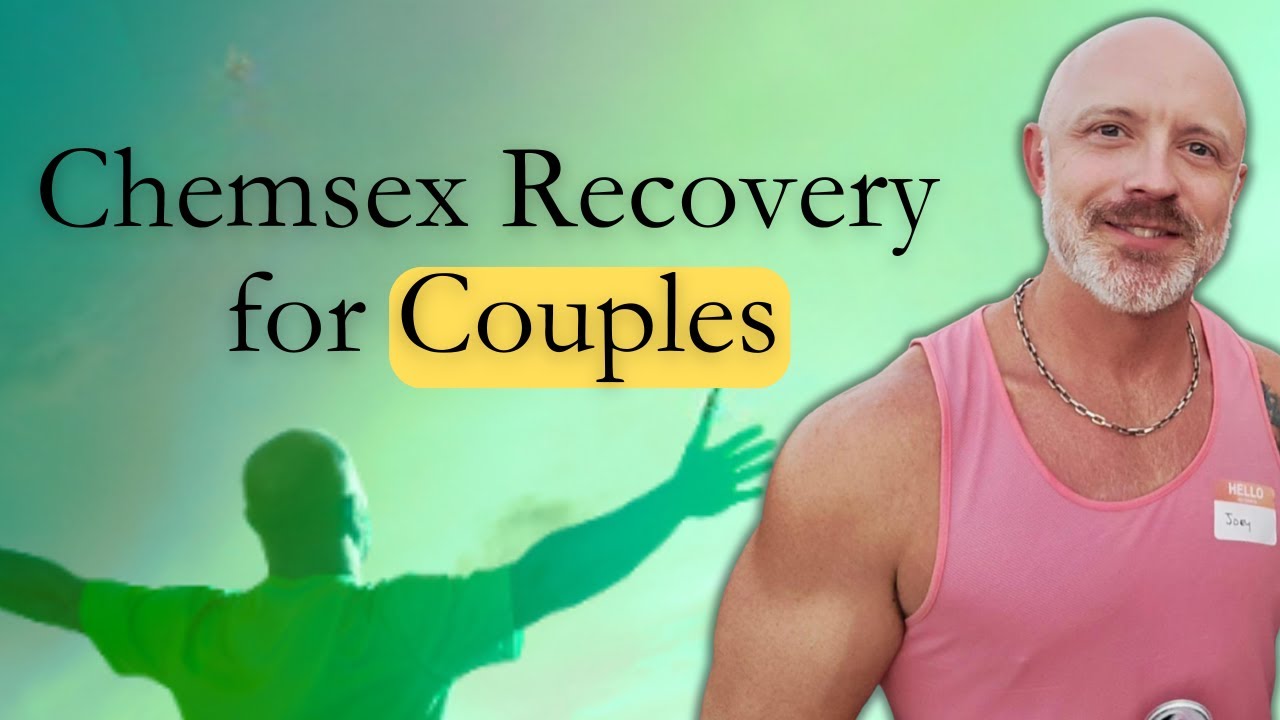
In this episode of the After Meth Caught podcast, Dr. Dallas Bragg interviews Joey Monahan, a former meth‑using gay man whose partner does not use. The conversation explores the unique challenges that chem‑sex and meth create for gay couples, whether both partners use or only one does. Joey recounts his personal trajectory—from early exposure to party‑and‑play on early gay dating sites, through a three‑month relapse cycle, to a pivotal moment when his husband discovered his use and forced a confrontation. Together they instituted a set of recovery practices that Dallas later distilled into five “commandments”: (1) temporarily close the relationship to eliminate triggers, (2) enable location‑sharing for accountability, (3) block all party‑and‑play apps and cruising venues, (4) commit to complete honesty (no lying), and (5) enter a structured treatment program. The hosts discuss why enabling, codependency, and lack of consequences undermine recovery, and they emphasize the importance of clear boundaries, consistent accountability, and the partner’s role as a supportive but not parental figure. Joey describes therapeutic tools used in Dallas’s program, including parts‑work (identifying the “meth persona” or “Tasmanian devil”), shame reduction, journaling, video documentation of relapse episodes, and reframing relapse as a learning opportunity rather than a failure. The episode also introduces Joey’s new coaching venture, Gay Coach Joey, which focuses on helping gay men navigate shame, relationship transitions, and the gay scene. Throughout, the tone remains conversational, empathetic, and instructional, offering concrete advice for both users and non‑using partners seeking to repair or sustain their relationships.
Chapters
Welcome back to the After Meth Caught podcast. This is your host, Dr. Dallas Bragg. Today we're talking about a subject that needs to be talked about much more than it is, and we're adding to the discussion, and that is couples. Couples who are either both using meth or one's using meth and one isn't. And how do you navigate that? How do you survive that? And all the other questions related. So there are many angles to look at it through. Today I have a guest who is a former meth user whose partner did not use meth, and they've been able to repair and fortify and actually improve the relationship. Now, there's a lot of you who contact me who are the partner that doesn't use, and you are desperate for advice. And I'm still shocked at the amount of gay men who are not aware of the Tina scene and the chemsex scene that's coming out there in the gay community. Really shocked by that. But they're taken by surprise. All of a sudden, their husband is gone for 2 or 3 days at a time, and they have no idea what to do. Here's the thing. There is little to no support for you. I mean, there's hardly support for the meth user, much less the partner of a meth user. So I'm hoping that through this interview today, That this helps you somewhat. I really do plan and hope and am trying to come up with some type of support system for you. If you're listening, you're in a relationship right now, your partner is using, you're listening to this to try to educate yourself, that's great. That's one of the best things you can do. I know there's little to no support for you. If you're listening and you're the meth user and you have a partner who isn't using, This could also help you as well. A lot of you out there. There's a lot of guys coming to me and they want help and their partner has no idea they're using Tina behind their back. I don't know how you manage that. You are a very resourceful man. That's all I can say if you're managing that, but you're out there. Today we're talking to Joey. I'm gonna introduce him in just a minute, but before I do, I have to say my spiel, my spiel, and that is we do have a supplemental study guide. With every episode that comes out, the link is going to be in the show notes. You are also going to get that in your inbox if you sign up for my newsletter at www.drdallasbragg.com and click on blog and subscribe. If not, just use the link in the show notes. The study guide will help you take a deeper dive into the episode. If you cannot support the episode any other way, please Like, subscribe, review. Give us a five-star review, please. I prefer on Apple or Spotify. Subscribe to our channel on YouTube, The Aftermath Podcast. Tell a friend. Share it to your social media. I would love all of that. I really would. That is the currency. That's how we get out there. The algorithm is taking the podcast. It is picking it up. I will say we're growing quickly and around the world, and the algorithm is picking it up and taking it to the places. it needs to be heard. So I'm really appreciative of that. Okay, without further ado, let's talk about our guest. So our next guest is a certified expert on getting unstuck from shame. On Instagram and TikTok, you might know him as Gay Coach Joey. After nearly 2 decades coaching leaders across corporate America, Joey Monahan has made a deliberate shift. Now through his coaching company, Gay Man Remixed, he's dedicated to helping gay men dismantle guilt and shame, find their true potential, and navigate the often treacherous gay scene and community. Joey lives in with his husband and 2 dogs. And today, he's helping bring his coaching and personal lenses to a topic that hits incredibly close to home: how to navigate and ultimately save a long-term relationship or marriage when one person is using and the other isn't. Wow. Welcome, Joey. Thanks.
Great to be here.
Glad to have you here. You're bringing a topic to the table that not many want to bring to the table. You know, I understand, but I've asked so many partners, either the partner that has used or the partner that hasn't used, to come on the podcast and tell their story. Very resistant to do so. A lot of times they just don't wanna relive what they've gone through. It's painful. It's painful. It's described as a nightmare to some people. Um, and I will say most of the times these relationships do not last. Um, but you've been able to do that. But before we get to that juicy part, listeners, you're going to hear the background. Uh, we want to hear all about Joey's story. Um, we want to hear where you came from, how you got into the, the meth scene and how you got out of the meth scene. So I'm gonna hand it over to you. Great.
Yeah. Thanks, Dallas. Uh, gosh, I guess where to begin, I guess. Where did I first even encounter Meth, PNP, all of those things. I think all the way back to my college years. So I'm very transparent. I'm 44 now. So when I was in college, I don't know how many years ago that was, but I think it was about when I was 20 years old. I was on, I think it was gay.com or one of those websites. It was way before Grindr, of course. And that was the first time I encountered somebody who said, you should, have you ever tried PNP? And of course, I had no idea what they were talking about. Even when they explained it was Party and Play, still had no idea. And the guy even said, he's like, well, have you done poppers before? I'm like, yeah, sure. So he said, well, it's like poppers, but for like 24 hours. So that was the beginning of being lured in. Didn't do anything actually, any partying or anything like that for, my gosh, it was probably a good 5 or 6 years, but the seed had been planted. And eventually after a couple of bad breakups and things like that, I find myself back in the same chat room, I guess. And found someone that was, that asked basically the same question. And this time I kind of felt like I had nothing to lose. So off I went over to his house and it was the worst experience I've ever had. I did it, but it was, I don't know, it didn't, I, in my mind I was like, is this it? Is it working? It was not a good experience. And I kind of left cuz I got freaked out the way I felt. And I got home and proceeded to have the worst 24 hours of my life laying in bed awake by myself doing nothing. But as we all know, That's not the end of the story, unfortunately. And with the whole idea of euphoric recall, the part of me just seemed to have forgotten how horrible that comedown was. And I would say within 3 or 4 months later, I was giving it a go again until finally, you know, I kind of had similar reactions and experiences. But what really I think was the unfortunate game changer and green light for me to really begin the downward spiral of this was when Truvada and PrEP came out. That now there was this like green light of safety to go out and do it. So this is when I really kind of unfortunately took off and the experiences that we all kind of know that get us hooked onto it in the first place were what I began to really experience. Kind of got hooked in that. But again, every, each time I would do it, and it's probably similar to everyone, the comedown was just so horrible and was like, I would never do this again. I'm so ashamed of myself. Oh my gosh. Only to find myself doing it again 3 months later. So this 3-month cycle, which I've come to now understand, I don't know if I really had set a timer or a clock back then to measure it, but it, you know, in looking back, it was really like that was my cycle for myself. Towards the end of, end of this was when I met my now husband. And I think it had been maybe about 6 months of me not using. So I was thinking I was really in the clear. This was done. So probably did what a lot of people do is like, well, now I'm in a relationship, so it's over. I've, I, I'm in, I'm in a relationship and to be truthful, I did find the one. So I felt like I had buried the hatchet. It was done. It was over. And we do and continue to have a very great marriage and fulfilling like sex life and fulfilling just overall. But the thoughts, the feelings, the dreams, the things like that, that we all are probably very familiar with were still occasionally popping in my mind and I would have fantasies about the things that I had done, the things that I kind of still felt like I had yet to do. So there was some unfinished business that maybe we can talk about as we continue the conversation. But we did end up getting married and it's great. You'll probably hear me talk so much about that as we continue this to the point where you'll be like sick of hearing me tell you how great my husband is.
Too late. No, I'm just, I'm joking.
But the, but things were really fine with the exception really that I just had that, those dreams and those thoughts and things like that that would kind of creep in to my own fantasies. So kind of leads us to the beginning of the conversation of to where crystal meth really did find its way into our marriage. So happy to, to say more about that, but also see if there's any holes you wanna poke in my My story so far.
No, I'm not gonna poke any holes in it. I do wanna point out though, the 3-month cycle is important and I'm glad you, you brought that up. There's a lot, this isn't on the subject of, well, I guess it could be for those trying to get a, a good idea of, of, uh, what it's like. And this isn't just chemsex addiction or, or meth addiction. I think it's in general. But what I am finding in the chemsex world is that just like a season, You know, we're a part of the nature, we're a part of the earth. And just like a season, we have seasons. We have 3 months, right? In a 3-month period, I feel like we go through a whole cycle of all sorts of different patterns. But addiction or meth use is no different. Now, you might be using every 2 weeks right now, but what you're shooting for, I mean, there's a reason why the 12 steps say 90 and 90 days, right?
Yeah.
There's a reason why rehabs are 90 days. I mean, the 90 days is A pattern interrupt. So you were going through that, you were in that and didn't know at the time, but now you do, which we'll get, we'll get back to why. Getting into a relationship and feeling safe. So there's 2, a couple sides to this. What I see a lot too are men who are trying to stop. They find a quote unquote sober man, you know, a man that doesn't use meth. They fall in love. Sometimes though, they fall in love because they feel safe and they're in that person's, and they're being, they're codependent on that person because if I'm with this person who doesn't use, that means I'm not going to use. You know, it's the same thing as me getting married to a woman because I didn't want to come out. You know, I put all the weight on her as being the answer to my problems. And a lot of that happens when, And it could happen early in recovery and you meet somebody. And this is another reason why I think they, a lot of places, a lot of programs advise you not to date for the first year. One of the reasons. But when you're trying to get away from meth and you find a guy that doesn't use, and I've had this happen, I've found a lot of guys find out that I am a recovery coach and find out that I am not using and they latch onto me quickly. And, you know, I used to think it was because of me, but a lot of times it's because they They, they feel like I'm their saving grace. You know, they're waiting on someone to save them. And there's something about being in that relationship that feels safe. So if you're listening, I want you to encourage you to, if you, I'm not telling you when you can or can't date, but if you do find someone and they're not using and you are, that's part of the attraction and you feel like there's no way I'm going to use because I'm with them, that is a red flag for you to pause. And think about what work needs to be done. Also, if you are insistent in getting in that relationship, you need to behave as if you're still in recovery, meaning you have to keep doing all your recovery tools as if nothing has changed. And if anything, now you have a built-in accountability partner. That person also needs to know your past. And where you are, especially if it's in the first year, you know, you have to let them know and give them an idea. 'Cause a lot of these guys, it's back to my wife, you know, my wife was caught off guard when I came outta the closet. A lot of these guys are caught way off guard a year down the road when the guy relapses. He had an issue with crystal meth and he, and the partner didn't know.
Right.
If he would've known that, there would've been other steps to take and boundaries set in the relationship that could've prevented it. So it's important that if you're going into a relationship to unveil that, you let them know. You don't have to do it right away, but you've gotta, you've gotta be vulnerable enough to make sure that the partner knows everything that they're getting into. This is not the answer to your recovery. I just wanted to say that.
That's very important.
I wanted to say or ask you fantasies and porn scenarios, dreams. You're talking about using dreams. Are you talking about dreaming of— what were you talking about when you say dreams?
Well, actually, now that you kind of bring that up, I'd say both. There, um, like dreams, like literally of using dreams that we're probably pretty familiar with, but also kind of like fantasies. So it felt almost like, like looking at it now, it was just unfinished business. There were like things and scenarios and things like that that Of course it makes you feel so free that you can explore. And I felt like I was like, you know, fantasizing about still pushing boundaries that I hadn't yet done under the influence. So I would kind of classify it maybe as just like unfinished meth business. Yeah.
Yeah. Yeah. I mean, yeah, I have guys say, well, I haven't been, I haven't been, what is it? Spit roasted. I haven't been spit roasted yet.
Something like that. Yeah.
Things like that, right? Yeah. And you feel like you have to have that, that checkbox, that box checked.
And I think it was like talking with you and then Dr. Fawcett who's been on the program, right? That really a, a kind of a game changer in working with you guys was that I realized like you, I needed to be intentional about no longer thinking those things and redirecting those. So not really in a shameful way, but just going, okay. You know, if I'm, if my mind drifts to that fantasy, being intentional and saying, no, we're not, we're not going there. Where else can we go? And starting that was really, I think, very helpful for me because really before I had encountered you and your work, I didn't realize that that was kind of, and it makes sense, silly kind of saying it, but like that it was kind of fueling a fire little by little each time you allowed your brain to allow my brain to do that. So, you know, redirecting those fantasies into the fantasies that I really wanted versus fantasies that were only doable under the influence. I think that was, that's important for me to, to get out there to everybody too.
Yeah. And to redirect them. And you can also say to yourself, you don't have to say, I'm never going to get that. I'm never going to get my spit roast. Right. Is that I'm not going to get spit roasted right now. Yeah. Right. Right. It may happen, right? Keep it, keep the, keep the fire alive. Yeah. You'll get spit roasted, I promise, in a sober environment, right? Yeah, that's good. So when you and Rolando, you probably said this, you might have said this already, but when you got married, did you fully disclose the years of, of meth use?
No, I think the, the conversations that we had around like substances all kind of got put into one, if you will. So we, we've been known to like to use like to, well, like to use other substances that are, that are a little less taboo, if you will, within our community, which is, as you know, a whole nother conversation that we could talk about. But that one was one that was very quickly glossed over by both of us, that it was just kind of a given that that was no. But we both had disclosed that there had been, we, that we both had kind of, we used the idea of, well, I've done pretty much everything and these are the ones that I'm really interested in.
Yeah.
that I would allow myself to do now. And meth wasn't one of those outwardly. So it was kind of like a quiet lie, if you will. So, and then at the time I still wasn't really honest that I like had a problem with it because it, at that time I think it had been several years before I had, since I had last partied. So yes, we probably one of the first red flags, if you will, was like, Not really being forthcoming about my experience with that for sure.
Yeah. Yeah. Good. There's a do and a, there's a do for you guys listening. Do disclose. Yes. Even, even if it's been years, right? Yep.
And yeah, cuz the reality is it, for me, so I presume it probably could happen to everyone else, is that it will come back. If you have unresolved business, particularly with this substance, it's, it's gonna rear its ugly head back one way or another. And so I do think you're absolutely right. Dallas is like, The more forthcoming you can be about it, the less, you know, the, the le— the less surprising it will be that you want to get out in front of it, especially if you're in the same relationship situation that I was, where you re— this is the one, this is the guy, and you don't want to lose him. You really are better off saying what's, what you've been working on and the progress that you're making versus hiding it, because when it's discovered later, It's much worse, right?
Yeah. Yeah. I mean, what is love? It's a commitment, right? You have, you're either committed to somebody or not, basically. And if you're not because they used to use meth, you know, there's some other issues you wanna, you wanna talk about there, right? But for the most important part though, is that person needs to know that, that partner needs to know that in advance so he could be looking for the signs. So, and we'll get to the signs next. Okay. So you're in this marriage, you found the one, and then what triggered your first use, or can you remember?
Yeah. So at some point, as many gay couples probably do, we had a conversation about, do we wanna remain monogamous? 'Cause we had been together for maybe like 5 or 6 years at this point, monogamous. And we had the conversation, we both agreed, well, I think it might enhance our relationship if we explore the open Realm. And this really was the activating point, I think, for my reusing episodes, if you will, that it really did kind of give the green light to be on the apps again, cuz I hadn't been on any of those for a while. Explore some of the cruisy spaces and bathhouses and things like that. All of these like kid in a candy shop kind of experiences for someone who has a history of of meth use like I had were suddenly all available with, whereas the day before had not ever been in the picture. So that's kind of where things took off. And I would say literally within a month or two, I had encountered someone, I think it was on Sniffies or something. And he said, he disclosed that he parties, but I was under no obligation to party. Which is very—
that's nice. That's nice of him.
Very clever manipulative trick now that I think about it. So kind of his way, I mean, really it kind of felt like his way of luring in anybody and then, well, since you're here, you might as well try it. So of course, I mean, that was, it worked on me. Uh, I was there and I would say this was probably like month 2 or 3 of the open relationship. So yeah, so that happened. And then I remember telling the guy too, because again, I don't think I knew really a whole lot about what I was doing with the drug, even though I had a little bit of experience with it. I was like, well, we could do this for a little while, but I need to be sober at 5:00 PM for dinner. This was like in the aft— early afternoon. And the guy was like, yeah, no problem. I'll just give you a Xanax and you'll be fine. And so I was like, great. Well, we know that didn't happen. And I didn't make dinner. I just tried to, I took the Xanax and tried to like sleep it off. And even that didn't happen, of course. So this was like the first of many very, I would say, identical experiences. And it didn't take long for my incredibly beautiful and smart husband to be seeing that something was wrong with me.
Mm-hmm.
I mean, I would say it was literally the first time he was, he literally said, um, when I was trying to sit at the kitchen table and have a conversation with him after I had come home from this person's house. Yeah. And he was like, I don't know what's wrong with you, but it feels like there's literally a different person sitting here at this table with me. And like, 100% right. 100%. I mean, he is a smart and perceptive guy, but I also probably was not. It was, I was, it was a dead giveaway too.
Yeah.
So this repeated itself several times where I, I would just try to hide and bury myself in bed. Then when he would fall asleep, I would be reactivated and, and get back online and try to find some fun, try to cram some fun in before everything wore off. And eventually this came crashing down when he, he woke up while I was in the living room on my phone and he just knew exactly what I was doing. He, he's just very smart and perceptive and he was like, there's, I'm so mad at you right now. I am leaving. I'm walking outta here. He grabbed his keys and he was gonna go get a hotel room. And I literally just saw this. I kind of had like a, like almost like a voice in the back of my head or something like that that just said, tell him, tell him, tell him. And, and it was, it was kind of almost like this like spiritual kind of experience where it was like, tell him, because if you tell him, the cat's out of the bag and it is no longer That thrill taboo thing because now he would know. So as he was walking out the door, I just said, I need to tell you what's really happening. And I told him everything and he ended up not leaving. And yeah, so we, that was really the turning point of my use. I started to really understand that you can't do this at 12 noon and be ready for cocktail hour at 5:00 PM. To say the least, but also I saw the man of my dreams walking away from me and I was like, this can't be, this can't, I don't want this to happen. So I knew I had to take action. And it's true that when I told him too, he said, I knew something was wrong, but I never would've guessed it was that. So, but now it all makes sense. And so we had a really long conversation and really the backstory that I've shared with you all, I became more upfront about what had happened, how long this had kind of been going on. And I realized finally that this was a problem and a pattern, not just like a weekend warrior kind of approach to it, that it was, that it was like a regular thing that I was happen— happened to be doing. And I think in my mind I was like, well, I don't fit the profile of like a meth user that we all can kind of conjure up right now. And, you know, and especially now in my recovery journey, I hear that a lot of people feel that, like, have that exact same thing. Like, oh, I can't, I don't have a problem because I'm not like what I've seen on TV as someone who's a meth user.
Mm-hmm.
And that's simply not true. But it's also, you know, now that I'm further along, it's not really even helpful that the substance itself is just, it's a very tricky and very unique one. And it's very, it hits even in a unique way to us gay people who have like closets in our mind to accept this temporary cure for the trauma that we're all navigating. And that's certainly, I think, what happened to me. So the cat is outta the bag.
The cat came outta the bag. She did. She did. Okay.
Okay.
So some points that I wanna kind of highlight here, open relationship. I, there's a, there's a question that I always ask first. When men contact me, when couples contact me, or the man who's not using or the man who is using. So when I say men from now on in this podcast, that's the umbrella. Okay. The first question I'm going to ask is, is the relationship open? Because if you are both aware of the meth use, if you are both committed to trying to make this work, if you're trying to help the meth user stop, in my humble opinion, you must close the relationship. I'm not taking your rights away. I'm not taking anything away from you. I promise. Temporarily, it's best to close it up, to create boundaries, to give yourselves a chance to focus on one another and the relationship. Also, because, and this is what I try to explain to the non-meth user partner, if your partner was an alcoholic, Mm-hmm. Would you keep a 6-pack of beer in the refrigerator? Would you do that as something dangling in front of him all the time? It's just the same thing with chemsex, with Tina use. If you're allowing your partner who's struggling with meth use to continue to go out and fuck other men, the trigger is always there. That's the trigger. It's the libido. It's the sex right now. Of course, it's probably more than that, but I'm just saying that's, that is just too dangerous of a situation. Now, does that mean open relationships are wrong or the fault? No, but I do think that when you're working on it, you must close it. And then temporarily you can open it back up later if things get better or whatever. So you're saying, I mean, that's, that's what happened, right? I mean, you, the relationship opened and it wasn't long until you discovered it. You're going to discover it no matter where you are in this world.
That's right.
If you're in an open relationship now, you may have a different open relationship where the both of you only play together or you both of you have to You know, you have to know who the other's with or whatever the hell, you know, they come in so many flavors and varieties now that I'm not saying it's all open relationships either, but I do think no matter what flavor it is, if one person is using, has a meth use issue, closing it is your best bet if you want to salvage the relationship. Do you agree with that?
Totally agree with that. I think that is, there's a lot of game changers in this relationship, but I think in terms of the meth use that popped up here, But I do think that was the most important fundamental thing that we did. And it makes sense. I coach people on this too, whether it's like, whether there's substances involved or not. If you are having a big problem in your relationship, you wanna eliminate all the other distractors so you can focus on the relationship. So that I think is just fundamentally like the most important thing if you're in a relationship with someone. One of you is using, heck, if both of you're using, I think closing the relationship is so important if your goal is to like fix the relationship and save the relationship. And it's, it, it also is like a right now, like don't think about it. Don't give it a day to sit on it. Close the relationship like right now. And I, that was it. Like the moment, the same conversation when, when I disclosed to him about What, what was happening in the same conversation, we closed the relationship. So there was no like, well, let's think about it and whatever. No, it was like, I was committed to whatever we needed to do. And I think even then, I think I was still even coming down from, from the situation, but I was like, no, this is, this is how we got in. This is how I got myself into this trouble the first time. So close the relationship. And you're right. It doesn't have to be forever. But let, but at least start there. And also think if you're the one in my shoes that's using and you're committed to closing that relationship, what a powerful message that sends to your partner that you're like, yeah, I'm gonna do whatever it takes because I, I know that I've, I've made some bad behaviors, but that stops now. And I'm doing, I'm gonna have behaviors and do behaviors that signal that I care about you and I care about this relationship improving and healing from this.
Yeah. The other thing I wanna point out, one of the other things, is getting up after Rolando went to sleep. So this is consistent across the board when I talk to guys who are using, either they're using and the partner doesn't know, or they're using and they're on, they're trying to get to stop or whatever. It's very, it's very typical. So if you are The one not using and you're listening, this is the thing to look for. I don't know how that you could do it. Maybe set an alarm. If he's getting up after you go to sleep, he's gonna be out. He's gonna be scrolling. You know, there's some guys who, there's some guys who will watch porn and do the thing all in bed with the, with their partner. I guess these guys are heavy sleepers. Because I wouldn't be sleeping through that. Yeah. That's just one of those things that, that's one of those signs. And listen, I hear this, this goes along with the Other complaint is that I don't want to be treated like a child. The meth user is, I don't want to be the child because here's what happens in these relationships. And you confirm this or not, is that the non-user becomes the parent of the user. I mean, you, it becomes a parent-child-like relationship because the meth user has to be monitored. They have to give their privacy up. Their location is on. They have to check in, their apps are blocked, their sites are blocked. Listen, you become, you have to go, if you're not going off to rehab, inpatient treatment, then you have to simulate the experience and simulating the experience is being monitored, being watched and being treated like a child in the beginning. So does that resonate with what you just went through?
It really does. And that was, uh, that is exactly what we did. So he and I talked through it that night and then He's smart. He's like, I'm going to leave you in the guest room. You're not leaving the house. I will be in this bedroom and think about, and in the morning, I'd like to talk about my expectations of you and then what your expectations are of me, given what we've just talked about. That is so important. And you're absolutely right. My biggest fear was his expectations were what if I could write a book on How to do this, these would be like the 5 things that I would talk about. So the one we've already nailed, right? Like close the relationship. Do not hesitate. Do not like, just do it now before you even think about it. And then the second one is enabling location tracking. I, we use the one that I think is really useful. There's a lot out there, but Google is the one that we use, Google Maps. And I'm getting a little technical here, but this one is great because when you set it up, He can select a location and it will, any location basically in the world. And when I'm there or when I leave, he gets a notification. So he, I think he has it for home. He had it for where I was working. He could do it anywhere. Like one of the things I lied about was going to the gym. So I told him, I was like, you should put the gym on there. So like when I say I'm going to the gym, you would get a notification that I'm going to the gym. Now I think what your point is exactly what I think a lot of people probably have is like, well, I don't want to be babied. I don't wanna be babied. I don't wanna be micromanaged. But also the important part, that is your partner doesn't wanna be the one doing this to you either. So I learned very quickly that if he had, like, if he had a complaint about something, that I needed to just listen. And that if I, especially early on, if I was like, man, I can't believe I have to tell him everything. That was where I said nothing because my larger intent.
Mm-hmm.
was to earn his trust back. And he provided this as a tool to do that. There's no way I was going to like say, like argue against that because I think it was reasonable. He also said like, I know this won't be forever, but I think in the interim, this is important. I do like the way we set up location because it was automated. So he didn't have to constantly go, where are you? Where are you? Where are you? We didn't have to like even have a dialogue about that because you could always see where I was. It also tells you like little things, like most of these apps do now. Like if you're doing location stuff, like how strong your battery is. So if you like, oh, my battery died, they can see that's not, that's a lie. So like all of these things that are automated so that you have to tell the truth. This was critical for me in the first several months, I think, because when your brain, when my brain was just trying to heal and like let go of, I call it the Tasmanian devil, like that's the The personality that was associated with my like meth use, that slowly escapes my brain. But until then, these things were in place to monitor the Tasmanian Devil until the full me could resume the helm of the ship. The other thing, so we talked about closing the relationship, location tracking, no apps, no cruise spots, no bathhouses. So all the apps were blocked.
Mm-hmm.
He has the passwords for those. Actually, they're still blocked cuz I have discovered a newfound freedom for life where no need to, no need to do those. So they, uh, beneficial in many ways. And then honestly, just not lying, cuz that was the big, and even now, like the drug use was obviously a big problem, but he said the most hurtful part about this was that I'm not someone that lies and I certainly, if I ever do, don't lie well. But, but the fact that I was constantly lying time and time again is what really did the most damage here. So being honest with things, no matter how hard they were, how hard they are, was something he really asked of me. And that's something that, you know, you can't simply like put a location tracker on your phone to deal with. But that was something that I really latched onto too. And then the final one, which is where Dallas comes in, is entering some sort of drug treatment program. And literally just like a week before Dallas, I had like seen your program on Instagram. I'm not sure if I searched for it or it popped up, but Somehow the universe knew that I needed to find you and, um, and the timing just worked perfectly for me. So that's really where things really began to change for me. So those important aspects really of if you want to heal the relationship, those are the things that I would, again, I would write a book about and publish and say, these are the commandments, people do them.
Yeah. 5 Joey Commandments. Yeah, write a book. Okay. Close the relationship, enable location tracking, no apps, no cruising, no bathhouses, no lying, and enter into some type of drug treatment programming. Yeah, the lying part, you know, we're a lot of times you're, you're so much better off if you're the user to just admit that you used instead of coming up with the stupid ass excuses that you hear. But somehow a lot of these partners out here are buying it. You know, they're, they're buying it. Their, their, their partner's disappearing for a weekend at a time and they just aren't asking questions. And I just don't get that.
Right.
I just don't understand that. That's, I'm baffled by that. But yeah, you know, so I wanna mention here, thank you for the 5 commandments there. When he started to leave, so he immediately, you're, you're outta the bed, you're, you're scrolling, he's about to leave. So. He is giving you an immediate consequence, basically. And what I see often, and this is one of the first clients I had, this was the case where the partner knows what's going on, but the partner is trying to be, the non-using partner is trying to be so supportive and such a good husband, such an open-minded, what is the word I'm looking for?
Supportive.
I don't know, just an open-minded, supportive partner who is always there. So what happens is the user partner will go out, come back after a few days. The non-user partner will make them dinner, help them shower, get them in bed, let them sleep, and, and just, just hope, I guess, that someday things change.
Mm-hmm.
And I love that, that you're being supportive. I love that you are trying to work on the relationship and maybe you believe in him, but the consequences have to be there. That the pain has to outweigh the pleasure or there's no rock bottom. There's no incentive for there to even be a rock bottom if you don't have a consequence. Why would a meth user stop using when they can go Fuck their way across town, come home, have a meal, a man, and a bed. I need to come up with another M word for that. A mattress. A meal, a man, and a mattress.
A mattress.
You know, why would you wanna stop? I mean, it might be affecting your job. Uh, it might be affecting your relationships with your family, you know, but what's your incentive? What is your rock bottom? What is your consequence? And so that is what we call enabling. And here, let me, let me just read this definition from that I found on the addiction resource. Well, okay. Well, it's gone now. No, here it is. Enabling from the addiction, American Addiction Centers. So enabling occurs when one partner, usually without conscious intention. So we have to remember this. This is not a malicious intention. This is without conscious intention, makes it possible for the other to continue drinking or using drugs without having to face real consequences. You have the best of intentions, non-user. You really do. You want to support him. You love him. You see who he was and who he is underneath there, but you are feeding it if you don't provide some type of consequence. Rolando was out.
Yeah.
I mean, it sounds like he was like, I'm out of here, you know. And you saw your life walking out the door, you know. Now the other mistake there is if he says, I'm outta here, he leaves and comes back, and then he's outta here again and he leaves and comes back. That's right. You know, the inconsistency also sends a, sends a, a real negative message to the meth user because, you know, they're always gonna see the loophole and the, the way outta this.
Yeah. And I should preface everybody too that he is the type of person that does not Love. So like, we both kind of are like this. Like, we don't, we, if, if you say I'm breaking up with you, like it's over. Like it's not, I'm breaking up with you. And then 2 days later, like, oh, we're getting back. Like, so we would never say things like that. So when he says, I'm walking outta here, he's going, like, there's, it's not like a, he's not gonna get like 5 miles down the road and come back. Like he is. Going like, so that's, that really aligns with what you're saying that like accountability is like the critical ingredient here that like, that if you're a partner and you are caring for someone who's using, accountability is the best thing you have to offer them, like crystal clear accountability, expectations balanced with accountability. So like, if you say something, you need to do it. If you, whatever you say you're gonna do, you have to do. This is so important. To anyone, I think, in the addiction space, that when accountability doesn't have consequences that are, or when the expectations don't have the consequences, that is like fuel for the fire. It's like, love the gambling that's involved there. And most of it, we, you know, people who are in, in the addiction space are like thriving in that uncertainty because they know, oh, they'll come back and they use it as kind of take it for granted. But when there's crystal clear accountability attached to the expectations, I think that's so incredibly important. To moving past this as a couple and as a person. That's right. That's right.
Yeah, that's right. So you, you said it had become a problem and a pattern by that point. So how often were you going out to use behind the scenes?
This would be, I would say is like right aligned with before, like every 2 or 3 months. So the same thing would happen. I would use, do the thing when it would wear off. I would terrorize myself with shame. Couldn't, can't believe I did this. I can't believe I did this. In a relationship with, in a marriage with the man I love, all of that. And of course it was an internal battle too. So, um, you know, it was, the cycle itself was again, every 2 or 3 months. I think it was 3 months basically in some places. In hindsight, it was like to the day. 'Cause once I entered your program, I started looking kind of at the calendar and I was like, I was really surprised that it was almost 3 months to the day where my brain would go, okay, it's time again. And we forgot about how horrible everything was in the interim.
Right, right, right, right. Okay. Okay. So this, that was the breaking point. And then you, you opened, you opened yourself up, you told him everything, and then you decided together that you would, you would do something about it. Right. So what were your, what were your options? So you, you chose my program, which we'll talk about in just a minute, but which, by the way, Your phone listens to you. I mean, the algorithm gets to people, oddly enough, gets to the people who need to see it.
Yeah.
Because I think the phone says, ooh, he has a meth problem.
Yeah.
But what was, uh, what were some of your options that you were looking at?
That's a great question. So I, I, I had also been seeing a therapist and so I had also been lying to him even at the intake at the beginning of therapy years ago. He asked about substances and I just glossed over that. And so finally, I, that was also actually, that was probably commandment number 6 is tell your therapist what's going on because that's what they're there for. And so I told him that and he gave some really important advice and one of which was to go to some sort of meeting because not necessarily just because the curriculum around substances, but the fellowship. So he was, so he recommended like CMA, AA, any of those, and I had Been to those in the past when I, I actually had a user person that I had been with who had entered recovery and part of his journey was to kind of rectify some of the relationships and things and people. I think he felt he had introduced me to the scene. I had used before, but he brought me to, he asked if I would come to a meeting and I did and it didn't quite resonate with me, but mostly because I didn't think at that time I had a problem, so I didn't understand. Why it was relevant to me. But that was, those were the things that he had kind of, my therapist had recommended initially. It was like, go, now that you kind of understand, you're gonna get more out of this. But I like, I did feel at the time I wasn't ready to, I didn't want to necessarily like stop drinking or things like that, even though I now can kind of see maybe there was some link, a link between the two. But I didn't want that. And I felt like that was gonna be a no-go for most of those other programs. I asked Rolando, I was like, is it okay if I look for something else, um, that might fit our needs a little bit more? And I also am being a coach myself. When I saw your program, just the way that you, um, talk about everything, like we, we talk about the substance use and the experiences that we had. But it seemed like it was really getting to the unique nature of why we're going and using this in the first place. And if we solve that, that's more of a sustainable way to stop using. And I, that just really, that's what I heard and that's what resonated with me. So that's kind of what I wanted to lean that way because again, it resonated a little bit more with my background as a coach and kind of, and a little bit more in a spiritual way too, that I felt that this would challenge and activate all parts of my brain, not just like the substance use portion. So I was like, I asked if, I asked him, I was like, would this, would this work? And he said, yeah, that sounds, that sounds great. And it does. He agreed. Like, it sounds kind of like you and you would get a lot more outta that probably than something else. So that's when it all started to happen.
Good. Okay. So you got into the, you got into my program. Can you talk a little bit about That experience, you know, I'm not asking for a commercial.
Yeah.
But just your experience with it. And I do wanna add a little caveat there, and that is you mentioned drinking, right? Like if you go to an abstinence program, you're gonna have to stop drinking right away, right? If you go to rehab, you're gonna have to stop, or drug treatment, you're gonna have to stop drinking right away. The thing that I like to do, this is for you listening too, is Experiential learning is the best learning. Like Joey has stopped drinking alcohol, right? From what I remember. But you had to come to that conclusion on your own through experience. Because if somebody would've told you, you cannot drink, that's all you're going to be thinking about. And then all you're gonna do is see events where you drink and you just wanna drink and you wanna drink, right? So But through experience, you learned that alcohol is not for you and alcohol is not for Rolando. And together you stopped drinking and that is a sustainable lifelong decision. Is that correct for you?
Yeah, it's true. That's a great way to put it. I think it was, that was one thing I think I just didn't want. I didn't like being told that because again, if you don't think something is a problem, it doesn't go over very well, especially when you're an adult, when someone tells you you can't do it and you're like, But that's not even the problem. I wasn't connecting it or anything. And even now I'm, um, I think I'm further along in my journey. If I really wanted to like drink, I don't think it would push me into that danger zone, but I don't want to because I think to your, to your point, what you were saying, I just discovered in the journey with you that I was like, I wonder what it's like to not drink. I wonder, I wonder, I wonder if I would tap into different places if I don't have that morning fog every morning.
Yeah.
And that curiosity is how I kind of entered in the space. So like, if you talked to me like 5 years ago and said, 5 years ago, 5 years from now, you're not going to be drinking. I would be like, there's no way that's possible. So, so yeah, I think you're right. The experiential part of that, when I became so curious through your program about like what other ways, what other things might be getting in my way, large or small. And that one just kind of popped in my mind because I was now open to really figuring out how to get, how to tap into a better version of myself.
Okay. And so what did the program do for you? Where did you get from where you were to where you are now? How did that happen?
Yeah. So there's a lot of components to it that I really want to share with everybody, but the ones that I think, just because time is not always on our side, the great part about the program is that you really helped me Move, like to stop use long enough. So like, so basically like holding this use fabric up so that I could go in underneath and really figure out what's causing this in the first place. So, so you helped really put in some key factors, some of which we were already doing right with like the location tracking, locking my phone, or locking apps on my phone, like all of these things, blocking and getting rid of. any potential contact with people that would, you know, be enabling or a dealer or anything along those lines, like blocking and getting rid of all those user buddies, doing all of those things was so important to me because only then when I had achieved a little bit of sober time, did I really get to go in and explore these things and give them the attention that they deserve. So when that fabric was held up, we could actually do the real work and One of the more transformational things that we did was kind of like, kind of examining a version of like parts work. So like IFS kind of work where, what, but I love the way that we just looked and said, what was your, if you had a user part or character or persona or whatever it might be like, who are they? What do they sound like? What do they do? And I mentioned before, it's kind of like the Tasmanian devil, but like, what are their needs? And then what do they What do they sound like? What are their needs? What are, what, and they're pushy, like these kinds of things. And, and then I think the game changer is like, what are they trying to protect you from? And I think that was the first time, like the entire up until that point, I hated my meth part. I hated the person that was trying to get me to use.
Mm-hmm.
That was causing a war, a war inside my brain. You can't, when you hate a part or you hate something about you, you're hating yourself. And that's just enabling shame. Shame, I think, was the reason why I got into it in the first place, trying to numb that because I didn't know any other way to do it. But that was the game changer for me, was when you helped me see that, like, but you're hating yourself. So we have to see this part as doing something to protect you, even though it's potentially ruining your marriage and making it hard to keep a job doing this. There's something that is protecting you from it. And until we figure that out, this is going to keep happening. And that was really one of the key parts for me is seeing this part of me as something that's protecting me and like a strength. I always think of like, if you, if you watch Wicked, it's like, this could help me meet the wizard. It was like something you didn't realize, something that you thought was really bad, but it actually turns out it's doing something really good for you. You're just seeing it wrong. That was a game changer for me. And of course there's so many other tools that just reemphasize that. But once I started to see this as something that it's trying to protect me from, that I was using this to numb something, then we really worked together and he did such a good job of helping me discover what that was. And the benefits of that really are like, I mean, we, I was asking my husband, like, what are some things that you want me to make sure that I share with the group? And he said, I want them to know that because this experience of what you did and what you've done and the work that you've done, We are a stronger couple than before this had even happened, if this hadn't happened at all. And so, yeah, yeah. That's like a message that I think is important for everybody to know is that if you're telling yourself right now, this is ruining my life, I'm never going to recover. That's not necessarily true. And in fact, if you keep telling yourself that, that's probably what's going to happen. But the reality is, is that you can use this experience to make drastic changes in your life. And in fact, because of my experience with this drug, I'm more aware of problems, traumas, and, and have tools to deal with them than if I hadn't either. Now, this also is not an endorsement to use the drug, but it's important to just know that you're not stuck. This, this could be the— this is more of an opportunity if you really want to embrace it and do the work for it. It's there for you and it can enhance your relationships too. If you're in one, it's not the end, but you do need to do things that signal to yourself and to your partner that you're using this in a way that enhances love and is not destroying your relationship.
Wow. Lovely.
All of that, all of that I learned from your program, Dallas. So thank you.
Yeah. You know, the thing is, if you can keep it in your mind that the meth experience is a, is a crucible, really. You know, it's a crucible for you in your life and your marriage and your relationship, that there's something better on the other side. And that it's— the meth experience came to detox, to cleanse, to get rid of all the shit, you know, that's in there that's causing you to suffer that you don't even know about a lot of times. But you're always better on the other side. end of it. It's just hard to see it while you're in it. So yeah, thank you for mentioning that. 'Cause I honestly think, you know, it's like having a weird example, but it's like having a baby together.
Yeah.
You know, it, it will bring out the worst in you.
Yeah.
Right? It'll bring out the worst. It will test your relationship like nothing else. And this is, this will do that too. And so if you can come out on the other side like you have, I'm glad Rolando sees that you're, you're greater, you're stronger. You're, you're better than you ever have been. I like that you said lifting the cloth up and it's kind of like, it's like propping up the hood.
Yeah.
We gotta look in the, in the engine. Yep. And so, yeah. And you used once during, do you mind me saying?
Yes, please do.
You used once during the program at the 3-month mark. And we, we had put, and this is what I wanna, I wanna also highlight this. In the 4th month, like even if it's 3 months and 1 day, you're going to encounter strange, spontaneous, off the wall. And this is what happened with us is we had a session and I warned you like, listen, something might happen. Like somebody pops up on Snapchat that you forgot about. Or, oh, the other thing I said was you, you're going to run into someone at the supermarket or something like that. I don't remember. I forgot what I said to you, but the exact same stuff.
Yeah.
Thing happened the next day, but you had forgotten to, you didn't realize that this guy you used with was still on Snapchat. He pops up, he's ready, raring to go and down the street.
That was the, that was the thing. 'Cause you, you did a great job. You asked me like, what, what is one thing that's like really dangerous for us to be aware of with using? And I was like, if someone is like sitting outside in their car and they say, I've got it, let me in. And that is literally what happened. And like, you're right, he, I somehow didn't delete Snapchat. I didn't know it synced with your contacts. I go in, um, 'cause I got this message in a popup and poof, uh, it all happened. It literally was like in 10 minutes. So it was like, we probably manifested unfortunately on that call. But the reason why it's important though to share is that I do firmly, and I knew this and Rolando did too, my husband, that Relapse is a big part of, I think, successful recovery, sustainable recovery. And so we had talked about that because that had been something that you had shared with me. And so it's not that he was great with it, but he had tools in place like I did that, not shaming, but also, but also being crystal clear and accountable to what he wanted me to be doing. And the end result was there, the great tool that you have, you had me do was take a picture and a video of myself at the end. of the experience so I could see and remember how horrible it was. That was also a big game changer for me. I still have that on my phone now. And I also sat down and I wrote about 5 or 6 pages in my journal. And it was like, it probably should be like christened somewhere because it was some of the best thoughts I'd ever had. Like the, that experience was just helpful because now I had the experience and the tools that we had learned in the program. It was sort of like going to a movie that you've already seen, and now, you know exactly what to do and what's happening, and you get the choice to do with that information. And so I was like, I'm, there's no way I'm gonna like slip into like victim mode again. I know that I can use this and ride this and get the most out of this experience and not to like make it a very positive experience, but certainly not make it a shameful one. And that really helped me capture everything I needed out of that experience and wrote it down, have the video evidence to reference back to. And it really has, I mean, that was, I've said this like multiple times, but that was also a game changer because I had all of that experience from you and you as a guide too, to keep me going and understand that, reinforce that this is a normal part of the experience. It's not an end, but it's like you always tell me, like we're, we're running a marathon and you trip. You don't just get pushed back to the beginning. You just get up and you go and you keep moving. And when you see it that way, that it's not going back to zero, you're just, you fell and you just get up and keep going. We don't have to start the race over every time. That was just such a mindset that I was able to really capitalize when I actually did that using experience. And, and we came out way better because of that.
Yeah.
Yes.
Great. Thank you for bringing that up. So important. And if you're the non-user in the relationship, I also want to encourage you to not catastrophize. Do not shame. Do not make it worse on the person who used, your partner who used, because that is just going to exasperate the problem. Use it and leverage it as an experience, as a learning opportunity. That using experience that Joey had just, it brought you down to a level where you dug so deep. Like you said, those 5 pages you wrote, you dug so much deeper because of that using experience than you would have if you'd have gone the whole 6 months without using. And we would've called that a success.
Yeah.
Oh, he didn't use for 6 months. I actually, I mean, I know when my guys use, I know it's about to be a You know, they're about to, because we're going to lean into that and we're going to extract from it everything that we need to do. And that's what you did. And you, you together, I think you and your, you and your partner, you and your partner, your husband worked together to make sure that you did leverage that and get the most out of it. It was a stepping stone instead of a stumbling block.
Yeah. And he did a really great job too of like balancing, like we talked about earlier in the conversation. Being crystal clear on your expectations and accountability. So there's maybe a level of discipline that's involved there, but also not being like, but also not being shameful at the same time. So finding that happy medium by not letting them off the hook and do whatever they want for 3 days, but also when they come back, not putting the hammer of shame on them either. So finding that middle ground and exploring that is so incredibly important if you If you're, if you're, if you're, you know, in a relationship with someone who's using and you're trying to help them.
Yeah. Yeah, for sure. Yep. Yep. Thank you. Thank you for that. Okay. So you got through the program, you happily ever after with the hubby so far, and now you've entered into a new venture and I'd like you to talk about that if you want. You're now coaching. Can you tell us, tell us about your, your coaching program?
Yeah, absolutely. So I've been like certified as a coach for 10 or 11 years. And I've kind of been teaching or coaching in like, like profit organizations, nonprofits, K-12, hospital systems. Like I've been a coach of leaders for so long. And I think the clarity that I really got in this experience was what, what my career path isn't super fulfilling. And it was in many ways a problem for what I was trying to numb in the first place. So as part of this, as part of that, I kind of realized, well, what can I do that's fulfilling? And this kind of started out as like an idea I could do part-time, but As we all know, the universe works and delivers when we want. And so one day at work, I just got laid off and, and, and again, kind of similar to the relapse episode that I had, I saw a choice for me to go to get really upset, sad, shameful, or whatever. Or I was like, this is exactly what I needed to light the fire under my ass to do what I really want to be doing. So this is no longer a part-time gig. This is what I'm doing and I'm all in. And I haven't looked back ever since.
Uh, so.
That's when Gay Coach Joey was born on Instagram and TikTok. And so I've been coaching leaders all this time, but I decided, you know what, I'm going to shift and really help guys like myself in the gay scene who are— we all are facing and overwhelmed with shame, trying to navigate the gay scene within that. So some people manifest shame in so many different ways to themselves, to others. So we get kind of that mean girls vibe from people out and about. And it really just has an impact on us. And I think a lot of us, including myself, kind of drives us towards numbing experiences like partying and all of that too. So that's what really kind of got me to zero in on this. I'm shame's number one enemy. If you look at me on Instagram, that really helped folks, guys navigate big life transitions. So a divorce or a new relationship, or if they're opening their relationship, you know, I've got some really important experiences we've talked about that is relevant to help folks there as well. As well as just navigating the gay scene. If you're new to being gay, there's a lot to learn. If you've, um, if you came out when you were 18 and you're 50, there's still a lot to learn and a lot of things to navigate. Helping people really with big life changes, transitions, and dealing with shame has kind of become my, uh, big passion with my new coaching program. So Gay Coach Joey is the best way to find me if you're interested in Okay. What's out there?
I love it. I love it. Good for you. Good for you. What a bet. What a, what better topic to help in the, the current community population that we have today? Shame. And you mentioned that shame was a driving force in your use.
Yeah. The shame and the inner critic, um, you know, that really, the work with you helped me kind of understand that and Spoiler, if you do end up working with me or know someone that does, we don't attack and destroy them. But as we kind of talked about with the mess part or the mess persona, we learn that they're there to protect us. And the more you— and for me, the more I learned that, the more you leverage, because that's a lot of energy, right? When that inner critic is yelling and screaming at you, there's not much stronger energy in our lives. That's how negative it is and how destructive it feels, but imagine that like working with you, all that energy and momentum, it's a game changer for everybody. So that's really what I've taken off and taken a big interest in coaching is helping everybody make that switch like I was able to do.
Yeah. Yeah. Lovely. Thank you. Well, thank you for your work.
Yeah. Thank you.
Thank you for your time today. If you guys want to join in the conversation, if you've been through a relationship or going through it now, successful or not, Could you reach out? I'd love to hear from you. We just comment on our YouTube video or comment on Spotify. You can DM me or DM Joey. Or if you would like some help navigating, Joey's, Joey's here too. And I'm here too. We have, we have some experience. Joey has direct experience with relationships. I do not. I'm going by what I have gathered together through the years. So join in the conversation, let us know. And if you'd like to be on the podcast, also reach out to me. I would love to talk with you and see if you're a good fit. Thank you, Joey.
Thank you, Dallas.
Have a great night.
All right.
And you all have a great week.










