EP 2:36 Comedy to Heal Chemsex Misuse with Alex
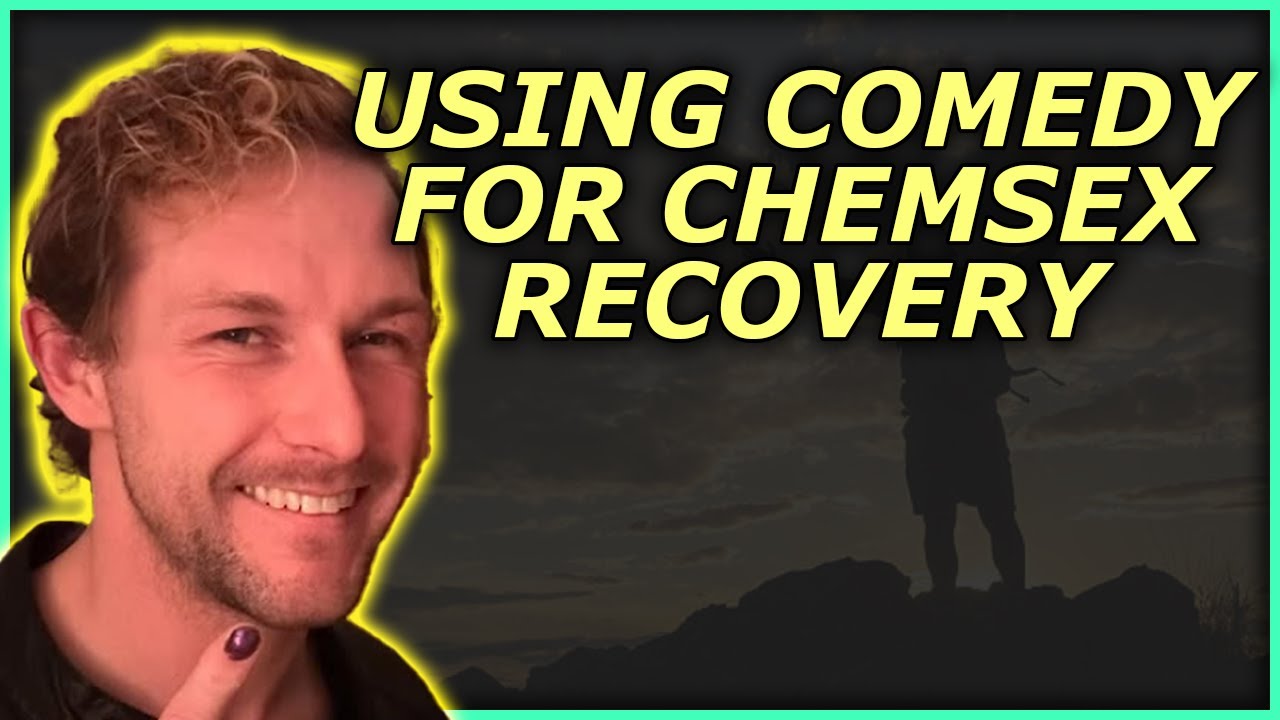
Comedian Alex Parsons talks with recovery coach Dr. Dallas Bragg about chemsex, addiction, and psychosis. Alex gambled away his rent in 2024, entered a recovery program in Asheville, and found healing through stand-up comedy and open-mic nights. The episode explores how creative outlets provide psychological distance and accountability for people rebuilding their lives.
Chapters
You brought up the Tina honeymoon, which I've never, I've never heard that. I mean, I have heard Pink Cloud, but that's in recovery, right?
Right.
So, but you're right. I mean, yeah, go ahead.
Oh, I was just gonna say you've never heard it cuz I made it up. Right.
I like it because I can relate and I'm sure listeners can relate because the first time I used, I mean, I completely fell in love with this guy.
Yeah.
And he, he couldn't give 2 fucks. about me, right? But I really thought— The Aftermath Podcast is an outreach tool to help men who have sex with men break free from the addictive patterns associated with chemsex, otherwise known as crystal meth or Tina. I'm your host, Dr. Dallas Bragg, a former crystal meth user, now recovery coach. Here you will find a repository of tools and resources intended to eradicate the epidemic that is plaguing our MSM population. Please note that the views expressed on this Podcasts are not to be taken as medical advice. Also, we will be talking about drugs and sex. So if you feel triggered to use, stop listening and contact your local emergency system and/or your support network. Let's go. Welcome back to the Aftermath Podcast. I'm your host, Dallas Bragg. Thank you. Thank you. Thank you for coming today. Thank you for taking your time out. We are still breaking records of downloads, which, by the way, a download is just you listening to the podcast. Um, right now we're up close to 3,000 downloads a month, um, which is the biggest that we've, we've gotten. And, um, really happy to see that and happy that you are continuing to download this podcast because every time you do, you increase the chances of the algorithm putting it in front of the people who need to and could benefit from listening to the podcast. By the way, if you have topics, uh, please DM me, uh, or however you want to reach me, DM me and suggest topics that we might be missing, because I'm really trying to cover a really broad range of topics and people that really get into the topics and the issues that I'm hearing from you. The neurodivergency, the ADHD, the loneliness. You know, we're really trying to really tap into what you need to hear and what you want to hear. So you have a say in this. So you can comment. You can comment on Spotify. You can comment on YouTube. You can DM me however you want to do it. But— Looking for topics. We did, you know, I did put a call out for people of color, sex workers, different things like that. So we were getting those, we're getting slowly those trickling in. Still would like some more people of color on here, but we have some coming up, especially around gay Muslims. And so this is a really big topic that I want to cover because I have, I have had lots of gay Muslims in my program and I have lots of gay Muslims who reach out to me and they have a whole other set. of problems than the rest of us. And so it's something that I want to tackle. So if that— if you fall in that category, please call and let me know. All right. Today we're talking about, on a broader sense, using creativity for healing and recovery. And, you know, some of you send me your poems. Some of you have written your memoirs. Some of you have sent me your artwork, your raps, your music. This is great. This is really a way to transcend language. And heal in recovery. And just a way that I don't think it can be even described in words. And we've had some podcasts here. We've had guys who are writing screenplays. We've had guys who write music. And so flip back through the podcast and look to see if it interests you. How can you use your own creativity as another way to heal in recovery? But today we're talking mostly about comedy. So I'm really excited because we have not covered this topic before. Before we get started though and introduce my guest, I want to remind you that there is a supplemental study guide that goes along with every episode. The link to that study guide will be in the show notes. You can also get it emailed to you if you go to my blog and subscribe at www.drdallasbragg.com. Don't forget, you can watch us on YouTube. You can watch us on Spotify or just listen on Apple Podcasts if that's what you'd like. And did I forget anything? No. Besides, we do have a free Facebook community if you are still on Facebook. Uh, we have a Facebook community where I go in and I ask different, uh, questions in there, and we support one another. But also, it's a good way to voice your concern about what you like and what you dislike about the podcast, which I have heard, uh, both mostly like. But, you know, there's some things that we cover here that are not popular, uh, around harm reduction. It's because the US is way behind in harm reduction and even, even knowing what chemsex is. So I understand there's a little bit of misunderstanding in the US. about harm reduction is letting people use, or whatever the comments that I get. I'm killing people by, um, having harm reduction topics on this podcast, and I am not. I'm actually saving people by doing that. But we're not gonna get into that today. I'm going on a tangent. So let me introduce my guest. Alex Parsons is here with us. Alex, can you tell us about yourself?
Hi, thank you so much for having me. I appreciate you deeply. My name is Alex Parsons. I'm a stand-up comedian, improviser, and actor located in Northville, Ash— Northville, Ashe, Carolina. That is what I meant to say. Take 2. Asheville, North Carolina.
Asheville, North Carolina.
I am currently at— I think, well, I would argue that your recovery journey starts the first time you use. any substance. However, um, I've been in active recovery in terms of flipping the switch and trying to make my life better since August 16th, 2024. So that means that I started this journey intentionally, uh, about 1 year, 2 months, and almost 2 weeks ago.
Wow, good for you. Good for you. I've heard— I mean, we had Evan Lunt on the podcast. He lives in Asheville.
Oh, Evan!
I know Evan. And his drag name— I forgot the drag name, but—
Seven.
Seville?
Oh, okay.
Yeah, that's right. That's right. Seven. Yeah, he was on. And so you're our second Asheville person. But I've just heard a lot of good things about the recovery community, especially for the queer community in Asheville? Have you found it to be welcoming?
I have found it to be very welcoming. Um, uh, I honestly, like, the community that I see represented is mostly online because a lot of my face-to-face interactions happen in my arts, art communities. And not surprisingly, there is a lot of crossover there. That Venn diagram is becoming closer to a circle. As time goes on. I don't know. I do think there is something people all, you know, people take it to be a very woo-woo thing, but I really do think there is like a vortex of healing in these hills over here.
Mm-hmm.
But it is, it is a place where I have found that no matter what space I'm in, people are ready to be welcoming and people are ready to show you around and show you the way. And I think it's a combination of the intersectionality of queerness, neurodivergence, and creativity. And those 3 types of people tend to be the ones who are like, uh, I was nervous too. Come with me. I'll show you. It's cool. Like, I love that.
So creativity, neurodivergence, and what else did you say?
Queerness.
Queerness. Yeah, yeah, yeah, yeah. Interesting. Interesting that you say that because it's just such a topic that keeps coming up is this idea of neurodivergence and how healing from addiction looks a little bit different. So do you identify as neurodivergent?
I, yes, I do. I am diagnosed ADHD and, um, I don't know. I, there's, there's a couple other jelly beans in the bag that are not quite yet identified, but I've, I've been misdiagnosed as things and I'll talk about that in a second. But yeah, I, yeah, I do. Short story short.
Yeah. Yeah. Well, maybe, maybe we can get into that a little more because I'm really trying to dig in, dig into this and help our listeners kind of If you haven't been, if they haven't been diagnosed as neurodivergent or ADHD or all the plethora of, you know, is how to tell maybe if they should be tested. And then if they do get diagnosed, what does that mean for their recovery? How do they approach it in a unique way? So, uh, maybe we just, we'll put a little pin in that maybe and talk about your, your personal experience.
Yeah.
Um, so if you want, if you don't mind, um, Talk about your, your story a little bit. Your, your story with chemsex, crystal meth. Yeah.
So, um, oh gosh. Uh, so the first, my first actual interaction with methamphetamine was, uh, in 2010 or '11. And I, um, was dating a guy in Boston. Um, for quite some time. I think we were together for like 2 and a half, 3 years. But about 6 months before our relationship ended, I discovered that he was using, um, um, crystal meth. And I, um, I went to confront him on it. And that went the way that, I mean, those of us with experience have seen it go or could imagine it going. It was a lot of deflection. Minimalization, um, and just defending it in a way. Um, and I can't speak for someone else's journey, so I'll put a pin in that thought when I get to my version of those things. Uh, but basically what I did was not the smartest thing I could have done at 20 or 21, which was, well, what's all the fuss about? So he was at work one day. I didn't know how the hell this little glass light bulb looking thing with a stick on it worked. And so I found his little baggie and I crushed it up on his nightstand and snorted it because that's what they had done in the movie.
Oh God.
I know. And then, um, as a glorious, uh, stand-up comedian Jessa Reed once said, it does set the back of your head on fire. Um, yeah. And so then though, it does, um, light up every receptor in your brain. And suddenly I was dancing around his apartment and cleaning every surface. I was like, oh, it makes you productive. I understand now.
Mm-hmm.
Then I was doing that in secrecy for several months before breaking up with him and like blaming him, uh, for our relationship not working. Uh, for the therapists out there, don't@ me. I know what that was now. I've worked through my decisions in that, uh, moment. Um, but anyway, so then, uh, I kind of dropped it after doing that like maybe 4 times up, up until the point that he and I ended things. And, um, I am happy to say he is since in recovery and we've reconnected randomly, uh, in queer spaces and just been like, oh my God, it's you. I'm glad you're doing well. This is wonderful. Um, so I, uh, over the course of several years, um, ended up going to therapy a lot, ended up going, uh, seeking out psychiatry assistance. for things that I was not sure what they were.
Right.
Um, rabbit hole tangent. Um, my mother was diagnosed with bipolar disorder not long after I was born. I'm the second of 4 kids, and she, um, you know, went through this litany of, um, I guess treatments and things, and then eventually was diagnosed with cancer and passed away when I was 13. But that— all that to say, given the history of mental illness in my family, um, her not being the isolate incident, or example rather, uh, in my 20s I started going, uh-oh, these things don't line up to somebody whose, uh, brain is firing off healthily. Let's look into this. And so I was misdiagnosed with bipolar disorder at around like 23 or 24. I was diagnosed with ADHD, rightly so. And I found out very quickly it's so easy to go back and report to your psychiatrist that medication isn't working as effectively as it once did, or, and/or that you should increase my dose. Um, and so people say, you know, weed is a gateway drug, which obviously everybody has grown up since then. Like, literally, if you haven't, grow up. Weed is not your gateway drug. Um, but Adderall definitely is.
Yeah.
And so, um, I, I kind of continuously urged my psychiatrist to up my dosage 'Cause I knew I was misusing it. I knew I wanted more. I knew how it made me feel. And I didn't tell her any of that. And so, um, about like I did, I dealt with that for about 4 years, I would say. 4, 5 years.
Yeah.
And around, I was 28 or 29 then. It was, yeah, I would've been 28 'cause it was the, spring of 2019, I took myself on like an artist date into Boston. And I was like, let's just like go to a museum alone. Let's just like live life and go to a drag show. It was great. However, between the museum and the drag show, I did go to Panera because I'm fancy and got lunch and opened Grindr because I was like, well, why not dessert? So I said—
Right.
I opened Grindr and like one of the hottest people I had ever seen started messaging me. And I was like, he can't be real. This is stupid. And I had that moment of finally, after years and years of being on Grindr and having a level head about it and going, uh, no, absolutely not. Whenever somebody asks me the question, do you party? Or do you party hat streamers guy? If it's just the emoji, 'cause they're being extra inconspicuous. Mm-hmm.
Yeah, right.
Speaking in cartoons makes it cuter and less bad.
Right.
So I, uh, uh, finally someone hot enough for me to respond yes messaged me. And that was what my, my brain's justification was in the moment. Cool, let's do it. And because there's also, I want to point out the thing of Like, we know there's stigma around this. We know it is bad for our health. We know that long-term it will have detrimental effects, if not life-ending effects, right? But we also go like— so be it not but, and because of that, we kind of like do this shame dance with it. That's very like, I would never. You're a bad person if you do, which is obviously not helpful either. But, um, at least that was my experience. So I don't mean to say we— like, it's a shared experience inherently, but I do think it is.
Mm-hmm.
Anyway, I, uh, finally like threw down that wall because I wanted to have sex with this guy. So I went over and, um, He had, he had the accoutrement to consume, uh, the, the thing. And so we smoked a lot and then we fucked a lot. And it was like, up in that moment, it was the best sex I had ever had with the best person to do it.
Sure.
And so then I did what I call the, um, before I had a word for it, I call it the, the, the Tina honeymoon. Where I— you smoke with a person or use with a person, um, and you're like hitting them up all the time and like want to spend every waking moment like having sex and being in touch. Um, Mm-hmm. He was, I think, I assume, more experienced in this realm than I was in this moment and probably saw it for what it was and was like, I gotta go. So Uh, and I don't blame him. But that said, because, because I saw someone run off, because it was the best thing I had ever known, I obviously, if you're doing the math, anybody listening, um, wanted to recreate that. Wanted to recreate that. So, okay. Um, I spent a lot of time trying to recreate that and trying to maintain, maintain a job that I had just gotten. And it was a very good job. It was a very well-paying job. It had growth opportunities in ways that I had not experienced, because up until that time I was like the barista gay or the retail gay. And so I was like, ooh, I'm also hyperproductive now, right? So let me go for all the things.
Mm-hmm.
Keep the plates all spinning, and even ones that don't exist because psychosis is a thing.
And Mm-hmm.
I, um, yeah. Um, COVID happened not, not even a year after that. That was in May of 2019. COVID happened March of 2020. And I went, ooh, an excuse. This is good. This is great news for me. So, um, I ended up like changing living situations in the sense that I moved into a place that was incredibly accessible for all the things I wanted to be doing. And, um, we did what I now refer to as like the What We Do in the Shadows thing, if you've ever seen that show. That like, there's a weird crossover between people who use meth and vampires in terms of like culture.
Like, you know, yeah.
The neighbors know something's up. What is this weird gaggle, a band of homosexuals doing next door? There's always weird people at weird hours. Something isn't quite right. So when I watch What We Do in the Shadows, I'm like, oh, once upon a time. Uh, it's really weird.
Mm-hmm.
Uh, but I think as a creative person, I'm bound to like draw comparisons to things that, you know, only so many people will see. Uh, and so, oh gosh, I, after a while, um, there was a blowout in that, in that living situation. It was like a 2-year run, I think.
Mm-hmm.
And which is kind of impressive given the like tumultuousness and instability of such a, it's almost like dealing with a very unstable element or substance. Like you don't know when the household's gonna collapse, but you know it's gonna happen. And finally it happened.
Right.
I ended up staying on a high school friend's couch for some time, about a year and a half. And then, uh, my aunts who live down here, they moved from Boston about 7 years ago, and just before I was doing all this. And they live about a town over, and they were far enough away that I hadn't really annoyed them out of my life yet, or pissed them off out of my life, or stolen from them, uh, you know, severed ties in all the ways that we do. And they called me one day and they said, hey, your brother is offering to pay for a plane ticket if you come down here and stop all of this. Like, stop living in hotels. We can't fund that anymore. Stop couch surfing. We can't watch you do that in good conscience. So get on a plane about it and move here. So I was like, I've never heard of Asheville. I don't even know what's down there. This is— I've never done anything like that in my life. Right. But then I, I, I was still in touch with all the people I was using with. They were like, don't go. Like, um, but the real ones were kind of like, I actually feel blessed about this. 'Cause no matter what, I do attract positive people or well-intended people, even in the worst scenarios. 'Cause a lot of them did say—
Interesting.
Don't end up like me. Please go. This will be the best thing you ever do.
Right.
And yeah, because they knew, they know what their, their life was at the time. I don't know what they're doing now, some of them. Um, and some of them are on the same side of the tracks as me now. Um, which I'm really grateful to be in touch with those people because we did some— we, we've put ourselves through such hard times together that it's good to see us doing well now. But Yes. Yeah. Um, yeah, I moved here and I made a promise to myself. I probably made it out loud, but I was still in active addiction to other people. Um, I probably made the promise out loud to other people that I would stop. Um, but I knew no matter what I was saying at that time, it wasn't, it wasn't true because I had not been to rehab at all. I had not Um, sought out a program, uh, 12 steps or anything of the, of the sort. I had not looked up resources. Um, you know, had I come across a podcast like yours, I might have been like nudged in the right direction a little earlier, but who knows?
Mm-hmm.
And, um, so I moved here and I was wandering around downtown for the first time. 'Cause I had never been here. And my aunts dropped me off in downtown. They were like, have fun, like explore, get lunch, do whatever. And I was wandering around downtown and I saw a flyer for Disclaimer Open Mic Comedy. It said the longest running open mic in Asheville. And I was like, oh. And it said like, 4 minutes, go up, bomb, we don't care. Like something sassy and hilariously mean that like an open mic flyer would be insinuating that you should do.
Right.
Come be part of the shit show. And I was like, oh, I'm a shit show up until this point. And also the thing went off in my brain that went, this is— it's the thing that you always knew you were gonna do. Get on that stage tonight. It was for the same night. Get on that stage tonight. Everything in my body went, get up there. So I went and I, I did like 3 and a half Horrid minutes of just whatever. I still have the recording, but I won't do that to anyone ever except myself when I want to remind myself that I like that. I sometimes I do need the reminder. I'm lying in bed after an okay set and I'll just be like, am I growing? And then I'll play it. I'll go, okay, I'm growing. It's so funny. But, um, yeah, and That led me to like this crossroads or like these, this parallel forked road where by day I kind of was using still, because I do say this in my act, um, you know, moving to— I found out very quickly that moving to Appalachia to get away from meth is exactly like moving to Appalachia to get away from meth. I downloaded, I downloaded Grindr and, you know, I tripped and fell on not one but two pipes, one in the front, one in the back. Yeah, yeah, yeah. And I actually did that bit at an AA fundraiser the other night. It was like in front of like 100 and something people, and I was like, oh, this is the wall of laughter I've been craving. This is the new high to chase.
Yeah. Well, by, by the way, there, you're, there's something in the connection here with us that there's a little bit of a delay.
So, okay.
If I don't laugh right away at your jokes, it's not because if they're not funny, um, it's just there's a delay. But I, I think just to let you know that, I mean, it's, it'll, we can, we can fix it in post-production, but I just want you to think that I don't think you're funny cuz I do.
Thank God. Um, no, I actually just realized that I think, um, before I went to turn on Do Not Disturb on my phone before we connected, uh, to this call, and part of— I— what I accidentally did was turn on airplane mode. And when I turned airplane mode back on, I didn't turn on my Wi-Fi. Uh, so my phone's been fighting for its life this entire time, and I only just noticed. So thank you for pointing it out. We are now, we shouldn't have that issue.
So where we're at is, I wanna, so I just wanna, can we pause for a minute? I wanna point out a few things.
Yeah.
That, that I think is important. Important. And that is you brought up the Tina honeymoon, which I've never, I've never heard that. I mean, I have heard pink cloud, but that's in recovery.
Right.
Right.
Right.
So, but you're right. I mean, yeah, go ahead.
I was just gonna say you've never heard it cuz I made it up.
Right. I like it because. I can relate and I'm sure listeners can relate because the first time I used, I mean, I completely fell in love with this guy.
Yeah.
And he, he couldn't give 2 fucks about me. Right. But I really thought, I thought we were gonna be together. Like we were gonna do this together. Right. And then he disappeared for 2 weeks. Yeah. Uh, but I chased him down. Yeah. Yeah. I stalked a fuck out of this guy and chased him down.
Yeah.
So for those of you who maybe are new to this and you're just in that Tina honeymoon stage, I want you to really listen to not only Alex, but me and everyone else that's been on this podcast is you cannot recreate the first time. You just never will. And that's the addiction part of it. That's the addictive pattern part of it is chasing, chasing the high, chasing that to replicate that, but that you'll never You'll never recreate, you'll never wipe the brain clean and recreate the dopamine hit for the first time. You're just not going to be able to do that.
No.
Um, thank you for sharing that. And, um, and it's always, like you said, it's always the most good-looking, hot, you know, it's not like a meth-type person that you would think of, right?
Right.
Like a meth-looking person your first time. It's always Yeah.
The other thing too that I noticed through like my using, the using part of my journey was that like I started justifying my use because of exactly that in the strangest way. You wouldn't think so from the outside, but because the friends I had were friends that I would have, because the friends I had looked like people I would spend time with, I was going, Yeah, it's not what you all think. Whenever my brother or family or any other of my siblings or parents tried to confront me on it, I'd be like, no, it's not, it's not what you think.
Right.
And that like made me stand my ground in my active use a little bit more than I would've had it been whatever caricature you are picturing right now of a meth head. Mm-hmm. Mm-hmm.
Yeah, very good. Exactly right. Exactly right. And we, we almost get, as sometimes with, as gay men in this chemsex culture, we almost get, um, arrogant or pompous about it in that, right?
I'm so cool.
And defensive, right? Yeah, yeah. Um, interesting how we can justify that. Um, okay, and so you're, you're in— tell us about, if you can, Tell us about your experience with psychosis.
Oh yeah.
'Cause that's a big topic too people wanna hear about.
Yes. Um, so I, okay. I had a friend I was using with, he was like one of my main cohorts. We were really tight when we were using and another, another honeymooner. Uh, and he, it was like kind of mutual for a while until it wasn't anyway, but that's not what the, this is about. But we spent a lot of time together is the point. And, um, so one day he said to me, if this— if, if we go to this party and XYZ happens, I need you to do XYZ for me. Because he knew he was gonna slip into psychosis based on the length of time he had been up, based on his lack of medication for recovering from a night, uh, before, and all this. So, and I was like, oh wow, you're so wise and prepared. You know exactly what you're doing. I trust you even more, even though you're driving this car right now. So I, um, that was my first time hearing about it. And then it wasn't till like several weeks later that I— which one do I want to start with? Um, okay, so one, one night we were on Zoom before straight people found it because of COVID Mm-hmm. And I, uh, we were on Zoom and we, as we had done many, many nights in many, many hotel rooms, and we were on there doing the thing of like psyching each other out just to be funny. 'Cause, you know, no matter what, we are guys and we're gonna like poke at each other a little bit and be like, oh yeah, like, uh, imagine that guy in that one camera. Can you actually hear us? He's listening to our conversation even though we're muted. And then we did the thing of like tracing the stars to form these constellations of What was not there. Oh yeah, he's— and then he's listening to us, and then he's talking to him, and they're all watching us, and they're all listening to us because they're planning God knows what, because you're always right in psychosis.
That's right.
And so out of nowhere, and then like not a few minutes later, I was like, turn it off, I'm— we're freaking ourselves out. Which, to a point that you made in a post the other day, I think it actually loved what you said, uh, if you're aware of it, you still have control to some degree.
Yeah. Yeah.
And I was like, oh God, that's such— I loved that you posted that. And thank you for posting that. Because those of us who remain in that state, if they're even like a little bit still with us, that is such helpful information. And I wish someone said that to me. Um, but Yeah. I, um, we invited a guy over because we found him online, and I was like, cool, let's turn off the screen, have a real interaction. And, um, when he came over, he was being shifty because— and again, we don't know how long he's been using to like this in this chain of a weekend or days. Um, and he started acting shifty in the way that people do 'Cause he's completely zapped out of all neurological resources. And so, um, he did one thing that made us both go, oh, and then basically, long story long, um, it ended with me getting in an Uber after the fire alarms going off in this hotel.
Mm-hmm.
And me calling the police saying that my friend was trying to murder me and that he was hiding a body in the hotel room we had just been spending all day and night in. Um, I was like completely convinced that he was like, like working for the government at the same time, and that's why the police weren't helping me. And the woman at the front desk was acting weird when I was telling her, and she was— but of course she was acting weird. I was coming up to her telling her all this stuff that didn't make any sense.
Right.
She probably knew I was on drugs and wanted to call the cops on me. So, um, that was the first really terrifying, really bad, almost potentially harmful to my friend kind of thing that happened.
Um, yeah.
From there, uh, I would say it kind of minimized itself. Uh, I started to— I had a, I had an every other day rule. Uh, I need to sleep every other day at least.
Okay.
I didn't implement this rule right away, but I did come up with it and I was very proud of it. And so, uh, a couple weeks later I was, um, in my bedroom. I was living with my parents and my sister at the time, and I looked out the— my bedroom window into the driveway. My sister's car was at the end of the driveway. It was like midnight. And I saw 2 British children in her backseat staring at me. Why did I know they were British?
British. Yeah.
Right.
You could hear them.
Crazy.
Yeah.
Well, I could hear their thoughts and their thoughts were British.
So, oh, that.
But yeah, so like, and every time something like that happened, another time in broad daylight, this was the scariest one, oddly enough. For me, because like, I've, I watched my grandparents have dementia and Alzheimer's and things of that nature where like losing your mind is actually the scariest thing to ever happen in my opinion. So this really freaked me out because I was downstairs at a hotel I was at. I went to go outside in the middle of the day. It wasn't even 1 PM, right? Sun is shining. There's almost no cars in the parking lot. I go outside to smoke a cigarette.
Mm-hmm.
And I walk outside and there's like 12 people line dancing in the parking lot and staring at me. And it was like, this is a, this is a deep-ass cut, but even if you don't get it, I hope someone out there does. It was like the scene in Good Burger where everybody was dancing in the asylum. That's how it felt.
Yeah.
And they were like weirdly creepily stepping side to side and looking right at me. And then I walked around a car to like, Perch myself on a fence to sit and they were gone. Just gone.
Yeah.
Yeah.
Interesting. Yeah. I mean, I, the reason that, the reason I'm asking is I want, I want listeners to, to feel seen and heard by their own experiences too. And to know that they're not alone. Right. And it happens. And it's the sleeping every other day is a good rule if you're going to use. You know, if you're going to use, do something like that is going to be, is going to be a solution. But, but like you said, before it's too late, before you're in it and you don't realize, right? That's, that's the point that I never crossed. I could, I could open up my back window and see a cookout happening with, you know, people playing volleyball and dogs running around and all that stuff. But I knew I was seeing things.
Mm-hmm.
Right? I mean, that's, that's when you, you're not gone yet, right? You're still in control. You can still bounce back from that. So we're going to do a whole podcast on psychosis because there's so many people who— I just, I have a soft spot for it. And I want people to know that there is a way out. So anyway, thank you for sharing your experience with that. And let's jump into, um, open mic night. So I, I like that you said you heard in your voice, you heard in your head, get on that stage. Uh, and most importantly, you said yes to that, right?
Mm-hmm.
So, so many of us have this, have this calling to do something.
Mm-hmm.
But the first voice is not, the first voice isn't say yes. The first voice is you can't do that. No one's gonna think you're funny. What are you trying to do? You're gonna get embarrassed. Like, what did you not have an inner critic voice that, that came in first? Or how was it? How are you so sure?
Well, uh, as I did say too, within that, I, I have always known I was going to be an entertainer. Um, I grew up in a very funny household. My mother, uh, through her experiences with multiple Treatments, like, in different regimens over the course of, like, a very short time with different medications and cycling through. She would always say things like— and keep in mind, she passed away when I was 13, so when she's saying these things, I'm very, very young— but she would say things like, I'd rather have a bottle in front of me than a frontal lobotomy. And, um, she called She called the fistful of pills she had to take every morning her breakfast of champions.
So, ah, um, okay.
Working through difficult things by laughing in the face of their— of, of, of the fear that you might otherwise have has been like, that's my programming. That is like absolutely how I was built to survive. And I thank both of my parents every day for that. My whole family, we're a bunch of sick fucks. Um, and I, I, I truly am so grateful that they raised me with the— and it's not a conscious thing you do, right? Like to— but they raised me to literally, like I said, like laugh in the face of something that otherwise might be scary. Because I— and then that's made me grow into a person who believes that laughter is the crack in the soul that lets truth in. And when you find truth, you start healing. Hmm.
I see.
Yeah. So interesting. My inner critic at that moment, I was also riding the pink cloud of— I was still not using yet. after newly being like a new arrival in Asheville. Uh, it had been about 2 weeks since I used.
I—
change was, change was the only thing happening for me in that moment, right? It had been a week since I got off the plane in a place that I had never been. So what can happen but good things, right?
Mm-hmm.
And, um, I, I, I flipped the script from paranoia to pronoia, which is Literally the antithesis of paranoia, being that, like, the, the radical idea that the universe is conspiring in your favor with love.
Yeah.
And—
Love that.
So that's what took over in that moment. Um, you, you knew you were always gonna do this. Um, it's— the worst that can happen is no one ever sees you again. And Just why not? Ever since then, I like— so in that moment, I did like, even though I started using again after that, I did have this like, um, this thing keeping me from only doing drugs.
Right.
It's still a tether to reality, an obligation that I gave myself because I would go out to Mike's not 1, 2, or 3, but sometimes 4 nights a week. I was trying to get booked as quickly as I could because now I've given myself an obligation to be seen, to be held accountable for my presence somewhere, and to just do something that sparks joy that isn't substance-based.
Hmm. I love that. Yeah. So for listeners, what a good example for you. I mean, he's only a week Alex is only a week in and jumped on this. And what can you discover? Like, what could you start doing right away? Right? It sounds like, you know, because like you're saying, like, in that transition between your meth life and your recovery life, you're so lost in that time, right? You're so confused. You're in transition. You don't know who you are, what you're— what does my day look like? Because I know what it used to look like. That's what's comfortable. Um, but like you said, something to tether you to a future, to something new, to something that would interrupt the pattern. Um, and be something other besides using. So, you know, if you're listening to this, what could you add? Like a pottery class, you know, a coloring book. I don't know, you know, something, something hiking and the gym. I don't know, something you can add in that would kind of tether yourself to a new life, a new identity, something that casts a vote for something, something that maybe you've always dreamed of doing. So I really, I really love that you did that. I mean, To me, it sounds like that was your recovery program up on that stage. Is that right?
Um, that actually wasn't. I continued to use for 2 years as I built myself a space in both the stand-up scene, the improv scene locally, and, uh, get back into acting. Um, I kept it from everyone. Uh, I'm not happy about that. I have a lot of people to make amends to, um, and a lot of people who already have told me kind of that they understand and things of that nature. But I'm holding myself accountable there in that, um, I hate when people waste my time when they get on my stage. So for a long time, I was wasting people's time, I think. Um, but basically my work— my actual intentional recovery journey started last August, August of August 16th, 2024. I had just gambled all of my rent money away on the North Carolina lottery app, which should not be legal to do. Um, I had spent the last 5 days, um, uh, chasing dick and, uh, getting high, and all of my rent was gone. I didn't know how to make that— how to tell my roommate. And so I left a note on my bed. I walked to the nearest Starbucks. Uh, it was the one in Biltmore Village, which is no longer standing after Helene. Um, I did— I ditched my stash in the trash can in the bathroom, walked to the Patton Ave Bridge, which if you don't know it, is like the giant bridge that goes across the French Broad River in Asheville. And I was walking across it on the side without a sidewalk. And thinking, okay, this is the last, this is the last thing I'll ever do. Um, I can't face my life the way it is. I even, I still have that suicide note in one of my notebooks. It just said, um, uh, addict, gambler, nobody. That's all I'll ever be. So I can't be. And Hmm. I, that was the decision I was making that morning, but it's Friday morning. There's rush hour traffic going against Where I'm walking. And needless to say, nobody that was driving by me wanted to deal with whatever the hell that was. So they just keep on driving as they do, which does incidentally drive home that you're making the right decision, right?
Mm.
Uh, 'cause you're like, this is the last public chance I have for somebody to reach out and go, stop what you're doing 'cause it doesn't look okay. Which does make you go, this is the right decision. And so I ended up taking so long contemplating what it would be like if I jumped down onto the bike path that I started thinking, literally, I do this in my act, but it is a real thing. I thought, what if Jan just got back from bicycling across Europe? She flew in from Portugal not too long ago, maybe the last week. And after spending the summer bicycling across Europe, she has this newfound sense of self-worth. Self-worth through her fitness journey. She's bicycling down the path. I make collision with the pavement on top of or in front of her, and now she doesn't wanna exercise ever again. What?
Right.
I could never live with myself.
All right.
All right. I, I, I really—
well, that's good. That saved you from jumping.
That made me so anxious that I got so thirsty that I had to, I was like, I can't jump on a, I, I can't jump down there with dry mouth. So I went down to the River Arts District. Um, the time had come for my shift to start at work because I spent so much time contemplating instead of doing— which, kids, sometimes it's okay to wait because it does save your life. Uh, but I spent so much time thinking about that that I went down to the River Arts District to get a drink of water from the public restroom that I knew. And after that time, my shift should have started at work. So my boss called me and I couldn't not answer because I was still in, at that time, in my people pleaser phase, which I do call it that specifically for healing purposes. But I, um, I, I answered the phone and was immediately sobbing. And my boss was like, what's going on? Where are you? We'll come down there. So that was very kind of them. And then basically We started Googling recovery centers nearby together, and then they dropped me off at my apartment. I contacted everybody that I needed to contact and went to— it's actually in Asheville— Oasis Recovery Center. They're really great people. They have like a holistic, um, kind of, uh, framework around their healing as well as clinical group, um, that I found very, very beneficial because they did Kind of fan the flame of my creative self. Um, they were very supportive. I was there for 35 days and I got out a week before Hurricane Helene. And, um, okay, that was a challenge, but we got through it. Um, the first friend that I ever made actually while at that first open mic from my story, uh, she was hosting the open mic that night and we got out of rehab the same day.
Mm-hmm.
We were in at the same time, but at different locations and didn't know it. And, um, yeah, so just kind of like that kismet, like, alignment thing that can only happen in Nashville.
But yeah, I love that.
But yeah, now both of us, now both of us are like employed by that open mic company, uh, and we, we both work for them together and help put on shows for them beyond just the open mics. And, um, it's really been a blessing to let people— allow people to love me through my healing and forgive me through my healing and continue to trust me.
Hmm. Trust— what, what do you mean by trust you?
I, I gave people a lot of reason not to trust me. By working with and for them and around them while in active addiction. There's a lot of people who could have found out I was in rehab for what— I was very honest with people once I was in rehab, cuz I needed accountability on the other side of things. But I, uh, everyone had every opportunity to go, don't come back. Right?
Mm-hmm.
So, but they didn't do that. And, and I'm incredibly grateful for that.
Yeah.
Yeah.
But I, I also wanna go back. I, I wanna go back to something you said in the beginning of this interview, and that is recovery happens the first time you use. And I, I feel like if I, I agree with that, I agree with that. Your recovery journey started the first time you used, right? I mean, you may have been, abstinent as in, as of what, October, what did I forget? Uh, August 16th, 2024. But where would you have been maybe in that 2 years? And maybe you were using actively, but I'm just saying for maybe for a listener to say that still tethered you to something, right? I mean, and maybe who knew, who knows where you would have been if you hadn't been, had that in that 2 years of using. Um, You know what I mean? I, I don't know.
I think I, I do know what you mean.
I think that I don't wanna diminish. Yeah.
I know for a fact I'd be dead. Like, I, I know that for a fact.
Yeah.
Hmm.
Yeah. Yeah. But it sounds like you got close.
Yeah.
Yeah. So how does then, so, um, and obviously you talk about your Your experience with addiction, because that's how I heard about you. I had a friend who was at one of your shows or at an open mic show, I guess, or not, not an open mic show, but a standup show, I guess. He heard you and, and, you know, you're talking about meth use. So of course he thinks of me and, and contacted me and said, hey, you need to interview this guy. Right. Um, so you're talking openly about your story and your meth use. So is this in a way, is this healing for you? But is, is it also a way to, hopefully it is, But to start a dialogue in the general community about what's going on in this, in the queer, with the queer population.
Um, it is, it is exactly that. Um, you hit the nail on the head, I think. So, um, it strips me, so a couple of things, it strips me of my reservations because again, accountability is huge in recovery. As many of us know, um, by talking about it on stage, I'm holding myself accountable so that if people check in on me eventually about it, like, and I get a growing fan base who care, right? Um, they'll be like, how's that going? You know, even that little, like, how's that going? What's your, what's your, what's your sober time right now? How long have you not been using? Are you safe even?
Um, that's— Yeah.
I'm creating like, uh, per— I'm giving people permission to check in on me, uh, which also diminishes the power that it has over me and creates power amongst anybody listening to the words that I'm saying, any of the experiences that I'm openly sharing, and goes, oh yeah, that doesn't have to have this strong of a hold over me. In fact, How do I spin that? How do I spin that into something that maybe I can talk about this through my art or just hear it and laugh on my way to work? Because I now have a secure and stable life where I can look back on that part of myself through Alex's words and go, wow, that is so funny. Because yeah, I think there's power through joy and laughter definitely incites that. Mm-hmm.
Mm-hmm. Yeah. You know, there's some people that get uncomfortable when I use levity on my platform, and it may be because of maybe the differences where I'm coming from. But it almost gets— I get also added, added for diminishing the seriousness of crystal meth. But, you know, I was looking at— I told you I looked up some research. And it's something about what I'm finding in terms of the therapeutic uses of comedy in recovery. I mean, there are studies on this, that humor helps decrease your shame, not just your shame, but the shame of those in the audience, right? It relieves tension in embarrassing situations. And also when you laugh, you're talking about, you spoke about your joke about the pipe in the front and the back. The, the, the bunch of the laughter that you got, that's a dopamine hit. That's a healthy dopamine hit, right?
Yeah.
That you're, that you're receiving, but not only you, but the, but people in the audience. So there's, there's gotta be some therapeutic benefits, some healthy benefits of just, just la— making, taking a time and just laughing at it.
Yeah. I, I definitely agree with that. I think that, um, the, the line that I ride is, um, speaking truth to the power that it once held over me while not glorifying war stories.
Yes. You know? Mm-hmm.
And I, I, I take I'm not, um, I try to be, and I'm constantly working on, because, you know, art is an ever-evolving organism within the creator, right? Uh, I'm always, my aim is always to not do harm, right? And by sharing my story is what I want to do is exactly what you said, shine truth, shine the light on the truth there. And, and Um, really bring it to the surface without saying, yeah, I had a lot of fun back there. Those were the days. Because they weren't. There are fond memories that I do have from that time, but it is like any breakup that was completely necessary.
Sure.
You have an abusive ex, you really can't stop thinking about them. It's okay to remember the times you had that were fun and joyful. But ultimately leaving it behind you and being a more fully formed version of yourself on the other side of that decision is the goal. Mm-hmm.
That's right. That's right. I'm glad you said that. Um, because I do think, I, I, I do think there's probably some people who may think that is glorifying war stories, but it definitely isn't. Um, I think what you're doing is Yeah, there's a, there's also like for standup comedy, there's a psychological distance, right? That you can gain distance from tragic events, it says, because you reframe them through a comedic lens. Right. And so it's gotta be a way for you to process, isn't it? It's therapy. It's therapy for you. It feels like.
It can be therapeutic. So this is interesting. I, Okay. Um, yes, there, there, everybody has probably heard the trope that like, um, or the adage that like, uh, comedy is tragedy plus time. Uh, sure, that can be true. Uh, I also think I want to be careful about calling what I do therapeutic because it should be therapeutic to others. Yes. But if I'm saying something on stage that I haven't already worked through, that's going to be volatile for everybody in the room, including myself. Right? So if I don't have a handle on the things that I'm saying, what will happen is that trauma will kind of like ride itself through my body. It happened last week, actually. I was at an open mic, which is the—
Mm-hmm.
Where we, where we forge in the fires of shame, our Hopefully the words that we will someday be paid to say on a booked gig.
Right.
Anybody is wondering how that works. But when I was in the, like, you know, blacksmithing my words together before this, this sober show that I was preparing to do a longer set on, I did start talking about the days where I was covered in coconut oil. While in a hotel room. And I thought, since that guy blew me off and didn't come smoke and fuck, then maybe I can charge this room to my credit card for one more day and call out of work for one more day in order to have hopefully the best sex of my life with the next hottest person.
Mm.
And as I was saying it in my— I felt it in my body. I'm ready to tell my story on stage.
Yeah.
But I I did learn recently that it's hard for me to go further back. Um, and that's because it's, for me, that's unresolved. I'm not ready to make that funny yet, but I couldn't find that out unless I had started saying it on stage at that open mic.
Oh, wow.
I can tell my story, the, the parts of my story that I've healed about, into a microphone in front of strangers. But that's because I've already done the work to heal myself through that. If you're using the stage as therapy, you're going to do harm to yourself, if not others. So be very careful about that for anybody out there who's in recovery, a comedian at all, regardless of your history. But I think those are important things to take note of because we have a responsibility as anybody with a platform, no matter how big or small.
Yeah. Just love. Thank you for saying that. It's interesting.
Yeah.
It's interesting because there's so many comedians who are depressed, you know, you think about, of course, I always think about Robin Williams.
Um, yeah.
You know, who maybe didn't, didn't resolve some things. Right.
Um, sure.
Um, John Mulholland. Yeah. So, yeah. Interesting. Thank you. Thank you. Thank you. Thank you. Okay. So we're running out of time, but what did I miss today, Alex, that you may have wished that I asked or we didn't bring up, or is there something that we didn't cover?
Yeah, I can't believe you asked— didn't ask me what my sun sign is and I live in Asheville. That's so rude of you.
I know.
I see. I see. No, I think, I think, well, first of all, thank you again for letting me come on here and Tell like the real side of things. Because yeah, it is— my platform right now is comedy and things that are creative and create joy. But I do every once in a while like to remind people what the real story is. And I appreciate you giving me space to do that and do so in— with— hopefully it just— hopefully the reality of it hits people, um, so that they can do their healing and then find it funny with me on the other side of their journey. That's important to me, right?
Yes. Yeah, I love that. Thank you. Thank you. So if we're looking for you, I mean, we'd have to be local to Asheville, I guess, unless you do anything online or Zoom, or you still perform on Zoom at all anymore.
I am so glad. I'm so glad I joined the ranks after that nonsense happened. Um, uh, because I heard Zoom performing for both comedy and comedians and drag queens alike was horrid. Um, but anyway, if people want to find me, um, if people have travel plans, come to Asheville. Um, if you want to find me online, I every once in a while— I'm still learning how to do the online thing because, uh, I, I, I have the brain of an 80-year-old in terms of interacting with technology.
I do.
I'm like I'm an experience that deserves to be enjoyed in the room. Fuck the screen. Uh, but I really need to grow up. And, uh, but anyway, if people want to see my nonsense online, they can find me on Instagram @alexandertheordinary, one word. Uh, and, um, if you come to Asheville, I'm probably on stage somewhere, so just hit me up and I'll let you know where I'm at.
Same. Nice. Great. Good. We'll put all your information in the show notes too. Um, and then, you know, if you're listening and you also do stand-up comedy, let us know. We want to see it. Um, we want to know about it. Um, and we want to laugh. So you mentioned Jessa Reed. She's one of my, my all-time favorites, um, for, for all purposes, all her woo-woo stuff too.
Yes.
So, all right. Thank you, Alex. Thank you, Alex, so very much. I appreciate this. I hope you all enjoyed. If you want to join in the conversation and make a comment, you can just DM Alex directly, or you can comment on Spotify. You can comment on YouTube. I prefer you comment on YouTube and start a thread, um, so that we can, you can, uh, adequately talk to each other. Um, but of course, if you comment on Spotify, it helps the algorithm. So I don't know, do both. All right. All right, guys. We'll see you next week.
Bye.










