EP 2:42 Loneliness is a Gift with Phil
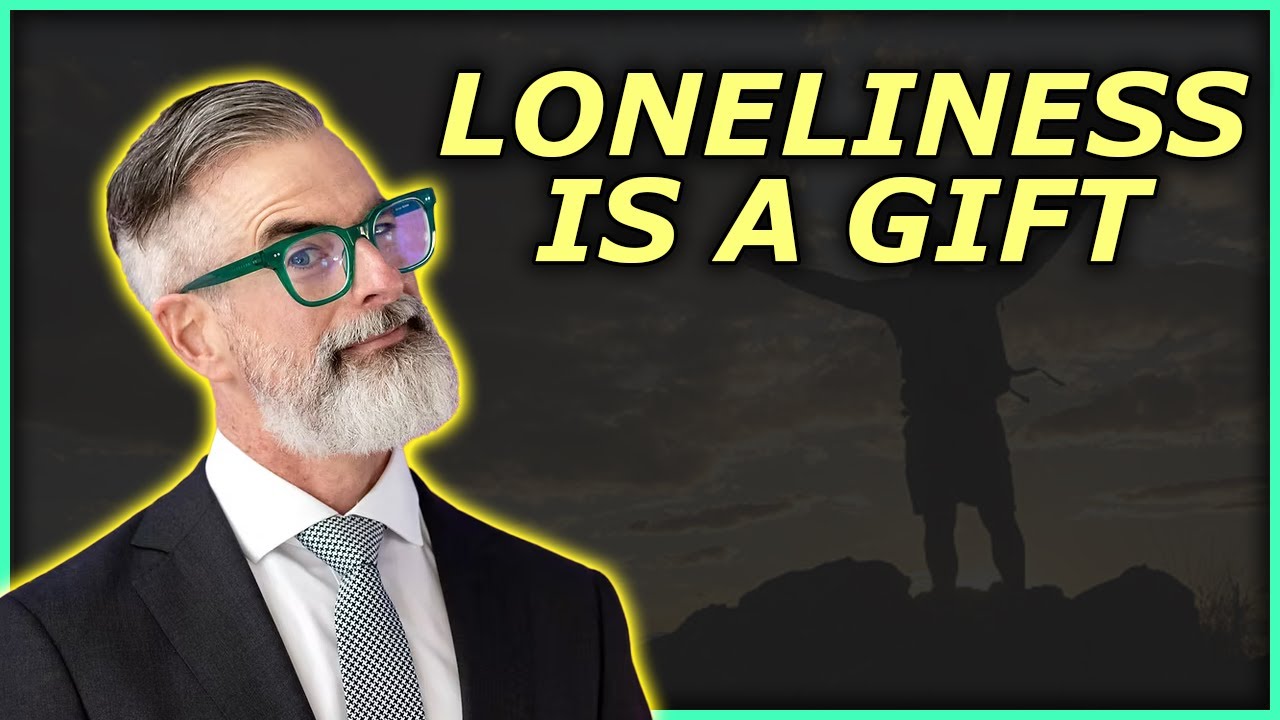
Phil McAuliffe, founder of The Loneliness Guy, talks with recovery coach Dr. Dallas Bragg about loneliness as a signal for connection, not a flaw. They discuss how shame and stigma around loneliness fuel relapse and suicide risk, and outline practical tools: naming what you feel, building connection to self and community, and avoiding the social-media trap.
Chapters
You will not hear us say you're not alone because loneliness actually makes you believe that you are alone. You're the only person ever in the history of the world to think these thoughts and feel these feelings, which is plainly not true, but loneliness has us believing that.
The Aftermath Podcast is an outreach tool to help men who have sex with men break free from the addictive patterns associated with chemsex, otherwise known as crystal meth, Or Tina. I'm your host, Dr. Dallas Bragg, a former crystal meth user, now recovery coach. Here you will find a repository of tools and resources intended to eradicate the epidemic that is plaguing our MSM population. Please note that the views expressed on this podcast are not to be taken as medical advice. Also, we will be talking about drugs and sex, so if you feel triggered to use Stop listening and contact your local emergency system and/or your support network. Let's go. Welcome back to the Aftermath Podcast. This is your host, Dallas Bragg. Excuse my voice today, just getting over some RSV, uh, respiratory stuff, um, and a little bit of a head cold. Um, so I really was hoping that I wouldn't have to cancel. I already canceled on you once, Phil. Um, but I didn't wanna cancel again because of my voice, but It was bad earlier, but it's a lot better now. It's perfect for radio. Right. Yeah. Yeah. I actually like it when it's a little bit deeper. It's a little bit, you know, more baritone. But anyway, welcome back to the podcast. Today we're talking about a very important topic, very relevant topic, and that's loneliness. Many of you out there, many, many, many of you are relapsing and using And you, we retrace it back to loneliness or you either identify it as loneliness or that's what we come up with. It's more and more probably the top 3 reasons I see men going back to the substance and is loneliness. But I want to understand today, and we have the expert here, Mr. Phil McCullough. He is the loneliness guy. And we're going to put all of his information into the show notes, but we're going to take a deep dive into What is loneliness and what is the, what is the quote unquote cure for loneliness, which based on, based on your website, it's talking a lot about connection, right? Um, and there's, you know, there's that big adage that goes around, the opposite of addiction is not sobriety, it's connection. Uh, right. But I don't think we understand. It's one of those words that's thrown around and okay, connection. What the hell does that mean? What do I do with that? I don't know what that means really. Right. Yeah. Um, so I wanna welcome my guest, Phil McAuliffe, the Loneliness Guy today. Phil, could you introduce yourself to us? Yeah.
First of all, Dallas, thank you so much for having me on.
Um, yes.
So yeah, I'm, I'm Phil McAuliffe. Uh, and not only am I the founder of, uh, the Loneliness Guy, uh, I'm also the founder of Humans Connecting. Uh, and the Lonely Diplomat. So basically what that all means is that wherever loneliness is spoken about, uh, that's where we are. So, um, I am a cisgendered gay man, um, who— I'm in Canberra, uh, which is Australia's capital city.
Mm-hmm.
Um, and We essentially do 2 things. We destigmatize loneliness by talking about it as openly and as often as possible. And then we help humans get the connection that they need and deserve because we're all worthy of meaningful connection. Um, what tends to happen though is that we don't talk about loneliness at all well.
Right.
And we miss the gift that loneliness is because loneliness is essentially trying to tell us, slow down, And you are not getting your social connection needs met. And loneliness, just like hunger, just like thirst, is simply a signal saying that our connection needs are not being met. And when we ignore loneliness, we ignore the cue that our body is giving us that we need connection. The longer we ignore loneliness, the deeper it gets. And what we are doing is helping people understand their loneliness rather than wanting to fix it.
I find this was, thank you for that. And by the way, there is a supplemental study guide that comes with every episode, and this is one that you'll want to really tune into. The link is in the show notes, or you can get that into your inbox by going to drdallasbragg.com, clicking on blog, and subscribing. All right. What I see though, this is all very interesting and I want to, I want to kind of go back to some of it, but it feels like the guys I work with, as soon as they feel a tinge of loneliness, they grab their phone. Yeah.
Mm-hmm.
They'll, they'll scroll. I don't know if it's just something we wanna do to try to feel connected, but then we feel less connected because we see couples doing things. We see friends out. We see whatever this algorithm is showing us that isn't the real world.
Yeah.
But we're doing whatever we can to not feel the uncomfortable feeling of being lonely, and we will, we just can't be in that state for 5 seconds. We have to find something else to do to avoid that. Is that, is that what you find or am I on the right track?
Yeah, yeah, absolutely. I mean, there's no, I'm not going to stand here and say loneliness is fun. Loneliness sucks. I hope I can swear here, Dallas, but loneliness is shit. There is a real reason. There's a real reason why we, why we reach for Something to numb, distract, and deny ourselves the discomfort that loneliness is. And we all do it. We all do it. Like, I'm sure your phone, if you're not listening through your phone right now and it's not in your hand, then it's not very far away from you. And that kind of, you know, it becomes that reflex of like, oh, there's a still moment.
Mm-hmm.
And before I know it, I've unlocked the screen, I've tapped an icon for a platform, and I'm lost in the scroll. And it really is such a trap because the platforms are designed for exactly that to happen.
Yeah.
They're meant for that. But one of the things that we say here, you know, for the last few years in our work is that reaching for social media when lonely is like drinking salt water when thirsty.
Hmm.
So it feels like, and we can kind of go on this whole visual metaphor here, it feels like we are, you know, alone in a raft adrift in the middle of the ocean. And, you know, we can, you know, we're dying of thirst, but there's water everywhere. And, you know, we reach over and we start drinking. It like satisfies the need to drink something, but ultimately it begins to do us more or at least different harm.
Hmm.
And so if we think about it like that, Particularly with social media, particularly with, say, a hookup app, that they can be great sources of connection, but we let them use us instead of us using them as the powerful tool of connection that they are, but we simply don't use it as that. We, um, the connection that we do is passive. Um, and that's not the connection that we need. The connection that we need requires real-time response. So if we can see them, but they can't see us, then that's not connection.
Ah, oh, okay. Okay. Let me get back to that. Let's go back to loneliness is a gift.
Yeah.
And it's a sign, right? So let's say I'm, yeah, Friday, it's Friday night. I've had a long week at work. I'm by myself, right? And I, and it sets in. Like there's FOMO, there's FOMO probably.
Yeah.
Right? And I've, and I say I feel lonely. What is the gift here? And what do I, how do I process that? Like, what are some, what are some ways that I say, okay, this is how I'm feeling. What does this mean? What is this telling me? And how do I talk to it?
Yeah. First of all, um, how many times have we been in that kind of situation, you know, and Friday night, Monday night, Tuesday morning, whatever it is.
Right. Right.
Dallas, I think before I get to the Loneliness is a gift. Um, I simply want to say, if we are at the point where we essentially can go, huh, what I'm thinking and what I'm feeling are part of how I experience loneliness. That's part of the loneliness experience, right? That is an enormous win. That is so, you're well on the way. You've cleaned the very first hurdle. on your way to meaningful connection because you cannot address something that you do not acknowledge.
Ah, okay.
So, and until you own loneliness, it sure as eggs is going to own you. So in that sort of situation, that really common, perhaps daily, multiple times a day, situation, that acknowledgement, that owning of loneliness as shit and difficult and as uncomfortable as it is, that is an enormous victory. Yay you. Right. You are well on your way to getting, uh, to, to, to doing something about it. But awareness is one thing. The power in awareness is in what you choose to do with it. Do you choose to reach for the phone, reach for, you know, shopping, sex, whatever it is, right? Or do you choose to get curious?
Right?
And so onto the gift.
Mm-hmm.
No one wants loneliness. And I mean, we're recording this in the weeks before Christmas and I don't generally on my own podcast or on other people's podcasts like to talk about things that are happening at this time because it kind of dates the content, right?
Yeah.
But, you know, there are Christmas trees in houses and, you know, around the place and there are presents under the tree. And me going loneliness is a gift kind of feels like it's that poorly wrapped present that kind of stinks, um, that is in the, you know, in the corner under the tree that's really hard to reach, but it's there every year. And every time you sort of get it and you go, no, I don't want it. I'm going to, I'm going to put it back under the tree and someone else can deal with it. Or if we're given it, we might ask for the receipt so we can return it, or we might not sort of Open it too, too roughly so we can then regift it. Like we do anything else to, to, for, for it to, to, to not be, um, to not accept it ourselves. But because we're recognizing it and we've accepted it or acknowledged it, at least like we've accepted the gift, even if we don't want it, but we, but it's here.
Loneliness.
Kind of has a bad PR team, right? Loneliness is, if we equate thirst and hunger and loneliness together, and that gives us a powerful reframe on, on, on the experience. Thirst is uncomfortable. Mm-hmm. Hunger is uncomfortable. Loneliness is uncomfortable. Each one of those by design, they're meant to be uncomfortable. So you stop what you're doing and attend to the need.
Okay.
So you attend to, like, you go to the, um, you go and get a drink, have a drink of water. Um, you go and prepare yourself a nutritious meal or, you know, a nutritious snack, or you go to the pantry or the fridge and, and you get yourself something to eat. Loneliness is doing exactly the same thing. It's inviting us through deliberately making us uncomfortable. It is meant to be uncomfortable. It's not meant to be fun. You're not meant to enjoy it, but you're not meant to live it over and over and over again continually. It's meant to be a short-term experience, just like thirst and hunger. You're meant to go to your social cabinet, like your social pantry or to the fridge. And get connection. And this is important, not any old connection, but connection that is meaningful to you. Okay. And so the gift of loneliness is in its invitation to get the connection that is meaningful to you and you alone. That's the invitation. That's the gift. Even though we don't want the gift, we want to regift it. We want to ignore it, keep it under the tree, uh, and someone else can open it.
But why is that? Why does it have a stigma? Loneliness? Why is it so? Who made it bad? Quote unquote.
You know, I think, I think we, we collectively made it bad. There's a couple of things here and I'll just go, I'll cut straight to the chase, but know that there's a whole lot we can talk about and a whole lot that I do talk about in, in, in, in our work in destigmatizing loneliness. But at its core, loneliness makes us question our worthiness for love and belonging.
Hmm.
And that is kind of, I don't know how you grew up, Dallas, or how, you know, the person joining us grew up, but where I grew up and when I grew up, There were some things that you just didn't talk about in polite company. You didn't talk about sex in polite company. You didn't talk about money in polite company. And loneliness is kind of one of those things that when we talk about it, we talk about it in the third person. It is something that, you know, we talk about it as loneliness. We talk about, you know, it's something out there that other people experience. But loneliness only ever, only ever lives in the first person. And so just like hunger and just like thirst and just like loneliness, you know, it is experienced by everybody in life and we're meant to, but we don't talk about it because when we do talk about it, when we admit aloud, what we say in our work is when we come out as lonely and those words are very deliberately used, Right. It is akin to coming out as gay. What we, um, what we're essentially saying is, I am unworthy. I, I have the belief that I am unworthy of love and belonging, and we don't know how to sit with that. We don't yet know how to respond to that. So when we do respond to that, we respond with empty platitudes. You're not alone. Put yourself out there. Well, you know, our work is where platitudes come to die.
Yeah.
Like, you will not hear us say you're not alone because loneliness actually makes you believe that you are alone. You're the only person ever in the history of the world To think these thoughts and feel these feelings, which is plainly not true, but loneliness has us believing that. So the stigma, the stigma itself keeps us quiet, but under all of that is that, that, that horrible belief that we are unworthy of love and belonging. That is simply not true. We are always, everybody without exception, worthy of love and belonging for being who we are. But, you know, there's, there's, there's so many layers to this, uh, but at the kernel, like at the very core of this is that underlying belief. We don't know how to speak of it without judgment.
Mm-hmm.
So we don't talk about it until we know that we can be met in the way that doesn't lead to pity or judgment or someone fixing it. We don't know how to receive other people telling us because it makes us uncomfortable because we suddenly have to hold up a mirror to ourselves and, you know, question our own, the quality of our own connections, which is uncomfortable and no one wants to talk about. But, you know, the, that, that kernel That belief, which is fundamentally not true, is, um, we feel, and I feel, at the core of why we really struggle with something that is simply part of being human.
Hmm. Yeah, it's almost like what I'm feeling is like you're, you're wearing a scarlet letter, something in terms of Marking yourself lonely.
Yeah.
Um, yeah, that's interesting. I've never thought about it that way. And if I, this is making sense to me too, in terms of why the men that I work with oftentimes they won't admit to me they're lonely until after they've relapsed. Yeah. Until after they've relapsed.
Yes.
And then when, when we dissect it, they'll say, well, I was feeling really lonely. Yeah. But, but they won't contact me and say, I'm lonely right now.
Yep.
But what they're really saying is, I'm feeling unworthy of love and belonging. Yep. Yep. And the fastest way for me, I know, I know the last time I felt love and belonging, that was when I was using. Maybe it was temporary, but it's the fastest way to get rid of what I'm feeling right now.
Yep. Yep.
Right. Yep.
Yep. So there's, there's, there's quick ways, but then there's ways that actually really last.
Right.
Um, but one of the, one of the things that you, you said, um, just a moment ago there, Dallas, was really interesting to me where you said that people won't, won't admit loneliness until they have done something that they regret.
Yeah.
That they didn't want to do. And I feel, you know, I'm going to be talking about a sensitive topic right now. And here in Australia, the number one cause of death for men aged between, I think it's 18 and 44, is by suicide. The number one cause of death. Wow. Now we can never really know, but when we look at, and correlation is not causation, I simply want to say that, but when we hold up data and statistics from so many countries globally, where we're looking at rates of loneliness and suicide rates, They are high amongst cohorts that are at higher risk of taking their own life. Now, what I suspect and what I fear, and anecdotally what I've heard many times, people will attempt to take their own life. They will do themselves an enormous amount of harm. Before they will admit they're experiencing loneliness.
Wow.
Because again, the, that admittance of the misguided truth in inverted commas that I am unworthy of love and belonging. So, so many times here in Australia, um, like I say to the, to the guys I, I support and coach. Is we are all, we believe that friendship, what we call mateship here in Australia, being a mate, being a friend, being a buddy is helping someone when asked, when they ask us for help. However, we need to celebrate the people who ask for Help. Yes. Um, because it takes courage. It takes courage. It's like, just, can we just put like an enormous blanket of courage over this conversation? It took courage to press play. It takes courage to talk about it. It takes courage to sit with it. It takes courage to own it, to do something about it. Courage everywhere.
Yeah.
And sadly, tragically, People choose to do terribly harmful things to themselves and to people around them rather than sit with loneliness. Well, and it doesn't have to be that way.
Right, right, right. Doesn't. So instead of sitting with it, you're, you acknowledging it, owning it, and then getting curious about it.
Yeah. Yeah.
Right?
Yeah.
So acknowledging it and owning it. I mean, I would think that one of the first things, like you're saying, asking for help, one of the first things to do is maybe reach out to somebody and say, I'm experiencing loneliness.
Yes.
Right? Right? Yeah. I'm experiencing loneliness right now.
Yeah, those words matter, right? In our work, I'm just going to, a bit of a flex at the moment, right? Like, I speak English as my first language. I speak it well. To some viewers, listeners, like, I have an accent, but you have an accent to me.
I do.
But, you know, I've got, you know, I've been to university, I can write essays and, you know, all that kind of stuff. I also speak French, German, Spanish, Wow. Vietnamese, Vietnamese, Korean, and my partner, he's Māori from New Zealand. So I'm also learning Te Reo Māori, right? I saw that.
Yeah.
Me and words are like this. Like, I love me some words.
I think so. Yeah. Right.
Words matter. And Dallas, what you just said there is really important. I'm experiencing loneliness. We deliberately use those words because it conveys, um, not only like it's, it's how I'm feeling right now, but it also has that, that, that connotation of being a transit, transitory experience, a temporary experience. When I really do not like people saying I'm lonely.
Mm-hmm.
Or, you know, um, I will accept I'm feeling lonely, but when, when someone says I'm lonely, he's lonely, they're lonely, it conveys that sense of permanence.
Yeah.
So I don't know if anyone, you know, speaks Spanish, but, you know, there's 2 verbs to be in Spanish, estar and ser. One is temporary, one is permanent. And we, we like loneliness very much needs to be in the yes, that column.
Right.
So when we say, when we, when we acknowledge it and, and, and, and essentially, you know, admit it aloud and admitting it aloud is important.
Yeah.
Um, in exactly the way that you said, I'm experiencing loneliness. That is, oh my, that is, that's, that's like chills. That's like, you, like loneliness does not take it, like does not stand a chance. You've turned from, you've turned that loneliness from the temporary experience and you're taking steps towards the antidote.
Yeah.
Which is meaningful connection.
Connection that's meaningful to me, you said.
Yeah. Yeah, absolutely. That's, that's important. The words there again are important. Connection, we will see on Google, um, connection is the antidote to loneliness. For us, meaningful connection is the antidote to loneliness.
Okay. Okay. So I'm experiencing loneliness. I'm going to say it out loud. I'm going to share it with somebody, right? And, and this, and, and for you listening, this is so, so similar to Urge surfing or emotional regulation, like these things, sitting with it and I'm experiencing a craving, right? Instead of saying I'm craving, right? Like I'm experiencing a craving and then sitting with it, being with it, getting curious about it. Where do you want? I mean, this is, these are all skills that are very similar. So this is going to help you in all areas here in your recovery, but also this, this idea of once you quit the substance, You're still going to feel alone. You're still going to experience loneliness, right? And that's the real work of recovery. So, okay, so I'm owning it. I'm acknowledging it. I'm getting curious about it and what I want to do. So if I'm thirsty, I get a drink, not saltwater, right?
Yes, exactly.
Right. If I'm hungry, a nutritious meal. If I'm lonely, connection that's meaningful to me.
Yes.
So how do I do that? Yeah, great. How do I know what's meaningful to me?
Great question. Uh, can I just, before I go back, uh, before I answer that, I just want to go back when you said, you know, uh, you know, went through that, that fantastic step-by-step process of how to admit loneliness aloud to someone. What I would add in there is the person receiving Our admission of loneliness because we're important to them. They love us. They don't want, they know how uncomfortable loneliness feels and they don't want you to feel that. What is a perfectly natural response is for someone to fix it.
Yes.
Someone to pity you. And I don't know about you, but certainly I don't like to feel pitied.
No, I don't. Right.
And there's a big difference between empathy and pity. And empathy wins every single time. Pity, pity just sort of kills the connection. Um, and so what I would do, uh, what I would suggest in, in that awesome sort of sequence of events there, Dallas, that you suggested was to add in their consent. Because one of the things that people experiencing loneliness can do is the loneliness vomit. Where we can, where we feel safe enough, where we feel, you know, seen enough, heard enough, we can essentially like vomit our loneliness onto someone who's really not ready for it. They're not in the headspace for it. So adding some words there around consent is that I'm experiencing loneliness right now. Can I talk to you about this, you know, in a way, like, I simply, I'm asking you to listen to this.
Yeah.
Because I need to say this out aloud. I don't need you to fix it. Like, um, you know, I simply need you to hear me say it because I guarantee you could say it. I mean, it wouldn't be as effective saying it to a brick wall, Right. But saying it out, saying it aloud, saying it aloud is, is the important part. That it's to another human is another really important thing.
Yeah.
But again, we don't want them to fix it. We don't want them to pity us, but what we want to do is to help them help us understand our loneliness. So we I completely, um, uh, disagree with the notion of like, your loneliness needs fixing. How to fix loneliness in 3 easy steps, says BuzzFeed or, or, or whatever. Again, words matter. You're not broken. You do not need fixing. Your loneliness does not need fixing.
Hmm.
Your loneliness needs understanding. That's your job.
Yeah. Right. He said it.
Yeah. So to answer your question there, which is, how do you know what meaningful connection is for you? We have, um, we've broken it down into something very manageable and it's something that we call the 3 pillars of connection.
Okay.
And those 3 pillars of connection Are connection to self, connection to those most important to you, and connection to community. And each one of those pillars needs to be as strong and as stable as the others for your connection house to stand.
Okay.
What we What we, um, we say that very clearly and deliberately for a very good reason. Put yourself out there, or, you know, connection is the antidote to loneliness. We focus on like, you need to connect with your friends, you need to connect with your family, you need to, you know, to go and join a club, you need to go and do something out there. But if you are not being your authentic self, In those situations, if you're not connected to who you are, the beautiful, messed up, glorious clusterfuck of a human that we each are, unless we are ourselves, outside of ourselves, the connection that we get back is not the connection that we need. And so That's like the answer is in those 3 pillars in meaningful connection. When we are authentically ourselves and we are ourselves with the people who are most important to us, and when we are out in community, then we feel connected, meaningfully connected. Then we are getting the connection that is meaningful to us. So Dallas, what then might be a great time for you might be really boring for me, but it doesn't matter. Like it's filling your connection cups up.
Okay.
Um, and vice versa.
Yeah. Okay. So I'm being authentically me in, to my, with myself, with the, the people that are most important to me and to the community. So it sounds like You have to connect to yourself first to know who you authentically are, right? So isn't there a, the self-connection is a step that might be first in this process?
Yep. Yep. You're very, you're very clever. Like that's, yes, absolutely. Absolutely.
Yeah. And I think that's, I think that's sometimes where we get confused too, right? Like you're, You're coming out of a, you're coming out of an experience with meth. Maybe it's a long experience with meth. You've pretended to be somebody different, you know, for many years. You're, you're left on the other side of, okay, now I've quit, but I don't know who I am anymore. And I'm afraid that if I, I'm afraid that sober me is not going to be somebody my friends want to be around anymore. Yep. Yep.
It's terrifying.
Yeah. And so this process of connecting with self, do you help men do that as well in your program then?
Yes.
Yes.
Yes. So we have something that we call the Connection Starter Course. And it is all about, well, there's sort of 6 parts to it. One is that we talk about loneliness, how it shows up. And because, you know, like you, Collective Dallas, and, and, and, and the person joining us, that nothing ever changes until we actually go, you know what, I'm sick of this shit. I'm doing something differently. I deserve something better.
Right.
I don't know what that looks like, but you know, the comfortable misery of where I am, Yeah. Like, I'm worthy of more than the comfortable misery of where I am. And so we talk about that. Like, we talk about the price that staying lonely will have on us. Then we talk about, we, we, we go through, um, uh, uh, connection to self. And then the next module is connection to those most important to you and then connection to community. And then all of those get wrapped up into your connection plan.
Okay.
Which is how you can daily, weekly, fortnightly, monthly, quarterly, half-yearly, annually, like what are the things that you need to do each day, you know, according to those timelines, timeframes. Um, to stay connected because you've identified what connection is meaningful to you. You understand why, uh, according to those 3 pillars and what are the things that you can do, simple, tiny little things each day where you choose connection that you then get to as, you know, you weave connection into your day as opposed to like the one more thing that you've just got to do each day. That's like— You start living connection. Connectedly as opposed to doing connection, you know, as an add-on to how you're living.
You start living connectively.
Yeah.
It's a, it's a, it's a state of life. It's a, it's a life change, right?
It's how we're meant to live. It's a return to life. It's a return to life. Not, not, yeah.
Yeah. Interesting. Yeah. I mean, I, it's, it's still striking me It's still, I'm still going back to this. Loneliness is, I, I'm unworthy of love and belonging, right? If you were to, if you were to replace that and, and have to say that, how, that's so vulnerable. Yeah.
Yeah.
Right? So, so it seems to me like this is also, um, This is also in the realm of intimacy. You know, we, we want to learn intimacy as well when we're coming out of meth use. And we all, we already think that we automatically think intimacy is touch and it's sexual, but intimacy is being vulnerable with somebody. Intimacy, I mean, you see, right?
Yeah.
And look, look at me. I'm feeling unworthy of love and belonging. And just putting that and exposing yourself of that, that, that is right there is so healing for somebody who's coming out of meth addiction and who is trying to get connected back to self and understand what intimacy means. It feels like it's all very related.
Oh, yes, absolutely. And those people, those people who, you know, frankly drop the bullshit. Drop the masks, stop pretending to be people that they're not. Those people, however they are, whatever they look like, however they identify, wherever they are, they are my people. Because part of my journey, I hate using that word. It makes it like life sound like a reality TV show, but part of, you know, like this is, you know, Australian or American Idol or something like that. Um, but part of my life. We spend so much of our younger lives trying on different personas and keeping the ones that work, that get us, in my experience, the promotions, the opportunities to showcase awesomeness. And they work, and then they get to a point where they don't anymore. Like their usefulness Um, stops, uh, like it ends. And, and what we're compelled to, compelled to face is that, that horrible question. But again, the gift within that question of who the fuck am I?
Hmm.
And we can go, you know, we can ask that in, in lots of different ways. Like, who am I? Like, I cannot believe that I don't know myself. Or, you know, which is judgment, or we can become curious. It's like, who am I? God, I don't know, but you know, I'm, I'm, I'm here to find out.
Yeah.
And when it comes to loneliness and feeling disconnected from ourselves and the world around us, that experience, loneliness, Feeds off judgment. It loves judgment.
Right?
Starve loneliness. Feed connection. Curiosity leads to connection. So if you want to kill loneliness, become curious. Relentlessly curious.
Curious. Curious. Yeah. Yeah. So, because you, you know, you keep saying there's the platitude of just put yourself out there, right? And I know one thing, one thing that gets thrown around so much, um, wait, I thought, thought I was gonna sneeze. One thing that gets thrown around so much when a gay man is feeling lonely, well, go join Stonewall Sports, right? Put yourself out there. Go play kickball.
Yeah.
Which, which I think has worked for A lot of men, but I would say get curious first to really see, is that something you want to do? Is that where, is that a connection that's meaningful to you? Is that authentically you? Because when I asked myself that, I said, hell no, it is not authentically me to play kickball.
Yeah.
I, I just, it just isn't. I'm sorry. You know? But that's what everybody said when I said, well, I want to, I want to get out. I want to put myself out there. Right. I want to, you know, inject myself into some social event. And, you know, and, and, and here's what happens with me. I inject myself in some social event. I feel more lonely than I did when, before I went.
Yep.
Because I'm standing there. People don't know how to connect. And in this gay culture around here, there's not a lot of inclusivity. And I get in my head and I don't wanna go up and talk, you know, just strike up a con— strike up a conversation. And sometimes I haven't, they'll turn their back on me.
Yeah.
And so I feel unworthy of love and belonging when I'm standing in a crowd of people. And so I think it's such good advice to just stop saying, put yourself out there and get curious about what it is that is meaningful to you. Maybe it's a small little hiking group or, you know, or I don't know, a fucking knitting circle for that matter. Just something, right?
With, with, you know, elderly women. Yeah.
Why not? I would love that.
I know.
I would love that.
I'm sure you'd get all the good gossip, but I think, yeah, one, there's a few things there. Like if, you know, playing dodgeball, kickball, I don't know, we didn't play those when I was— they're very American things that I've, you know, so we didn't do that in PE in school. But, you know, whatever it is, like, you know, the roller derby league, whatever, whatever, whatever, whatever.
Yeah.
Right. But if your interest is in like cultivating bonsai, like cultivate bonsai with people. But one of the things that, that, that you really just awesomely touched on, uh, there, Dallas, was something that I really want to sort of underline and underscore.
Okay.
In, in doing connection, connection to yourself, And so, you know, again, all of those 3 pillars, and I'm using those words, doing connection as opposed to put yourself out there, right?
Yeah.
So in doing connection, again, that's meaningful to you. We can only ever control the effort that we put in. We can only ever control our words, our thoughts, and our actions. We can never control how they're received and how they're responded. So in the example, Dallas, that you said about, you know, you going to an event and you plucked up the courage to go up and speak to someone and then they turned their back on you. That's not on you. You're like, I'm like cheering you on. I'm getting the cheerleader's outfit on and, you know, give us, you know, like, you know, doing like the, what is it, the Dallas Cowboys? Like, that won't have anything on me, like in the level of celebration that I will have for you in that situation because you bravely and courageously got out of your comfort zone and went to connect.
True. Yeah.
That's on them.
Yeah.
How they responded is on them. And the effort is what needs set, like, because you can never, um, you can never be guaranteed of the outcome. And if you, um, rate your success, your connection success on how it's, um, like how it's reciprocated, We can be disappointed more often because again, people do not know how to connect.
Yeah, right.
But you do, but you do. And so like, you know, you might be going up like in that situation, you're going up to that guy going, hey, like feeling weird and awkward and every bit of a teenager and like going, hi, kind of sort of, do you want to maybe kind of sort of maybe potentially? be my friend in as many words.
Yeah.
Like they turn around because potentially, I don't know, they're an asshole through to, or, you know, they, they've got something that they needed to get done and, and couldn't communicate it, or they were so overwhelmed with, with your, um, your boldness, the sheer audacity that they kind of like shut down. Who knows? Who knows? But Guaranteed there would be other people who noticed that. Yeah.
Yeah.
Who see you and you doing that, they clock that as you being a safe harbor to connect. You're here to connect. And so you never know where, like, who's watching, who's noticing. But please, please, please only, like, never forget that you can only ever control your effort. And that always deserves celebrating, even if it doesn't go. And if it goes poorly, what a fantastic example on a podcast you've got. Like, it didn't go badly. You've got a great example.
Yeah. Right.
That's very relatable.
Right. That's right. Yeah. What do you, do you help people? Like, so let's say I go through the course. Um, I've, I've kind of, I'm on the road of discovering who I am authentically me. Right. Like these are my core values, maybe, you know, this is what I stand for. So I'm connected to self, most people who are most meaningful to me and the community.
Yep.
Do you Do you help people understand how to connect though? Like if I want to connect with my community and make connections that are meaningful to me, like I'm like, sometimes I think I think too logistically, but like, how do I do it? Like what would be step 1, 2, and 3 in terms of, you know, do you coach men on doing that?
Yeah. Yeah. So basically, Because, because everybody experiences loneliness, like of the 8 billion people in the world right now, there are 8 billion ways that loneliness can be experienced and it's unique to each and every one of us, but there are commonalities, right?
Mm-hmm.
And in many instances, going right back to fundamentals, because when we go back to fundamentals, We get to the truth and then we can then apply the fundamentals to the details in our life, which, you know, is we could focus on the details or we could focus on like the fundamentals and there's more impact on the fundamentals. When we've, we experience loneliness when we don't feel seen and we don't feel heard. Because when we don't feel seen and we don't feel heard, we don't feel that we belong. And not belonging is part of loneliness. And one of the things is where we, um, I just lost my train of thought there, but, um, where, when we, when we get to, there's, there's, my mind is keeping up, uh, um, Oh no, I've got it now. My mind goes far faster than my mouth can keep up sometimes. But one of the things here, loneliness is often an unintended consequence of decisions that we take to stay safe and small.
Ah, okay.
Sometimes we can experience loneliness because someone close to us has passed away. Or a breakup. But in those situations, loneliness is kind of expected. Like we expect to feel lonely then. We still don't deal with it well, but we can expect it. What we don't expect is to experience loneliness just by like being us on a random Thursday morning.
Hmm.
Um, and, but loneliness is often the unintended consequence of decisions that we, that we've made to stay safe and small. And so we look at that.
Oh, wow.
What were those decisions? How are you staying safe? How are you staying small? And there is a cost. There is a benefit to those decisions because you, you've stayed safe and small.
Yeah.
But there's been a cost and that cost is the quality of your connection and you are like, You are paying that price. And that's where we, that's where we start is like, what is the cost of this? Because you can, like, it kind of works now. It might not be working as effectively as it did in the past, like your, your, your, um, the ways that you're staying safe and small. But You know, the cost, the cost is starting to outweigh the benefits.
Mm-hmm. I want to, I might tie that back to the Stonewall kickball. You don't have kickball over there. What do you have? Do you have Stonewall in Australia?
No, not that I know of, but I'm just like, I think it has—
You know what I'm talking about? Yeah. Yeah. You know what I'm talking about? Yeah.
Yeah. Yeah.
So, but If, let's say kickball and joining a kickball team is something that's meaningful, a connection that's meaningful to me. Yep. Playing safe, uh, it's unintended consequence of decisions, um, making to stay safe. Right. And stay safe. And what else?
Small.
I can't read my writing.
Small.
Yep. I choose because of, I get in my head. about, you know, and I, I, I get fear, you know, I wanna stay safe and small, so I stay home instead of going to try out for kickball. That would be, that would be an example of bringing, bringing loneliness in. Yep. Based on that decision. Is that right? Yeah.
As well as you going along to tryouts for kickball. Uh-huh. I'm just gonna say possibly the most American phrase I've ever uttered in my life. Um, Oh, I don't want to induce a coughing fit. Sorry, Dallas. Um, you know, keep that, keep that good radio voice going.
Right.
I simply like, you know, but you, you go to those tryouts wearing the mask of like, I'm competent. You're, you're showing up in a performative mode. You're showing up in any other way that is okay. beyond who you are in that moment.
Okay.
So if you're nervous, like, like going to those triathlons, people, in that very American way, like, great, be nervous, allow yourself to be nervous because you're doing something new and nerves are completely understandable in that. But if you're going there, like pumping yourself up and, you know, got the, like a mask on of like, I'm the best bloody kickballer, dodgeballer, tryouterer, like, you know, this, this side of the Mississippi, then like the battle then becomes like maintaining that facade for the rest of time.
Hmm.
Drop the, drop the bullshit, drop the pretense, like be nervous. The nerves won't last long.
Mm-hmm.
Like once you're into it, you're into it. The nerves, the nerves will go away. And then actually you can, you can begin, like, you can actually admit to someone who might be trying out as well. It's like, I'm pretty nervous. How about you? Again, you've been, you've become a place for them to be safe in admitting that they're feeling nervous too.
Yeah. Yeah. Yeah.
It's different to trauma bonding, but like you're showing up as you, you're showing up as you wherever you are. Yeah. Yeah. Which is vulnerable, courageous, but you cannot have meaningful connection without courage. This sounds very Brené Brown, but she's right on the money. You cannot have connection without vulnerability and without courage.
Yeah.
And if you're trying to manage out being vulnerable, if you're trying to manage out being courageous, then you're managing out meaningful connection. It's shit and it's sucky, but it's true.
Yeah. Yeah. Yeah. Mm-hmm. Yeah. Interesting.
Wow.
There's a lot here today we talked about. There's a lot here today. What did I miss, you think? Was there anything that I could have asked that I didn't touch on that would've been important?
At the risk of going on for 3 more hours, there's one thing here. Well, sorry, there's 2 things. One is on friendships. So I'm just going to write one thing down so I don't forget. But on showing up and again, try, you know, that the, like the kickball example. And on our podcast, we've had, you know, friendship expert, a friendship expert and a couple of friendship experts come on and talk about how to make friends because like inevitably we are all like still Like I'm almost 49 years old. In my head, I'm still 14, right?
Right.
And I'm still like trying to, like, I still battle, you know, with the awkward gangly teenage me.
Right? Yeah.
And what that means is that, you know, when we go to, you know, make friends, we can kind of like, we're presenting as, you know, an almost 48, sorry, 49-year-old. But we're kind of wrestling within ourselves with the teenager. She has said, and, you know, not wanting to paraphrase her, but her name is Dr. Miriam Kermire. She's based out of Montreal. And she says that basically, like, making friends as an adult is weird and awkward, but we've still got to do it because relationships, but those, because friendships are really important.
Mm-hmm.
Um, what we've explored in a recent blog article is what happens, like, when you do put yourself out there, you do go to connect and you go there the first time, you're nervous, but you kind of meet some great people. And then, you know, there's the second, like, you, you, the, the event ends, you go home and I'm like, I can't wait for next week. I'm really pleased that I did that. And we know that, you know, making friends requires regularity and commitment. And you go the second time the next week and the vibe is very different. You were excited, or at least not nervous, but you go in and like there's different people there. The people from last week aren't there this week and there's different people and they're like, who the hell are you?
Hmm.
And like the vibe just suddenly, like it gets a bit off.
Right.
And you leave at the end of that and you're just like, oh, I'm not quite sure this is for me. This is, it just felt like really weird and awkward and yuck. I didn't like it. So I don't know if I'll go back the third time. And then you kind of, you know, convince yourself that no, I don't want to go back the third time. Go back the third time. Please go back the third time because inevitably the third time is somewhere in the middle between the awesomeness of the first time and the disappointment of the second time. Uh, and the key to this is persistence.
Okay.
Connection takes time. It takes effort.
Yeah.
And we need to persist.
Right. Right.
And give yourself 6 months.
Hmm.
Um, make that promise to yourself. Again, you can only have a control. Your effort, you can't control the response.
Yeah.
So commit to 6 months at least, give it a good go, give it a really, you know, good crack.
Right. Yeah. Yeah.
So there's, there's, there's one thing just on, on, on, you know, the, what, what, what is required to, um, to, to, to, to do connection. It's persistence. Choosing it.
Yeah.
Yeah. Choose it consciously and persist.
Yeah. Yeah. Which, which goes back to everything else with addiction, crystal meth, or chemsex, is that I want connection fast. It's a shortcut. Yeah. It gets me there real fast. And of course it's temporary and it's not real. But if you want anything you want to do, if it's sexual reintegration, If it's connection, it's going to take time. It's going to take effort. It's going to take persistence. It's going to take patience. It's going to take work. Right? We have to, we have to get out of the state of mind that recovery is easy. This is work. Yep.
And I will add, yes, it does take work. You are worth Yes, exactly right.
Exactly right.
Like this, and the work is the stuff of life. Like connection to yourself is continually evolving and meeting yourself where you are and how you are in any particular moment takes skill and practice. Who you were 5 years ago is not who you are now. And if it is, maybe that's another conversation to have if you haven't changed since you were 25 years old.
That's right.
If you haven't grown and evolved, but the, yeah, like under, yes, like I will share this before I get to my final point. Just yesterday, again, not wanting to date things, Like I made the decision in consultation with my team to stop posting on Instagram.
Yeah.
And I really struggled with this because, you know, it's a very good vehicle.
Yeah.
But it fundamentally makes it like it is not a place for connection. It is a place for saltwater. And, you know, trying to reach people in a way there that created the space and time for people to get quiet and calm. Connection is not the play, like connection cannot be sorted in a 30-second soundbite.
Yeah.
Connection requires us to get quiet and reflective and not forever, but it requires us to actually know what connection is for us. Then it becomes far easier. You can drop going to kickball and go to bonsai if that's the thing that floats your boat.
Yeah. Right.
So yeah, like it's very, this was a, this felt a big decision, but trying to give people great advice in 30 seconds risks turning everything into a helpless, hopeless platitude. Where time and space, and that means it's not for everybody, but unless people are willing to invest the time and the space, they're not ready.
Right, right.
They're not ready because yeah, like they're going to be looking for the other things. So yeah. Well, I've kind of had that experience. Let them.
Let them. Yeah. I've had kind of had that experience with TikTok though. Where people from TikTok aren't really interested in, you know, they don't even listen to what I have to say. They just make a comment real quick and they keep scrolling and they're not really getting the message. Yep. Yeah.
Yeah.
Yeah.
And, and yeah, so we were on TikTok a while ago and yeah, it was But for us, like, we're more on, like, you know, we still have a presence on Instagram and Facebook and things, but the space now for us is, you know, is more LinkedIn or even email, like old-fashioned email, like where we can actually, like, invest some time and I can actually, like, engage with a human as opposed to an entity.
Yeah.
Who, you know, not even quite sure they're human.
Yeah.
So for me, yeah, it is very like I need to feel connected to my work. He as well. And, you know, I need, you know, the space and time rather than trying to feed a beast and play a game that I can never, ever, ever win. Um, so I, I've stopped, stopped playing that game and it feels good. It feels good.
Yeah. So great.
Dallas, if I can, I just have one, one other thing that I wanted to say.
Sure.
Loneliness dances in a trio. You know, we could call it a threesome, um, I guess safely in this, this audience, but you know, when it, when it's not such a, um, Uh, a, a, uh, a sex-affirming, um, uh, space, then, you know, we say a trio, but it, it, it's in this trio with shame and trauma.
Hmm. Okay.
And unpacking loneliness, trying to get loneliness out of that trio. Compels us to sit with shame and trauma. And we can want to like reach in and grab loneliness out of that. And then we go, oh no, I'm just going to put that back because dealing with shame and trauma is just too hard.
Right.
And Trauma and loneliness are shameful, and shame and loneliness is traumatic.
Hmm. Wow.
And trauma and shame together, unspoken, causes loneliness.
Ah. Wow.
So the other 2 feed the other. I see.
So with, for, if, sorry, sorry, my Siri was activated for some reason. And he was talking to me. I don't know if you could hear it or not, but, so if I'm getting curious about my loneliness, Then I may also be asking what shame and trauma exist here too, right?
Yeah. Yeah. I don't want— no one is served when we pretend, when I pretend that sit with your loneliness and it's all going to be happy, happy, joy, joy. It's, it's just going to be like, you know, rainbows and unicorn farts. It's, it's not.
Yeah.
It is, it can be very upsetting, but 2 things here. It is not as bad as we've imagined it to be. And I have so many examples of this, that admitting and talking about your loneliness makes for an uncomfortable 5 minutes.
Hmm. Interesting.
Then afterwards, the human that I'm supporting has an absolute lightness of being. The thing that they feared didn't happen. They didn't spontaneously combust when they spoke.
Right. Right.
They were met with empathy. Me too.
Yeah. Instead of numbing it, distracting it, or denying it, is hold it. Begin to talk about it, articulate it.
And we don't know, again, back to the power of words. One of the things, like when I was admitting, when I was reckoning with my own loneliness, it was so frustrating. I didn't have the words despite knowing all of these languages and being able to use English really well. I didn't have the words to express what I was thinking and feeling. And so how could I ask for help if I didn't know the words to use? And what I've since learned is that we don't know how to receive those words either. We don't know how to understand loneliness and respond in, in another way beyond pity and, and, and all of that.
Yeah.
So I waited until I had the right words. To say, you know, to, to, to, to speak about it. Um, but I didn't have the right words and, um, I kind of sort of maybe asked for help, but the help that I asked for was not the help that I needed.
Oh.
And it wasn't until I said, I'm lonely. that the path forward started to, um, started to reveal itself little by little. But I was met with pity. This is from a counselor, met with pity and met with trying to fix it. And I'm like, no, no, no. That's a very bad response. I don't know why it's a bad response, but no, like there must be something different than this. So that's what we've created.
Yeah. Yeah.
One of, one of the things is it is like when we kick that rock over of loneliness, underneath all of that is shame and trauma. And we might want to just sort of put the rock back and go, well, life wasn't that bad beforehand. Like, right.
I'm going to say safe and small instead.
Yep.
Right.
I choose to say, which, you know, there's, there's benefits and consequences for that. The benefits and consequences is you stay safe and you stay small.
Yeah. Yeah. And maybe it is that you stay lonely. Right. That's right. Yeah. You're going to stay lonely for a while. Yeah. I think you've touched on this a couple of times and I think it is really important is having a friend. And here I have friends that I can go to and they know, don't make me feel, don't try to make me feel better. I want to feel this better. I want to feel what I'm feeling better, but don't make me try to feel better.
That's really powerful. I'm going to steal that. One thing is, and in terms of this, identifying who is closer, who is most important to you. One of the exercises that we do is ask this question. And I have to say that this came to me from life, um, where I was, I asked for help and was with, from people who I really needed help from. Um, and I'm an Australian guy. It takes a lot for us to actually ask for help. Um, and indeed going back a few points, like many would rather take their own life or, or take their own life than ask for help.
Yeah.
Yeah. Um, so with that context in mind, I asked for help. And I was met with like, well, thoughts and prayers, like, hope it works out for you and stuff. I'm like, no, no, no, I'm actually asking for your help.
Mm-hmm.
Um, and so I came like this, this came to me after, like, through this experience when it, it kind of, it's, it's about, you know, it's, it's 3, 3 o'clock in the morning and there's an emergency. Who is on your call list? Um, it's 3 o'clock and someone else is having an emergency and they call you. Do you answer the call?
Yeah. Right.
Who is on both lists? They're your people.
Yeah.
They're, and, and when we have People on those lists, those people are the ones who really are the most important for you. Everyone else could be like, you can have like, you know, 20,000 friends, whatever it is, like you can have so many, but those, those core number of people, they're the— identify those and Dallas, in that way that you said, I need you to not fix it. I need you to help me feel it.
Yeah. Yeah. Yeah.
You could be that for them and they're that for you. And you, when, when we have those, we are absolutely winning in life. We can do great things with that.
Yeah. Mm-hmm. Yeah. Perfect. Lovely. Well, this was great, Phil. Oh, and we didn't talk about your, obviously you talked about your coaching today, your podcast. What's your podcast called?
So we have Connection Over Coffee. We haven't been doing Connection Over Coffee for a while. Um, but we, we've, we've actually moved our, um, our content, like our new content is on humansconnecting.
Okay. humansconnecting.org.
Yeah. Yeah. So humansconnecting.org and all of that. So if anyone goes to The Loneliness Guy, um, they can see blog and podcast there, but Um, it will refer them through to Humans Connecting, um, as well for any sort of products and services.
Okay.
Um, we, we do have a, a product, um, which is a, about a 90-minute video from memory on loneliness, uh, in the closet and loneliness out of the closet.
Um, okay.
And, um, uh, so with some, uh, ideas to help people feel more connected in their But we have the blog and the podcast, which are high value, no cost. We've got zero cost downloads, connection prompts, journaling prompts.
Nice.
And then we've got low cost, high value, and then sort of higher cost, more intensive things like services and products as well. So we do, Been like, we support individuals, workplaces, governments, speak in public, work in the media, all that kind of stuff. But that's all through human scaling.
Nice. I love that. Love that. And good for you for doing a TEDx. Yeah. Well, this was great. This is great, Phil. Thank you for this. This is so, so needed. And loneliness is just one of those things, lack of vulnerability. You mentioned Brené Brown. It's so misunderstood, right? And it's thrown around so much.
Um, but you know, we could turn it into our ally. We can turn it into a friend, not be afraid of it when we understand it. We don't like it. It kind of smells a bit. Uh, and we wish it wouldn't visit so often, but it's here to tell us, to remind us.
Yeah. Yeah. Yeah. Yeah. Yeah. So for those of you listening, I hope you got some, you get some, something very valuable out of this. You might have to listen to it again. And don't forget, you have a study guide. Um, but, you know, get curious, get curious and use these tools. Um, I just think, you know, we, we have to come out of the closet for being gay, come out of the closet for being an addict. We have to come out of the closet for using meth, come out of the closet for having HIV. And come out of the closet as being lonely now, right? There's so many closets we have to come out of. Um, but so, so each closet you come out of, it's more liberating, right? More powerful, liberating. So, yep. Yep.
And life gets better on the outs, on, uh, life, life changes on the outside often for the better.
Yeah. On the other side of that door. All right. Thank you. Okay, guys, I hope you enjoyed this. Uh, we'll see you next week.










