EP 2:46 Finding Your Chemsex Recovery Plan with Shane
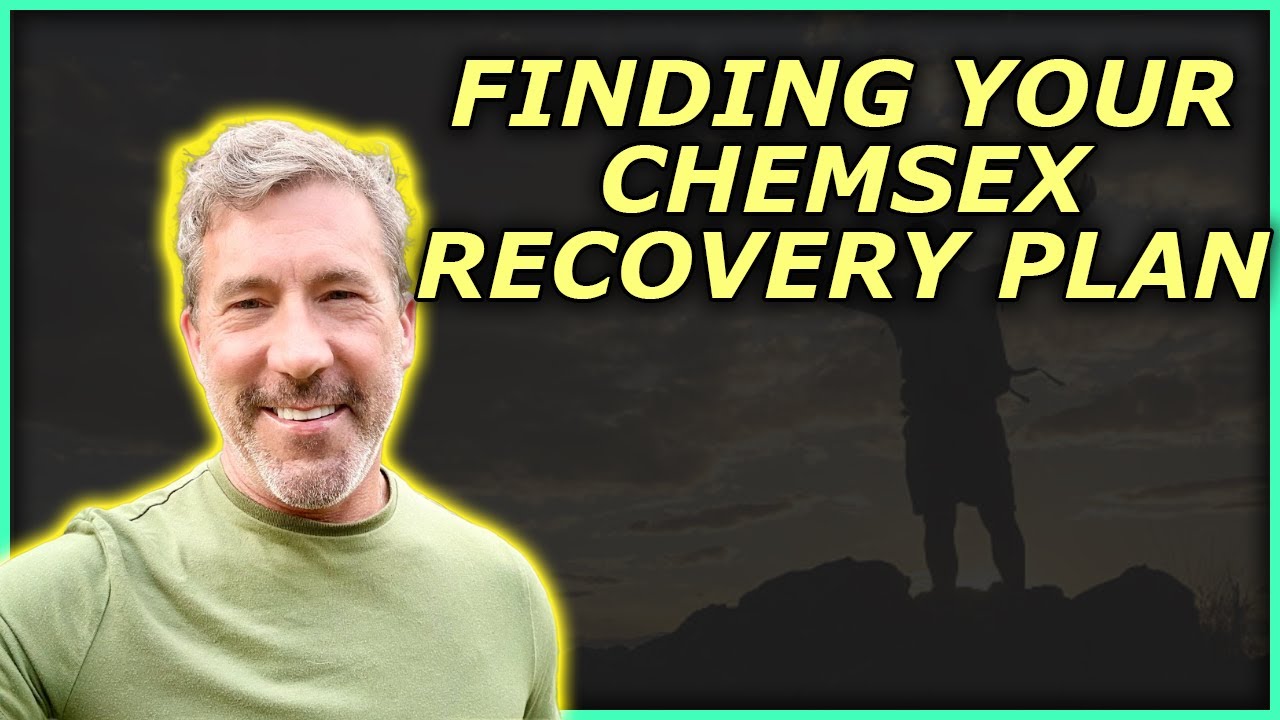
In this episode of The Aftermath Podcast, host Dr. Dallas Bragg, a former crystal‑meth user and recovery coach, interviews Shane Mason, a recovery and life coach with 22 years of personal sobriety and extensive professional experience. The conversation opens with a brief introduction that frames the podcast as an outreach tool for men who have sex with men (MSM) struggling with chemsex (crystal meth/Tina). Shane shares his personal trajectory: growing up gay in the 1980s South, early drug experimentation, discovery of meth in New York, a five‑year binge that culminated in homelessness, psychosis, and a near‑death moment that led him back to Washington, D.C., where he entered a 12‑step meeting (CMA) and began rebuilding his life. They discuss the psychological and physiological mechanisms of meth addiction, the importance of an emotional/spiritual bottom, and why many relapse despite periods of sobriety. Practical recovery tools are highlighted, including daily journaling, creating “future‑self” video vlogs after a use episode, and using those videos as deterrents. The hosts emphasize community, fellowship, and structure—whether through 12‑step groups, Dharma, or secular alternatives such as running clubs, nature walks, or hobby groups—as the core ingredients of lasting recovery. Shane outlines his Co‑Active coaching style, which assumes clients are whole and creative, uses powerful questioning, and focuses on identifying the client’s own solutions while sometimes providing firm boundaries (e.g., changing phone numbers). The episode concludes with mutual appreciation, calls to action for listeners (commenting, joining the Facebook page, accessing study guides), and a reminder that recovery is a personal, ongoing journey.
Chapters
Right.
But that's, that's how drugs work for me anyway. They don't ask for much in the beginning, right? They don't ask for— it doesn't ask for much. And then it just slowly asks for a little bit here and there until I am living in the streets, stealing food for my dog from bodegas and running from Korean bodega market owners.
The Aftermath Podcast is an outreach tool to help men who have sex with men break free from the addictive patterns associated with chemsex, otherwise known as crystal meth or Tina. I'm your host, Dr. Dallas Bragg, a former crystal meth user, now recovery coach. Here you will find a repository of tools and resources intended to eradicate the epidemic that is plaguing our MSM population. Please note that the views expressed on this podcast are not to be taken as medical advice. Also, We will be talking about drugs and sex. So if you feel triggered to use, stop listening and contact your local emergency system and/or your support network. Let's go. Welcome back to the Aftermath Podcast. You know who I am, but I hope maybe you know who this is. I don't know. But our guest today is, is Mr. Shane Mason. I met Shane at an interventionist Interventionalist Conference by Brad Lamb, who has been on the podcast, uh, in P-Town. My first trip to P-Town, we met. Um, I'm here.
Beautiful.
Yes. Yes. I got the most beautiful picture of a sunrise that you will ever see in your life with— really? One morning when I was walking on my way to the convention center.
Was it— were you— was it a selfie?
Were you in the picture?
Were you in? No, that's—
No, that's why it was so beautiful. I wasn't in it.
Come on, Dallas. It was beautiful though, with that, that week in P-Town, October. Gorgeous.
Yes.
And I got to meet great people like you. I was, uh, I, I love it. We, I think we even sat next to each other. Yeah.
Well, close. We were close.
Different tables, but yes.
Um, I'm gonna introduce Shane and we'll get going. Shane Mason is a recovery and life coach and interventionist. Interventionist. I don't know why I have problems.
I have a hard time with that word too.
Saying that, uh, he has 22 years of personal recovery and more than a decade of professional experience. He's certified as a peer specialist through Washington, DC Department of Behavioral Health. He's also spent 12 years volunteering with Whitman Walker Health's WWAS program. What does that stand for?
Was it's Whitman Walker's Addictive Services?
Oh, okay.
And Whitman Walker is the it's an LGBT clinic, LGBTQ+ clinic that started during the AIDS era, and as they As, you know, the world has evolved, they also added a kind of an IOP-style facility for folks who are seeking recovery.
Nice. Nice. Yeah. Yeah. And Shane, you also completed formal training in the ARISE and Break Free intervention models and blends coaching, peer support, compassionate intervention to help individuals and families navigate recovery, transition, and lasting personal growth. Welcome to The Aftermath.
Thank you. I'm so excited to be here, Dallas.
I really am.
And after that kind of introduction, it sounds like I better know what I'm talking about.
Yeah, you better. We're gonna put it to the test.
Okay. I'm ready.
I'm ready. Um, Shane is just one of those people where you meet And you just instantly fall in love with, instantly like everybody's magnetized. You just have that magnetism about you, which, which are sentences no one's ever said about me.
Oh, stop. I was drawn to you too. I don't know about that.
Um, but yes, but thank you for being here. Um, really appreciate it. Um, excited to dig in. So 22 years of recovery. Can you tell us a little bit about your story?
Yeah. First of all, that's still, when I hear that, I'm as shocked as anybody.
Wow. Wow.
Because then one, that means I'm old. You know, and, you know, I do want to just say that You know, my journey into recovery, um, is the journey that I'm on and that, you know, the work that you and I do, um, it's the people I work with. My journey is not necessarily theirs. Um, and I say that because, uh, you know, my journey came in through 12 steps. Uh, and I, I understand that, you know, in the world we live in, there's so many options to find recovery. And as a coach and recovery coach, I feel my number one job is to help whoever I'm working with find their way, right? Because that's— recovery is possible. I'm a living example. You're a living example that it is possible.
Mm-hmm.
only to recover, but to be, to have a life that's full and happy. And, you know, life is life. We have strife and we have struggle, but I don't have to use because of it. Right. So a little bit of my story. It's not unique to what I hear all the time, right? Like, it's the minute I started, I took a substance. I was like, Oof, this is it. This is the answer that I've been waiting for. I mean, and for me, it was 13. I knew I was a little gay kid growing up in Charleston, South Carolina. And, and this was in the '80s. So Charleston was small. It wasn't the Charleston we all know today. It didn't have a TV show, you know. It was a little small town. Everybody knew each other. I had a father who was a Pentecostal preacher and a mother who was a Southern hairdresser, very much like Dolly Parton, big bleach blonde hair and big boobs and makeup. Now, luckily, they were already divorced.
Right.
So it wasn't like I was living with my dad, but But he was a strong influence with that religion anyway. And so I always kind of had this thought that I was bad, right? Like God didn't love me, blah, blah, blah, all that stuff. And carrying all of that shame of knowing I was gay. And then the minute I took something, that first drug, I was like, oh, I took a breath. And thought, this is the solution.
Yeah.
And, you know, it didn't— like, my life didn't become unmanageable in that moment. It was progressive. But as years went on and I continued to partake and experiment, when I found cocaine, that was like, yeah, this is really what I've been waiting for. Hmm. And, and that was in the early, early '80s, like '84. I moved to Washington, D.C. in '84, right out of high school and discovered a bigger life. And that meant more drugs, more variety, more things. And then it was probably in, I moved to New York City in '89. And that's when I discovered Well, it was called crank. Yeah, but it was really meth, right? Just kind of a— meth had not reached a— had not gone through a PR spin yet, you know, of like Tina and having all the fancy names. And, and so, but when I discovered that, when I discovered crank, one, it was cheaper. It lasted long. I was like, this is cost-effective. You know, as any good drug addict, I'm thinking about economy. I'm thinking about all of the sort of perks of it. And it gave me everything. It really was the solution.
Right.
And, and that's when I was off to the races. And that's all I wanted. Once I did that drug, I, I kind of drank. little bit, not much. And I didn't waste time on anything else. That was all I wanted. And I had like a, from the time I picked up meth, we'll just call it meth, in '89, I had a good 5-year run. And in 1994, I crashed. Was evicted from my apartment, was homeless. And someone, a friend of mine said, who I was sleeping on their couch, knew somebody who was in recovery and introduced me to this person. And I went to my first 12-step meeting. And I think I probably weighed 100 pounds.
Wow.
And I fell asleep in the meeting, but I remember walking in, it was a gay meeting, and I thought I was so hot. I was thinking, I'm so skinny, I'm so hot, I'm so cute, everybody here wants me. And then I fell asleep and they woke me up after the meeting. But I do remember being there. I just don't remember the meeting because I was sleeping. And, but I went to another one the next night and, and that really began my journey of recovery. I, I started going to the, to meetings. I went to AA meetings because they didn't have CMA at the time. And, and, and they just sort of embraced me and I, I took to it. Immediately. And I, I kind of loved it. I loved everything about it. I loved the community. I loved the fellowship. I loved the support. I loved, I loved it. Um, I am a person who likes a plan.
Mm-hmm.
So I didn't look at the 12 steps as like, you know, a burden. I really looked at it as a way of living, kind of just a map, a roadmap. They told me, you know, take what works for you and leave the rest. So I put God on the side. I was like, because God has nothing to do with me. I grew up in God. I don't want that.
Right.
And it wasn't until later that I kind of understood that, that, that piece wasn't about God. It was about spirituality and connection. And I get to figure out what that looks like for me. So anyway, I was sober for 5 years, moved back to New York City, had a great job, was sort of living the gay dream. You just stop me whenever you're ready, okay? Because I can talk. And I was, I had stopped going to meetings and I didn't have a community in New York. And that's one of the reasons I'm really strong about building a community that supports me in my recovery. And when I'm working with clients, encouraging them to build a community, however that looks, right, that is supportive of the journey that I'm on. And so, fast forward, It took about 5 months of living in New York City. And I, I was on, okay, this is going to tell you how old I was. I was on AOL Chat, one of those chat rooms.
Yes. Yeah.
And I started playing around. That's when I first heard the term PNP.
Okay.
And I just started dabbling. with chatting with people who were doing drugs. And it took about a month of me, like, I was that awful guy that would, you know, be chatting with you. And then right when it got time to seal the deal, I would log out. You know that guy. Disappear.
We all love you. We all love that guy.
Yeah, I know I was awful. But that last night, I I, this is how I know that I am an addict through and through. I, oh my God. Okay. I'll share this story. I was sitting there. I had 3 boxes, 3 chat boxes going.
Okay.
And there was this super hot dude. Oh my God. At least according to his pictures, I was like, right.
Right.
This, Nice-looking guy on the other box. And then there was this old dude. Now, at this time, I was like 32 or something. So, you know, I'm 59 now. So like that, you know, I'm probably that old dude now, but there's this old dude. And we were having all the same conversations and I just went, Uh, to the hot guy, I said, how much have you got? To the good-looking guy, I said, how much have you got? The old dude, I said, how much have you got? Of course, the hot guy only had a little. The decent guy had a little more, and the old dude had a lot.
That's right.
And I said, X box, X box, what's your address? To the old dude. And that, that began a 3-year run. Um, I thought I'll just go out one night and that 3-year run, I ended up doing all the things that I had always thought I'd never do. Um, and I, I was immediately homeless because I was living with somebody in recovery.
Mm-hmm.
Um, I'd never went back to that amazing job. Like I literally just never showed up again. Um, And ended up becoming a drug dealer and doing all— and statute of limitations, hallelujah. So I can say that now. And, and in the end of that 3-year run, I was living in the streets of New York. I was such a gay cliché. I had a Pomeranian.
Mm-hmm.
And I was living in Chelsea, quote unquote living. Oh my God. But I was on the streets. Um, but I, the one thing I did have was a lot of drugs. I had a storage unit and I had a lot of drugs because that's what I needed. I knew that's what I didn't need, a home.
Right.
But that's, that's how drugs work for me anyway. Um, they don't ask for much in the beginning, right? They don't ask for, it doesn't ask for much. And then it just slowly asks for a little bit here and there. Until I am living in the streets, stealing food for my dog from bodegas and running from Korean bodega market owners and trying to, you know, take a bath in a Starbucks bathroom. And, you know, that's where it led me.
Yeah.
And then I just kind of had this moment of clarity where I thought, I'm, I'm gonna die and, and I kind of want to die, but I had this dog that I needed to take care of. And, um, and I just remember sort of saying to the universe, like, all right, I need help. And, uh, and then I started to get a couple of answers. One was get out of New York City. You need to get back to DC where you got sober.
Yeah.
And maybe somebody there will be able to help you. And, uh, and I reached out to somebody that I remembered their phone number, some, for some reason. And they, they said, we'll send you a bus ticket, get down here. And that began my journey. Now, at that point, I weighed 96 pounds. I was, um, uh, an intravenous drug user. Um, I was shooting up. So that's how I was getting high.
Yeah.
Uh, just absolutely psychotic. I went to the psych ward at a local hospital here in DC. Uh, you know, they told me that they did, they weren't a rehab, they couldn't take me. But at that point, I had no ID. I had been homeless for months. God only knows how long. Uh, because you know how that living life on meth, it's like, it's like a fast forward VHS tape. You know, I only know it was summer because it was hot. And I told them if they didn't take me into their psych ward, I was going to walk in front of the first bus that I saw, which means they have to take you.
Mm-hmm.
So I stayed a week in the psych ward. And when I came out, I, I Still was 96 pounds, still psychotic, still hearing voices, still all those things, but had some clarity. And I, I walked to this clubhouse here that does LGBTQ+ clubhouse called the Triangle Club in Washington, D.C. And I sat in an AA meeting. That was the first meeting that happened.
Mm-hmm.
that came, came up while I walked in. And I, I'm sure I looked like a crazy person, you know, and I sat down next to these 2 folks and I love AA. I, there, it's like, for me, it's the mothership, but I don't know that they know how to handle it. They do now, I think, but back then I don't think they knew how to handle me.
Mm-hmm.
And the 2 people next to me got up and moved. And I like to, I like to share that story because, um, you know, I do believe that, that, you know, the right people show up and it's up to me to keep searching until I find the answer that's right for me. And I sat in that meeting. I didn't talk. And then I knew there'd be another meeting in a couple of hours. So I just sat there. And the next meeting that came up, I went in and they started reading all of this stuff that I had never heard before. And I, and when I sat down, no one got up. And I, there was this beautiful, oh, I just get teary thinking about her. There's this beautiful woman, and I'm still in touch with her today, who was sitting— I sat next to, and her name was Valerie. Her name is Valerie.
Mm-hmm.
And she's still clean too. And, and, and I leaned into her and I said, what, what kind of meeting is this? And she goes, it's a CMA meeting. I'd never heard of it. I didn't even know it existed. And she said, I said, what is that? She goes, it's Crystal Meth Anonymous. And I went, oh, like, wow, how did I find this? Like, how did this, like, this, this is me. And, um, and, and I sat through the meeting and, uh, at the end when they call for burning desire, you know, which is anybody that thinks they might pick up tonight if they need help and they haven't had a chance to share.
Mm-hmm.
And I raised my hand and generally that happens in a meeting when it's like the last 5 minutes of a meeting. And I raised my hand and I started talking and I started crying and I started talking about how I had this homeless and I didn't know where I was going to be and I just needed help. And, uh, and I talked for maybe 20 minutes and they just sat there and let me talk.
Mm-hmm.
And when it was, when I finished, After everyone, you know, the meeting ended, everyone came over, but someone said, you know, you can sleep on my couch for 3 days. And then you have to ask somebody else.
Wow.
I haven't even thought about this in a long time, Dallas. So this is, it's hitting me just right. And, um, yeah. And, uh, And so like those people saved my life, right? Because I had nothing. I had nowhere to be, nowhere to go. But because we understand what meth is, we understand what it does to us. We understand how our brains are operating. That people, when I said I'm hearing voices, even though I hadn't picked up in a month.
Yeah.
Everybody knew exactly what was They, they didn't run. They didn't, they weren't like, what do you mean you hear voices? You know, it was just, okay, that'll go away most likely. Right. But we don't have to pick up.
Me too. I'm hearing them too. Me too.
Me too.
Exactly. Right. Yeah.
So immediately there was my community, right? In a very specific community.
Um, yes.
And they took care of me. It took 6 months for me to kind of really pull it together. To the point where I was able to have a job and get my dog back. You know, my dog was the most important thing to me. Oh yeah, my dog. My brother took care of my dog. So today, um, well, let's go ahead.
Let's, yeah, let's put, um, let's pause there if you're okay with that.
Absolutely. Yeah, I should have brought tissue over.
I know. I love it. I love it. I love it. Um, just a couple of things that, that stand out for me that I think would be helpful for listeners. And that is, you talked about when you first picked up whatever drug that was, right? I mean, you graduated up to, to meth, but before, you know, before that, you had this impression that your, your belief was, you said, I am bad. Yeah.
Yeah.
Yeah.
Yeah.
Um, and a lot of us can relate to the religious trauma of growing up in a Christian, not even Christian, Muslim, you know, um, backgrounds, right? Or, you know, Catholic, or I guess Catholics consider Mormons, whatever. Mormon, right? Yeah.
All of it.
Mormons. Mormons. Um, Just feeling like, why am I this way? And I am bad, right? And there's just something about these substances that for a minute we get a taste of, I am just fine on my own, right?
My apologies.
That's okay.
Okay, I'm gonna turn that off.
Yeah, so we just, we get this taste of what's on the other side, which is I'm, I'm fine the way that I am. Right?
Yeah.
I am, I am, we feel like I am enough. And, and for me, it's for, for the, you listening and you're trying to figure out why is it I keep going back? Oftentimes that's what you're going back for is that you're, you're using because You're getting, you walk through a portal into this world of being enough in this, in the, in this world we're living in where you're constantly reminded you're not.
Right.
And, right. Um, and, and so that's the addiction for me. That's what we're, to me, that's what keeps driving us back is that when we step out of that world and we're in the sober, we're as in a sober state, we were bombarded with all of the beliefs, all of the thoughts, plus on top of that, the shovel on the shame of using, the guilt of using, right? And then that we're addict and we use meth and then we usually, we usually have HIV. So what if you, if you keep asking, like, why do I keep going back? That's it. Like, it's the, it's the feeling that it's giving you. It's the freedom that you think you're getting from it. It's the escape from this, this pressure that we're all— this, the society we're living in right now.
You know, and I would say not even right now. I would say, you know, I mean, I started in the '80s.
Right, right, right.
And, and, and You know, that feeling of shame and that feeling of internalized homophobia, right? Because I knew I was gay, but I knew it was not okay. And it is okay. Not only is it okay, like, I mean, I've done the work on myself to know that Not only is it okay, I'm gonna celebrate it. And, and they're the wrong ones, not me. I'm not wrong. I'm perfect. I was born perfect. And, but drugs, you're absolutely right. Like the sense of, you know, when I first started taking something to make me feel comfortable in my own skin, you know, to feel like I could take a breath. That's how I felt when I took that first drug. And I had, and for me, it was, it was basically acid. And I was hanging out with my older brother's friends, which I always thought they were so cool, right? They're never going to like me. But I thought I was the funniest.
Mm-hmm.
I was the cutest. They all liked me so much. They were big high school seniors and I was a high school freshman, you know? So all of a sudden I was, I was fill in the blank.
Right.
And, and acceptable and all the things. And whenever, I mean, we as a society even, right? Like you hear families, like people on TV and movies and everything, when they come home, they're like, I need a drink. Right? Like, I've had a rough day, I need a drink.
Right.
That feeling of, of I need something outside of me that's going to help me be okay with whatever is going on, when in fact I can be okay without any of that. Just, or maybe I use meditation, or maybe I use, you know, and I have, I still have escapes. Right? Because escape is important for, I think, us as human, uh, because this little thing right here will sometimes not shut up. Um, you know, for me now, go ahead.
Yeah. I mean, that's, that's the key right there too. Like I get DMs and I get people scheduling Zooms with me every day and they're looking for these answers. And it's honestly not that complicated. Like, what, what, what do you get when you use, right? I get an escape or I get to be sexually explorative or I get to feel that I'm not bad anymore. So what you do is use whatever you're getting from the drug, you get it elsewhere, right?
Yep.
And so what I heard you say Is when you, in what you got from the 12 steps, community, fellowship, support, structure, connection to something bigger.
100%.
Right? And those, those things made you feel enough. Like, I'm not, maybe I'm not that bad. They're, they're inviting me to sleep on their couch. They care that much about me to give me their phone number, right? That in that moment, that's the atmosphere that you know that I don't need drugs to feel like I'm not bad anymore. I'm good just the way that I am, right?
Yes.
Yeah.
And that's, you know, that's not an overnight. It's not overnight, right? It didn't happen for me overnight. And it's, and I say this to my clients all the time, it's about trusting the process. It's literally about where we are right now is not where we will be forever.
Yes.
Right? We get to be where we are and know where we are. And it might not be where I want to be, but it's not forever. And can I ask you a quick question? Are you hearing that beep? When I get a text message. Oh, great.
Good. Okay.
All right. Okay. So I'm ignoring them, but I want to make sure I'm not. And, but, but the, the, the thought that like, I, I constantly saying where you are right now is okay.
Yes.
Because you are working to be somewhere else and you will. But if I pick up, If I pick up, then all bets are off. I know that for myself, right? When I just shared that I went out, I had 5 years of clean time and I went out thinking it's going to be one night. I'm just going to do it for one night. But that fucking tiger that I had put in a cage 5 years earlier, it had just been pacing that cage, waiting for the door to open. And once the door opened, it was like, I'm not going back in there. I don't want to go back in and I will do anything I can do to make sure that doesn't happen. I will dangle the sex, I will dangle the money, I will dangle the release, the escape, I will dangle all of those things. And then the thirst was renewed and, and It was much more difficult putting it back in the cage, you know?
Yes. So tell us, let's, let's kind of double-click on this idea of trusting the process. Okay. Because what I see a lot is one of my clients will stop using and maybe, maybe they'll stop using for 30 days. Okay. So after 30 days of using meth or mephedrone or monkey dust, those are the 3 that I deal with. Yeah. Your brain is not better yet, right? It is not better yet. And so you will be irritable. You will sleep a lot. Your emotions are out of control.
100%.
Like if you could see what's happening in your brain, your brain is scrambling to try to reach homeostasis again, right? You could, and depending on—
Oh, big words.
Yes. Homeostasis. Anyway, I mispronounced it, which I tend to do. But, you know, what happens is after 30 days, my clients often will say, if this is what it is to be meth-free or substance-free, then I don't want it. Like they're snapping at their partners or they're, you know, they're isolated from their parents or friends or whatever. And they're tired, they're exhausted.
Yeah.
Right? And you're saying, yes, this is where you are right now, but this is not a reflection of the rest of your life.
Right.
So how do you get people to understand that? If I'm asking you, if I'm a client coming to you, what would you say to me?
Yeah, I would say exactly what you just said. Like, I, I like to explain the physiology of it. Did I just say that right?
Did I just— Physiology? You're asking the wrong person about physiology.
Listen, I just said a big word too. Um, but, uh, I, I like to explain little about like the way you just did, right? The brain. And clinically, when someone is coming off of meth, depending on how much one used, right? Because I know people who meth brought them down very quickly. They didn't have the kind of run that I had.
Right.
And so like for me, it took about 18 months for my brain to fully heal and to create new pathways and, and for me to be able to just have a regulated emotional state. And I know when I say 18 months, that seems like forever, right?
Right.
It seems like forever. And I know because me too. And so that's why I really work with people to find that community, right? Because I need— it was important for me to be able to say, I'm pissed off or I'm, I'm just crying on the train. I'm on the metro and I just start to cry. And, you know, I'm whatever is, is, is happening. I'm unable to absolutely control because my brain is healing. And so that's what happens. And once our brains have healed, because I see it all the time. There's regulation, right? There's, there's also this clinical, right? It's, it's actual medical. Our brains, when I use meth, dopamine is released in absolute abnormal rates, which is where that euphoria comes from. And that's kind of that thing I'm chasing, right?
Mm-hmm.
And, and those dopamine receptors, they're exhausted. They need a chance to heal and they're not putting any out anymore because I've been putting stuff in that creates it. And, and that takes time to heal, which dopamine is something that we have normally that just kind of helps us regulate our, our daily emotions.
Yeah.
So I like to sort of explain the actual physical side of it, right? So that there's, there's not this, you know, it's me, I should be better by now. And because it's not, you are better by now. I like, I always try to point out where are we now compared to where you were? Is it a little better? You know, pointing out, because I think a lot of us, I know me too. We, I have a hard time sometimes seeing where I've been and where I'm going compared to where I'm at.
Right.
Um, I mean, even just our earlier conversation when I was sharing my story and I, you know, emotionally I connected to it because I haven't thought about how far I've come until just now.
Yeah.
In that moment. Right. And it's, it's, It sometimes it's, it's a little overwhelming because we just live in, where am I and how am I going to get there?
That's right. That's right.
So that's kind of how I generally work with people in that kind of a conversation. And just always reminding them that where you are today is not where you will be. And that, but if I pick up I'm going back to where I was.
Right.
Um, right. And I have to start over again. Um, physically.
Right, right, right. Physically, physically is important.
Physically.
So yeah. And one, one thing for you listening, one way to do this is to, to really kind of understand how far you've come and anchor into the wins and the appreciation is journaling.
Oh yeah.
You know, just journal some journal, something, something every day. Going back to look at your journal entries, there is something so rewarding about that and something so fascinating about how it just, it just generates this gratitude. You know, I, I have journals right here from '92, 1992.
You are a You're a demon on that. Look at you.
If you want to, if you, you want to appreciate how far you've come, read what you wrote as a fucking teenager and just see how your world has, your perspective has changed. Right. Um, and also just kind of, it also helps you understand, you know, where, how you got to where you are. But so journaling. Also, if you, one thing that I always suggest after, if you do use, you have a using experience, otherwise known as relapse, that once you have that is before you sleep, on the comedown, before you rest, pick up that phone and make a video, a vlog to yourself saying, future self, this is, this is what it's like.
Mm-hmm.
This is what you get when you use, like your face sunken in, your eyes bugged out, you know, all of that stuff. Like, this is what actually happens when you use. And so during euphoric recall or during when you have a craving, I always say I have my clients make that video. You watch that video in a sober state for 90 days every day, and I guarantee you, you will not use.
You know what, Dallas? I'm gonna steal that from you if that's okay.
Steal it.
Steal it. I love that idea. Yes.
Um, it is the most cringey, uncomfortable, difficult thing in the world to pick that phone up and look at you talking to you, you know, in that state of coming off of a, of a bender.
I can't tell you how grateful I am that when I got clean, cell phones were really just kind of becoming a thing. Like there weren't smartphones.
Yeah.
Um, so there weren't this kind of cameras and things that, uh, so I didn't have a lot of photos, but yeah, that's a great tool. That's a really good tool. I'm gonna—
Very effective. Very effective.
I love, love that. Because it's like, it's like a voice. It's you telling yourself As opposed to, you know, someone else going, don't do it.
We forget. I think the 12 steps call it the built-in forgetter, right? It's like you forget. It could be a week later after you had the worst relapse ever. And then you start, hmm, you know, the weekend's coming up. I think I might, you know, maybe this time it'll be different, you know, or like you were, yeah. Yeah, and you were talking about the 3 boxes, right? Yeah, of your AOL, you know, you were, you were working it just like we do on Grindr these days, right?
Right, Grindr. I mean, thank God it didn't. I mean, oh my God, Grindr.
Yeah.
Yeah, that's—
But you know, it'll happen. It'll happen. The most attractive, big-dicked, fun guy will hit you up and all of a sudden you forgot everything that happened a week ago. But I tell, I guarantee you, you watch that video and he doesn't seem so appealing anymore. Yeah.
Because there, yeah, there was, there was a disco song, I think it was the '80s or early '90s, that was, ain't no man in the world, ain't no man in the world worth all this. And, uh, right.
Yes.
And, and I, I hear that sometimes when I think When I'm like, oh yeah, you know, yeah, because I, I, you know, I, I, I'm still, I'm still in the game. Yeah. So I occasionally get on Grindr and see what's happening in the neighborhood. And, uh, and when that happens and I get hit up by one of those people, that's the song I, I hear that in my head. Oh, ain't no dick in the world. Ain't no man in the world worth giving up my whole life for.
No.
Because that's what it is, right? I'm like, I'm giving up my Whole life.
Whole life for life.
Yeah. For some dick.
Yeah.
I don't think so.
Right. Yeah.
I don't think so.
Yeah. I, I had a, I had a little handwritten signpost the other day that said, um, he, he texted sup to the other 100 people in his phone. He is not, he is not worth the relapse. Okay.
It wasn't me.
It was, right. But you really think, oh wow, he thought of me. No, he's, he still wants me. He don't remember what you look like.
He doesn't even know who it is. Right. I've got some kind of, in, in the actual contact name, it just probably says piece of ass, you know? Right, exactly.
Exactly right. Yeah. So you talked about your, your rock bottom. You were psychotic. You were suicidal. You wanted to die. You were homeless. You were 94 pounds. Okay.
96. Give me those 2.
96 pounds. Sorry. 4 pounds less. Yeah. 96 pounds. Those are just your bones and your blood vessels. Yeah.
I mean, I am 5'3, so I was Hollywood right.
Are you? I don't believe you'd be that short.
Yeah. Well, you know, I wore my chef shoes. Um, 'cause, 'cause, you know, I used to own a restaurant, so I have chef shoes and they gimme about 2 inches.
Ah, okay. Okay.
Um, so I was, I appeared taller than I actually am, but interesting. Anyway, I digress.
Um, yes. Well, so a lot of us have those similar stories of rock bottoms. Mm-hmm. Like I was also, I finally became homeless. Uh, mine was fast. Mine was 3 years.
Yeah.
Like from, you know, the, the story goes, everybody's heard it, but I was a professor. I had just finished my doctorate. I was, you know, I was all this, I was working at a law school and in 3 years I was homeless on my ass under a tree. And so, but there are more and more men out there, affluent, functioning gay men who aren't hitting a rock bottom.
Yeah.
They have a constant safety net.
Correct.
Either they have positions where they can miss time and no one notices.
Yeah.
They have a partner who's enabling them. Sorry.
Yep.
Um, or they live with parents who enable them or grandma or whatever, right? There's, there's—
Or they personally just have the resources to be able to catch themselves. You know, I was going to say, if, if, if, you know, you have enough money, I worked with one client who is a billionaire.
Yeah.
And, and they had a whole team of people to run the house and take care of things. And, and that money wasn't going away. And, um, but their soul was.
Right, exactly. Their spirit was.
Exactly. And so, How do we find ways to not look at the— just look at my life and wanting a better life as opposed to not giving a shit, right? Because I'm not worried about losing my home or being in a, you know, on the streets.
Yeah. And so that's, that's the question. If, if, if someone's listening today, And they're in that position. They don't have a rock. They're not hitting rock bottom. There's no chance. There's, they're not even seeing a rock bottom coming. How do you, how do you move from, I need to quit, right? But actually seeing the want, like, uh, what is, I want to quit because of, you know, whatever the blank is.
Mm-hmm.
But how do I quit when I don't have a rock bottom? Like, what gives me that desire, that decision? What would you, what do you say to them?
Well, you know, in the world of 12 steps, that would be my spiritual bottom, right? But, uh, in the general world, it is that emotional bottom, right? Of like, I just wake up or come to, because, you know, when I was on meth, I, I didn't really sleep. I just passed out.
Right.
And then I came to and Yeah. Started right off again. And, right. Um, and, you know, just having that, like, also in 12 steps, it's called a moment of clarity, but just this moment of like, I don't want to live this way anymore. And it's not about resources. It's not about homelessness. It's not like none of that has to be in play because I believe we all hit that place. Right? Where I just don't want to live this way anymore. But how do I not live this way anymore? And in those moments, that's when asking for help, right? Like, how do I stop? That's why, like, podcasts like this are so important, right? Because someone just Googles you know, I don't know, meth addiction, or, you know, I'm a meth addict. How do I get help? And things pop up, right? So, and it has to be here, right? This, things like this have to be here so that, that those people can find it. Not everybody's going to want to go to 12 steps. Not everybody's going to want to go to Dharma. Not everybody's even going to want to go to a program. Um, and so, and there are as many ways to be clean and sober as there are people.
Hmm.
There are just these common— there are just, uh, common denominators. Community, uh, having people understand what I'm going through that support me and my decisions daily. Right. Because for the first year, 18 months, it really is about having that affirmation daily. And like you've already said, I can't affirm myself every day by myself. You know, I just can't. Even though I can have Post-its all over my bathroom mirror that say, you know, don't do meth, don't get high, you're amazing, you're, you're worth it, you know, all the things.
Yeah.
Without other people, that community that just goes, you're doing a great job. Today's tough. I get it, but you don't have to get high. I'm here for you, right?
Mm-hmm.
I think that's also where our work comes into play, right? Having, having that recovery coach, having someone that I see that I get to re— that knows what I'm going through. that I get to really share what's going on between my ears and feel safe about it. You know, because what we do is confidential, right? We don't— I don't talk about it. I'm sure you don't talk about it. It's between us and our clients. And I just say, you know, meeting people where they are. So if you are one of those people, I promise you, and you're listening, you can get clean. It's just about finding the way that works for you.
Yeah.
Yeah. And asking somebody for help.
Yes. I like, I like this list of, so if you don't like the 12 steps, if you don't like Dharma, if you don't like all these, if you don't want to be in a program, Community, fellowship, support, structure, and a connection to something larger than me. That's, I mean, let's, let's zoom out and say you don't, don't look for a program. Look for those elements. It could be in your soccer club.
Oh my God.
I got quiet.
Go ahead.
Yeah, go ahead. Go ahead. Go ahead.
I was going to say, I have a client that, um, none, he didn't want any of that. And, uh, but he's a runner, you know, it's really hard to be a runner and do meth, right? You got to eat right.
You got to, you need to sleep.
You got to do the things. And he joined a running club and he found a few people in that club that he felt comfortable enough sharing what was going on with him and they supported him. And they gave him community. They gave him fellowship and, and he runs. Uh, and that's what, and as he's gotten better over the last year, he's felt more comfortable about talking about where he's been, right? Because he's, he's worked on the shame and the, and understanding it's not, it's not a moral failure to be. an addict. It's just not. It just happens.
Right.
And, and so he's gotten the support he needed without a 12-step program, without Dharma, without, you know, any of those things that we kind of used to just prescribe. Like, this is how you're going to have to do it. Like, that's not— that's, that's what worked for me. But let's figure out what works for you.
Yes. Um, I love it. I love it. Yeah, that's perfect.
And now what were you gonna say?
Yeah, I mean, for me, it was a group of middle-aged hippie women that I stumbled into. I mean, they gave me, they gave me community and fellowship and support and structure and connection to something larger. You know, our connection, we'd go out in the woods and, you know, do, we would do stuff.
We would do ceremonies, witchy things, whatever, witchy, all kinds of witchy things. We're going to talk about that off camera.
Okay. Yeah. Um, yeah, I mean, so, and, and what I, what I really loved about it mostly was there wasn't an everyday reminder of I'm struggling with meth. I can't use meth. It was more of how do we move forward? Like, what does our healing journey look like today? What, what doesn't, what doesn't serve you and how can we work on, you know, what does serve you. And, you know, and then it would go into other things like, who are you in a past life? You know, I don't know, this all comes up, but it, it just, it just, I didn't have to report every time on, oh, I struggled with cravings this week.
Yeah.
It was just more of, that's a part of my story. It informs who I am. And I'm moving forward now with a group of people who accept me no matter what. Um, and so you just, if you're looking for something like, just piece it together and maybe, maybe the 12-step fellowship near you gives you the fellowship in the community, but maybe you get the support from your running club. Maybe you get the connection to something larger from just you walking in the woods. Like, piece it together. You are in charge of it. I don't know why, why we are so disempowered when it comes to recovery. We feel like it has to be one thing and it's everything. It's whatever we want it to be.
Yes. And I could not say it better, Dallas. That's exactly how I feel too. And, and I see it working all the time. And I see people who've gotten through it and living happy, drug-free, full lives.
Yeah. Yes. So tell us about your coaching style then.
Well, I, so I came through a school called CoActive. They teach a style that where I show up with my clients Assuming that they are creative and whole and that they have the information within them. It's not— my coaching style is not advice-driven. It's more asking powerful questions, feeling like someone is being heard, mirroring, saying back what I think I've heard. You know, it's not therapy because in the world of coaching, it's— Mm-hmm. It's about where are you now? What is it that you want to change? Or who is it you see yourself being? Where are you feeling unhappy in your life in this moment? And then figuring out ways to take action, to become, to be, to move forward towards that person that you see yourself being. I like to think of it like, you know, in all the aspects of our lives, I might be great right now in my career. I might be great with my romantic life. But my professional life is a— it needs a little bit of attention. And my relationships with my family are really askew. And I've got— I'm the car, right? And I've got these 4 wheels. If one piece is too— the tire is too low, my drive is not going to be very smooth. So it's like, and the client shows up with knowing what that is. But in the world of recovery, obviously we know that that's the thing that's causing the problem. And in a world of someone needing help with their addiction and coaching them, it's not the tires. It's the engine. Right?
Right.
Like, we need to work on that engine, uh, in order to be able to kind of keep, get the car moving again. Um, and so that becomes the number one priority. And, and I still work with them in all those aspects, but we're focused on recovery. Um, and in that world, when I'm coaching somebody, there could be some advice that's kind of tossed around because In the world of recovery, there are things that we know work, right?
That's right. That's right.
Um, and so like what you just named, those 5 things, right? So I'm like, you, let's figure out how to find you that community. Um, how do we, how do you want to find support? Where do you feel comfortable in those aspects? Um, how, what, what can you think of that feels like it's bigger than you? Walking through the woods, getting in touch with nature, planting a garden, like all these things, whatever it is for you, right? So it's, it's asking those kinds of questions because that's all within the client. And when they say it and they discover it, then we, I help encourage them to put that into action.
Yes.
Then we check in again the next week and we're like, hey, so how did that work? Did that feel right? And then sometimes the answer is no. Sometimes the answer is like, it didn't work. And I go, okay, well then let's keep digging. Let's just keep digging because something will work. It's within you. Let's find it. Did that answer your question?
Yeah, it did. I want, you know, somebody could be listening who really is resonating with you today and resonating with your style. And so I just wanted to showcase that as well.
Oh, thank you. Yeah.
Thank you. And you're right. Like coaching in and of itself is, you know, you're helping the client come up to their own conclusion, their own answers. In this realm though, there are sometimes when I say I have to tell them, right? You know, like, you're going to have to change your phone number. This is not an option, right? I can't lead people to come to that conclusion because most of them don't want to. Correct. You know, but—
And I explain that a lot with my fellow coaches that aren't doing recovery coaching, that there is this point this sort of line in the world of working with people who are coming into recovery that they just need a direction. They need an answer. And then as like that, right? That's a perfect example. You need to change your number, right? Because if you don't, you're inviting them into your house. You're inviting them into your job. You're inviting them into everywhere.
Exactly.
Wherever you have your phone, they are with you.
Yes.
Um, and so, no, uh, and then we can work on all the rest.
Um, yes.
In a, in a general way.
Yeah. I think, I think I'll do a whole podcast on change. I call it, I call it going into the witness protection program. You know, I love that, you know, you, you have to Disappear. Yes. You know, because anytime you, you're, you're like you said, I loved how you said let him in your house because that's what I say is if you leave a user buddy in your phone, you're giving them the keys to your house.
Absolutely.
You're, you're, you, you're giving out your keys everywhere. People still have access to you.
Yep.
Um, and it's just not feasible in the early days of of trying to quit meth, you just don't have the willpower. You don't have the self-control. Correct. So, yeah. Yeah. So did I miss anything? Oh, go ahead. Sorry.
I don't think so. I was just gonna say it sounds like to me that anyone that finds their way to you is getting some really good help.
Well, I think I would— I think so.
I think so too. Yeah, I think so too. You can cut that out if you want to, but I But I don't, I hope not because like, I'm sure that you and I, I'm, well, I'll speak for me. I come across some folks that I'm kind of like, wait, you're working with people in recovery?
Okay.
I know.
Okay.
I know, you know, and, but, you know, I already, just from our time in P-Town, really respected the work that you're doing and, well, you know, appreciate that. So.
Thank you. And thank you for what you're doing because—
Thank you.
We need more of us who understand what exactly it's like to be trapped in chemsex.
Yeah.
And the nuances, the differences, you know, what it's like to grow up gay. And, you know, these are, these are These, these aren't trainable traits that, you know, these aren't trainable. Yeah. Right. Right. You like, I don't care how much therapy, you know, school you take or, or work you do on the streets until you experience it, you just can't relate to it.
There's a very different impact, I think, from peer-to-peer work than there is For just clinical, I'm a strong believer, you know, therapy has helped me. My therapist is not in recovery. And I get a lot of help from that work, right? But the work that I do with my sponsor, you know, because I go to 12 steps, my sponsor, the work I do with him is instrumental. And, and the development of who I am and who I become and who I want to be. I have a coach that I see, you know, that I see for my own self, right? Because I want to be a better person. I want to continue to grow. I want to continue to, to have insight and change in my own life, right? Just because I got sober doesn't mean all of a sudden everything is hunky-dory, right?
Mm-hmm.
But it does mean that I have the— now I have the ability to be able to do that work and be able to sort of become even more. Every time I become the person I thought I wanted to be, I get there and I go, oh, but I could be better. I could be more. I could be— wait a minute. Oh, well, okay. You know?
Yeah.
And, and I, and I, that's human, I think. Right. And I, I kind of love that. I think that having an outlook of, of internal, an internal journey, a personal journey, doesn't— being curious about what could I be, what's next, all of those things is what makes life so exciting.
Yeah.
If someone had told me 10 years ago that this is where I'd be today, I would've laughed at them cuz I was, I had, I owned a restaurant. I was a restaurateur, you know? I mean, like, I was like, get outta here. I mean, I do, I help people, but that's not, yeah.
Yeah.
I'm not gonna be making a living at that.
Right. And yeah. You know? Yeah, that's right. That's pretty cool. Well, it was, it was only 2 years ago I was the server. I was waiting tables. Yeah.
Yeah. Yeah. You know, I love waiting tables. Oh my God.
Me too, though. I do. I actually miss it. Me too.
I do too. I mean, if I weren't 50, 59 years old, I might do it again, but it's physically hard.
You know, if I had any time, if I had a moment to myself, I would.
Well, this is important work that you're doing.
Yeah, it is. It is. Yeah.
You're right where you're supposed to be.
And you too. And you too.
Thank you.
Thank you. Thank you for coming. Thank you for joining us and giving us your talents.
It was such a pleasure, Dallas.
Yeah, it was a great pleasure.
I had a great time and I'm really happy that, uh, that we were brought together, uh, back way back in October. Uh, it seems like, seems like forever ago, but it was just, Yeah. A few months ago. And I want to keep working with you. I want to keep contact with you, please.
Yes. Yes. Let's do that for sure. All right. All right, guys. I hope you enjoyed this discussion today. If you did, let us know. You can comment on Spotify. You can comment on YouTube. YouTube is a little bit better if you want to start a thread of discussion. We also have a free Facebook page, The Aftermath Podcast. And don't forget, you get a free supplemental study guide with every episode. You can get the link to that study guide will be in the show notes, or you can get them directly to your email by going to drdallasbragg.com, click on blog and subscribe, and you will get it. Not only the monthly— or I'm sorry, the weekly study guide, but you'll get another weekly newsletter from yours truly on every Monday. All right, that being said, we'll see you next week.
Thank you.










