EP 3:2 Getting Back Into Your Body Post- Chemsex with Court
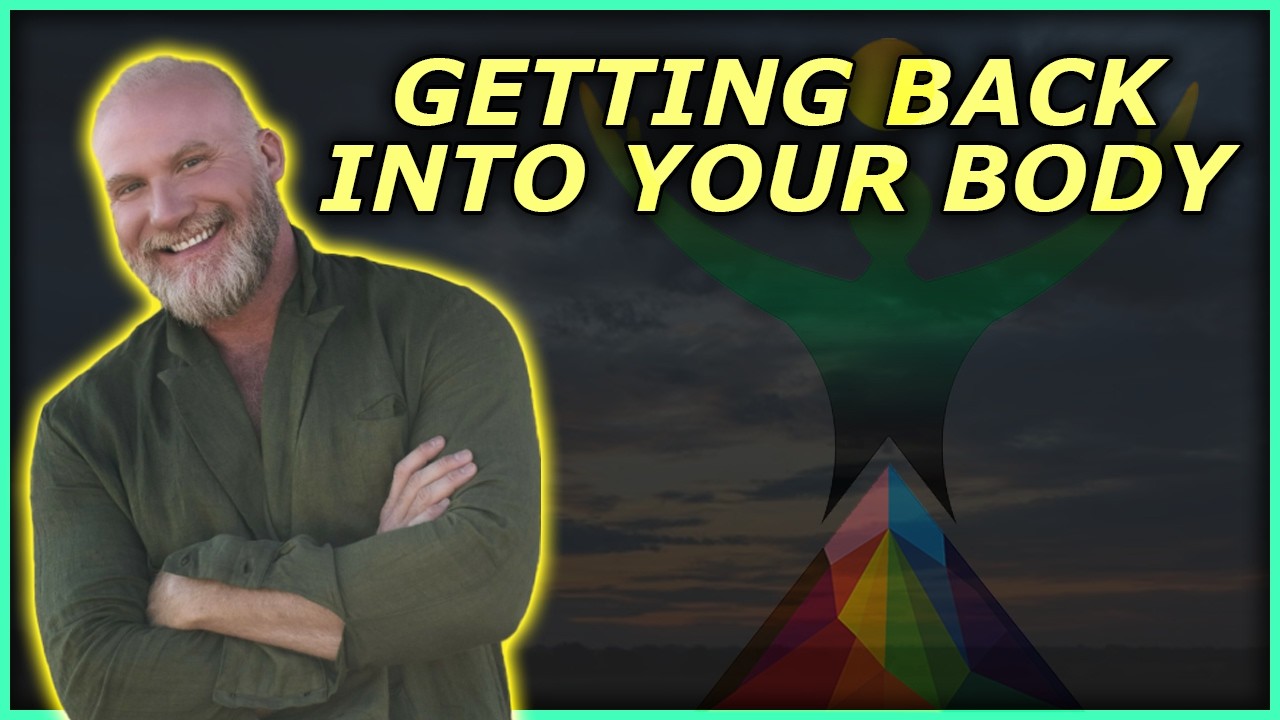
Somatic coach Court Vox explains how chemsex numbs the body by disrupting dopamine pathways, then walks through recovery: rewiring sensation through mindful masturbation, shifting from porn-based to full-body pleasure, and rebuilding trust in yourself and partners. Surrogate partner therapy offers experiential learning for people stuck in disconnection.
Chapters
who spoke about the differences between eroticism and the pornographic. And really what's true is we're, we're so, we're so versed as, as people in this century in the pornographic version of sexuality, which is very much visual. It's salacious. It's about pushing buttons, but it's not, it's not really connected to a lived experience where—
Chemsex, sexualized drug use among men who have sex with men, typically involving methamphetamine, and GHB, among others. Chemsex misuse is a worldwide epidemic that needs attention, dialogue, and hope for those lost in it, which is the purpose of The Aftermath Podcast. Please note the views expressed by the host and guests on this podcast are not to be taken as medical advice, and the content around sex and drug use can be triggering. Welcome back to The Aftermath. I'm your host, Dallas Bragg. Thank you, thank you, thank you for being here. Welcome to season 3. I'm really excited about this season and excited about guests of this caliber that we have today and this subject also that we're talking about today. And speaking of the subject, don't forget there is always a supplemental study guide that goes out with each episode. The link is in the show notes. If you want it in your inbox, just go to drdallasbragg.com, click on blog, and then click on Subscribe, or you can scroll down and find the study guide right there and it will come to your inbox. So today I'm going to introduce my, my, my new friend and somebody I'm really excited to talk to about intimacy, eroticism, and anything else that we approach. I'm really excited actually to talk about surrogate partner as well, by the way, and I'll tell you why in just a minute. But Uh, let's say, let's get to it. Court Vox. Court Vox, he is a somatic sex and intimacy coach, surrogate partner, and he's the founder of The Body Vox. Through his courses, workshops, retreats, and private immersions, he helps clients overcome limitations and shame, something we're familiar with, fostering deeper intimacy and connection with their whole selves. At The Body Vox, Court Vox offers one-on-one sessions, workshops, and retreats worldwide, including specialized programs for LGBTQ men. His online course and community Invitations to Intimacy provides a framework for erotic embodiment alongside a supportive network of like-minded individuals. He is also part of the celebrated program for women Back to the Body, where he collaborates with an elite team of sex educators to guide transformative experiences for women certified through the governing associations such as the Somatic Sex Education Association, the Association of Sexological Bodyworkers, the International Professional Surrogate Association, and Urban Tantra. He combines his certifications and ongoing studies in rope bondage, modern hypnotherapy, breathwork, and movement practices. Wow. As a sex educator, Vox has worked with clients Of all sexualities and genders. His work has been featured in the New York Times, Men's Health, Out Magazine, Vogue, AskMen, Cosmopolitan, Well+Good, and more and more and more and more we could say about Court Vox. Welcome.
I think, I think we're gonna have to shorten that bio a little bit. So my assistant said the long one. That was a long one.
Yeah.
Appreciate you getting through all that.
Sweet. Thank you. No, love, love, love it. Season 3, we're having all the big names this, this season, and you're one of those. And I'm excited to talk about all those subjects that you mentioned there.
So glad to be here.
Um, let's talk about first, I just want to 101, what is erotic embodiment? What does that mean?
You know, I think when we talk about sexuality and eroticism, to me, they feel like 2 different things. So, you know, eroticism is more about the, the, the embodiment of sexuality, really. If sex is the act itself, then eros is sort of the energy, the lived experience of that. I think what I speak a lot about is, is And I reference Audre Lorde's speech, Uses of the Erotic, a lot. And Audre Lorde was a lesbian feminist, Black lesbian feminist, who spoke about the differences between eroticism and the pornographic. And really what's true is we're, we're so, we're so versed as, as people in this century in the pornographic version of sexuality, which is very much visual. It's salacious. It's about pushing buttons, but it's not, it's not really connected to lived experience where eroticism really is about our lived experience, our connected, our connectedness to sensation, to smell, to spirit, to all of those things. And so while I am not against pornography in any type of way, I feel like we're We've become imbalanced in our understanding of the two, and our understanding of sex has become associated with the pornographic and less about the erotic. So embodying the erotic is really feeling, having lived experience, sensation in the body, understanding the feelings that are coming up. And that's something that I teach, and I wish that more people had access to.
Mm-hmm. I do too. And so for the listeners of this podcast, not all of them, but a lot of men come out of that. Well, let me step back. They go into meth use because they're out of touch with their body.
Yeah.
And they've been surrounded with the pornographic. And it's just, it's such a nice complement to go right into that.
Yeah.
And when you're on meth, it's like you're so detached from your body, right? And detached from that person. And so when we're coming out of that, stopping the substance is the first part, but then we're stuck with this body that some people say feels plastic.
Yeah.
Yeah.
So, yeah. Sorry, go ahead.
No, go ahead. I was just gonna— Where could, where could we start? You know? Yeah.
I mean, what's, what's interesting just from a physiological perspective is that meth deteriorates your dopamine receptors. And so, you know, feeling coming. So if you've been using for a long time, your receptors are not active or as active as they used to be. And so it's almost like a retraining of your neural pathways to be able to feel again. And that's a lot of the reason, from my understanding at least, why people are kind of like chasing that first high is because that first time is so incredible because you're like blowing your dopamine out of the water. It's like 10x. But then each time you do it after that, your receptors are not as strong. And so sort of like, why am I not having the same experiences I had before? I think the reason that people turn to drugs with sex in the first place is they're looking to mask something, right? So they're, they're looking to have an experience without having to face a specific shame or trigger that's present for them when they're sober. And so when you take away the, the blanket, really, you're left with all the things that were there in the first place, except now you're also dealing with this physiological response, which is Your dopamine receptors are not firing like they used to. And so there's a couple things that need to happen. A, you have to start rewiring your neuroreceptors to feel again. And what that involves maybe for someone coming into recovery is to start to touch themselves first, if that feels like the safest container to be in. But touching yourself In ways that might feel foreign. So, you know, I just wrote this article for Men's Health, and a lot of the questions were around how do you change a masturbation practice. And really, changing a masturbation practice requires you to look at what you're doing. Is that beeping annoying in the background?
I can hear it. I think it's going away.
Okay. There's a garbage truck. So just taking it back, I was just interviewed for Men's Health magazine about changing your masturbation practices to have more pleasure. And really, if you're looking to change any type of practice, you have to change the behavior, change what you're doing, change the activity. And so in this way of inviting a new way of touching yourself, so if masturbation has looked like Cock-focused, genital-focused, you know, just to get off. What if you were to switch things up and to prioritize pleasure in your whole body, right? And it wasn't just cock-focused. And what if you deprioritized getting off, but it was really about feeling and recentering pleasure, recentering sensation in your body? You know, that might be a safe enough place for people to start. That doesn't feel like you're bringing other people into the mix right away, at least.
Yeah, yeah, yeah. When I, when I have helped try to encourage mindful masturbation, you know, and we've, we've had a few guests on the, on the podcast talking about intimacy or mindful masturbation and other kinds of things, the, the, the, the pushback I get often from men is that it takes too long.
Oh yes, it does.
It does.
Yes, that's the point.
What would you say to that?
Yeah, it's, you know, it's, it's a, my inquiry would be what, what is the rush and where, where else do you place your time and energy in ways that feel nutritive? You know, I often ask like, how you're, how often are you going to the gym? Do you spend 15 minutes when you go or? You know, do you hire a trainer? Yeah, I hire a trainer and I spend an hour, hour and a half at the gym. Okay. So that's, this is a practice that you have of going to the gym and making space and time for it. And what is it about making space and time for pleasure exploration and sensation exploration? That's an obstacle. It's more of a question than a, you know, you know, you should sit down and do this for 30 minutes. It's more like, What is the obstacle here? Like, why? And so sometimes it's going back to our early days of masturbation when we were, you know, the quick and quiet rule of, you know, you go in your room and I don't want to hear you. There's a lot of people that grew up with religion and in households where it was not welcome. And so that's something to consider and like think about where we received those messages from? And can we allow ourselves to be in that message that really still lives in our body if it's, if it's still an obstacle? And can we sit in it anyway? Sit with the discomfort, because discomfort is not unsafety. And I think it's important to start to understand the difference for people. You know, there's so much discussion around unsafe.
Yeah.
And creating safe spaces and a lot of people using trauma in an overly exaggerated way. Everybody's traumatized now. And that's actually not true. Some people have just had difficult experiences that they've had to work through, but that doesn't mean it was traumatic, right? So I think some of these pieces of language have been misused in our culture recently. And so feeling into, does this feel unsafe or is it uncomfortable? And if it's uncomfortable, that's a place to begin. That's a place to sit in the discomfort and say, what is here for me? What is available in the discomfort? And oftentimes that is the place where our eroticism lives the most. And when we can be in that place and kind of get to the other side of it, There's so much there. There's so much there for us. Hmm.
Interesting. Yeah, I think we're all trying to get rid of discomfort as fast as possible.
Yeah.
And it's uncomfortable, don't you think?
Yeah. And it speaks to, I think, a culture that we're living in now too, of like, I have boundaries and I, you know, I, I'm done with people like this. But I think a lot of that is a response to not having courage to create repair or the skills to be in a culture of repair, which is so necessary, especially in these times of saying, this is uncomfortable. This conversation's uncomfortable. Your viewpoints are uncomfortable. And can we sit and have a discussion around it? be uncomfortable together and walk away with a sense of, um, that there was repair had. Yeah. And those are, those are learned skills and, um, they're hard. They take effort. You know, I'll just name that that is a skill set that I'm still practicing, right? How to be in repair conversations. Right. There's, We can expect rupture. We can expect that there will be discordance in relationship always. And it's sort of like when it arises, we can agree that we are both loving. We both love each other. We want to be in relationship together. And so it's worth it to create repair.
Yeah. Yeah, I feel this because like, to know, to know if I'm in discomfort, to try to go through the discomfort, to find my eroticism, that's just not going to come natural to me personally. And I don't think to most people. So this is what you're doing, right? You're helping us learn these skills. Is that right? Yeah.
And it's a, it's a new level of listening, right? And so Again, going back to the pornographic, we're listening a lot with our eyes, we're listening a lot with our ears. But if we're— if our relationship to sex is through pornography, is through imagery, we don't have a relationship to the touch. And so, you know, one of the things I encounter a lot with men is they have okay time masturbating, they are able to get themselves off, they're fine, they get hard, but then they get into a relationship or they get into a partner dynamic and they have a hard time getting hard. They have a hard time being present or they can't be in the moment because their relationship to sex is through visual. And a lot of times you're not looking at yourself having sex. I'm sorry, not any of the time. You're not hovering above yourself, watching yourself having sex. You're You're in the experience, which requires you to feel, right? And a lot of times your, your eyes are closed and it's a different sensory experience. And there's something called idiosyncratic masturbation, which kind of perles into this, which is we get so used to one way, one pathway to orgasm or one pathway to pleasure that it becomes difficult.
Yeah.
to go any other way. And it does require making different choices, finding a new path, trying a new path to experience pleasure in a new way. And that goes with partner dynamics as well. If you're, if you're used to getting yourself off with your hand laying down on your back, it's going to be really hard to, to be in a partner dynamic where You're fucking somebody or they're fucking you and, and you might be receiving oral. It's a different feeling. And so it's a little bit of like, how can you train yourself or experiment with different ways to different portals into pleasure? And that is a lot of what my work is, is not just physiological and physical portals, but emotional portals and mental portals of What turns you on? And this is where it gets sticky with, with men with meth and drugs and alcohol, is that their turn-ons, the things that really drive them erotically and sexually, feel shameful. And so when you're on the drug, it's like a, it's like a freedom pill. It's like, we have taken up the veil and now I get to do all the things that I wanted to do anyways.
Mm-hmm.
Except I'm not really fully present to it. And then you come off of it and you're like, it's still there. All that shame, all of that, all those triggers that were there before, they're still there. And you're also left with the experience that you just had. And what I'll say is I have heard so many, many fantasies and so many kinks that What I would say to people is if you have a specific kink or fantasy, not only are there people like you in the world, there's probably a club. There's probably a club or an organization that hosts people like you. You just have to find them.
Mm-hmm. Yeah, I agree with you. We've talked a little bit about that before in terms of Pleasure somehow equals shame for us, you know, in that we associate— I mean, some guys come out in recovery and any sex seems shameful.
Yeah, right.
And the kinks and the things that we did, even the fisting or the leather or whatever it was that we were in, we think that we have to say goodbye to all of that. Yeah, and that equals meth.
Right, and this is where, where it gets tricky because there's, there's trigger points there, but I, I would say if you're walking back into containers, and by container I mean spaces, so if you're walking back into a play party where meth is being used, that's, that's not the vibe.
But if—
That's also not leather necessarily. It might be one form of a leather scene, but there are leather scenes that are completely sober. There are scenes with where power dynamics are being played out, and it's completely looked down upon to be inebriated in any kind of way because it hinders our natural way of connecting with each other. And so I think it's just a matter of finding those, those communities that support us, support us in the kinks that we do have and finding them in organic and natural ways. Leaning into the natural high that our bodies have capacity for, moving into trance states, altered states of consciousness, which is so possible on our own.
Wow. And that, so that you bring up one of the big barriers that I hear and I've experienced is, so you mentioned earlier about If you lay on your back and you jack off the, you know, you masturbate the same way every time, you know, like you want to do something different. You want to try something different with somebody else. So you want to explore different ways. I have found it, let me see. Uh, in my experience, I have found it difficult to find a space, find someone who has the patience to help me kind of experiment with that, right? And if we don't have Grindr, we don't have Sniffies, we don't, you know, we don't want to be on there because it's triggering for us as, as in recovery, meth recovery, where, how do we do that? You know, what are maybe some ways that you can suggest that we find these men who can provide these containers that are healing because I will say for me, and this is not a coaching session for me, but I still have— wow, this is bringing up some emotion all of a sudden. I still have quite a bit of distrust for gay men.
Mm-hmm.
And from my experience in that, that I, I think they all just want to fuck. They all have a— they're never going to come back. They all have an agenda, you know what I mean? Like, I know it's not true, but that's what comes up for me. And I think I probably even push men away before they even give me a chance to have a container. But there's this trauma in there about what the image and the stereotype we create about gay men when we're in the chemsex scene.
Yeah. So a couple, couple things come up for me there. Yeah. Do you want to take a breath together? No, really.
I just wasn't expecting that, but yeah. Yeah. I have that.
Yeah. No, it's—
thank you.
Yeah. Um, I think a couple of things come up for me when you, when you're, when I'm hearing you share this and, um, one is you, you probably experienced, um, interactions with other men where, where maybe you didn't have full agency over the things that you were doing. And so there is not only distrust of others, but maybe distrust of yourself in like, how did I put myself in these positions? And how did I, how did I end up here? And why wasn't I able to speak or say something? And so You know, not only is it a relearning how to trust other men, it's a relearning of how to trust your own intuition, your own internal guidance system, your own nervous system of saying, oh, this feels off here. This doesn't feel like a place I want to be. So I'm going to leave, or I'm going to say, no, I don't like that. And when we are on drugs, like, that's not something we have access to necessarily. It's like an override. And so it is a process of relearning how to, to listen to yourself and trusting yourself, trusting your intuition and your internal guidance. And then secondary to that is starting to trust other men because when you can trust yourself, And trust your voice, that your voice matters, what you say matters, the experiences that you're inviting in. I feel like people start to, to see the trust in others a little bit more, to feel it a little more. And you'll also start to attract men that, that have boundaries, that respect your boundaries, that understand consent practices as a form of liberation and trust building instead of something that's like some stupid thing that you read in a book, right? Which there are people that talk that way of like, who needs consent? Who needs boundaries? It's like, whatever. You know, okay, those aren't the people that I really want to be with. I'd like to know that somebody has agency in their desire, agency to be able to say to me, that hurts, or can you go softer, or show, you know, to share with me how to approach their body. And sometimes we have to learn how to do that. And that is a starting point for a lot of the clients I'm working with, is, is I'm not interested in, in doing you. I'm not interested in doing you. I'm interested in learning with you how, how you connect, which ways you connect, which parts of your body light up. I'm interested in you sharing with me and understanding from a lived embodied experience what you want. And living into the shame of it and speaking it anyway. And as a person holding these really big containers, I'll just say, um, my job actually is celebration and permission to say, that's really sexy. How can we explore that? How can we explore that in a way that feels nutritive for you?
Mm-hmm.
And we don't need to understand or talk about whether there's going to be obstacles in the way or if your trauma is going to come up. Because if it's supposed to come up, if it comes up, it'll come up when and if it's supposed to. And we can talk about it and address it then. But moving into trauma just for the sake of it doesn't feel good for me. It's not, that's not my approach.
Mm-hmm.
Did I answer that question?
Yes.
Okay, good.
You did. Yeah, you did. You did. It sounds, it, it, it might sound woo-woo to some people, but sometimes when I'm doing these podcasts, I'm channeling like the energy of all the listeners and it's like, comes up in this, like, this emotion that I'm like, this isn't all mine here. You know, but I just, I hear in this, just the trauma, you know, you said that we overuse trauma sometimes, but just the damage, I guess, maybe.
Yeah.
The sexual damage from being in meth and me too, you know, I mean, there were times when I certainly wasn't consenting to what was happening. And I certainly woke up the next 2 days later thinking, Who was that? You know, right. Um, and terrible experiences with, with men. So this, this idea though of celebration, I love that word, um, celebrating with somebody. And you said to, to learn how you connect, what parts of your body light up and sharing from your, from your lived experience, what you want. And leaning into the shame and speaking into it, like, wow, if we could do that.
Yeah, if we could all do that more, you know, and I, I'll just name, you know, I'm in a, I'm in a partnership and my partner is so open to like pleasuring me and, and, and being with me in so many different ways. And there's still moments where I go, hmm, I don't want to ask for that. My own shame comes up and I get to, for me, like I get to sit with a couple of things. I go, Court, you are the guy that everybody comes to about this. Like you better speak up.
Right.
Like that comes up and then it comes up of, oof, what is this going to mean if I ask for this? Like, what are the ramifications? And so there is a dialogue going on for me. And then the work is actually me speaking it anyway, speaking it anyway. And then afterwards, you know, oftentimes I'll say to him, it was really hard for me to ask for that. And, and he'll go, really? Why? Well, X, Y, and Z. And, you know, these are— this is like, I just spoke about this to a group of young professionals this morning of about conscious sexuality. Really, this is what I'm offering the world is, you know, conscious sexuality is not some like big topic. It's not a— not trying to create hierarchical sex. What I'm offering is that conscious sexuality is an opportunity to be in consciousness and deeper awareness around these sexual and erotic experiences you are having. of saying like, I had that experience. Like, what was that for me? What did I get from that? What am I— what was the transaction? How did I light up from that? Even noticing like, oh my God, my day was so much better, or my day took a real turn for the worst after that. Why? What was it about that? Could I have, you know, I really enjoyed sex with him, or I enjoyed the that experience, how could I have stepped into it more? How could I have asked for more? How could I have stepped more into my surrender? How could I have stepped more into my dominance? Like, what is keeping me from having the things that I want? And these are, these are questions I'm in constant relationship with. How can I be in deeper relationship to my own pleasure and to my own desires? Those are, those are inquiries that I myself have.
Yeah, I mean, if we could just, if we could just ask ourselves just this one question, you know, how can I be in deeper relationship with my own desires? That's a start. You know, I like, I like on the podcast just to give listeners just a Just a way to just start. Like, what can you do today? Right? What can you do today to get this ball rolling?
It's almost like—
so you were— oh, go ahead.
I was gonna say, you know, it's just a little bit like a mantra, right? Like, it's not a question that has a definitive answer, and the answer might shift from day to day. Of like, what is my relationship to my desire? What is my relationship to my own pleasure today in this moment? And it might be different now than it was 7 years ago or yesterday. But really being like in the moment of it. What is it right now?
Hmm. I love that. I love having open questions and not demanding an answer.
I do too. I think it's way more impactful to ask people questions, to come up with their own answers. Um, you know, I could give you all the answers and it would fall flat most of the time. And there's a chance that I'm going to be wrong for you. Right. And so asking questions that allow you to make your own choices and decisions feel more valuable.
Mm-hmm. Yeah. And I think it's a good practice for us to not demand an answer right now, right? And to be comfortable with uncertainty, right? Absolutely.
One of my teaching partners, Pamela Madsen, she has a saying that as long as I've known her, she said it. She says, stay in with no promise. I'm staying in with no promise. It's like, oh, I understand that there's something here for me that's still valuable. And there's no promise to an outcome. There's no promise to results. It's just the practice of staying in something long enough to listen to what the information is. That's all. You know, and from a society that's very results-driven, we're very kind of like, what's the outcome going to be? Um, that's a, that is an uncomfortable place to be. Like, what do you mean there's no answer? Well, there's the best right, right answer in this moment. That's it.
Yeah. Yeah. Well, you know, it kind of goes back to that question of discomfort versus unsafety too, because a lot of us feel unsafe in uncertainty.
Yes. Yeah, I think that goes back to the question though of, are you unsafe or are you uncomfortable? Because—
Right.
And that's an individual question for everybody because for a lot of us that grew up with uncertainty as children, that certainly didn't feel safe. to be like, are my lights going to be on tomorrow? Am I going to have food on the table? You know, people who have been, you know, victims of sexual violence, you know, am I going to be safe when I go to sleep tonight? Those are like real questions. And I— those are also experiences that live in the body. And so to, you know, ask that question really will have different answer from person to person.
Yeah. Yeah. Yeah. Well, I want to ask you a question that's asked a lot of me and very common. So when I have a client or I talk to, you know, people who DM me and, and they're, they have, they're men that are married.
Mm-hmm.
Um, so the, the, either the relationship opened up or they went out and discovered crystal meth.
Hmm.
And so they've, they've done the thing, they're in recovery. Now they find themselves with their partner. They're in a monogamous relationship. All of them have been so far, like 90, I would say 95% of the men I work with, with partners, they're now monogamous and they are not attracted to their partner anymore. Because of what they experience with meth, it's, you know, the arousal templates all scattered around. They've experienced something that will never compare to their partner. Yeah, in their eyes, right?
Well, their partner will never compare. Their partner will never compare to that. Yeah.
The partner will never, right. Yeah, right. In their eyes. And so, yeah, could you give us a little bit of advice around that?
Well, first of all, they're not in a monogamous relationship. If they had to go out, you know, whether it was on drugs or not, you know, their partner might've been in a monogamous relationship, but they were not. So I think that, right. Yeah. So like, let's just start there of, you know, are you going back into a monogamous relationship because that's the answer to saving the marriage? Is, and that, that to me feels like coercion.
Right.
Right. That's not— that's a choice. Let me rephrase. That's a question for the couple to ask of, are we doing this because it— of in this moment, this feels like this is what we need to rebuild something together? Or are we doing this because any type of outside person threatens us in general? And, you know, even in my— I have an open relationship and currently I am choosing to be monogamous. I am, I'm choosing that. It's in our relationship agreement that I, I can go sleep with anybody, but I'm choosing, right? And that's a different story than you're not allowed to sleep with anybody because That threatens our relationship and it threatens me, your partner. That is sort of like, you know, if you're not going to do this for me, I'm going to leave. That feels like coercion. So I think the conversation needs to be, okay, maybe we can be monogamous for a little while. But if you were going out on your partner in the first place, the question becomes, after this kind of resolves, And we come to a place of repair, are you going to want other partners? And the answer is probably yes. Yes, I want other partnership partners. And no, you will never be able to replicate a hookup with your partner and vice versa. Your partner is somebody who offers stability and safety and security. And as humans, we really desire both security and novelty. And that's what hookups provide. And that's what other lovers provide is something that is new and novel and different. And it doesn't mean I still don't want security and stability with you. For people that are wanting to kind of enliven that relationship between a primary partner, especially after 10, 15, 20 years, you know, you have to start again. You have to come to a place of, I actually don't know you. We might've gotten together when we were 20 years old, or we got together when we were 30, and now we're, we're 45, we're 55, we're 60 years old. I am not that same person as when we got married, and I don't expect you to be either. So who are you? Like, can we relearn one another? And this is where my work with couples comes in a lot, is it's sort of like, okay, we're interested in learning each other, except we're still working with the same toys in our toy box as we were when we were 20 years old.
Mm-hmm.
So our skills have not changed. We're still having the same sex as we did 20 years ago. And it's sort of like, you don't know what you don't know. And you can be conscious and aware of all the things, but if you're not putting new information into the piggy bank, it's sort of like we're going to keep repeating the same patterns.
Right.
So yeah, working with a teacher, just like you work with a trainer at the gym who knows more about exercise and fitness and nutrition. People come to work with me as a teacher who knows more about eroticism, who knows different ways to play in erotic realms, who knows how to work with emotion, who knows how to stimulate the body. It's the same. And if people can get like, make those, that similarity, draw that similarity, it's a lot easier. It's like, why do I, I don't need a sex therapist. I don't need a sex coach. No, most people don't. But there are a lot of people that, that, you know, want one just for the sake of learning more. Like, where are your blind spots? How could you have more pleasure? How could you create more connection with, with your, the people that you're having sex with?
Yeah. And that's, that's the, what I see is it's after a number of years, they're, they're now, they love their partner and they want to be attracted to them as part of their sexual reintegration, but they feel nothing or they're, or they're They're, you know, like you said, this is like, they're having that, the libido, the libido, the sexual arousal is all kind of scattered and scrambled, but they feel no attraction to their partner. And so it's harder to quit meth when in your mind it's, if I quit meth, I'm never having sex again because I'm not attracted to my partner.
Yeah, that sucks. You know, this is where, yeah, where, where there's some real uncomfortable conversations that have to be had, right? So when you, when you say to your partner who literally is your stability, your rock, the person that you trust the most, that you've built wealth with and family with, and when you say to them, I don't, I'm not attracted to you. I love you. There's like so much risk involved in that. It takes a lot of courage to say. I'm not attracted to you. I love you. You are my person. I'm open and willing to trying something new, but right now I just, it's not doing it for me. I need something else. It doesn't mean I'm trying to get rid of you. It takes a lot of courage to say that because what is at risk is really heavy.
Yeah.
And that's, that's for partners without meth.
Right. Right. Yeah. I mean, isn't that, isn't that intimacy? Is being able to say something that vulnerable?
Yes. You know, and it might hurt. Like you, you'll probably hurt that person. You know, it doesn't feel good to say I'm not, I don't, I'm not attractive to you, but that person also may say back like, look, babe, It's been 20 years. I'm not that attracted to you either. You know, and then, you know, when you're, when you're honest, when you're creating space for honesty and authenticity, it's like, what does that trigger in response? It also opens the door for them to be honest and authentic. Yeah, I'm not feeling it that much either, but I still love you. I still love our life together. I don't want to lose you. Let's try something different. Let's try something new. Um, but yeah, radical honesty is risky. Mm-hmm.
I feel like if I said that to my partner and I, and I received that type of response back, I was suddenly— I feel more— I think I would be more attracted to them after that because that's such a Beautiful response, you know, vulnerable and just loving, right? Yeah.
Yeah. I mean, it's honest and I think you might be hearing something that you already know to be true. And it's sort of like, you can both take an out-breath of like, oh, I don't have to hide this anymore. I don't have to keep this secret. Like, I was able to speak this and, oh my God, they spoke it too. We can take an out-breath together and now we can begin to build something different because we're starting at like at the same baseline now. There's no, there's no pink elephant in the room anymore.
Hmm.
And opens the door. Like, what, what, what do you want? What does attract you? Like, what kind of sex does attract you. And when we start getting into specific, like, body types and those types of things, I, I think there's a question that comes up for me around bias.
Hmm.
You know, if I'm only attracted to younger men, or I'm only attracted to a certain masculine type of man, or I'm only attracted to a certain race of men, My question becomes, is that, is that your attraction or is that your bias? And oftentimes it is bias. And, you know, if you're looking to reignite something with a partner again, and your thing is younger men, you know, what is it about this person that's standing next to you that is sexy, that is beautiful? And what does their age say about you and your relationship to your own age and your own relationship to mortality? This is again, conscious sexuality, being conscious around what is driving you.
Hmm.
So big questions to be in relationship to.
Wow. Yeah, big questions and big courage to begin asking these things. And I, you know, I think, I think it seems as if, if you're listening, you may think admitting you're not attracted to your partner would end things. To me, that might open the box to begin things, right? To begin the intimacy journey.
You know, it also might end things. You know, when I, when couple, when couples come to work with me, I do say, this is not for the faint of heart. This is the, this is the lightning path. You will know at the end of this which path you will go. Either you will say, wow, we really strengthened this bond. I see a way through. Or you will go, Everything was glaring. Was everything in my body said no. And I feel it's time to move on, but it's not going to be this question mark of like, should we or shouldn't we? It's gonna be really fucking clear. And I'll give an example of that. I worked with a couple online for probably about 6 months. And we got to a point where they just weren't, they weren't meeting each other. And I, and one of them had said something about, You know, I really just would love to make out with my husband. And I said, great, why don't you, why don't you teach him how you like to be kissed? And I was here just like we are now. And I don't do this online very often. And I said, teach him. So they started to kiss and the other one, you know, was following for a little bit. And after a while I said, you know, is this, how are you feeling? He said, it's okay. And then he finally said, I don't like the way he kisses me. And I said, can you teach him how to kiss you then? He said, no, I want to stop doing this. And I actually knew intuitively in my body that that was the end of the relationship. And it was because it was around, you know, both of them had core erotic themes, which is like something very dear and near to them around feeling desired. And they weren't feeling desired by each other. And so that was sort of like a, you know, that was an ending point. And so it's sort of like when people say, what's your success rate working with couples? I think we have to redefine what success is. If success is helping people live into their authenticity and truth, whether that means staying in the relationship or not, I have 100% success rate, but if success means couples walk out the door together, that's not it. Sometimes couples need to split. It's their time.
Yeah. Yeah. Yeah. I think it seems as if my clients are clinging on to the relationship because if it does end, they're going to blame themselves because of their meth use.
Potentially. I mean, you know, specifically for people that have gone out, and this is a, this is a transgression, you know, there is infidelity that has to do with financial infidelity, you know, cheating sexually, relationally, you know, obviously, if, if this is being done behind your partner's back, I imagine that partner is going to feel like Wow, I feel like you've been lying to me, which you have. And so there is repair that needs to go on there as well. You know, at that point, there's 2 people that are in recovery. You know, the meth, you know, drug addiction, alcoholism doesn't just affect the person, it affects like the entire community around them.
Mm-hmm.
And it's challenging to, to be a person, I think, in addiction and recovery and not take that burden on, right? Say like, it's all my fault. Uh, but I think it's so much bigger than that. It's systemic. It's cultural. Um, you know, as much as our shame is personal, we as gay men hold cultural shame and societal shame and trauma as well. AIDS epidemic being one of them. Religious shame is like top of the list. Mormonism and Catholicism are so radically horrible. They are.
Yeah.
Radically horrible. Just the, the distance that it creates between people's relationship to their sex and their, their own bodies. It's just abhorrent, and the, the amount of unlearning that needs to take place there is massive.
So unlearning, that's right.
A lot of unlearning.
Mm-hmm. So at what point, if you could tell us a little bit about being a surrogate partner. I'm, I'm in a, I'm studying with the Sexual Health Alliance to be a certified sexologist. And in a sexual educator through AASECT.
Cool.
And we just finished this section on surrogate partners.
Yeah.
And so when I saw that on your website, I was like, oh damn, I'm gonna ask about this because I found it fascinating. And I think it would be so useful for men coming out of meth addiction to have, you know, a surrogate partner, but also, you know, in a relationship too. But when is it appropriate to have a surrogate partner? And what is that, if you don't mind? Explain to us.
So I think that the piece that most people miss around surrogate partner therapy is it's a triadic model. So I work in conjunction with a therapist, a licensed therapist, to support the client in growth and learning. They see the therapist for talk therapy and processing, and they see me for experiential, experiential Learning, and that can include touch, it can include mutual touch, it can include nudity, and it can include sex. But I, I think that the thing that people jump to immediately is like, oh, you're fucking clients over there. And it's actually, it's a, it's a really slow process. Again, if we're unlearning, if we're In the process of rewiring the nervous system, that takes time. That takes time and patience. And a lot of times, I'm just going to say a normal person in the world does not have the patience to work with somebody in that way to say, we're going to go at your pace. We're going to go slower. You talk about people who are like this. Mindful masturbation is so slow. Surrogacy is also slow. It's like, can we slow down enough to where you can start to feel again so that you can feel where there is sensation and where there is numbness and understand where, where there are triggers and where where the trauma lives. And if we're going quickly and we're going fast and we're taking the same route that we've always taken, it's really hard to pay attention to what's going on. It's the equivalent of like driving to the grocery store and walking. You know, both ways get me to the grocery store, but if I walk there, Hmm. I notice things that I wouldn't when I'm driving. I get to smell things. I'm physically in my body in a different way. I notice stores and plants and, you know, people in a different way because I'm getting there over 30 minutes of walking as opposed to 5 in my car, and I'm all by myself. So I think that's important for people to understand that it's not Like, we're not showing up to be fun and games. It's like, the intention is to be in pleasure and the intention is to be in your body. And a lot of stuff happens on the way to get there. And it can feel laborious sometimes and emotional and like work.
Yeah.
Yeah.
Yeah. What a great model. What a fantastic model. Because I, I know several guys who've come out, I've helped them quit, but now they're, they're so, they're so fearful, bound up and whatever they've had, they've had negative experiences that they won't even go on a date.
Yeah.
Much less, you know, have sex. And so I just think this, this model of having a surrogate partner would be so helpful.
Yeah, it's, it's not for everyone. I, I'm very mindful of who I take on and it's also a big time commitment. So normally I work with people in 3-day immersions. And sometimes that's enough for someone, but a lot of times, you know, and this is like at the assessment level in the beginning, you know, and I would discuss this with a therapist too, of like, how long do we think this plan is going to be? Like, I'm currently working with a surrogate client. who are going into our year and a half mark of working together.
Wow.
And wow, that's a really big commitment from myself and the therapist. Um, because it's not just the time I spend with them or the time they spend with the therapist. I also speak with the therapist in between of talking about wins and worries and how can we support this person Um, in my next session with them? How can I support the therapist in the conversations they're having with the client? And essentially, how can we as a team support the client in moving forward with their life in the best possible way? So it's, it's detailed and it's entailed. Um, and it's sort of like, it ends when it ends. Right. I couldn't say like, you know, this is a 6-month program for you, or this is 3 months. It's sort of like, I don't know. And, um, for that reason, I, I don't work with a lot of surrogate clients at one time because of the, the intensity of the work on, on my own body.
I would imagine. Yeah.
Yeah.
Yeah.
And it's beautiful.
We're going to put you— oh, go ahead.
And I would just say, I would complete it with, it is really beautiful work and very compelling and rewarding to see people kind of move out of places of fear and into spaces of freedom. Yeah.
Yeah. Love that. I love that. I hope, I hope the client, a client I'm thinking about is listening, moving from fear to freedom. Imagine that in your life. I'm going to make sure he listens to this episode. Thank you. And we're going to put your website in the show notes, thebodyvox.com. Is that you swimming on the—
That's me swimming.
Your homepage?
Yeah, it's me swimming in Costa Rica.
Well, you look great. Wow. I love that. I love it.
I'm swimming naked on my homepage.
Yeah. So you can find all of Right. If you, yeah, check out the website, you get to see Vox Body. You'll get to see Court swimming naked in on the homepage and it looks lovely. Yeah. And you can find out the courses, the offerings, the community events. There's so much that you're offering here. And is there anything that I left out today that Court, that you think would be important for us to mention? I didn't cover or ask?
I think so. I mean, I have a retreat coming up in Joshua Tree that's specifically around shadow work. You know, I think when I work with men who are recovering from any kind of addiction, I think there's a discussion to be had which program is right for them. You know, sometimes if people are further enough along, group activity might be interesting and it also may not be the right time. And so I think it's assessing, but I do think for all men, doing group work is really valuable and important because it invites us to come out of our shadows and to be in public forum, you know, discussing and experiencing sexuality in a way that's like, this is me, here I am. And other men saying like, yes, I love that about you. I love that for you. I love. Again, moving it to celebration and permission, which I think is so valuable in our community.
Celebration and permission. I love that. Yeah. Well, can you tell us really quick though, what could we expect at an event with a group event, a group retreat or it?
Yeah. So that I have an event coming up in Brooklyn, which is a weekend event. You know, those events connect, they're called Connect. They're different in the sense that it's very group-oriented. They're larger groups, anywhere from like 16 to 21, up to 30 men sometimes, depending on the space that we're in. And it's all partnered exercises. In my retreats, like the Shadow Retreat and Sacred in Mexico, Those retreats offer one-on-one work with a certified practitioner like myself. This retreat coming up, I have 3 other practitioners working with me. So for 90 minutes every day, you work one-on-one with somebody to explore your body, your kinks, your eroticism, touch.
Okay.
And then there's also group workshops that I lead and group erotic experiences that we do together, ritual. So it's a much different experience. The long, the longer retreats offer more high-touch one-on-one, whereas the Connect is all group experience working with other men in the activities and exercises.
Yeah. Yeah. It sounds, it sounds scary, but it sounds extremely healing.
It's all of the above. Yeah, all of the above.
Yeah, yeah, great. Yeah, yeah. Thank you so much for taking time for the podcast. You're such a busy man doing big things, and I really appreciate it. Um, this is such a topic that we could probably do 6 or 7 podcasts on. You know, I just want to talk about even just repair. You know, the idea of being in a state of repair to me is a whole podcast. Is this something we don't learn at all?
Yeah, that's definitely a great topic of discussion, especially now in the time that we're living in. Repair is essential.
That's right.
So, well, I, you know, I just want to say I really appreciate the work that you're doing and it's so needed in our community. And yeah, kudos to you for taking this on and And I'm sending you all my angels, all my guides to guide you.
Thank you. Thank you.
Yeah, it's been worth it.
Thank you. I receive all of them. I receive them.
Right.
All right. Thank you so much. And thank you, guys. We will see you next week.
Thanks so much.










