EP 3:29 Regulating the Nervous System with Doug
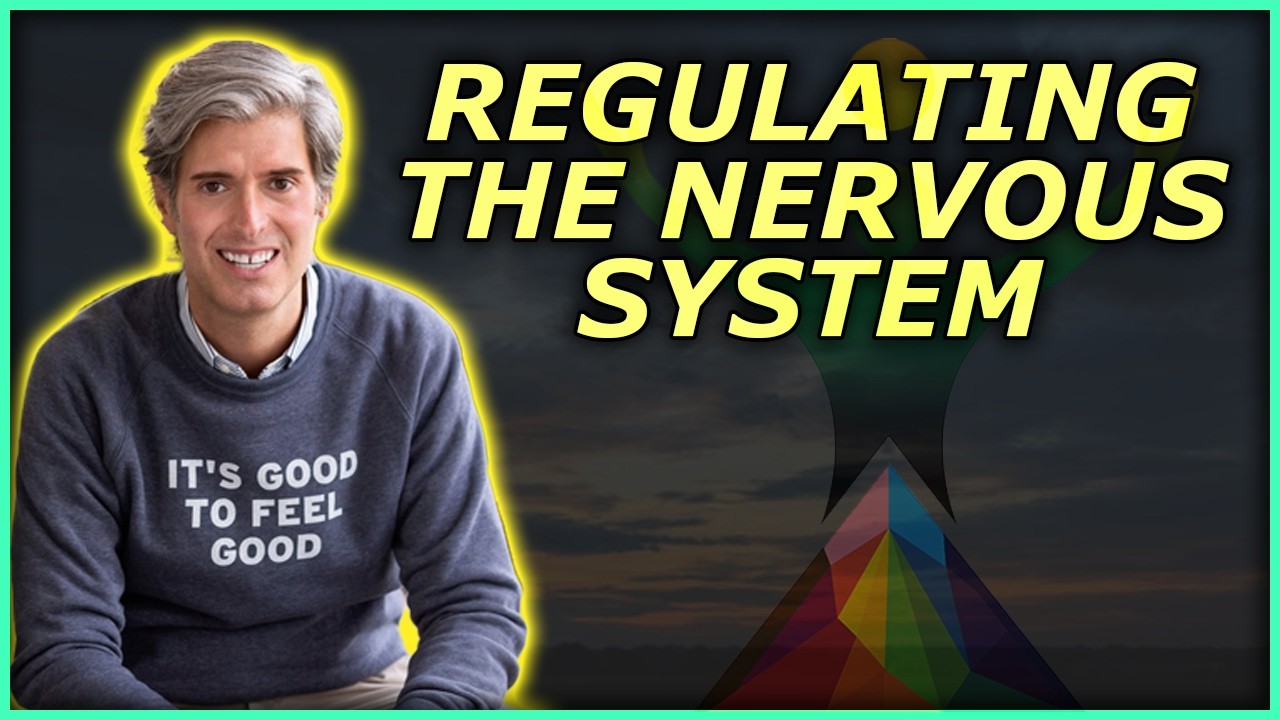
Douglas Marshall, a trauma-informed life coach, talks about how gay men use chemsex to cope with nervous-system dysregulation and shame. He moved from finance and substance abuse to sobriety, and teaches tools like bilateral stimulation and the butterfly hug to regulate the body. Dating apps and beauty standards fuel the cycle, but vulnerability and finding supportive people can break it.
Chapters
When that also happens, your digestion shuts down, your reproductive system shuts down, and your prefrontal cortex shuts down, and your body goes into like survival mode. That is so amazing. It's amazing that your body can do that if you have to preserve your life. Modern-day era, these phones, these baby computers that ring and zing and vibrate and have so many distractions.
Chemsex, sexualized drug use among men who have sex with men, typically involving methamphetamine, mephedrone, GHB, among others. Chemsex misuse is a worldwide epidemic that needs attention, dialogue, and hope for those lost in it, which is the purpose of the Aftermath Podcast. Please note the views expressed by the host and guests on this podcast are not to be taken as medical advice, and the content around sex and drug use can be triggering. All right, welcome back to the Aftermath Podcast. Happy you are here, and you're going to like this episode. Today we're talking about nervous system regulation, which is a very much needed topic for us if you're listening to this podcast. I don't think that you all, even I am just now getting on the boat, understand the importance of nervous system regulation, nor do we understand how to regulate it or when we're out of, when we're, I guess, dysregulated is the question. But today I have an expert on named Mr. Douglas Marshall. Doug Marshall is a trauma-informed certified life coach and somatic practitioner, helping people heal deep wounds and regulate their nervous systems so that they can be more themselves and live in their bodies. That's important, living in your body. On social, he's @theworldofdoug, where he shares his beliefs on energy, practical tools for healing, nervous system regulation, and personal growth. After years of doing his own deep work around trauma, addiction, and emotional regulation, Doug now helps others move out of survival mode and into their more connected, regulated, and empowered version of themselves. His approach blends neuroscience, somatic practices, and real-life experience, all delivered in a way that feels relatable, honest, and easy to apply. He facilitates recovery groups in Los Angeles, California, works with his clients one-on-one online, and holds online groups monthly. He also launched a school community where people gather for healing at— well, we'll put the link up to the school in the show notes. Please look for it and find him on social or theworldofdoug.com, where his content reaches hundreds of thousands of people looking for real sustainable change. Not a quick fix. Not a quick fix, guys. Welcome, Douglas. Doug.
Thank you for— yeah, Doug's fine. The World of Doug. It's— thank you Thank you for having me. And yeah, that last thing that you read about that it's not a quick fix, that's, I'm going to give that as a disclosure right here and now is with nervous system stuff, it's not like a one and done. It's not something that happens overnight. It's literally something you have to learn to sit with all the things and the feelings we've been running with for a really long time. So I don't sell anybody like the quick fix or like 6 weeks to like, 6 figures, all the bullshit you see online. You have to learn to sit with yourself. And it's a one day at a time thing. It's not like, oh, I healed all my trauma and I'm good now. Like, there's always going to be things that activate us. So, so yeah, strap in, strap in for the ride because that's what it is. It's a journey, not a destination.
That's right. Right. An investment. You know, I think I try to tell people, if you don't want to be, if you're moving out of Chemsex addiction, well, meth addiction. Like if you're using out of meth, if you're moving out away from that, what are the characteristics you had when you used? And one of the major characteristics is instant gratification, right?
Yes.
I'm lonely. Let me go to a sex party in about 5 minutes on Grindr. I'm horny. I gotta go to a sex party. I'm emotionally dysregulated. Let me get to a sex, you know, like it's, let me get that puff in me because then I'm better, quote unquote. So if you want to not be a, if you want to not be a meth user, then the opposite of that is delayed gratification, right? So I'm guessing with nervous system work, you don't see immediate results, although sometimes maybe a little bit somatically, but it's an investment, right?
It's an investment in time, sometimes in money, though there's so many online resources now and like groups that people can sign up for that are not like crazy expensive that you can start learning about these things. And I, I'm a 49-year-old gay man and I really didn't start geeking out or learning a lot about nervous system until 3 years ago. However, it hasn't been a big buzzword. Like people are probably hearing more about it now. I couldn't have even told you what it was. There were facets of it that I didn't know. But, you know, society talks a lot about anxiety and fear, but that is basically what nervous system dysregulation is. And a lot of it is biochemical. And so what, what a lot of us might've been told when we were younger of like, oh, it's not a big deal, let it go, or don't be so dramatic, or you're too sensitive. No one's too dramatic or too sensitive. They just are dysregulated. And there's probably like—
Mm-hmm.
A plethora of stress hormones running around, like cortisol, adrenaline, norepinephrine, even dopamine. And society has trained us to be addicted to things, especially like us gay men that do have apps and all those things. The instant gratification is something that society rewards. Like, oh, I want something, I can DoorDash it. I want to do this. I want to get this cake that's so unattainable, but I can order it on Goldbelly. And, you know, it's like with Grindr and sniffies and Scruff and all these things, it's like I could be giving a blowjob in like 20 minutes. You know, that's, that's the lie that, that's the lie that the brain tells us. And then you find you're online for like 5 hours and you haven't met anybody because you're, you're really online engaging with a lot of people's dissociation. And then if they're fucked up on drugs, forget it. So, uh, But society has sort of trained us for instant gratification and validation and all the things. And that's so directly connected to our dopamine responses. And talk about chemsex. My first addiction, I now see it, was sex.
Mm-hmm.
And, and the pursuit of sex. And I, as somebody who came of age in the '90s, You know, back then we didn't have like Grindr and location-based apps. We had AOL Men for Men, right? We had gay.com and, you know, chat rooms. You just kind of throw out in the chat room like, what are you looking for? Like, what do you look like? People didn't even exchange pictures. The funny thing about how picky people are now, like these apps have trained us with, you know, multiple pictures to be so picky. Back then I used to use Phone lines, like local phone lines. And I'd be like, I live in Midtown East, and this is what I look like, and this is what I'm wearing. And then you just like talk to somebody and their voice sounded good enough that you'd be like, come over, and then you just hook up with them anyway. And so sex was my first— I, we can call it an addiction. I'll also call it an escape. But what I learned recently, after years and years, I mean, I've really— still into my 40s been healing some of these sex addictive things, even though I don't use meth anymore.
Mm-hmm.
Sex and the pursuit of sex did 2 things for me. It actually helped regulate me. So if I felt a feeling of shame, upset, I was always very non-confrontational. So if I was upset with somebody, rather than talking to them about it, I'd get in my phone and, you know, trading some dick pics and see what I could, what I could get. And that would actually sort of escape me and regulate me on some way because I turned my anger inward and like used this as my access point. But then I also realized online a lot of people we're so picky. And it's like, oh, they might like my body, but then I send my face and then it's block. So then the message I start calculating in my mind is like, oh, my face isn't good enough.
Yeah.
And should I just be wearing a hood? Or people love that face down, ass up kind of thing, like the least intimacy possible. And what I realized is I would go into these spaces and seek rejection because deep down inside of me, a little gay boy growing up feeling shame and being bullied for being gay. The belief was, I'm not enough. I'm discarded. I'm not wanted by society. I'm not normal. Within the community, we experience a lot of rejection and give a lot of rejection. And I found out I was sort of getting high off of that, the negative feeling, because it was connecting with the belief that I had about myself deep down inside. And, but a lot of it was nervous system regulation and bad wiring. Everybody talks about brain rewiring now. And like, what the idea is, is like, if starting coming of age, I'm like going cruising parking lots or bathrooms or going online and being able to escape, that becomes a wired process addiction really of, oh, I'm having a feeling. I don't know what to do with it. Let's go get naked with somebody.
Mm-hmm.
A stranger preferably that doesn't really know me. That I don't have to be myself with. I could have a fake name. How many times did I give fake names? Because I didn't want to be found out. So, but a lot of it is like nervous system dysregulation.
It's interesting that you're saying that you were addicted to, I forgot to write it down what you said, but you were addicted to the rejection or wired for it.
Once I, so I started getting sober in 2003 because drugs and sex and chemsex like really took me down.
Yeah.
But it wasn't until like many years later where I really started looking at like my sexual behaviors because it's also having good sexual prowess and a high libido in our community is highly rewarded. Glorified, glamorized. And if you're not getting laid, what's your worth? And I don't believe that, but like, sex for me, I thought it was like about connection, but it was really about escaping and being able to feel a certain way. But also there was There's, there's one sect of it. There was rejection in it and I was able, and this went on for 30 years. There's something in the trauma community that we call a repetition compulsion. And it's this idea that if I do this and master it, I will like heal it. So if you were abandoned or rejected, And so in every relationship you get in from there, you're almost trying to, like, prove that you're worthy or chosen for the first and the worst time it happened to you. I'm not explaining this well, but when I was 17, I was in the Hamptons that summer, and I worked at Van Heusen folding shirts, plastic fucking shirts in the '90s. And this guy, I was like, oh, where does your family have a house here? And he is like, oh, on the same street as the gay beach. Ears perked up. And I knew enough about the gay community back then that I'm like, oh, I bet there are guys look— looking for dick there. And I was like, oh, that's interesting. And I'm like, radar, Two Mile Hollow. Some of my, uh, probably some of your listeners hang out at Two Mile Hollow, also known as Two Mile Swallow. It's not as big of a cruising area anymore because we have all the apps. Like nobody goes there anymore. Right.
But back in the '90s, forget it. Get it.
It was crawling and it was fun. And so I started going to that beach and I met this guy and he was older and he was good looking. It was like the second person I'd ever hooked up with. He's much older than me. You know, I was 17 or 18, but he made me feel special. And then he's like, oh, come back. He brought me to his house and he's like, come back again tomorrow. I go to his house the next day. He's not at his house. And I'm like, oh, did I hear something wrong? Maybe he's at the beach. So in my mind, it's like, go to the beach. I go to the beach. And this guy was so fucking cheesy. Like, me today would be like, are you fucking kidding? Like, hair plugs, all the things, and money. And like, drove a Rolls-Royce, like a Rolls-Royce convertible, but looked like a total tool. But back in the day, it seemed cool. Oh my God. I just gave a blowjob to a guy in a Rolls-Royce. Uh, he's strolling off the beach and I'm like, hey, I was at your house. And he's like, oh yeah, I forgot. And I was like, oh, well, I have time now. You know, I'll take what I can get. And he was like, yeah, no, I don't have time. And he just walked away. And I felt really discarded.
Mm-hmm.
But what did my brain wire? I went to his house first. He wasn't there. Maybe I heard something wrong. Maybe I'll get a second chance. I'll go to the beach. I saw him at the beach. He blew me off. So then the feeling was, I'm gonna just keep going back to the beach every day until I meet somebody new. And sometimes I would see him at the beach when I was there cruising, looking for other people, and I would want him to see other people talking to me. Like, it was like maybe even 2 years later, I was still doing that. Like, in essence, I had been going back to the beach, the concept of the beach, for almost 30 years. 'Cause I was in, I was in a relationship for like 18 years, but some of it was open. So even Once the apps came on the scene, I was like, going on an app was like going to the beach. It was wired into my brain. Go to this place, maybe somebody will look for you. But guess every time I would go onto an app, the first person I would hit up was the last person that, like, wasn't interested. And I'm like, oh, maybe they'll be interested today. Maybe I'm different today. Maybe I have a better picture today. Something got wired into the back of my brain of you have to convince them of Doug. You have to convince them that you're worthy. Guess who didn't believe it deep down inside? Me. Guess what I know today to be true of healing trauma and nervous system work is I've got to be the one that shows up for me. And I've got to be the one that validates me. And I've got to be the one that believes that I am good enough first before I expect anybody out there to buy into it. Because otherwise, I'm just asking for people to like— fill up an empty cup that has holes in it. I've had to do a lot of work and I didn't get into a lot of this work until I was like in my mid-40s. So it was like 30 years of the concept of looking for through rejection. And if they rejected me, I wanted them more. And that's true. This guy, Steven Peters, shares online, our society, the gay culture rewards the most unavailable men, the most attractive and aesthetically pleasing but unavailable men, they will have a line out their door.
Mm-hmm.
The nice, sweet, maybe a little bit quirky, not the best body, like, person who's so available, that's like who people aren't necessarily looking for. And I found that for myself, you know, it's like, I'm not the best, I'm not the most built, but I'm, I'm a nice person, a good person with a good personality and You know, when I was dating after I left my relationship, I was doing something we call intentional dating where you don't just like meet somebody on Grindr and have sex with them and then decide to date them. I was trying to get to know people like at least 3 dates before I was like, you know, saw anything below the neck, let's call it. And I got friend-zoned so many times because, and maybe that is, maybe people only felt a friendship connection, but there was also part of me that's like, Mm-hmm. They think I'm like not interested because I'm not putting out some oversexualized vibe. But there's so many studies out there that if we have sex before we emotionally know somebody, it triggers some sort of vulnerability. And that's where the dismissive avoidance comes from. That's where if somebody's interested in you and they keep texting you and they're leaving you on read, it's like, or you're leaving them on read. It's like, because you really, there's part, there's an intimacy blocker. Pulp culture is a huge, gay community is a huge intimacy block.
Mm-hmm.
So we were never safe to be ourselves from a young age. And drugs gave us the lie and the promise that we can be ourselves, but until it turns on us and we realize we're so fucking addicted to it and it's ruining my life and I look like shit.
Right. Yeah. Well, you're covering a lot here and—
I know, maybe too much.
No, no, I think it, I mean, you're, you're encapsulating a lot of what the true problem is. Like you said earlier, addiction's not the problem.
Yeah.
Right? Is some of this, the way that we've designed this culture now, you know, is the problem. And if you find yourself, like, it's interesting for me to hear you say that you were looking for rejection, like you were looking for proof That you weren't good enough.
That's what it was. Exactly that. It's like, it's when the scientist has the theory and it's like, let's back the theory up. A lot of this was done subconsciously because I went onto the app trying to get the release and the hit. But the more people weren't so open, the longer I stayed on the app.
Yeah.
And it ate up my life. I mean, it's like, and, and as a sober person, like there were times where I was going after sex. more addictively and having more sex than when I was on drugs. The sex is the drug. That's what I was wired for.
Yeah.
The escape, the negative reinforcement, all the things that my lower form of self, my dysregulated nervous system loves. Rejection. I'm not enough. I'm not good enough. Like that's, this is like the way I used to behave is like, well, I must not think very much of myself.
Yeah. Yeah.
Yeah.
Wild. Yeah. Yeah. I could tell a big difference returning to Grindr after, you know, the years of recovery. Of course, yeah, I didn't touch it. Didn't touch it. I'm back on it sometimes. Sometimes I'm not. But it's interesting to me to see the behaviors now from, from a more regulated, emotionally mature state where I am accepting of myself because I see these guys If you don't answer them right away, that, well, what's wrong? But is it, there's something wrong? Is there something wrong with me? I guess you don't like, you know, whatever. And I'm like, wow. Like that would used to be me.
They're telling you their insecurities. Right. That used to be me.
I would be like, what's wrong with me?
You mother—
and then, and then get angry.
Right. Like, God, you're telling me like all of it. Like I'm feeling this in my body.
Yeah. Yeah. Yeah, I used to, I, that was me at one time and I, and I see it and I have compassion. I'm like, you're being rejected on and on and on on this app and you're trying to fight for your, you're trying to fight for your viability and this isn't the place to get it. Yeah. Yes.
What I'm, this is the one thing I'm going to tell everybody that's listening or watching that I've learned for myself and I don't, oh, it's not always my first thought, but I eventually get there. I have taken a lot of things personally over my life, but I've come to realize that the things that I think are about me is really somebody else has a lower bandwidth or a lower resilience or whatever. Like, the things that I sort of project onto other people, like, they can't show up for me, or they don't like me enough, or whatever. It's like wanting the person that doesn't want you. And then it's like, what's wrong with me? But it's like, Rarely was I ever like, maybe they're just dysregulated. Maybe they're not good at vulnerability. Maybe they don't feel lovable so they can't put themselves out there. I'm not saying everything is everybody else's fault. What I'm saying is a lot of the stuff that I thought was a personal attack on me or a rejection on me might have nothing to do with me.
That's right.
That's right. Somebody once said to me, Doug, you feel so rejected on these apps. And she's like, they don't know you. You feel like they're rejecting you. They don't know you. They might not be present. They might be high. 'Cause there's a lot of people on these apps for all you boys trying to stay away from meth. There's also, I've found there's a lot of people on the apps that don't tell you they're high or using.
Oh yeah. Oh yeah. Oh yeah.
You can see little signs in their profile or with the way they're communicating, but also sometimes if you're like, In earlier, like sobriety or staying away from meth or whatever, you sort of almost feel tempted to engage with them cuz you're like, ooh, they might be using, but they didn't say it. So I'm gonna just like see where this could go.
Mm-hmm.
But a lot of people, yeah, I've done it. Like I was 10 years away from meth, 10 and a half years. And then I was like, you know, on a hookup spree and I, I went home with this guy and he told me that he had use meth? And I was like, oh, I don't do that.
Mm-hmm.
But it's cool that you do.
Yeah.
10 minutes later, I had a pipe in my hand and he's like, I thought, I thought you don't do drugs. And I was like, well, I do now. I hadn't used meth in 10 and a half years. He had me kicked out of his house in 30 minutes. That's what a fucking fiend I was.
Oh, wow.
Like, he was like, whoa. Whoa, this was the boy that said he didn't do meth.
Right, right. I know. Yeah.
But like, if I put myself in those situations, I might pick up.
Yeah, yeah, exactly right. Yeah, you do have to be— you really do have to be careful on Grindr. And there are other apps that are— yeah, that are coming out that are really trying to change that, like the Queerty app, the Gather app.
Um, so I don't even know about them. Oh, product placement. Tell me more.
Well, the Queerty app is a new sober app.
Really?
For gay men. And the gentleman Jordan is— has— will be— well, by the time this airs, his episode will have aired. He's in New York City, but he's about to do a tour through the country trying to get people to use it. So you have to be—
Right on.
You know, it's a very sober app. The Gather app is Beau. He's been on the podcast. He's from London, but he's in New York right now trying to get people to, to be aware of his app. But the Gather app is you can post a gathering at any time. It's like a cuddle puddle, or I'm going to the park, or whatever. And it's, it's non-sexual.
I know, me too, me too.
Um, so there are, you know, I just, I see these apps popping up because we, we know that Grindr is not it. Like, we need something different.
And of course, they're— I mean, those ads enough, right? Nervous system. It's like you're in the middle of like, yeah, sealing the deal with somebody, and then you get the fucking ad for like the king that's about to catch on fire. And it's like, this person's gonna think I'm leaving him, ignoring him. So fucking crazy. Oh my God. Um, okay, because you're like, oh, I know that.
That's— yeah, yeah. Yeah, the little things coming down.
Um, okay.
So tell us, World of Doug, how do we know if our nervous system is dysregulated? And I want to go back to something you said that a lot of people will say, and my daughter is one of them, like, I'm just so sensitive, right? She thinks she's too sensitive. Like, she cries very easily. Her stress, I've always said her stress threshold seems to be really low.
Yeah.
And I'm just wondering if her nervous system must be dysregulated. Anybody who's saying I'm too dramatic or I'm too sensitive, I overreact, I catastrophize, it's probably based on what you're saying, could be that their nervous system is dysregulated. So how do I know?
Okay. Well, this is like 18 answers to this, but I'll do my best. First thing is, say you or anybody listening has certain behaviors that you go to that are your go-to, but there's also a lick of shame that comes with it too, that it's almost like, ooh, I feel bad about it. It was exciting, and then maybe there's a little bit of buyer's remorse or that wasn't worth it. And Think about that. Like whether it's like, oh, I just finished a big work project and that was stressful and now I'm on sniffies for 3 hours. And then it's like, wait, I actually didn't meet anybody or hook up with anybody and I kind of feel bad right now. It's like, or that time where you, you're like, oh, I, I just, uh, like want a little bit of ice cream and they eat like the whole pint and then you're like, damn, I shouldn't have done that yesterday. Some of these behaviors could be signs of the dysregulated nervous system because it's like, what are my patterns and what are my go-tos? And I call those like avoiding or coping behaviors. And I didn't realize that so many of my things were like a pattern. And then it's like, oh wait, that's what I do to regulate. When we, okay. So just to give you a tiny bit of brain science and I won't bore you all, but In your brain, you have an amygdala. It's the size of an almond. It is your primitive part of your brain. It was the part that's been around for millions of years more than our rational, logical brain, which scientists call the prefrontal cortex. That's the part of you that can live in stories, hold memories, remember that this is fun and I want to celebrate this, and ideas, dreaming, planning. That's, that's your rational, logical mind. However, your amygdala was around longer and it is only primarily caring about keeping you safe and keeping you alive. And so it's a danger detector. Now in modern day stress, like back in the day, the danger protector, you're roaming the bush or the plain and you're hunting and gathering, and then you come across a tiger, your amygdala is going to be like predator. And it's going to then signal somewhere in your body, your limbic system, I believe, to release cortisol and adrenaline. Those are your main stress hormones. And the idea behind that is we're going to juice up Dallas to give him enough energy to either fight the tiger or get the fuck away or play dead or befriend it. Fawn mode. I'm going to be nice. Look, we're going to be friends. We're not going to attack each other.
Yeah.
Talking them down off the ledge to Keep your life. Those are the 4 main things that happen. When that happens, you're going to— some of us might call that fight or flight. I can fight the tiger or get the fuck away. When that also happens, your digestion shuts down, your reproductive system shuts down, and your prefrontal cortex shuts down, and your body goes into survival mode. That is so amazing. It's amazing that your body can do that if you have to preserve your life. Modern-day era, these phones, these baby computers that ring and zing and vibrate and have so many distractions and flash sales. And like, this person just slid into my DMs. If, say, you text a friend and a friend doesn't acknowledge you the way you want to be or leaves you on read, or somebody that you like, your amygdala can sense that as danger, and then you're flooded with cortisol and adrenaline. And when that happens, the prefrontal cortex goes down. Now, for a lot of our dopamine-addicted society, what do I do when I feel invalidated? What do I do when I feel bad about myself? I might go to the fridge and get something. I might go online and start shopping. These addictive behaviors and tendencies are really coming out of nervous system dysregulation. Most of us, I don't want to like assume, but I've worked with a lot of people because I work within the rehab system. I also have— coach people online and do all these things. Most people didn't have their needs fully met when they were younger. And you and I are both at a certain age where we grew up in that generation where it's like children should be seen and not heard or like figure it out or like very hands-off. I don't know what your upbringing was like, but like in a normal thing, think of emotions as a circle. I have an emotion, I have a feeling, I express it to somebody. That's 25% of it. And then maybe they meet my needs and they attune to me and they're like, Doug, that sounds awful. What can I do to support you? And then I get the support I need and I take action or whatever. And then I close the loop. For a lot of us, that loop stays open. We might go express something to somebody, especially when we're younger, and then maybe our feelings get minimized or us young little gay boys, like, already get the sense, oh, I'm different. I'm sort of effeminate. Maybe I'm getting bullied. I'm not great at sports, but I have to pretend like I sport, like sports or talk about girls and their big tits. Like, We are playing a performative life. So our nervous system, a gay person's nervous system is more jacked, in my opinion. I'm not a doctor, an expert. Well, I'm an expert, but I'm not a doctor. But in my opinion, our nervous system is even more jacked because not only were we looking out for our back and have all these hormonal things going on as we're teenagers and like maybe, or even before teenagers realizing like, wait, I like that guy and he's like the same sex, but I know that's not right. So it's like, I'm now living double duty and keeping a secret life. And the more you're keeping a secret life, your nervous system's even more on guard. And so basically, a lot of us, a lot of where a lot of this comes from, these coping and numbing behaviors come from unattuned feelings and emotions. But most of us were raised by people that didn't know how to tune their own feel, attune to their own feelings and emotions. So how would they have known? You know, I can only blame my parents for so long because their parents were like a little bit— my parents are great. They just were not the most emotionally available people.
Mm-hmm.
And they were also were not like super supportive. Like when I disappeared on my first drug bender and was honest with them, I was like, I was doing crystal meth. My dad's reaction was like, you do that, you can't ever do that to me again. It was, it was as if it was happening to them. It wasn't about me. It wasn't about me being at risk. You can't, you have to promise me that you'll never do that again. And when I got my mom on the phone, she just was like, how fucking dare you? I didn't raise you to be a drug addict. If you don't get your shit together, you are not my son. And that seemed normal to me. I actually never even questioned that until recently, to be honest. That came up in therapy like not too long ago. And I was like, oh my God. Because I've had this belief for a really long time and a lot of gay people do. that I've met and worked with, that we have to take on all the burdens and keep it clean and keep it classy and make it look good. And like, you know, like being gay is an unpaid job. Like you're everybody's stylist, you're everybody's wardrobe consultant, you're everybody's like hype man. Like there's a lot that the community, like the world, like the non-gay community relies on the gays for to be fabulous. So we're also expected To be fabulous and happy and cute. And so a lot of times we're not getting real with how we feel because that's not rewarded in our culture. Also because a lot of us were bullied. So much negging goes on in the gay community. We make fun of each other. Oh girl, look at you. Oh, you look like trash. You know, like, and laugh it off. But very rarely is it like, that's really hurtful. That's a hurtful thing to say. Also, things are oversexualized. Like, like groping and manhandling and all this shit. And it's like, I know this person that like, it's like uncomfortably grabbing and flirting a lot of the time. And I sort of laugh it off, but I know other people that are affected by it too. We never say anything to this person because it's like, what are the, the fear in my nervous system is like, oh, you're just going to be brushed off as a prude or like, oh, get over it. You're too sensitive. And I don't like hearing that anymore because I heard it all the time growing up. So basically this nervous system dysregulation from a society where we never felt seen or accepted or included. And I know a lot of people in younger generations do feel that, but I also know that there are a lot of people that are 20 years younger than me that still feel marginalized in the same way that I did growing up in the '90s as a gay man.
That's right.
So it's not all better. It's not all healed. And people are talking about nervous system more and more now. But not everybody understands what that even means. But really what it is, is like those parts of your brain, the part of your brain that's looking for danger. And if it senses danger, it will respond without you giving it permission. So say somebody dismissed you or said something, or, you know, you're walking down the street and somebody says a gay slur to you. And maybe that was like something de rigueur, like when you were younger and you have like a reaction, that's your amygdala being like, ooh, that's not safe. Give him some cortisol and adrenaline. Dumb this down because he can't, he doesn't need his rational, logical mind. He doesn't need to remember who he is. He needs to either throw fists, hunt them down, or like go self-soothe in the meth den because his feelings are hurt. Like, who teaches us to sit with ourselves? I've had to learn to do this and I've been like in recovery and working in therapy for a really fucking long time. And I'm really learning to sit with myself and my emotions. Just in the last like 3 years, I left an 18-year relationship 3 years ago and I fell apart and I invested a lot of money in EMDR, which is eye movement desensitization and reprocessing trauma healing. And I got so much out of it that I'm now in school for somatic arts, which is nervous system regulation, polyvagal theory, which it's like having to do with tapping into your, like stimulating your vagus nerve to let your body know that it's okay to calm down and be safe. Because if you were having an activation right now, as somebody who does somatic work with people. I'll give you guys an example. I'm going to give you a couple of examples. If you were in an activation right now and, or you were flipping out about something and I'm like, oh, it's not a big deal. Calm down. Or like, just let it go, girl. Chill. The usual bullshit. That's going to make you less chill and it's going to make you feel shame for having a feeling because it's, it's, and what I've learned is it's other people's inability to hold the capacity for you having a full spectrum of emotions, which every individual in this world is entitled to. You will never hear me tell somebody like, calm down or chill out, because I know how bypassing that is. We live in a society that bypasses feelings, not because we want to hurt other people's feelings, it's because we don't even know how to sit for our own. I teach myself, or I learned how to do it, so then I teach others. But if I saw that you were flipping out, I'd be like, hey, do you want to try a tool with me? I can't tell you, don't react and you're safe. Look, there's not a bear behind you going to attack you, although that might not be a bad thing, right? But if I was like, there's something called the butterfly hug and it's based on bilateral stimulation, try it with me right now. I don't know if you know it, but just putting your hands on your chest and you just alternately, excuse me, tap back and forth. What this can do, and this is a trauma-informed tool, If you're like really spinning out, just doing this, it's going to send a biochemical message through your neural pathways to your left and right brain to say, hey, Dallas is getting a little bit like activated right now, but he's doing this. So he must be aware that he wants to state change and to calm down. And look, I'm like slurring my speech now. And what that is, is actually A bio— the biochemicals like rushing back, like before tsunami kind of, because when we get stressed and anxious at any time, our body can release the cortisol and adrenaline. On some level, just doing this lets your body know like, wait a minute, I'm aware that I don't need to be flipping out right now. So draw back the guards, stand down, cease fire. And so That's what somatic work is. Somatic means of the body. There's certain, like, tapping on different acupressure points in the body. This is something, there's something called Emotional Freedom Technique, and it's also a trauma-informed tool, and it can help rewire. When we say rewire, what rewiring really is, isn't like, we're not flipping back the top and then rewiring. Rewiring is creating new patterns and neural pathways by shifting our behaviors. But in order to do that, we have to understand what our behaviors are. So that's why I said in the beginning, when you asked me about nervous system dysregulation, like start thinking about your go-to coping behaviors and maybe see them as a coping behavior. Maybe you don't even see them as a coping behavior. Like I literally had this friend that like literally had to get, like anytime he felt stressed, he had to get 2 blowjobs a day from Grindr guys. And he was really scaling everybody with How often he was getting blowjobs and all these guys that were sucking his dick. And I'm like, he can't sit with his feelings. He can't sit with himself. And that's not a judgment.
Yeah.
Because I've been that way too. It's an observation based on, I know what's up now. And so basically, what are my coping and numbing behaviors? And that's what I've been wired in to believe. regulates me or distracts me, or it's fun. A lot of things that I used to think were fun were sort of like in the territory of like self-harm and self-sabotage. Even over shopping, like all those fabulous gays, like, I fucked up Balenciaga and I bought this. It's like, did you have the money to buy it? No, but like I deserved it. And it's like, there's a yin and a yang to some of these behaviors too. There's always like the dopamine payoff and then there's like The shame aftermath. And I know a lot of gay men that have that. It's like the things that bring us pleasure also bring us self-loathing. Does that make sense?
Yes, it does.
And so, yeah, but like, but also with your daughter, this is the interesting thing. It's usually the worst when people are like, Oh my God, everybody's telling me I'm so dramatic like that, that when other people are telling us, but what's really self-evolved of her is like, she's aware of it, but it sounds like maybe even a little bit frustrated by it. And I used to be that guy that I would think I was too sensitive and I would be so annoyed by it. And sometimes I would overthink things and I would just start crying. Like when I was in my 20s being like, God, I can't stop thinking. And that is kind of the mind. The mind gets noisy and we have 60,000 thoughts a day and science has studied it. Like 80% are neutral or negative and 95% are repetitive. So we live in stories and then we have patterned behavior and then we just keep repeating the patterns, even if it's not satisfying us anymore or our life, we're like lowering our Like conditions, you know, a lot of drug addicts will say like, oh, I lowered my standards to meet my addiction where it was at. I'll never, I'll never do it during the week. Then you do it during the week and you're like, yeah, I do it every week. You know, it's like the stand, the bar gets lower. And, but yeah, you're probably right. Like a window of tolerance, everybody's got a window of tolerance. It might be this big or this big. And what it is, is like when I get close to the top of it, I might Low my stack, but I can still sort of find my edge and maybe calm down. And below, it's like, I might start feeling like I'm going to disassociate or withdraw, but like below it is like complete, like frozen mode. A lot of addicts that I've worked with just like in rehab settings are like, I don't even know why I used. Like I was triggered, I was so mad, and then all of a sudden I was using.
Yeah.
And I'm like, what do you think happened in between that? And they're like, I don't know. I was like so angry and I didn't like feeling the anger. And then all of a sudden I felt nothing and then I was using. And that's what the maladaptive coping things are. It's like something triggers me, I go into fight or flight, then the body releases the chemicals and shuts down my prefrontal cortex. I'm so numbed out. I'm not, I'm, I'm on autopilot. I'm no longer making decisions for myself. And if we're wired to the old escape patterns of addiction. This is dumbed down. So we're not thinking like, oh, you know, I got my kids back. I got my family back. I got, I did, you know, I just, I just got my first job back after getting fired because of my past behaviors. If you're so activated and so hijacked, you don't care. You just care about getting out of yourself and getting onto the drugs. And so it's going back to what I said in the beginning, we don't have an addiction problem. The addiction is the solution. The problem is Nobody, not nobody, but a lot of people haven't taught us to sit with our feelings.
Yeah.
A lot of people haven't held space or capacity to be like, Dallas, it's okay that you feel that way. It's, and I get why that would cause you shame rather than like, oh, you shouldn't feel that way. Don't worry about it. Like there's a lot of feelings minimization going on and gay people aren't always taught to sit with our feelings. And so I know plenty of people who are like sober a long time, but they still can't sit with their feelings. And I couldn't either until maybe a few years ago. Now that I've left my relationships and we're going through a divorce now, my relationship, it's only one. We filed for divorce like 3 weeks ago and I've been sitting with myself a lot. Like there's part of me that's like, hook up, but I'm not on any apps right now. Or it's like, shopping, but I'm like, I don't really need anything. I just organized my closet and I'm like, I can't even fit anything more in here. This is insane. And so I've learned to just sit with myself and witness my feelings at times and like watch a show. The fact that I can watch a show today without being on like a hookup app is fucking groundbreaking to me. And I realized my sex addiction, my drug addiction, all of my addictive tendencies and patterns and food addictions and everything was just not being able to sit with any sort of discomfort or even the capacity to hold joy. Because how many times did something really good go in my life? And then it's like, all right, let's, let's treat, let's like, let's celebrate with Mm-hmm.
Yeah.
That's not celebrating. That's like self-sabotaging. But like, I didn't know, but like, yeah, it's— so what I work with people on is like the capacity to recognize your feelings, label them, not good or bad, but just how it makes you feel. There's a way to diagnose where things come from. Here's another tool I want you all to know. This is called the heart hold. It comes from internal family systems.
Mm-hmm.
Richard Schwartz has this belief that he's in this book, No Bad Parts. I'm also studying it in the school that I'm in for my somatic stuff, that we are made up of multiple parts. And, um, some of those parts are firefighters, controllers, and managers. And it might come out when we get really triggered. Like maybe the addictive part of me that runs to the meth den is, is a part that, that doesn't feel safe to be seen. So when I feel triggered and unseen, I just go there. Underneath that is the vulnerability of what do I really need? What is my body asking for? Because I never listened to my body. I always bypassed. So what the heart hold does, this is an intuitive pose, a safety pose, if you will. And it's one hand on your heart. Not everybody likes touching that area. So like find an area that is, and then one hand on your belly because we've got our brain brain, our heart brain, our gut brain.
Mm-hmm.
And when I'm in this pose, If I'm feeling a certain way or if I'm angry or upset about something, I can actually take a breath in and breathe out and do that a couple times and then center and then start asking myself some questions. What am I feeling right now?
Hmm.
What am I upset about? What am I worried isn't going to happen? Is there something like this that has happened in the past that's, that's almost being revisited? And for me, and it takes a little bit of practice, but for me, intuitively, the answer comes up. And when I first learned this tool, I was excited about going to a gay person's birthday party. I lived in LA and I was like, oh my God, I got invited to this fabulous party. I'm so excited. And the day of, I was like, what could I text him to get out of this? And I was like, wait, why do I wanna cancel? That's so wild. 'Cause I've been excited. I'm like, well, I know the heart hold now. Let's fucking figure it out. It's like fun. It's like playing the game of Clue. And so I was like, why do I wanna cancel, Doug? Like sometimes you can do that. You can talk to yourself in the third person. Doug, why do you wanna cancel? What's going on, babe? I know that sounds cheesy, but like I'll fucking do that sometimes. And, uh, but I don't apologize for that because I hold my hand through things now in the ways that I never could. And it's the biggest honor of my life. And so I asked myself, why don't you wanna go?
And my body, like I did, I don't know if it was words, symbols, or whatever.
But this was what came through because you're that fat, awkward 12-year-old and you're going to go to that party and like nobody's going to like you. Nobody's going to be nice to you and they're all going to reject you. And I'm like, great. That little fat 12-year-old boy still lives in here. As you know, I was 47 at the time. I'm like, great. I have enough somatic tools or meditations or affirmation practices or movement practices to shift that energy because just because I feel a certain way doesn't mean it's true. Sometimes I literally have to ask myself, what evidence do you have of that? And it's like, well, there's prior evidence, but like, no, I can be the judge. I can be Judge Judy and be like, no, we're not bringing that into case law. Like, we're not worrying about you at 12 years old. You're not 12 anymore. That was like 3 decades. No, that was like more than 4. Yeah, 4 decades, 3 decades ago. And so my point with all of this. Is this has become a really great diagnostic tool. And you know what's so funny? I also do mirror work like that. And because, because even though you know you're looking, you consciously know you're looking at yourself in the mirror, there's some part of your brain, like with mirror neurons, that doesn't know the difference. That even though it's you standing across from yourself in a mirror, it doesn't know that it's not somebody else. So if you look at yourself in the mirror and say positive things and compliment yourself, Your body might start to believe it because it thinks it's somebody else. But also, I think another big problem for a lot of us isn't what we want and what our goals are. We have an issue with receiving, and that's also along with vulnerability because it's like, how many times has somebody given me a compliment? Oh, I love that shirt. I got it at the thrift shop. You know, maybe it's a Gucci, but I'm like, oh, I got it at a thrift shop on sale. Or, you know, like, you're so funny. Oh my God, you're so funny too. I've had to learn to take the fucking compliment because if I don't learn to receive, what's going to be my capacity to get what I really want in this world? But I did something today where I felt sad today. I woke up and I felt sad. And my first thought was like, oh, I got to get out of this. And then I was like, Why, why do I feel sad? And I like did the heart hold and I worked with a, a new client yesterday and I really identified with some of the struggle.
Mm-hmm.
And it, it actually made me sad cuz I'm like, there's probably a million people that feel this way right now too. Mm-hmm.
Mm-hmm.
And so it sort of brings up some of my own stuff. And I looked at myself in the mirror today and I was like, I don't even know where it came from. I was like, don't be sad, Doug. I don't want you to be sad. And I was like, No, that's something your parents would say to you. And so then I looked back at myself in the mirror again and I was like, take the time to feel it. It's okay to feel sad. Maybe it's passing through you. Because that's the other thing I tell people. I'm like, if you're feeling sad, it doesn't mean you're going back or falling back into depression. It might mean something's coming out of you. Because any feeling that ever comes out of us, we're going to have to re-experience it. That's, it's just somatically true.
Mm-hmm.
To release things, it's like giving birth to a child. I've not done it yet, but like, Like the same thing as releasing trauma. It can be highly painful and we don't like sitting in the discomfort, but once you start to do it, your body recognizes it as it's safe to do so because you're holding yourself. Like I've had to literally sit with myself and be like, I know you're upset right now, but it's— you're, you are safe. You're feeling maybe emotionally unsafe, but it's okay. And it's okay to have these feelings and they will pass and we're going to get through it because say you go to your numbing and coping behavior every day or every other day, little blowjob grinder reward. I want to look for that blowjob.
Mm-hmm.
Stay, you sit with yourself, you decide today, okay, I'm not going to do that. For 5 minutes. I'm not saying don't, because you're not gonna be able to sit with your feelings forever if you've never done it before.
Yeah.
Or haven't done it a lot. So 30 seconds, say, say you, it's like, oh, I need to run to the fridge for a Diet Coke, give myself the reward. Maybe even just sitting with yourself in the heart room and being like, why, why do I really want that right now? And if it's More like, well, because I always do that, or because it makes me feel better, or it's, it's a pattern interrupt for me. Even if you wait 30 seconds before you grab the Diet Coke or wait 5 minutes before you open the Grindr app, like if you sat for 5 minutes being like, do I really want to do this? Or what do I really want? And if you sit in the heart hold, your body might be like, go call your bestie. Because a lot of these, these behaviors, especially with sex, is like avoidance of intimacy or ourselves. But even if you sit for 30 seconds or 5 minutes one day, that will start rewiring you to be able to sit with yourself. And I'm not saying I sit with myself for hours at a time. I absolutely don't. But I don't always act on my first impulse. And this goes back to what you were saying about the instant gratification.
Yeah.
And so we learn to hold space in the in-between of what I want and what the action is. And if I can sit with myself in that, I might start really realizing like, oh, I don't need that right now, or I don't really want to do that. Because a lot of the reason we do things is just because we already do them. That's what I do. How many times have I said yes to things I don't— I used to say yes if, like, say somebody I actually didn't even really like. Would reach out to me that I heard had, had hooked up with, that I heard, heard, had not heard from in months, and I've already decided they're unavailable, but they reach out. I'm like, I have literally dropped everything and been like, yeah, I'll come right over. And I wouldn't do that today.
Mm-hmm.
I would ask myself, is this what I really want? And if I get honest with myself and I really start feeling like, if I go in the heart hold and I'm like, do I really wanna see that person? I might start feeling a pit in my stomach and I'm like, you don't even like them. You're just wired to think like, just, just because the offer's there doesn't mean I should do it. Right.
Right. That's right. Yeah. I, just to kind of review some of what you said. Yeah. Um, yeah. To, to pull out for you, for you guys is think about what you're doing with your day. Do an inventory is what Doug was saying. I think you tell me, you know, if I say something Well, no, that's actually great to hear.
Like, wait, how did you hear it?
Because I, I don't know half the time if I'm like, I'm like, um, just do an inventory of how you're spending your time and when you are coping. Like, if you get home from work and you directly get your phone and scroll on TikTok for an hour, you know, is that— you're, uh, there's avoidance and there's coping, right? If, if that's how you are dealing with the stress of work, quote unquote, you're, you're not, you're not regu— you're not really regulating, right? You think you're regulating, but—
It is regulating you, but it's also, it's bypassing. Like a lot of these things are actually regulating us.
Mm-hmm.
But is that the best thing? For our sleep cycles? Is that the best thing for our self-worth? Is that because we're being bombarded with messages? People doom scroll. Doom scrolling is really regulated.
Yeah.
So the question is, is like, what, what could I do instead? And if it's so uncomfortable to sit with myself and really want to pick up my phone, it's maybe something I might want to look at.
True. So yeah, so there's helpful. So you could say there's helpful regulation and unhelpful Regulation, perhaps. Yeah.
And I don't even know that doom scrolling is unhelpful, but like, if I'm doing it, if I look at my screen time at the end of every week and I'm like, I spend 5 hours a day on this website, like, is that like the best? Like, what am I actually getting out of it?
Mm-hmm.
And that's the thing too. I'm always like, well, what do you think? Do you think it's positive or negative? Because I don't, I try not, I once had this therapist and he was not a good therapist. And I once told him of something I did. And he's like, why would you do that? And I'm like, you know better. And I'm like, felt so shamed. And so, yeah, I don't also sit across from somebody being like, you shouldn't do that. Like, wait, why did you do that? Mm-hmm. So it's like, even like, is it good regulation versus bad regulation? I don't know. 'Cause like, here's the other thing I need you all to know about me. Like, I don't do things perfectly, like ever. I don't, I'm not on like some high moral ground over here. Like, I can be really tough. I sometimes engage in like gossip and character assassination to get closer with the person I'm with. I'm like, fuck, why am I acting out an old behavior? 'Cause like, it doesn't feel good, but sometimes it does. You know, it's like, every, I could get high off of anything talking shit. But But then it's like, wait, why am I doing this? And like, what's the deficit in here? Why do I believe I have to do that? In the end, it all comes back to like, wait, why am I choosing this? And a lot of the stuff we do, we just sort of do blindly or feel obligated for. I was in a banking career because my dad was in finance when I was younger. So I majored in finance and worked at JP Morgan for like 5 years. And then I got sober and I woke up one day and I was like, what am I— whose life am I living?
Yeah.
Like autopilot, the expectations of what we think our society wants of us, the beauty standards in society. I know so many people in the gay community that are beautiful and on like every pep diet and they have like the greatest body and they like sort of hate themselves. Like, I think our community has a huge like self-hatred problem and misplaced self-hatred. Yeah, because it's then directed— like, we're like, we can be nasty to each other. Yeah, because the way people have talked to me on the apps, like, said awful nasty things. I'm like, how are you feeling about yourself today? But it's like, why? Like, you're mean to me because you don't feel good about yourself. Again, most of the things that happen to us are not personal.
Yeah, yeah, yeah. Okay, great. Well, I think We have a lot of tools.
Everyone needs a nap now.
Yeah. What did we miss anything? Was there anything that you were hoping to mention today? Do you think that there's anything we left out that would be helpful?
The last thing I wanna say, as somebody who lives in Los Angeles, I, and somebody who used to be like more of like a people pleaser and everybody likes me and I wanna be so likable. Um, I've learned in my later 40s to Be who I am and say what's on my mind. And I have this, I've, I have this friend that I met like maybe 6 months ago, and he also had recently gone through a divorce, so he recommended his mediator to me. And so I've been very honest with this friend of like, oh, I've been in an emotional mess. This is how I feel. I'm going through a hard time.
Mm-hmm.
That is newer behavior for me because I used to feel like I need to be the fun, upbeat one and like the laugh track and blah, blah, blah. I don't have the energy or the capacity to not be me anymore cuz I spent a lot of time not being me. And what I have found practicing vulnerability with this person is that he loves me and cares about me and Like asks how I'm doing and actually cares. There's part of me in the past that didn't even believe that people like really cared. I was just more like, what do I have to offer these people for them to let me stay around? That's how low my self-worth was. But I'm being more myself than ever in my later 40s. And there are people that are meeting me where I'm at and accepting me. And I'm learning I don't have to be anybody but me. And I I know that that's something that a lot of us in the gay community struggle with. And I don't know if people are listening to that being like, whatever, but like, if anybody's listening and needs to hear this, it's like, I promise you it's okay to be you and be yourself and you will be accepted.
Mm-hmm.
I think the reason I'm able to do this more today is because I've learned to accept me and I don't shut out My shameful parts. I can own them and I can say I used to be a fucking mess and I was like a messy drug addict and I was a people pleaser and a fawner and like, just, uh, but like, I don't shun any of those parts of myself because I'm like, it brought me to where I am today. And like, I feel good about that. And I'm hoping that that will eventually attract the people and the love. And the companionship that I deserve rather than me shaping myself to fit into somebody else's life. Like, I'm starting— this is my attraction point. This is my energy. This is my honesty. This is my vulnerability. And if you can handle it, great. If not, like, I can't be somebody I'm not anymore. It was too painful.
Mm-hmm.
That's that.
Yeah.
Like it or not, that's who I am.
Yeah, I love it.
Yeah.
What a journey you've been on.
Seriously.
What a journey you've been on.
It was all worth it. It was all worth it. Like, sometimes I'm like, I can't believe I'm still alive. Like, I put myself through a lot, but like, it's, it's, it's been worth it. It's not all roses and I'm not happy all the time. And I've learned that that's okay. It's okay to not be happy all the time or look happy all the time.
That's right. Yeah, I love it. Thank you. Yeah.
And thank you for the work you're doing in our community. We, we need it. That's why when I saw your stuff on Uncloseted, I was like, I need to talk to this guy because like, I wanna be part of the solution for the gay community. 'Cause as a gay man, most of my clients are women. Gay men don't always show up for this work, but the women are happy to do it. But like, I don't know. Well, I just, I'm like, uh, any support I can give to our community, I will.
Yeah. Great. Well, thank you. Thank you for being here. Thank you for sharing. The Instagram again is The World of Doug.
And you'll see—
Got it. And TikTok. And TikTok.
Instagram and TikTok, The World of Doug.
That's good. And we'll put your school information there too. Um, yeah. And so thank you for being here. I appreciate it. Thank you.
I appreciate you.
And guys, hope you enjoyed that. Hope you get some benefit from it. Don't forget there's a supplemental study guide that will come out with this episode. The link will be in the show notes.
All right.
Thank you, Doug.
Thank you.










