EP 3:41 Chemsex Recovery: The Breakthrough Moment with Domtopics
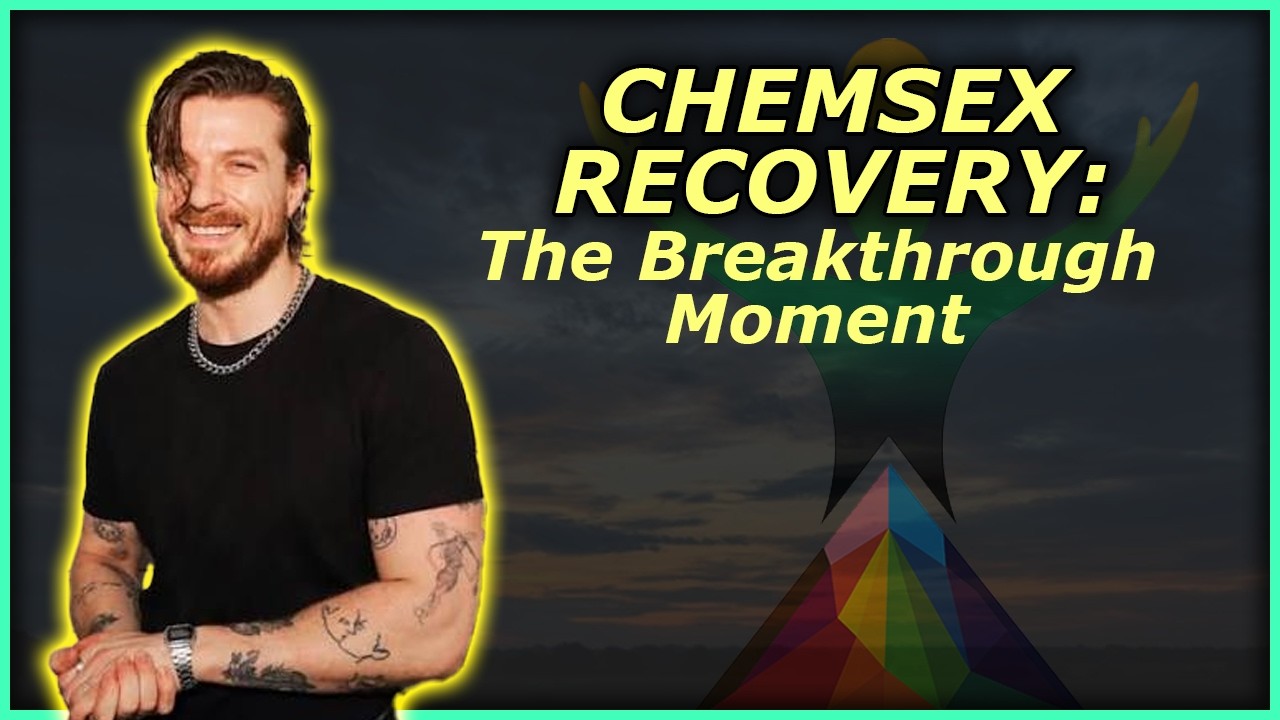
In this episode of the Aftermath Podcast, host Dallas Bragg interviews Dom (stage name Dom Topics), a London‑based DJ and long‑time volunteer with the harm‑reduction organization Impulse. The conversation explores the landscape of chemsex—sexualized drug use among men who have sex with men—through Dom’s lived experience and the broader harm‑reduction philosophy. Dom recounts his personal journey from early immersion in nightlife and chemsex (starting around age 22) to periods of heavy use, a gradual shift toward moderation, and ultimately a sober stretch of nine months. He describes how community, validation, and the need for belonging drive participation, and how therapy helped him recognize underlying ADHD‑related overstimulation and emotional avoidance. The dialogue delves into practical safety tips (e.g., not mixing GHB with downers, timing, dosage), the distinction between a slip and a relapse, and the importance of counting days without shame. They discuss the role of supportive “partner‑in‑crime” friends, the value of attending after‑party or chill‑out events sober, and the potential of sex‑work‑based services to help “un‑fuse” meth and sex. Throughout, both hosts stress meeting people where they are, offering education rather than abstinence‑only mandates, and fostering long‑term self‑trust and community connections as essential for sustainable recovery.
Chapters
Because as you said there, you can't broad stroke it. It can't be— I know there are some people where if you do use again, that's it, you're gone. Like, it just grabs you, whatever it is. Like, you basically spend every day fighting against whatever it is to pull you back. And then if you give in, it will— you can so easily get lost to it. And then there are other people where actually, no, you just get super carried away. You need to like pull back, reassess.
Chemsex, sexualized drug use among men who have sex with men, typically involving methamphetamine, mephedrone, GHB, among others. Chemsex misuse is a worldwide epidemic that needs attention, dialogue, and hope for those lost in it, which is the purpose of the Aftermath Podcast. Please note the views expressed by the host and guests on this podcast are not to be taken as medical advice, and the content around sex and drug use can be triggering. All right, welcome back to the Aftermath Podcast, not podcast, podcast. I'm glad that you're here. Appreciate you choosing this podcast to take up your time because your time is valuable. I appreciate all the new listeners and all the faithful ones. Our numbers continue to grow, and I really appreciate that. And we're really growing in London and in Europe. And so I'm happy today to feature someone who lives in London, who I met through Instagram, through the The web of chemsex workers and chemsex advocates. Dom, Dom Topics, I'll call him. Dom Topics. But Dom is someone I met through Instagram and then we actually met in person. We had a nice coffee together in London at a cute little coffee shop of the many, many that are there and really hit it off and I think that Dom brings a unique perspective about his chemsex use and an inspiring story. And so I hope that you will enjoy today. You guys really like the real-life stories of people who have used and have quit. And so I want to offer that more, but I want to tell you it can be a challenge to get people to share their story because there is such a heavy stigma around chemsex use. You know, it's hard for people to go on a public forum and talk about it. Especially depending on what their job might be. So just understand that I'm trying, that I do want to get more stories in. But again, it's challenging. But if you have a story and you want to offer, you want to come on the podcast and tell us your story, even if you're still using and trying to stop, that's fine. I want to hear it all. I want to hear every perspective. And I think the listeners do too. So let's, without further ado, I'm going to let Dom introduce himself and we'll get going here.
Well, hello. Thank you so much for that introduction. And yes, it was absolutely lovely meeting you. I think we went to a gorgeous little coffee shop. I think one of the things that I loved about it was from the second we sat down, we just did not stop talking.
Yeah.
I think we were on a time limit as well, weren't we? And I was like, there's so much more to say. So yeah, I'm so glad that we are here again, uh, being able to talk this out properly. Um, But yes, I guess for those that may not be familiar with me, I'm Dom, Dom Topics, obviously a stage name. My parents were not that foolish. I mean, I am called Dom. That is on my birth certificate.
Right, right.
But yeah, Topics is not. If you ever meet someone whose surname's Topics, please send them my way. I'd love to chat that out. But no, I'd say I'm more predominantly known as a DJ. So I obviously have an entire history and career and life within nightlife, specifically in London, but I've also been fortunate enough to travel pretty internationally, both through DJing and the other work that I do, which is I volunteer with an organization called Impulse, which I've been with for over 10 years. Our ethos is to engage, connect, and support gay men globally. And we have 4 main pillars, which is substance use harm reduction, sexual health, mental health, and social justice issues. Within my role of that, again, I've been really fortunate. I've worked my way up into a more global role now, so I currently oversee London, New York, and Cape Town. I've also previously overseen our 2 Indian chapters, which have been Mumbai and New Delhi. So I've been super fortunate to travel a lot and yeah, see chemsex in all its glory and all its gore. And, um, how it impacts, uh, and affects and how it is also navigated in so many different areas of the world. And yeah, I definitely have a very, um, I'd say my passion project more so than anything is substance use harm reduction. And I guess the psychology and the socialism that goes into chemsex and why we do it and how we do it. I'm shit at the, uh, the science of how a drug works. I can just never take that in, but I try. But yeah, to understand why you're doing 'em.
Yeah.
I've got a pretty good handle on that, or at least a keen, uh, curiosity to try and understand.
Yeah, I'm with you on that. I mean, a lot of people love the research and they can nerd out about the, the, you know, the how the brain works and the dope effects of dopamine and serotonin and all that kind of stuff. For me, like you said, like, okay, great. But I don't think the brain, I don't think brain research now understands chemsex. And we were getting there. Um, you know, we, I had, um, Stephen, Dr. Stephen, God, I forgot his last name. Chemsex Brain. He's on Instagram. You probably know him. I don't know if you do, but he's doing some major research on the brain in terms of how chemsex affects it and why some people are, you know, can't stop. And so obviously people can, and those kinds of questions and how long does it take to heal? I think all of that is going to be interesting to see how it unfolds. But, you know, like you're saying, why are we doing it? And why is chemsex the subculture of it? Why have we as gay men created an entire subculture? And, you know, to me, that's a bigger question is why are— what's wrong with it? What's wrong, but what's missing from our current main culture that we have to create a subculture? Have you ever thought about that? Or do you think I'm off here?
No, yeah, I think you've got— no, what are you saying, Dan? All my friends do chems. It's completely the culture. That's the stuff. No, um, yeah, I think that's such an interesting point. I can't say I've ever really delved into it, I guess, for me, because like so much of my, my living is in nightlife culture, which is also so interwoven with chems with sex, with chemsex.
Yeah.
Um, and then obviously so much that I do. I mean, I've, I came to learn this a good couple of years ago where, you know, I just remember I would talk about chemsex or substance uses or even how certain drugs work. And then as I was saying it, I was like, fucking hell, I know quite a lot. I'm saying quite a bit here. And I'd say it to people like, oh, you know, and they would be like, what are you saying? And then suddenly you're like, oh, I guess my reality and my knowledge isn't the same as what other people are seeing. And that was where I really came to like, okay, I'm just gonna talk about it then. 'Cause what I know, what I've experienced, what I, what I can do might help someone else out there. I mean, I'm sure even a small example here is there's still plenty of people where, you know, you talk about PEP or PrEP or even doxy usage and people still don't know what it is or how it works and, you know, how you should be doing it. Even the other day someone was wasn't even aware of event-based, they were like, oh, someone's telling me to take it really stupidly. I was like, what stupidly? Like, I think, yeah, yeah. I think you, you made a really good point earlier when you were saying about, um, something which I've forgotten, but I will definitely come back to it.
A good point. We have to rewind. Um, well, I was interested. There's a lot of questions that come up in what you were saying when you introduced yourself. And can you tell us, 'cause we've been talking about harm reduction a lot here, but what is your, your personal experience with harm reduction? What do you think works and why?
It's such a broad question, I guess, really, isn't it? Like there's so many different avenues I could go down with that. Um, I mean, if we look at what harm reduction is, it's to me, it's not telling people to stop. It's really not. It's meeting them where they're at.
Yeah.
Um, and that's a huge thing that we do with Impulse. We are, okay, we're very much that, I guess, more signposters. I would always say like, we're not there to be like, you know, it's not like you are taking drugs, here's how you need to stop, or you are having sex, you must always use a condom. No. Mm-hmm. Meeting people where they really are. So with harm reduction, that is much more like, I mean, I remember my personal usage, uh, I probably didn't really start taking chems properly till I was about 22, 23 when I first moved to London. Loved it. Best time of my life. It was great. I'd finally found like a queer community. I loved being gay. I was getting loads of sex. It was amazing. Like, great.
Mm-hmm.
And I remember I was taking G and I remember the first time I ever did it. And what was interesting, I asked a few other people about this and so many people had a similar experience where it was just an older gay guy at an after, at a party somewhere was like, here, just have this.
Yeah.
You'll love it. And that was it. No further information as to what it did or anything like that. And, you know, young, naive, interested, curious, whatever, you just did it. And I remember I did it for about 3 months and then one Monday I was like, oh, I can still taste it this Monday. I'm just gonna take this weekend off. And I never touched it again. And It wasn't even a conscious choice to never touch it again. It was, I guess I took that weekend off and there was definitely a bit of like superiority, like, I don't need it. And then, you know, watching all my friends like overdosing on it every now and then, not to death, but to losing consciousness, losing control of their limbs. Like, Yep. Um, watching that happen and just being a bit like, oh, oh. Like, I'm not going to get like that. Like, and then, then just kind of reflecting upon how I felt using some of it, like knowing that I definitely slept with guys or done more with guys that I really had no interest in without it. And was a bit like, ooh, I might regret that. Um, yeah. And it just, over that time, I just learned more about it and then was like, okay, it's not, I don't think it's of an interest to me. And yeah, it's just never come back into the hemisphere for me, I guess. So I guess to me, like harm reduction is education.
Okay.
It's understanding more. Yeah. It's having more knowledge on what you're doing, why you're doing it, how to use it. 'Cause we know like with G in particular, as an example, you shouldn't be mixing it with any other downers. Definitely not alcohol.
Yeah.
It needs to be timed, it needs to be measured. Yeah. It needs to be mixed with the right things when you are drinking it. I mean, that to me straight away is just red flag after red flag. There's a big difference between, you know, a big difference between like running into a toilet cubicle with some cute boy or like with a mate and having a little bump of whatever, right? You're like, and then going back out onto the dance floor and then actually like, I mean, I don't think any gay man now can hear the iPhone alarm go off and not be triggered. Those bells are just, it doesn't matter what environment you're in. Yeah.
Yeah.
Yeah.
Yeah. That's true. Yes. Yeah. So I think it's important and I, and I love what's happening in terms of chemsex and the discussion is growing. The dialogue is growing. The awareness is growing. You can see it. You could just see it on Instagram. There's more and more accounts. There's more people talking about it. Yes.
I've noticed that.
There's more, you know, of, of me, like there's guys coming out saying, I want to be a chemsex coach. You know, and they're talking about chemsex, which is great. Bring it on because there's enough to go around, right? But the thing is, is that just like with you said, this older man gave you G and said, here you go. That story is so true over and over and over with so many people. And just like with me, here's the pipe, you know, use it. For me, it was given to me by a younger hot guy who wanted to fuck, right? So it was, I'm not gonna say no. I don't know what this, you know, sure. Okay. You know, let's smoke it. And, and so if somebody would've said, you know, if I would've known beforehand, like, this is what meth does. Like, not, not like you're saying, not say, don't do it, it's bad, but let me give you some balanced information on these are the, these are the statistics. This is what's going to happen. By the way, you're not gonna probably sleep for another 2 days. You know, so can you—
you think she'd give you that heads up? Right.
Right. I have to, you know, do you have to go to work tomorrow? Because if you do, you're not going, or you should do it.
Not anymore.
Right. I think it, you know, not, that's not going to 100% cause somebody to not do it, but it would've given me, I think, a second thought, especially in my sober mind.
Yeah. I mean, that's definitely been my stance. You know, I, there was, I mean, as I said, I've not taken G for, you know, shockingly I'm not 22, 23 anymore. So, so, so let's say a couple of years.
Right.
Um, but I still very much moved within the chemsex world, still within the nightlife scene. Like would still take chems every now and then. I mean, you know, I've gone through phases where it was every weekend and I've gone through phases where I've not touched anything for 6 months, a year. Um, but my stance when I started to talk a bit more about it was, you know, for me, like ketamine, I loved my ketamine and I could do big lines of it and it would barely fucking touch the sides where, and there would be people that would rush at me like, and I'm like, I'm fine. Honestly, I'm fine. Because they couldn't handle like a little fingernail.
Right.
So, but then in that moment I was like, this doesn't make me better or worse than you. I'm not better because I'm than you because I'm not doing G because what I'm doing of ketamine. terrifies you. So my stance was always like, I'm in no position to tell anyone how to live their life. I'm not better or worse. All I can do is share information and you can make whatever decisions you want on that. I don't want to be responsible for somebody else's life or trying to claim that I've got, you know, whatever, that I've made better moral decisions or whatever it is. No, like 9 times out of 10, if I'm in this environment with you, I've still made the same choices as you to get there. Whether I'm sober or not, or taking G or K or whatever it is, I'm not better or worse. I might have more information and I'll share that with you. I'm not gatekeeping information. What's the point in that?
That's right. That's right. Yeah. And, you know, and I think psychologically when you tell somebody don't do this, they're going to want to do it.
We are petulant if nothing else.
Right. You know, yeah, I think that's, you know, that's Part of the shortcomings of some of the recovery programs that just straight out say, don't do any of these things. You know, but, uh, if you go and you try and you find out that you can't, like alcohol, you know, if alcohol leads you back to chems, then okay, you've, you've experienced that. You've learned that on your own. And now you make the decision, I'm not using. I'm not drinking anymore. But if you try and it didn't, you know, like for me, alcohol never led to chems for me. They were just never in the same room. They never led one to the other at all. Now alcohol, yes, will lead to really bad sexual decisions for me. You know, that happens, you know, but never chems for whatever reason.
Oh yeah.
But you know, it's just, So to me, it's, it's such a, a more balanced approach to say, like you said, I'm going to meet you where you are. Like you're going to, some people are going to take drugs anyway. So let's make sure they have all the information and they're doing it in a way that they're safe.
Yeah.
Yeah.
Yeah. I actually, when you were saying there about, you know, the other courses being like, you cannot, you must, blah, blah, blah. I found this really interesting with obviously the care that you offer when you say like you don't start the count back from zero, right? If somebody relapses. So then I was really interested, at what point do you recognize it from being like a slip to like a full relapse, you know? So let, you know, does that, does that make sense as a question?
Yeah.
So say if someone's already got 30 days, but then they go on like a 2-week bender, are you counting that too? Like, yeah. Do you know what I mean?
Yeah.
So I was interested in that.
Yeah. Well, you know, for me, it's whatever they want. If you are in recovery, you're the executive of your own recovery. And let's, let's look at the circumstances of what that 2-week slip or 2-week relapse, what circumstances was it under? Because if you stopped doing everything that you know to do, if you don't put the safeguards in, If you put yourself back on Grindr, you've been having these conversations, like if it was premeditated for several weeks, then that's different than somebody who ran into their dealer at the supermarket and suddenly the euphoric recall took over and they went and used. There's so many, it's so contextual and individualized. However, even if it's 2 weeks or even if it's 2 days, If for, if you're in the program and you, so you start my program, it's day 1 through 180. Like if it's 6 months, right? You can still say in 6 months I've used twice. Let's say maybe one of them was 2 weeks, one of them was 2 days. I've used twice in 180 days. Let me compare that to the previous 180 days where I used 50 times.
Yeah.
Why not? So if I can step back and shift the perspective on my improvement, Then that gives me incentive to keep going instead of I'm fucking back at zero.
I'm ruining it.
Yeah, yeah, I ruined it all. I lost my time. You know, what did you— you don't lose time. Time doesn't disappear. You know, you don't suddenly get amnesia when you use meth. You know, it's like you got— you gained. You didn't lose anything. You gained knowledge. You gained experience. Sometimes you have to have a 2-week bender to learn what not to do, to not have a 2-week bender. It's just a matter of shifting all of that so that we're not constantly browbeaten and shamed, just like with the harm reduction, is meeting you where you are. Let's just step back and look at the improvement. Let's anchor into those wins. And that's going to give me the fuel to keep improving. That's what I think.
Yeah, I love that. Yeah, no, that makes sense. I mean, I, like you and I have obviously spoken about this before. I I've now made the choice to become sober, uh, last year. It was never intentional to be forever. I just really wanted to give it a go again. I'd say like the last, there was a point around 7, 8 months. I'm now 9, 9 and a half months I've been sober. And there was a point around 7, 8 months where I'd already completely surpassed what I expected to do. I'd already felt that I had achieved everything that I kind of wanted to do. And it really was at that point, like the only thing keeping me sober is me. And, but not just like me in the sense of keeping me there, but just, there was like, I never really considered myself an addict. I didn't, I don't really consider myself someone to have let my usage get out of control. I didn't hit a rock bottom or anything like that in my mind. So it really was a, let's just give this a go. And then I remember having conversations with friends and saying like, you know, even if I choose to have, you know, say there's a festival coming up and for that festival I wanna take something just for the day. That's it. Let me have it. And then still resume it. I was like, I don't think it should be seen as having failed or having like lost, you know, the success or, and you're completely right. Like that's still just one, one day, put that pocket there. I wouldn't, I mean, I chose not to in the end because I really want to, I wanted to try and get to a year and see what I can Just to see that I've done it. But yeah, I was, I had this conversation with friends and it was very polarizing. Like no one could quite 100% agree on either. Everyone could, and I understood, like, again, that's why I went back and forth in my mind about it. But you're completely right. Like people, you shouldn't completely beat yourself up or give up or think that you failed for a slip or a relapse or anything like that. It just, uh, Putting yourself back in the seat time and time again, that is where the strength comes from.
That's right. That's right. It's very, it's very much traditional Christian of let me go to confession. Or, you know, like I had to use, I have to, I had to used to do, sorry, when I was growing up is come up to the front of the church and rededicate myself to Jesus because I had failed, right? I watched gay porn again. Oopsie. Oopsie. You know, and it's, it's just modeled to me. It's very much that same model of you sinned, you used. So we, you need to rededicate.
Right.
Confess it, rededicate, walk up in front of everybody and get a new chip and show just how You know, just how modest and humble and, you know, that you are. And now, and now you get to start over. It's just the model does not work for gay men and it does not work for chemsex in my point of view, in my opinion. And also it's again, so individualized for you. I want to get into your story a little bit, but what I've heard so far is you just stopped using G, which many, many people cannot. Right. And you said that your, your use seemed to never get too problematic. It sounds like that you were still functioning while using chems, at least keeping a job and stuff. So if you went to a festival and used once, to me, based on that information, it's not going to, it's not going to become problematic. You'll be able to confine it.
Yeah, it wouldn't derail my life in theory. Fingers crossed.
Someone like, someone like me though, you know, that first, that first day when I took that pipe, I was in it after that. You know, I had ran my, in 2 years I had lost it all. And I can't, I know if I put, probably if I smoked today, you won't see me for another 6 months. That's just the way I use. So harm reduction also isn't for everyone. Either, or that, right? So you really have to, we can't paint a broad stroke here either.
No, I've been at, um, there's actually been Impulse events in the past where they partnered with another organization who were fantastic. Um, and they gave a panel discussion at the end. Um, but what I realized in the panel discussion is they only focused on, um, moderation management.
Mm-hmm.
Which is absolutely a way to do it. And I thought that was, you know, a really good angle to come from. The only qualm I had with it was if you're gonna speak about one, you have to speak about the other. Because as you said there, you can't broad stroke it. It can't be— I know there are some people where if you do use again, that's it, you're gone. Like it just grabs you, whatever it is. Like you basically spend every day fighting against whatever it is to pull you back. And then if you give in, it will, you can so easily get lost to it. And then there are other people where actually, no, you just get super carried away. You need to like pull back, reassess, and reduce basically. But yeah, I just think that, and you know, you mentioned earlier, like there's so much context that goes into each stage of recovery, each person, each decision with it. There's no, and this is something I've learned more and more and more again, you know, there's often people that will come and ask me like, where can I go? What can I do? How can I? And it's just like, the first thing you need to do is have a conversation. I can't say to you like, this is the exact roadmap that will save your life.
That's right.
You know, it's just not going to happen. Yeah.
Exactly right. That's the, that's a little bit of a challenge with chemsex recovery is each person brings their own reasons why. Some, you know, and some people, everybody always says it's sex. And 100% of the time it's not. I mean, it may have been why you got into it and it may be what you do while you're on it, but a lot of times, most of the time, especially with those who, those who can't stop, it's other things, right? It's, it's the need to escape your emotions. It's the need to escape your trauma. It's the need to feel validated. It's the need to feel included. You know, it's, you're addicted to what, again, what you're not getting from The main culture, in my opinion.
Yeah. I mean, often—
or elsewhere.
Yeah. I mean, oftentimes when, you know, I'll speak about friends that I have in recovery to other sober friends or, you know, often our heteronormative counterparts and, um, they'll say like, oh, what are they addicted to?
Yeah.
And I've always found that so interesting. So I'm like, oh, I guess like, you know, early media depictions of addiction are like, they're a crack addict or they love their cocaine, or it's always a particular thing.
Yeah.
Whereas when you look at chemsex, you're like, chemsex is the addiction, which can be an array and usually is a mixture of many of the substances and the sex. And as you said there, it's the, you know, it's the validation, it's the connection, it's the everything. And I've always found that so, you know, when, if someone says like, I do want to get out of this cycle, I do want to like, sober up and all of that, you are a bit like, well, I'm going to be honest with you. It's going to be really, really shit for a while because not only are you going to have to do all this on the comedown, but now you're going to have to have oftentimes the physical effects of coming off the drugs and then basically cut off all the friends. I'm saying friends, quote marks. It's not all of them are quite the relationships that you need or want. It's a long lesson to learn, but he will learn it. And then you also got to maybe look at, oh, maybe you aren't getting as much sexual interest or even as like short hit validation. You're not getting any responses on Grindr, anything like that. You really have to basically isolate yourself, which is probably a big reason as to why you started using in the first place.
Yeah.
And sit with that and just try and build something new. And it's like, yeah, it's a long road ahead of you, but find support and find community in a real, real way. Even if it's the people that are in the same boat as you trying to get sober as well, because they will get you. They will be okay.
Yeah. Yeah. Well, let me come back to that. Can you tell us, uh, some just, um, about your experience with chemsex and how you, how and why you stopped?
Yeah. Uh, I mean, I, as I said, I probably first started engaging in it when I was about 21, 22, we'll say 22, around that age. Um, had a great year of it. Amazing. First moved to London, me and all my friends. You know, I took loads of drugs, but I will always say sex was never really a drive of it for me. Mine was, uh, community, and I enjoyed taking drugs, and I loved chatting shit with randomers. And, you know, me and my friends used to do like full dance routines at the parties and stuff like that while someone's getting like fingered in the corner. I'm just like, right. Um, you know, and it was, it was never, I mean, obviously I had sex, like I'm not a nun clearly, but, but it was never the drive for me.
Yeah.
And then I left London after about a year because I pretty much snorted all my money away and wanted to be more— yeah, I wanted to not be broke. And then I came back. I kept my job in London. I moved just outside of it, so I wasn't too far. And I came back with just a very different approach to life. I then very quickly fell into a relationship, occasionally engaged in chems, not so much the chem sex as my relationship was monogamous. A lot of my friends were still hosting it. I think for me, I've always been more drawn to what I call an afters over a chill out. And the way in which I differentiate them is chill outs are very much the, here's your drugs, here's your sex, get bumming.
Right.
Whereas an afters, you know, people might have clothes on or there might be women there and, you know, it was much more about the party. Um, yeah, I was always a bit more for that and probably still would choose something more like that. Um, but yeah, and I guess I, last summer I used a lot more. I went to a lot more afters and chill outs than I'd done probably in about 10 years. And, um, there was no, to this day I couldn't say there was a main catalyst or, uh, anything that really did it. I just, um, I guess I just started saying yes a bit more.
Mm-hmm.
And, um, it was fun. I can't, I can't deny it was, um, I think 'cause in between that I'd done so much work. with impulse and I'd read so many books and so much research that it had kind of become, I guess, more of like a theory again, as opposed to a lived experience. You know, I would sit there and be like, you know, you're engaging in chemsex and you think you've got all these friends, but you're not, you're actually really lonely. Like, that's what it really is. But then what I realized was I was at these parties that were with My friends that I'd not really seen in this way for years because I'd been saying no and I'd been going home and having early nights and I'd been choosing alternatives, which I was really happy with. And then suddenly I was like, I'm actually hanging out with my friends and this is really good and really fun. And yeah, I'm having sex every now and then and God, we're high as fuck at all. There's all these really funny stories and, and I was having a lot of fun. And what interested me is, you know, as I mentioned before, like I, Still kept work. I actually, work was going really well. My finances didn't take a horrible hit. I was being much more social than I had been in ages, and I was having more sex and I was feeling more sexy in myself and more confident like that. And it became actually quite a good time that I then was a bit like, if I've still got all this in my life whilst using chems and substances, I wonder what I could have without them. And that was kind of the first little catalyst. And then I remember I was at an afters and don't get me wrong, I'd, there'd been a couple of messier weekends, like, you know, losing my keys and stuff like that, which was very out of character of me. And thankfully they'd all come back. And I really believed in that, like what you put out into the universe coming back kind of thing.
Mm-hmm.
And there was once where, uh, I'd left my late uncle's leather jacket that I'd inherited. at a club and I was like, oh God, I really hope it's still there. And then I decided to get sober in that week, went back to the club the week after and it was there. And I was like, this is the universe saying, okay, you're behaving yourself now. You can have this back.
Mm-hmm.
Um, but I remember being at this afters and there were a couple of my friends there, not as many as before. And then I sort of clocked within about 4 or 5 hours, I was already wandering from room to room, not really talking to anyone. And I remember being like, okay, that's it. Your summer of fun is over. Like, you're not with your friends anymore. The party's done. Like, you've milked it for all you can. This is where the line is.
Mm-hmm.
And I still really vividly remember, you know, I didn't have work till like 11 PM the next night or something. I had a long time ahead of me. Like, I think it was quite a, I remember the weather was quite nice outside. I still had plenty of drugs. I actually picked up Right before this happened and the dealer did me a crazy deal. I spent like no money and got loads of drugs. And, but I remember thinking like, I'm not even really speaking to people here. I'm not really having a very great time. And I was like, I should just leave. Like the party is capped here for me. This is done. Like stop holding onto that. It will get better. It will get, oh, I'm just waiting for the, 'cause there's always that feeling at these, like just wait. just wait, something's gonna happen. You never, there's no guarantee. And 8 times outta 10 it doesn't. But, and I just thought, I was like, do you know what? Just put your clothes on and see what happens.
Mm-hmm.
And like every part of my body was like, no, just stay.
Mm-hmm.
And I was like, just put the clothes on. Then I was like, right, just pack your bag. Right. Just order the Uber. Yeah. Okay. Just, just get in the Uber. Just see what happens. And still I was like, Hmm. Doesn't feel right. It feels like I should still be here. But obviously it was the right decision and I came home and, uh, I think I then smoked a bunch of weed to like knock myself out. Had a wonderful sleep. Uh, yeah. And then woke up and, uh, had some drinks with a friend the next day before he moved to Berlin. And that was it. I was like, I'm just gonna not now. Yeah, that was it. But I really distinctively remember being at this party, just like it, like all the, all the markers for a quote mark successful party are there. You know, we've got plenty of drugs, plenty of boys, nothing else to do the next day. No one's, we, no, there was no reason to leave the party or anything like that. And I was just like, but there's nothing here for me. I know there isn't. And I was just like, just go through the motions. Just, just use your brain right now, even though your brain is telling you no. You know, logically, this is the smart move to make. Um, and yeah, it's just what I did.
Yeah. Wow.
Wow. I love it.
Yeah, I, I know. I just, so for those listening, this is what I see a lot is we keep, you said you're trying to milk it for all you can. Right. And a lot of us are trying to milk a dry udder, you know, in terms of, I, like you were talking about all the fun you were having, you were doing your dance moves, you were meeting interesting people, you're doing stuff. What we, what we try to do is desperately recreate that and hang on to that and think that that's going to be the experience with Kims forever.
Yeah.
And we can't just accept, like, there's that phrase, what, um, smile, don't cry because it happened, or don't cry because it's over, smile because it happened.
Smile because it happened.
Or something like that. Dr. Seuss maybe or something. But, you know, it happened. You had a great time. But what I see is that we keep trying to force it. Right? Like you had that, that, you know, I had that great sex that first time I did it. It was great sex for like 2 days. And I thought I had found the holy grail of my life. You know, I never had that.
With whoever that was.
Right. Right.
With whatever his name was.
Whatever his name was. But I, I never had that again. You know, there was some, there was some good sex here and there in the beginnings sometimes, but I kept trying desperately so hard to recreate that. And like you're saying, just keep milking it, milking it. And we find ourselves in that decision point where we know when you're at the, when you're at, you're at the, we say chill out, uh, when you're at the chill out or you're at the PMP party and you're looking around and you know in your heart, in your soul, even if you're high, this is not what I want anymore.
Yeah.
I don't belong here. But what you did is you felt that. And you followed it by taking just one action. I'm going to put my clothes on and then I'm going to pack my bag. Then I'm going to call my, like you took it one at a time, even though your body, you're saying is screaming, stay.
Yeah.
I think if more of us could follow that in the moment, that decision, take, just take one action after the other, that, that, that's so powerful. And that's a statement to yourself and your subconscious. The action follows up the feeling. I'm done.
I think it was actually when I first started partying all those like 10 years ago, something like 10, 11 years ago, I used to go with a friend quite regularly and we had the one that I would do the dance routines with. And we had this rule that was, because I think at least from my experience, there was often, like you said, that little voice would pop in every now and then and be like, why am I here? Do I need to be here? Or I really feel like I should probably leave. Just that little whisper.
Yeah.
And my, we always said to each other, like, whenever one of us got that, look around the room. And if you can look around and honestly say, I'm here for the people, then we would let each other stay for a bit longer. But if you looked around and thought, I'm here for the drugs, that was your time to leave. And then we, would like make a promise to each other, like, don't talk the other out of it, go with the other. And that was something, and I think, I mean, I'm not, I don't really speak to that friend anymore now, but it's still something that I always was really kind of proud that we thought of that and that we felt safe with each other and trusted in each other enough. And I would say 7 to 8 times out of 10, we did stick with it because I think, because we also knew I think in our young, naive arrogance and drug-fueled, we were like, we're the best thing about this party anyway. So, so, so it was quite easy for us back then. Whereas I think now going back into it and, you know, having that mindset, I think it was more, I am grateful enough to know that I find joy in a lot of other things in life.
Mm-hmm. I don't.
I don't feel reliant upon these settings to meet people or feel confident or have fun, I guess. I know, like, in— I know I have a lot of joy in bed rotting. I know I have a lot of joy in having to go in front of a TV series, on having a wank on my own. Like, I don't need to— I don't need to be in these environments. Like, I have friends— like, a Sunday roast is a huge catalyst for me to not party on a Sunday, on a Saturday, because I want—
Mm-hmm.
A good full meal. I want that on the Sunday. So whatever it is, like, I, I, yeah, I do feel grateful enough to not feel trapped enough to be so reliant upon those parties. And it's not that I would never go to one again, but I, I, yeah, I definitely have a different level of self-awareness. And I think that to me is knowledge.
Yeah.
And it's what I'd say, like, I'm never going to tell people what to do or how to do it, but I will absolutely share. all the hints, tips, tricks, knowledge, experience, whatever I've got. And hopefully if it helps them, it helps them, great. If it doesn't, then I'll go fuck myself. Yeah, right. Yeah, yeah, yeah.
Yeah, I think having a buddy is such a, such a great idea. And I kind of had that at one time, although it was the opposite. I think we fed into each other and made ourselves do worse things. You know, the opposite thing. But, um, I think that's a really, a really great plan in terms of if you're going to these parties, these chill outs, is to have someone with you.
I operate like that any kind of party environment anyway. Like, if I'm being social, I want a partner in crime. I can't be bothered with a group 9 times out of 10 because there's just too much. Um, and I don't feel as comfortable going on my own, but if I just have a partner, just someone check in, whatever, even if it's on the dance floor at a club or whatever. I love to have a little partner in crime, especially at an after. It just, I've always kind of saw them as like an anchor, someone that, you know, even as you're getting more and more out of it, you remember that person and you remember and you, you giggle with each other, even if you just see each other every now and then. But if you can have someone that, you know, you set this with each other, like, because I mean, you'll have conversations at chill outs as well where you're like, oh, really shouldn't be here. Like you have those conversations, you have it like, oh, I can't believe I'm here. Like, so put action to it. Be like, you know what? I'm really vibing with you. You're really fun. We're the best thing here anyway. Why not give yourself a go in it? Like, yeah, right. Like, yeah, why not love yourself hard enough to be like, actually, yeah, I've got a lot to offer more than just getting off my nuts sucking someone's dick.
That's right.
That's right. No shame in it. It's fun. Right, right.
Of course. Of course. Yeah. Yeah. I think it's important too. Like you, you're saying it's not that I will never go back, but you don't need them. Right. I think it's such a powerful question to say, what am I getting out of my chemsex experience? What, what am I getting? Let me extract. Let me think about this. What is it giving me? Because what it's giving me is almost always what I'm not giving myself. If I keep going back, if I keep going back, I'm getting something that I'm not giving myself. And so what is it? If it is validation that you're getting, how can you give that to yourself? Or how can you get that in another way that doesn't involve Kim's?
Yeah, I think it's, yeah, it's interesting. Like we talk about this now, I've actually alongside this, I've actually been in therapy as well since January, which is I've had therapy before, but whether it's just because it's a different therapist or just where I'm at in life, like every session is like, oh, it's been fantastic this year.
Nice.
I've been so introspective. And, you know, a theme that keeps coming out is my love, my want, and my nurture, I guess, for community, not just for myself, but to protect the bigger community of gay and queer men in particular. It's something I crave. It's something I'm often trying to build. And, you know, I can look at that now like, oh yeah, no wonder I've engaged in chemsex. No wonder I worked in nightlife. Like, it all makes total sense. But yeah, I think like being aware of, yeah, like you said, what you kind of want. I have like there, I did go to a couple of afters within the last few months. One was definitely an afters. It was genuinely a group of friends and I stayed sober for it.
Mm-hmm.
And a big part of that was I was so curious to see if I could and what I would be like. And I didn't announce like, hi everyone, I'm going to be sober. It didn't, you know, I just kept it to myself and it took a few hours till somebody realized like, you've not done anything. And then it was like, yeah. And by that point I was like, but have you been able to notice? And they were like, no, actually. And I was like, so everything's fine.
Yeah. Yeah.
And then the other one I went to was much more of a chill out. Which again, I was curious to see how I would interact with it, if I would be okay with it. And, um, I will say both were really pleasant. Everyone was really lovely. The chill out got a bit weird conversation-wise after a while. I think people in their high state forgot what were like appropriate conversations to have, and I just felt a bit uncomfortable.
Yeah.
So I left after that one. But we'll put that down to the people. Yeah, but I, yeah, I think when you mentioned about validation, in a weird way, part of me is a bit like, I don't think it's really that awful to go to one looking for validation.
Mm-hmm.
As long as you know that's what you're looking for and you understand It will be a short, sharp hit and that's it. I don't think there's anything really wrong with that, but I think going hoping it will be long-lasting or fix whatever it is, or I think you need to already be really sure in yourself to be like, I want some sexual validation. I want to be the cock of the walk. I want eyes on me. I want that just because I really fancy it right now, as opposed to I need to feel that I'm worth something and this is how I'm going to get it.
That's right.
Because that's not how it works.
That's right. Exactly right. And thank you for saying that. Because listen, validation, just like anything else, is not bad.
Right?
It's the reason, it's the intention behind it. Like, like you're saying, if you, you come to this because you're feeling bad about yourself and the only way to feel better is to be the sexual object at a chemsex party, then you're, you're filling, you're filling a void. That could be filled somewhere else. If you're coming, if you're coming to the till out and you're, you're already, you're fine with yourself, there's no void to fill and you want some validation because it feels good and it's, you know, it, it, who doesn't want to be, you know, the, the biggest dick at the party or the whatever, you know, the, the, the bottom passed around or whatever it is right now. Who doesn't want to be that? You know, but if it's just, it's all in the intention behind Why you're doing it. It makes the difference between somebody who can just stop and somebody who's addicted to the valid— the validation experience too, I think.
Yeah, it is. As you know, I think it's the same with a lot of the apps. Like, you know, we talk, there's big conversations around how it's just that quick dopamine hit, but you're going to crash again so hard from it. Like, yeah, the same as if you are, if all of your sex is under substances and at a chill out. Maybe reassess, look at, you know, authentic connection. Look at, look at prostitutes. No, no, like look at how your, yeah, your relationship with sex. I think as gay men, so many of us need to have a look at our relationship with sex. I'm still trying to unmodel mine, I guess.
Yeah. Yeah. Yeah. I mean, that is the sad part about, and maybe not as much methadone, but methamphetamine is that your brain fuses the meth and sex together and suddenly you can't have one without the other.
Yeah.
That's the healing part. You mentioned escorts. I want to do a podcast on this, but I think escorts are great resources for unfusing because they'll do what you tell them to. They'll do what you tell them to do. And you can explore a kink. You can have a space where You know, of course, you know, you just have to make sure that they don't bring chems with them. Yeah, you know, because, because they want— some of them want you to take them so that you rack up the time. But, but for the most part, an escort will do exactly what you tell them to do. And a lot of times, there's nothing to lose there. You're not going to feel as embarrassed as if you are dating somebody. I think that—
Yeah.
I do think that there's a— I do think there's a good need, there's a, there's a resource there. And I would love to have an actual like service, like a chemsex healing service where people are paid to come and help you, give you that environment where you can start to unfuse the meth and the sex as well.
Yeah, I think that's an excellent idea. Like, I think it's completely valid. Um, yeah, I mean, oftentimes, like, I mean, obviously some sex workers will just be quick cash grab. probably using chems as well, maybe not the ones you want to be looking at for this. But there's 100% people that work within sex work, especially sex workers that really do want to cater to their customer and really do sometimes actually enjoy that experience that, you know, is something different for them. Like sometimes they get off on the simple fact that they are of service to someone else. And I think, yeah, you're completely right there. Like when your sex has become so infused with something else that is poisoning you, for use of a better term, to look at ways to untangle that. Yeah, I think it's a great way of doing it.
Yeah. So a couple of things before, and I don't want to take up a lot of your time, but just for the listeners, I call it calculated risk where you get to the point in your recovery where you can go to the PMP party or the chill out, whatever you call it, wherever you are in the world. Well, you can go and it's almost, it's a little bit of an assessment. Can I do this?
Yeah.
What's it going to, what's it going to be like sober? Right. Um, or you went to the after and you just, you, you're going to stay sober and you wanted to kind of see what is it going to be like for me when I'm sober and everybody else isn't. And, and so you do have to be at a certain point in your recovery before you do this, but talk about building self-trust. If you can go and stay within your boundaries, you know, you may really begin to trust yourself more than ever because it's, again, it's another experiential learning that you're undertaking for yourself. So good for you for being able to do that.
I mean, I will say I was definitely tired much quicker than everyone else. Um, and I definitely was not as sexually active as I would have been if I were under the influence.
Sure.
I knew that from there, even though there were some guys I was like, oh, I would really like to, but I don't, I, I don't know. I don't, I think it's really easy to see that as a negative, but I choose not to. I don't think it's a downside to have not slept with as many people, even though the opportunity was there. You know, I think there's, yeah, even just knowing that they want it sometimes is enough of that validation hit. Mm-hmm.
Yeah.
Yep. I've always admired people like that, even when they're sober. I'm like, God, why didn't you take 'em home and fuck 'em? Like, 'cause I didn't want that. I just wanted, you know, to be seen, to be flirted with. And I'm like, God damn you, once I start.
Yeah, yeah, yeah. Yeah. I was notor— I was notorious for that on Grindr. Is, I just want to make sure, I just want you, I just want to know you're willing to do it. And then I'll, then I'm going to turn the app off.
God, you're right. That is exactly the main example, isn't it? No time wasters. Oh, fuck off. We all just want attention. I'm not wasting your time. I'm getting mine.
Right, right, right, right, right. Okay, so one, one quick question I have. You mentioned Something that I think I want to focus on before we leave. And that is, you said you have to isolate yourself and sit with that and then find community. I find that's the hardest thing to have to try to articulate and help men do is to be able to sit with themselves and be happy with that and isolate themselves in the beginning. What are your, what is your advice on that?
I mean, this was probably, you know, through my sobriety and, you know, I've spoken before, like sometimes I feel unqualified to speak about sobriety because I don't consider myself someone that has struggled with addiction. I mean, I have definitely gotten carried away with substances. Weed was definitely one that I really did struggle with. It was more habitual, but What I really wanted to try and achieve as well in the sobriety was learning to sit in that discomfort and sort of see what came out of it. And what I've learned is, you know, where my ADHD shows up a lot more, which I wasn't even aware of, like how easily I get overstimulated and things that I would use to soothe me. All these things that I was like, God. And I guess I never really felt that I used any substance To mute my emotions, but using substances as a side effect does mute your emotions. And it's not necessarily in that moment. You'll start seeing it a few weeks, a few months down the line. You're like, fucking hell, like I didn't expect that. Like, and you're like, whoa, this actually, yeah, I can't explain it, but it really is. Unfortunately, with all sobriety and all these journeys with recovery, it You have to learn to play the long game. And that's what it is like, you know, as we mentioned earlier, telling someone to stop engaging while someone making the decisions to stop engaging in chemsex, the reality that you need to tell them is it's going to be really shit for now. It's going to get worse before it will get better. And I think it's having that trust in the process.
Mm-hmm.
Um, definitely. I mean, you know, we said that about isolate yourself and then build a community around you. They can work in tandem. Like they can work in tandem. You don't need to be completely alone and be like, okay, I've cut everyone off now. Now I'm gonna, no, no, no. You know, you can start going to meetings. You can reach out to sober friends. I mean, I will say upfront something that's been really, really beautiful. I mean, in this last year or 9 months of my sobriety, I've also been maid of honor for my, uh, one of my best friend's weddings who we've known each other since we were 9, but we've not been as close, I'd say, over the last—
Yeah.
10 years, just where our lives have been. We're still interwoven. But what's been really beautiful is I've really looked back at honestly the women that I've grown up with and how they have, I might not have been as close to them over the last 10 years, but they've been consistent and steady and fantastic. And, you know, they're getting married now and having babies and that's so not where my life is, but I've never once been judged by them. They've still always loved me. They've always seen me. And they may not be the friendships that, you know, for the last 10 years, I might not have been like, my best friend, and I wouldn't have thought about them. But I look at it now, like, you are incredible women and you've done nothing but show me love. And I, you know, I would, I encourage that now. I'm like, the girls in your life, the ones that were there before, have a look at them because odds are they might still hold a little candle for you. I mean, I've been so fortunate with it.
Yeah.
But I think when you get so caught up in a chemsex life where it's gay men, gay men, gay men everywhere, it can become very easy to forget the great women that have been there as well and still love you from far. Yeah. Yeah. I think, I think, yeah, I think we often convince ourselves we've burned so many bridges. Some of them might still be on fire and they just need that fire putting out.
Yeah.
Like it's not always the end. Um, yeah.
Mm-hmm.
But yeah, it really is about learn to play the long game. It's going to be hard. And, but what, but what you get out of it when you push through, not just, you know, the life you have for recovery, but the understanding you have of yourself, how you operate, what sets you off, what makes you shine. You learn all of this a hell of a lot more and it's such a different way. Yeah. And I think those things in turn then lead you to love yourself a bit more. Yeah. Yeah. I feel really fortunate right now at this moment in time. I feel very self-assured, which I've not felt for quite a while. And it gives you this like calm confidence.
Yeah. Yeah. I love it. Yeah. You said push through, you know, it reminds me of your story of leaving that Chill out. You push through, you push through the uncomfortableness. You push through your body screaming, stay.
Yeah.
There's always—
And it does suck. Yeah.
But there's always— yeah. Yeah. But there's always a reward on the other side of pushing through the resistance.
And if there isn't, you're not out the other side yet.
Yeah. Right.
You haven't felt that reward. Like you need to keep pushing. And I know it's so easy to sit here and say, I know, I know. But yeah, you have to trust yourself and trust the process.
Yes. Great, great advice. Yeah, I could talk to you probably for another hour, Dom, but I know you have to go to work.
She's a busy girl.
Yes. Yes. And speaking of busy, I'm just going to share, if you're watching, just going to share Dom's Instagram page real quick. Really fun page. Really fun page. You're out there living your life. You're out here on the lake. You're out here in a— I saw you, you were in New York City in my neck of the woods here. Um, and all of the, all of your mashups are fun and you'll have to come back and tell us, give us— is this where you were maid of honor here?
Yeah.
Yeah.
We met when we were 9 years old. Like we lived with her family between the age of 18 and 19. So that's the house, the garden that we— the house that she grew up in. So it was, yeah, really special, really intimate.
Look at this bod. Look at this body.
There you go. If nothing else, come for the boobs.
That's right. Uh, yeah, you'll have to— we'll have to, uh, do a little, maybe another discussion on help for those of us who want to keep going to the nightlife, the raves, the, you know, the, the, the, the nightlife culture, we want to stay there and not do chems or stay sober. You know, there's a, there's, I'm sure you have a lot of advice on that, but because, you know, some people think that they can't do it anymore.
Yeah. I mean, I will say just super quickly on that. It was a while until I went socially back into the clubs. And when I did, what was really important to me was having a friend that understood the situation I was in. So it wasn't gonna be a moment of like, oh, I'll get you a drink. And it's like, no, they got it. But also the friend that I went with, I've known for years and actually I've seen them high. I've seen them super drunk. I've seen them sober and I can never tell the difference.
Yeah.
They're the same version of themselves in everything. So I felt really safe that I wasn't gonna feel overwhelmed by them or feel like I had to play catch up or feel like I was being awkward or anything like that. I knew they were still going to be the same. So I was, yeah, the person I knew, they were consistent and I knew that they understood where I was. So it was comfortable. So yeah, if you are wanting to hit the clubs again, I would say try and look for someone like that that can just be your little, your anchor for the night.
Yeah, I love that. That's a great idea. Great suggestion. Well, Dom, thank you for your time today.
Really appreciate it. Thank you. It's been lovely. Yeah.
And also check out Impulse. Uh, we're gonna put the link. We didn't talk too much about Impulse today, but I'll put the link to Impulse in the show notes. We'll put the link to Dom Topics, um, Instagram in, in the show notes as well. And don't forget that there is always a supplemental study guide that goes along with each episode. It'll have journal prompts and actionable exercises. It'll have a summary of the episode. Um, so please check that out. Uh, the link to that will be in the show notes as well. Thank you, Dom. Appreciate you being here so much. Thank you.
And thank you for all you do as well. Wow. I'm such, such a fan.
So, so, thank you. Thank you for mentioning me on your story the other day.
Oh, of course. Yes. Whenever people ask, it's always a great one.
Yeah. Perfect. Great. Thank you. All right. All right, guys. We'll see you next week.










