Overcoming Chemsex Shame
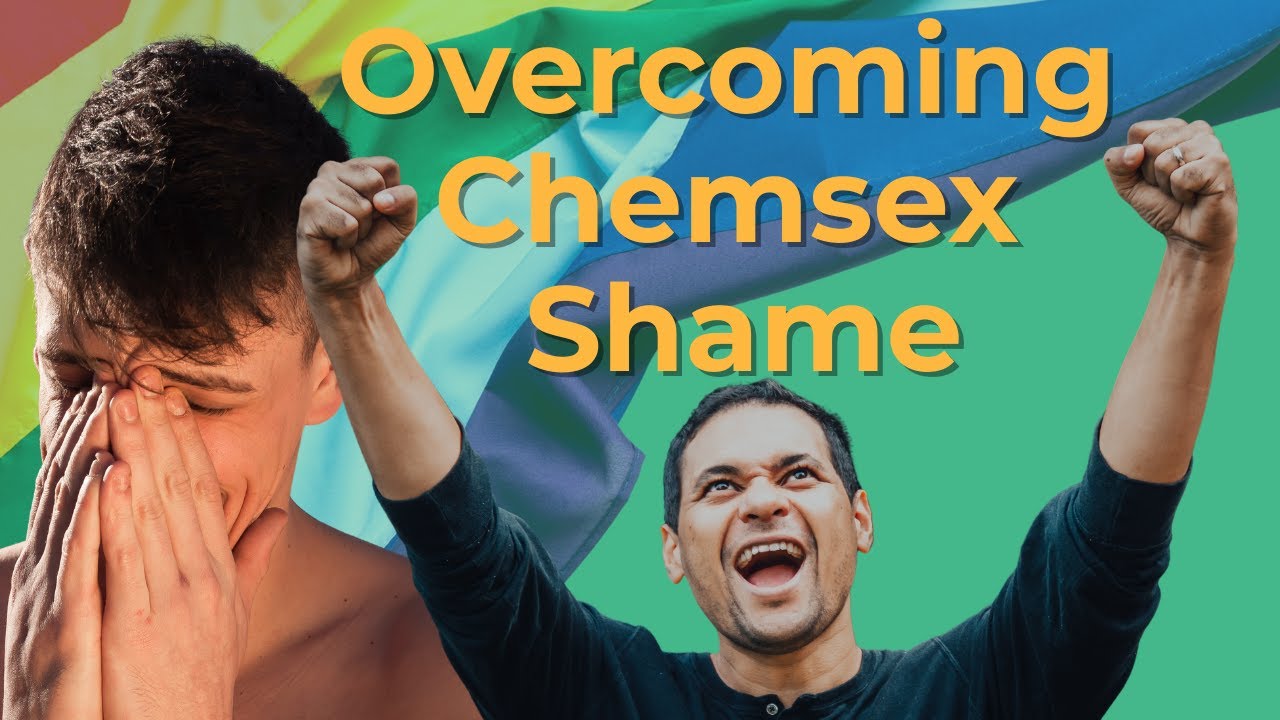
In this 30‑minute solo recovery‑coaching video, Dr. Dallas Bragg addresses the pervasive emotion of shame that underlies chemsex and meth/Tina use among gay men. He begins by distinguishing shame from guilt, explaining that shame attacks identity (“I am bad”) while guilt targets behavior (“I did something bad”). Drawing on SAMHSA data, he links higher substance‑use rates in LGBTQ+ people to minority stress, internalized homophobia, and early socialization that labels same‑sex desire as wrong. Bragg outlines how shame manifests physically (heat, hunched posture), emotionally (feeling fundamentally flawed, isolation), behaviorally (people‑pleasing, hypervigilance, substance misuse) and in relationships (walking on eggshells, difficulty receiving love). He then presents a step‑by‑step healing framework: (1) Awareness – noticing shame triggers and the hidden standards they enforce; (2) Conscious Choice – deciding which standards to keep or release; (3) Parts Work – befriending the internal self‑rejector/inner critic; (4) Reparenting – offering the wounded inner child acceptance; (5) Daily Self‑Approval – actively approving rejected parts each day. Bragg explains how shame fuels a feedback loop with substance use, and how shifting from shame‑proneness to guilt‑proneness can break the cycle. Throughout, he promotes his podcast “The Aftermath,” his six‑month one‑on‑one coaching program “Recovery Alchemy,” and offers practical tools (journaling prompts, guided meditation links). The video ends with an empowering call to authenticity, community contribution, and ongoing self‑compassion.
Chapters
Hey there, Dr. Dallas Bragg here, recovery coach for gay men who want to break free from the addictive patterns of chemsex and live their best and highest life. Today we're talking about what I'm sure is a very familiar emotion for you, and that is shame. If you are struggling with shame and regret of what you saw, did, participated in while on meth, keep listening or keep watching, whatever it is you're doing. On this channel, we're gonna find lots of resources to help you break free from Tina and attain your best and highest Also, don't forget to look for my podcast. It's called The Aftermath Podcast. It's here on my channel as well, or anywhere you listen to your favorite podcasts. I drop a long-form video like this every other Saturday, so please turn on the notification bell, subscribe to the channel so you don't miss anything. By the way, if you're interested in my one-on-one coaching program, it's called Recovery Alchemy. The link to apply will be in the show notes. Through weekly one-on-one sessions, weekly group sessions, and daily accountability, your life could look much differently in 6 months. than it does right now. All right, so the term shame gets thrown around so often within the addiction recovery space. I'm sure you've heard it, especially when it comes to chemsex, which is men who have sex with men engaged in sexualized drug use. Shame is also the most misunderstood concept within the addiction recovery space. So today we're going to take a deep dive. So I want you to save this video if it's too long for you, and if you don't finish it, then go later and finish it, or grab a cup of coffee, a notebook, and settle in. So listen, shame whispers lies about who we are, what we're worth, and whether we deserve love and belonging. But here's what I've learned through the years of walking alongside incredible gay men in recovery. Shame isn't your enemy. It's a protector. That's been working overtime, and it's time we understood its language. So today we're discussing shame's landscape, not to judge, not to fix shame, but to understand, heal it, and transform it. Because on the other side of shame lies the most authentic, powerful version of you. So are you ready? All right. By the way, I help gay men break free from the addictive patterns of chemsex, usually Tina, sometimes methadone, and become their best and highest selves. My one-on-one coaching Recovery Alchemy is a six-month intense program that can literally change the trajectory of your life. I accept two new clients per month. All right, so let's get into it. Understanding shame. Research from the Substance Abuse and Mental Health Services Administration—you might know them as SAMHSA—shows that LGBTQ. LGBTQ+ individuals face higher rates of substance use, which is 20 to 30% compared to 9% in the general population, due to minority stress, including shame around sexual identity, internalized homophobia, and social rejection, which is many of the reasons why we get into chemsex in the first place, or we can't get out of it. Shame is fundamentally different than guilt, although they are conflated quite often. Guilt says, I did something bad. While shame whispers, I am bad. There's a big difference there. Shame is a biological response that kicks in when we fear social consequences, right? Like rejection, abandonment, punishment for being our true selves. For gay men, this architecture often begins very, very early. So think about it. As young boys, many of us learn that our natural expressions of desire Affection, or even our way of moving through the world could result in rejection from the very people we needed most, those closest to us. So we created an internal split. We rejected the part of ourselves that we were told as bad, which became a part of ourselves that then polices our thoughts, our words, and our behavior. So we've betrayed our truth for so long. And we've lived in this way with this part so long, it's become our norm. So I want you to recognize shame. The Body Keeps the Score, one of those books that I really recommend you reading. I can't remember the author right now, but The Body Keeps the Score, read it. Shame is often more felt than thought. So here's my, how it might show up in your physical body. Sudden heat in your face or chest. Wanting to disappear or make yourself smaller. Difficulty making eye contact. Hunched shoulders. Collapsed posture. That's me. Stomach-dropping sensations. Emotionally, shame shows up as feeling fundamentally flawed or wrong. An overwhelming urge to hide or isolate. Defensive reactions to feedback. Perfectionism. That never feels enough. Self-sabotage when things are going well. Here's some behavioral signs of shame, how it shows up. The internal self-rejector. This protective part tries to reject yourself before others can, believing it's less painful when you do it to yourself first. There's the people-pleasing part, constantly adapting to avoid potential rejection. Hypervigilance— scanning for signs of disapproval or judgment always. And of course, substance misuse— numbing the pain or becoming someone else temporarily. Here's some relationship dynamics, how it shows up: walking on eggshells around criticism, feeling like you're too much or you're not enough, difficulty receiving love, Difficulty receiving compliments, assuming others' negative reactions are all about you. Any of that sound familiar? Does to me. The roots of shame is where this all started. Shame develops through socialization. We're taught cultural values and we're punished when we deviate from them. For gay men, this often means our natural desires and expressions were labeled as wrong Or bad from an early age. And in today's society, we often still hear the messages even as adults that we're bad, we're wrong, we can't get married, we shouldn't be married. The socialization process looks like this. A young boy naturally expresses, expresses affection for another boy or shows interest in activities deemed feminine. The disapproval is swift. And it's painful. To survive and maintain the connection, he learns to fragment, to create an internal split where part of him polices his authentic expressions. Those are wrong. Those are wrong. This creates what's called internal triangulation. That's when we turn against parts of ourselves to maintain closeness with those who we need love from. The child essentially becomes his own corrections officer, which feels less painful than being policed by others. I'm going to do it to myself first. So in this perfect storm for gay men, shame compounds. Religious conditioning. It's when we're being taught our love is sinful. Family rejection, losing acceptance for being authentic. Bullying and harassment. That's being targeted for our differences. Media representation. Seeing ourselves portrayed as broken or wrong in the media or hypersexual, whatever it is. Medical pathologizing. Pathologizing, sorry. Having our identity classified as a disorder. Listen, studies show that LGBTQ+ individuals face significantly higher trauma rates including child adversities, school victimization, family conflict, each correlating with increased substance abuse. So let's talk about shame versus being shamed. There's a distinction here. Here's something very vital. There's the difference between feeling shame and being shamed. Many people with shame trauma mistakenly interpret any uncomfortable feeling as I'm being shamed. When someone might be offering honest feedback or somebody might just be offering their boundary. When someone sets a boundary, if your partner says, I need you to be present during sex without substances, maybe, or I need you to leave me alone in the mornings. That's my boundary. You might feel shame. But they're not shaming you. They're communicating their truths and needs, and it feels like rejection. If a friend says, I felt hurt when you canceled our plans last minute, that might trigger shame, but it's actually an invitation for deeper connection. It's not an attack on your worth. The problem is that people with deep shame wounds often require that everybody around them never say or do anything that causes them to feel shame. Which is impossible, and it actually prevents your growth, and it actually prevents authentic relationships. So how do we get from shame to self-compassion? All right, so number 1, awareness. Meeting your shame with curiosity. The first step isn't about fixing or changing it. It's about becoming curious, curious, a compassionate observer about the invisible rules that are governing your life. Most of us are walking around trying to meet standards we never consciously chose, standards that were programmed into us when we were too young to question. Get forensic about your standards. These aren't just abstract concepts. They're living, breathing beliefs that show up in your daily experience. And they might sound like, I should be able to handle my emotions without substances, or real men don't need emotional support, or if I'm gay, I need to be exceptional at everything else To compensate. I should want sex all the time and always perform perfectly, right? Healthy people don't struggle like this. I'm only attractive if I'm completely in control. You're saying some of those things or something like it. Really evaluate. So here's the shame archaeology process. Notice when shame hits, it's that familiar sinking feeling. So I want you to ask, what rule did I just break in my own mind? And then dig deeper. Where did this rule come from? Whose voice is it really? Whose voice is speaking to me? And get very specific. What exactly am I measuring myself against? So the next time you feel shame, I want you to pause and ask, what standard am I failing, falling short of right now? And where did that standard come from? Is this standard actually mine, or did I inherit it? Was I given it? If my best friend fell short of this same standard, what would I tell him? The goal isn't to immediately change the standards. It's to observe them, to notice them, to be aware of them, to see them clearly. So when something operates in the shadows of your conscious, Unconscious, it has unlimited power over you because you don't know it's there. That's the shadow work, right? The moment we bring it into the light of awareness, we start to reclaim our choice. All right. Number 2, conscious choice, keeping or releasing your standards. So once you identify your standards, decide, do I wanna keep this or do I wanna let it go? If you choose to keep it, you're now consciously choosing that feeling, which gives you the power over it instead of feeling powerless to it. So the practice is write down 3 standards you hold yourself to around sexuality, substance use, life. For each one, ask, does this standard serve my highest good? Is it an expression of my highest self? Would I apply this same standard to my best friend? And what would happen if I released the expectation? Number 3, parts work. Healing that internal self-rejector we talked about. Many of us have developed an internal self-rejector, inner critic, an inner parent, a part that protects us by rejecting ourselves before others can. This part needs to be understood, not eliminated. Many of you know him. As the inner critic, and the voice normally mimics a parent or other voice you heard early on. In my program, Recovery Alchemy, we practice very light parts work in order to get to know that inner critic voice as an ally, not your enemy. You want to try to understand it. So acknowledge this protective part. I see you, internal critic. You've been working so hard to keep me safe. And then ask, what are you afraid of will happen if I stop projecting myself? If you stop projecting me? Negotiate new ways for this part to protect you that does not involve self-attack. This can come with some practice. If you want help, you can ask your therapist or your coach. Number 4, reparenting your inner child. This is a big one. The shame we feel as adults often reflect wounds from our childhood. So we need to find the hurt child within and offer them the acceptance, the attention that they never received. So when shame arises, imagine your younger self in that moment. What did that child need to hear? What did you need to hear in those moments early on? Offer those words now. You are lovable exactly as you are. Your feelings and desires are valid. You deserve belonging. Without changing who you are. I made a guided meditation for inner child work that may help. I'll put the link in the show notes. Number 5, daily self-approval. So every day, pick one thing you don't approve of about yourself and work to find approval for it. Look for how this rejected part may actually be good. So here's an example. If you judge your sexual appetite, my desire is a life force that connects me to pleasure and intimacy. If you shame your sensitivity, my emotional depth allows me to connect authentically and help others feel seen, and it shows that I care. You criticize your recovery struggles. My journey includes setbacks that are actually trajectories forward because I'm human and humans grow through experience. So let's break the cycle of shame and substances. Research shows that shame Shame proneness is directly linked to problematic substance misuse among sexual minorities, while guilt proneness, which focuses on behavior rather than self, is actually protective. So a shame trigger could be something that happens that activates core feelings of inadequacy. So then substance use or chemicals temporarily relieve that pain or help create a better version of yourself. The behavioral consequences are actions taken while high that conflict with your values. Then it's amplified shame because now shame about both the original trigger and what you did on substance use combine. And then we repeat that cycle. More substances are needed to manage that increased shame. So you wanna break this pattern. You wanna interrupt it early, recognize shame signals before reaching for the substances. Name it. I'm feeling shame about, and then what specific, and then be very specific. I'm feeling shame about this. Self-compassion kicks in. This is a moment of suffering. Suffering is a part of my human experience. I'm going to feel shame on and off for the rest of my life. Reach out, then connect with somebody who sees your worth. Start writing it down in your journal, something. So listen. Shame has been your nervous system's attempt to keep you safe and keep you connected. It developed when you were small and it's— and the stakes felt really like life or death at the time. But you're not small anymore. You get to decide now. You are in control. You get to question every belief, examine every standard, and choose what serves your highest self. You get to love the parts of yourself that were taught to hide. You get to live as loudly as and authentically as feels true for you. Your recovery isn't just about getting clean, as they say. It's about coming home to yourself. That true identity that's underneath. It's all about Reclaiming that beautiful, complex, perfectly imperfect human you've always been underneath the smoke. Underneath the smoke. The world needs your authenticity. The world needs you to shine. We need your courage to live truthfully. We need every gay man To recover and be clear-minded and cognizant, to stand up for what we need, we need to unite. We need you to vote. We need you to be a contributing member of society. And we need your example of what it looks like to transform pain into power, shame into self-compassion, hiding Into healing. Your journey matters. Your healing— when you heal, ripples out and touches everyone around you, who touches more people and more. When you heal, you are healing the world. Keep going. Keep growing. Keep choosing love over fear, 'cause you belong here, all of you in this moment, and you belong here exactly as you are. All right, guys, hope this helped. If you have any questions or comments, please put them in. Please add them here to this video. I'd be glad to have a conversation with you. If not, I will see you next time. Bye.










