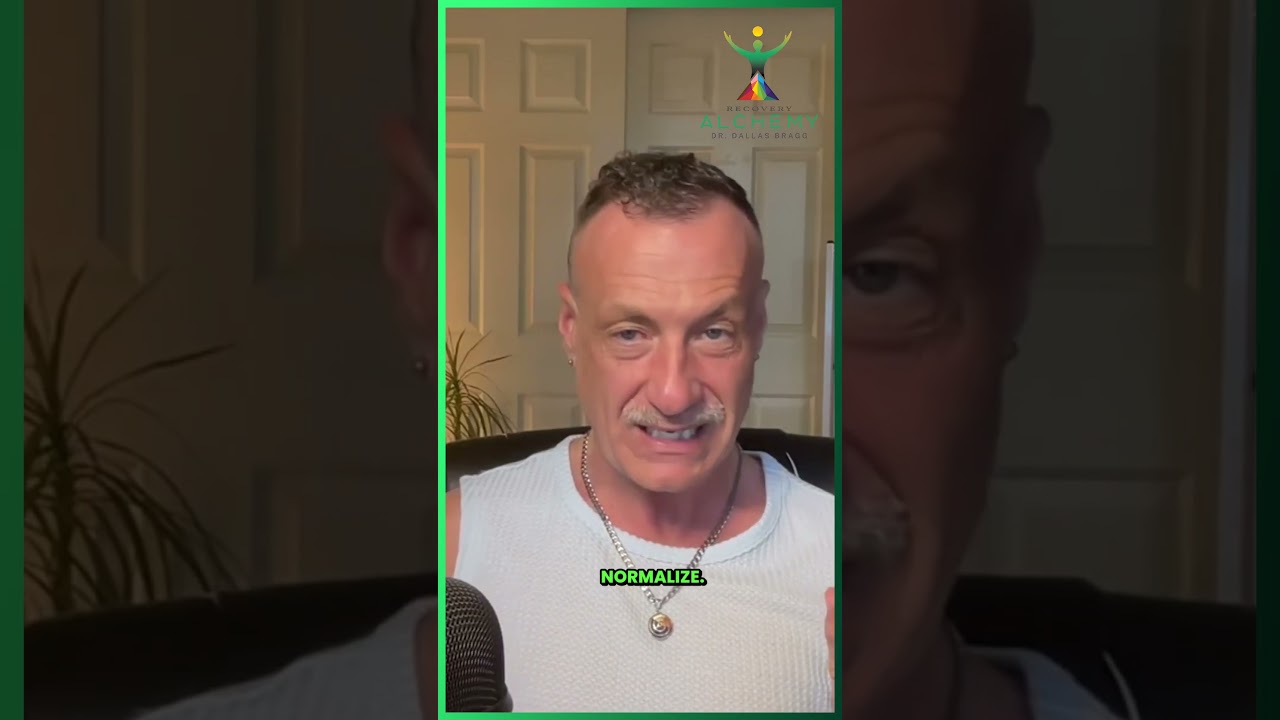
Dallas Bragg explains what happens physically when you stop an addictive behavior: dopamine stops flooding and depleting, cortisol normalizes, sleep returns, appetite comes back. The body heals fast enough to feel genuinely good. But that euphoria is just recovery, not transformation. Real change takes sustained work over time.
Chapters
So when you were actively using, your brain was locked in a cycle of dopamine flooding followed by dopamine depletion. Your stress hormones were elevated around the clock. Your sleep architecture was destroyed. Your appetite was suppressed. Your nervous system was in a constant state of fight or flight. Even when you were lying in bed scrolling sniffies at 3:00 AM pretending everything was fine, you were still being triggered. When you stop, your brain starts to heal, recalibrate. The dopamine flooding stops. So does the crashing. Your cortisol begins to normalize. You start sleeping, really sleeping for the first time in months or years. You eat a meal, a real meal with real food, and your body remembers what nourishment feels like. Your skin clears up. Your eyes look different in the mirror. This physical recovery combined with the psychological relief of making that decision creates a real genuine euphoria. Your brain is literally celebrating the absence of poison. And here's where it gets tricky though, this relief feels like that's the transformation, it's not, it's recovery, there's a difference, recovery is the process of healing, transformation is the result of sustained intentional work over time.