Season 2 Episode 33 Chemfriendly: Safety for Sexworkers
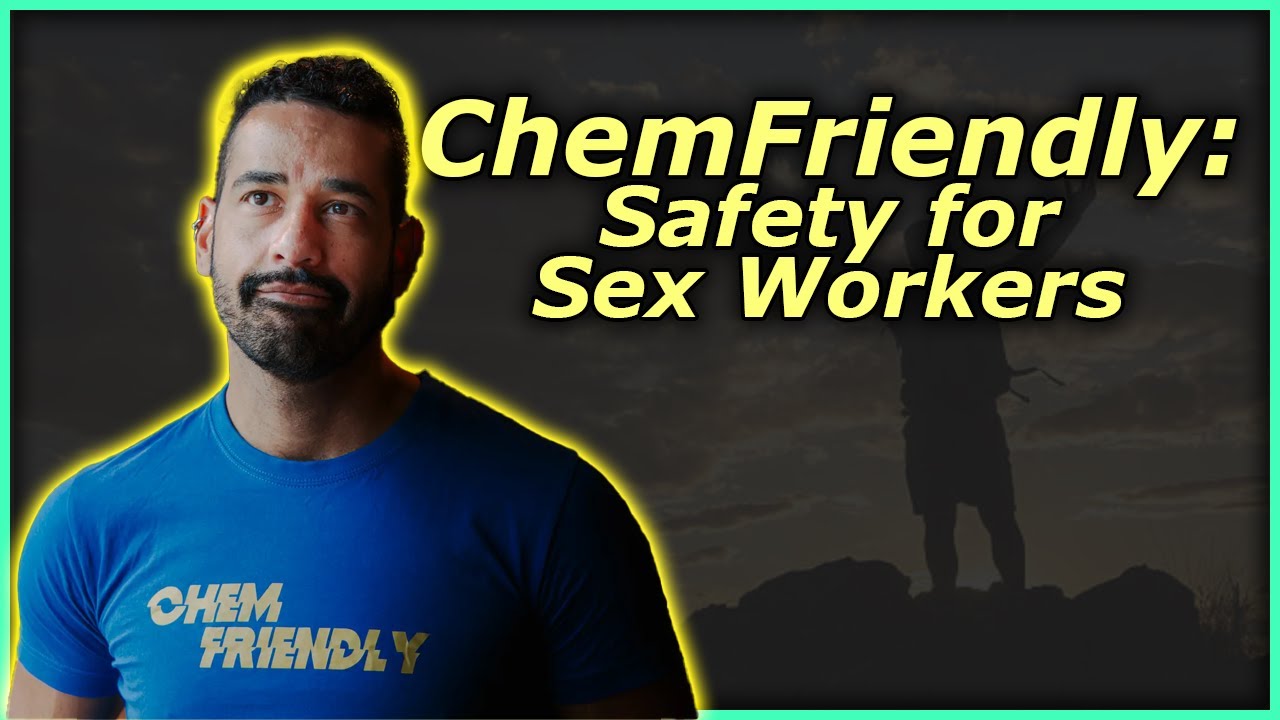
In this episode of the Aftermath Podcast, host Dr. Dallas Bragg interviews Andreas Lekringer, chairman of ChemFriendly Norway, to explore the intersection of chemsex, sex work, and harm‑reduction. The conversation begins with a discussion of how chemsex is defined—originally limited to methamphetamine, GHB, and mephedrone, but later broadened to include ketamine, cocaine and other “softer” substances—highlighting how public health priorities (e.g., vaccine allocation) shape definitions. Andreas explains that ChemFriendly is a queer‑led, user‑run organization that blends healthcare expertise with lived experience to serve all queer people affected by illegal drug use, including sex workers of various identities. He introduces an umbrella definition of sex work that covers selling sex, exchanging sex for drugs, stripping, porn, and online content creation, and he outlines five practical categories of sex‑selling practices. The dialogue repeatedly returns to stigma: legal, societal, and internalized stigma that marginalises sex workers and chemsex participants, hampers access to care, and fuels abuse and rape. Andreas stresses the need for precise language, community‑based harm‑reduction (e.g., the Ask First campaign, sober‑sex events, online support groups), and concrete safety practices such as client negotiation, community building, and avoiding drug‑related legal risks. Mental‑health coping strategies—community support, stoic philosophy, CBT, and peer counseling—are presented as “mental harm‑reduction.” The episode also covers the specific challenges of porn/content creation, the overlap of dopamine‑driven social‑media use with chemsex, and the importance of separating identity from work. Finally, Andreas describes advocacy work aimed at de‑criminalising reporting of drug‑related rape, expanding multilingual resources, and fostering cross‑border collaboration. Throughout, both speakers adopt a conversational, empathetic tone, offering supportive yet cautious guidance for listeners who are sex workers, chemsex participants, or helpers.
Chapters
So I think it's important to just think that you can never encapsulate the whole human experience. Different people have a different need, and that's why they define chemsex very differently. Now we are a part of a queer—
The Aftermath Podcast is an outreach tool to help men who have sex with men break free from the addictive patterns associated with chemsex, otherwise known as crystal meth, Or Tina. I'm your host, Dr. Dallas Bragg, a former crystal meth user, now recovery coach. Here you will find a repository of tools and resources intended to eradicate the epidemic that is plaguing our MSM population. Please note that the views expressed on this podcast are not to be taken as medical advice. Also, we will be talking about drugs and sex, so if you feel triggered to use, Stop listening and contact your local emergency system and/or your support network. Let's go. Welcome back to the Aftermath Podcast. I'm your host, Dallas Bragg. Uh, if you're watching, if you do watch regularly, which a lot of you do, uh, you'll see that my background's a little different. I'm in the process of actually setting up an office instead of having a black soundproof background. Um, I just wanted some type of character here, but I, you know, I've had my books in boxes for I've never actually put them on a bookshelf. So I've been going through all my books from all the years and all my journals. I have journals back from 1994, '92, maybe '93, something like that. I was in high school. Um, so I was going back through, going back down memory lane, going through all my journals. So welcome back to the podcast. Um, I'm going to introduce my friend here, Andres, from Chem-Friendly Norway, which he's wearing the shirt if you're watching. ChemFriendly shirt. Andreas, can you tell us about yourself?
Yes, thank you for having me on the show. So my name is Andreas Lekringer. I'm chairman of ChemFriendly Norway. So I'm a social educator, which is a very like Scandinavian thing. It's kind of like in between a nurse and a social worker. And I'm again chairman of ChemFriendly Norway, which is a user organization and an organization for queer peer people, that is that you're not queers that are not healthcare professionals. So we're a membership organization. We have a general assembly that votes in a board and a chairman every year, but at the same time, we're professionally quality assured. So we build up and we consist of healthcare professionals, nurses, doctors, social educators like myself, Scientists contribute to our work, so this balancing between scientific knowledge and healthcare work and representing user knowledge is also based on healthcare and scientific principles. And our target group is all queers affected by illegal drug use, and this also includes sex workers. And we're very mindful of mentioning sex workers. So I've sold sex myself, not that much professionally. I've exchange also sex for drugs and chemsex, and I do porn actively, as produce it and act in porn, or content creation as somebody calls it.
So if you're a content creator, let me just get right into this, but this is going to show my ignorance probably, but if you're a content creator, is that different than a sex worker?
So, um, I like to use sex work as an umbrella term that, first of all, it's important to show that it's we're talking about work, but it doesn't exclude people being exploited, et cetera. But it's kind of like, for me, it's an umbrella term that includes selling sex or having sex in exchange for other goods, stripping, porn. And yeah, so I would be mindful when I, if I use the term sex work to specify, am I talking about selling sex or having sex in exchange for—
Mm-hmm.
for goods, or am I talking about stripping or porn or other forms of sex work?
Yeah, because I met someone recently who said he's a sex worker and I immediately thought that he was an escort. You know, this is not recent. This is, I say recently, it was like a year ago, I guess. Um, because in my mind, sex worker meant escort. Yeah. You know, that's it. Um, but he, you know, and so he was saying business was down and I was like, well, I'm surprised by that, you know, looking at your, your physique. Um, but he just meant like engagement. Um, you know, his OnlyFans sales, just for fan sales and all of that, that was down. And that, that was down. And so I was like, oh, so sex worker could also be these, you know, all the people with OnlyFans. Do you, if you have an OnlyFans, are you a sex worker?
Well, we had an interesting debate a few years ago here in, in Norway, where some online creators were very like mindful of distancing themselves from the people who do porn. And I personally, I don't like the term content creation because it doesn't say anything. It's porn that I do. But if— and a lot of people who sell sex won't necessarily say, oh, I'm a sex worker. And that is particularly important if we're talking about chemsex. You know, you have this group of people who have sex in exchange for drugs, maybe because they used up all their drugs, and they don't have any money, or because of addiction, etc. And they— so they do the sex work, the praxis, having sex in exchange for drugs, but they don't identify themselves as sex workers. So therefore, if we come and say, hey, we have information to sex workers, they won't necessarily listen to us. Because we're using the wrong wording. So I think it's important to ask the person, what does this mean to you? Hmm.
I love that. I mean, yeah, I mean, that's kind of the same thing that's happening right now with chemsex itself. The word is that people are trying to— they're having trouble understanding what constitutes chemsex and what doesn't. But I guess, right?
Yeah. So we, when, when, when we started, it was very important for us to kind of like broaden the definition so that it would include ketamine, cocaine, um, and, you know, these like softer drugs and not only those 3, methamphetamine, GHB, and, um, and, uh, and mephedrone, uh, because there were people struggling with sex and drugs issues who were not getting help because of this. And then came, uh, the mpox, um, situation. And our government said, okay, we want to allocate we want to give a free, you know, the shot you take, and then you have protection.
Vaccine, vaccine, vaccine.
And then suddenly, it made a lot of sense to define chemsex as only methamphetamine, GHB, and ephedrine, because the government has a limited resource set of vaccines. So we should prioritize it where you have the most buildup of risks. And that is people using these drugs. So I think it's important to just think that you can never encapsulate the whole human experience. Different people have a different need. And that's why they define chemsex very differently. Now we are part of a queer culture where sex is important. And chemsex makes sense as a gay or MSM thing.
Yes.
Because of the cultural identity part, but I understand people who just Hey, I just wanna prevent HIV. So chemsex is everyone mixing sex and drugs.
Mm-hmm. Yeah.
Yeah.
I mean, there's sexualized drug use, right? Yeah. And there's also, yeah.
When I lecture, we, we operate, uh, I operate under that. Uh, I start with sexualized drug use and one of the little points there is, uh, chemsex for, um, men who have sex with men. This includes trans men and, uh, also MSM sex workers. But, but that's like a fierce debate in itself, because some, for some people, it's, it's, it's important as like an identity thing. But I guess it's just important for practitioners, for writers, for scientists, for helpers to just be upfront. This is how I define it. And this is why we define it that way. This is what it gives to us to define it this way. And no matter how you define it, you'll lose something.
Yeah, right, right. Yeah. I mean, how, how important is it that a doctor or a nurse or health coworker understands what chemsex means? Like, I mean, what are they missing if they don't?
Well, um, well, first of all, I think that people need to understand, people working in the healthcare system need to understand that it's not possible for at least 95% of us who are not asexual to have good health in general, unless we have good sexual health. And this is a perspective that lacks in the healthcare system in general, and also in drug and rehabilitation services. And if you go to get help for sexual health, they don't know that much about drugs. And if you go get help for drug-related issues. They don't want to talk about sex. So it's important if you want to give the best amount of help to understand that sexuality is important. And then you have to understand that if you're talking about queer people who are— and queer men who are a part of a culture where we meet our friends, our lovers, our communities by using Grindr or cruising areas and being taking part of a culture that it's, it's part of what makes us who we are. That's just as important to understand than having a drug rehabilitation system that is sensitive to people from Somalia or from Ukraine. This is also a culture. Chemsex is also a culture. The sex, the sex, the— if you take away the drugs, it's also a culture where we meet people on certain arenas, we have certain ideas, certain language, and it gives us our life's meaning. And that is a culture in the same way as being like Judaism is a culture. And there are many people in the drug rehabilitation field here in Norway who are now like, yeah, we're minority competent, but they don't know shit about queer male sex culture or sex workers culture. They talk about, you know, having some weird food once a year to include people who are from other places.
Interesting. Yeah, that's an interesting point. I mean, I would think that, I, I guess most people just, their, their personal bias probably comes into play where they don't want to consider sex as a subculture. Is that right?
Yeah. And I, I think that, um, Like sex is a, or it can be a deeply social behavior. But in most people's idea of sex, it's antisocial somehow. It's vulgar. It's superficial. And again, that makes it hard to understand the importance of it. And I think the best way to start is to just educate people or helpers, like, Mm-hmm. why is sexuality important for us? That is like the best way to start and then opening a little bit up on the more advanced sexual cultures that can be out there.
Why is sexuality so important to us queer men?
Well, I think it has a lot to do with testosterone when we, when we talk about men in general, and like evolutionary things. And then on top of it, it's culture where we as men in general, but then we lump together in queer communities or MSM communities where we as men, we, we're in a competition with each other. Who has the best job, who has the best looks, who has the biggest cock, who has the most, who gets laid the most.
Okay.
That's a kind of like, a little bit toxic thing, I guess. A friend of mine, he, because of trauma, had many years where he didn't have sex. And every time we had a party, that would be like the thing that we joked about, like, oh, you haven't had sex in 5 years, we're gonna see to it that you get laid tonight. Which just says something about, yeah, you know, it's, I think it's a very positive thing that we are so sexually positive in many queer spaces, but it can also be a pressure that not everybody feels that they can conform to.
That's right. Yeah.
Yeah.
I mean, that pressure sometimes adds to chemsex misuse. Yeah, for sure.
I think there's a— it's a big, complicated issue there. But, but yeah, for sure. I think pressure Is, is the people wanting to fit in. And I think that we lack, as a community, competency, like we're better than straight people, but we're talking about sex in the sense that in a lot of ways we have this, this consent conversation pretty much down with, do you want to meet? Are you top? Are you bottom? Do you want to do this? Can I choke you? Can I spit on you? You know, at the same time, we often have sex because we're lonely. We want to get— we don't want to get fucked. We want to get a hug, but we can't vocalize that. And I think that is also a driver into chemsex. People don't know their needs. And they go into chemsex because they're afraid, they are traumatized. They don't know how to vocalize these things. They're lonely. And yeah.
Yeah, yeah. So you said chem-friendly You mentioned queer, any queer men who are affected by illegal drug use. So affected by illegal drug use could be someone who's currently using, someone who doesn't, who doesn't want to use anymore. Is that right? Um, sex workers. Does that include those who are actually, do you work with people who are trying to stop, I guess is my question too.
So we're, I, we're for all queers. affected by illegal drug use. That includes queer women.
Okay.
Other gender identities. And we do not only work with chemsex, we work with all the different kinds of queer drug use. So that can be in the rave scene, it can be in other scenes. And we say affected because you can be MSM or another person who does not do drugs, and then you arrange a hookup and the hookup meets and the hookup has done GHB and flats out. And it's relevant for you to know the information that we can give you, or you're at a party and somebody else does drugs and you'd like to know what, what, what should I do? Or you're a friend or family. And we also have a lot of activists and volunteers who are not active drug users, but we also have People like me who have drug problems, who want to stay away from drugs, who does what we can to stay away from drugs. And we want to, we want to, we want to, we want to use those resources as well. So our ethical guidelines clearly state that we need to work actively so that people don't get more drug problems from being engaged with us. And we cooperate with psychosocial services and drug rehabilitation services. Oh, you do? So we had your friend, Dr. David Fawcett. He's been into our Chemsex conferences many times and he has a digital webinar for us where he talks about triggers and he wrote an article for us about triggers. Which we, it's like kind of specifically targeted to us. When you have people who are a part of the communities that they want to reach out to, then obviously triggers can be an issue and how can we deal with those?
Interesting. Yeah. Yeah. Thank you for clarifying that for me. Okay. So looking at the website, you guys, I'll put the, I'll put Kim Franley's website in the show notes. Um, but you know, here's the thing is that, so on this season of the, of the podcast, we've been focusing more on harm reduction, which I understand and learned harm reduction is all of it, right? It's on the spectrum from abstinence to active use. It's all harm reduction. We get that. But sometimes you have to use certain words to make people understand what you're talking about because ChemFriendly is helping reduce the risk of overdoses and other health problems. If queer people choose to use illegal drugs. Here's the thing is some people are going to use drugs anyway. You've heard me say this on the podcast, so why not help to keep them safe? In today's discussion, I want to focus heavily on sex workers because I don't feel that there is, there's a, if there's a bias in Norway, there's a huge, huge bias here in the States. Right. I mean, there's an immediate like discounting of people who are quote unquote sex workers. They might be called other words, you know, here as well. And so what I get is a lot of sex workers messaging me anonymously. They don't feel seen. They feel in danger, especially those who are trying not to use as well. But those who are using, you know, here's the thing is a lot of, there's a lot of men that are using specifically escorts are expecting the escort to bring some drugs with them. I know a lot of my clients aren't even, they're not even messing with Grindr anymore. It takes too long. And then you risk getting somebody whose pictures are outdated or getting somebody who's been awake for 3 days, which When you can go on to RentMen and get someone who has drugs and they're, they're fresh and ready to do what you need to do immediately, right? It's, it makes things a lot, a lot simpler and a lot faster. Um, but I was looking at specifically your Ask First, which we can talk about that too, the consent, uh, which has some sex worker issues in there. But if you were to give me, if I was a sex worker coming to you, asking for support, what do you see are the top needs and information that's most helpful?
Yeah, sure. So first, thank you for sharing our website. Just to put it out there, we have an English version and our Instagram account is everything English. And yeah, and the Ask First campaign is also out there in English if you go to Ask first dot no. So I think when it comes to sex workers, it's let's and we specify let's start with people selling sex. I say that it's important to and this is based on me also working in the sex workers rights organization here in Norway, working together with like public institutions working with sex workers and the dialogue we have with them. And doing fieldwork with sex workers. So I'd say that we have, roughly speaking, 5 groups of people selling sex. So you have people, sex workers, sex sellers, who do drugs, just like other workers do. So you want to stay up all night. So you do. So just like the truck driver who drives cross-country and do meth, You do amphetamines so that you can stay up all night. You can do, be penetrated by bigger, harder objects, and you can take more clients. And then you have sex workers who do drugs privately. And then you have sex workers who are selling sex, chemsex, or other forms of drug-induced sex as part of their deal. And then you have people who watch, look at drugs as a work hazard. They don't want to do drugs. And then you have this group that I mentioned earlier that because of poverty or addiction, they have sex in exchange for chems, but they don't necessarily have an identity as a sex worker and escort and prostitute. And I think it's important to have this division because if you look at, if you don't want to do drugs when you're selling sex, then the information that we give you on how to do drugs in safer ways is totally pointless.
Mm-hmm.
Maybe what's more interesting for you is how can we negotiate with the client on not doing drugs in a way that actually secures this outcome in a good way? And if you're exchanging sex for chems, you may actually have a need for harm reduction information for sex workers, But you won't list— you're not targeting helpers who target sex workers because you're not a sex worker yourself. So that means that maybe if you're a helper, it's better to talk about— drop the labels. Don't talk about escorting, sex work, etc. Talk about the action. Did you have— are you having sex in exchange for money, drugs, or other goods? Have you thought about this? And then the drugs as other workers or selling chemsex or other forms of drug-induced sex, then I'm guessing you have some special needs, challenges. Like if selling sex is a part of your— if doing drugs is a part of selling sex, then you obviously run a higher risk of becoming addicted.
To drugs.
And as you said, if you're expected to get the drugs, then you're also having an additional risk when it comes to the police. You run the risk of being the dealer. So harm reduction isn't necessarily how can you do drugs in safer ways, but it's like, how can you, like maybe the client should get the fucking drugs. And not let you run that risk.
Yeah.
Okay. And I think a lot of sex workers or professionally, people who sell sex professionally who are on Rentmen and these or Hunx or, and these other sites, they use a lot of time online all the time to catch these customers and you use a lot of time trying to evaluate the people that you're talking to, getting as much information you can to evaluate if they're a safe person. And oftentimes they don't meet up. So you use a lot of energy, time and energy to get clients who doesn't show. And that can be quite annoying. And all this time on social media, like Rentmen and stuff like that, can also then fuel this kind of addiction to the social media. And that is, I think, the same challenge that people doing content or like porn producers or porn actors can also face.
Yeah.
And in chemsex, that's, or other sexualized drug use, it's kind of, it's easy that that addiction to the social media, to the dopamine release that that gives, it can sometimes be connected with the same neuropathways as The chemsex, you know, it's dopamine release. It's about pretty, in many levels, the same thing. So the one thing can easily trigger the other if you have an addiction problem.
Thank you for that. Thank you for defining this. So what, where do I fit in? Not me personally, but where do I fit in if I'm okay with the client using, but I don't? Like I wanna maintain a, a, a, a cognitive, like sober mind, but the, but the client wants to use, does that fit in any of these categories?
Yeah. I mean, uh, people who do drugs pri— sex workers who do drugs privately but never at work would probably be okay with their clients doing, doing, uh, doing this or, um, the same. Some people who don't want to do drugs themselves when they sell sex can find it very advantageous that the client do drugs because very often 1 hour passes, 2 hours passes, 3 hours passes, client can't get his dick up. You're just cashing in, right? So, but the drawback is more drugs, the more drugged up clients are also the unstable ones, the dangerous ones. Yes.
Yeah, right. Yeah. So let's talk about safety then. Like, where, where do you, how do you advise? I guess I'd have to ask you in specific categories, right? What the safety precautions are. But I mean, what are the overall safety precautions if I want to, let's say I want to get into sex work or I'm feeling unsafe? I mean, what are some measures you can take? Like you were talking about those discussions. How do I, how do I vet someone out so that I feel safer to go meet them?
So then you have to use the time to actually talk to the person and just assess the kind of reactions that you get when you, when you talk to that person. I, one female friend of mine, she, when she started doing escorting, she put her prices above the general prices. And she was like, okay, she met clients, but the clients who didn't want to meet her, she was like, I don't want to meet them probably. But here is an important note. She was a privileged person that could actually put up the prices.
Sure.
But it's just an example that she knew based on how they reacted to her standards And it doesn't need to be prices, it can be standards. Like, I won't do this, I won't do that. And if people are like, oh, but please, what if I pay a little bit more, then okay, you're not respecting me. But, um, so this is something I think you have to feel your way a little bit into. But I think that the most important harm reduction advice for sex workers is finding a community. So this is like what Studies on sex work shows, and people selling sex, but I would apply this out of my own experience, anecdotal experience, hooking up with other people doing porn. Studies show that people selling sex who are not alone, who are part of a community, they have better mental health. And they also do a more— they also take better care of their physical health. So you have higher higher use of condom or PrEP or other like measures to protect your health. If you are not doing this as a solo work, but you have a community to be a part of, because the amazing thing when you get the community is first of all, you're not lonely. And loneliness gives depression, anxiety, and all those things are detrimental to your health and makes you take better decisions. Secondly, you get protection from stigma, because you have somebody to talk to about that stigma, and then they will give you counter narratives. And they will also say, hey, and that's the beauty of peers, right? So I was in this situation, but I got help from that Dr. Dallas over there. And I would rather believe that person who's like me telling me to go to Dr. Dallas, right? So you get connected into resources. And there you'll also— sex workers will also tell you how to have that how to do that evaluation of the clients, how to have those conversations.
Mm-hmm.
Now, as I said, I haven't, I've sold sex randomly here and there, and also like in exchange for chems and chemsex, but I've never done it professionally. So when I worked in the Pium, the Norwegian sexual rights organization, I referred those people with specific questions to colleagues of mine who were actively and did this professionally so that they could give the best advice.
answers. Okay.
So, but like the takeaway, I would say like the biggest, most important is get a community. Yeah, don't do this alone. Okay, so where do I find community? In today's world, community is online. I do, like, for example, if you're, if you're, there is online NA meetings for sex workers. So you can feel free and don't be afraid of being stigmatized and told that there's something wrong with you. in that physical meeting that's in, in your neighborhood, right? Sure, sure. And there's other online meetings.
So, so I could maybe search online sex worker communities.
Yeah, I think in your case it would be relevant, um, at least with the, the online sex workers in recovery, uh, meetings.
Yeah, yeah. Okay. Yeah. And we're in sex workers in recovery.
Okay.
Gotcha. Yeah. Interesting. Okay. And the community aspect is interesting and something I hadn't really thought of or heard of. Hopefully that's going to help. What do you, what do you think then? What are the other needs that sex workers are coming to you for when they approach your organization? What are they, what are the maybe the top 3? things that they are looking for?
That's what's been a little bit of a challenge is to find that sex work and drugs thing because most of the sex workers who come to us, they come as somebody who does drugs privately. Okay, because part of the— because they're part of the, the rave scene or something like that. Okay. But in general, What I see is, like, a friend of mine told me that when he did chemsex, he noticed that if he was at the party, they would use the fact that he, a porn star, was there to attract other people. So he was kind of like a curiosity. And that wasn't necessarily fun. I think a good Parallel could be if you're the only trans man at a chemsex party, feeling like you're a zoo animal, and everybody is poking at you. And, and I also experienced that, you know, in the— so yeah, you were talking about harm reduction earlier. And for us, it's a principle.
Yeah.
It's about getting all the stories of drug users out there, because typically there's only one story that or one narrative that's dominating.
That's right.
So I don't want to say that this is in all communities, but in some loaded chemsex communities, you have a toxic masculinity problem, a severe one, which underpins a rape culture. And sex workers, sex sellers, but also porn actors can have a dual role because on the one hand, you, you, you, it doesn't exist, a chemsex party where you don't have porn on a screen somewhere. So on the one hand, you're revered as a sex worker. On the other hand, you're easily just a whore we can use the way we want. So I'd say that, that, and to begin with, chemsex is stigmatized, it's illegal, it's outside of positive social control. So it's easy for people who are evil to get away with things. And on top of that, they can often—
Mm-hmm.
Speculate that nobody cares about sex workers. So I had like a really, like a friend of mine had a really shitty situation where he was invited to a chemsex party and the clients had sex workers there and he got them to get my friend because he does porn and he, they were having chemsex and after 4 hours my friend's wanted to leave and he asked to get paid and the client just kind of like jokingly tormented him and didn't want to pay. So my friend took a picture of him and then later said, pay me or I'll publish this picture. And it has all ended up with my friend being reported to the police, needing, facing fine, maybe even jail time for extortion. Because society would rather believe a rich white guy than a foreign drug-using whore, basically. So stigma is the biggest, biggest challenge, and that makes us vulnerable for abuse, for misuse. And also typically, it's not unheard of, like people jerking off to porn, but, and maybe contacting porn actors and telling them that they love them, blah, blah, blah. But no, they don't want to be your boyfriend. Because think of what would, what would my family say? Which is hurtful. Yeah, it's one of the things that makes us, that is detrimental for our health.
Yes, for sure. Wow. So how do you come, how do you, I mean, I know how to kind of When I think about stigma in general, because there's stigma in the gay community for being gay, right? There's stigma for just doing crystal meth. There's, you know, inside the queer community itself, you know, there's stigma against— smokers have stigma against slammers and, you know, all of that kind of thing. So how does a sex worker though, because I would think that that's even a deeper stigma, the things that you are, the way you're treated and thought about. I mean, What do you do? What would you say is some, some ways to process stigma?
What do you mean process stigma? Please clarify.
Yeah. Like how, how do you, how do I deal with that, I guess, is, is a, is a word, or how do I prepare myself for, how do I protect my mental health?
Oh yeah. Uh, well, again, um, and this, you have to have something to fall back on. You have to have somebody to talk to.
Okay.
And it's also important who you're talking to. I remember as I got diagnosed with HIV in 2006, and I quickly came into this chemsexy community with a lot of like traumatized, bitter HIV-positive guys who like everything is hell and everybody's against us, blah, blah, blah. And I was very lucky to meet up with another friend of mine who, he was the kind of guy, he got HIV on Monday and on Friday he was a member of HIV Norway and he did activism. I mean, he was the kind of guy that if I experienced shit, he would let me cry and then he would say, but now you need to, you know.
Right.
So you also need that constructive feedback and not people who just drags you down and who can see the resources. And I think also a good portion of stoic philosophy or cognitive behavioral therapy. You know, it's not how the world treats you. It's how you react to the world that decides your happiness is also healthy. And that's also, I'd say, a mental harm reduction. Yeah.
I love that. I love that.
Because if you're a minority, you need to be, it's been very like typical in minority communities to say, I don't want to educate you. But I think that Sorry, the best way to get through the world if you're a minority person is to sometimes be willing to educate. And also, any sex worker, you need to know the stigma that you're, that you're dealing with. So that's what I would say if somebody asked me to do porn is that, are you really ready for this? Because you could be so intoxicated by all the positive feedback, the likes, the sharing, and then still you're did a year later.
Hmm.
Yeah.
Yeah. Wow. Interesting. Yeah. Is there, are there any other notable findings in the research around sex workers that, that I'm missing that I'm not asking about? There's, there's something I feel like I'm missing in this discussion about sex workers that I don't know to ask. Is there something you think would be important to talk about?
Um, well, when it, at least when it comes to selling sex, and I guess would relate to other forms of sex work as well. The one thing that serious researchers agree on is that they don't really know that much. And then you have public debaters who are against all forms of sex work. It can be because of radical feminist views, or typically in the UK and the US, it's more like Christian nationalist stance against sex work. And they would be like, we know that everybody suffers. We know that everybody has PTSD. And then you look at the—
That's right.
Or we know that if you criminalize it, then you will have less of it. But serious researchers will say, actually, we don't really know that much. That is the one thing that serious researchers can agree on. So, um, I think it's, you just need to And this is harm reduction, right? Meet each individual where they're at. And start from there. Because there is no— there is no right or wrong story about sex work or about chemsex or drug use or being gay.
Yeah, that's important. And that's so hard for so many people is to just take the situation, remove your bias from it. It's an objective situation. This is what's happening. Don't, without your judgment, try to help, right? Like, let's take out the fact of whatever, whatever it is they're doing that's triggering you and your values. Let's take that out of the scenario and really just try to help the person. Isn't that right?
And if your goal is to help, then you should do that because, um, like if you're meeting a person who is struggling with chemsex addiction, addiction to meth, and gets triggered by watching porn, and also has some trauma because they've been raped in chemsex, and maybe they have a disadvantageous upbringing. And then they casually mentioned that, oh yeah, and I've sold sex and I do porn. And then Boom, oh, you're depressed and you have a trauma because you sell sex. And then you're not able as a helper to actually help because you reduce that person to this one thing.
Mm-hmm.
And from my experience also, typically, um, is that people tend to— and also people like with academic backgrounds tend to go to this intellectual fallacy. So for example, I work in the drug field here in Norway. I work at a safe consumption house. I work at a heroin-assisted treatment facility at one of the hospitals. And people who typically work with that kind of group of drug users living on the street, injecting typically heroin, like heavy shit, they would have a problem believing my story as a sex worker because every sex worker they see has a really loaded history of trauma and disadvantageous upbringing, and there's a lot of drugs and violence, etc. And then they think, because everyone I see is like this, it means that the whole universe of sex workers has to be like that. That is also a very standard intellectual fallacy that people tend to do.
Hmm.
If you work with the most loaded group of people, of course, you won't find the successful drug users or sex workers or whatever in that group. So they won't contact you because that's not who you're targeting. Mm-hmm.
Yeah. Yeah. Okay. Okay. So we've talked about selling sex. We've talked about the 5 categories there. So the other category of sex worker would be, uh, uh, you don't wanna be called a content creator, but a, a porn star. Would you call yourself a star? What's, what's considered a porn star?
No. A porn actor, maker, producer, producer and actor, porn producer.
So in, in that sense, I mean, this, I guess, is something you can speak to regularly. What are the challenges there in terms of chemsex use? Do you get— do you— I'm guessing you do collab. Is this something— are you actually doing films? Are you doing like the OnlyFans kind of I guess it's the same thing. What is the difference? A studio? Yeah. Do you work with studios or do you work on your own? And is that separate sex workers as well? Studio workers and self-producers?
I think, uh, let's, let's OnlyFans, JustForFans, FatPals, all those things. I'd say that's more like private production things. And then you use the publication platforms to, to earn money.
Right.
And then you have different levels of studios, I'd say. So I do mostly like private things and then I cooperate with some that I would define as studios. But I think that the word that I heard is promature. So they're professional amateurs and Then on top, you have the studio studios where you're— it's more about the work than the sex in sex work. So like this guy told me, a friend of mine told me that he cowgirl for 45 minutes because they needed 7 minutes in this angle, 7 minutes in this angle, 7 minutes in this angle. Like, the only reason he was hard was because he had an injection of Triomex in his cock. He wasn't horny.
Um, yeah.
Whereas I think when you come down to the like Promature Studio levels and private, it's, it can have, it can be some like plans or like a setting, but it's basically you meet people because you're horny and, and, and then there is some attraction bit there and not only the work bit, I guess.
Yeah.
Yeah.
At least for me.
And for many people that I work with, and I get— I find that many people who are really into the business, their life is doing porn from when they wake up until they go to bed. And that means being on Bluesky, X, on Instagram, you know, because you're not only producing, playing, organizing, you're also—
Mm-hmm.
Having ad— getting ads, you're trying to get paying subscribers, you're communicating with your paying subscribers to keep them there.
Mm-hmm.
Um, and that some people get this— sex is really— you have sex as work all the time, so you don't really looking for sex outside of sex, outside of this.
Yes.
It's when you have porn, you do, you have sex. Mm-hmm.
Okay.
And, uh, I also find that, like, I think my starting point was, I think I had a good starting point because I have, I have a regular job as a healthcare professional. I have my chairmanship and my general political activism. And then I have this as well. And a lot of guys I know that done porn for a lot of time, They start problemizing that their porn is their only identity, and then suddenly they have to study a language or study a profession, like becoming something more than just porn. And some, at least one guy I know, felt a little bit trapped in this because he is a porn star, and then of course everybody meets him with that expectation. Ah.
Yeah, interesting, interesting. Well, what are the, the, the chemsex dangers in that, in terms of, do you, I'm guessing if you collaborate, is that something that you ask first is if they are going to be using any drugs?
Yeah, for my part, I would say, and a lot of guys also say, like, like this week, Maspalomas Fetish Pride is starting right now and there's different like WhatsApp groups where content creators can hook up with each other. And I saw— see people who are like, hey, my name is this, I'm into this, I want to meet people, no chems. And I was at the Grabbies, which is an award, the European Grabbies, which is like this award thing for the adult industry. And there was its own WhatsApp group for sober sex workers so that they could—
Hmm.
for each other. There was this fisting orgy organized there, which was like, then this was specifically a sober event. And they had produced it and published it online. It was sold in online as a proud sober fisting orgy.
Wow. Wow.
And like, there's I think Rock Biggs, he is interviewed for the podcast Real Player Fetish, which is sober sex, and he talks about how porn helped him to stay sober from, from, from chemsex. And I heard this from, from more than one porn actor. But there is for sure also drugs in the sex worker porn community, bitches, drugs in the community. Uh, so I think that if you're struggling with a drug problem, you need to, to, um, have this, the things that you teach, uh, you have to have the same mindset. You know, there will be triggers out there.
Mm-hmm.
Um, I think maybe a friend of mine said that I should be careful that I'm not projecting too much of myself into this. But I think it can be easy to get addicted to, because you have to have something to promote your porn on blue sky Instagram.
Mm-hmm.
And then you get like easily, at least me, easily fixated on this. People push like, did they react in other ways? Did they, you know, share my post? And then it can become this kind of like impulsive behavior where I'm not really satisfied with myself because it's not about promoting my work. It's more about just chasing that dopamine. Then I get angry at myself and then I'm easily more vulnerable, you know, when you're angry at yourself, you don't like yourself to, to cam sex triggers. And on top of that, sleeping, et cetera.
Interesting.
So I think for some people, if they're struggling with With addiction and chemsex addictions, uh, chasing those dopamines with the porn can trigger the same neural pathways as chasing, as chemsex.
Yeah. Yeah. Yeah. You're just trading one for another, right? Uh, well, yeah.
Yeah. So you have to figure out how to do it in a, in a, in a more balanced way, I guess. Mm-hmm.
Mm-hmm. Yeah.
Yeah.
We, I mean, I had, Ralph from Real Clear Fetish on the podcast, um, the first season, and we talked a lot about that topic. And then we had a, a porn— someone who does porn, again, I don't know if he's a porn star or not, um, on this season. And he talked about he got into porn after his chem— after he left chemsex. So it was also a way for him to reclaim and reexamine his sexuality, you know, and now this is what he's doing full time. Um, so it is possible. So, because, you know, there's this, there's this belief in a lot of people who will say, I can't have sober sex. Like sex is over for me. I can't enjoy it again. But people like you, people like Kim, they're showing that not only can you enjoy sex, you can get paid for, paid for it after chemsex. So what was, what was your, do you mind? I don't know if you want to ask, answer any personal questions, but do you mind telling us kind of what the the transition was out of the chem sex into the sober sex? Like, how did you do that?
Um, I don't think that I have that story of the chem sex addiction that you have and that you typically face in people that you meet with. And I say that's Uh, you're communicating to the listeners who feel that you're speaking to them.
Yeah.
And in ChemFriendly, um, as I said, we, we, we target all queers affected by illegal drug use. And this, it's, it's very easy when we talk about drugs and addiction and chemsex that, um, If I've experienced my shit in some way, and I found this solution, then it's easy to universalize that and think that this is the way it has to be for all. And then it's hard to believe other drug users who has other stories. So I was never at a point where I only had chemsex. Very early when I did drugs, a friend of mine told me that, well, it's all fun now, but what if you come end up with a point where you can't have sober sex? So for me, it was always a point then to have sober sex after I had chemsex, even if I didn't want to do it. And when I started, you know, working with my drug addiction issues, I don't think I was anywhere near of where you were. So for me, uh, it wasn't that— the norm was, was sober sex and has always been sober sex for me. Um, so, um, yeah, I can only— so what I, I think you would give better answers there. Um, conferences There's this very good Swedish organization called the Chemsex Reception, which talk a lot about how intimacy, I'd say we talk a lot about dopamine in these kinds of conversations. We should talk more about oxytocin, which you get in NA, for example.
Yeah.
But that can be kind of like the competing for the intent, what can compete for the intensity that chemsex gives, that dopamine gives. can be oxytocin and intimacy and closeness. That is what I heard people who know more about this than me say.
Yeah, yeah, thank you, thank you. We're running out of time, but I did want to— I didn't— I want to make sure we mentioned your campaign, Ask First, and it's sex without consent is punishable based on the website here. And if you might get Some of you could get easily triggered thinking about this because if you've been around GHB, then you've probably either been or know of somebody who's quote unquote G'd out and the things that can happen when that, when that occurs. And the fact that when you're going to use chemsex, there's very little, there's a rolling consent. There's very little like, can I do this? It's more of everybody's doing whatever the hell they want to do. You know, and But here's the thing is there's so many stories about like this one. I did not consent the first time I used crystal meth. They said it was MDMA and it got shoved up my, my bum, my ass. Look, this happens all the time. This happens to my clients who are trying to, trying to, to recover. They have a hookup and they tell the guy, I'm sober, but then the guy shoves a shard in their ass or there's, there's a G or T or other drugs in the lube. I mean, this is, these are, this stuff is happening and you guys are really stepping up to try to educate and protect. And I just really love that you're doing it. And I wish we had more of that here. Do you wanna say anything about the Ask First campaign?
Well, thank you. Uh, so the, uh, Ask First campaign is an example of Chemsex participants who are trying to take responsibility, uh, in the fight against rape. So they wanted, it's 8 of our users. Um, I know sex with men, non-binary, and sex workers who've shared their stories of consent issues when mixing sex and drugs. So it's the story that you told about. It's one guy who was asked by the others to perform sexual acts on somebody who got G'd out.
Mm-hmm.
Some— one, one of the participants who got filmed without their consent during chemsex and And many more stories. And then we have, so there's pictures, there's stories, and then there's additional information. So in the bottom you have, we try to puncture different rape myths. So for example, a myth is that you can't rape somebody who's asleep or who's drugged up, or oral sex cannot be rape, for example. We try to also show what, what is the effect of being raped, how damaging that can be. And then we have on the bottom side lots of hands-on advices on how you can reduce the risks of either raping someone or becoming the victim of rape, which looks at how do central stimulus drugs affect your ability to communicate, to think critically, to do moral judgments? What should women or trans people who have done hormone treatment therapy think about that cis men don't need to think about? And BDSM and chemsex and consent. And then also we have a help section where you can get help if you have been the victim of rape, but it's also important for us to have— to tell people where they can go if they had harmed someone and they're afraid of doing it again. And what consistently is suggested in studies and literature on camp sex and rape is that people are not only the victim of rape, they probably often also raped somebody.
Hmm.
intentionally or unintentionally. There are a lot of people who go with both experiences. And we know at least here in Oslo that we have some serial offenders who go with impunity because nobody will want to, nobody's going to report them to the police. So we've tried to reach out in media because we want the police and state attorney to go out and say that if you've been raped and you did drugs, you should be safe. reporting the crime. We're not going to take you for doing drugs. So that is like a political issue we're trying to push for. But then there's the stigma part. So the only thing that we can do is talk about this. We see that there are these tiny group of serial offenders who go with impunity. And then you have the biggest group who are just people who are not evil, but they're caught up in things and they didn't expect that meth would cancel out their critical thinking and moral judgment and everybody deserves help. Otherwise we can't prevent more damage.
Yeah. Yeah. Yeah. Interesting. Thank you. Thank you for that work. It's really neat. Really, really needed. Yeah. I like this idea of protecting the drug user who Is reporting rape. I mean, how, yeah, great. Thank you. Thank you. Thank you. Thank you. Um, so what did I miss today? I feel like I don't know if I asked the right questions. It's a topic that I'm like, yeah, um, it's a topic that I'm, it's, it's, you know, out of my, my brain or out of my, um, capacity, I think. Um, but maybe I'm second, maybe I'm short selling myself, but is there something I didn't ask or that I could have or should have?
Uh, no, I think you— we were, uh, talking about the important things. So, uh, if somebody wants to sell sex or do porn, what are some of the risks here? I think I touched in, like, the best advice could be the harm community as harm reduction advice.
Yeah.
How stigma is very detrimental and that harm reduction isn't only safer way of doing drugs, but maybe not provide the drugs because you run a legal risk. And, um, and, and, and the way of these different kinds of sex sellers. And, and I'd say that it was an important point for me that, um, Ask First campaign, but also our new campaign, uh, which is kind of the same theme, but not only chemsex, but all people, uh, is that it is the drug users or the chemsex participants themselves.
Mm-hmm.
who are taking responsibility here. And when we're talking about stigma against drug users, chemsex users, meth users, sex workers, that is a good way of fighting stigma, in my opinion, to put the people who this is about in charge.
Ah, right. Yeah. Yeah. I love that. Yeah. Good. Ah, thank you. This is an interesting discussion for me. I hope that it helps. It's going to help Others that are out there. And do you have to be in Norway to get help from you? Do you have to be in a certain geographical area or can anyone reach out?
Anyone can reach out. As I said, on our Instagram accounts, 99% of everything that we publish is in English. Maybe the graphics can be in Norwegian, but the caption text will be in English. All our information videos is in English and we have an English Arabic, a Ukrainian version of our webpage that we're trying to expand. Uh, so drop us a line if there's anything, uh, that we could help you with. We think that it's important to cooperate across borders.
Great. Good. Thank you for that. I appreciate it. And thank you for your time today.
Thank you for having me.
Really appreciate, really appreciate you being here. Oh, hey guys, if you want to get into the discussion, you can contact, uh, Kim Friendly. Um, also we'll, you know, we'll put all the, all the stuff in the show notes, but if you want to also join into the discussion on the, the YouTube channel or the Spotify channel, you can make comments there. A lot of you are beginning to really comment a lot on Spotify, and I love that. Continue to do that and we'll continue the discussion. Other than that, we'll see you next week.










