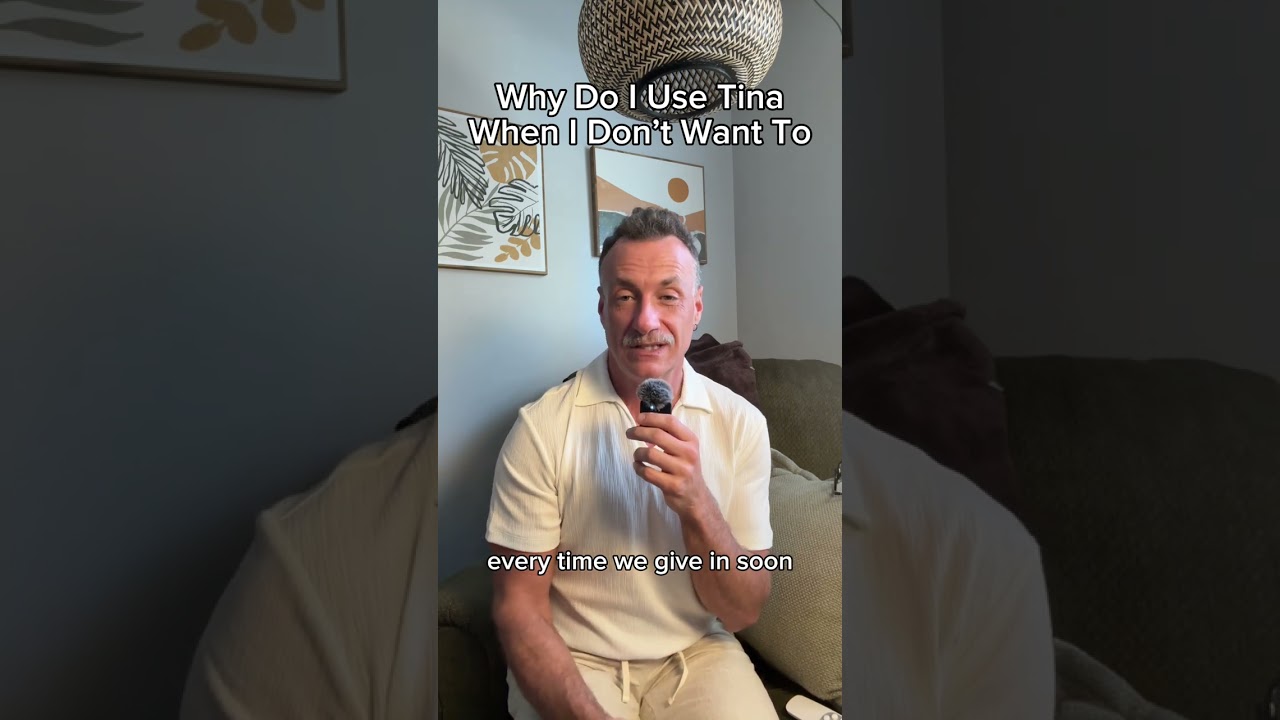
Dallas Bragg describes the shadow self stage in meth addiction, where hidden emotions take over decision-making and the user feels like an observer. Each time you give in, the shadow self grows stronger. Recognizing the pattern and getting daily support from a therapist or recovery coach is how you start to regain control.
Chapters
In my work with men who want to break free from Tina, I've discovered a phase I call the shadow self stage. So picture this, you're physically present, but it feels like someone else is making your decisions. You know what I'm talking about? That's not just a feeling. That's your shadow self. The one who thinks using meth is a good thing, and it's taking control. The shadow self is built from the pieces of our personality we've hidden away. The emotions we've buried deep. The dangerous part of this is that the shadow self becomes stronger every time we give in. Soon you might find yourself driving to the dealer's house even while your true self is screaming to turn around. It's like watching yourself from the passenger seat while someone else controls the wheel. This is what happens when we've allowed the default of our subconscious to run our lives. And here's the truth: if you've reached this point in your Tina phase, it can really help to have daily support, whether that's from a qualified therapist or a recovery coach like myself. The good news is that recognizing this pattern is the first step toward taking back control. But it takes work, it takes commitment, and most importantly, help.