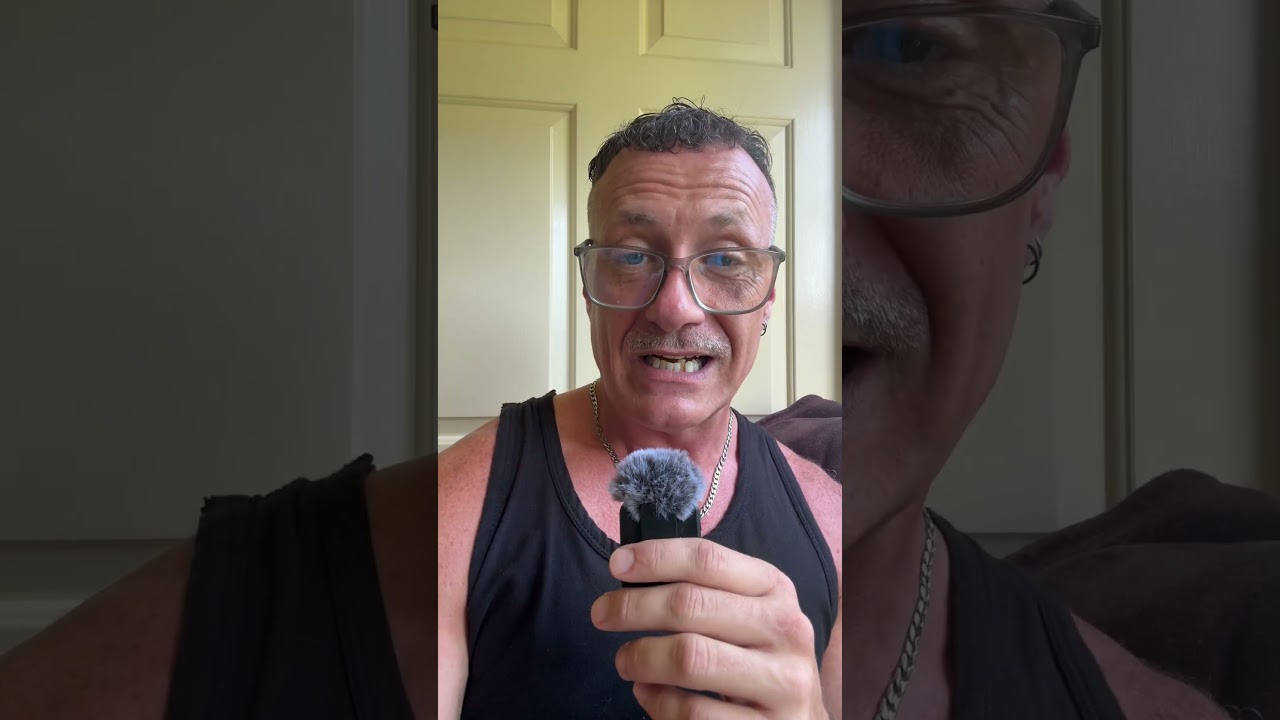
Dallas Bragg describes the neurobiological shift from smoking cannabis to injecting methamphetamine, which creates permanent neural pathways that encode the drug's rush. While crossing this threshold makes recovery harder, he says the brain can still form new patterns. Bragg, who quit meth himself, invites anyone considering quitting or who has relapsed to reach out for support.
Chapters
Look, when you move from smoking to slamming, something changes that can't be unchanged. The intensity burns pathways into your brain that become permanent maps back to that feeling. Your neurons don't forget what it was like to have that direct hit to your system. Most people who cross that line don't make it back. The pull becomes too strong, the ritual too embedded. The rush too, like anything else they could access in regular life. But some of us do make it out, and I'm not going to lie to you, those neural pathways don't disappear. Recovery doesn't mean forgetting. It means learning to live with the memory of that intensity while building something else that's worth staying present for. If you're thinking about quitting meth, or if you tried before and relapsed, I want you to know that crossing that threshold doesn't make recovery impossible. It does make it harder, yes, but not impossible. You're not broken beyond— you're not too far gone. The same brain that learned to crave that high can learn other patterns, other ways of being alive. I got out and I'm still here. If you want to talk about that, what that path looks like, reach Reach out. There's no judgment, there's no pressure, just someone who understands what you're carrying and made it to the other side.