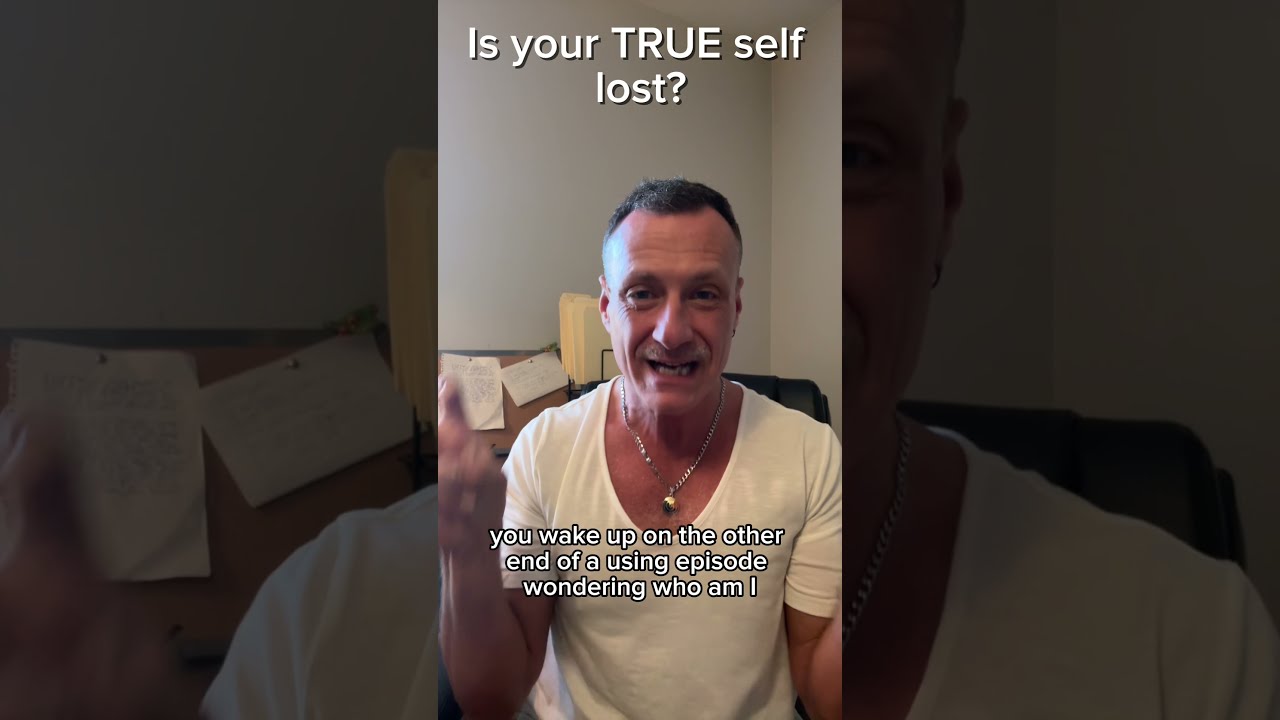
Dallas Bragg describes his six-month heroin addiction as the "small self"—a conditioned identity shaped by trauma—overriding his conscious desire to quit. He proposes a linguistic shift: replace "I am an addict" with "parts of me are addicted" to separate behavior from identity and reclaim control.
Chapters
One of the main questions I get is, why do I keep doing the things I don't want to do? And here is the answer. I spent the last six months of my active addiction to Tina going through the motions. I kept sticking a needle in my arm, sometimes with tears streaming down my face. I didn't even want to use anymore, but it was if my body kept moving robotically. Listen, the phenomenon occurs when we have allowed our. small self to take the wheel of our life. Our true self sits in the back, totally out of control. That's when we feel in our soul, our heart, that we don't want this life anymore. We aren't even having fun anymore, but we keep picking up that phone, going to the party, or just shutting ourselves in our bedroom for days at a time. You wake up on the other end of a using episode wondering Who am I? What just happened? And why do I keep doing this? The small self is the version of you that has been shaped by the conditioning of life, the beliefs about yourself that have been given to you by external circumstances, family members, people in your life, different things like that. The trauma, the both big and the small. We become so identified with that small self that we believe it is us. That's when we say things like, I am an addict. I am addicted. I am shameful. I can't stop relapsing. The first step forward is to replace I am with parts of me. Parts of me are trapped inside addictive behaviors, but those parts are not my true self. Then you begin to detach and observe those parts, and true recovery begins.