What’s been your experience with chemsex recovery? Tell us about your experience in the comments!
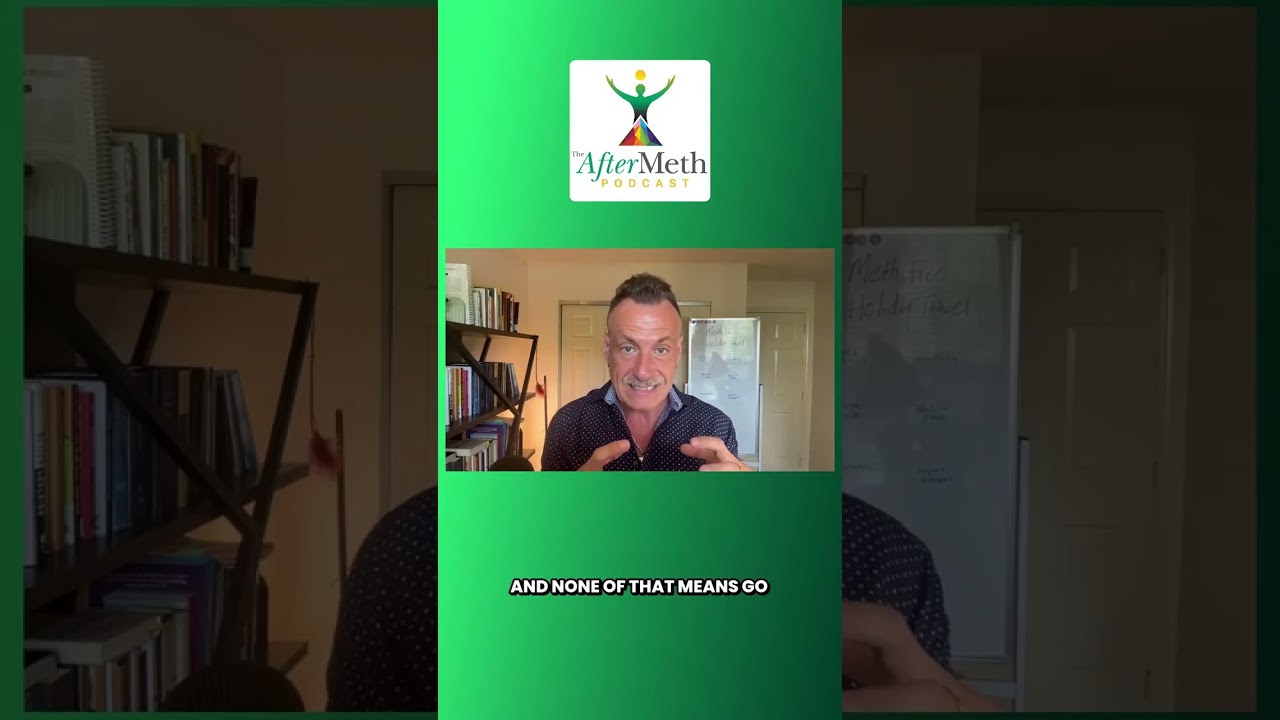
In this monologue, Dallas Bragg explains that during chemsex recovery the old identity, which was sustained by chemsex, begins to dissolve while a new, healthier identity has not yet formed. He labels this transitional period “glitching,” a state marked by disorientation, ambiguity, and a deep loneliness that is unrelated to physical isolation. Bragg emphasizes that this phase typically lasts three to six months and warns that the nervous system naturally gravitates toward the familiar, harmful patterns of the past, making relapse an easy but unhelpful choice. Rather than urging speed or comfort, he advises individuals in this liminal space to create a clear vision of the person they wish to become, using that vision as a guiding force to sustain the transition toward a healthier normal.










