He toured with Tiesto & Hardwell, then launched his agency
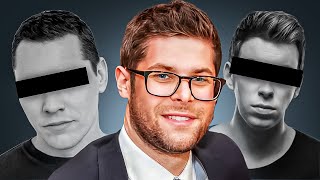
Interview (YouTube, Mar 18, 2024) with Luca, partner at Ludlow Creative, a New York–based remote social-first digital agency specializing in restaurants and food brands. Luca recounts his path from college concert promotion (including a US tour with Hardwell and a Tiësto residency) to scaling an agency his wife started as a freelancer. Ludlow Creative offers three core services—organic social, paid social, and email marketing—and handles content, copy, and end-to-end execution. Before joining the Client Ascension program the agency relied heavily on referrals (≈80% of new business); after implementing outbound systems (cold email) and leveraging accountability from the program they gained predictability and growth. Key themes: client qualification and saying no, relationship-first account management, optics/packaging when starting out, and the value of accountability and repeatable sales processes.
Questions this video answers
March 18, 2024.
Ludlow Creative.
New York (remote team members across locations).
Organic social, paid social, and email marketing.
About 80%.
Chapters
What's going on, guys? Welcome back to another student spotlight interview here with another smashing success story inclined, essentially with my friend Luca. How are we, brother? Doing great.
How you doing?
Awesome. And thank you for doing this, bro. We're going to deliver a lot of value for our audience. I mean, this is not the typical case study interview where we're just sitting here having you brag about all the great results you're getting. We're going to dive into the journey. What actually happened, Some of the takeaways and key learnings that you have to share with other agency owners and maybe even other students that are currently going through client ascension. So we're going to have lots of fun and share lots of value here today. So starting off, let's just let the guys know, who are you and what are you currently working on, business wise?
Yeah, Luca. I am a partner at an agency called Ludlow Creative. We're based in New York, but pretty much have team members. You know, we're all remote, so team members all over the place. We call ourselves a social first digital agency and we specialize in helping restaurants and food brands. And we're a full service agency. So it's kind of like three main pillars, I like to say, of what we do. So first is organic social. Second is paid social. Third is email marketing. And since we are a full service agency, we pretty much do everything under that. So handle all the content creation, the copywriting strategy, results A to Z. Really? Yeah, It's a top level vehicle, what we do.
That's awesome. And so how long have you been running the agency for?
So my wife technically started the agency. We met in college and she, you know, out of college, she started working a marketing job outside of Boston, where she grew up and didn't like it at all, was like still living at home, was just doing this random marketing job and in her free time, she started baking these crazy cakes and brownies and all this crazy stuff and taking pictures of it. Built up a social media following from that, like a food account. She moved to New York, started getting invited to these influencer events and like influencer dinners. And then through that, her first, like client, so to say, met someone there was like, oh, I'm. I do PR for this restaurant group. Why can't you do what you're doing for your social media for this restaurant group? And then right there I just got like five accounts.
Wow.
That allowed her to quit her job. And then she pretty much just did it, like solely as a freelancer. Like I was doing my Own thing for, like, two years. And then after two years, the opportunity presented itself. I left what I was doing, and she was asking me for a while, like, do you want to come help me do this? Do you want to try to help me do this? And basically was like, all right, I'll give it. Let's try it for three months. Three months turned to six months. Six months turned to a year. And now we've been working together for about six years and pretty much turned, what was her just freelancing into an actual business.
That's awesome, man. That's so cool. So in college, when you guys had met, were you already in the entrepreneurship game, or was that pretty much new to you? Yeah.
So in college, I started. Me and two friends started promoting local bars. We worked our way up. We were literally promoting local bars in Rhode Island. And then we started doing smaller concerts at venues in Providence, and we started doing bigger concerts at, like, literally the arenas in Providence and, like, you know, 5,000, 6,000 people. So we had an entertainment company, and then we had this idea where, like, we were frustrated because every event, you're starting from square one. So we're like, all right, we're promoting this concert, and as soon as that concert's over, you just start the new one. No one knew who we were. You're starting the whole thing over again. So we were like, it'd be really cool if we could brand a show. So we actually started a company called Aqua. Me and one of the partners from that. And I did that for almost five years. So my senior year of college, plus three years out of college, we did a US tour with Hardwell. We did a residency with Tiesto in Vegas one summer. And I. It's kind of how I got my start. I never really had a normal job, like a 9 to 5. I started that in college, did it right out of college. I realized that I just hated that whole industry, though.
It was like yourself or older guys as well. There's a great variety in there. But, like, I'm interested to hear, like, how did you even hear about Client Ascension? And because you were in business for quite a while before, what was the. The big selling point that I guess grabbed your attention and made you want to join something like Client Essential?
Yeah, I think it's, like, what you said. I feel like for. I went to school for communications, and I never did anything with it.
Learned a lot, probably.
Right. The most I got out of school was, like, how to meet other people and networking and started all of those businesses from People I met in school and built all those relationships from people from my university. But how. I don't know how I came. I'm pretty sure it was like an ad. It was just like. Like a TikTok ad or something, the Instagram ad. And I think it was just kind of like. I'm. I'm sure, like, most people say that, like, when I do my prospecting, people say this to me. They're like, it's kind of like, right place, right time. It's something that was in the back of my head for a little bit. I've had some success by just not winging it, but, like, doing stuff on my own. And when told you how to build an agency, like, you become an expert just by trial and error, and you get results. So then over time, you're just like, okay, I'm good at this, because other people have paid me long enough to do it, and I get results for them, so I must be doing something right. But I think part of it is the validation of confirming that some of the things that you're doing are the correct way of doing them or if there's more efficient ways to be doing them. And then I think the other part of it is having a support system in a way. Like, sounds kind of stupid, but I think a lot of, like, of owning a business and being an entrepreneur is a lot, like, lonelier than a lot of people realize. I don't know any other people that I'm close friends with that own an agency or own their own business. And a lot of the problems that I'm dealing with, I can't go to them to talk to about how they talk to co workers or other things about their job. I think that's what really brought me to it of, like, all right, this is a group of other people that are probably going through similar things that I'm going through. They have these niche questions that, like, I. I'm sure I could find the answers to online, but I'm gonna spend a lot of time and resources trying to get to, like, the correct solutions of my problems. And I just, like, took a chance on it, honestly.
Yeah, I love that, bro. Yeah, it's cool. It's always funny to hear, like, the. The stories from guys that found us through ads because it's just such a. A pattern interrupt. And it was probably like, Daniel, who's like, yeah, yeah, super high energy, all hyped up, and you're probably just, whoa, what is it?
I'm sure I remember I saw his ad, maybe 30 times.
Really? Yeah.
I was like, you know what? Just see what this is about.
Yeah, I love it, bro. Yeah. So when you join a program like Client Ascension. Right. I love what you said. It's similar to my experience as well. In the agency space, no one tells you, like, do this, do that. Right. Like, building an agency and for the most part, is like a discovery process. You throw a bunch of stuff against the wall, see what works, which is what makes it really fun. But at some point, you want to start taking it super serious and having some sort of predictable model to scale. Right. And so what were some things that as soon as you joined the program, you started to implement in your business to make it more predictable and to start to grow it consistently?
I think. I think we really had all the pieces in place, so I don't think. Which might be different from some of, like, other Client Ascension students where we had. The fire was already going, and Client Ascension was just, like, throwing more wood on it, really. We had tons of case studies already. We had. We had years of. We're working with the same clients, and we already had processes in place of how everything was structured. I think what it really did was. It sounds, like, stupid to say, but it. It gave me accountability. It's very easy when you're your own boss to not hold yourself accountable. You have weeks where you're just like, oh, things are fine. I'll do this next week. And, you know, sometimes you let other things take you out of focus. But what I think Client Ascension did is it's different when you. One, you have a financial obligation. So now I'm like, all right, I committed. I'm paying to be a part of this program. I want to get my money's worth out of it. I want to get the value out of it that I. That I'm putting into it. And you have other people that are, like, checking in on you that are like, you set goals with them, and then if you don't hit those goals, it's different when you just. You can make an excuse to yourself and be like, oh, I didn't set that up because of whatever. But when you have somebody else who's like, all right, why don't you do that? Something, like, mentally just. It feels different. And I think that helped me, and it honestly just allowed me to focus better. I took myself out of a lot of the pieces of business where I knew deep down that I shouldn't be investing my time and just reallocated it to the things that will actually grow the Business instead of working. I was working on my business instead.
Of in my business instead of in it.
Yeah.
Yeah. I love that, bro. And I think the accountability factor is so key. Right? Like with your dedicated student success coach, Andy, like, just there to constantly remind you, hey, did you do this? And there's definitely times and you probably felt this, like, with any good coach in your life where you're just like, screw off, man. Like, just stop messaging me. I get annoyed. But that's the stuff you need, right? As a business owner, constantly being reminded of what is on your plate to get done. Yeah.
I honestly, I think of it as the same way, like, if you hired a personal trainer, that's how I think in my head. It's like a personal trainer, but of your business. Like, I'm. There's a lot of times I get. I don't want to go to the gym or I might think that I can't do another set, and they're there to tell you, like, hey, like, yeah. And if, like, you know, if I don't want to go to the gym, but I have an appointment with him, I can't just bail. I have to call him and be like, hey, I'm not coming. And then you feel like a loser. And it's kind of the same thing.
Exactly. It's the same. It's the same concept is you have a personal trainer essentially just there for your business, and it's all based on, like, the. It's all aligned, right? Like, you're doing the one on one calls every month to get aligned on. Hey, what are the actual results you're seeing in your business? Where do you want to see the results? And then what's the gap? Right? What are the things you should be doing to get there? How many cold emails you need to send? What do you need to do on your website or with your vsl? I guess for you, Luca, what was the most successful marketing channel? Did you get into cold emails? Was that something that started to.
I mean, that's really the only thing that I've done so far. I have plans with Andy right now to basically explore, like, another avenue. So I think we're gonna start doing paid ads.
Um, did you see the announcement today? We just announced our first paid ads. Coach. Expert coach didn't see that, but that's. It was like an hour ago. We literally just announced that there's content in the kajabi on how to run paid ads and then a call every Thursday now on paid ads.
No, that's great. I pretty Much have everything up to this point has just been cold email and just like really refining that process and a lot with not just the cold email, but the cold email paired with like how to pitch our services, how to sell our agency on sales calls, how to follow up, like all the things that like I was sort of doing but just like wasn't doing consistently, didn't have the right processes in place to do them consistently and just like maximizing it. So I think, you know, I told it like when I came into client ascension, we were getting 80% of our new business coming from referrals, which was good in the sense that I figured that was a good sign of like we were retaining a ton of clients and all of our, not all, but like the majority of our new business coming from referrals. So kind of, you know, led me to believe that, all right, we're doing something right. People are staying with us and they're willing to refer us to their friends. And we have like no outbound system at all. None. So as soon as we just set that up, we saw like almost an immediate change.
Yeah, what was that like? Because I feel like cold email people have different experiences with it where they might set up the entire system, which is not really straightforward to set up. Well, I guess it's straightforward. It's just a lot of legwork. But once it's set up, I mean, if you do it the right way, it's life changing. Like for our business, it changed the game and it's still something we implement even for our SaaS. Now we're sending like 10,000 cold emails a day. Like, what were the results like for you with cold email? Because I feel like especially in the agency space, it kind of just gets written off as like it's something that is a thing of the past and doesn't work anymore.
Yeah. So I think you have to, if you set your expectations to what it is, like a lot of it is a numbers game and you need to understand that it's a numbers game. And I think what I struggled with was just taking emotion out of it to some degree where you need to be a little bit more methodical about how you're going to reach out to people and what is going to get their attention and just set realistic expectations. So we have, I guess, a higher ticket offer and we also don't have a lot of churn. So, like, we're not a huge agency. Like if we were taking on two clients a month, you know, at the end of the year, if we had 20 new clients, that would be huge. Like, 20 new clients is probably a million dollars in revenue for, like, what our. Our average amount of, like, our average client is worth. So I wasn't looking for huge volume necessarily. It was like finding the right client that I knew before this, I knew exactly who our ideal client was. We're looking for restaurant owners that have between three and 100 locations that either have a very small internal marketing team or one marketing point person. We're not trying to work with the local pizza place. So I think it's just positioning yourself. We just positioned ourselves in front of those right people. Almost give them, like, a little tap. There's no magic to it. We were just, hey, here's what we do. Here's examples of everything that we've done for clients. Like, we had the benefit where we'd already been in business for a couple years. I had tons of case studies and examples and results and all that. So that I'm aware that probably gave us a leg up on anybody who doesn't have that. And that was really it. It was just. There were some, like, tweaks, obviously, to, like, how you position yourself. And over time, I get better at sales calls and that sort of thing. But there wasn't any, like, magic. I feel like it was just doing the right things.
Yeah. Just doing the right things. Well, yeah, it's not magic. That's. That's what I always used to say when I was on kind of the sales side of things is like, dude, this isn't magic. Like, we're not just gonna, you know, pour results out of a hat. Like, it's a numbers game. Like, you have to figure out what the baselines are. What are your goals in the first place, too. Right. A lot of people just want to sign more clients, but, like, you haven't done the science where, you know, if you bring on a client, you know what their expected LTV is, how long you can keep them on because you have really good retention systems on the back end. And so it all makes sense. And you can work backwards and crunch the numbers and make it make sense for your business to continue.
I also think another big thing is, and again, I recognize this because we've already been in business for a while. It might be easier for me to say than for somebody who's just starting out. But we say no to people. If someone's not the right fit, we say no. Or I'll politely say, I don't think we can help you right now. But if you say you're opening a couple more locations this year. Come back to us in the fall. Just from personal experience, we know it's not. It ends up being a lose lose. I might be able to keep a client, like, keep them and like, get them to sign and they stay with us for three months and then they realize there's no return and it takes all our time to onboard them and all of that. It's not worth it.
Love it. Yeah, that's like a maturity thing, right? Because most new agency owners are just going to take on any client they can get their hands on because they're kind of in that. That desperation mode. But when you're able to delineate, like, this is someone I want to work with and know I can help versus, hey, this person's not qualified. That's when you can bring on clients and have a client roster that is paying you for months or even years. I think a really interesting thing that I'm learning from this interview is like, we always get this objection that like, Client Ascension is for beginners and it's for people that want to go to like 10k a month with their agency. But I've seen time and time again that some of the most successful students are the ones that have a lot of business experience and a lot of knowledge and just a lot of legwork built up before joining the program. Maybe they're already doing a bunch of things. They've signed clients, they know how to do sales, they know what their offer is. Like, none of that has to change. But they join the program and like you said, it's just like adding gas to the fire. And so what you say to someone that is further down the line with their agency, they're not where they want to be yet, but they're looking at a program like Client Ascension. And to them it almost looks like a beginner program because to me it sounds like no matter where you're at in your agency, if you come in with the right mindset and the right, I guess, expectations of what can happen, it can really work for you.
Yeah, I think everyone's like, where everyone's at is probably a little bit different. What I think Client Essential did really well at Washington Helping, like, the same, like, strategies that apply to helping you get your first client, they still apply to help you get your 20th client. And if anything, it's just a lot easier to get the 20th and the first. The difference was we had kind of done it all through just like luck or grind or we had just done it very late. Grassroots, where we didn't have any sort of, like, sales system in place, which might not be the case for a lot of agency owners. I feel like even how we started was just like we started and my wife just signed five accounts at once. I'm guessing that isn't happening for 99% of people. But I think all the same strategies applies of how you would start an agency, and a lot of them are how you would grow them, as long as you aren't using those systems already. For us, it made sense because our problem was I didn't want to solely rely on referrals. After a while you realize, all right, you have to actively get new clients. And if you become so reliant on referrals, some months you get five referrals, some months you get zero. And as I was trying to scale the business, it makes it very difficult to do that when you don't have any predictability. So that kind of led me to being like, all right, I need to put a system in place where I can have some sense of predictability, keep trying to get referrals, but how can I bridge that gap between 0 and 5 and make my average 2? If you're in that scenario, it wouldn't matter how many clients or how big your agency was. I don't see why these strategies wouldn't work and help you get more.
Even more. Yeah, exactly. I always said that too. Like, for cold email, it's not like it's a beginner strategy. Like, it works better with a personal brand. It works better with a vso, it works better with a landing page, it works better with case studies which you have, like you said, coming into the program, a lot of. And that's probably why you're able to see more success early on with cold email compared to newer guys to business. So it all makes sense.
Yeah.
My favorite question to ask on these is like, you're a student who joined the program and had success, and it sounds like you use the program for exactly what it's there for. On the flip side, you probably also know this. With really any coaching program or form of education, there's people that don't get the value and don't get the results that they might have expected or wanted to see. What's one piece of advice specifically for people? Incline ascension that are just not where they want to be that you would say, hey, like in the next month, focus on doing these things specifically in the program. And you think that would, you know, help jumpstart maybe their pathway to success. Similar to what you've experienced?
Yeah, I think being able to pivot and being humble enough to admit to yourself when something's not working, I think especially as a business owner, it's tough. I mean, there are certain aspects to our business where I've ultimately needed to admit, like, hey, we're not the best at this, and we stopped doing it, and no one ever likes saying, hey, I'm not very good at this. Like, that's, like, a tough thing to admit to yourself. So I feel like if you're not getting the results that you want to get, be open to try doing something different. You can't expect anything to be like, magic. The thing I tell my clients, I was like, look, if social media worked for everybody, then everybody would just hire social media manager and their business would be successful or paid ads work for everybody. You just start running Facebook ads and, like, your store would be successful. Like, that just isn't the case.
Like, no.
When a restaurant hires us, like, we're not magic. If you have bad food and bad customer service and. Or you have a bad location or something else, the best marketing, like, I could take the best pictures and best ads and bring the biggest influencers in, and your business is going to be successful. So I think just being honest with yourself and, like, what the root cause is, like, maybe your offer's not right or maybe, like, your results, like, you're not getting as good a results as your competitors are, or you're overpriced or your target audience, like, you're going after the wrong type of person. I think just, like, being real with yourself is probably, like, something will work. I feel like if you try to 50 things and you use these strategies and all 50 things, like, something will work. You might have to change your offer, what you're selling or how you're presenting it.
You just need to be resilient. You need to keep testing. You need to stay consistent, show up all the. Like you said. I think that the biggest segue for me, Luca, is like, you're. You're so aware of, like, the basics and the fundamentals that are required no matter what level you're at in the agency and you're willing to implement them without this, you know, overshadowing ego of, like, oh, I'm better than that, or I'm past that or I'm ahead of that. And I think that's a really big blocker for a lot of guys. And so if people are listening in and they find themselves kind of stuck or just not able to Unlock or achieve that next level of success, look at what got you to where you're at in the first place and just do more of those things. Right. And maybe it means you need to go out and have someone hold you accountable. Or if you're already inclined, ascension, like, ask your student success coach to hold you more accountable if they're not already. And that should definitely help unlock some of those next levels. You've also been in the agency space for quite a while, which I think is really cool. And so outside of, like, client ascension and education, like, what's one piece of advice you'd have for someone that's trying to start an agency business?
It's a good question. I think optics go a long way of just, like, there are little things that we used to do, starting out that give the perception of higher value. So making sure when you send over a proposal that it's like, it looks nice, it looks like something that is worth the amount of money. Or even if it's just. You could say things. I used to say things like, oh, yeah, I got to check with my partner. It was just me and my wife. But it makes it seem like there's a higher value that you are providing. I know it's kind of like in that fake it till you make it sort of thing. And if you're really just starting starting out, you don't really have anything to lose. You started out, and my wife was taking pictures of food and we didn't know anything. I never run a Facebook ad in my life. They come to us and they say, hey, can you run our Facebook ads? Sure, no problem. We do that all the time. I know how to do it. Spend a weekend where I'm watching YouTube videos for 10 hours a day, just learning how to do Facebook ads, and then you end up doing it for them. Sometimes you'll fail, sometimes you'll. But I think a lot of times if you just have the determination to do it, you can figure it out. And getting your foot in the door is the hardest part by far. I think once you can get somebody to agree to work with you and they kind of mentally accept that they're going to start some sort of business relationship with you, they give you more leeway once you make the sale, you can have a little more leeway to keep it going.
Yeah, exactly. Exactly. You just got to give yourself a chance, like you're saying, to provide and to deliver a high level of service for these people is the biggest thing. Yeah.
The basics of business, like stuff that has Nothing to do with the service that you're actually providing. Like, being responsive, doing the right thing, telling the truth, actually caring. Yeah. Building relationships with your clients goes a way longer way than most people realize. And I tell our account managers from just like a point blank, people don't like firing people that they like. If you're a dick and you're hard to work with and you're not doing a good job, you're super easy to get rid of. But if you are really nice and trying and sometimes the campaign just doesn't work out your way, if you have that relationship and you genuinely care about the client and, like, what you're doing, that could be the difference between, you know, retaining them and not absolutely.
Yeah, it's all relationship management. I've been really enjoying this conversation just because it's so true. Like, you go through so many years and so many experiences and so many clients in business to realize that it's really like, back to the basics. Yeah. Like, relationship management, it's H to H. Right. A lot of people say B2B, but like, I've heard some of the greatest entrepreneurs and something that Taylor Welch teaches all the time is H to age. Like, it's human to human. And if you treat every relationship and client like that, it'll go a long way.
And I think when you start.
When you.
When we started, it was me, I had those personal relationships with the client. And then as your agency gets bigger, now it's my job to make sure that the people that work for agency, they're building those relationships like they're.
You have to build that relationship with them so that they can pass it along.
You know, tell them how important it is to check in on stuff, ask how the stuff is going, show a genuine interest in. Yeah. In their business, it's fun being in.
That role because you can show them how to do that by doing that with them. I feel like the biggest misconception people have when they get into the manager role, it's like, oh, I'm telling someone to do something, but they're not doing it. And I'm like, well, are you setting a good example? Like, you're telling this person to, like, care about the client, but you're not caring about your team member. Like, so, like, you're not showing them what care and level of service looks like. So there's a great book that we did, like a team book club on called Unreasonable Hospitality, and it talks so much about pour into your team so they can go out and pour into your Clients or people just have it the other way around and they'll see.
The return on it too. It's way more pleasant to work on a daily basis to interact with clients that you get along with and can joke around with and have some sort of personal relationship with and just, you know, dry, raw number meetings. It helps everyone enjoy their job more.
Absolutely, bro. Absolutely. Yeah, this has been awesome. Like I said right in the beginning, this is not going to be your typical case study. This is going to be more so like just pulling gems from someone like Luca who's just had a lot of experience and success. As at this point in the interview, everyone's clearly seen and can appreciate. So last things before we wrap it up. Where can people find you, follow you and learn more about working with you? Just because I feel like at this point you've just dropped a lot of gems and you're someone that these guys should be following.
I know I don't really do much. I don't do much on social media, which is an issue. Same thing that my wife started doing. My wife started the food account and I feel like everyone says what's the saying? Like if you, even if you love your job, at the like the end of the day it's still a job.
Like yeah, yeah, yeah.
She loves social media. But like you spend 50 hours a week working on social media. Like the last weekend is worry about your own social media. Yeah. We have a website I try to keep like our. So ludlowcreative.com it's the website if anybody. I get all those emails from the contact form. I mean I have personal social and stuff, but I don't really post. I post like boring stuff about my dog and that's how me skiing on it.
It's awesome, man. Yeah, no worries. We'll go. We'll send people to your website if they want to, you know, for whatever reason, like really need to get in touch with you. We'll have them fill the. The contact form. And also a lot of guys watch this, our incline ascension, so of course they can DM you on Slack. But dude, thank you so much for doing this. It's been awesome to hear more about your story and. And some things you've done to have success with the agency. And yeah, I'm excited to just hear some more updates going forward, see how 2024 plays out for you guys and just keep crushing it, man.
Yeah, appreciate it.
Awesome.










