Beneath The Surface Podcast -Ep. 4 -Diving Beneath the Surface/From Shadows to Self — Robley's Story

Rob Lee Johnson, 37, talks about decades of addiction starting with compulsive collecting as a kid, escalating through his 20s and 30s with substance abuse and legal trouble. His wife leaving forced him into therapy and AA, where he redefined his higher power as his authentic self. Daily journaling and vulnerability helped him find recovery and inspire others to do the same.
Chapters
Hey guys, welcome back! Happy New Year, it's 2026. Man, last year just flew by. Welcome back to Diving Beneath the Surface. In today's episode, we're exploring the journey of our good friend of ours, Rob Lee Johnson, a story of shadows, struggle, and ultimately self-discovery. Rob Lee's path takes us through early identity struggles, substance abuse, or use and the courageous steps toward recovery. This is a conversation about honesty, healing, and reclaiming the core self. Robly, welcome to the pod. How are you doing today?
I'm doing great, man. Thank you for having me on. Thank you, thank you.
Of course. So Robly, tell us a little bit about yourself so that our viewers, listeners could know a little bit of background about you. Just give us like an introduction, like My name is Robley Johnson.
I'm 37 years old, just turned 37, and I am a year and a half clean from alcohol, about a year and 7 months actually. I grew up in Florida. I'm still in Florida, still in the same town I grew up in. It's been, it's been an interesting journey, I'll tell you that. I've had a lot of ups and downs, but ultimately I feel like the struggles that I've been through, the challenges that I've faced, that I've had to face, have, it was all worth it really. I mean, Struggles were a little tough. I had, um, I struggled all the time. I struggled with alcohol. I still struggle with nicotine here and there. Um, I had a little bit of coke problem for a little while. That I've been off of for 3 years now. And I've lost friends, I've made friends. I've learned who my real friends are through this journey. And you know what, I'm grateful. I wouldn't trade it for the world. I've had tough times with my wife, with my marriage, but really, I mean, ultimately we are stronger than we've ever been, which is fantastic. It's, it was a learning process and I learned the hard way.
So I mean, yeah, but I think it's important to know and to mention, I didn't mean to cut you off, but I think it's important to mention that like when you have core people and core foundation, it's good to have those structures in place because otherwise you would be astray. In a sense, and you would definitely lose your path. But having those people in your life definitely keep you on the right path and keep you moving forward and keep giving you that reason of why you need to keep going, in a sense.
Mhm, absolutely. And don't worry, you didn't cut me off. I would have just kept rambling, you know. Nerves, nerves.
It's okay, it's okay, because like, like I said in the beginning of putting all of this podcast together, it's It's authenticity. It's the rawness. It's the realness. And I think you stepping outside of your comfort zone and talking to us about it is definitely something that I know a lot of listeners and a lot of viewers are going to be tuning in and basically getting more knowledge and more empathy and more clarity of like, if these two people have done it and if these two people have come out of the other side and gone through hell and back, then maybe there's hope for me. And maybe I could implement some of the same tools or same traits or same structure that they did and use it on myself.
Absolutely. That's, that's why I, I even agreed to do this, because if, like, you have to get out there, you have to put your story out there because it could help somebody. If one person hears it and is inspired to make a change, then, I mean, it's worth it, really, because I gotta tell you, man, there were a lot of times I really didn't think I had a way out, you know? And I knew about AA. I was going through the doors of in and out of AA for over a decade, really. You know, I struggled with a lot of things. It wasn't until this last go-around, implementing therapy and whatnot, that I decided to really make that change. And hearing other people's stories, inspires and it makes me go harder. Yeah, I think it's worth it. You got to put yourself out there. You got to be brave, step out of your comfort zone, be vulnerable, you know, just, just be raw.
Definitely. So, Robley, so as we dive in, let's, uh, start at the very beginning. All right, can you share with us, either in childhood or early adulthood, kind of like where did the addiction get started for you in a sense, and kind of like where the struggles of coping with reality and coping with like all of it really? Where did it stem from and how did you try to navigate through that?
Well, life is a, life is a funny little thing and it's really tough. I, you know, you gotta figure it out on your own. You can have people there to guide you, but I mean, your feelings and how you act on them are all your own. And addiction really set in, like if I really pay attention to it, like when I think about it, I know I have an addictive personality and everything that I get into, like I dive headfirst into, like, Pokemon cards. I mean, when I was like 9 and 10 years old, Pokemon cards came out. I did anything and everything to get the next booster pack, to get my collection full. When I was reading as a kid, I had to get every single Goosebumps book, every single Fear Street book, you know, and those are cool. Those are great little addictions and it's the dopamine spikes. That's great. You know, I was a nerdy little kid and I got bullied a lot, you know. From middle school, elementary school, all of it. It wasn't until like high school that it kind of, kind of laid off. I just kind of just stuck with my little clique, my group and whatnot. But I was always like a people pleaser, you know, I was always trying just to— anytime I ever tried to fight back, you know, I would get in trouble too. I'd get in trouble at school and at home. And life was a little tough that way, you know, it was a lot of, you know, just, just ignore them, turn the other cheek, it's cool. And then also, you know, when that didn't work, it was go ahead and hit them back, push them, get them, get them to fuck off, you know, still get in trouble with that. So I went to people pleasing and just like always trying to, trying to please the people that were being shitty to me. And that, that, that never works. You know, sometimes they might be cool with you, but you're not getting any value out of these relationships. You're not hanging out with people that value you and they might just find a reason to use you. And it's, I don't know. Never really figured that one out. It's really just now that I'm an adult and I don't have to see a lot of crummy people all the time, you know, I just stick with my clique and, you know, at work, work is just work. You know, I see those people, I go home. I've got a sweet job where I don't have to really interact with a lot of people, you know, but—
Well, that's good.
It's, it's, um, I was always putting on a mask, you know, I was always putting on a false face for other people. With my friends, I could be myself. My, with my little groups, it was cool. It was, it was great. But when I had to interact with other people, I would always put on a mask. Mask and I wouldn't be my authentic self. And because, you know, fear of any kind of repercussion, fear of just being a fucking nerd, you know. Yeah, yeah. And, um, you know, it's just silly little things like that that don't really matter. That was, uh, something I dealt with a lot in my childhood. Sometimes I put on a mask even in my— even in my adult adulthood when I have to like deal with certain things. And that I'm trying to just do when it's necessary, but Anytime I hear about putting on a mask, I think about the movie The Mask with Ben Stein. And he says, you know, we all wear masks, metaphorically speaking, right? And that rings through my head all the time. Just silly little things like that. And it's so true. And you just, you got to do something about it. You can't be wearing a false face all the time. That was something I never really dealt with. And now, now I can kind of, I've been able to face it more, you know, through, through therapy. I've been doing therapy and whatnot. Anyways, I'm getting off track here. Wow.
Um, no, no, no, you're good, you're good, because I think it— I think it makes sense because you and I are a lot similar in that way. Because as I told in my previous episodes and previous guests I told this to, that I also struggled with identity and finding myself and figuring out who was in for me and who was not, and basically wearing a mask and basically people pleasing, because like I was trying to get in with the popular, so I get it. Like, what you're saying totally resonates with what I've gone through. It's, it's weird how, like, you meet people that have gone through a similar path, but they're not on the same journey as you, but they're going on their journey that they need to be. And I think it's important for, like you said, we all wear masks, but it's kind of hard to try to take that metaphoric mask off and be authentic, real self. To, to others that, like, are close to you, because it's just like, it's a— it becomes more of a defense mechanism rather than a coping skill. And I think it's important for us to realize that, like, we're all going to get hurt at the end of the day. Like, that's the real harsh reality. We're all going to get hurt. But, but sometimes when you're down and you're hurt, you just have to look up and see that there's someone else that have gone through the same journey as you. Ready to extend that hand and lift you up and pick you back up. And I think it's important to, to realize that and basically keep that in mind because, because we, because often we lose, lose in touch with ourselves and lose in touch with reality of what's real, what's not. And it's really hard to kind of get out of that funk once we're in it because it's like, it's like you're digging your own grave. So it's kind of, it's kind of hard to dig out. But like, if you— but if you're able to see someone else that's like in the hole next to you or next beside you, they could lift you up and you could lift them up, and then basically you're both coming out better on the other side.
Absolutely. Yes, sir.
So, so what exactly, like, I guess, did you find the means to, to try to find your true self, like, throughout the years? Like, out of people pleasing, like Was there any point where you were trying to— where you found yourself again, or from people pleasing, or was it still like trying to chip away and still trying to self-discovery and self— and self— and trying to find yourself again?
It's my— me, my like authentic self, my little— my, my inner voice, my, my inner calling has always been around and it always tries to pull itself up anytime I'm, uh, anytime I'm getting myself in a, in a shitty path, you know? And, uh, it all comes out in like my writing. I've always been like a big reading. And writing nerd. I would write poetry, I would write music, I would write stories and comics all the time, and it would always come out through there. It's when I would get into my little people-pleasing stuff or like hanging out with people I shouldn't, or, you know, it's just getting mixed up in other things, that would always go to the wayside, that would always go on the back burner. And I would stop doing that and focus on whatever is getting me the thrill of acceptance at the time, you know. And if that meant like there'd be times I'd be hanging out with people and we'd be getting into things that like I'm not really into, we'd be going and doing stuff that I don't really care about, but it makes them happy. So let me make them happy. You know, I would essentially just bury myself to go and serve other people and I wouldn't do anything for me. And that just any time I would like take the time after the day's done or, you know, I get a little time off to myself, I would, you know, go back to it. I would start just doing, do a little journal or try to write a little song or a poem or something. And that, there would be things that would start to pour out of me onto the paper that is like, that's it, that's me. And what I'm doing right now is crying for help to myself, you know? And it always, it always showed itself. I would just stuff it down, stuff it down and ignore it and just move on to the next thing. There was a time after, after, just after I graduated high school, A lot of my good friends went off to college or joined the service. I stayed. I didn't go to school. I did— I never did well in school. Like I could do the work, I could learn the stuff, but I never finished it all or would turn my stuff in. I would do great on my tests and stuff, but like it was— I never put the effort into that. I would always start working on like, I would write movie scripts with some friends of mine and I would always do that instead of anything else that I should be doing. Because that's what I enjoyed doing. But I hung out, I stayed in town, I got a job, and I started mingling with other people. And that was when I started kind of smoking pot, was, uh, was around 18 to 19. And I was a good kid, actually. I didn't really try anything until I was an adult. Like, I smoked cigarettes at like 13 or 14, but, um, I didn't, I didn't have my first sip of alcohol till I was like 17. And even then it wasn't getting trashed, you know. But I just, I had a lot of, uh, stoner friends and friends who partied that were a little slower on the draw, if you know what I mean, because they were always— they were a little stunted, you know, and that always kind of inspired me to, uh, why don't you just wait a little bit, you know, don't dabble in that stuff, it's not good. But, um, when I was about 18 to 19, I started smoking pot and I started hanging out with the gang at work because, you know, we saw each other all the time and, you know, I needed some camaraderie. All my friends were off at college or in the Army or the Air Force, and, um, so I started hanging out with them and I would put on my little mask and we'd all have a great time. But there was this time where my friends, like, were all coming. I had like a few friends that were coming back from college and they all wanted to hang out. And I was hanging out with my new friends and my old friends. And my old friends know the real me. And they've always been accustomed to the real me because that's— we were our own little group then. I could be myself with them. And we were all mingling, my new friends and my old friends. And I realized something. Like, I realized my new friend— my old friends are kind of looking at me kind of funny because I'm acting a completely different way. And they're like, what's What's up with you? What happened? You know? And I'm like, oh my God, I'm wearing a fucking mask. I'm just not being myself. I'm having to put up a front in front of— I can't let my new friends like see, look at this fucking loser guy, whatever. And it's, it's just really funny. It's just really funny how like little weird little things like that. Oh, I just want to see some friends, but like the other guys want to hang out too. And so let's just all hang out and realize like it was kind of a slap in the face is what it was. You know, I just was— I wasn't being true to myself and like my friends knew it. I knew it inside, but I wasn't doing anything about it. And I don't know, it just— it was— I was like maybe like 20 at the time when that happened. I was hanging out, just having a little bonfire out in the woods or whatever, smoking, drinking. And it was— it was just something that when I was reflecting on it recently for— for this, it just tickled me and I thought I should write it down and talk about it because Sometimes you don't notice it until it happens, until you think back on it and go, what a fool I was being.
So I, so I guess when I was going to ask, like, when this all started, I guess it started like back when you were like 16, 17. Mm-hmm. All of this. Okay.
I mean, it's, yeah, yeah. I would say it's, uh, safe to say that, um, a lot of it really started to, um, solidify itself in those years because you kind of just teeter-tottering and weeble-wobbling through life as a, you know, as a kid and into your early teens. But like some of these things that happen in your later teen years start to really solidify and cement themselves once, once you start getting to that age and up into your 20s. So that's when you start actually building habits.
So I know you mentioned earlier, right, that like it almost cost you, like it put a strain in your relationship with your wife, right? Can you Can you talk about that a little bit?
Oh yeah, absolutely.
The, uh, it— like, when it got like really, really bad to that point, like, was that like— in talking about that, can you also touch on maybe like educating us? Like, I guess, was that like the darkest path that you've taken and you realize that you needed to get help right then, right there? Or was it before then or even after? Like, when Like, what was the turning point for you saying, like, where you knew, like, hey, I fucked up and I need to get my act together because I realize that I might lose the best thing that's ever happened to me?
Yeah, yeah, absolutely. Those moments were in my 30s. Okay. Those really developed and became really bad. Then I had this job. I was working. I was working at a fencing factory and I was working On second shift, I was working late shifts, so it was opposite shifts from my wife. So we rarely saw each other. And during those years, I was trying for a long time to get onto first shift so we could have like matching schedules because her father wasn't doing well health-wise. And I was watching other people around me get put on first shift for silly little reasons. I mean, it's acceptable reasons. A couple of them were because like their kids, they had to be there for their kids in the evenings and whatnot. And I get that. You got to be with your family for that. We don't have kids, but my wife's, uh, we weren't married at the time. We actually just got married in, uh, 2022. We've been together since, uh, 2014. Congratulations. Thank you. But her father was sick and he was, uh, fighting with cancer, and he ended up in the hospital at one point. And I went to my boss— I already, while he was ill, I was trying to get on the first shift— hey, listen, we have this big thing happening in my wife's family, and I know we're not married, but we're family. I've known them for a long time. You know, they're important to me and I would like to be there for my wife if things get rough. Gave them the rundown that he's in the hospital, you know, this or that. Even before he was in the hospital, I was trying to switch and they just weren't giving it to me. And the man passed away. I still couldn't get on the first shift. I was looking for other jobs, but nothing was paying anything what I was looking for, what I was making now that could make up for it. So I was still stuck at the shitty job and So she had to grieve by herself for a while through this. I wasn't there. I couldn't be there in the evenings for her. She had to work. I had to work. But she had to go through that by herself, essentially. And this promotion came up at my job. It was first shift. It was for a department lead position in the department I was working in. I shot for that. This was a year after her father passed. I still couldn't get onto first shift. They still didn't give a damn. I went to HR about trying to, and I'm like, what is there that I could do? I feel like I'm not being heard. I broke down and cried in the HR office and, you know, they don't— a lot of shitty jobs and their HR departments don't serve the people. They just try to protect the company and they didn't really give a shit. What they did do was they called me into HR later after I had broken down and I was telling them my boss doesn't care. This, it just seems like nobody gives a shit. You know, I gave them the rundown. My wife is grieving alone because we're not married and we're not family. We don't have kids. There's no reason for me to be on first shift. And what they did, they called me back down later to talk a little more. But what they did was they brought my boss in because I said crummy things about my boss not caring. So he came out the other door and was like, "What's the issue?" And I'm just like, "I told you the issue." But anyways, anyways, anyways, a promotion is available. Getting back on track here for first shift. So I took that and that was in— that was the start of 2020 is when I got that position. And, you know, I, I could do the job, but it was very stressful and very demanding. And you don't get a lot of support from your bosses, from your other people. They, they'll let people quit, get fired, and they won't replace them. So you're just stressing about everything. Everything's your fault. You're running a crew of like 20 people and it's, it's whatever. The, the job was crummy and you didn't get any respect and the pay wasn't really much. It wasn't much compensation for the work you had to do, but I got the shift I wanted. I was able to be there, you know. To help my wife. She, she was still going through it, you know, but I mean, a year had passed, so it was a little bit more manageable. But anyways, it's really— I could still be there for her if I needed to, and that was good. I could still spend quality time with her, you know. And but being, being that I had this job I didn't want, this position I didn't want, I started for some reason thinking that the answer was to drink about it. And this was in 2020. 2 minutes away from my job was a bar that I would— I figured, hey, I had a rough day at work, I can go to the bar afterwards. And did it like once or twice a week, turned into, you know, 3 or 4 times a week, turned into every day of the week. Um, and I would drink, have a couple of drinks there, then I come home and I drink some more because my wife wanted to have a drink with dinner or something, you know, or an evening drink. So I would have it with her after I'd already had a couple, and it just kind of progressed and snowballed as I got more miserable at my job. And then around 2020, I lost that job. I was just being, I was just done with it. I didn't care anymore and I just wasn't trying anymore. And they just let me go. They found a reason to let me go and they let me go. I didn't care. I was gonna go drink about it anyways, you know? And, but that was like the start of it. After that, after I lost that job, I went through another job. I didn't give a crap. That was a stepping stone onto the job that I have now. It was just an in-betweener where I'm happy at the job I have now. But I was still drinking. I was still drinking a lot, still drinking every day after work. And I lost that job, that second job. Things were already getting rocky at home. This was when I lost that job. It was 2023 and me and my wife had started fighting around 2023. About my drinking. It wasn't until 2025 that day after day, literally being drunk 7 days a week, fighting every single day, um, just— she's— she was trying everything. She was trying to give me space. She was trying to get me to talk and be open with her. She was trying any kind of method she could think of. She was like, you know what, I don't even care if you get drunk at home, but like, just be home. You don't need to be going to the bar and putting drinks down and then driving and this and that. And like, pretty solid points, right? You know, we have a lot of kids in our neighborhood and we have a couple that like jog around the block all the time. She's like, you could hit them one day. And I'm just like, her words were falling upon deaf ears, essentially. Like, I knew I was doing wrong, but I still continued to do it because I was just so, so deep into that pit. You know, it's, uh, I wrote in my journal once when I was thinking about all this kind of stuff, um, death awaits at dependence gates. Because like there's like I was either going to get into a really nasty accident, I was going to hurt somebody, or like I could throw my life away and just end up in prison for life, you know, or it could just kill me because it's tearing up, tearing my body down, you know, it's adverse health effects, you know. So, but day after day, fight after fight, she threatened, she was telling me, you know, there's no consequences for you because I'm not leaving you. We have this house, we have this home, I'm gonna fight to work for it. One day she left, one day she left, she left last year. And it was after a big blowout. She called, she called my parents. She didn't know what to do. She just shut herself in the room and just was crying, trying, because she was done. I had totally exhausted her. She had all the love for me in the world. She put up with way more than she had to, and she just felt like she was out of options. My family came over. My mom was talking to me. My pops was consoling my wife, and then my pops comes out and he, he says, Why don't you pack some— pack your stuff up? You're going to come with us for a little while while we figure this shit out. And I laughed in his face. I was just like, I'm not leaving my fucking house. You guys can leave. She can leave. I'm not leaving my fucking house. And I said it just— I was nasty. I was vile. And my God, my pops has had the patience of a saint that day. Normally he won't take bullshit like that, but that day he did. He just— he was calm. He left. My mom stayed. My mom stayed. She actually stayed the night with me just to make sure like I wasn't going to do anything stupid. My wife left. She went to her mom's house. She took her keys. She took the keys to the spare car so that I wasn't driving. And I had started therapy. I'd had 2 sessions for my alcoholism and my addiction problems. But I needed one more. I needed one more. I don't know. Celebration?
Right, right.
You know, one more final yeehaw, one last hurrah, right? I don't know. I don't know what it was, but when my wife left, that's when I realized I needed to actually do something. There were so many points when I was going to the bar, I was driving to the bar and I was like, you shouldn't be doing this, but we'll start tomorrow. You know, a lot of that. You can always start tomorrow. You're fucking up today. You know you're doing it. I hadn't even gotten to the bar, hadn't even put my money down for a drink, but I was rolling with it. I knew I was doing wrong and I said, fuck it, we'll do it tomorrow. I always put things off. I always deal with things the hard way. So when my wife left, I had a therapy appointment the next day. My pops, who I told to get the fuck out, who I laughed in his face, he came and picked me up and took me to it. And I started going to AA every day, or at least as much as I could. The AA guys will tell you when you first come to do 90 meetings in 90 days, and you know, they say that and they mean it, but also like, if you don't show up 90 meetings in 90 days, they aren't going to throw you out for it. I would go 2, 3, 4, 5. Sometimes I managed to go 6 days a week. I never went every single day of the week. But you know what? I started opening up and speaking there. It's so funny. A lot of people in there, it's a lot of old heads. It's a lot of old guys who've been going for like 30 years. But they give you a lot of advice. They listen. They come and they greet you and they're cool. You keep showing up, you'll see a lot of young people show up. I saw younger people show up and they would see me there and sometimes I would talk to them after the meeting and they're like, you know, I thought it was gonna be a lot of old guys and like it is, but like when they would hear me speak or sometimes I would just talk to them and give them some personal stuff from me, they, they would like listen and some of them stuck around. You know, a lot of people go in and go out, go in and go out. I did, I did for a decade. I mean, I actually, I had a lot of legal trouble in my early 20s, but, uh, my life trouble started in my 30s because everything kind of cemented and became concrete. Everything became a habit. Became addicted to things. But my 20s, I was on probation 3 different times, and I— a lot of it was 2 times it was for pot possession. You know, one time was for— I had a little, a little dance with Xanax at one point. I don't— pills never really, never really did anything for me, right? They never appealed to me. But when I couldn't smoke pot, when I was on probation for pot, I dabbled with Xanax a little. A friend told me, you know, it's kind of like having a drink. And sure, one or two might be, but you start popping them them like candy. You forget everything and you're a fucking mess. But, um, I had a little stint with that. I learned my lesson real quick and I stayed off that. I don't remember where I was going with this, but, um, anyways, yeah, I had, I had trouble in my 20s, uh, you know, I was arrested, did probation. So, oh yeah, that's how I ended up in AA. That's how I found out about AA. I had to do meetings for my probation, so that's how I got my foot in the door.
So with AA, is it like what they— how they describe it in social media, like in the media and entertainment? Like, is it exactly like like you come in, you're in a circle, you talk about your issues, and then the next person talks about it? Like, is it, is it the same thing?
Yeah.
Or, or is there more realness to it? Like, uh, just, just as an education purpose, right? I'm just trying to gather the background and everything.
So AA is just kind of like how they show it in, uh, in the media. I mean, it's, it's a lot of people kind of gathered around, they're sitting in a room and people share their experiences. You know, sometimes they'll have book readings where they'll read through the book. The Big Book is really cool, actually. It was written almost 100 years ago and it's still pretty relevant. It's still pretty on point. A lot of the stories that they would write in there or things that they went through, I went through, or I could relate to on some sort of level even now. But a lot of people will go through, you know, sometimes there'll be a topic meeting and be like, oh, what topic do we want to talk about today? And, you know, you could share a story that relates to it, you know, but It's, it's pretty straightforward. Open— they, they have open meetings and closed meetings, and you can go online and find it, you know, AA meetings in my area. Like, closed meetings are for members or people who have been going for a long time to this specific group. Open meetings are for anybody. Anybody can come in. So it's, it's really cool. I liked AA even when I was struggling with things that weren't alcohol. Like I said, I had a little Danced with Xanax back in the day, and I tried NA meetings and I didn't like that. Maybe not all NA meetings are the same, but from my experience in my town, we had a big pill problem at the time. And when I went there, people go to the meetings because court told them they had to, uh, just like me. But then they would come out and like people would swap numbers, be like, what kind of drugs can you get? You know, could you get this? Can you get that? And like, okay, so you're not actually looking to get better.
Got it.
Okay.
So it was just kind of like a means to an end kind of thing.
Mm-hmm. Mm-hmm. So it, uh, I found that, uh, I found an AA group that I like really like personally, and I go to the same building when I do go. Uh, there, there are multiple, I have like a dozen different locations in my town, but I found one that resonates with me and, um, I like the people there. And so that's, that's what I do. I could dance around at the other ones and meet new people, but I'm a creature of habit. So yeah, I mean, I'm comfortable there and they're comfortable with me and I'm their one weird guy. So, you know, I'm the one guy that wears all black or have painted fingernails and it's cool.
It's like, it's like Alice in Wonderland, right? It's like we're all mad here.
Exactly. And it's so funny when you go there and you first get there, it'll be loud and rowdy. I was laughing with one of the guys. I'm like, this is like, I might as well be at a bar. And he goes, yeah, you're in a room full of drunks anyways. Right. Because I mean, that's, that's, that's true. Every single one of them. Yeah, they're a bunch of boozers and they're there to— they're there now. So it's just like it. It's so funny. They're loud and rowdy and they're in your face talking real loud.
And did you have a sponsor at this point? Like, like, huh? Do you guys get sponsors? Like, like people that like, like, or, and do you, do you still keep in touch with your sponsor today? Like after, after you've been through everything?
I had a guy that I never got like an official sponsor. But you couldn't, it's recommended. Mm-hmm. But I had a guy that like, he essentially sponsored me, but, um, because he was like the one guy I talked to, I would talk to him outside, but I never officially like really asked him and we never, like, we kind of worked on my schedule normally. It's, and, uh, my life was a little hectic at times. Um, but yeah, I don't have a sponsor, but you could get one and it is recommended. But, uh, he did help me a lot. He, uh, if I had questions, he was always willing to answer. And if I ever hit him up at any time, he would get back to me as soon as he could. So I had a sponsor, but I didn't.
Right. No, that makes sense.
But everybody kind of has their own way and they don't push you really either. So they recommend it, but they're not like pushy about it. And if you don't have one, they don't shame you for it.
So yeah, that, that makes sense.
Okay.
I just wasn't too sure because like, like you said, like we talked about earlier, right, the how AA is portrayed in media. Like, I just wanted to make sure, see what was it all about and everything. So I just wanted to make sure.
Mm-hmm. Absolutely. It was a— it's a good time and I definitely recommend it for anybody that wants to quit. I mean, they do— what did turn me off a lot of times is I'm not a very religious man and God is written all over the AA book and I struggled with that a lot when I was younger because they always say, you know, a God of your understanding, if you will. If you're not a Christian person, if you're not a believer, you know, anything will do. For a long time I combated that. I thought, that's bullshit. It's really just like, you're just pushing a Christian agenda still, whatever. You just want me to come to God and that's like, I, I couldn't do it without him, but like the God, the God of your understanding. I like got it this time around because like I've really applied myself this time and my higher power is myself. Like it's my purest self, my unadulterated self. It's, you know, you know that inner voice in your head, your conscience that tells you stop doing all that messed up shit. Kind of like, you're gonna make your inner child cry. Um, yeah, that thing, that's my inner child, my inner being, my source, myself is my higher power. And I do everything to be like the best me I can be. My higher power is my best, truest self. It's my most authentic self. It's even if I'm made in God's image, my higher self, right? It's me. I'm God, you know, whatever, however you want to look at it. Whatever works for you is what they've always said, and I finally got it, you know. So that's, uh, that's what I did there. I kind of just do everything in the name of like my inner child, my source, my pure self. That's amazing.
That's, that's, no, I mean, that's, that's really beautiful. And that's, that's, and that's a great way to put it. And going on the path of the conversation of recovery and self-discovery again, you were talking about how like basically your wife upped and left and she went to go live with her family and you basically stayed and tried to get clean, right? So when was the turning point for when your wife started coming back and seeing, I guess, the new and improved, quote unquote— and how cliché this sounds— the new and improved Rob Lee, right?
Hey, that's all right, that's all right.
It was— I know it's, it's a cliché, but I'm just gonna put it out there. Like, so when did, when did she come back and when did she see this new and improved you?
Well, seeing the new and improved me took some time. She knew who I was and who I could be always. And it was just this thing I was dealing with, you know. But she stayed just the night away. We did come back. She came back later in the evening the next day after my therapy appointment. We talked a little bit, but we got into a little tiff and, um, she kind of, uh, we had a little fight again. And then when everything kind of cooled down, we tried to talk again, and I just kind of, I broke down. I sat there, and speaking of clichés, I just felt this like thing inside me, just like this weird, just sadness and just like misery in the pit of my soul and my stomach. There was just this tingling and the screaming inside. And, um, all I could say through tears, like when I was breaking down, was just like, I'm tired. I am so tired. I am so sick and tired of just like being sick and tired, you know? Speaking of clichés, like that's thrown around so much, but like I felt it in the pit of my like being, you know, and it's funny, I got up and just like, I couldn't take anything around me at the time. And I just got up and just walked into my room and shut the door. She was actually a little worried. She was following me and I shut the door in her face and just like, not now, not now. And I just closed the door and locked it and I threw it. I just like dropped, dropped onto the bed and I just cried and screamed into a pillow and just, I had to get things out. It was just this weird overwhelming feeling and, and I cried and screamed in that pillow. And then when I was done and I felt better, I came out and we talked. But it was, yeah, man, it was just so funny. That's all I could think about was, was that funny little cliché. And when I came back out and told her, I'm like, they're so, they're so right. It's all like, I was just so sick and tired of being sick and tired. And another cliché, one day at a time. That's the only way I could take it, man. That's the only way I could do it. So.
You know, you got me tearing up listening to your story.
Like, oh man, like, hey, that's all right, you could cry for me because I've cried too much.
That's fair. Yep. Um, but no, I mean, just, I could visually see it too. Like, I mean, it's one of those, it's like you had to get out all that negativity, like somehow, some way. Yeah. And you were just tired of yelling, screaming, the arguments, the Oh yeah, the negativity, the like the vices and everything. It's just like you had to get all of that out onto that pillow. And then once you got it all out, it was like it just left your body and you were ready to come to. And basically it was like, this is the moment that I'm going to change my life. This is the moment that, yeah, I realize I pick up in myself that I can't keep doing this same crap over and over and over again. Yeah, I get it.
It was a vicious cycle, dude. It was insane. And like I was telling you, it was just like, it was just so— not just over and over, like every day that I'd like go to the bar and just be like, all right, I'll try again another day, you know?
Like, yeah, what? It's like, it's like, it's like, wake up. It's like, enough is enough. Stop saying day, start doing, start putting things into action. Yeah, no, I get that.
And there were, there were— and even from then, even from that day, we had a deep talk. I started opening up to her and just like Even with my wife, with my friends, like even like my good friends, like I just built this wall and I was never vulnerable. Like I stopped being vulnerable when I was younger because just assholes, you know, people that would just like shit on me for just being me or like saying like something just, you know, I didn't, something didn't sit right with me or like I had these weird feelings and just, you know, it was just, so I closed myself off from a lot of people. And it carried on into my adult life. I didn't always share everything with my wife. Now I'm vulnerable with her all the time. Like, I started feeling feelings again when I stopped numbing myself, dude. I cry in movies now. I never cry about movies. Like, that— we were watching this, uh, the show, and it was House on Haunted Hill, and they had this junkie guy on there, and like, I just— I like latched on to him, like, oh bro, you're going through some stuff but you're trying to be clean. He was like being clean the whole show and just struggling and just trying to get through. And then at the end, like, he was possessed by a ghost and he got like— they shot him up with rat poison. I'm like, no, don't do this! Oh my God! And like, he was in this— it was— he was in this weird limbo purgatory and he fought to get out and come back to this world. And he like woke up like on the floor and I'm just— I started crying. I'm like, oh my God, he didn't die! And I'm just like going like, yes, yes! My wife laughs at me looking. I'm like, he didn't want to die! Because you're sort of just crying.
It's kind of like you're starting to see how bad you got it in other things, like in other relating things. And it's, and it's that emotional. And I get that. And it's absolutely, it's, it's, it's, it's, it's like emotional, but it's also like an out-of-body experience. And, and I've gone through similar emotions too, right? Like I was going through my high school phase and like my depression and suicide and seeing like these movies, like I had to step out of the room. I'm like, I can't, I can't do this. Nope. Nope, sorry, I can't. It took a while for me to start watching those movies again from like a different perspective or different lens where it's just like, okay, he's, he's going through it, I've gone through it, but he didn't have the support system I do. And basically I had to talk myself down, basically be like, okay, I'm better, I'm in a better state, I'm not the same person that I was. And then I just keep telling myself that, and then I just keep on keeping keep going on, you know, like, yes sir. So I think, I think I relate. I, like I said in the beginning, like, I resonate with a lot of what you're saying and how you went through stuff and how we went through stuff and how kind of like our paths are similar but different.
Um, yeah, and it's really cool that we even get to do this, like, share these experiences, man, because people cross paths and they don't get deep, like, ever. You get a lot of surface stuff and it's just like, hey Joe, how's the weather? You know? But yeah, living the dream, you know? Yeah. Okay. But yeah, a lot of people like go through a lot of the same things and we don't even know it because we don't like talk or open up to people. Exactly. And it's just so funny. Ever since I started doing this, I started being open with people about like about these things. I had this guy at work who was like, what are you gonna do? Are you gonna go and get your drink on after work today or this weekend? And I'm like, no, I don't do that. I actually quit drinking. Drinking, and he was like, "No way!" And like, we started talking and opening up to each other, and we actually became like really good buds. He came to me one day and told me after like a few months of like talking and just working together, and he, uh, he was like, "You know, because of you, I've started paying attention to how I'm drinking." He was saying he was actually going over the weekend to go and grab another beer or whatever. He was like putting— he'd already had a few, and he's like, "You know, am I, am I even drinking this because I want it?" Or like, is— and he was like, "I actually put it back, and like, it's because of you. Like, I pay attention to what I'm doing now." Well, cool. Thanks, man.
Just one person.
Exactly, dude. Just one person. If it can change the way they think, you know, right? Awesome. And, uh, that's beautiful. I had this other thing. I wrote it down in my journal recently that, uh, a lot of people have been congratulating me, you know, on my one year, and then, then I'm a year and a half. And, uh, it's, it's, uh, it's, it's funny. A lot of people like come up and talk about it. Oh, how'd you do it? Or, you know, like, how do you feel? What's like, and some people like, I don't know, I don't know. It seems like sometimes it comes off like, must have just been like, it just seems so easy, right? That just seems so easy. Like, I'm so happy and like, ah, you know, it was, it was tough, but I did it, you know? And just seems like some, some people don't know the real struggle of how you got here to this point where like you're happy and like things are like good and you're not struggling anymore. It took a lot to get here. I went, when I first, first stopped drinking, It was still, and I was still building trust with my wife. We had this thing where she would take me to work. She would wake up extra early, drop me off at work, and then my mom would come and pick me up after work. There's nowhere to get here or there or to stop at a bar or anything. I didn't, I had my wallet with me, but I never had cash and I didn't have my cards. There was no way to, if I was even to go, hey mom, can you stop at the gas station real quick and just just, what for? There's no sneaking alcohol, you know. It was, uh, and that went on for about a month, maybe a little bit longer, I don't recall. Um, but you had to, had to make compromises, you know. You had to like work with it if you really wanted to get better, you know. And it's so funny because at first I thought like, Jesus, oh my God, like, I gotta do that, like. But also you got to do something different, you know. You can't keep repeating this cycle. Uh, there was a lot of therapy. I was going to therapy at least one day a week, sometimes two or three. Um, going to AA meetings almost every day. Uh, I could catch— I would, on the weekends, I would wake up early, go to an 8 o'clock meeting. That way I start my day with AA, and then I can come home and do stuff with my wife, just do stuff with life, you know?
Yeah, it's like you're cutting— you're cutting out the negativity and replanting it with positivity. Yeah, yeah, that's, that's, and that's, and that's really all you can do. I mean, that's, that's a, that's a great way to look at it. I mean, like you said in the beginning, it's like, do I really have to do this? Like, why are they babysitting me? Like, I'm a grown— I'm a grown-ass man. Like, I could do whatever I want. But then at the end of the day, then you're starting to realize it, and then you're thinking about it, and you're just like, you know, actually, this is helping. Yeah, doing this.
Yeah. So I stopped fighting it is what it was, right? Like, the other times I would go through go through it. I tried it before. I tried it a dozen times. I walked in and out of AA's doors and I always found something to fight against it with, you know. Even when I first— this was the first like big— it's not— this is the first big, big try. Like, me and my wife fought a lot about it and we, we tried many things, um, but it wasn't until we like really accepted like, you're an addict, you're like a hardcore alcoholic, like you got some sort of problem because like when I would first start going, you know, in the early, earlier stages, she'd be like, I don't think you're an alcoholic. And like, I'm like, I don't think so either. I just, you know, sometimes I get carried away. No, no, just I'm not a functional alcoholic. I'm just an alcoholic, you know?
Yeah, yeah, yeah, yeah.
I—
it's not more— it's not more like for— it's not like a— it's, uh, not a social thing. It's a problem.
Yeah, exactly, exactly. Now for social things, for social gatherings, I have gotten to a point where like I'll get some— sometimes I'll get like an NA beer, like a zero alcohol beer, right? Or like a zero alcohol wine, which is just sour grape juice.
I was about to say, I was about to say like I haven't seen those, but I mean, I—
yeah, there's a brand called Fre. It's like F-R-E, and it's the only one I've seen that's zero alcohol, uh, wine, though I don't really look for it that much. But like, okay, for like New Year's or like a birthday party or something, I'll grab like like a little 4-pack or a 6-pack maybe, and like I'll have one or two and then they just go sit in the fridge until the next birthday or whatever. Because like, it's like a, it's like a little celebration thing. I would still want to be a part of the celebration, but like, I'm not— it's not water this time, you know?
Like, right, you're doing it in moderation. Yeah, no, I get that.
Yeah, and I'm not getting drunk off of it. It's just, uh, you know, it's my little— I got my party favor too. I can clink my glass on yours, you know?
So earlier you were— earlier you were mentioning journaling. So one of the last things that I want to talk about in this, in this episode, in the sit-down conversation, right? I want to, I want to know more about like how journaling played into your recovery. If you want to share, if you want to, if you want to share some stuff, go for it. Like the floor is all yours. I mean, I just, like I said, this is one of the last things that we could talk about before we close out, and I just want to leave it on a high note and just highlight you and your basically the rawness, the realness of you, and just go ahead and share, um, share away.
All right. Yeah, I, um, would write every day in my journal for like the first couple of months because I always, I was always trying to think of something, just write something down just to get— even, even if it was nothing, even if it was just nothing happened today, I would sometimes write that in there. But any kind of weird, struggling, fleeting thought, I would put in there. My first, my first like month of recovery, I filled like probably like 40 pages. I would do more than a page a day sometimes. Sometimes I would doodle. But one of my earlier things that I wrote on there was one thing I'd mentioned earlier was like death awaits at dependence gates. And that was just like just a thought that was just like you're addicted and it's going to kill you if you don't do something about it. You know, I would do grateful lists. I would try to implement that when I wasn't also just putting in my crummy thoughts. Of, uh, struggling, uh, you know, I would just put like, today I'm grateful for this, I'm grateful for that. And that would try to bring in the good mindset, just instead of being like, oh, I was really mad about this and that's all I can think about. I'm like, no, put a happy thought in there. And I would do that in my journals. I would write anything and everything in it as long as the word vomit made me feel better. But, um, uh, there were times I would write like, this bad thing happened to me today, but then this good thing happened. This bad thing happened, but then I changed it with this. That was You know, it's just trying to change that like brain chemistry. I did write in here because a lot of people I always saw, there were people when I was going to AA meetings that would get upset because they had to restart their day, their day counter because they slipped up. They had a drink and these people are so tied to their number that like, I went 3 years without a drink and then I messed it up. I had 900-some-odd days. Now I got to start at zero. And if you slip up, that's not— you shouldn't be shaming yourself. I wrote in here, if you slip up, it isn't the end. Get back up and try again. Those clean days weren't wasted. They're not out the window. Those are days that you won, days that you beat the urge. Resetting isn't bad. Giving up is. And that's just like— that was just— it was right. It's right there. But people are so tied to the number. And you know what? I would be upset too. But, you know, if you got to restart at zero, you got to restart at zero. It's whatever. You know, you shouldn't be making a big deal out of it. What you should be making a big deal out of is that you didn't let it consume you and you didn't just go back. You didn't just stay in that hole. Another thing that I wrote on here is this was a good one. This is because I was coming to terms with still struggling with trust issues. And it was just something I had to tell myself was when they don't trust you, they've earned the right not to. It'll take time to rebuild. So if anybody's going through anything like that, it takes time. Don't— you know, you shouldn't be mad. Because you dug that hole.
Yeah. Yeah.
My latest— my entry, my most recent one is actually something my wife and I were talking about. Funny enough today is that at now a year and 7 months in, things are going really well. Of course, things could be better. Things could always be better, couldn't they? I honestly— I honestly couldn't ask for more. If I did, I'd just be acting selfishly and ungratefully. My life is great. Life is great. If I step back and actually observe it. I have my struggles, but if I act right and I don't fuck this up, I have everything most people want. I have the house with the fence. I have the new car. I have a wife who loves and empowers me. We have the dogs, the happy marriage. We have jobs that we don't hate. They're not perfect. They're not six figures, but it could be so much worse, you know? And today I'm grateful.
That was beautiful, man.
Thank you. Thank you.
That was— that was— that's raw. That's real. Yeah, man, I'm getting chills just thinking about it. Goosebumps.
That's what we're here for. That means we're doing something good.
But yeah, I mean, so I, I just want to take, take this time— excuse me, words are hard— I just want to take this time to say, Rob Lee, thank you. Thank you so, so very much for taking time out of your busy schedule, for sitting down with us, talking with us, having us feel these same emotions that you were feeling, if not more. I don't know about anybody else listening or tuning in, but this was a good one, especially at the start of 2026. This was definitely, definitely a good one. And I think this sets the tone for how the rest of the year is going to go on. And I think a lot of people listening and a lot of people tuning in, I think this, this reson— this will resonate with a lot of people. Before we sign off and do our closing, is there any advice, anything that you want to tell people? Who are, who have gone through this or going through this, like any, anything that you want to tell them before we sign off?
Keep trying. Keep trying. If it didn't work the first time, get up and try again. Try a dozen times, two dozen times. I tried every day. And even, even when I failed, I still kept trying. I still had the thoughts, you know, even, even when I was in the pits of it, there was still like, you could do something to change it. You know, you could give into it. Give it your all, because if not, what are you going to be? You're going to be a mess. You might, you might be a mess like me. You know, just keep trying because it can get better. It will get better. But you have to give it your all. You can't half-ass it. You got to like open up yourself. You got to be vulnerable. You got to listen to yourself. Listen to your loved ones. If it seems like a pain, I had to give up my cards, my keys for over a month until I could be trusted to drive again, not stop somewhere I shouldn't. But you know what? But here I am, a year and 7 months later. So don't give up.
Awesome. Thank you, Robley. Like, like I said, your story reminds us that recovery isn't just about leaving substance behind. It's about rediscovering the self that was always there, waiting to be honored. Thank you for joining, for your journey with openness. And for our listeners, may this episode be a reminder that asking for help is strength, not weakness.
Absolutely. Absolutely. Thank you. And thank you for giving me the opportunity to come up here and share it. Uh, it was definitely a joy. This is the most I talked about it in a long time. Time.
So, but hey, appreciate it. We're all here, we're all listening, and thank you again for everyone. And Rob Lee, thank you again for diving beneath the surface.
Peace.
More from Daniel





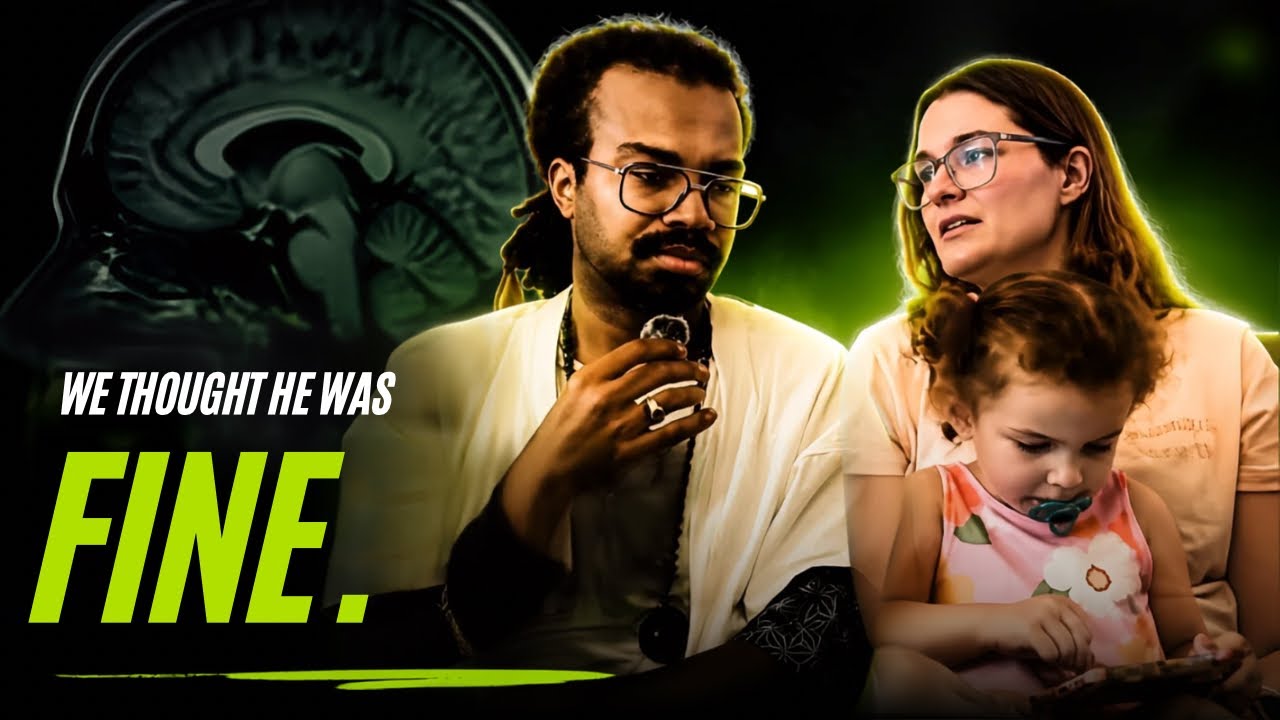
Beneath The Surface Podcast -Ep.9- Beneath the scans & Beyond the Migraines (feat. Brianna Van Tuyl)