Beneath The Surface Podcast -Ep. 5 - By His Stripes, Beauty for Ashes
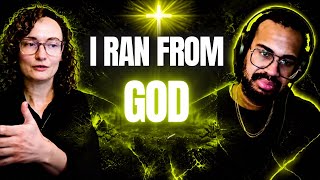
Daniel J. Francois interviews Casey Cardno about recovery from addiction, trauma, and suicidal thoughts through Christian faith. After a crisis moment in 2021 where he heard God call him "daughter," Casey surrendered and has maintained nearly five years of sobriety, anchored by daily scripture like Psalm 139 and Isaiah passages. He emphasizes that you don't have to be "clean" before approaching God, and that honest community and mentors matter more than legalism.
Chapters
Good afternoon and welcome to another segment of Beneath the Surface podcast. Good afternoon, surface dwellers, and today we have a good one. Today we are exploring how faith and recovery intertwine, how scars become testimonies, and ashes birth beauty. Today we have a special guest, my best friend and yours, soon to be yours, Casey Cardno. In the book of Isaiah, chapter 53, it mentions the following: "By his stripes we are healed." And in chapter 61, it mentions, "He will give them beauty for ashes." These words from the prophet Isaiah show us that healing and transformation is not only possible, it is foretold and promised by the one true God. Healing is both physical and spiritual, and in the aftermath of trauma and brokenness, God is there to pick up the pieces and make something brand new. He is there to heal us and make us into something more beautiful than we could ever imagine. But before we talk about personal testimony, Casey, welcome to the podcast. Can you tell us a little bit about yourself and why you wanted to tell your story today?
Um, yeah, I mean, my story isn't really even about me. It's more about God and what he has done and continues to do. And I want to tell my story to encourage people to get back to your roots, or if you've never stepped foot in a church, or if you've never really given God an honest chance, now is the time and just give it a shot. It's cliché, but if he did it for me, he'll do it for you. But it's true and it's totally worth it. Like, I was a sheltered homeschool church mouse turned depressed sex, drugs, and rock and roll party animal turned Jesus freak. You met me in the middle of that, just as I was taking off. Um, and I mean, shoot, if you knew me back then and only back then, you don't know me now, and I'd love to re-meet you. Like, and here we are.
That's amazing because I mean, it's, it's very enlightening because your explanation of like your transformation in a sense kind of is like a roller coaster, and it's like The precious thing of life, because life doesn't always move in one direction, right? It goes in different directions. It goes up, down, sideways, like a roller coaster, if you will. But like, hey, we're here for it. We're supporting. No judgment. Um, just, just honest, real conversations, really.
Heck yeah. Thanks for having me on. I'm excited to do this.
Like, yeah, I mean, I— it's not every day that we sit down and have like a heart-to-heart conversation, because I mean, we've had heart-to-heart conversations but nothing to this grand level, and I think it's important for people to understand that, like, like you said, if you never stepped foot in a church, if you're curious about what this is about, or curious about per— your personal journey, then I think it would be very, very knowledgeable and very well-versed in kind of knowing you through not only Bible verses, but like through the in-betweens of the Bible verses and kind of like the fine prints of like your life and talking to us about how you're able to adjust and how you're able to, um, pick up the pieces and, and be a better version of yourself. And I think that's important to, to get through to everybody because it's like, it's never too late to turn to God, or it's never too late to pick up the pieces and start over. So it's just very important to to know that, like, if, if she could do it, then I can do it as well.
Heck yeah. The fine prints of life. I like that.
I know, it's, it's crazy.
That was good.
Yeah. I mean, I, it's just some of this stuff just comes to me.
Yeah.
We're gonna dive on in.
So yeah. And honestly, that's like, that's what kind of got me to do it. Cause like when you first asked me about it back before you ever started this, like years ago when you were just thinking about it. Right. Um, I was like, heck yeah, I'll go on. That'll be so cool. And then, I mean, you know, life and years went by and stuff like that. And then when you actually like, hey, I'm starting it, I actually have 5 episodes now. Yeah, like, come on. And I was like, okay. And then I thought about it, I was like, okay, wait a second, can I do this? Like, am I ready? Yeah. And that's really what, um, got me to like, okay, like, I'm gonna do it because, yeah, like, I have a testimony. And it's like, now that I have this testimony, like, it's my responsibility to share that because what good is it if I just keep it to myself in my house with my cat? Who is it helping?
Okay, so let's dive on in. Um, prepare to go beneath the surface, as you will. Um, so let's begin with your story. So healing often starts in the shadows. Can you maybe tell our listeners, our viewers, um, maybe describe how faith first entered your recovery journey and how it just kind of took off and how you decided on, on basically being the better version of yourself? If you will.
Yeah. So it's, I mean, it starts, I grew up in church and I, I'm very grateful for that cuz not ev— like not everyone has that, right? So I grew up in church, but I, I was lacking. I knew in my head, but I didn't know in my heart. And that 8 inches from your head to your heart makes all the difference. And I was lacking that. And because I was just working off of head knowledge, trying to do it all myself, trying to just do the right things and earn my own salvation essentially. And you can't do that, obviously. It's what this book is about. Like, that's not how it is. And so obviously I'm like a teenager, you know, with doing teenager things. And I'm like, if I, like, I kept failing obviously because I can't just do all the right things all of the time in my own strength. And I was like, well, if I keep failing and I can't do it anyway, why am I trying at all? And I ran from God into everything else. And that was around like, 17, 18, that I just was overwhelmed and just pissed off at everything. Because also teenager, who's not? Who's not an angry teenager? Um, and I had it like hit me all at once. And what I know now about spiritual warfare, like, that's exactly what it was. And I wasn't equipped just because I didn't— and you don't know what you don't know until you know it, right? And I didn't know it, and it hit me all at once. I was dealing with anorexia, I was self-harming, I was depressed, I was anxious all the time, I was angry all the time. And like, I started drinking and doing drugs at 18, 19, and it wasn't a soft like, let me dip my toe in. Like, it was we're off to the races, okay? Like, I wasn't just like smoking a little bit of weird weed here and there. Like, I started with Klonopin. Oh wow, Jesus. Like, the first time I ever drank to get drunk. I drank an entire bottle of wine by myself. I was this big, and I got blackout drunk. And I thought that was the best thing that ever happened to me. I was like, that is so much fun, I will definitely be doing that again. And it was not until like a couple years ago when I got sober that I didn't— that I realized that that's not a normal thought process, right? Yeah, I thought that was just what you did. And so it was just off to the races immediately. Um, and like, I knew, I knew that I wasn't doing the right things. Like, I knew what I was doing was wrong.
It was kind of like an out-of-body experience, if you will.
Yes and no. I mean, out of body when you're under the influence of things, but like, I was making those choices fully conscious of myself and what I was doing. Um, like, I knew it was wrong, but I didn't care. Like, I knew I knew that God was real. I knew that Jesus was the way, the truth, and the life, but I still wanted to be able to do what I wanted to do. I wanted to live my life free of consequences. And if you tell yourself a lie enough, you'll believe it. And that's what I did to myself. I took scripture and twisted it out of context to justify my poor behavior. My incorrect decisions. I took that just— I mean, just like the Pharisees in the Bible that would, um, twist scripture, twist the Torah and everything to make it say what they wanted to say. Like, I was doing that exact same thing. And that's not unique to anybody. Like, we all do that. And so I go on a life of sex, drugs, and rock and roll. Sorry, that's my cat. And I mean, I'm either drunk or high all the time, and that's just— it's a miracle that I'm alive. Okay, we'll get to that. I'm sure I'll touch on that more as well. But it really came to a head in mid-2021. I remember this so clearly. I woke up from a night of partying, and I knew enough that stuff had happened to me while I was either unconscious or just unable to give proper consent, right? I woke up with enough to know that something had happened. I still don't quite know what, and I'm okay with that. I don't need those details, but that was my— that was my turning point, and that had happened before with other people as well. That wasn't a unique experience to that moment either, because that's— that's what happens when you're living that kind of life. When I'm making those decisions to be around people who are obviously not safe, who don't have my best interest at heart, knowing that I am going to drink or do drugs and put myself in a state of mind where, right, my safety is dependent on somebody else who are also under the influence of those same things.
Because, like, you think if someone else says it, then it makes sense, but, like, they're still also kind of incoherent too. So it's just like but your, your mind isn't really thinking right. So you're just like, okay, maybe this isn't the, the right thing, but I'm still gonna do it because I'm with people. I'm with good people and, and good people vibe off of good people and this, that, and the other. But also at the same time, like going back to what you were saying before, like if you tell yourself a lie enough times, you believe it. So it's kind of like we're our own worst critics and it's hard to get outta that slump. Yeah, exactly. Because it's just like we could keep going and going and going, or we could finally make that, that pivot change. And that's what we need to do.
Yeah, exactly. And that moment came, that moment came for me a couple days after that happened. So that was on, hi baby, that was on a, um, a Saturday evening into Sunday morning. So then I'm at work that next Monday and I'm, it's like maybe a full 24 hours since I've, I'm processing. What happened, and at least what I remembered. And I remember being in my car in the parking lot, and I was like, if I don't stop, nothing's going to change. And I tried to stop before, and clearly it did not work. Um, and I hadn't prayed in I don't even know how long, much less prayed out loud. Right. I was the secret prayer. Like, if I prayed in my head, like, no, God still hears those prayers. However, yeah, there's a time and a place, and there's a maturing past that. Um, and I prayed out loud. It was more like an outcry even than a prayer. Um, and I remember saying out loud, I need you. I got my tissues. Yeah, I remember saying, I need you. I can't do this without you. Please help me. Like out loud, and I felt him say to me, "Daughter." He started with "daughter." "Daughter, it's time to come home." Wow. And that was my, like, that was my real-life prodigal son moment. Like, you know, the parable of the prodigal son?
Yeah, yeah, yeah. Um, he has two sons. One, one basically stays at home, does everything right, and then the other one goes out partying until he has nothing left. And basically he thinks that like he has good friends, but like they're only just mooching off of him. Then, then when he comes back, he's like, oh well, I don't deserve to be in my father's presence because of how I acted. And then his father was just like, no, you're still my son. I'm so— I still love you and everything.
Yep. Yeah. Um, John MacArthur does a really cool expository sermon, um, series on that. Um, and like what's so great, there's so much context and theology in that. And like, the thing that gets me about that story is the son didn't have to make it all the way up the drive. The father ran to meet him, and the father didn't say, go clean yourself off and pay penance. Like, the son was literally covered in crap. He was living with pigs, like, literally covered in mud and poop. Uh, I would want someone to shower before they hugged me covered in that, but The father—
that's, that's your own opinion. I would, I'm going to do it anyway. I'm going to, I'm going to rub up and run up and give you a hug anyway. Don't, don't judge me. I do what I want. Go ahead.
But yeah, so the father, not like he didn't wait on the porch with his arms crossed and like wait for the son to grovel. Um, of course not. The son didn't even get to say the speech that he rehearsed on the way there. Yeah. And that's a, like, that parable was a reflection of Christ meeting us.
Yeah.
On our way to him, he runs to us, he embraces us. And when that union with Christ happens, like, we are immediately restored to the family, right? To the body of Christ. And that was my moment. It wasn't, okay, now that I'm here and I'm at my turning point, now I have to go do all of this stuff. And then I can come back to God. Like, all it needed was that moment, and that was the starting point of what my life is, was then, is now, and will continue to be. What, um, what the devil meant for evil, God will use for good. I, growing up, ever— well, ever since I learned like what like sexual assault and stuff was, I always said like out loud— I talked about this a lot for some reason— but like I always said that like, oh, I would never survive that if that ever happens to me. Like, I'll just go— like, I'll kill myself. I won't, I won't be able to handle the trauma of that. And, you know, never say never, um, because I have done both all of the things that I never said that I would do, like, oh, I'll never do drugs, I'll never do this, I'll never do that, and did all of those things. But also the things that I said over myself that I would never be able to survive, I have survived. And I have survived those things because of the strength of Christ.
Yeah, no, that, that's beautifully said. Like, I kind of had like a prodigal son moment, but kind of not, because As, as we've been friends for a while, I don't know if I told you the extent of kind of like my turning point after high school. Um, because after high school I was, I was still people pleasing. Um, I was trying to fit in with the cool kids and do X, Y, and Z and help them with homework and everything. Stuff that I wrote like way back when I was talking about like in my, in my first, um, accounts of depression, anxiety, and in a self-published, uh, book that I wrote. Um, but it was that turning point during the summer, um, in the middle of junior and senior year where I went to like this church camp that my sister got me through. And I'm like, yeah, like it'll be good to get away, refresh, this, that, and the other. I'm just thinking it's another retreat. So I'm like, okay, like just music, people, good food, what have you, a break from reality. Um, But then one of the moments that we had praise and worship, um, we're just sitting there listening to music. There's a cross like sitting like at least like 3 or 4 feet in front of me, um, and they're like, well, if you want, you can go like pray in front of the cross, like see if you feel something, this, that, and the other. I was hesitant at first, but I was just like, I'll give it a shot, I'll try it. And kind of like you, like, I just kind of fell to my knees, lifted up my hands, and was just like, I need you, and I don't know if I'm ever going to get back to where I'm at, where I was at with you and the relationship, because of, um, so to speak, of like how my past has been creeping up behind me. So I would— I saw after, after I prayed, and for those of you listening, that's my daughter, she's coming in saying hi. Um, but when I, when I took the time to actually pray and, and threw up my hands like you, I heard that voice and I was just like, where it was just like, I love you. I hear you and I forgive you. And that's all the, uh, all the clearance I needed to basically pick up my life and to get better. And from that moment on, like, yeah, I still struggle with depression, anxiety from time to time, but it's not as severe as it was in high school. And knowing, and knowing that he was in my corner and he was there, like, overseeing, I felt like that touch on my shoulder saying that, hey, You got this, you can get through this. That's the turning point. And that's the moment that I knew that like maybe all that stuff that I was worrying about in high school and that normal bullshit and BS and all that, maybe it doesn't matter. Maybe I need, maybe I need to realign my priorities. And ever since then, like in college it was tough because it was a new atmosphere. I was a big, uh, I was a small fish in a big pond, so. It was kind of tough, but I got through it. And then even when I moved from Florida to Jersey for this full-time job that I have, um, same, same kind of, um, adjustment. But everywhere that I went, I knew that I had people in my corner. I knew that God was still there. But I promise, I think I made a subconscious promise to myself where I told myself that I wouldn't get to that low of a level that I hit in high school. And, and I think that with everything that I said with what happened at the retreat resonated and basically solidified that, like, my purpose.
That's amazing.
Yeah. I mean, that's awesome though. So yeah, it's just like one of those moments, like, like when we were saying at the beginning, right? Like. There's never, there's never a bad time to turn back towards God. And there's never, there's never a way, there's never, um, a bad moment, even, even aside from looking at it through the God lens, right? There's never a, there's never a bad moment to pick up your life and start over no matter what, because it just, you just have to have that, that willingness to, or that hungry eagerness to to change, and I think that's important. Not like New Year's resolution, like I'm gonna do this this year, but like just, just, just stop with like the New Year's resolution and just focus on how do you want to be different than you were last year? Do you want to be, do you want to be good different or do you want to be in the same rut that you've been all this time? Like it just depends. Yeah.
So do you wanna be different or do you want to be exactly the same?
Exactly. Because it's like, cuz. Because like people make New Year's resolution like, I'm gonna go to the gym day one, January 1st midnight, I'm gonna go to the gym. And then you don't see them until like the major holidays or like the off-peak seasons, right? And it's just like, or it's just like, I'm gonna commit to church, I'm gonna go to church every single Sunday. And those same people that you say that are gonna go every single Sunday, you only see them on Easter and Christmas. So it's like, do you— are you really committing to change or are you just gonna Are you just trying to say, kind of like talk the talk in a sense?
Like you said, like, are you actually hungry for it? Because when you're hungry for it, when that desire is there, it's not just emotional motivation. It's that deep-seated need for whatever that thing is, whatever that change is.
Exactly, exactly. So when I was saying in the beginning about the Bible verses, um, when you heard the Bible verse, when I was saying 'By his stripes we are healed.' What does that, like, how does that touch your life in a sense? Like, what, like, how does that make you feel? Like, what, what goes through your head when you're thinking about that Bible verse?
That, that verse in that whole section of Isaiah was prophesying, um, it was a prophetic word about Jesus and his life, death, and resurrection that was going to come in the future. And by his stripes we are healed, by his wounds we are healed. It's referencing the stripes on his back when he was whipped before, um, they— he carried his cross, his own cross, and then the wounds in his hands and his feet and his side. And it's because of those things that happened that I can experience true healing, not just a Band-Aid, not just, oh well, I feel okay today, maybe tomorrow I won't. Like, I can actually be healed because of what happened to him, because of him paying that price, because of those stripes, because of those wounds. I don't have to go through that because he already did. Like, I don't have to go through hell every day because he went to hell and back for me. And like, I don't have to. I can choose to at this point. I can choose to remain in bondage to my past, but that's because of Jesus, because of his covenant, because of my relationship with him now. I don't have to. Whereas without Jesus, I am in bondage to my past. Without Jesus, I don't have a choice. That just is. And I can modify my behavior all I want, but I can't change myself the way that Jesus changed me.
I literally got goosebumps. That's— wow. Damn, that's, that's amazing.
Yeah, I have— it's been recently where I'm coming to understand that more and more and understand that depth. I mean, well, I'll never truly understand, like there is no earthly way this side of heaven that any believer will truly understand that in its full capacity.
Right. Because everybody has, everybody has their own perspective and it's hard to figure out the, the exact puzzle piece that, that means what we want it to mean where we see it. Because it's not like no one's gonna hand us like a book one day and be like, here, this is literally what everything means. That's why like certain books and certain philosophers and certain translations are loosely the same, but never exactly the same.
Yeah, exactly. And I mean, scripture, scripture is very clear that we can't understand everything, that there is stuff that isn't for us to understand. But also if, and I heard this, I heard this back in high school actually, I think it was, I don't know who said it, but it said, whoever said that if God were small enough for us to understand fully and completely, He would not be big enough for us to worship.
And that, that hits. Yeah.
That has always resonated with me and that's come back around. And it's also convicting because when I think I know it all, I don't know it all. Um, but you know, we rest on our laurels, we get up on our high horses. That's just human. We all do it.
Yep. I mean, no one, no one knows everything.
Yeah. But yeah, if when I get overwhelmed also, because there's a lot, there's a lot in the Bible, there's a lot to God, there is a lot just about life. And when I get overwhelmed with, well, I don't know what this means and I don't know what that means. Some of it I'm not supposed to because that's not for me. That's too big for me to understand. And thankfully I have a big God with really broad shoulders that does understand everything, so I don't have to.
Yeah, no, definitely. How do we, how do we go from this? I guess, I guess, um, that's— wow, that hits. Um, so going through scripture, right, and your journey of redemption and recovery and everything. Is there a scripture that helps you keep going through the hard times and reminds you that like what you're doing is good work? Like even when other people, whether you know, let me rephrase that. Do you see a scripture that hits home when you feel like the work that you're doing isn't being showcased in the way that you want it to be.
Yes, I like how you worded that.
I try to word it at least like in a, in a way, because like it's, it's one of those things where sometimes we, we want, we want to be recognized for the work that we do, but sometimes that, that doesn't always happen. And then when we— and then when that happens, we get into our heads and then we start doubting ourselves. And then when we start doubting ourselves, we start digging a deeper hole, and it's hard Because, because like I said before, like we can't help who we are. We're, we're critics by nature. It always has been, it always will be. So it's kind of like we're trying to nitpick every single little thing and we keep thinking that if we do this, we'll end up being perfect in every single way. But then by us nitpicking, it's just a constant, like chasing our own tail kind of vibe where like we're still, we still, there's still stuff that we think is imperfect, but we have to stop and realize that. We're perfect in our own way. Yeah.
So before I get— okay, before I get to the scripture that we were actually going to talk about, yeah, bringing up like recognition and stuff like that. This is— I don't actually know where this verse is, but it says to not let your right hand know what your left hand is doing and that what's done in secret, the Father will reward. And it's not— a lot of times when we're not receiving that recognition, it's for us. It's because if we do receive all the recognition, that's— we will cultivate pride in ourselves. So a lot of times if we're working really hard and if we're not being recognized like we think we should, A lot of times it's not a reflection of the people who aren't recognizing us. A lot of times it's God protecting us from ourselves and from our imperfect human nature to keep us humble and keep us accountable and to keep our eyes on who gives us the ability to do the work that we're doing.
No, definitely. Yeah. No, that, that actually makes sense. Yeah. Okay. It's always good to put things in like different perspectives and understand like maybe if you don't understand something, someone else might be, so. It's good to, it's good to have that perspective. So thank you for providing that.
Yeah, of course. The more I've, um, I still haven't read the Bible cover to cover. I'm working on it, and I've been saying that for the last couple of years, and I still haven't done it. But, you know, um, but the more time that I spend in scripture, the more I realize that scripture really does address everything. It may not address everything in specifics, but if there's not a specific example of whatever situation or feeling or struggle or emotion or whatever is going on in our lives, if there's not a specific example, like a parable or something that happened verbatim, there's gonna be biblical principles for us to apply to those situations, right? And like, there's really— and I always thought that that was like total BS growing up, like, oh, the Bible is everything you need. I'm like, okay, whatever.
It's true. It's like, oh God, I wish I could go back in time and tell myself that it's true.
Like, you ever watch NCIS with Gibbs and the Gibbs slap?
Yep.
Yeah. Gibbs slap myself. Pay attention.
Yes, yes.
Go like knock me and my friends' heads together. Um, but yeah, like there's— if there's not a specific— if there's not a specific example in scripture, there's going to be a biblical principle to apply. Right. Um, and just, I'm— I don't know it unless I read it. So if I don't read, then I'm not gonna know. So then I'm not gonna know how to look at things. Yeah. From a holy perspective, and I'm only going to be looking at it from my jaded, imperfect human perspective that is centered on me. Yeah. And 10 times out of 10, that is the wrong perspective.
Yeah, yeah, yeah. But I mean It's like I, like I said, everyone has their own opinions, but yeah, no, I completely agree with you though.
Yeah. But anyway, um, there is a section of Psalm 139 that's just travels with me everywhere, and I'm actually open to it, so I'm going to read it so that way I don't, um, that way I don't misquote it. Okay, so, okay, let's see. Here is— I'm reading from the New American Standard Bible. It says, where can I go from your spirit, or where can I flee from your presence? If I ascend into heaven, you are there. If I make my bed in Sheol, behold, you are there. If I take the wings of the dawn, if I dwell in the remotest part of the sea, even there your hand will lead me, and your right hand will lay hold of me. If I say, surely the darkness will overwhelm me, and the light around me will be night, even the darkness is not dark to you, and the night is as bright as the day. Darkness and light are alike to you. And that really comes with me because it says that God sees me everywhere. There is nothing that he doesn't see. There's nowhere that I can go. There's no dark corner in my mind that I can go that he can't shed his light in and illuminate that and chase that darkness away.
So when you said— when you explain the darkness, right, like what, like what darkness If there's a specific moment in time where you had that darkness or that you finally saw the light exemplified, like, is there a sample that you could like— not a sample, but like an example that, that this has happened to you? Or it's just, just something that like just to set stone, like darkness in general? Like, is there like a specific point in time that you were going through the darkness and then you read this and then it was kind of like 'Let there be light' kind of thing, you know, like, yeah, this was—
so this was actually implanted. Um, I don't know why that's the word that came up. Um, but I actually, I read it for the first time. I was re— I was in high school and I was reading a— it was a fictional book, but it was by a Christian author, so there was biblical imagery everywhere. And I didn't actually realize that it was a psalm at first. I thought it was just a cool portion of the book, and I memorized it, and I thought it was dope. Um, and then I learned later that, oh, that's actually scripture. And so that was already, it's something that I had already memorized and was already, I mean, it's been like 15 years since I memorized this. Um, so it was already like there in the back of my head. So when I came back to my faith and really started a brand new faith. Um, when I came back to that, that was already there. So then every moment of feeling depression, every moment of feeling anxiety, um, every moment of feeling any type of shame or guilt, like, that popped up like, hey, in this moment right here, God sees you and he is, um, like it said, I will, um Where'd it go? Even there, wherever, remote parts of the sea, ascending into heaven, making my bed in Sheol. That was imagery for like darkness or like the pit or something like that. Um, even there your hand will lead me, and your right hand, which was primarily the stronger hand because I mean the majority of people are right-handed, so the right hand imagery is the dominant hand, the strongest hand. Um, even there your right hand will lay hold of me. So every moment of any kind of negative feeling or negative self-talk that was already in there. Like, hey, you feel alone, but you're not alone.
Wow. Yeah, no, that— you're giving me goosebumps here. Um, that's, that's awesome. So then transitioning from Psalms, right, and going back to, going back to Isaiah, what does the beauty for ashes look like in your transformation process and progress and Or is it still becoming something? Or has it something— or has it become something? Or has it already been something that's been solidified that you could touch on? Like, how does, how does that look like for you?
Yeah, I believe that's going to be a lifelong thing, and I think that could be a lifelong thing for every— for everyone who chooses to go on this journey with the Lord. Um, but when when you had originally sent the title and stuff, and there was the beauty for ashes metaphor from Isaiah, the first thing I thought of was I was about 3 months sober, and I was just in my car on the way to church. I was at a— I was just at a stoplight intersection just waiting to turn left. I was just— I was just happy. I was just smiling for, like, no discernible reason. I was just in my car by myself. I don't remember if I was listening to the radio or if it was just silence, and I was just like thinking or whatnot, but I said for the first time, like, in my life out loud, I'm so glad I didn't kill myself. And, and then I ugly cried.
But as, as, as we all should, right? Because when you have those transformation moments, it brings out the ugly cry.
And yeah, yeah. So then I ugly cried at the intersection holding the steering wheel. But I was— it was the first time I'd ever felt that. Like, I'm not saying that I— like, I wasn't like actively suicidal like 24/7 for all of those years, but I went in and out of that, um, and— but I was still— wasn't like— wasn't happy. I was like, okay, I'm here, I'm alive, whatever, um, but it wasn't necessarily glad that I was. And in that moment I was like, oh my gosh, I'm actually happy to be alive. Like, I'm actually happy to be here. I'm actually happy that I didn't kill myself all of those different times that I wanted, or that I thought that I wanted to. What I really want— what I know now, what I really wanted to do was kill the part of me that was hurting me. But we mistake that for we just want to not exist at all. What I wanted was that version of myself that was hurting me to die.
Got it.
But I didn't realize that that didn't have to mean my life, that my life force was Um, I mean, because I was just— I was lost, I was broken, I was empty, and I was trying to fill the void with everything but Jesus. And of course, if you have a Jesus-shaped hole in your life, nothing else is going to fill it except for Jesus.
Of course.
Yeah, but I tried everything else. Um, and gosh, I, um, I don't think I've ever like said this stuff out loud. Um, I believe in— and there's a lot of theological debates about this Um, but from my understanding, there is both free will and predestination coexisting together in scripture. And I believe that I was, for whatever reason, I don't know this yet, but I was divinely kept from killing myself. And I know that now because I could never decide where. I knew how I wanted to do it. I wrote my notes out in my phone, in my app, because I'm a millennial. But I could never decide where. And like, in my head, it was either like, I go— I'm either at home or I'm at work and I don't go anywhere else. And like, I'm not going to do that. And because I, like, I didn't live by myself at that point. And that was all, that was all that was in my head. This, these are my two options, neither of them are viable options, so I guess I gotta stay alive. And this was about a year into my sobriety. Um, I was just at my kitchen counter doing a Bible study or something, and it was, it was like in the movies, the scene with the flashbacks where there's just a bunch of still shots of the character's life. Yeah, it was like that, but it was all of the— what would have been very logical choices of secluded places that I used to go in all the— in the different towns that I would live in and stuff where I was suicidal and wanting to kill myself. And it was just flashes of all of those places that would have been easy choices. And like, I knew exactly as soon as I— as soon as— like, that had never happened to me before, and it hasn't happened to me since. Um, but it's like, I— as soon as I saw those places, I knew what they were. And God said to me in that moment, "I shielded you from this because if I hadn't, then you would have." Meaning if he hadn't shielded me from that knowledge, I would not be here today. And I got to— because of that divine intervention, because of that hand of God, I got to then experience beauty for ashes in ways that I never believed was possible.
I'm handing you a metaphorical tissue. So from, from that moment on, you started using faith in daily practice and it's been, it's been working well for you. I guess before we go to the next segment, uh, maybe for those of you guys that are listening or tuning in or watching, what have you, on whatever streaming platform that we have it on. So how long? So what's, uh, how long have you been sober for? Um, if you count it.
So yeah, I gotta actually think about that. Um, almost 5 years.
Wow, good for you.
Thank you. Oh, glory to God, because it ain't my own strength that got me there.
But 5 years is, is, is very, very commendable. It's exciting. You should definitely feel proud because like, exciting.
I, I feel grateful is what I feel. I feel very grateful.
And I'm pretty sure I'm not alone in saying, because I'm probably going to get comments about this after I post this video, after I post this pod, but like everyone listening, like we all echo that we're glad that you're, you're still here, you're still living and doing what you're destined to do. Thank you. So recovery isn't just one moment though, it's lived by day by day. And basically it's, it's an ongoing battle. Some, there are some ups, some downs, but as long as we're able to stay the course, then I think it's possible for anybody to, to turn around, like I had mentioned before. So let me ask you, what helped you in, in practicing healing today that reminds you to stay the course? In that healing process?
There is a, there's a verse in the Psalms that I don't want to say a mantra, but it became and still is, I guess, like a life verse, if you will. It's Psalms 51:10 specifically. It says, create in me a clean heart, O God, and renew a steadfast spirit within me. Some translations say renew a right spirit or renew a faithful spirit. Within me. And that's something that I prayed every day for a very long time and that I still come back to because that's— we can change our behavior only so much, right? And we can grow in our own strength only so much. But the deep-seated transformation that's needed comes from the Holy Spirit. And from our— from my surrendering and taking my hand off of it and letting go of my control, of control, or my semblance of control that I think that I have, and allowing the Holy Spirit to change me, recognizing that I need changing, recognizing that I'm not perfect, recognizing that I, I don't fart glitter and poo rainbows. Like, hey baby. Um, recognizing that I do need to change. Even with the growth and the change and the transformation, the good things that have happened in the last 5 years, I'm not done yet, and I will never be done. And "Create in me a clean heart, O God, and renew a steadfast spirit within me" became like a genuine prayer. It was more than just words and memorization and, um, just recitation. It became like I meant it, like I meant it so deeply. And that's when that change started. Um, and that's what keeps me going is humbling myself and reminding myself that I'm not perfect. I'm not done yet. Yeah, of course. Um, Being different and feeling different are two different things. Like, we can feel that we want to be different, or we can feel that, oh, we're different for a little while, you know, some motivational and emotional change happens. Okay, cool. Maybe we form a new habit. Maybe we do really well with whatever this thing is for a little bit, but then we fall back into our old habits, old patterns, because it's what we know, it's what's familiar. But becoming different inside is what's going to produce the difference outside.
Makes sense. Yeah.
And there's a lot of power in Psalm 51, and I didn't know it. Um, again, total divine hand of God stuff. I was led to read the Psalms out loud as a prayer when I didn't know what to pray. Um, I was maybe a couple months— I don't actually know how far into sobriety I was at this point. It could have been a couple months, it could have been a year, year and a half, or something like that. But I had like stopped drinking and I was like, I was doing good, right? But I kind of plateaued and I didn't know because I was still very legalistic and very much trying to do it all myself in my own strength and my own power. So I plateaued and I was like, okay, like I'm not where I was, which is good, but I'm not, I'm still not who I want to be, right? Like I'm still stuck. I'm still struggling with some of these same things and I don't know I don't know how to move forward. I don't know how to move past that. And one of my mentors, um, suggested that I open up the Psalms and pray them out loud like I'm the one— like I'm praying those words as a prayer. And she was like, start in the 50s. And, you know, 50, 51. So I came to 51 very quickly, um, and that Psalm King David wrote at a very low point in his life because King David was called a man after God's own heart. He was God's anointed when he was still a shepherd boy, the youngest of all of these brothers, and then had to go back to the field until it was his appointed time to become king, right? But he wasn't perfect, and he— I don't know what led to him, um, I don't know what led to it. I haven't looked up that much, but David wrote Psalm 151 as a prayer of repentance after, um, sinning with and laying with Bathsheba, who was another man's wife. Um, and then there was— there's a whole thing on that. There's a lot. I won't go into that. Um, that's a lot of details. But because David was positioned incorrectly to begin with in his life, um, because he was actually— okay, screw it, I'll get into it. Um, so I can't— I love this so much. Okay.
No, that's fine.
No worries. Um, because there's so much rich theology in this and so much to learn from this that when we are— even if we are, even if we are God's anointed, okay, even if we are in the family of God, we are a child of God, if you've made that decision to make Jesus Lord of your life, if you are not positioned, if you make the choice to be where you're not supposed to be, you're going to end up doing what you're not supposed to do. Regardless of if you have the Holy Spirit in you or not. And that's what happened to David. They were at war with somebody, and in that time, if your army was at war, as the king, you were out with them. But David was at home, and I don't know what led to that. That's the part I haven't dug into deeply yet, but David was at home. So one, homeboy ain't even supposed to be there, okay? Two, he's out on the rooftop at like who knows what hour of the night. Also, why are you doing that? Um, Bathsheba was doing what she was supposed— she was the wife of one of the generals in David's army, um, and she was bathing on the rooftop, but she was doing what she was culturally supposed to do at that time, um, the time of her month, the time of the day. Like, she was just living life like she was supposed to, um, and it's not that David— like, David wasn't like creeping behind a bush or like he wasn't a peeping tom, but it was the architecture of that time made it so that he saw her bathing on the rooftop because he was not where he was supposed to be. So then he lusted after her and called for her. And, you know, if the king calls for you, you do what— you do what the king says. So they lay together. She became with child and trying to cover it up. David sent for her husband to come back from the battlefield thinking that he would lay with his wife. But in that culture, for generals and just for soldiers, you were to remain abstinent from your wife if you were at war, so you remain focused. And so the general was a stand-up dude. Bathsheba's husband was a stand-up dude, and he did not lay with his wife. And so David sent him back out to the battlefield but positioned him so that he would eventually, unfortunately, succumb to death in battle. Um, so that way he never knew of what happened between King David and his wife. The child was born. The child passed away. It was a whole thing. And to come from being God's anointed to doing something so heinous, like, what happened inside of David? And that was David's turning point at that time. Like, oh my gosh, something is wrong inside of me, because who am I to do this? And that was David crying out to create in me a clean heart, because clearly my heart is twisted. Clearly there is something wrong inside of me that may that made me justify this. And he knew that he couldn't fix it by himself, but that God's spirit inside of him could fix that. And not just, like, reprimand, and not just repercussions, but actually change him into who he was supposed to be. And, like, I didn't know all of that when I first read that. It was just like, "Oh, yeah, okay, cool. There's something inside of me that needs to be fixed, and it can be fixed." because it says right here that it can be fixed. Um, and I began to, I began to pray that Psalm every day, multiple times a day. Like, I didn't know what else to pray, but I prayed that. And the more I meant it, the more I began to mean it, the more I began to change, and I didn't even realize it.
Right, because it's kind of going back to what you were saying, except instead of a lie The more that you tell yourself something, the more you believe it and the more that it becomes true.
It's, it's a little bit, I'm gonna say it's a little bit different.
No, no, I know, I, I know what you mean. Like, I, I'm not trying to use your words against you, but I'm just saying like, but like you're, you're believing it and you're seeing it firsthand and you're understanding it and you're just like, this actually has a different meaning than what other people might see it as.
Mm-hmm. Yeah, because Like, there's actual— like, there's actual power in scripture because it says that scripture is God-breathed. The same breath that God breathed into Adam— like, he breathed the breath of life into Adam's nostrils, and that's why we have breath. That same breath that gave Adam life is the same breath that breathes scripture, right? And so there's actual— like, there's actual power behind it when, when it's used correctly, when it's read with a pure heart, when it's read with correct intentions. And like that, that's where that change in me really started because I finally realized that I want to change. I've tried changing myself and it only got me so far. Right. And when I finally surrendered and said, okay, your way, not mine. It's just because, just because I had stopped drinking at that point didn't mean I was a good person yet. Okay, it's probably the best thing I ever heard in AA, honestly.
Well, that's good.
I mean, homeboy said, just because you stopped drinking does not mean you're a good person. I was like, huh, huh, you have a point.
Let me, let me—
we're okay, but you have a point.
Let me real quick write this down. Yeah, laminate it real quick.
Yeah, can I get this in some calligraphy up on the wall?
All right, let me put this on my— on the fridge, because you know when, when it goes up on the fridge—
yeah, when it's on the fridge, that's how know.
I know. That's how you know. So have you, with going to AA and, and when we were interviewing Bradley, he was talking about like journaling and, and writing songs and writing poems and everything. Have you ever felt or ever thought that like if therapy or medication was better than the other when it comes to your faith? Or is there like, or it just depends on I guess the person's perspective, and it depends on the, on, on what the person, on, on who you are and, and how you seem to, um, to get better in a sense.
Um, so I've been through, I've worked with, um, multiple different therapists and I've had good results and bad results.
Okay.
And this might be a little controversial, so please don't come for me. Um, but I, um, I've had really good results with therapy when the therapist is, uh, my latest therapist is a biblical counselor and we bring everything back to scripture and we start there because that's my foundation. That's the foundation that I choose. And anything outside of that, everything outside of that is null and void to me. Um, so when I have had therapy that is in line with scripture and we take it back, all right, you're feeling this way, what does the Bible have to say? About that, and let's start there. And that's where we begin. Versus I have had therapists that I bring a struggle, something that I'm struggling with, a feeling that I'm having that I want to talk through, and some of them have said— and I don't want to knock them because they are only human, just like pastors, just like doctors, just like us. We're only human. We know what we know. We know what we're taught. Um, so nothing against them, but I've had therapists who like claim to be Christians or and then some that are just like, that's not my thing and I'm not going to teach you that, and that's okay. Um, but when it's not in line with scripture or when you cherry-pick— I've had a lot of therapists cherry-pick scripture or take it out of context, and I mean, just like I did when I was really like spiraling out. Um, cherry-picking it and making it say whatever you want it to say to fit whatever narrative you want it to fit. And when you're dealing with the Bible, you either believe it's true or you believe it's not. There's no room for a gray area there. And when a gray area is presented or played with, like, oh, well, the Bible says this, but we're gonna believe this over here instead. Like, you, you either believe it or you don't. And I had a lot of therapy that— and even before I came back to faith and everything— that was so self-focused that it became isolating. But it didn't feel like that at first because it feels good to think about ourselves. And it is okay to think about yourself. Like, I'm not saying that. I'm not saying we ignore ourselves. But, um, when modern therapy isn't aligned with scripture, it isolates us. It slowly spirals, or it has the opportunity to spiral into a victim mentality and think that anyone who disagrees with you is attacking you, or to protect our peace we have to control our external.
What do you mean?
Like Jesus?
I was gonna say, would you say like putting up a wall? Like to prevent us, like to prevent us from putting up a wall to defend us from getting injured, like, like hurt by people? Is that what you're trying to say?
Like, kind of the whole protecting our peace thing. It's like there's so much of that's teaching us to, or just teaching people or in the world or whatnot, to if someone triggers you, if someone upsets you, if someone disagrees with you, then they can't be in your life, then you have to cut them off. Okay. And it's— we become— we shelter ourselves, and then we become unable to have basic conversation or a basic disagreement. Because just— just because we're gonna disagree on stuff doesn't mean that— just because someone disagrees with me doesn't mean they're attacking me. Just because someone disagrees with you doesn't mean they're attacking you. But in the current in the current culture, in the current psychology and psychiatric worlds, it's if someone triggers you and upsets you, then they are disrespecting your peace and that they need to not be in your life anymore. And that puts, that puts our peace just individually dependent on the external. But Jesus says in scripture that my peace I leave with you, my peace I give to you. I do not give to you as the world gives. The peace of Jesus does not need us to protect it, because that peace, that divine peace that we can only get from Jesus, is inside, and it doesn't have anything to do with the external. That peace inside controls the external. But if we are protecting and focusing on our external peace, we're gonna end up alone. And that's where, um, that's where I began to have issues with modern therapy and modern therapists, um, because I did protect my peace and I did like, oh well, if that person, um, if that person— it wasn't even like a lack of acceptance, and that's the word that we use is, oh well, you just need to accept me. But what we're really asking is for everyone to affirm what we think, whether it's right or wrong, and that's not love. Like, I'll accept like, I'll accept you for being human, I'll accept this person over here for being human, but I'm not going to affirm everything that you think because not everything that I think is true, not everything that you think is true. And the inability to have those conversations about those things, that's what therapy— like, that's what it cultivated in me. And then I had to— I learned it, and then I had to unlearn it. Um, and like that affected how I just related with people and spoke to people and just had relationships with people. Cuz then I was like, oh, well, if they don't agree with everything I do, then they're not a safe person to be around.
Right.
And that's not true. Yeah. Like that's just simply not true. Um, because the truth is not comfortable. The truth is not comfortable and we're not called to be comfortable every moment. Of every day, whether external or internal. And, um, I found it very helpful with my latest counselor because we take everything back to a God perspective. We take everything back to the lens of scripture to challenge the self-perspective, to challenge how I'm currently looking at it. And that has been the most helpful. That has been the healthiest, in my opinion. Um, that has been the healthiest version of therapy I've ever had because it's not just affirming something because I feel it and it must be true because that's not— it feels better, but it's not true. And having those, having those hard conversations that just because I feel a certain way doesn't mean that that feeling is rooted in truth. But that becomes a very freeing— I have trouble with that word— freeing. That becomes a very freeing way to look at things because then I'm not beholden to every whim and emotion that comes my way and every thought that I experience. Because scripture says to take our thoughts captive. And make them obedient to Christ. It's like, that includes our emotions, because what we think and what we spend time on is how we're going to feel, right? And if we respond immediately and react immediately without thinking to every emotion, yeah, that's how we're going to think. And learning how— and I'm still learning how— but learning how to challenge what I think and what I feel, right? And hold it up to scripture and see if it holds water. And when it doesn't hold water, then I don't have to keep that emotion, then I don't have to keep that thought because it's not true.
And you don't have to have that edge like you're always being attacked for something just because someone says, says something. You could let go and actually finally like be like, huh, all that grudge, all that, um, anger, all that feeling that I had in my inside of me, like it's not there anymore. Yeah, why, why did I have this to begin with?
Yeah, exactly. It's like, why did I choose to carry that? Because that's heavy. That stuff is heavy, and it takes time, it takes energy. I'm like, I got stuff to do, and I don't have time for that.
It can kill you too.
It can. It absolutely can. And that's what— gosh, that's what the Bible, and that's what a relationship with Jesus lets you do all the time.
Yeah, because it's, it's terrifying.
Yeah. And like, it not only makes space to let that go. It commands you to let that go. Yeah, no, it's cast your anxieties on him because he cares for you. Don't worry about today because— or don't worry about tomorrow because today has enough problems of its own.
Yeah, no, definitely. It's kind of like that Ferris Bueller quote. It's like, stop and look around once in a while because some— sometime something's gonna change, you know?
Like, yeah, and you might miss it.
Exactly, exactly. God, I love Ferris Bueller.
Oh my God.
Such a great movie. Um, we are not sponsored by the people that made Ferris Bueller. I'm just letting people know that now. But I also wanted to bring this back to why I started this podcast and why I wanted to have people on it, because it's like, it's not— I'm not a professional. I don't have a master's degree in psychology. I don't have a master's degree in mental health. I'm just a one— I'm just one person, one individual person that wanted to pick up a mic, talk with my friends and family, and even some professionals if I do get professionals on the podcast, what have you. But I just want— but I just want to have a safe space for people with real problems. Problems— I'm using problems as a loose term, but real, real mental issues or real issues in general. Just to come to talk, to educate those who don't know, but mainly and importantly, just to have people to have a sense of belonging, that to know that, that we're listening to them, we hear them, and we're there for them. Because a lot of stuff that we talk about goes in line with my, with my, with the title of this podcast, Beneath the Surface. And it's important for people to realize that because not everything that you know at a surface level is true. I'm learning every day. Yeah, I'm learning every day. I'm learning through every interview that recovery isn't just something that I thought I knew. Addiction isn't something that I thought I knew. Hell, like, being unapologetically yourself isn't something that I thought I knew. But that's why we have these conversations. That's why it's important to have these tough conversations, because I'm trying to build a community around this, and I'm trying to have people have that sense of belonging because it's important to— for people to realize that you don't have to be perfect to be on this podcast. Hell, I'm not perfect. Yeah, same.
But far from it, dude. Like, shoot.
But if you want to showcase your imperfect self and showcase that, that version of yourself where you could be real and you could be honest and you could be, um, yourself without any judgment, then this is the place for you, honestly. And I think it's— and I think it's very important for people to realize that. Yeah, go ahead.
Sorry. No, I was just agreeing. Oh, the art of just an honest, genuine conversation.
Yeah. And that's what— and that's what I strive to do. And I think I think that's, that's what we all should do because it's important to have these tough conversations because it, one, prevents you from getting eaten alive by your internal thoughts, but also because it helps bring out a side of you that you thought you never knew. And I think it, and I think it's important as we move on from the community, right, like the community and the sense of belonging, that we understand that like There's, there's a reason why it's important to have that good community or even have that good sense of belonging with, with faith, with, um, morals, with, with whatever you hold true. But sometimes, even though it may be easy, it could definitely get difficult too. I'm not saying that, I'm not saying that to sugarcoat it. I mean, conversations are tough. Like, no matter where you're at, conversations are tough. So it's important to try to wean yourself away from the negative, like, perspective of what you think is— what you think a certain topic is, and kind of like move towards the middle where like you're open to listening to someone's perspective, but also you know in your heart what you hold is true without giving into peer pressure. And I think that's important.
Oh, absolutely. And I've like, I've actually, in listening to the previous episodes that you do, like I learned a lot about just like the human existence and how people operate because I'm only me. I only know how I think. Yeah. And just listening to other people just talk who have led very different lives, like all of us have led very different lives and just hearing those different perspectives and how different people just observe and glean from the world. Like that's been very eye-opening and very educational for for me.
And I think, and I think you might touch upon this, but I think it's important to realize that we have, we have people in our lives, and we're social, social butterflies by nature. But I think it's important to realize that the good ones will stay, and then the bad ones will trickle off and mooch off of someone else. Because I think one thing, one quote, and I tell this, I think I said this in my previous episodes, But one, one quote that I definitely hold true even to this day is, and I even tell people, stop watering dead plants.
Oof, that's good.
I think it's important to realize it because like I heard it one day because I was watching or listening to, um, one of my favorite radio stations, um, Elvis Duran and the Morning Show, and one of his, um, guest stars, uh, Gandhi, was talking about like Stop watering dead plants. The people that are in your life will water you and you will water them. But if you water dead plants, like toxic people, they're only going to be thorns and they're going to crush you and they're going to keep you down only for them to get the recognition. And that's not right. And then you're going to suffocate trying to come up to the top and then you're going to try to figure out what you need to do. But by that time, that person that you helped is already eons away from you and they're already getting all the recognition, all the glory, everything. And then you're sitting here, you're like, 'But I did that,' and then they're just like, 'Who? Who are you?' No, but if you help other people out, you help each other grow, you help each other be the best version of yourself. And I guess that's where it ties also into myself, of being unapologetically myself. It's like, you love me or hate me, it's up to you. I don't care about your opinion. I'm gonna do— I'm gonna keep doing what I'm doing. There might be 1,001 episodes, um, podcasts on mental health but there's only one me, and there's only one podcast with my name on it, my face on it, that I will help tell other people's stories. And I don't have to be a famous person to do that. I'm just helping one. If I could help one person out within my series of podcast episodes throughout the year of 2026, of this year 2026, that's all that matters. That's all that I want, just to help one person. And I, and I bet that's what you want to do with telling your story.
Yeah. Exactly. What you're talking about with, um, the different people in our lives and stuff, I heard it taught or preached or something at one point that you have, um, 3 different tiers of people in your life. Essentially, you have the people, your mentors, your teachers, your mentors, um, those who you look up to that teach you and guide you and pour into you. And then you've got, so like here you are, here's your mentors, your teachers, they're pouring into you. And then you've got your peers that you're on the same level, you're pouring into each other. Your iron, your iron sharpens iron, you're watering each other. Okay. So these people up here are watering you, you're watering each other with your peers, but then you have the people that you're pouring into, the people who are looking up to you, the people who maybe they don't realize that they need your help, but for whatever reason. You find yourself in their life and they're still there for whatever reason, and it's your job to pour into them and mentor them and teach them. So you've got like those 3 levels of community that you can't be peers with everyone because not everyone is going to iron sharpens iron you. Not everyone is going to water you, so not everyone is gonna be your peer, but you can't look up to everyone either because not everyone is going to lead— is equ— not everyone is equipped to lead you and guide you in the way that you need to go. So you can't look up to everyone. In the same way, you can't have everyone looking up to you because you're not that noble. Like, you can't just be pouring into people. You have to be— what you have to be— iron sharpens iron, and you have to be being poured into as well. So it's those 3 different tiers and those— the people in our lives, what tiers are they? Do we have more mentors? Do we have more peers? Do we have more mentees?
Right.
We should have more mentors, by the way. That's the one that should be the most.
Yeah.
Either that or me. Yeah, yeah, of course. And be, and be choosy about who those people are. Like, don't— I heard it said, I don't remember who said this, but don't take advice from someone who is living a life that you would not want your life to look like.
Yeah.
Yeah. So even if, I mean, we get a lot of, I'm not gonna say good, but we get comfortable advice from people. But just because it's comfortable, look at what their life looks like. And if you don't want your life to look like that, don't take their advice. Even if it sounds comfortable or fluffy or good or nice or whatever.
Yeah, because opinions are like a-holes because we all got one. So you gotta, you gotta take, you gotta take a good look around and you gotta, and you gotta realize, like, like, you gotta realize who, who's actually feeding you good stuff and who's just, just nagging at you, just like trying to be the devil in disguise, you know? Exactly. So moving to kind of like the last segment, I know there's a lot of stuff that we want to talk about, and I'm trying to keep track of your— I'm trying to keep modest of your time and my time. I'm here all night, so, um, but is— was there any— in your recovery story, was there any pressure of, of like reading scripture, like through your recovery? Like, was there any Was there any times when faith felt like pressure instead of healing?
The only time faith feels like pressure is when we're trying to do it, when I'm trying to do it myself, when I'm trying to please God myself, when I'm trying to earn my own salvation, um, when I'm trying to take control. And that's, um, that's called legalism. So when you're operating under, I'm good if I do the right things, regardless of where my heart is, regardless of my heart posture, regardless of my mind. Um, the word says that we are saved by grace, by the grace of God through our faith in Jesus Christ, not by works so that no one can boast. It also says faith without works is dead, but the faith comes first and the works come second. So the works are a byproduct of faith. Works don't make faith. And that's where that pressure comes from, is when I'm focusing on the works more than the faith more than the relationship with Jesus. Um, yeah, that's, that's where that pressure comes from. And a lot of times that's, I mean, that's what made me leave the faith at first because I couldn't do it by myself, but I didn't understand.
Right.
No, of course. What that meant. Yeah, that's, and that's when I have to get back to my Psalm 51, get back to my Psalm 139, get back to what brought me here in the first place.
The roots.
Back to the roots.
It definitely, it definitely helps, right? Because sometimes you just need that reminder, that little, that little kick in the pants, basically tell you like, oh hey, you're still here, you're not going anywhere, cool, bet, all right, doing good work, all right, we got this, we got this, okay, cool. You know, sometimes you got to talk to yourself too. I mean, As long as no one judges you. But I mean, if anyone judges you, it's, it's you versus you kind of thing. Um, but what about myths though? Like, if there— are there any myths around faith and recovery that, that people should like kind of like wean off of?
Yes, yes.
I know I'm jumping, I know I'm jumping all over the place, but I just—
you're good.
I just kind of want to touch the point. Yeah, touch points on certain things.
Yeah, no, um, A lot of people, myself included, think that we have to clean ourselves off before we can come back to God, that we need to get clean ourselves, that we need to get better before we come to for the first time or come back to. Um, but you don't clean yourself off and then get in the shower. You get in the shower to get clean. You don't get better and then come to Jesus. You come to Jesus to get better. You don't clean yourself to come to Jesus. You come to Jesus to get clean. Preach. And, and I mean, you— we see that in the massive character changes that we see in people after they come to Christ. If there's not a massive character change, I'm gonna question, is it real or is it BS? Like, is that person real, right?
Like, they're really like— kind of like their intentions.
Exactly. Because like, yeah, I mean, it's called jailhouse religion, and that's a real thing that people fake. And, um, it says in the New Testament— I don't remember, one is one of the epistles, one of the letters, um— that you will know them by their fruits. You will know true— or that you will— they will know us by our fruits. They— you will know. You can tell a true Christian, a true believer, someone who is actually signed, sealed, delivered, saved, um, by their character, by the fruits that they produce, by what the Holy Spirit produces inside of them.
Kind of you saying that kind of reminded me, because I'm gonna be honest with you, like, since me going to Catholic school, like, literally from kindergarten to college, the first thing that I thought of when you started saying that was like the song, though, "No, we are Christians by our love." So I'm like Hey, look, that pertains to this. But I think— but yeah, I mean, it's, it's true though. Like, but it's like one of those things that like you don't have to be so showy if that's not your, I guess, hot take. Like, you could still— you could be a Christian, you could, you could do all the things right, but you don't have to kind of like force feed someone or force feed— or basically broadcast like, hey, I'm Catholic, hey, I'm Christian. Like, but if you want to do that, fine, that's, that's totally okay. Like, there's no wrong way to show your love for God, but don't let someone take your light just so they could have the spotlight on them.
Are you okay if I push back on that just a little bit?
Yeah, go ahead. Um, this is why we're having like an honest conversation back and forth.
Yeah, yeah, like we are We are very much called not to Bible thump and not to shove— as believers, as a believer, I am called not to Bible thump and shove my faith down someone's throat, but I am called to be bold, and I am called to be honest, and I am called to be open. I'm not called to be an underground Christian or a secret Christian. I am called to make that known by my actions, by my words, by how I treat people, by my work ethic. Um, by the little things, but I'm not called to hide it. And I do believe that there is a right or wrong way to go about stuff like that. Like, we're definitely not called to just walk into a room, 'I'm a Christian and I do everything right,' because you're wrong, you don't. Um, but like, there is a right— there, there are right and wrong ways to do things, and that's more where that uncomfortable— or where the truth being uncomfortable comes from, because we don't want to be told that we're wrong, or we don't want to be told that we could be doing things incorrectly. But there is a right or wrong way to broadcast or not broadcast our faith, right? Um, yeah, because it says in scripture that if you deny me before men, I will deny you before my Father, right? And that's, that's gonna trickle— not trickle down, but that's going to speak into how a believer chooses to conduct themselves in the world, just in everyday conversations.
Right. No, I understand. I just hope you know that I wasn't trying to like, oh yeah, yeah.
Okay. Like we said, healthy conversations.
Yeah.
Need to happen. This is good.
Yes, exactly. Cuz if, if someone's thinking it, someone, we're probably saying it.
And so exactly. We're not, we're not the only ones that have thoughts. Like someone else is thinking the same things.
Oh yeah, 100%. And someone's probably like, dang it, he wrote down the question that I was gonna ask and then he asked it. So I guess wrapping up, um, closing out, if you could speak— and I always ask all my guests, um, basically either if they could speak to a younger version of themselves or if they could speak to someone who they know or they don't know that is struggling with faith or trauma or recovery. Cuz I mean, even though I've had other people talk about their recovery journey, the advice, their advice is always different. So I wanna keep this trend going, right? Cuz I, I wanna keep making sure that people understand that not one side of recovery is gonna be looked at during these future episodes of the podcast if we talk about recovery, right? It's never going to be one-sided. So I guess going back to the question is that, um, if someone's struggling, what, what advice would you give them? Um, and kind of what, what would be your hope and they understand of, of us talking here? Like, what, what would be the hope that you would want them to, to grasp? Within this episode or within this, um, conversation?
That's such a loaded question. I love it.
Um, this is why we're friends.
No pressure. Um, no. Oh, oh gosh. Honestly, just true healing is so possible, and the deepest form of healing you will ever experience is going to come from Jesus. It's going to come from God. So don't reject God because of what another human has said to you or because of what another human has done to you. Because some pastors suck, some Christians suck, in the same way some atheists suck, some doctors suck, some lawyers suck, some regular Joe Schmoes suck.
Um, yep.
But if you went to a restaurant and you ordered a cheeseburger and the cheeseburger sucked, you wouldn't stop eating cheeseburgers. You would go to another restaurant until you found the one that made the best cheeseburger. If you went to a church that sucked, um, if you went to a church that sucked, if you had a pastor that sucked, if you had spiritual religious leaders that sucked, go find other ones. Go find other ones and line them up with this. If they're teaching opinions, if they're teaching feelings and just personal anecdotes, they're not going to be the ones for you. That's my opinion. That is not necessarily scripture. That is Casey's opinion. But if they are preaching from this word, they are going to lead you to truth. And that truth— Jesus says that you will know the truth and the truth will set you free, right? And Jesus will set you free from whatever you are struggling with. And that freedom is going to make it so like there's going to be days where you don't even remember how you used to be. You won't even remember the struggles that you faced because you will be so brand new and you will be so free of those chains that they're not going— those memories aren't going to plague you anymore. And I know that it probably feels like that's impossible, but it's not.
So last question before we close out: what verse or mantra, I would say, or life or basically life motto. Doesn't even have to be— it could be whatever. Um, what stands the test of time for you aside from your psalm, uh, your favorite psalm quote? Um, which one carries you forward and carries you every day? And what other— and what you think would help carry other people?
So it's actually a completely different one than I thought it was going to be. As you were talking, I was like, oh, I have it. Um, it's James chapter 1 verses 2 through 4, and that says, consider it pure joy, my brothers, whenever you face trials of many kinds, because you know that the testing of your faith develops perseverance. Perseverance must finish its work so that you may be, may be mature and complete, not lacking in anything.
Thank you. So as we close out with this episode, just know, by his stripes we are healed. Beauty for ashes. May these words and all the words that we have said throughout this episode remind us that healing is possible and that faith in God can transform the darkest places with his marvelous, marvelous light. And also remember, like Casey said in the beginning, we are all prodigal sons, and if we want to take that step to turn around and run towards— back towards him, he will welcome us with open arms and even meet us halfway, if not All the way. Amen. So I want to say, Casey, thank you again for taking time to talk to us. Appreciate it.
Thank you for having me.
This was fun. This was great. I really enjoyed it. I hope you guys enjoy it as well. Until next time, where we talk to my brother-in-law, Brian Cristiano, on basically mental health, burnout, and the hustle culture within all of it. I'm Danny Francois. This is Casey. Remember, stay curious, stay open. Stay real. Thank you.
More from Daniel





Beneath The Surface Podcast -Ep.9- Beneath the scans & Beyond the Migraines (feat. Brianna Van Tuyl)