Beneath The Surface Podcast -Ep. 7 - Where Home Finds You (feat. Nick Lanier)
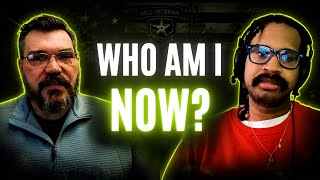
In this episode of the Beneath the Surface podcast, host Daniel J. Francois interviews U.S. Army veteran Nick Lanier about the complex, often‑overlooked period between leaving the military and finding a new civilian identity. Lanier recounts two very different homecomings after his 2006 and 2010‑12 deployments, describing the shock of returning to a familiar world that feels alien, the physical injury and medical retirement that forced him to confront loss of purpose, and the emotional turbulence of redefining self‑worth. He explains how his wife Catherine, faith, and a deliberately chosen community of friends and mentors became the “anchor” that pulled him back to the surface. The conversation moves into the “messy middle” – the years spent as a 38‑year‑old college student, tutor, and eventually director of veteran services at Regis College – where Lanier learned to shed the uniform’s identity, discover new passions (reading, writing, tutoring), and grapple with masking his military persona to fit into younger academic settings. He discusses distress tolerance, the importance of honest, organic relationships versus superficial social‑media connections, and the danger of “agency removal” when people demand conformity. Throughout, Lanier offers practical advice to his younger self: avoid assuming you have the answers, stop comparing your path to others, and recognize the people who love you. The episode closes with a shared belief that home is not a place you return to; it is something that finds you through purpose, faith, and the people who hold you together, and that veterans deserve authentic belonging and community.
Chapters
Hello and welcome to another episode of Beneath the Surface podcast. Happy Friday the 13th. Yeah, today we are having a special guest, my good friend Nick Lanier, here. Um, we're going to be talking about where home finds you. So some moments in life splits you into two. There are versions of you that walk into the world wearing a uniform and version that comes back without it. And nobody prepares you for the space between those two selves. The space where everything's familiar feels distant and everything inside you feels loud. For a lot of veterans, that's the moment when home stops being a place. It becomes a question. Where do I belong? Who understands this version of me? Who can I trust with all parts of me that I don't recognize yet? Today is an episode. Whoever stood in the in-between, the messy middle where identity, purpose, and faith collide. It's about the people who hold you together when you feel like you're coming apart. The one who remind you that belonging isn't something you return to. It's something that finds you. This is where home finds you. And I'm honored to have my good friend Nick here, a veteran who have served in the US Army from 1999 to 2012. And when he retired at the age of 38, he became a college student at the same school that I went to, St. Leo University, graduating in 2015, where he taught high school for for 3 years and became working in higher education. Sounds like a bucket list of stuff.
Yeah, we can go into that, right?
Since then, he has served as an assistant director of veteran enrollment and recruitment. He's currently the director of Center for Veteran and Military Families and interim directory of Center for Internships and Career Development at Regis College in Weston, Massachusetts. That's a mouthful. Happily married for 30 years to his wife Catherine, he's a proud father of 4 daughters who's— and basically his journey through transition, healing, and chosen family speaks to the hearts of what so many carry silence. Nick, thanks for coming.
Oh, absolutely. Thanks for inviting me out.
So Nick, um, a little bit about yourself aside from that big, um, bio that you sent me over. So anything that you want to touch upon anything that basically what brought you in here, like what resonated with you, like anything?
Well, I think a lot of it, like it's, it's, we all have stories to tell, like, and you and I have had these conversations offline where it's, you know, I remember when we first met each other, you know, and, and it's, it's funny to think that it was, you know, what, that long ago. I can't even count the years back because I'll start going crazy.
Maybe 10 or 11 years, I think.
Just something like that, right? Like, it's just— yes, that. But, but what's been interesting to me is, is, you know, how in those spaces, how we become who we are, but we're constantly in refinement of self, right? Like, I think, I think there's a general belief that somehow at, at some point, you know, we believe that we're going to be this finished product, whatever that is. And so that seems to be the goal. What you start to find over time is that that's not it, um, that there's a— that there's the motion of life is the thing that helps kind of curate your life experience and help you become who you are. And you see good and you see bad, you make adjustments and do this, that, and the other thing. And it's been fun for me. Obviously now I can look back a little bit more and kind of go, I did not imagine, you know, when I was serving in the Army that I'd be sitting at a college, working at a college. Like those, those two things are so incongruent in thought. But this is, this is where I found myself and where I find myself enjoying what I do. And so that's And that's one of those things. That's one of those lessons I think that you'll learn over time as it starts coming through that, that, that you'll, you'll land where you're supposed to, but probably not in the way you thought you'd stick the landing. And, and that I think for me is kind of where, where it really kicks off.
And I do want to say, I mean, I'm pretty sure you hear this all the time, but thank you for your service. I appreciate it.
You're quite welcome. As I tell people now, listen, I'm the old dog who barks on the porch. I'm not running anymore. I am, I'm too old for that. Like, if you've seen the original Lethal Weapon movie, I, as I, as I've like, like more and more I feel like Danny Glover. Yeah, I'm too old for this. Like, like that. I'm like, yeah, that, that's exactly it. You know, I'm just too old for this, you know. No, I do, no, I do appreciate it. And then what's funny is you say that and I've become more comfortable with saying you're welcome. It's one of those weird things, right? Like, what's, how do you, how do you respond to that, right? Exactly. But again, as I, as I've come to terms with all those things, as I've kind of grown from those experiences, it becomes easier to be able to go, yeah, you're quite welcome. You know, it's what I was doing at the time and our country happened to be doing this thing and I happened to do that thing. And here we are now.
That's awesome. So Nick, so let's start at the very beginning, right? So because a lot of veterans, the return is in, um, a generic sense, complicated. So I guess, when did home feel like that to you in those first days, like when you came home after being served?
So, so the two times I can kind of think off the top of my head, so I, I was deployed to Iraq twice, and so I have two very different kind of homecoming stories. Um, first one was 2006, and at that point my youngest daughter, she was born in March of that year. I was home for her birth, but then I was back in Iraq about a week later. And so I came home, I want to say October of that year, if memory serves. It's hard to believe it's been 20 years. That, that still boggles my mind. Um, and it was funny that You know, coming, coming home, it was like, I'm coming home, I can't believe I'm coming home. Um, and there's this disbelief, like, you, you, you, you're actually there. It's like, oh wow, I made it. Um, you know, I made it through whatever this experience is and I'm there. But one of the, one of the best, one of the best memories I have is I had left and I had it. I still had this SpongeBob SquarePants pillow floating around somewhere. That's how my girls could recognize that I was dead, right? So little, little things like that Um, so there was an immediacy of what home was because, again, I'm going home. I am blessed that, that Catherine has suffered with me or suffered through me or just tolerated me for 30 years. Um, I joke with our friends, you know, it's like I'm not so sure it's love as much as it is just morbid curiosity to see what the next stupid thing going to do. Um, but I say it jokingly, but, but I was— I am blessed that I had that structure and, and that, that she and I had made a decision early on that, that, hey, if you're coming back and you're— something's off, you need to make sure you take care of yourself and get some help. So that was, that was an upfront conversation we had back when I came home the last time. I was hurt. So I had gotten hurt. I went and ended up, you know, from Iraq to Germany, Germany to the States. And then I ended up having back surgery in 2010. And so that was different because at that point there was a sense of loss for me. Like there was this recognition that I may not be able to continue in the military. I may not be able to continue this. That one was a bit more sticky, right? Because, um, we, we identify self with what we do. I, I don't want to speak in gendered language necessarily, but I think men have a general tendency to, to place value and worth on position or job, right? Again, generally speaking, not, not trying to offend anyone who listens or watches the podcast, but, but understanding that there's Basically, that happens. And so immediately there was a different kind of coming home, because coming home— and yeah, you gotta love working in your office. There it is. We'd edit it out, but it wouldn't be real if we didn't.
Um, exactly, exactly.
Coming home the second time was a little more difficult because I was very unsure of a whole lot of things, and so that was more difficult. So I went from Hey, I'm coming back. I'm gonna stay in the military too. Well, I've come back and now I'm in this other kind of a unit that focuses on, hey, we know, you know, can you physically still do the job? Can you still do it right? So if you can imagine concepts of self and concepts of what I was capable of, what I was worth, like there are some very, very deep, profound questions that you work through there. That took me longer. And at the time you and I had met, I was still kind of on that path. Okay. All right. So I always had a sense of home because, again, I'm blessed with my best friend being married to me for 30 years. And I can't say that enough. Like, there's— I am— there are friends of mine who did not have that. Therefore, like, I am just a singularly fortunate individual to have that. I've had that person who's going to pull me back and say, hey, dummy, not that. Do this, not that.
Right.
Like, so that's kind of what tethered me back to things. But on a very personal level, becoming comfortable with who I was at home was different, right? That's— I think that's a different question. So coming home, trust me, there's absolutely nothing like it. It's, it's funny, like the first time you hear the national anthem on US soil after you've been off US soil in that war is a, is a different thing.
It's like a foreign concept.
Well, there's that, but it's like, dude, I'm home. Like, I know that song. I'm in the right place where I hear that song. Um, it's just because there's this weird flood of emotions because you're, again, you're going from something that doesn't make a whole lot of sense to, to American life, which generally speaking is kind of structured and makes sense, right? So that, that was the other part of this, like, how do you navigate coming out of structured chaos into something that's less, you know, that's, that's, you know, from less structured chaos to slightly more structured, though, like, so all of those things I think is where the complexity of trying to do that occurs. The problem that I see now is that we see it— we, generally speaking— as a one-off. Like I've explained to folks before, you know, coming home, like, this idea of transition out of the military is really interesting, right? And I think you'll appreciate this. When my oldest daughter was born, the moment that happened, I went from married dude to father like that quick. And congratulations, at this— and there's a timestamp that says at this time, at this location, you are now a father, right? I didn't learn to become a dad. It took me a hot minute to figure that part out. So transition back home is much the same way. Well, you're home. You're— why aren't you happy? Well, it takes a while to kind of get back and transition into what that thing is. So I have to integrate myself back into, as opposed to it's a one-off and you're done.
It's kind of, it's kind of like learning how to walk in a sense.
Exactly. Well, and it's, it's, it's, it's, it's going back to some of the basics.
Or riding a bike. Yeah.
Yeah. There you go. That's exactly right.
That's awesome. That's, that's, that's crazy because like a lot of people, I mean, I guess in social media, like in social media and then like even in the media itself. It doesn't quite do it justice enough until you actually gone through it. And I feel like the way you're explaining it definitely is like, I mean, more, not more intense, but like just more intricate than versus what you see it. Because it's like you see the person going into military, comes out and boom, like the next scene he's like, he finds his love interest and he's able to adjust really quickly.
Hallmark's got a hell of a drug for you, man. I tell you what, it can be a card, it can be a movie. But yeah, apparently your life can be figured out in 98 minutes with commercials, right? But, but no, I think I say that and I can say it jokingly, right? But, but I think too, we, we believe— again, I say we generally, human beings, right— believe certain things because it's easy to believe those things. And, and We enjoy certainty, you know, we enjoy certitude. Oh, of course, this is kind of how that happened. No, being a human being is complex. And the human experience across whatever spectrums that it goes through are quite nuanced. Right? I, I find it in the, in the work that I do now, right? Because so I do, I do career services for college students. And a lot of the conversations I have to have with students revolves around this idea of You're going to something radically different. There are some nuanced rules you kind of need to figure out. My job is to help you learn those rules so you can then do that thing, right? That's generally what it is. And it's more than the nuts and bolts of writing a resume or how do you interview or, you know, all these other things. Where we get lost is in the nuance. Like, what we don't recognize is that the nuanced aspect of what that thing is. Like, it's easy for us— like, people love to say, well, I just call balls and strikes. Every, every umpire has a different strike zone, man. Yeah.
So that's beautifully said. Yeah.
So we think about it that way. Of course, there's nuance there. There's going to be each— there are going to be other things that influence what that is. And, and, and if we don't have an eye towards that, then what we're doing is we're denying the human agency of a human being just being human. Right. Well, gee, why can't you just look like— see also this post or see also this thing or see— because that's not human. It's, it's in its very nature, right? You know, it's not a human thing.
So I— it's, it's wild how you come back to the same place, same streets, same people, all of that, but then you're like, something smells different, something feels different. I don't know what it is. I'm— I don't know if I should be on edge or not, this, that, and the other. Oh yeah. Um, did you, did you have a moment though, like, when you realize, like, something didn't feel right, something didn't sit right as it used to. Like, this isn't like the same place that, that you, I guess, grew up in. And then like the time that you left and then come back and it's just like, I don't remember there being a Walmart there, or I don't remember. Right. I don't remember.
Yeah. No, that's, it's funny you say that. No, no, absolutely. It's funny you say that. So when I first came back in '06, we soldiers who had redeployed back to the United States, we were not allowed to drive for the first 96 hours in the States. Our command was like, you know, because of the way— so where I was stationed at the time, if you go out the main gate, the highway is to your left and right, and it's— we're in Texas, it's a wide open road. The last thing you need are people who just redeployed from a war zone using fast cars on wide open roads, right? That was the thought process. Well, because part of, part of it is you do become a weird adrenaline junkie.
Okay.
You know, it just— because, you know, I, I joke now, like, very— you know, if you're, if you're driving and somebody kind of swerves into your lane while you're driving and you have that, yeah, that experience, like, I don't get that anymore. My adrenal gland has been shot, and it freaks Catherine out because I'm just like, yep, nope, just stupid, you know. But it's because it had been pinged for so long that now it's like, okay, I got it, got it, got it. I don't know if that's necessarily the right thing Um, but, but it's when that has been— when you've been keyed up for that long doing that, those kinds of things in that way, that you, you still have the desire. It's— you want the rush. Was it a couple things? Sorry. Well, I'm sorry. No, so a couple things, right? When you talk about something didn't fit, I could— I came home on a Tuesday. Now again, this is 20 years ago. It was a Tuesday, and I know that because it was trash day. And so Kat picks me up, got the girls in the car, we're going back to the house. And as we're coming off the corner, all I see are dumped trash barrels on the side of the road. Understand, when I left Iraq in 2006, that's right as insurgency was going hot and heavy. And so IEDs were the name of the game. And so if anything looked out of place, You were wired for sound. Literally, I see one, I yelled to the back of the car for somebody to get onto the .50 cal, and I'm hitting the seat that Kat's driving, saying, go this way, go this way, go this way. Those are the kinds of things where it's like, oh wait, that, that, you know, we got home and Kat was like, okay, that was different. And I had to go, oh, oh, okay, wait, what, what just happened there? Because it was such a reflexive action. Because that had been my reality for so long that that, that response to things was kind of keyed into sound. So all that said, you know, yeah, I mean, you come back home and things are silly. Like, the house isn't set up the way that you remember the house being set up. The couch got moved, right? Some things like that. I think as parents, what was interesting for Kat and I was how do you relate the roles of mom and dad when one has been removed and is. So navigating that, uh, was certainly a challenge. But what, what's interesting is you come back and, and you do— you just kind of recognize you're a little different. You don't think you're different. Other people around you kind of can say, oh yeah, you're a little off. Again, this kind of goes back to Kat being the perfect mirror for me and being able to kind of go, yeah, that's not that, this, like that, that worked really, really well for me. The thing I had to learn was that I could not make things do the things that I thought they should do. Right. That, that it's like, no, no, no, no, no, I don't, that's, that's not how this works. And I had to learn, uh, you know, how to, again, that kind of how to navigate through discomfort, which is, and to kind of navigate through, and that's a hard one. Like, like I think all, I think all of us do that, right?
It sounds difficult. Like even you explaining it, like, yeah.
Well, it's like, it's like, well, psychobabble would tell you it's called distress tolerance, right? But I would tell you that's being a human being trying to work through some stuff that you've already had. You're trying to figure yourself back out in a different context. Um, and I am not, you know, I'm not a counselor by trade, uh, but I also don't identify people by DSM-5, right? So, but, but what I look at is when in my experience having to have to navigate through that, a lot of it was, okay, what's— what am— what are my expectations of myself? Am I really kind of like— there were, there were some definitive steps that were there, uh, in the first time. And again, when I told you the sec— when I came back home the last time, that was just compounded because I had lost a sense of self. I'd lost a sense of purpose and reason. I had no earthly clue who I was or what I was going to do. And so that was a harder adjustment to make because, again, you met me on my trail as I was kind of coming through all this stuff. I was more Sergeant Lanier then than Nick. I'm much more Nick now. Okay. Okay. Right. But as I, as I've made it through and as I've worked through that stuff, like I said, Regaining sense of self after that is probably the hardest part, is trying to figure out who am I exactly? What is my value? What is my worth? What exactly is important? What isn't important? Those are the things where when I came back the last time, and it is because once, once that happened in 2010, my medical retirement was pretty much locked in stone like it was. I started going through that process. And so by July of 2012, I was medically retired out of the service. Was it August of 2012? I was a student at St. Leo.
Was it easy for you to like, I guess, I mean, I know like the first time when you came home, you were mentioning how difficult it was to try to find yourself, but like after the second time, was it easier then to try to transition back or it was like different? It was different. It was because like the reason why I was asking is because it's like, it sounded like, and I don't want to assume, but that's why I was asking because like when the first time you came in, you were trying to find yourself, and then you go back and it's like you have to start over again.
So I didn't know if it was— that's, that's certainly a part of it. No, you're absolutely right. That's certainly part of it. You— if we're, if we're smart human beings, yeah, right, we're developed, right? Yeah, this is a big cat. We're smart human, but we're building a toolkit, and we're smarter than we're using the tools, right? I, I can right now, how effectively was I, did I do that? I, I don't know. I, again, I wouldn't go with easier. I would go with, with different because I was facing, I was facing different types of stressors and variables that I did not the first time. And so for me, that, that last time was much more difficult because I was no longer going to be in the, in the Army. I was no longer being a part of the unit. I was no longer going to have this life that I had lived for up to 13 years. That was now going to be gone. And I was staring down the— I was staring in the face of, oh crud, how do I take care of my wife and my kids? And I've got all this, like, how do I— that, that was where it got much heavier and much more difficult because I was now dealing in a space that I didn't understand, that, that had preconceived notions about what a veteran was, right? And, and And so I learned really quickly about what biases were there, be them unconscious or conscious. I've learned a lot about people's expectations of what a veteran is or isn't. Like, I've learned a lot of this stuff kind of on the fly. And then, you know, to come back to something I know we'll talk about a little bit later, is I found my tribe. I found my crew. Okay. Like this, this, this is, this is going to work in a way where I'm able to do it because Again, I was still figuring myself out, right? I still, I still joke, you know, I started— this is still true to this day, right? I feel like I am mentally 25, right? Right. I am physically not that.
Yeah.
Yeah. Right. Like shoveling the snow we were talking about. Yeah. No, that, that, yeah. Yeah. I'd like to thank, thank all the snow that we got up here in Boston, but, but it was— I immediately went, oh no, I'm not that young. Yowch. But, but it's still in there. So as I was kind of coming through that second time, you know, and Kat and I decided to do the things we did that got us to Florida and we get down there and I'm starting to go to school and all that stuff, it was an attempt to kind of figure out like it was at first it bought time, right? Because what I recognized when I got to St. Leo was I need this piece of paper to sit there and justify all this work experience I have because I need to get a job that's going to take care of my family. Like that was the math problem. But in those 3 years I was there, I was able to develop some really strong relationships and meet some really awesome people. I'm like, oh, oh, okay. People don't want to know me just because, oh, I'm Nick and I was a veteran. Like that, I became more than that. That kind of helped me throughout my path.
That's awesome. That's really awesome. So now from that and then moving into, and I'm using this term loosely, the messy middle. Right. So I want, uh, I want to talk about like the in-between space. So not when you were in uniform, but not yet who you were becoming. Um, what was that identity shift like? Cause you were saying that, like you were talking about it a little bit, a little bit earlier. So like, what was that identity shift like for you?
So for, for me, it was funny. And, and I can look back on that now and say that, right? It was when I first got into— again, I was 38 going into college, so I was, you know, 20 years older than anybody around me, you know. And, and so what I was trying to figure out was what I was going to do next. That was, again, you know, the math problem I had to deal with was different than the math problem of many of all my peers, darn near. And so of course I'm looking at this, but what I found was there are certain things that I liked to do that I did not know that I liked to do, right? So I was— it was really intriguing to me because I was introduced to parts of myself that I didn't know existed and that I really wanted to kind of go, oh, this is much more interesting, right? It was easier to start shedding off part of the military stuff. Like I said, I don't know if you can see behind me, but I've got like one military thing that's over my shoulder here. And that's from when I was in Korea. Like, that's— that was just because that was a great time for me. But there's also, if you look at my office where I'm at now, there's nothing else military in my office, right? And that's purposeful. But, but as I think back to the time, especially when you and I met and we start getting into that milieu, because that, for me, that time was the middle. Um, I think, I think what I started to figure out was like, I found out that I like to read. I like to write. I, I started to— I, I was like, oh, I like trying this kind of stuff out, right? And, and I was able to kind of explore different avenues and different things that, that— remember, I hadn't got— when I got to college, I hadn't written a paper since Bill Clinton was president. Yeah, Clinton was in office when I wrote my last English paper, and now all of a sudden it's 2012 and President Obama's in office. Like, that's There's been some time. There's been some time. Yeah. A little bit of time. Right. So if you get a man, but it's all that stuff. But I also had, I also was learning, how do I manage? How do I, how do I manage relationships and deal with people is the other thing that I had to deal with. My first semester was really, really, really difficult. Like that first semester was really hard. I could dig into books. I could get into the studying. I was frustrated by students that were around me. And again, because I had a different math problem, I can look back on this now and go, okay, there's where my frustration point was. I was very much a straight line distance person at that. I'm like, listen, I have to get this at this level because if I don't, this is not good. Like I, so I was looking at it from a very, very different point of view when they came like that.
It sounded like you had like a blueprint and it's like you had to adjust it like each time.
A little bit. Yeah, I think, I think I knew what the end state had to be, right? So I knew I had to get a college degree, full stop. That was the, that was the— now how I got there, okay, we're gonna maneuver some stuff around, right? Um, but it was funny, it was a military thought that came into my head that actually, that actually made my time at St. Leo go a lot better. And it's— what's funny is it still stays with me today because I was, you know, again, increasingly frustrated being in classrooms with 18-year-olds I'm 38 and I didn't understand the cognitive dissonance that I held. I do now. What I understood and I immediately went to is, oh wait, they're 18. They're just like the privates I had to train. They don't know what they don't know. Okay. So there's a level of grace where I was like, oh, okay. They're 18. Got it. The cognitive dissonance kicks in is that my experience prior to that says I have seen 18 to 20-year-old people do incredible things. And so Stop saying it's hard. You're built for hard, right? Like that's still— that's, that's— but that's where that dissonance was kicking in. What's funny is I can look now, and as I speak to students especially about going into the workforce, you know, and if you look at economic data right now, it's a, it's a fight, right? But it's, but it's convincing. It's convincing young people, hey, listen, you're built for hard. You're built to do this, right? So don't believe that you're incapable of doing it, but that you're able to work through those things to get there. So for me, having that, that amount of grace with my fellow students allowed me to have grace with myself. Okay, let me, let me figure out how this is really going to go. And it was from there that I started to kind of blossom, if that is such a thing. But I said, that's when I started working as a tutor. That's when I started kind of hanging out a little bit more. That's when I started. That's when all of that started to happen because I was able to step back enough and go, okay, you know what? It makes no sense for me to be this keyed up and this wired for sound. But in that time— understand that they're— understand they're young people.
But in that time frame, in the messy middle though, was there like— did you have to put on that facade though? Like that you had to like perform a version of yourself just to— just so other people were comfortable around you? Or you just—
oh yeah, oh yeah. Oh, absolutely, absolutely. Masking is a very real thing. Yeah, next. Very rarely would I let it drop. I think it dropped a couple times. One time was in a class where I absolutely just put a professor on blast and just like the— I don't care, I'm gonna talk to you like this because you're— let me, let me— yeah, oftentimes it was, it was, it was, here's, here's, here— I would show you this much of me, right? Um, and again, a lot of that was on purpose because, again, the age difference and things like that. There were some areas where I'd show more, show somewhere, show less. What I've become more comfortable with as time moved on now is I am now comfortable with who I am. But, but in much the same way any college student or any person who's younger is doing that, you're not trying to show all the stuff, right? Right. So no, that— and it was, it was necessary because— and even now in my professional work, they're, you know, I still get that weird— maybe it's just the milieu in which I operate, but veteran gets you a side-eye. It's really, really intriguing to me. So I'm going, no, that's not— yeah, that's, that's not right. But it still catches a side-eye. And so what I have to always be aware of is I am no— like, my military service meant stuff. I got it. Okay. But I'm not so wed to it that it's the only thing that I've ever done in my life. And it's the greatest thing since sliced bread. I've done more stuff post-service in the last 14 years than I did when I was in and I'm having much more fun. Right. So it's like what I'm not going to be is that high school athlete at that one game. And that's the penultimate mark of life. And the moment that I made those decisions, the moment— that's when it became easier to be myself. There was less mask involved. It was weird because again, I was closer in age to professors and staff members and administration than I was to my student peers. So I could be more myself with that group and slowly become myself with the other. Right. Because that age gap and that age difference was something I was still trying to, still trying to work through even then. But I think it was in that middle space where I really kind of had to navigate out what exactly I was figuring out who I was. That was going great, but I had to navigate out, okay, how does that link with this next thing? Like, how does all that work? And so that was, that was kind of really the, the mental math problem that was having to get worked through doing that.
It sounds like you had like a lot of— I mean, I wouldn't, I wouldn't want to put it this way, but like, I'm just asking, would it be like a lot of trial and error to try to figure it out?
Like, Oh sure. Oh, absolutely. Absolutely. Well, and it's— it was— there was trial and error, but there was also one of those things where you kind of quick read situations and you go, yep, nope. But I still very much have that gene. Yep, nope. Not good, not bad. I understand what it is. Again, as I've— as I've gotten older and as the hair has gotten thinner and grayer, I do that less and less. Um, but it's still there. It, there's, there's still that I'll do an instant read and I've gotta be careful not to make that the final judgment. Right, right. Um, whereas, whereas before, yeah, that was, that was it. Like if, if you demonstrated stupid out loud, I was like, yep, nope, done. Poof.
Bye.
Right.
Your tolerance is a lot higher. It's like, yep, no, I'm good.
It's gotten better. My tolerance has gotten better. I don't know if it's higher. You know, if we were to put it like on, if it's on a Likert scale, 1 to 5, like I'm no longer at a 1, it drives me batty. I'm more like a 2.5 to 3. I can tolerate, like my tolerance for that's okay, but it is nowhere near the, oh, well, you know, that's sweet. No, man, I'm not there. Just, it's, I'm not sure I ever will be, quite honestly.
No, that makes sense. So shifting the gears a little bit. Um, so what, what holds a lot of veterans together? And I guess what holds a lot of people in general together is chosen family, faith, purpose. Uh, because sometimes if we can't hold ourselves accountable, we have to, we, we look for a higher being or we look for basically our faith to, or even our chosen family to keep us resilient and keep us together, um, who were those? Like, aside from, like, was it just Catherine and your family that kept you there, or was there—
no, no, there was, there was like family and friend, close friends. It was, it was, it was a mix. It was definitely, definitely a mix. And so, um, faith is a really important component of my life. I mean, I can't, I don't know if you can tell, but over this shoulder is the papal flag. Like, I am, I am Catholic. And I will tell that to anybody who asks. And faith was a major component in how I was able to better understand the world around me. I was able to learn to have grace for others and grace for myself. And so that faith community, you know, in the parishes that I attended and the people I met there, Even, even when I had graduated St. Leo and ended up teaching at Jesuit Tampa, that, that community there at that high school were instrumental in helping me further the journey that I was on. And so that was certainly part. And then the friends that you and I both have, right? That friend group there, there was a lot. You, you are a member of the chosen family, if that makes any sense. Not to sound like some weird, now let's all go drink Kool-Aid. It's not that, it's right. But, but that, that I recognize, I'm like, okay, these are the kind of cats I like hanging out with. And it's not because you wanted anything from me, right? It was, okay, these are kind of cool individuals are figuring some stuff out and I'm an older dude, maybe I can kind of give them a couple pointers here or there. And it started like that. That really, really helped me. What made me healthier was understanding that my value started to change a little bit. And so it was not just this dude floating elsewhere. But again, I joke about being the big, you know, an old dog on the porch. But there's some truth to that, right? There's some, there's some absolute truth to that, where in engaging younger people and having deeper conversations, because I think I told this to you, like I was the disinterested third party adult, right? Right. Right. I wasn't either parent. I wasn't. And I didn't know any background of anybody. I knew you. And because of that, we were able to develop relationships that were based on that and not on, oh, I remember when Danny was that, that, that, because I don't. I know you, right? As you've presented yourself to me and as I've presented myself to you, this is who I know. That was, I think, another big healthy shift where, where I was able to go, oh, okay, cool. Like this. The nature of these relationships are now ones where it's not about give or take. It's not quid pro quo. It's just, let's sit down, chat, chat. How can I help you out? Do you have questions? I have questions. We can do that. It was much more organic. And it's in that space where I was able to, again, kind of build this little community that we said, we still talk on the phone, right?
Like, yeah, definitely.
That was, and I think that was the other component. And I think when you're going through changes or when you've dealt with some trauma or when you've dealt with things that cause mental anguish, trying to find individuals you can be yourself with, or at least develop relationships with, that are not preconceived, that are not based on their preconceived notion of you or your preconceived notion of them. That allows for that actual connection to be made, right? Right, over space and time.
Because it's not like— it's not like— it's not forced, like you said. It's, it's not like, oh, I have to be friends with him because We're in the same class or I have to be nice to him because he's a veteran or, you know, right.
You know, one of those things. Yeah. No, I get it. It's like, dude, you're, you know, it's like, you're an intriguing person. I'd like to get to know you better. Exactly. And there it is. And it's, and it's done in such ways to where, again, it's not contrived either. Right. Like I, I, um, you know, the relationships that I have now, uh, are very close to me because I, I, I worked hard to, to, to build those. And, and simultaneously value those friendships and those relationships that I have. And, and there are some that have come and gone, there are some that'll stick. And like, this is just the nature of human beings in life, right? But it's when you are open enough to being able to go develop those kinds of relationships, what you find is that it's so cliché, you know, it's the old 'you're not in this alone' or things like that. But what you, what you're able to do is actually develop connection, right? In perhaps a way that you didn't quite conceive of yourself being able to develop connection, right? And that's, I think, the— that's— that, that was kind of the cool part because, you know, if you were to sit there and say, okay, you know, Danny, when I met you, you were 18, 19, roughly.
Yeah, 18, 19-ish.
Yeah. You know, say, and I'm, you know, I was 38. That, that 19-year age gap, like, how the heck does that work? Right, right. Like, none of that, none of that makes logical sense. Yeah, right, right. But here we are now, and it's like, all right, cool, yeah, what's up, right? But that was built then. It was built with— okay, you know, I remember you telling me stories about your family, kind of how you came up and all that good stuff. I shared stories with you about my family. I was like, okay, all right, got it, got it, got it, got it. And then all of a sudden it was like, oh wait, this is an adult relationship. Yeah, yeah. And that's where it works, right? I, I hope that I never spoke down to you. Like, I don't— you know what I'm saying? My memory is, is crap anyway, but fatherhood, you know, but Short-term memory is horrible. Long-term memory, I'm kind of okay, like, but short-term, it's, it's rough. But, but it was one of those where I never wanted people to feel like, uh, you know, oh, he's just kind of doing this because I'm this guy, I'm this kid, or whatever. No, it was never about that. And it's been fun now catching back up and being, oh, okay, so this is happening. Like, that's the joy of the relationship. That's the joy of those connections. That's when you're talking about having community that you build that's not compelled, but it's built. That's what kind of gives you the oomph. Now, there are some downsides to that. Um, part of that can be people like to go towards other folks who have kind of the same basic baggage, and so that organic community is then built in such a way as to where the idea of an off-ramp or getting better is anathema. Yeah, right. Like, if you do that, you're not a part of the group anymore. Well, wait a second. Right. So there are, there are some things that are there. Um, but generally speaking, if you're, if you're coming at things from a, a, a human standpoint, you're gonna find other cool humans to get to know. Yeah.
And it's, and it's, and it's like you, I think you put it gracefully when you said like, or even eloquently when you said that like you want conversations or relationships that are organically grown because like I could say like it's not even in friendships, but like in relationships too, like with like whether you find like a significant other, like you want to find someone that challenges you but someone that brings out the best in you. You don't want someone that's like so closely similar to you because then it becomes— and I'm gonna put this lightly— it becomes awkward in a relationship because it's like, oh, what do you like? Oh, me too. It's like kind of like where there's like, there's no, I guess, structure. There's no Um, what's the word I'm looking for? There's no like depth in like the relationship and it's just like, if you're gonna just hang around with the same kind of people, then it's just like, are you guys really friends? If you're hanging out with like, you might as well just talk to yourself in the mirror and just, and have that conversation.
Well, what I, I think too though, that the, the, the difficulty is if you're in a relationship and if you're in conversation with people who, with whom you're friends and you've built these organic relationships, that means you've built tolerance to being able to hear things that are different than what you think. And I do not know if that occurs at the same rate now as it did in the past. Just, you know, you know, I mean, I, I think, I think we live in it. We, we live in a space where people enjoy being right. Yeah. And don't necessarily enjoy hearing anything other than what they think is right. Not good, not bad. I'm just, you know, as a statement of of how people tend to operate.
I do think you're right though. I think people have a one-track mind where if they're right, they're going to be right until they're blue in the face. And if you don't agree with them, or if you don't, I guess, sympathize with who they are and what they stand for, they're going to walk out of your life and they're going to not even bat an eye. And they'd be like, I don't like this person just because he doesn't agree with me. And it's just like But at the same time, like, if you're not open to change and if you're not open to, I wanna say, um, being uniquely, authentically yourself, then that relationship is probably like, if it goes elsewhere, like if it's not the best thing in the world and you guys decide to go different, um, different paths, then it's like, I didn't really need this person because this person didn't really like challenge me or basically hardened me to be more, uh, respectful in my, in my space or in my comfortability. Because it's like, because then, then you're just like, you don't have a backbone, you're just submissive to everything, right? So Yeah, it's tough.
No, I think I— it is. Here's— so here's kind of what I've noticed is that you don't get to claim your agency by denying somebody else's agency.
I love that.
That's great. Does that make sense? Like, like, and I know it's— but, you know, agency is kind of one of those big words. It's like, listen, I don't gain agency by removing yours to make sure I'm more correct. Yeah, right. That, that just doesn't pass a basic how you interact with human beings test. I think unfortunately there are times where that aspect of the human being organically building relationships and connections with others is completely lost. Um, and, and we can, you know, view that across any number of lenses across, across, you know, the space. But I think that if you are so intent on your rightness to gain agency by removing somebody else's agency, then there are larger questions at play. Like, there are bigger things we need to have a conversation about.
Of course.
Yeah. Um, and, and that, that I think is, is where we find ourselves now. Um, not to, not to go off on a tangent, but, but to— but as we think about this, like, this idea of being held together, this idea of having a, a group of family, a crew, whatever you want to call it, that helps you— if that is only reaffirming certain things by denying agency to other people, that's a problem. And, and I think we live in a time now where agency removal of people is the way to go about doing things. I think that's, that's just how people tend to operate. And we will other other human beings with a quickness based on any number of things. And when that is the space which you occupy, it is harder and harder to grow normal human organic relationships of people with different backgrounds kind of coming to someone and saying, oh cool, what's your background? Oh cool, what's yours? Let's talk. That's completely lost, right? Because there's like this weird litmus test. Oh, but wait, before you need to show me the following things, right? There's just a litany of things you can run through. Like, yeah, sorry, I'm not going to show you my voting record for the last 35 years, but it's weird. It's just really, really, really weird. Um, and you lose the humanity of things. It's also kind of like humanity is messy, man. That's just what we are. Like, like, like human, human beings. Listen, we, we have capacity for all kinds of stuff, good and evil. Um, like, like, so, so it's like, one, be honest about that. And two, try not to be evil.
Like, yeah. You'd think it's easy, but it's kind of, it's kind of funny too, like how times have changed a lot for us because like I remember growing up and I think like everybody has this notion, it's like, don't talk to strangers, don't get in cars with strange people. Um, uh, what else? Um, and basically like if you see something, like if you see someone look funny or whatever, like just, just look the other way and keep going. But now it's like we have tech like Ubers and Lyfts where we get in the car with strange people.
Yep.
And we're gonna pay 'em money to pay the money to get from like point A to point B. Then we also have, and then we have, um, what people say is like, don't talk to strange people. Now it's networking.
So yeah. Or, or name the app that you try and find people to, to connect with. Yeah.
And then it's, yeah, dude, don't talk to strangers, but this app here, exchange business cards. Like, this is my business card. This is yours. And it's just like, exactly. Time has changed.
Um, but it's crazy. You know what's funny is, and you're absolutely right, like, we have become like the, like, see something, say something is one of the, was one of the most interesting things that I think about. I'm like, I don't need to worry about the surveillance state. We're already doing it. And we said, that makes you a good person. Like, well, yeah, I don't know if you watched the Super Bowl, like they had that, they had a ring commercial where it's like, oh, if we see this, then we're going to turn all the rings on. And I'm kind of going, oh yeah, we have fully, like I remember, like I said, it wasn't like that long ago, right? Where, wow, wait, I'm on Facebook and now there's an ad that talks about the thing I was talking about. Like that, remember that whole bit?
Algorithm thing.
Yeah. Yeah. That, that, that was like, understand that was, that was 15 years ago. That's insane. Like that's, that's 15 years ago and people are like, oh, I don't like this algorithm.
No, no, no, no.
Fools. Now you are connecting your front door to the internet and you're worried about that algorithm.
There's been, there's been a couple times.
We have embraced, we've embraced this and it is so odd to me. Like I joke with Kat all the time. I'm like, listen, I hate my cell phone. Yeah. I, I literally, I like hate is a strong word, but I really do. I want to, I want a phone that does the following: answer, that you can call me, you can text, that's it. I don't need any of the other bells and whistles. Like, like I sound like an old curmudgeon when I say this, but it's, but it's true where it's like, hmm, because I, because I, I'm always going to come back to this point. Does this tool help me build organic, long-lasting human connection or not. Right, right. That— so based on everything we've talked about previously, reason why I'm where I'm at now, the reason why I've been able to kind of make it through some of the things I've made it through now, the reason why I've been— that's it. I'm not so sure that that particular tool is the best tool by which to make organic human connection. And I think sometimes it's used for that, or it's used to make a connection And then you end up in this space where, but that's not what I was looking for. And you feel more and more alone even though you are more and more connected with everybody. It's like, we are the most connected, most isolated human beings. It is, it is wild to me. Yeah, definitely, uh, that, that's how it played.
It's, it's crazy too because it's just like you first have like these, like, I guess like wholesome conversations where you could talk about literally this, that, and the other, and then it goes from then we're going to be like living in like WALL-E, like the movie WALL-E, where like just sitting in chairs looking at a screen the entire time. Um, and basically we don't know. And then it's just like you see a plant and it's like, what's a plant? That's a—
yeah, you know, it's, it's one of those where I didn't, didn't think Disney was making a futuristic novel there, but hey, look. But it's terrifying because I don't know, I, I, I the, the humanity of things, when we start removing the humanity. And when I say that, understand that being a human being is messy and complex, and it's not an algorithm. And it's— it is not as— it is, it is not easy being an authentic human being, right? And I think sometimes we— I think sometimes people want such clarity and, and want it to be so much more simple than being a human being actually is. It's hard work, you know, and it's hard to meet people and it's hard to make connections and it is hard to put yourself out there and it is hard to get rejected and it's hard. But as human beings, our species has somehow evolved over time to be able to do this. And, and I just, I find it interesting that, you know, in, in an age where, again, you can be connected to every human being in the world, but you're utterly alone sitting in your floating chair as you go to the concourse because, oh look, the pool is open, right? Like, that's, that's very much, much where it goes.
So I find that, I, I find that paradox to be really, really interesting, um, you know, just, just generally speaking, not even, not even about anything else, just I find that to be You're right, because it's like, because at the end of the day, it's like you have 1,000 friends on Facebook, but how many of those can you actually depend on and actually pick up on the phone and actually have a conversation, like an authentic relationship and conversation? So it's tough.
Well, or there's— how about this one? What's the difference between a friend and an acquaintance? Right? Like, acquaintance is a lost word. Yeah. I got, I got some friends. I have a lot more acquaintances, but I got like, I have some friends. I can count my friends.
Yeah, no, definitely.
But again, it's, you know, if we're going down this right, social media is good for acquaintances.
Yeah, no, definitely.
And it's good for friend. Like, those are two very different things.
It's good for, it's good for like a means to an end because like a lot of social media now, and I'm not bashing social media or thing, but like a lot of social media now is just to stay in contact with people that are not right next to you, or even ideally, but, or it's like to a certain point where like you want to interact with them to a certain degree without actually like putting yourself out there because even like Facebook, it's like I only use my Facebook to, to keep in touch with like my family and some of my friends in Florida and that's it. But other than that, like, will I have actual authentic relationships, like conversations on Facebook? No. It's just like, oh, are you online? Can you do something for me real quick?
And then that's it. Yeah. Yeah. But then, yeah, no, I know exactly what you mean. I know exactly what you mean.
People that I could call on my phone, I could have more authentic relationships with that.
Yeah. Well, cause those are those people that I've let into my circle, right? Like there's like, I, I joke, it was like, not everybody has my phone number. Exactly. Anybody can find my Facebook. Yeah, exactly. Not everybody give them a phone number. Like, and again, it's, it's just, it's, I think, and again, I think, I think you hit the nail on the head. This is, I think back where our conversation has been about, and, and as you, you know, in my experience, it kind of coming through and being who I am now and all those changes, I have still kept some old school with me. And that's, that's one of those things, one of those old school things is that, you know, I don't live my life out loud. I don't live it out in public. But those whom I bring into that space, they know who I am and how I operate. Everything else is a caricature that they think I am, right? Like, that's just the nature of, of how that is. And that's very much— I'm a product of— like I said, I'm Gen X. That's a product of how I came up. And so that's, that's kind of how I've carried it now.
So going along that, and basically how like going from like how you were brought up and everything, and like, and basically coming back after your two, um, tours and everything, coming back and everything. Was there like— we're going to talk about something a little bit heavy, um, in a sense— the moment that someone held you together, whether it was Kat, whether it was someone else?
Oh, um, it was definitely Kat.
So definitely, can you walk us through that memory?
Like, sure. I mean, I mean, so Again, kind of when I came back home and I had had surgery, like, I, I remember before I was going to have surgery and I called her up. I was in Augusta, she was down in Savannah, which is about a 2.5-hour drive. So she was able to kind of come up, you know, on occasion when somebody could watch all the girls. Like, there was just a lot of moving pieces. And to this day, I remember having this conversation, like, I have no earthly clue what the hell I'm gonna do. Like, I— when I say I was completely and utterly lost, I mean that. It is What the hell am I worth? What the hell am I going to do to take care of these people I love? What is my value? Do I have value? Is— am I worth any of this? Like, you used to— it is a dark, dark path. And the problem was, you know, being left alone all the time, that's never a good place to be, right? So, so it's like, it's one of those where the Army did, you know, the Army didn't think that one through all the way, but again, it was early 2010, '11, '12, right? You didn't really think through a lot of those things. But I remember when she came and visited, I was actually able to sit and talk to her and be like, okay, what the hell? And, and she was the one who's always been able to do this, where she's been able to kind of pull the string the right way and go, okay, listen, guy, let's, let's, let's talk about this, you know, let's talk about, let's work it out, let's, you know, let's get you the help that you need, all that good stuff. But let's also understand that that in order for this to work, you still have to continue moving forward. You can't hustle backwards. And just that comment, because it builds upon— it builds upon, you know, how we have always, you know, how we've learned to communicate with one another. There's like a whole lot of, of that. Um, you know, the first time I came home, she was the one who said, no, Nick, you need to go get mental health help. I didn't think anything. Nope, now, because I wasn't aware enough of what was going down, right? She— so she's always had this capacity to go, okay, Lanier, you know, yeah. But in that, just in that conversation, I was still terrified but not, not utterly scared. Like, there's a difference, right? Like, so, so I just, you know, and I remember had surgery, came out of surgery fine. Ended up going home, was able to see the girls and all that good stuff. And my focus then shifted to, I just want to be able to kind of move and do all this, that, and the other things. She started doing physical therapy. Um, but yeah, it was— it took a lot. I think, I think the, the second shock— that was initially— and the second shock was when it was like, you know, you're, you're told, no, sorry, you're not going to be able to stay in this Army thing, you have to go through this process. And that time that I was in the process of being medically retired was really, really difficult because, again, it's a— it's an unknown. You don't know how it's going to end. You don't know when it's going to end. You just know that it's going to, right? And so I remember oftentimes it was terrifying because I'd be applying for jobs. I wouldn't get hired. Like, it was just— it was all these things that you're trying to get done and you don't know when you can start a job. You can You do all this. So this incredibly vast unknown thing. And oh, by the way, you don't know what, you know, what this is, this weird inside baseball stuff. Is, are you going to be rated as disabled? And if so, what rating percentage is that? So you can think about that being some kind of retirement money that you like. There's, there's all kinds of other stuff that's there. And you're just in this milieu. And I remember just, just after a while I was like, holy crap, you know? And again, Catherine has this ability and this is I think why she's just the greatest person to ever enter into my life. Was able to pull it back. So, okay, hey, she can help me kind of guide and move. But that— what that did is she has an ability to center me back. She grounds me, right? So that's about the only way to say it. It's like, like, left to my own devices, I'll go do stupid. I, I know this about myself. Left to my own devices, I will do stupid, and I will do it well, but I will do stupid. I think my mom still introduces Catherine as the woman who saved me from myself. I love— understand, we've been married 30 years. My mom is like, yeah, no, this is the woman that saved my son from being the idiot that I know he is. Like, and that's honest. Like, but, but, but I can look at it now like, no, she grounded me back because what it allowed me to do— she gave me the grace and space to be able to kind of have those things and feel those things and say them out loud, and then was also strong enough to be able to say, okay, let's pull back in, let's figure this out. Not that I haven't been there for her in that, in some of the same ways, but understand, in that moment in time, that grounding is what helped me. That grounding is kind of what gave me the idea that we're going to make it through this in a way. That was the start of that. That's, that's really where it was. And it's hard for me to express just how important Kat is to me. You know, it's just, it's hard. But just know that she was the one, she's the one who was able to pull it for me and say, hey guy. And, and there's no way I can ever repay her in any of that. Not that she's looking for repayment, right?
But it's—
yeah, of course, you know. And again, as a man and losing sense of self and losing sense of place and losing sense of what you do and what your value and what your worth is, man, that is not— that is not a fun place to be. But to then have that individual who can pull you back to ground zero and say, okay, guy, here's who you really are, let's work on that. And then all of a sudden it's like, okay, you're right.
Because I think I can be mental health version of myself, a very difficult challenge, especially nowadays and even before, like you were mentioning. And I think it's important for whoever's listening, whoever's watching to know, you just like, if it like, you don't need a special person, you just need one person to like, for like, for Nick it was his wife. For me it's my wife. For, for like other people it's faith. For other people it's like, like that chosen family. And that's what I'm trying to get at like with these podcast episodes is that like we're not professionals, we're not, we're not people, we're not doctors by any means, but like we're real people talking about real situations that people go through and stories that people want to share. And I think it's important, and I'm getting teary-eyed as I'm saying this, but I think it's important for people to realize that, like, that, like, we're here, like, just come to sit at our table as, like, your unapologetic self. Like, where other people may judge you, we don't judge you. Like, we're just here, want to know your story, know how to rebuild, uh, how you rebuild your, yourself from the ground up. Or restructure yourself or rebuild, like, yourself, like, if you're feeling broken. But I think it's important for people to realize that, like, that what I intend, like, for all intents and purposes, this podcast, if this podcast touches one person, like, with all the episodes that I've had, like, with different guest stars that I've had, like, if there's only one person that it affects and it basically helps, that's fine. I don't care. I'm not here to make a profit off of this podcast. I'm just sitting here to, to basically have the tough conversations that people want to talk about. And I think in my sense, like, what I want to try to do going forward even is that I want to make sure that, like, people feel comfortable in the uncomfortable. And I think And like, what like a lot of people have told me is that like me sitting here having conversations like with like— and I'm gonna put this bluntly and pardon my French— but like grown-ass men talking about real emotional issues, I think it's very hard, or it's very, um, it's very rare because like not a lot of men could sit here and talk about like the tough things, to get emotional about the emotional things. And it's like, because like we're providers, we're, we're hard grown men. Like we're metaphorically like physique. We're have to carry this weight on our shoulder to do things, but we can't be ourselves. We can't be emotional. We can't let this side of ourselves grow, like show, because then people look at us differently or we're too sensitive or we're too like not in touch with our emotions in a sense. And like a lot of phrases. And I would even say this in the next episode, it's like a lot of these phrases that like, that were, I guess like extreme in a sense, like basically being sensitive, um, emotional, like it's just us being ourselves. And I think we need to break that norm of like, this is what the world sees us. This is what, how we should be in the world. And basically take it back and be like, this is what— this is who we are, and this is what we need to be going forward for not only ourselves but for like the future generation. So that people know that like when my daughter grows up— and I'm just saying this as an example— but when my daughter grows up and she's going through like— if she's going through depression, anxiety, suicide, all of that— she has a safe place that she could talk to us. Like we won't blow this off and we won't be like Oh no, no, go see a therapist. Like, we don't talk about this in that house. Because when I was growing up, growing through those issues, um, at first my parents basically shut it down. They were like, nope, we can't talk about this. They're going to see this as a sign of weakness. Like, just, just bottle it up, don't talk about it. But the minute I talk about it in my book, in my first book that I wrote about like my accounts of depression, anxiety, and everything, Um, and then after my mom read it and after my dad read it, they had a different conversation where they're just like, I'm glad that you actually talked about this in the book. I'm glad that you're actually being open. Um, right. And I'm glad that you're willing to share that part of you with people that like are vulnerable in a sense to like try to like understand themselves. And I, and even though like my book, like friends, family bought it, like and we sold like over 100 copies. That's not the point. But when my niece texted me as soon as like she read it and she's like, you saved my life with this book. Yeah, that was, that was like the end-all be-all.
That was like, that's, that's the win, right?
That was the, that was the win that I needed. That was like, okay, I helped my niece. That's it. I don't care what else happens.
Yeah. What I, and I think too, I think it's interesting too, right? So when we talk about, you know, how, how, how men experience the world is something I think that a lot of people just don't talk about, uh, and for whatever reason, right? Because they're stereotypical thought, whatever it is. I kind of leave it like this, um, if there's anything that I try and do every day, right, the basic idea would be try and be a better human being by 1% every day. I'm not trying to move mountains, I'm not, right, like, but, but if I'm trying to be better, it means I'm comfortable enough with myself to know that I've probably screwed it up earlier. All right, like, or there's, there's places where I can always improve. And, and so long as that is the mentality, and it's never done from a place of ego, it's always done from a place of genuine human curiosity— where can I become better, where can I listen more, where can I— so long as I'm in that space and I'm doing it that way, that's how I'm better able to interact with the world around me. It is when we think we have the 100% solution that we typically screw it up 100% of the time. Like, that's just general rules of human engagement, right? And I think to what you were saying earlier is having conversations just about experiences and how they've affected and impacted and how people have navigated it just lets others know, hey, we're all navigating a boat on the river of chaos that is trying to live a life. And if you realize that then it becomes more normal to see other people rowing boats in the same river of chaos. You realize you're not the only one paddling. You're like, oh, okay, I see that guy, right? I think that's the space this occupies really, really well, because that's just conversations amongst people kind of going, yeah, no, that does suck. How, you know, how do we, how do we help you get through that? Or if you need further help, get further help, right? I'm never going to say, but it's that understand that there is, there are other folks paddling boats in the same creek of shit that you happen to be in at the same time. They just may be further up or further behind. But that's— I think, I think that's really the key. And again, it's, it's if you as a human being can be better by 1% every day, then you're doing just fine. There are some days that are great, there are some days that suck. That, that unfortunately is being human.
Because I think also that, um, I tell people all the time, I'm just like, listen, like stop watering dead plants. We, like, we water each other, we help each other grow and everything, you know. So it's one of those things that, like, you just— it's, it's a life lesson too. And I think, like, like you said, if you see someone struggling, like, maybe, like, you got through it and then you could tell them, oh hey, like, actually paddle slightly to the left because it's a less— it's less extreme and less severe that way, so do that, right?
Or something. It sucks less going that way. Yeah, no, absolutely. That's absolutely it. And I think that ultimately, Danny, if any of us are doing the right thing— and again, I feel this like as an older, as an older man, my job at this point now is to kind of go, hey, try it that way. You know, because I, you know, I tell people, I was like, you don't have to, you don't have to like have my scars to know it sucked getting my scars.
Yeah.
No, I'd still be smart. That's what I'm telling you. This is chances are it's like I'm not trying to not to do something, but please know whole bunch of folks have come before you that probably tumbled the same exact way. So my last— and they might be able to help you out with that. They might be able to help you land it and stick the landing better than they did. Exactly. And again, that's the human connection. That's how you get better. That's how you go from being a veteran who's been to Iraq a couple of times and is, is dealt with all of that to someone who's now doing what I do.
Right.
That's how you do it. And if we do it that way, and if we make that the norm, then we're doing the good work.
So my last question for you is that if you had a chance to talk to the younger version of yourself who first came home, who was struggling to find himself, what advice would you give him?
Number one, don't think you already have the answer, you dummy. Quote the great Red Fox, you big dummy. Um, but, but yeah, don't think you've already got it figured out, number one. Number two, your journey is nobody else's, so don't compare yourself to how other people are doing the thing. Uh, and, and, and number three, recognize those who are around you who love you and want the best for you, because they're going to point you in the right direction, right? And I think, I think those would be the 3 things. And I learned all 3 of those at different times, but, but, but, right, but those, those are the big 3. Where, like, I just— and the other part, I think it would say, says you're gonna be okay. Like, like, it's gonna land differently, and it may not land in the way you think it would, or this, that other thing, but you're going to be okay.
As cliché as it sounds.
It's as right, as dopey as that sounds. You believe it or not, you'll be all right. Yeah. Because you're built for hard and you can do hard. Yeah.
And I think that speaks volumes. So not only the young, like if you had the chance to speak to the younger version of you, but I think that speaks volumes for a lot of people going through, whether it's like PTSD from, from their tours or just mental health in general. Like, yeah, like just, and that's where like it intertwines, right? Like a lot of, a lot of things that we talked about intertwine with mental health. And I think it's definitely great that we talked about this and we kind of like opened up like this. Um, but I do want to thank you again.
Oh, absolutely.
For diving beneath the surface with us on this.
I mean, this was— Absolutely. It's my pleasure, my friend.
This was a great conversation. Um, But if there's one thing I hope from listeners or viewers or whoever is out there listening and watching, um, from this conversation, it's that home isn't something you return to. It's something that finds you, um, through people, through purpose, through faith, through the quiet moments that where you let yourself be held, or people that basically, like Nick said, his wife basically pulled him from ground zero and brought him back to, to the surface and basically be like, hey, try it this way. But to every veteran listening, you deserve connection, belonging. You deserve a life that feels like yourself, yourself again. And to your chosen— and to the chosen families out there, the friends, the partners, mentors, pastors, peers, whoever is out there, right, who's helping you through it. Thank you for being a place where someone can land. Or somewhere that someone could call home to. So I appreciate you guys. Um, but that's it from us. Um, I'm Danny.
I'm not Danny. I'm Nick. All right, my friend, be well.
All right, until next time, keep breathing, keep it coming, and keep going beneath the surface. Thanks, guys.
More from Daniel





Beneath The Surface Podcast -Ep.9- Beneath the scans & Beyond the Migraines (feat. Brianna Van Tuyl)