💰 Get Funded! Founder Interviews by Serac Ventures w/ Naveed Iqbal, Founder & CEO at Dol 08-09-2024

In this Get Funded! Office Hours interview, Serac Ventures senior associate Darrel Frater talks with Navid Iqbal, founder and CEO of Dollar, about the company’s mission to alleviate student‑loan debt by turning everyday spending into loan payments. Dollar connects three stakeholder groups—employers, consumer‑facing brands, and a user’s personal “village” of friends and family—to channel cashback and contributions directly to borrowers’ loan balances. The platform is delivered as a consumer app that is onboarded through employer benefit programs, making the employer the primary paying customer while the end‑user receives the financial benefit. Dollar’s revenue comes from a small percentage of each contribution, mirroring typical cashback models. Navid shares his personal origin story, rooted in his immigrant family’s experience and a lifelong passion for mathematics and finance, which led to the creation of Dollar after recognizing the crippling effect of student debt on ambition. The company reports seven‑figure total loan payments, high retention, and strong qualitative user feedback. Navid outlines a long‑term vision where Dollar becomes the default way to pay any student loan, with users registering before college and leveraging a network of employers and brand partners. The conversation also covers Dollar’s go‑to‑market approach—employer‑first acquisition rather than direct consumer marketing—its differentiation from round‑up services like Acorn, and the challenges and lessons Navid faced raising capital, including the importance of relationships, demonstrating traction, and the current seed raise to accelerate product‑market fit. The interview ends with a call for employer partners, benefits brokers, and investors to connect.
Chapters
All right, we are now live for another week of our Get Funded Office Hours series. We have these weekly opportunities to meet with amazing early-stage founders building innovative companies, and I'm super excited for another great interview with a great founder within our network. For those that don't know me, my name is Darrel Frater. I am Senior Associate at Serac Ventures. We're a seed-stage venture capital firm based in Oklahoma, investing across the country, investing in companies building in fintech, B2B and SMB SaaS, commerce enablement, future of work, creator economy, and the gig economy. And we're super excited to be here today with Navid, who is the founder and CEO of Dollar. We're excited to learn more about what you're building and to get our audience to, to learn more about you and your company. So Navid, you can unmute yourself and Tell us a little bit about what you're building at Dollar.
Thank you so much. It's so exciting to be here. Happy Friday, everybody. I'm very, very excited. I'm a first-generation immigrant. I came here to go to school. It is now my country. I am a very proud American. One of the biggest challenges I saw when I was in school is the impact that student debt has on ambition. It's crazy to say that, right? Like, on ambition. It's so much financial stress that you feel like you're limited in being able to do the things that you wanna do. And so, we dove into it and we found that the answer to the problem is the most obvious one. Like, people don't have enough money. My wife laughs, right? Like, she tells me, you spend a year talking to people about this thing. I could have told you that at the outset. But it's true, right? Like, people don't have enough money and it's keeping them from being able to actually tackle that debt and get ahead in life. And so, that's why we founded Dollar and why we're called Dollar. Is because we get people more money for their student loan payment.
That's awesome, man. I think this is a huge problem that needs to be solved in our country. So tell us a little bit how Dollar works and how are you helping people with their student debt?
Yeah, so the idea here is that, you know, we believe that all of society has an incentive to contribute towards student loan repayment, and we're not looking for charity, right? I said incentive. And so let's, let's review some of the buckets, right? So for instance, companies, employers, from the beginning of time have been trying to find better ways to attract, to retain, engage the top talent. And so they're looking for all kinds of tools and, you know, you might see, okay, like how do we compete on, do we pay them more? Do we give them better benefits? What are we trying to do? And so we saw a gap in the market. We found that, look, there's this huge problem that millions of employees have with their student loans. A lot of the time when they're calculating about how they're gonna spend their paycheck, There's the student loan, and then after that, they start thinking about retirement, right? So it's impacting their ability to retire early. They're looking for other jobs. It's generally creating this really, a lot of financial stress. And so one of the ways that we enable people to get ahead is by offering a very simple student loan benefit. Excuse me. We like to think of it as the lowest lift, highest reward benefit on the market. It's extremely easy to set up for companies, extremely easy to participate as an employee or a person with student loans. And so starting there, we looked around and said, who else has an incentive to participate? And just to be clear, I'm not going to belabor the incentives for the employers. I think that's pretty obvious. But you look around and you say, who else has an incentive to participate? And national retail brands are literally trying to sell to the demographic that we serve, right? They're doing so many things. They're trying to be more relatable. They're trying to offer discounts, offers, like all of these things that are seasonal. And a lot of the times that money's going to waste, right? And I'll give you the example specifically for cashback. If you go and ask somebody, when was the last time you earned cashback? They'll say, oh, I don't know, maybe last month or something. And if you ask them, where did that cashback come from? They'll say, probably my bank, one of my cards. Meanwhile, the first people who are funding that cashback are the national brands. Like they are contributing a little bit to how much is being returned. And then you ask them, what was the impact of that cashback? And they're like, oh, I don't really remember. It must have been like maybe $1 or $2, right? So this is money that people are getting that is not doing any work for them. And so that was one of the— the next proposition, right, is to a brand is you have an incredible opportunity to create loyalty and build trust by helping a person solve their most pressing financial need. And so with Dollar, you can connect your card to Dollar as a person. When you shop at one of our partners, we get you money paid directly to your student loans. And that's really exciting, right? Like you're not changing your behaviors, you're doing what you already do and you're building an affinity for a brand that's helping you through your hardest financial struggle. And we didn't stop there. We said, look, we're, all of us at Dollar, the 3 co-founders, we are first-generation immigrants. Community was a big part of how we grew up, how we went to school, how we survived. So why limit it to one person? why not extend this idea to all of our communities, right? So with Dollar, you can invite your friends, your family, your partner to join your community. We call it the village. And contribute, gift you their cashback so you can accelerate to your student debt even faster. And I think my favorite thing about all of this is that it creates a shared goal, right? Like I, as a person with student loans, I'm doing my part. My company's helping me out. The brands where I shop are helping me out. My community is helping me out. Everybody has a part to play.
That's awesome. And now, Navid, can you tell me about the logistics of how it works? Are you going directly to the employer benefits programs? Are you going directly to the consumers? Are you going to the brands? Talk to me about the logistics on how you go about it and kind of who's the actual customer.
Yeah, right now. So one way that I like to say this is that Dollar is a consumer app manifested through the enterprise. And so we are very much focused right now on our student loan benefits. We find it is an incredible way to add value for the employer, but also get a lot of people on board to our app relatively quickly, right? So we're not out there trying to do the standard consumer marketing or other go-to-markets that are directed towards the consumer. We're working with the employer. They're bringing their teams on board. Their teams are bringing Their community's on board and the cycle continues. So the primary paying customer for us right now is the company that offers student loan benefits.
Wonderful. And then talk to us, what's the price? What's the business model? Give some insight on that.
Yeah, so we are, we have a very transactional business model, right? So the way we measure ourselves is by how much impact we're making. And how do we make impact is we get people dollars for their student loans. And so the more money that we are paying to student loans, the more money we earn and we tie our success to that. So we charge a small percentage of every contribution that a company sends to their employees' student loans. It's a very similar model with cashback as well.
Wonderful. Makes sense, man. That's awesome. And congratulations on your progress today. Give us some insight on the origin story. What kind of was the spark of this company and tell us a little bit about your background and history and walk us through how you got to where you are today with Dollar.
For me, it all started with my family. In fact, it started with a love story. My mom and dad came from very different backgrounds. My mom came from a very poor family. My dad was from a very wealthy family. And it was a huge no-no, right? Like my dad's family was like, no way. What do you mean you're gonna fall in love with this person that doesn't fit into our nicely defined circles? And so my dad ran away, right? My parents, they eloped. And he left all of that behind. He had to start from scratch. And, you know, I was very little through the early stages of this journey. And I remember the struggle and also the joys that came with that, like by doing something for yourself. So my dad used to help farmers in rural Africa finance farm equipment. And it was so impactful because we would get letters and postcards in the mail and it would be Like he would cry, right? Like he would get very emotional about it because there would be this tractor and then the whole family is standing in front of the tractor and you can see the smiles and you can see the hope in their eyes because of that one thing. My dad would say, look, I haven't done anything. All I did was connect this person with an opportunity. They did everything else. And to me, that was so special. I'm like, I want to help people like this. I want to have that feeling where I've like not impacted my own life, but others. in such a magical way that they feel like they want to share this very personal moment with me. And so that's where it started. And then I fell in love with math. And so things went sideways for a little while, right? Like I think when I was around 12 or 13, I decided that the only thing I wanted to do in my life was to have a PhD in mathematics and applied mathematics. And it was really silly, right? Like I thought that I needed that endorsement. I needed a piece of paper that said, look, Navid, you are now qualified to make new math. That's what it was about for me. And so I spent the next couple of decades of my life pursuing that goal. It was very selfish, right? But like, I enjoyed the heck out of it. It was so wonderful. I was very fortunate to meet a lot of incredible people. But when I got my PhD, after the initial joy, I started feeling empty. Like, this is great, but like, how am I going to get that feeling? that my dad had, right? How am I gonna create that value that my dad made? And that just started a whole process for me, right? And so I worked at, I've always loved finance as well, you know, finance people, mathematics, my favorite things. And so I worked as a software engineer, I worked as a data scientist, I worked at one of the largest national banks, consumer banks. And then I jumped into the world of startups. I learned about raising money and how America is one of the most incredible places, right? Like, imagine how absurd it is that you would go, that I would come to you and say, hey, Darrel, I'm a stranger. I would like you to give me $2 million because I have this idea. It's an absurd proposition, right? Like, you don't know me, you know, and I have no real validation of what this thing is, especially at the early stages. But we do it here, right? We invented that model here. And like, to me, that was like so enabling. I was like, if I can tell a story, if I can show that I'm actually making a difference to people's lives, somebody will fund my dream. Crazy, right? And so that over many, many years, this idea developed and I said, okay, where do I, where can I make the largest impact? Where can I, what am I good at? What do I love doing? And where is a problem that aligns well with those things? And student loan debt is it, right? Like I'm very passionate about people, finance, mathematics I mentioned, but also school with education. I spent most of my adult life in academia and I see the value of it, right? And so a very long way to explain, but yeah, it started with my father and a need to make a difference in people's lives.
That's awesome. No, I'm very impacted by my father's journey, especially in his entrepreneurial journey, what made me fall in love with Entrepreneurship. So that story resonates with me deeply. We'd love to fast forward to kind of where you're at with Dollar today. You talked about the impact of helping people lower or close out their student debt. Give me some insights on how far along you are in that journey. Are you tracking the metrics of how much dollars have Dollar contributed to closing out debt? Give us some insight on how far along you are with that piece.
We are. That's the The only real metric to us is how much money have we paid to student loans. And we're very, very fortunate that we are, you know, clear of 7 figures towards student loan debt. We've helped many, many people pay off their student loans. And, you know, one way that you can see impact is not only from numbers, but we have to see that is the person actually impacted by this solution? Is it an emotional lift? And we have so much fan mail that comes in. So whenever I feel a little like, look, entrepreneurship is hard. Like there are days when it's like I cry, what am I doing? Like how am I going to support my family? You know, it's very hard. And on those days, I go and I look at our support email inbox and I just read the messages and you hear emotion come through words, right? We don't ask these people to send us these things. They wake up one day and they say, you know what? I'm going to let you know how much this means to me. Somebody recently emailed us and said, look, I get $75 a month from my company. That's not a lot of money, right? But she said, that $75 is changing my life. It came at just the right time. It's making me feel like I actually have a way out of this thing. And there's so many of those, like, you know, so many of those messages come through. And so those are the 2 ways, right? One is the very number-oriented, and 2 is a very person-oriented.
That's exciting, man. And congrats to you and all the people that you're helping. I, for one, just have a big passion for closing up the wealth gap. And I think that paying down student loans and debt in general is a huge component to that. So just to see the impact that you're having on people's lives and Like you said, that $7 a month is progress towards getting that debt down, or, you know, there's interest, you know, growing on that as well. So anything that's kind of stopping that and slowing that down and moving in the right direction is helpful for people. So I'm excited to hear the impact that your company is having and how people are, you know, sending you that feedback and showcasing their appreciation for what you've done for them. We'd love to hear in terms of Things that you see in the future? What is the overarching goal and vision of Dollar and the work that you're doing?
We are gonna be the way that people pay their student loans, all student loans, right? And so I want somebody to come to Dollar and say, before they go to college, they register and create a Dollar account, set up their village. They know that they can work at the number of places where they can get student loan benefits from. They know that they can trust us to manage their monthly payment to their student loans. They know that we can— they can trust us to help them find the best way to make those payments, right? Everybody's situation is different. The same repayment plan may not work, you know, the same way for everyone. The question of refinancing also is also very personal, right? It depends on your situation, what your goals are. And so making sure that they're really on that most optimal path to paying off their student loans. Let me give you an example of what that means today, right? Like the average person has $37,000 in student loan debt. Average interest rate is 6.5%. Over the course of their loans, like they commit to a 25-year payoff period during which they pay almost $80,000, right? So they have $37,000 over here, 25 years, $80,000. 25 years. That's crazy, right? Like, it's crazy that you might take 4 years to get a degree and you take 25 years to pay it off. And during that time, your ambitions are being blocked, right? You can't buy a house. You have to think very carefully about how to start a family or get married. These things that bring us like innate joy, we have to push away. And with dollar, we want to stop that, right? So By getting people more money for their student loan payments, right? So today, on average, the average person can get in excess of $300 for their student loan payments. Every student loan payment is $500. So it's almost, you get almost as much from Dollar as your minimum payment is. So, and it's not a linear relationship, right? Like if you pay twice as much to your student loans, you're not out of debt in half the time, you're out of debt faster, right? Because you're beating that interest, you're breaking down the principal. It makes a big difference. And so the goal is to not only make it less stressful and faster to be out of debt, it's also to open up that ambition, like take off the barrier, say, yes, you can actually do all of these things. You can save for retirement, you can start a family, you can buy a house. These are not crazy things, right? Like these are not, it's not frivolous or extravagant to expect to do those things. But a lot of people can't because of the student loans.
That's awesome, man. And just so I can get some more clarity on kind of how it works and kind of exactly what you do, is it fair to say that you're similar to like an Acorn, but the money goes to paying off the debt? Is it like a roundup thing, or is it like a truly like cashback based on where you're spending the dollars? I'm just trying to understand the logistics a little bit more to understand how it works. Is that a fair kind of comparison, rounding up, or is it more so like Cashback based on where you shop?
It's cashback based on where you shop. So we looked at the rounding thing and we didn't believe that it makes really an impact, right? So there's a couple of things that go on there. One is most things are priced to limit how much you can round up, that everything is X $7.99, right? Like $7.79. And so, you know, people use these old pricing tricks to make you feel like something is cheaper, but at the end of the day, that impacts how much you can actually earn from your roundups. Unless you can do interesting things like, so Robinhood and Acorns have these like round up to the nearest $5, round up to the nearest $10. That's a huge commitment. And when you talk to people who are struggling to make their student loan payments, they need more predictability. They don't want to say, oh, you know, I'm gonna swipe my card and I'm not really gonna think about what happens. They wanna know what's gonna happen. And so for us, we didn't think that was a good approach. We thought, you know, Let's give them actual money. And there are ways to automate. Like, so we have automations built in for people. You can set up weekly payments with Dollar, but it's a commitment and you know how much you're putting out, right? Say, every week I'm gonna pay an extra $5 to my student loans. That's much more palatable than I'm gonna pay between $5 and $25. I'm not really sure. That can cause a lot of stress for people who are checking their bank accounts every day. So same idea, different execution.
Yeah. So essentially you're finding net new money for them based on the purchases that they are making. And I guess you have partnerships with the brands and organizations that they're spending money on and they are, you know, rewarding you similar to just like any other like cashback program in like your banking apps or et cetera.
That's right. Yeah. And it's like, it's a really wonderful proposition for the brands, right? Because they're not spending any more money than they already are. And in fact, they're getting a lot more return for their investment.
That's awesome. We have a lot of founders that listen to this office hour sessions weekly. You know, you spoke about the beauty of coming to America and being able to pitch your idea and, you know, raise money from essentially strangers or VCs like myself. Can you tell us a little bit about your fundraising journey? How much have you raised so far for Dollar and how that process went?
Yeah, it's been extremely difficult, right? Like, I think I was spoiled. The first startup I worked at, I was part of the founding team and I was involved in all of the fundraising. I went to the meetings with the investors and I saw how hard it was to make sure that you're in a very short period of time, you can communicate what you're trying to build, especially when it doesn't exist, right? Or it's just the beginnings of it, like showing a person that trajectory. And when I started Dollar, I thought, you know what, I can do the same. So that the startup I worked at raised tens of millions of dollars and pretty early pre-product, they did some incredible things. And so I think I had a bit of a myopic view, like, excuse me, a wrong view of how that is. Not everybody is destined to do that, right? The reason that this startup was able to actually accomplish that is that there was already a long existing relationship between the founder, the CEO, and some of these investors. He had been a VC in the past. He had built relationships with people over years. And so he had de-risked it in a way. For me, as a first-time founder without that network, without the preexisting relationships or even traction, right? Like it was very difficult to communicate to somebody that, look, this is actually like not as risky as it sounds. So the earliest stages of fundraising for me were about learning that lesson. At the end of the day, you're asking somebody to take a huge leap of faith and they're investing not really in your company, investing in you. How can you show them that you are gonna be a good steward of their funds and you're gonna actually make them a lot of money also, right? And so I was very, very fortunate that our first venture investor has been one of the most incredible investors I've ever had the privilege of working with. And, you know, over the course of these, of building Dolaar, I've spoken to a lot of VCs, a lot of, and classic startup story, right? Like you hear 100 yeses.
100 nos.
And, you know, one yes, and sometimes even maybe, right? So I've got to experience these people and understand how they think, how they're operating. And I know for a fact that I got very lucky with my first one because he helped me really, really understand. He's always there, you know, it's like the best-case scenario, and I would wish everybody the same. But outside of that, you still have to go out and raise money, right? One group cannot fund the whole enterprise. And so that journey has been For me, when I would struggle, there was a time when I was struggling because I would get upset with VCs, right? I'd be like, you're not getting it, right? Like, what's wrong with you? And I realized it was the wrong— there was a wrong approach. And so I said, how do I demonstrate that this thing actually works? Yeah, sure, I have customers, I have revenue, I have traction. So I went to my customers. I said, look, do you really value what we do? would you invest? And our 3 largest customers are investors in Dawa today. And that kind of really changed things around for me. It's like it changed that mentality, right? It's like you have to demonstrate, you have to show results. And so it's not been the smoothest journey. I've had a lot of emotional resistance to it, but I think once I overcame that, it's gotten a lot easier.
That's awesome, man. You said a few amazing things. You know, for one, Just understanding that a lot of times when founders hear about these stories of these companies that raise millions of dollars, you know, sometimes, you know, idea on a napkin and they're like, oh, you know, I can do that as well. And it's not the reality in most cases to where anyone can just kind of receive that kind of capital for an idea. A lot of times, you know, behind the scenes is strong relationships that have been built over decades that culminated to those things happening. And a lot of, you know, even just relationships with like, hey, you know, there's actually a cousin or uncle or father or relative of mine that, you know, that deal was available to that person, but not necessarily will be available to you. So understanding the realities of how these deals happen is super important for founders to understand so they don't have the wrong expectation when they go out to market to fundraise. Additionally, you told us in terms of like the true reason why you're able to be successful so far in your, in your raise, prior raises, is just you were a good steward of the relationship and the capital that was given to you. And showcasing that to your potential investors of that strong ability to steward capital is a really important skill set to build so people can gain trust that, hey, you understand what it takes to build a really great company. You understand what it takes to be a partner with these investors in order for you all to have aligned incentive of your company becoming great, big, generating revenue, adding value to your customers, and eventually, hopefully, get an exit opportunity to where they get a return on their investment. So understanding the investor psychology is super important when going down your fundraising journey. So that way you understand what you're getting into. And just like you said, you know, there's frustration times when you're fundraising, but understanding what the true journey is going to be like, it gives you an easier process of kind of accepting those nos and understanding that it's common within the fundraising journey. But excellent advice, excellent insight from your experience. Tell us where you're going. Are you currently raising? Are you, you know, what's the current message to the investors today in terms of, you know, learning more about Dollar and your current fundraising efforts?
Yeah, we just launched, kicked off a raise this week actually. So very excited about that. You know, we're very lucky that we have built such incredible things. We have 100% customer retention. We're growing at a pretty healthy clip month over month and it's time for us. And I, you know, I still don't feel like we're at product market fit. People are like, oh, you're like, and I'm like, no, like I still think that there's something there as a founder. I have it that people say like sometimes you just have to feel, right? And like we are almost there. And so it's time for us to raise some money, make sure we accelerate our ability to hit that PMF. And then look at how our GTM changes, adapts, and, you know, and scales because the GTM that got us here is not gonna be the GTM that gets us to the next level, right? I think just coming to terms with that, it can be pretty hard to do. But yeah, so very excited if anybody wants to reach out, happy to have a chat.
Awesome, man. And what's the best way for us to help and support you and stay in touch with everything that you're doing at Dollar?
Most important thing is if you have and know a company that would Find a great value in offering student loan benefits to their teams. Please let me know. I'm on LinkedIn, so this is on LinkedIn. I'm Navid Iqbal, or you can send me an email: Navid Naveed at getdollar.com, and you know, happy to engage there.
Awesome. Well, thank you so much.
One more thing. Sorry. If you are a benefits broker, please reach out.
Awesome. Benefits brokers. Employers looking to offer, uh, uh, student loan relief for their employees, investors, founders, everyone that found this interview interesting and want to connect with Navid, please do so via his LinkedIn or his email. Uh, but this has been a phenomenal interview with Navid, CEO and founder of Dollar, for our Get Funded Office Hours series. Uh, thank you so much. This was a really great interview. I learned a lot. about what you're doing and just congrats on the impact that you're having on a very important topic of reducing student debt is a major, major part of closing the wealth gap and giving people access to, you know, financial freedom essentially. So congrats to you and the team and excited to stay in touch with what you're doing.
Yeah, thank you so much, Darrel. It's been so wonderful. I've been following this and learning a lot from the other founders you speak with. So it's really, it's really a treat. To be able to come and share my story here as well.
It's my pleasure, man. And we're going to transition over to our Twitter office hours, uh, where we have, uh, 2 great investors that will be spending 2 hours with us, uh, 2 sessions this week. Uh, we have my friend Jonathan Henry, who is angel investor as well as founder of PartnerTrack VC, uh, doing our first session at noon Central Time in about 30 minutes. And then we have Nesha, who is a principal at Good Light Capital, who will be doing our second session. So if you want to pitch them and myself on Twitter Spaces, join us over there in about 30 minutes. And we're going to definitely continue moving with that. So I appreciate everyone for joining us for another week of our Get Funded Founder interview, and we'll see you on Twitter X Spaces. See y'all.
More from Darrel

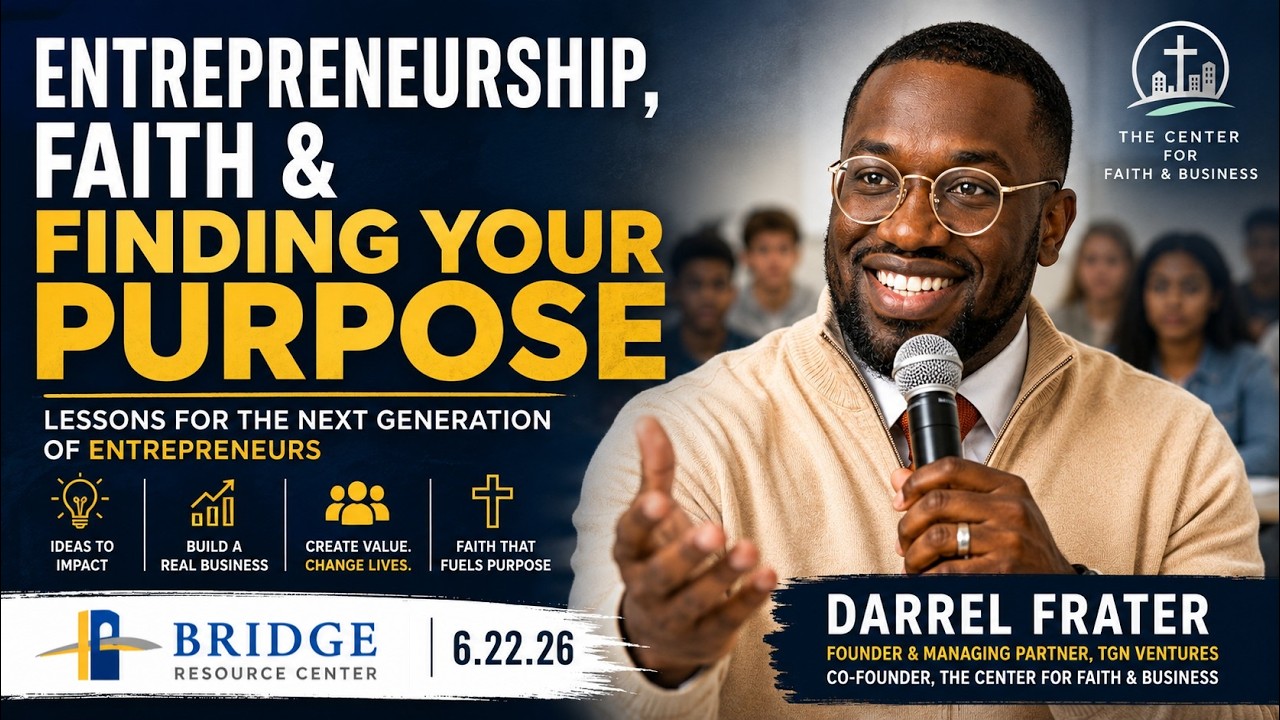
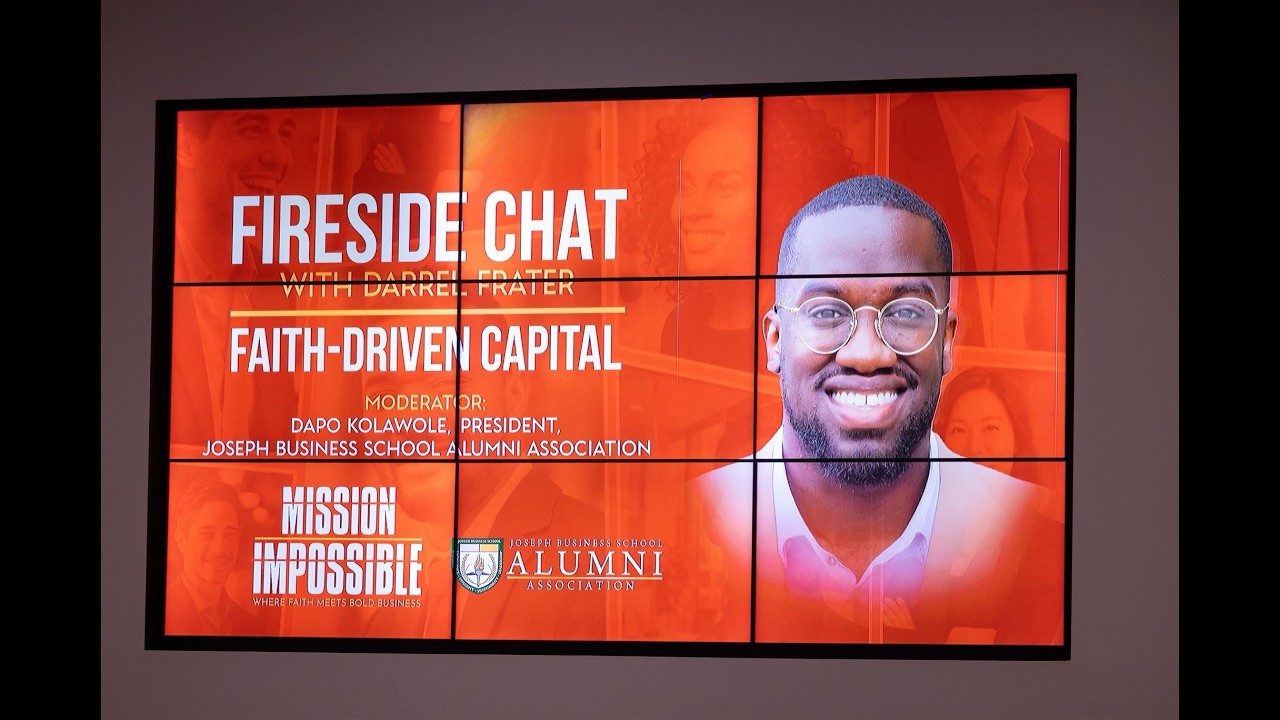

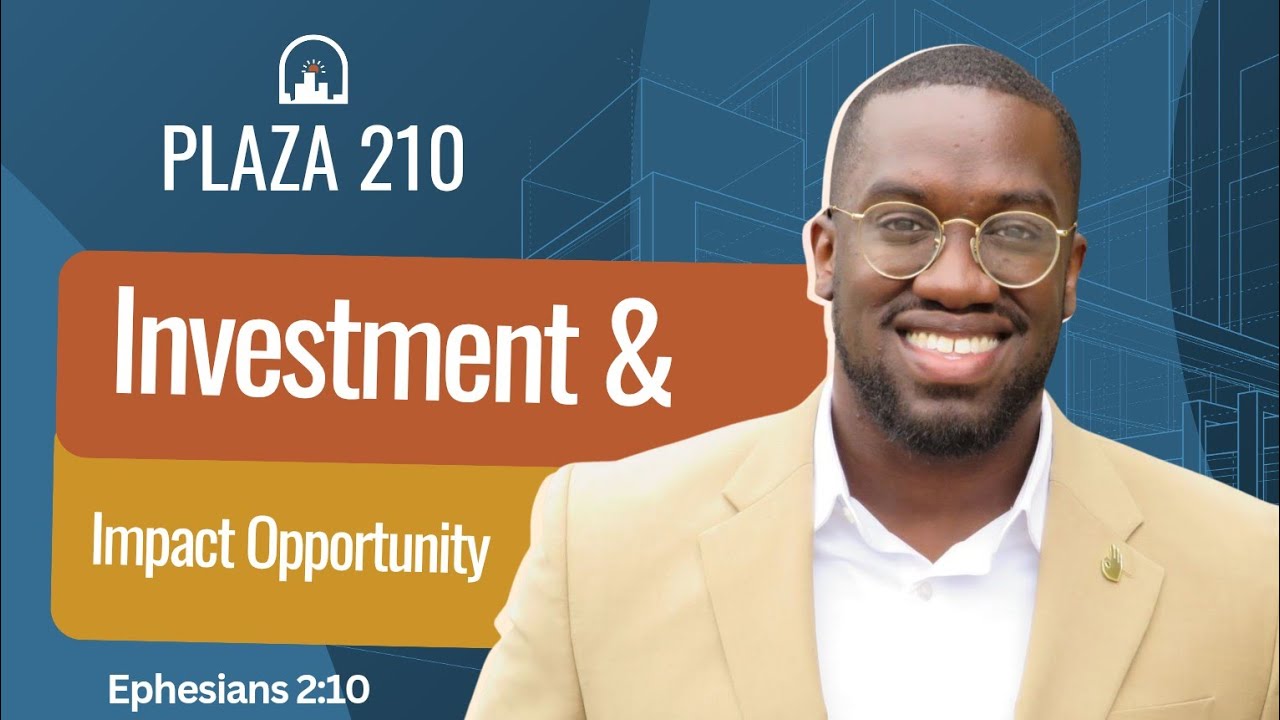
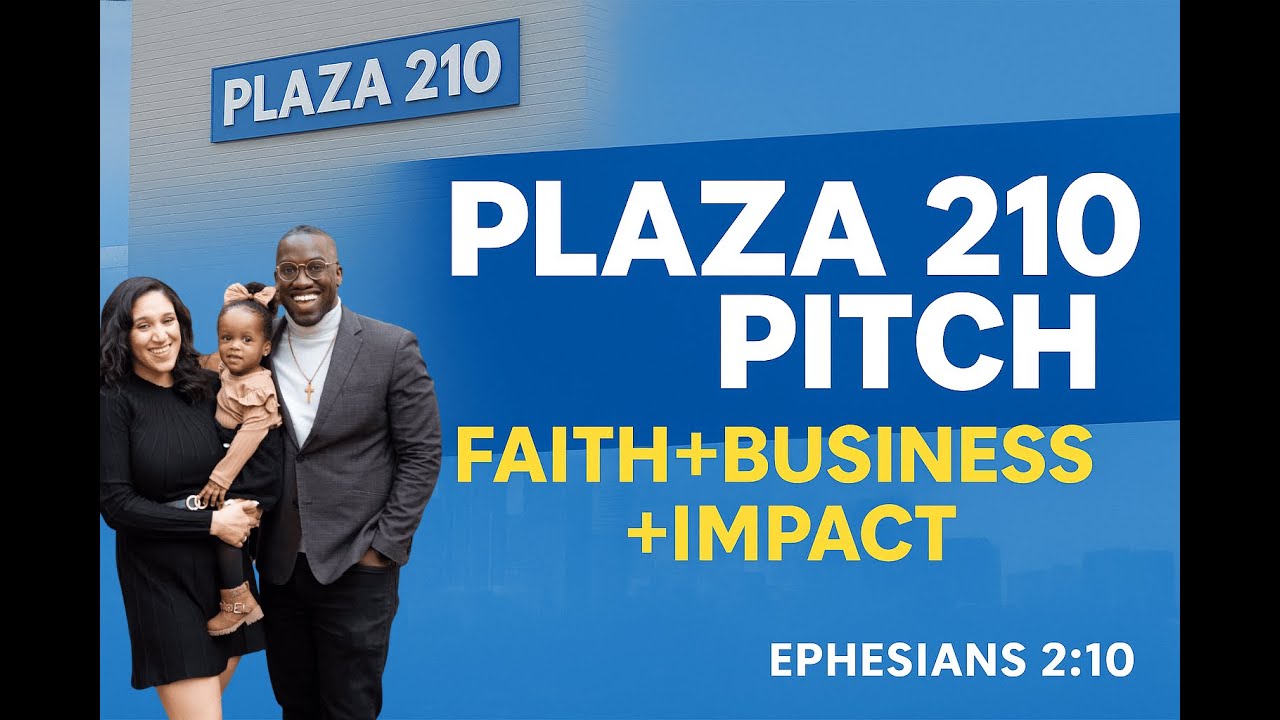
Plaza 210: Catalyzing Faith, Business, and Community in North Tulsa | Accelerate North Tulsa Pitch

💰 Get Funded! Founder Interviews w/ Preston Troutt, Founder and CEO at Crowdsurf 🚀 09-27-2024

💰 Get Funded! Founder Interviews by Serac Ventures w/ Rumaiza Ali, CEO at Wedy 🚀 08-30-2024
💰 Get Funded! Founder Interviews by Serac Ventures w/ James Chapman, CEO @ Plain Sight 08-16-2024

💰 Get Funded! Founder Interviews by Serac Ventures w/ Serge Amouzou, CEO and Founder 🚀 07-26-2024