The Chinese Company Building the First Real Cyborg
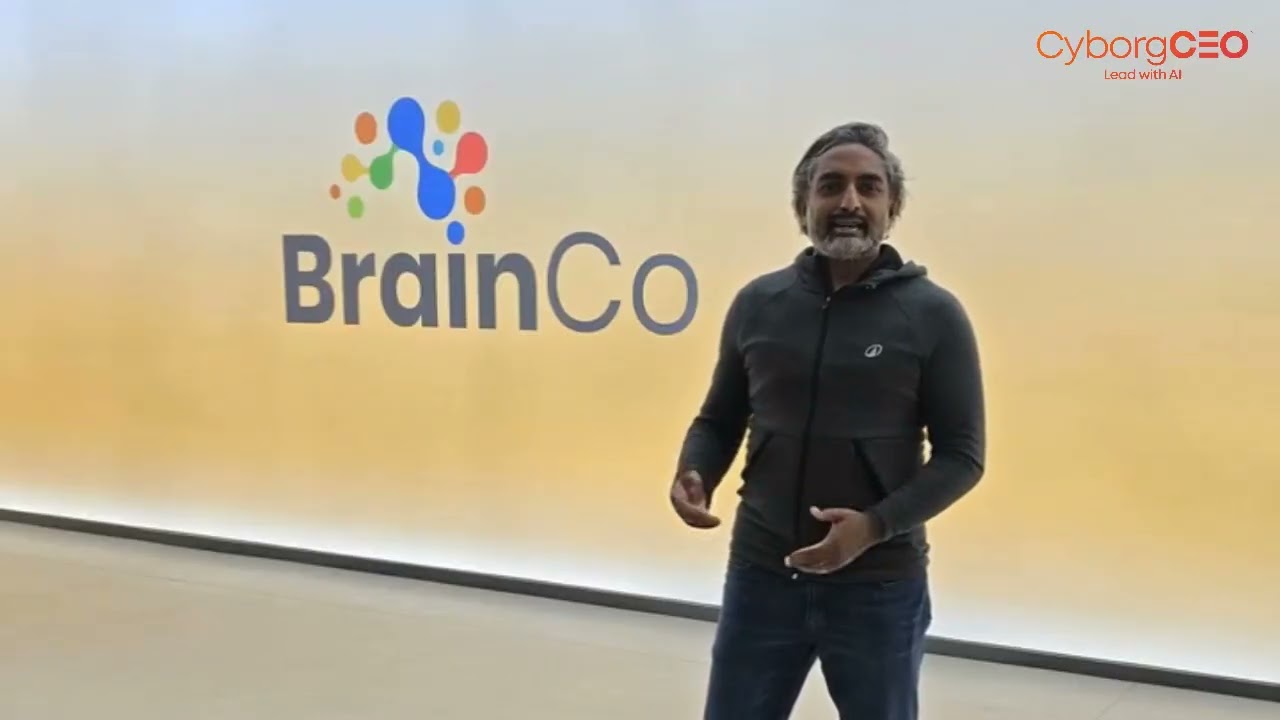
In this narrated segment, the host visits BrainCo’s Hangzhou headquarters and walks the viewer through the company’s suite of brain‑computer‑interface (BCI) products and its guiding philosophy. BrainCo’s focus headband, already deployed in Chinese schools, measures students’ attention in real time and has been adapted for ADHD and autism neurofeedback, as well as licensed to Formula 1 drivers. The centerpiece of the visit is an FDA‑approved prosthetic hand that moves directly from the wearer’s thoughts, costing roughly $14,000 versus $100,000 for comparable Western devices and subsidized to $2,200 for disabled users in China, helping 6,000 people in the last year. The company also offers a lightweight robotic knee capable of bearing 400‑500 kg and performing delicate tasks like playing piano. The underlying technology originated from NASA astronaut focus training, later repurposed for medical and performance applications. The host highlights a pivotal leadership decision: rejecting a lucrative brain‑controlled video‑game pitch in favor of socially meaningful products. BrainCo’s ambitious roadmap aims to restore work to 1 million disabled people, heal 10 million brain‑system patients, and reach 100 million BCI users within the next decade, effectively positioning the CEO as a “cyborg” leader. The segment closes with ethical questions about how leaders should evaluate powerful technology—by market size or societal impact—and where the line between human and machine should be drawn.