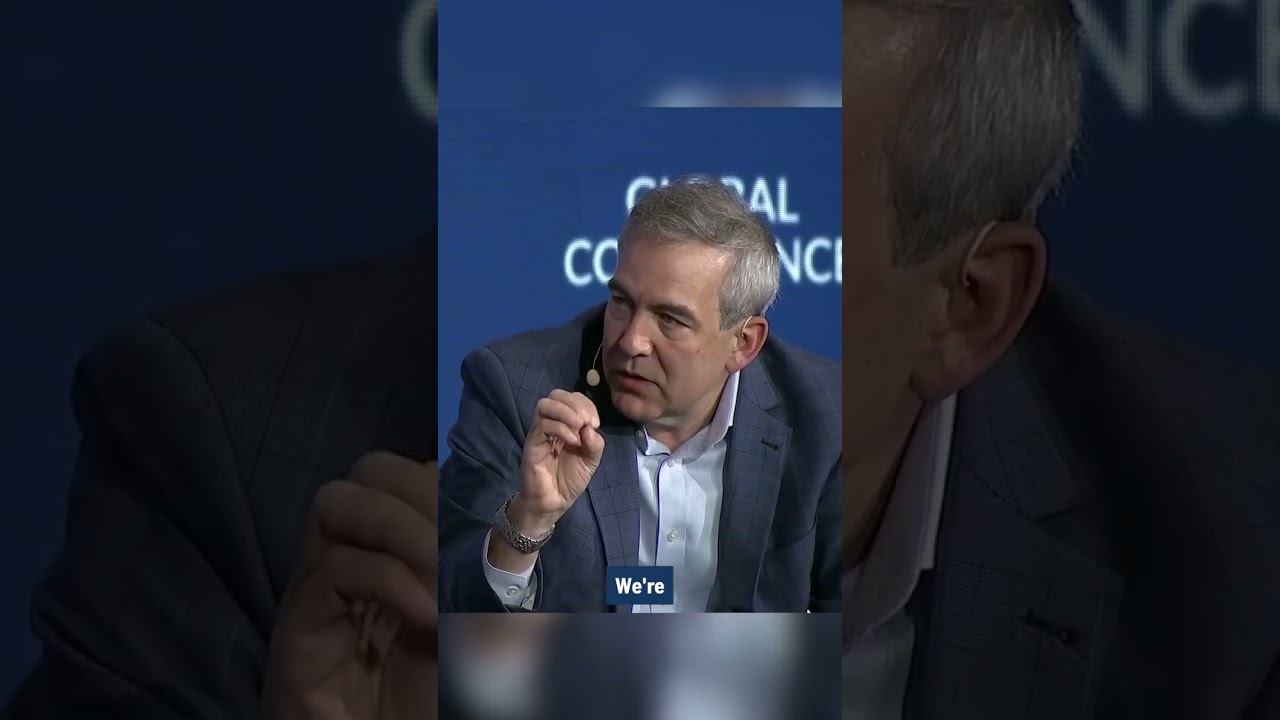
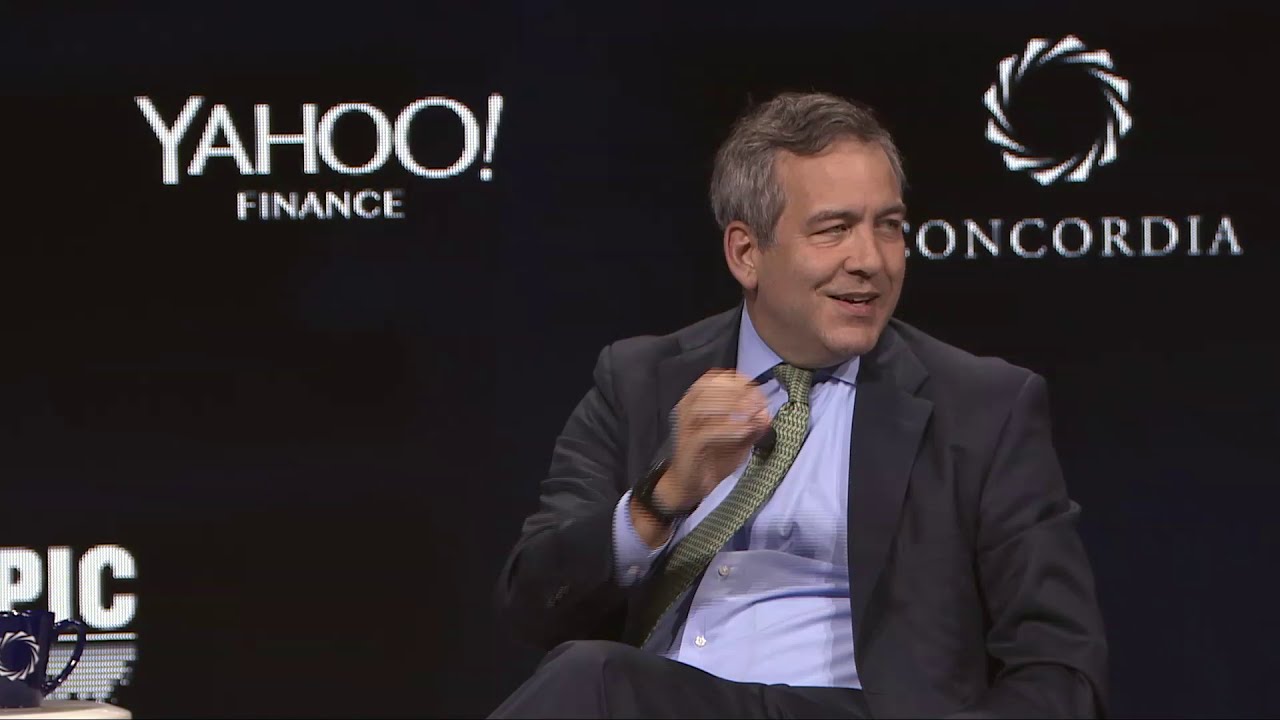
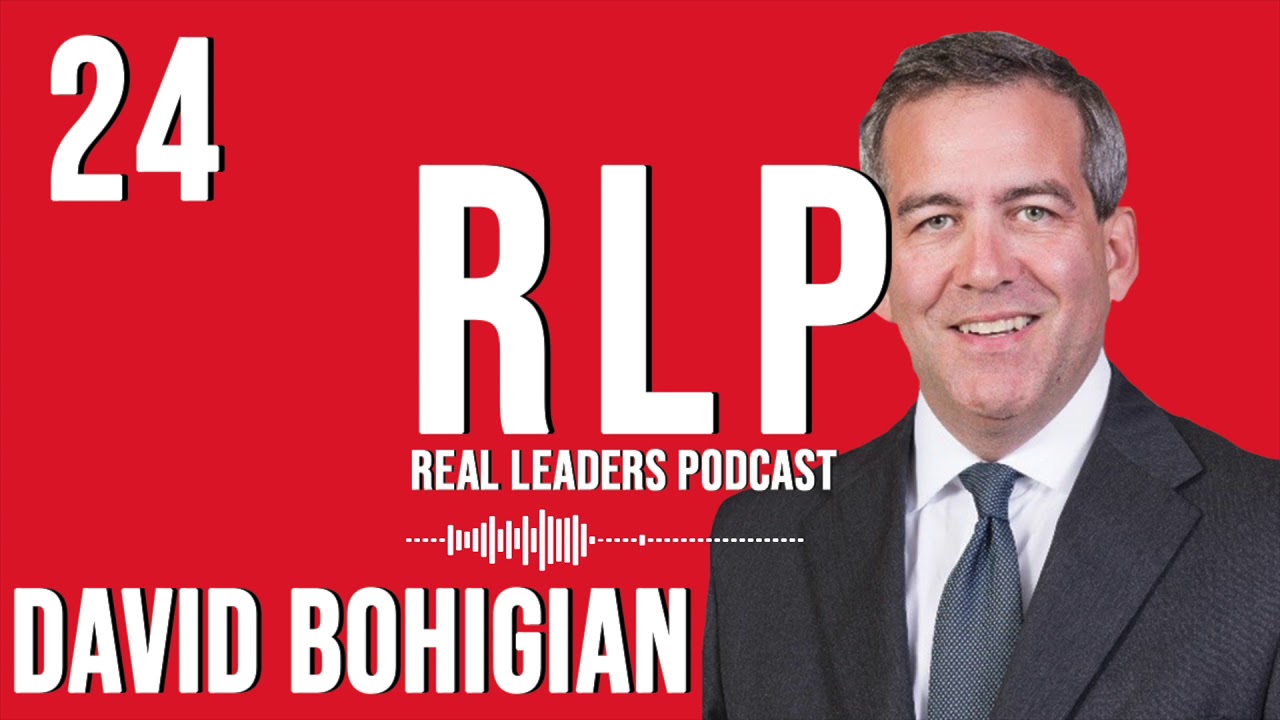
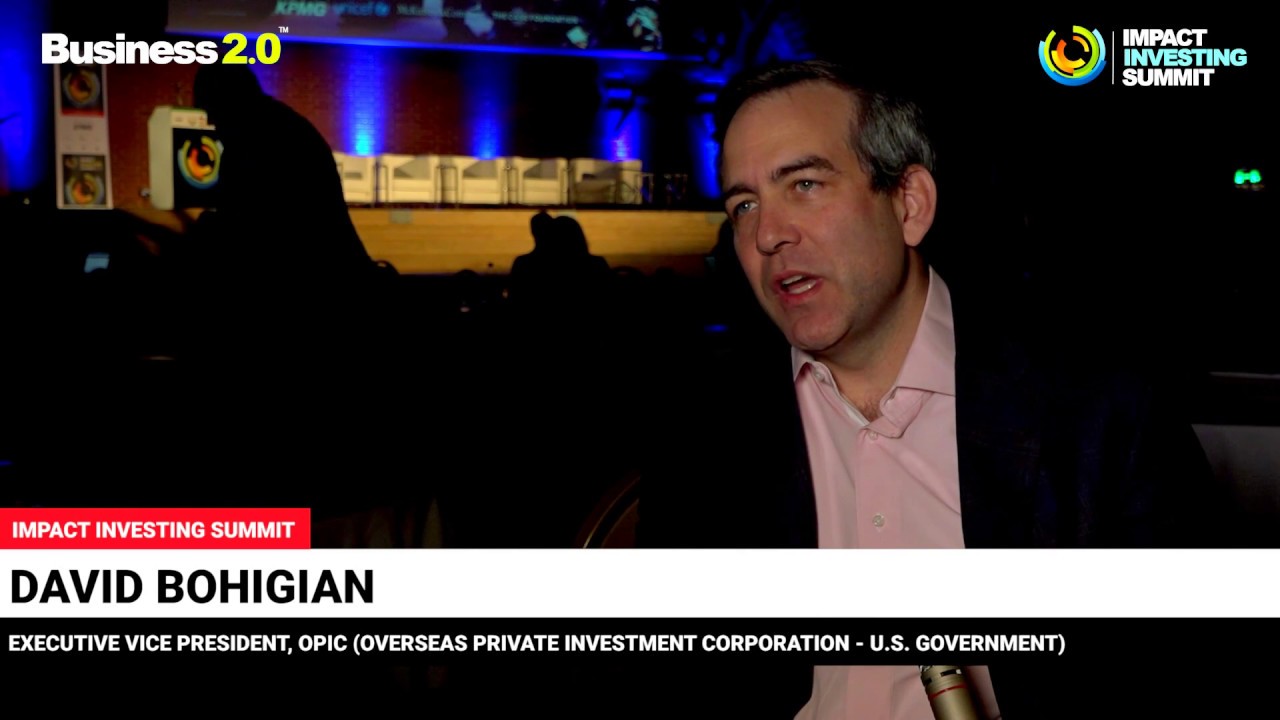
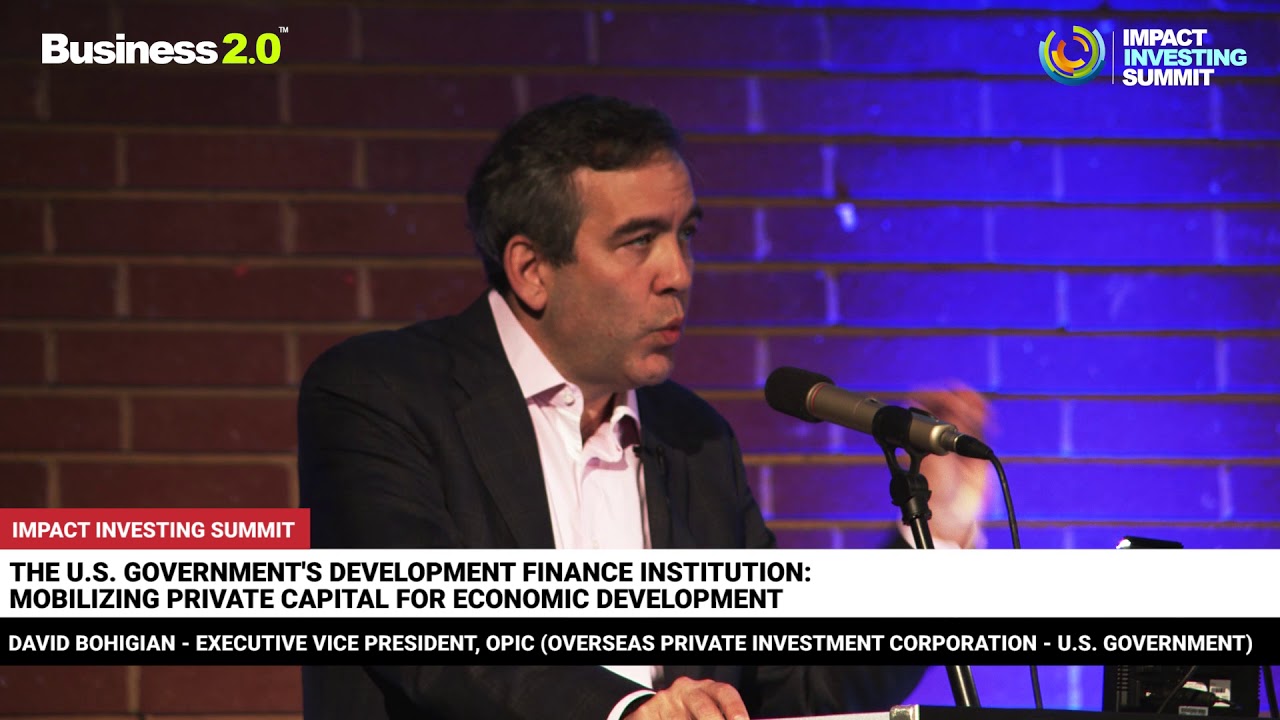
In a televised interview at the 2026 Aspen Ideas Festival, Meridian International Center CEO David Bohigian outlines his organization’s “open diplomacy” model, which moves diplomatic engagement beyond embassies into the realms of business, culture, and sport. He argues that AI optimism, popular media, and global events such as the NFL, UFC, and the World Cup reshape public perception and create new diplomatic pathways. Drawing on his experience at the Overseas Private Investment Corporation (now the Development Finance Corporation), Bohigian illustrates how government‑business partnerships can fund infrastructure, empower women‑owned firms, and address health challenges. A personal story about his Armenian grandfather’s migration underscores the human impact of such collaboration. He reflects on America’s 250‑year legacy, emphasizing optimism, innovation, and the transition to an information age. Bohigian then discusses Meridian’s role in helping nations craft prosperity playbooks, cites U.S. economic competitiveness—highlighting that 19 U.S. states rank among the world’s top economies and noting a 50% rise in foreign direct investment last year—and stresses the importance of scientific cooperation and supply‑chain resilience. Finally, he comments on the relevance of midterm elections and the need for bipartisan problem‑solvers, using Colorado as a model of “purple” governance.
Chapters
New York Stock Exchange was a proud supporter of the 2026 Aspen Ideas Festival. I was in Colorado earlier this summer and spoke with marquee leaders and speakers at the festival about how the world is changing and what ideas will shape the future. And that included David Bohigian. He's CEO of Meridian International. He explained how communication is changing in this ever-evolving ecosystem and why, quote, open diplomacy, end quote, is key. Let's take a look.
Meridian's been around since 1960 advancing diplomacy, and now we've got a theory of change that's open diplomacy. It just doesn't happen in embassies or in government halls. It happens with everyone in the room, the business leaders who are here in Aspen, the government leaders, and really to be able to take that conversation culturally first because that's what drives government change in a lot of ways. For instance, we've talked a lot this week about AI optimism here and the fact that Americans are generally pessimistic about the AI future. That's going to change in culture. And in fact, it's been set in the culture in many ways when you get dystopian novels and dystopian movies and other places in Asia have a more optimistic look at it. So I think you see that synthesis across culture and business and sports in a way that Meridian tries to promote through open diplomacy.
Why do you find that open diplomacy is especially important now?
Because we're living in almost a quantum age where it's everything everywhere all the time. You can't just have a bilateral relationship and expect that a trade agreement is going to solve it. You need the businesses to go there. When you see the NFL projecting around the world, when you see the UFC last week from athletes around the world, we see the World Cup that's going on right now. That's truly bringing people together in ways that couldn't ever happen in a way that was just government to government.
You, of course, have unique experience. You did serve under President Trump in his first term. How is that informing the work that you're doing now?
I think that's a great example of when I worked at the Development Finance Corporation of how government and business can work together. OPIC would operate, and now the Development Finance Corporation would operate in 100 countries around the world to catalyze capital on everything from literally building bridges to helping women-owned businesses get started. And it was not just government in the way that China does it to tell their companies where to go. It was truly being an important part of the capital stack and catalyzing projects that would cure blindness and be able to work with our allies around the world to promote their version of economic prosperity, not just a dictated one.
Are there success cases that you're proud of?
I'm proud of so many of them. My grandfather was an Armenian immigrant who left in 1915 after he saw his sister stoned to death. At 5 years old, he walked across Asia for 5 years to get to Vladivostok. to get to Yokohama, to get to San Francisco, to get to St. Louis where I got to live my American dream. And when I got to go back to Armenia into the village in which I was raised, I visited a home that American taxpayers had helped build. And in that home when I was talking to the family, there was a 5-year-old boy, my grandfather's age when he left, and his biggest concern in the world was getting to the next level of American video games. And it makes me enormously proud to think that's what diplomacy and working with business can do. To make the world a better place in just that amount of time.
We're sitting down as America will be turning 250 years old on July 4th. What does America 250 mean to you?
Well, I think America's always been an optimistic nation, and we've gone through different phase changes right now, and we're going through another. It's never been without our difficulties, right? Whether that was the Revolution, Independence Hall coming up with better ideas, or whether that was President Lincoln working through the Civil War into a new manufacturing age. Now we're going into an information age. And so as Thomas Jefferson said about 250 years ago, I like the dreams of the future more than the history of the past. And I think if we continue to stay optimistic and we continue to stay innovative, the next 150 years can be even better for America.
And in terms of getting there, talk to me more about the state of geopolitics and how specifically the work that you're, that you're doing at Meridian is going to get us there.
Yeah, I think Meridian helps countries understand what that playbook could be. I've got some art in my house that shows the Korean Peninsula at night, and North Korea is dark. No energy, no freedom. In the South, they chose a different path, and it's brightly lit up and innovative and culturally amazing. And so I think we need to choose that path, and that's what Meridian does, to be able to help other countries try and understand what their playbook can mean, what prosperity and opportunity can look like in their countries. Again, not just from a government-to-government standpoint, But you think about the World Cup teams that are visiting North America now and how that's bringing people together. And that sort of dynamism is what we need, not just in America but around the world to solve our problems.
Any takeaways from your panel earlier, David, about American competitiveness?
I think America doesn't get the credit for competitiveness that it deserves. If you look at the top 50 economies in the world, 19 of them are U.S. states. All the G7 economies would rank as our 48th or lower economic per capita state. It's amazing to think about the foreign direct investment in capital and the capital markets that you know about well investing in America in a way that they haven't in the past. We've tripled our foreign direct investment in the past 15 years, and it's 50% up just last year alone. Look, America's got enormous strengths we've been talking about today, and I think that's not been part of the discussion in a way that there's been a lot of signal-to-noise around what's going around tariffs or sanctions or war. Those are all true and those are all things that we need to work our way through. But there's a, there's a piece of this where it's scientific cooperation across energy or biotechnology with our European colleagues. We're working on supply chains throughout the hemisphere. We're working with our Asian partners on dynamism there that I think gets underplayed.
We have America turning 250 years old. We have Colorado on August 1st, the governor told us this morning, turning 150 years old. And then, of course, the midterm elections. Are the midterms something that you follow closely at your organization, and do they play a role?
Well, Meridian's a Washington-based organization, just— it's 9 minutes north of the White House, so of course we pay attention. I think what's been important is the interplay between the president and Congress and being able to make sure that we can actually have— find some problem solvers between the branches and within the branches. Colorado has been an example of a good purple state that seeks out problem solvers. And that's what made it one of the most prosperous states in the country. And so I think if we can replicate that at a national level, we'll all be better off.
All right. Thanks again to David Bohigian, CEO of Meridian International Center, for that interview.