Crisis to Stewardship
A roadmap for families facing foreclosure within 24-48 hours, starting with emergency loan modification through a four-step rescue process that targets debt-to-income ratios of 31-35%. When modification fails, alternatives like subject-to agreements and managed sales preserve equity. The Financial Stewardship Partnership then teaches budgeting and wealth-building through churches, creating stable families and stronger communities.
Chapters
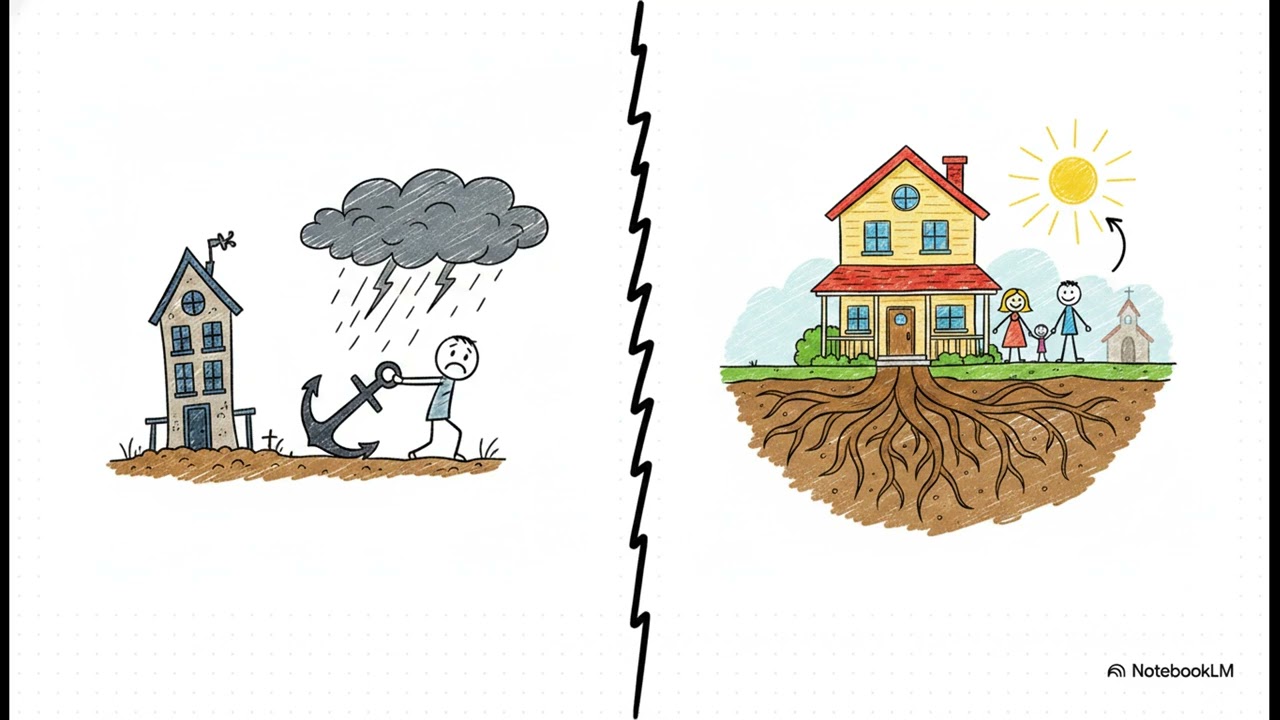
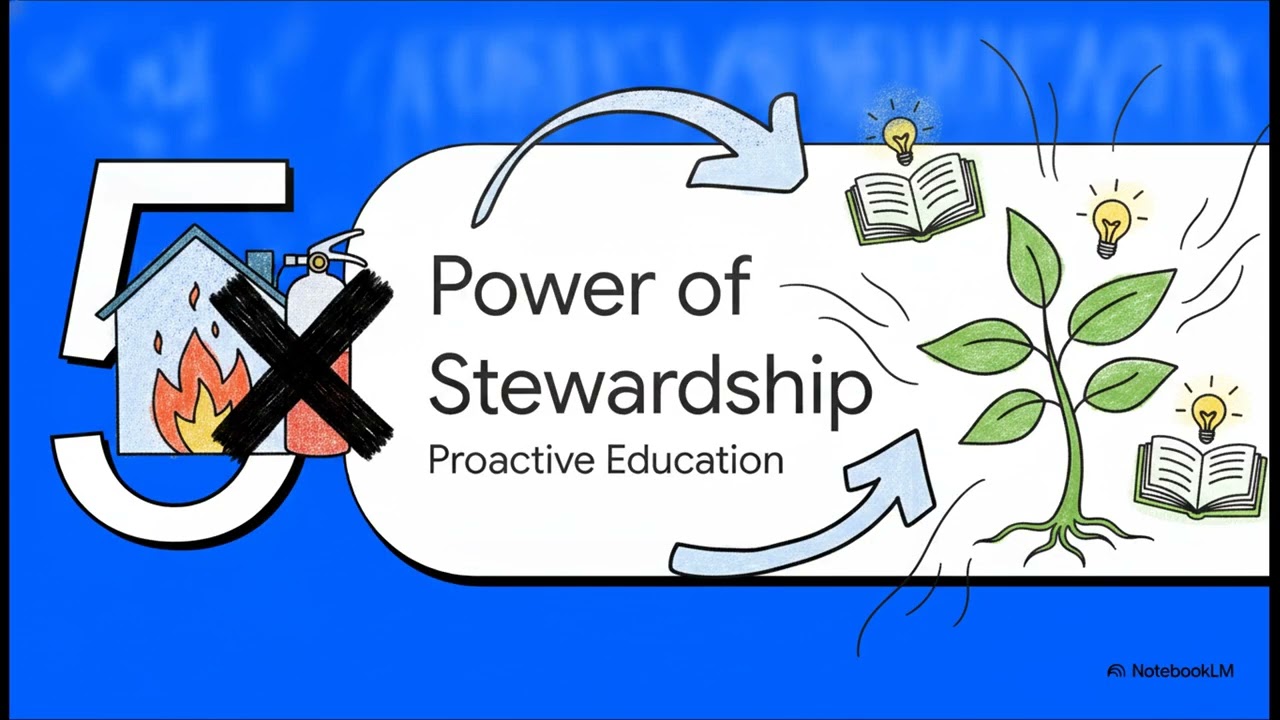
Alright, let's dive right in! Welcome to This Explainer. Today, we're tackling a journey that is, literally, life-changing. We're looking at the path from an absolute financial emergency—specifically, that terrifying reality of almost losing a home—all the way to building lasting, multi-generational wealth. It's an incredible progression, and as we'll see from the resources we're breaking down today, it is totally possible. So here's the million-dollar question: how do we actually get families out of a severe financial crisis? And into lasting stability. I mean, it's one thing to just slap a Band-Aid on a problem, right? But it's a whole different ballgame to move a family out of pure survival mode, where they're just desperately trying to keep a roof over their heads, to a place where they are thriving, supported by their community. We're gonna look at exactly how to stop foreclosure in its tracks, and then how to flip that momentum into a lifelong foundation of stewardship. So, here's our roadmap for this explainer: First, facing the foreclosure crisis. Second, strategies to save homes. Third, the math of modification. Fourth, exploring your real options. Fifth, the power of stewardship. And finally, empowering the church community. All right, Part 1: Facing the Foreclosure Crisis. When you're staring down the imminent loss of your property, the anxiety is just paralyzing. It's not just a money problem, you know? It's deeply emotional and hits the entire family unit hard. And what's honestly terrifying is this number: 48 hours. In the source material from foreclosure specialists, we see that homeowners sometimes face emergency auctions with literally just 24 to 48 hours to halt a sale. I mean, just imagine the panic. It feels like all hope is totally lost. But the data shows us that even in these extreme, absolute zero-hour situations, there are actual mechanisms designed to hit the brakes. Which brings us to Part 2: Strategies to Save Homes. Because look, while the threat of losing a home in a matter of hours is severe, the response doesn't have to be total chaos. Saving a home follows a very deliberate, 4-step process that professionals use to stop the sale, cut through that paralysis, and help the homeowner get control back. It kicks off with a simple, no-obligation consultation just to assess the damage. But Step 2, that is the game changer—emergency action. This is where specialists file the exact necessary documentation to postpone the auction and buy you that critical time. Once the clock is finally paused, they move to Step 3: compiling a comprehensive loan modification package. We're talking hardship letters, budget worksheets, the whole shebang, before finally moving to step 4: negotiating directly with the servicer's loss mitigation team. It's a highly structured rescue operation. Next up, part 3: the math of modification. Here's a little secret: saving a house isn't magic. It isn't about just hoping the bank takes pity on you. It is entirely about the math. And the absolute most important term you need to know here is DTI, or debt-to-income ratio. This is simply the percentage of your gross monthly income that goes toward paying your housing debts—your principal, interest, taxes, and insurance. The source material reveals that most lenders operate with a super strict 31 to 35% target for modification approval. If your proposed payment doesn't fit into that exact little window, the modification gets denied. It is really that black and white. And we can see exactly how this math plays out in the real world. Let's say a homeowner has a high interest rate. Like 7 or 8%. Their DTI is going to be way up in the 40s. According to the lender's rules, they simply cannot afford the home. But by negotiating that interest rate down into the 5% range, the monthly Principal, Interest, Taxes, and Insurance, which is often called PITI, drops significantly. And that brings the total DTI right down into that 34.8% sweet spot. That right there, that is the exact mathematical moment a family gets to keep their home. Moving on to Part 4: Exploring Your Real Options. Now, while a permanent loan modification is absolutely the ideal outcome, we have to be realistic here. Every single situation is unique, and forcing a modification when the math just doesn't work out, well, that's only gonna lead to more heartbreak down the line. That's exactly why there's a whole toolkit available. If modification isn't the answer, there are resources for debt reduction to just create some breathing room. There are creative financing options like subject-to agreements, and honestly, Sometimes the absolute best financial decision is selling with a flexible plan. Transitioning toward a clean, managed sale protects whatever equity you have left rather than just losing it all to the bank. The whole goal is making an informed decision, not a desperate one. All right, Part 5: The Power of Stewardship. Saving a home from foreclosure is incredible, don't get me wrong, but it's fundamentally reactive, right? It's putting out a fire. Ensuring that families actually thrive long-term so they literally never face that fire again requires a massive shift in focus. It means moving from reactive survival mode to proactive financial education. And this is exactly where the Financial Stewardship Partnership comes in. It's a practical education initiative built completely around a "helping people first" philosophy. It essentially takes the incredibly complex world of finance and breaks it down into accessible, actionable steps for everyday families who might never have received this vital kind of financial literacy. The overarching goal of all these educational resources is super powerful: empowering you to buy a home no matter where you are starting. Whether you're dealing with past foreclosures, maybe you have high debt, or you just feel totally, completely locked out of the housing market, this practical coaching proves a point: with the right blueprint, homeownership isn't just some privilege for the few; it is a completely attainable reality for anyone willing to learn the steps. There's just this beautiful contrast here between the foundational groundwork and the big, visionary outcome. On one hand, you're doing the gritty, hard work—learning debt reduction, understanding business funding, grasping the dry mechanics of money management. But the result of all that hard work? It's achieving true financial freedom and actually building generational wealth. It connects that everyday, sometimes tedious financial discipline to the deeply emotional, incredibly rewarding goal of a secure family future. And finally, Part 6: Empowering the Church Community. Now, you might be wondering, where does this education actually happen? Who's guiding these families? Well, the source material highlights that the church plays a surprisingly pivotal and really powerful role in this entire financial journey. Churches are uniquely positioned to partner with these financial initiatives because, think about it, they already provide community support and accountability. By bringing practical coaching right into the congregation, the church's impact goes way beyond just Sunday mornings. It actively transforms lives throughout the rest of the week. Plus, these partnerships often include referral-based fundraising designed to funnel resources right back into crucial church outreach programs. It's just a brilliant synergy. So, the ultimate goals of combining this financial literacy with community support are profound. We're talking about creating stable homes where children can actually thrive. It's about achieving true financial freedom, giving members the tools to start and grow their own businesses, and building wealth that truly lasts for generations. But the absolute bottom line here, the most crucial takeaway, is that strong, financially stable families naturally lead to a stronger church and a much more resilient community overall. I really want to leave you with this powerful thought straight from the source material: When we invest in people, we invest in the kingdom. Saving a home, restructuring your debt, learning how to budget—these aren't just secular, boring financial chores. They are profound acts of stewardship. When a community invests the time to educate and lift its members out of a financial crisis, the ripple effects are just monumental. We've covered quite a journey today, from the absolute panic of a 48-hour auction notice to the beauty of building generational wealth. Now it's time to look inward. What step will you take today to build a stronger financial future for your family and your community? Whether it's seeking out a consultation, sitting down to create a budget, or even bringing financial education to your local church, The tools are right there. The math works. The choice is yours. Thank you so much for joining me on this explainer, and I seriously can't wait to see how you put this knowledge into action.