Financial Stewardship 1
David Ivery presents the Financial Stewardship Partnership, a six-part church program that teaches members money management, debt reduction, and homeownership. The idea: when families get out of financial stress, they give more to the church and serve their communities better.
Chapters
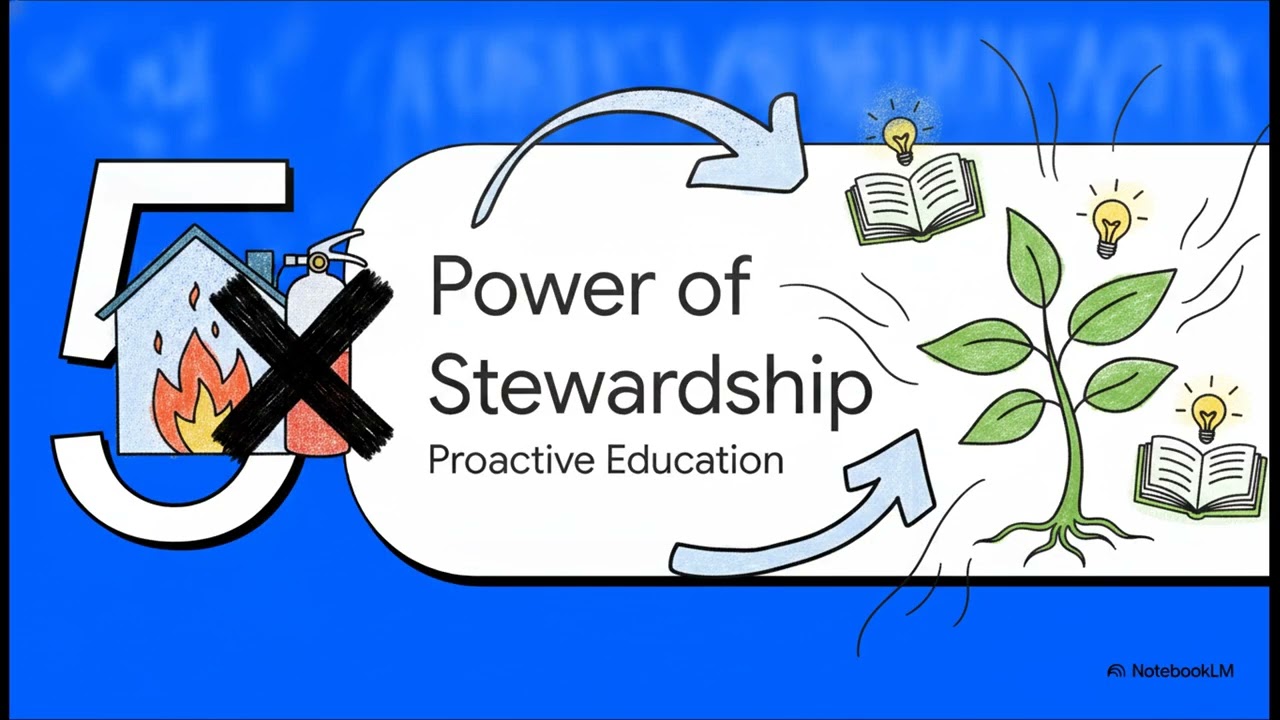
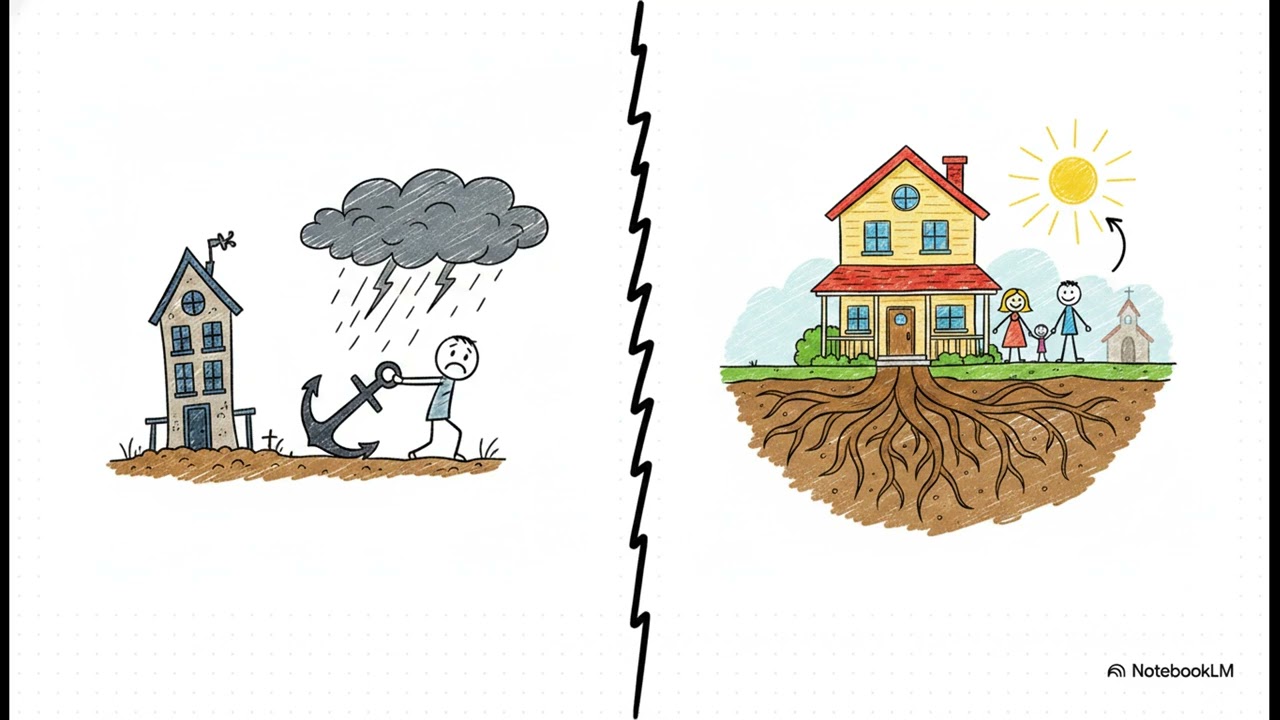
Welcome everyone to today's explainer! You know, I am absolutely thrilled you're here today, 'cause we're unpacking something that literally has the power to transform your congregation from the inside out. We're talking about the Financial Stewardship Partnership. As church leaders, I know you pour your hearts into your community's spiritual well-being every single week. But today, we're gonna look at a highly structured, incredibly effective way to empower your members financially. When we strengthen the financial foundation of our families, we don't just change their checking accounts, we literally build stronger, more resilient churches. Okay, let's dive into this. I want you to close your eyes for just a second and visualize the exact people sitting in your pews this past Sunday. Imagine the profound relief, the absolute joy on their faces when a young family in your church finally gets the keys to their very first home. Picture a couple who's been weighed down by crushing stress for decades, finally cutting up those credit cards and becoming completely debt-free. We aren't just talking about abstract numbers today, right? We are talking about real-life change. Breaking chains of burden, and bringing hope back into the homes of the people you shepherd. So, here's our quick roadmap for the explainer today: 1. A Vision for Your Church. 2. The Help People First Philosophy. 3. Pathways to Financial Freedom. 4. The Power of Homeownership. 5. Building Community and Accountability. And finally, 6. Investing in the Kingdom. Starting us off, Section 1: A Vision for Your Church. Now, the vision here expands entirely beyond your typical Sunday morning service. Yes, Sunday is obviously the heartbeat of your ministry, but Monday through Saturday? Well, that's where your congregation actually lives, works, and frankly, often where they struggle. By integrating this partnership, your church becomes recognized in the community not just as a place of worship, but as a real pillar of practical, daily transformation. You become the catalyst that helps families navigate the absolute hardest parts of their lives, providing them with the exact tools they need to breathe a little easier throughout the entire week. Let's look at exactly what this transformed future looks like for your members. We want to help them become homeowners, drastically reduce their debt, build rock-solid financial stability, and strengthen future generations. And here's a difficult truth we really need to stress today. So often, families in our congregations are hiding the struggle. They smile, they sing on Sunday, but behind closed doors, they are drowning. Some are currently facing the terrifying reality of foreclosure right now. This program is designed to intervene directly, stop that hidden struggle in its tracks, prevent financial collapse, and keep them in their homes, while also making sure future members never have to fear the same fate. Moving right along to Section 2: The Help People First Philosophy. Help People First. It's not just a catchy tagline; it's a vital, practical education initiative. It recognizes a pretty fundamental truth of ministry: it is incredibly difficult for people to serve others when they are drowning themselves. Practical financial education is, quite literally, a ministry tool. When you help families get their financial house in order, you're lifting a massive weight off their shoulders. And when that weight is lifted, they suddenly have the margin, the energy, and the resources to turn outward and serve their families, your church, and the broader community with actual joy. And this brilliantly illustrates our goal. Faith and finances, they don't have to be opposing forces. They can totally grow together. When we teach stewardship, we're really teaching discipleship. Financially secure members aren't just comfortable; they naturally become stronger, more active supporters of the ministry. They have the peace of mind to focus on spiritual growth rather than just making it to the next paycheck. Alright, Section 3: Pathways to Financial Freedom. The curriculum is built on these absolutely essential core components. We're not just telling people to, you know, spend less. Actually, scratch that. We are giving them proven debt reduction strategies. We're providing business funding education for the entrepreneurs sitting in your pews, and we're teaching generational wealth-building principles. These are the essential building blocks. If we want our church communities to be strong, we have to equip our members with the actual blueprints for lasting financial stability. So there's a very direct correlation here. Step 1: Provide baseline financial education. Step 2: Achieve debt-free living. Remember those families we just mentioned, who are silently struggling? This is their lifeline. By bringing this education directly into the church, you're demystifying money. You're giving them a safe environment to confront their debts, create a real plan, and ultimately break those chains. This is exactly how you prevent financial disasters before they happen, keeping families whole and healthy. But we don't just stop at zero debt, do we? We wanna build! Step 1 of this pathway involves practical coaching, leading to Step 2: Successful small business ownership. Imagine the single parent in your congregation who has a brilliant idea but literally no idea how to fund it. Through practical, targeted coaching, they can start and grow a thriving business. This doesn't just change their current income; it completely alters the trajectory of their entire family tree, building wealth that will impact future generations of your church community. Which brings us to Section 4: The Power of Homeownership. Now, what's really interesting about this slide is the stark contrast. On one side, you have financial instability, defined by debt and a lack of wealth, which just breeds anxiety and transient living. On the other side, you have stable family environments anchored by homeownership and generational wealth. Easing the path to homeownership is absolutely critical. When families transition from renting to owning, their roots go deep. And historically, we see that homeowners become far more consistent, engaged, and robust supporters of the ministry because they are physically and financially invested in their local community. But listen, it's not just about getting the keys. It's about keeping them. The program is deeply focused on empowering families to maintain secure, stable homes. We're providing the resources the education, and the safety nets to stop foreclosure threats in their absolute tracks. We want to ensure that families can stay in their homes when the economy shifts, protecting them from eviction and making sure that future members of your congregation never have to live in fear of losing their family's foundation. Section 5: Building Community and Accountability. The thing is, the church is uniquely positioned to do this better than, well, literally any bank or financial institution. You already have the trust. You already have the relational equity. By hosting this within your church, you're providing the critical support and loving accountability that people need to stick to a budget, to save for that down payment, or to navigate a sudden financial crisis. They aren't doing it alone out in the cold; they're doing it alongside their church family. To summarize this whole ecosystem, as a church partnering with this initiative, you aren't just handing out a worksheet; you're facilitating a comprehensive network. You're providing the financial education, the coaching, the homeownership resources, and the wealth-building strategies, all wrapped tightly in community support and accountability. This holistic approach ensures that when a family hits a speed bump—and they will, for sure—they have a whole community ready to help them stay on track and keep their home completely secure. And our final section, Section 6: Investing in the Kingdom. Let's move to and see how this builds together through this ecosystem flowchart. On the left, we have member empowerment and education, achieving financial freedom, and paving the path to homeownership. But follow those arrows to the right. As that seed grows, the impact flows directly into the church community. Stronger families lead to a stronger church, which leads to a church that goes beyond Sunday mornings to impact the broader city. The individual breakthrough literally fuels the corporate mission. We're strengthening the mission in multiple ways here. First, as we've discussed, stable homeowners and debt-free families are historically better, more generous supporters of ministry. But there's also a structural benefit to the partnership. It includes optional referral-based fundraising opportunities. This means that But as your members utilize these trusted financial and real estate services to better their own lives, it actually generates funding that goes right back into supporting your church's outreach and programs. It's a true win-win for the whole shebang! So, the crucial point is perfectly captured right here. When we invest in people, we invest in the kingdom. If we want to see our churches expand, our missions thrive, and our communities completely transformed, we have to start by investing in the practical, daily lives of the individuals sitting right in front of us. When you relieve their financial burden, you unleash their spiritual and kingdom potential. I'm gonna leave you with this question today: How will your church empower its families for the future? The tools are right here. The blueprint is proven. Your congregation is waiting for this kind of practical leadership. It's time to help families build secure homes, wipe out those hidden struggles of debt, and build a thriving, deeply rooted church community together. Thank you so much for joining me on this explainer. Keep leading well, and I'll catch you next time.