Financial Stewardship 2

David Ivery presents the Financial Stewardship Partnership, a church program that teaches debt reduction, homeownership, and wealth building instead of relying on traditional fundraising. Many congregants live paycheck-to-paycheck in silent debt, and the curriculum aims to break that cycle through community accountability and practical financial guidance.
Chapters
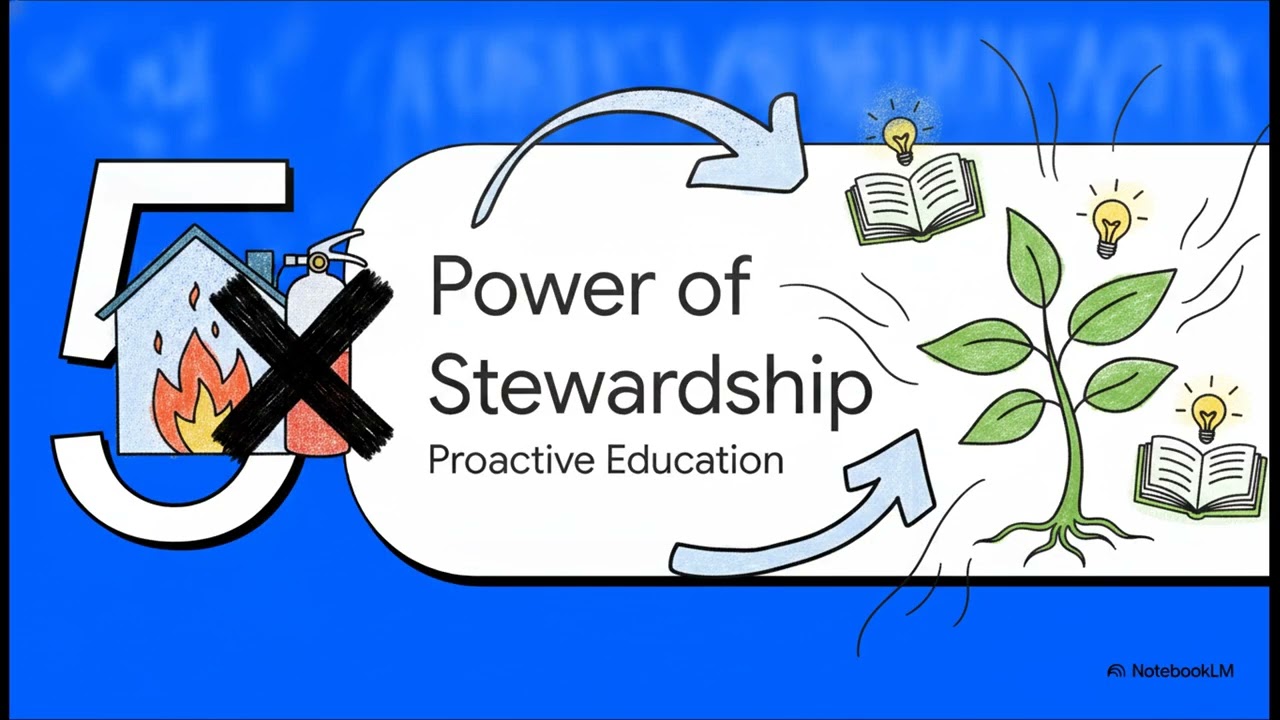
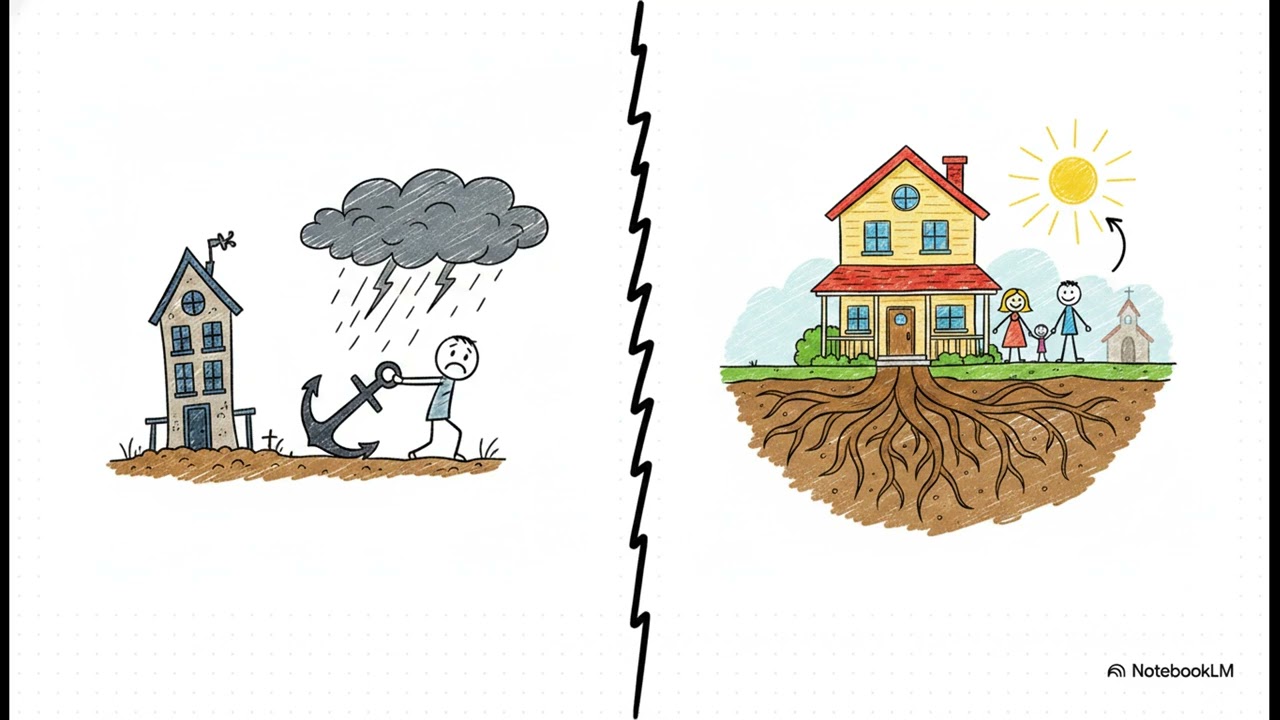
Alright, let's jump right into this explainer. Imagine for a second a deeply faithful church congregation. But behind all the Sunday smiles, families are just— silently drowning in debt. They're living paycheck to paycheck, totally stressed about money, and feeling incredibly insecure about their future. Listen, traditional bake sales? They're not gonna fix that. So today, we're unpacking the Financial Stewardship Partnership. It's a program literally designed to rewrite the financial DNA of congregations from the inside out. So what if your church could actually help families buy their very first home? That's the core question we're tackling today, but honestly, it goes way deeper than just getting the keys at the closing table. We're talking about turning Sunday attendance into serious, life-changing financial stability. It's about giving folks the exact tools they need to stay in those homes for good, totally shielding them from the nightmare of a financial crisis. Okay, here's our quick roadmap for this explainer. First, envisioning stronger church communities. Second, The Help People First Philosophy. Third, Education for Financial Freedom. Fourth, The Path to Home Ownership. And finally, Impact Beyond Sunday Mornings. Alright, kicking things off with Section 1: Envisioning Stronger Church Communities. Now, the end goal here isn't just about bumping up the weekly tithe, right? It's a massive, multi-generational shift. We're talking about helping families become homeowners, crushing their debt, building real financial stability, and strengthening the next generation—long before they even walk through the church doors. This whole partnership is about raising the financial baseline for absolutely everyone in the community. Moving right along to Section 2: The Help People First Philosophy. This philosophy is a total game-changer. Help people first. The big idea here is that before a church starts stressing over physical infrastructure, you know, like raising money for a new roof or a bigger fellowship hall, they actually need to proactively invest in the people themselves. It flips the traditional fundraising script completely upside down. The logic is so simple but so profound: you build up the people, and those strong people will naturally build the church. So what does this people-first investment actually look like in the real world? Well, it boils down to comprehensive education. We're talking about a holistic curriculum—things like homeownership strategies, debt reduction, business funding, and wealth-building principles. And it's all anchored by real accountability and a strong sense of community. It's designed to empower folks at literally every single stage of their financial journey. Which brings us perfectly to Section 3: Education for Financial Freedom. Let's break down how this actually works in practice, because the cause and effect here is just brilliant. Giving people financial education isn't some abstract concept; it directly leads to debt-free living. Practical coaching? That specifically paves the way for members to successfully run their own small businesses. And by providing targeted homeownership resources, you're directly building secure, stable family environments. It is a literal blueprint to take a family from just struggling to genuinely thriving. And you know, the church isn't just some passive venue where these classes happen, not at all. It's a vital, active partner providing critical community support and accountability. Plus, the churches actually get optional referral-based fundraising opportunities out of it. Meaning, as they help their members get financially healthy, they're simultaneously expanding their own outreach programs. It is totally synergistic. Now for Section 4, and this one is absolutely crucial: the path to homeownership. The program brings very specific resources to the table to help families not just purchase but maintain stable homes. And I want to pause on that word maintain because it is massive. Yes, we are incredibly focused on easing the path to buying a home, but it is equally, if not more, about actively saving homes from the devastating threat of foreclosure later on. We have to keep families in their homes. By ensuring they have the financial literacy, the emergency reserves, and the debt management skills, they can actually weather those unexpected economic storms. This is about creating true stability, completely removing the constant fear of losing their safe haven. Because when families become financially stronger, they are infinitely better equipped to serve. Think about it. If you're living in constant anxiety, terrified you're gonna miss a rent payment or that the bank is gonna take your house, you are literally in survival mode. You can't think about anything else. A secure, stable home removes that crushing weight. It allows a family to shift from merely surviving to living a life of active service, generosity, and real community impact. And that leads us to our final section, Section 5: Impact Beyond Sunday Mornings. You can really start to connect the dots on everything we've covered today. On one hand, you have this aspirational vision. A young family buying their first home, a couple finally breaking free from debt, or maybe a single parent launching a business. On the other hand, you have the practical partnership that turns those dreams into reality. We're moving from "imagine if" to "hey, together we can actually build a stronger future." It connects what the heart wants directly to the actionable steps to get there. So what's the ultimate takeaway here? It's basically a massive domino effect. When you equip individual members with financial knowledge, that leads directly to creating stable homes and achieving real financial freedom. From there, those financially free, stable families are the ones who start businesses and build generational wealth. And all of that? It culminates in strengthening the entire community. It proves, beyond a shadow of a doubt, that a strong church community is built on a rock-solid foundation of empowered, financially literate families. To sum it all up, when we invest in people, we invest in the kingdom. Proactive financial education isn't just some nice little community perk or a secular side project. No way! It is a deeply spiritual imperative. Lifting people out of financial bondage is absolutely central to their overall well-being. So, I'm gonna leave you with this final thought to chew on: How could practical financial coaching completely transform your local community? Seriously, challenge yourself to imagine the incredible ripple effect in your own neighborhood if the families around you were suddenly freed from crippling debt, kept safe from foreclosure, and empowered to build generational wealth. It changes absolutely everything. Thanks for hanging out with me for this explainer, and I really hope this sparks some powerful, transformative conversations in your own communities.