A church builds lasting value by teaching members financial skills instead of just collecting donations. When people escape debt and build savings, they shift from survival mode to surplus, then reinvest time and money back into the community. One person's path to homeownership shows how individual stability multiplies church impact.
Chapters
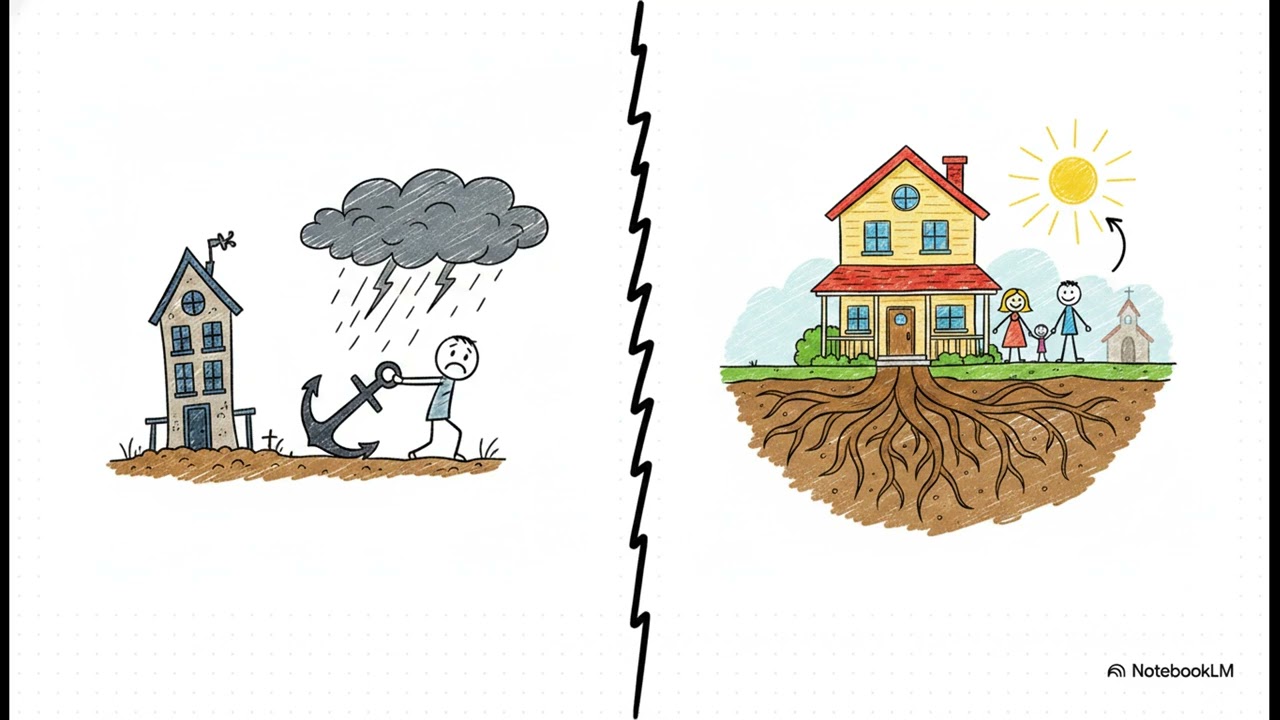
How does financial stewardship actually build value for a church beyond just gathering weekly donations? It's hard to expand community impact when your congregation is trapped in financial survival mode. Take a single parent who is overwhelmed by debt with zero excess time or resources to give to their community. The stewardship cycle begins with a direct intervention, providing practical financial education and coaching to eliminate that burden. But here is the counterintuitive part: the immediate value created doesn't go back to the church; it stays entirely with the family to help them achieve personal milestones, like purchasing their very first home. By achieving personal financial freedom, they cross a critical threshold. They shift from operating in a deficit to possessing a sustainable surplus. And once that stability is unlocked, the cycle completes. Financially strong families naturally reinvest to serve and fund their broader community. So that struggling single parent didn't just clear their debt, they started a successful business and became a foundational pillar of their church's outreach.