Financial Stewardship

A framework called The Blueprint helps churches teach families financial stability through four steps: foundational education, debt reduction, wealth building, and community coaching. The core idea is "help people first" so families can serve their church and community better, with outcomes including homeownership, debt freedom, and small-business launches.
Chapters
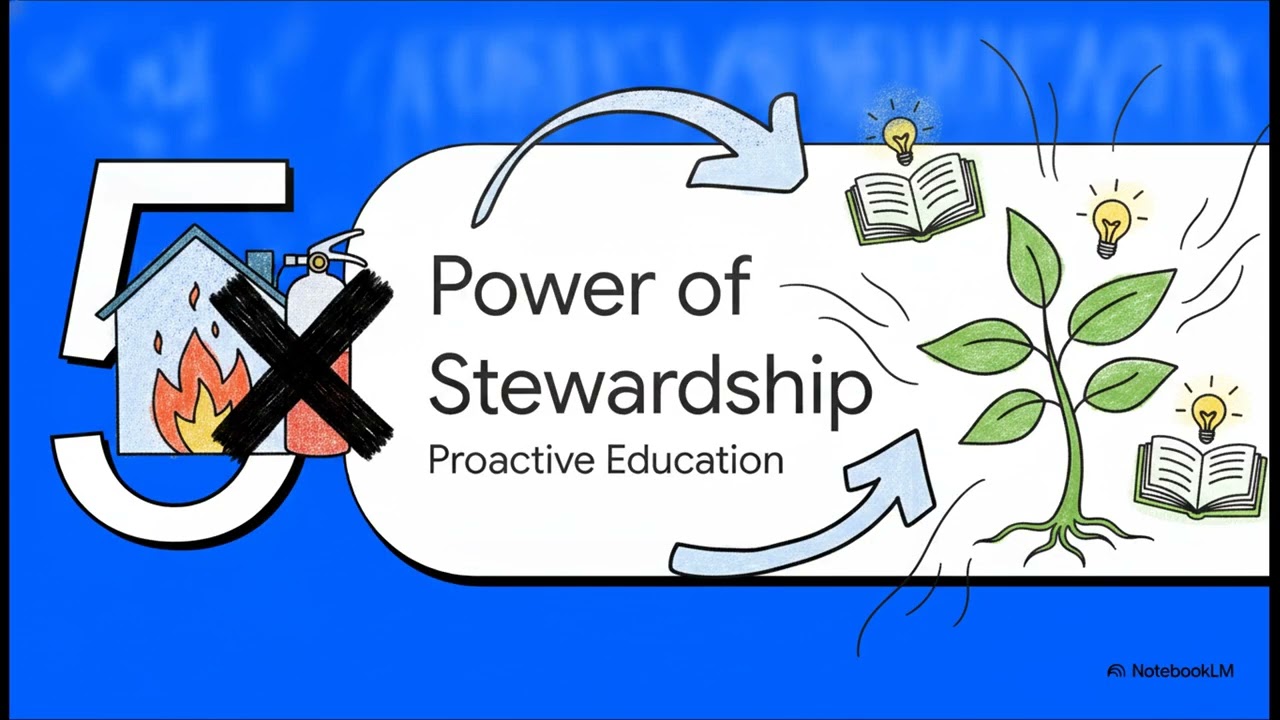
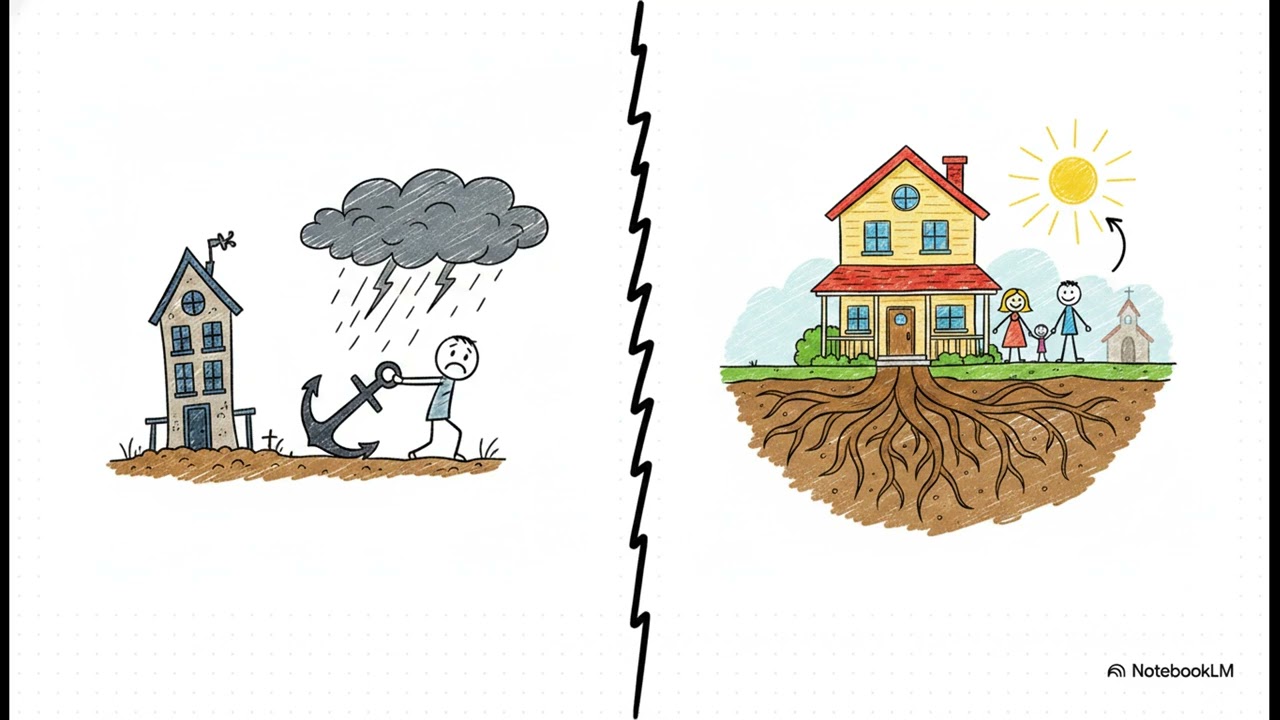
Welcome back to The Explainer. Today we are diving into a framework that goes way, way beyond your standard everyday budgeting. We're talking about targeting the absolute foundation of community health. We're going to break down the principles behind financial stewardship, specifically through a really unique partnership model designed for churches and faith-based organizations. So let's look at exactly how practical financial education can intersect with community service to literally transform entire communities. I want you to start by just asking yourself, what if financial education was actually the key to a stronger community? You know, we so often think of money management as this isolated, kind of secular chore. It's sitting at the kitchen table, staring at spreadsheets, just trying to balance a checkbook or pay off a credit card. It feels like a solitary and, let's be honest, sometimes really stressful individual task. But this framework? It flips that entirely on its head. It challenges us to stop viewing financial education as just a personal survival skill and instead see it as a vital community-building tool. When we change our perspective on this, the implications are absolutely massive. So, at its core, Financial Stewardship is all about equipping families to become financially stronger, right? Because when they are, they're better able to serve their family, their church, and their community. In fact, the entire philosophy driving this initiative can be boiled down to 3 really simple words: Help people first. It's incredibly straightforward, but man, is it profoundly impactful. The logic is just that you cannot pour from an empty cup. If a family is drowning in debt or constantly struggling just to make ends meet, their capacity to volunteer, to give back, or to lead in their community is severely restricted. But by helping them build a solid financial foundation first, you completely unlock their potential to serve and uplift everything around them. And this brings such an incredible emotional weight to the whole concept. Just picture the peace of mind and the wide-open horizon the possibilities that happen when that heavy burden of financial stress is finally removed. For a church or a community organization, the goal here is to stretch its impact far beyond just a Sunday morning gathering. It's about being an active, present participant in improving the Monday through Saturday reality for these families. It's really about looking toward a brighter, far more secure future, together. When we get down to where the rubber meets the road, the aspirations become super specific. Imagine a young family finally able to purchase their very first home, truly putting down roots in your community. Imagine the sheer relief of a couple that finally breaks the cycle and becomes completely debt-free. Picture a single parent who, because they got the right funding and education, is able to start a successful business and completely change their family's trajectory. And on a macro level, imagine families systematically building generational wealth that's going to impact their children's children. These aren't just pipe dreams, folks. They are the exact targeted outcomes of this financial stewardship model. So, you're probably wondering, how do we actually get there? Because, well, a vision without a plan is really just a wish. And that brings us to The Blueprint. This highly practical financial education initiative is designed to take those big, theoretical ideas of stewardship and turn them into actionable, step-by-step realities for congregation members. Because let's face it, you don't achieve generational wealth or debt freedom just by hoping for it. You achieve it through structured, accessible education. And this blueprint operates on a really logical progression. It kicks off with foundational financial education, just understanding the basic nuts and bolts of how money works. Then, it gets right into the trenches with debt reduction strategies to stop the bleeding and free up some much-needed resources. From there, it's all about moving from defense to offense, diving into business funding education and wealth-building principles. And finally, the absolute glue that holds the whole shebang together, financial accountability, and community. This structured approach makes sure that individuals aren't just handed a textbook and told "good luck"—they are actively guided through a comprehensive journey. There is a direct, undeniable connection between taking practical financial actions and seeing lasting benefits in the wider community. When you teach proven strategies to reduce debt, the direct result is lasting financial freedom. When you provide the knowledge to fund and grow successful businesses, you spark generational wealth. It's a direct cause-and-effect relationship, plain and simple. Strong families naturally lead to a strong church, which invariably leads to a stronger overall community. Okay, here is the absolute secret sauce of this whole program: community. You can literally have the best financial strategies in the world, but without community support, coaching, and accountability, people usually just fall right back into old habits. This partnership model heavily emphasizes that this journey is taken together. By providing really practical coaching and a supportive environment where members are actually accountable to one another, the success rate of these financial strategies just skyrockets. It takes a solo struggle and transforms it into a powerful team effort. Now, on a practical operational level, while the primary goal is obviously educating families, there is also a big focus on sustaining the church's mission itself. The initiative actually includes optional referral-based fundraising opportunities. Basically, this means that as families are getting their own financial houses in order, the church itself can access new avenues for fundraising that are designed to directly support their ongoing programs and community outreach. It creates this beautiful, self-sustaining loop where the success of the members directly fuels the ongoing mission of the church. Ultimately, this all builds into a really powerful, unified identity. It's about blending a deep, deep spiritual foundation, represented by community, unity, and faith, with highly practical, rooted financial growth. It's the perfect synthesis of fresh growth and rooted stability. We're talking about building stronger families through a combination of both faith and financial resilience. The philosophical anchor of this entire framework is profoundly simple yet so important: when we invest in people, we invest in the kingdom. I mean, what a powerful statement! It reminds us that organizations, they aren't made up of bricks and mortar, right? They are made up of individuals. By investing the time, the resources, and the education into the financial well-being of the individual people within a congregation, you are fundamentally investing in the strength, the reach, and the resilience of the entire organization. The positive ripple effect of just one family finding financial stability? That can change the landscape of an entire community for generations to come. Which leaves us with this final, really vital question: How will your community build a stronger future together? We've seen the blueprint. We've seen how practical financial education, when it's paired with compassionate community accountability, can totally transform stress into stability, and debt into generational wealth. The principles of financial stewardship we've outlined here offer a really clear, actionable path forward. So, as you digest all of this today, think about your own circles. How can these principles of helping people first be applied to strengthen the families and the organizations that you care about? Thanks so much for joining me on this explainer, and I highly encourage you to keep exploring how practical education can truly unlock human potential. Catch you next time!