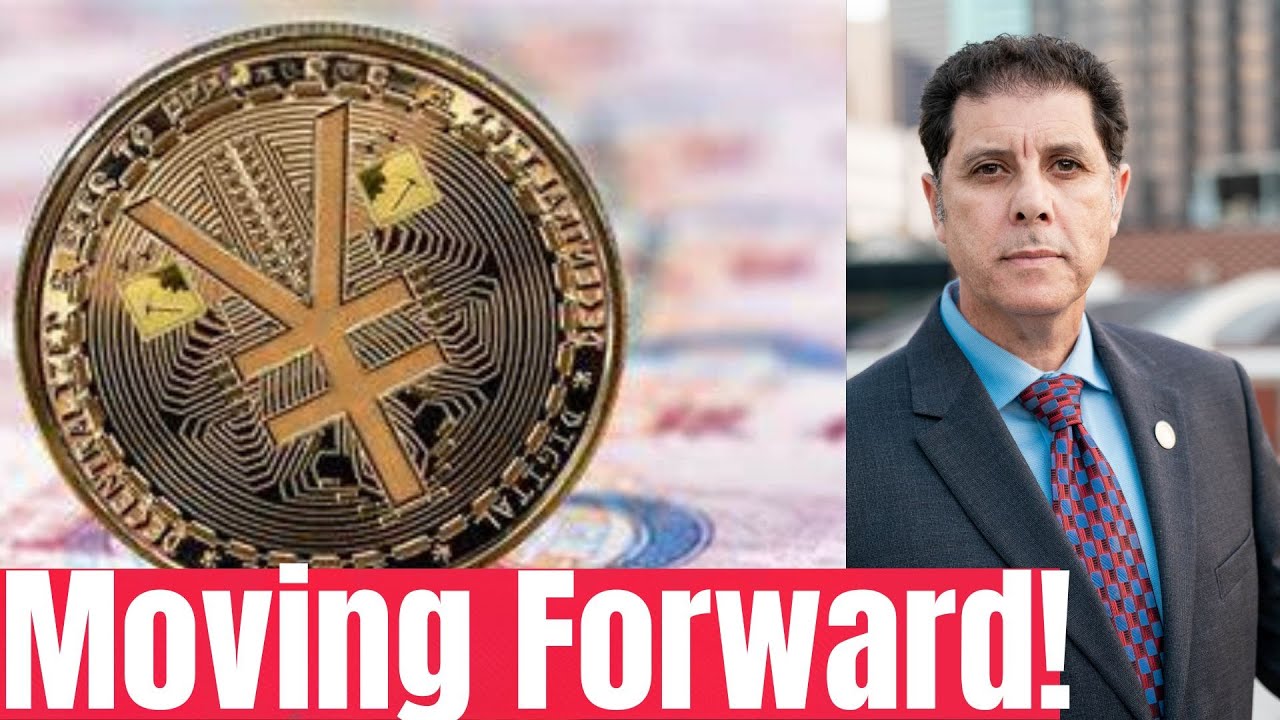
In this video, geopolitical analyst David Oualaalou examines China's first cross‑border oil deal settled with the digital renminbi (CBDC), a transaction of 1 million barrels between PetroChina and a United Arab Emirates seller. He highlights the lack of coverage in Western and Chinese media, noting that the deal was facilitated through the Shanghai Oil & Gas Trading Center and represents a broader push by Beijing—reinforced by President Xi’s 2022 summit—to settle energy trades in RMB. Oualaalou reviews earlier RMB‑denominated energy transactions, such as CNOOC’s LNG purchase from France’s Total and a gas deal with Singapore’s Engie, which used the cross‑border payment system CIPS. He connects these moves to the BRICS summit’s call for greater use of local currencies and argues that the growing pattern of oil‑and‑gas settlements in RMB signals the beginning of the end for the petrodollar. The analyst situates the trend within a larger post‑2008 financial‑system re‑evaluation, citing sanctions‑driven alternatives to SWIFT and the emergence of new benchmark standards. While acknowledging the dollar’s continued dominance, he predicts a gradual erosion of its hegemony, warning of potential asset‑value evaporations if the dollar collapses. He concludes by asking viewers how likely OPEC and OPEC+ are to officially shift away from the US dollar, inviting comments and engagement.
Chapters
Hello everyone and welcome to Geopolitical Trends. As a geopolitical analyst, I ask, will China— China's use of a digital renminbi to settle its first cross-border oil transaction change the global financial system? Is this the beginning of the end for the petrodollar? In this video, I'm going to answer these questions for you and also provide you with my own assessments about the inevitable changes coming to the global financial system. So let's dive in. Interestingly, no major reporting in the Western media, or even, yeah, even from within Shanghai Securities News, about China's first cross-border oil transaction, uh, was reported. That is, in which the transaction was settled in the Chinese digital RMB. That's the keyword here, digital. So PetroChina will settle a crude oil transaction for 1 million barrels of oil using the digital RMB. This is the first cross-border oil transaction— again, another keyword, oil transaction— using the central bank digital currencies known as CBDC. And no, no, no, no, it was not with the Saudi— with the Kingdom of Saudi Arabia, but rather with United Arab Emirates. The transaction wasn't between China and Saudi Arabia, it was between China and United Arab Emirates. Though China, as you may know, and I did a video for you guys, just agreed about 2 weeks ago to use the Chinese currency to to settle their own oil transactions by bypassing the US dollar. So this is very significant. And again, there is not a lot of reporting on it. So this is the reason what prompted also the Saudis to go ahead and swap the currency with China, because they saw what United Arab Emirates did. Uh, mind you, there's the discussion that took place during China's meeting or summit in late 2022. That was in December of last year, and that meeting, I don't know if you recall this or not, was attended by President Xi, and the focus on it was to ensure that China prioritized the renminbi settlements in oil and gas transactions. This is where the key is. And again, I looked around, didn't see much reporting on it. And by the way, I found this information from overseas, not here in the US. So Chinese imports— here is the thing, and I want to share with you these stats, and I will provide you the link to where I get this information here. Chinese imports amounts to about 3 trillion renminbi, the equivalency of about $410 billion annually. Yeah, and here it is, because now they moving forward with the oil transactions in a digital RMB. So, so the Shanghai Oil and Gas Trading Center platform, which hosted the CBDC transaction and also was mentioned by President Xi, a part of the push for the RMB settlement. It was the same thing. I remember the meeting in March, in March rather, 2022, in which China's national offshore oil corporation known as CNOOC, C-N-O-O-C, used the platform, meaning that the financial one, that is, to settle its first liquefied natural gas, LNG, in renminbi. But this one here, guys, it was not in a digital, it was in the currency. So, and by the way, it was, uh, the company Total from France was the seller of this, and the gas came from United Arab Emirates. So it's all about transactions. So earlier this week, the CNOOC, the, the Chinese National Oil Corporation, also executed another renminbi-denominated gas transaction with the Singapore arms of Engie. You know, that will settle between China and Singapore. Makes you just wonder. But also you look at it as the trend where things are headed. Uh, this will settle via China's renminbi cross-border payment system known as CIPS, or CIPS, depends on how you pronounce it. So rather than using the CBDC, in other words, on this settlement between China and Singapore, they're not gonna use the digital RMB. They're using the, the, uh, the, the payment system between China and Singapore, which is RMB. Also, if you look at the trends, you'll recall the last BRICS summit in South Africa. So what happened? The members then committed to using local currencies more regularly for trade. That should give you a hint where things are headed. So here is my brief assessments for you, because now you need to realize that the transactions in oil is what's going to be the end for the petrodollar. That's what it is. So, uh, if I am to go back to 2008, well, what happened in 2001, you all know about the GFC, the Global Financial Crisis, uh, which by the way generated similarly calls for radical changes in financial system. That is, it's exactly what we are witnessing right now. There are calls— that's why you see in China, Russia, India, other countries moving, Saudi Arabia moving, Iran, Turkey, all moving with their own financial setting that bypass the, the dollar altogether, or the SWIFT system. That is, and it is clear that there have been significant Advances on both national and international level. And what do I mean by this? Basically, there have been some introduction of certain new models. You look at what happened after the sanctions of the US on Russia. What did Russia do? They end up swapping out with the currencies between them and Russia, between Russia and India. You all get the idea. So, so in other words, there are some changes. Have been implemented. And like I said before, it's not easy to put a financial infrastructure in place to replace the SWIFT system overnight. Ain't gonna happen. It's gonna take time. But these models that have been included, uh, sort of created some new approach. Even I may even use the term a new benchmark standard for how the banking system is going to go. So there are, uh, They keeping an eye on, on, onto this. So there is, however, still around the world, there is no deny about it that the dollar still hold its status. There is still, like we say, business as usual. Companies still that transacts in the US dollar, countries still transact in US dollar. But all that is coming to an end, is coming to an end, because here's the thing, the banking system around the world you know, are convicted— are convinced, rather, not convicted, convinced that the collapse of the dollar will happen, whether tomorrow, whether 5 years from today, it will happen at some point. And this is where they see the fear. When, when that happens, what you're gonna see is the evaporations of billions, if not trillions of dollars in assets. This is where the problem that I foresee moving forward and why you're seeing changes going on. So, so here is my question for you for this short, brief, and concise video. So how likely is OPEC and OPEC+ to transact officially in other currencies and ditch the US dollar altogether? So make sure to leave me your comment I always like to read your feedback. And by the way, if you like the content of this video, please hit that like button and don't forget to subscribe. I will greatly appreciate it. As always, remember, geopolitics impact your daily life in more ways than one. Till next time, bye-bye.