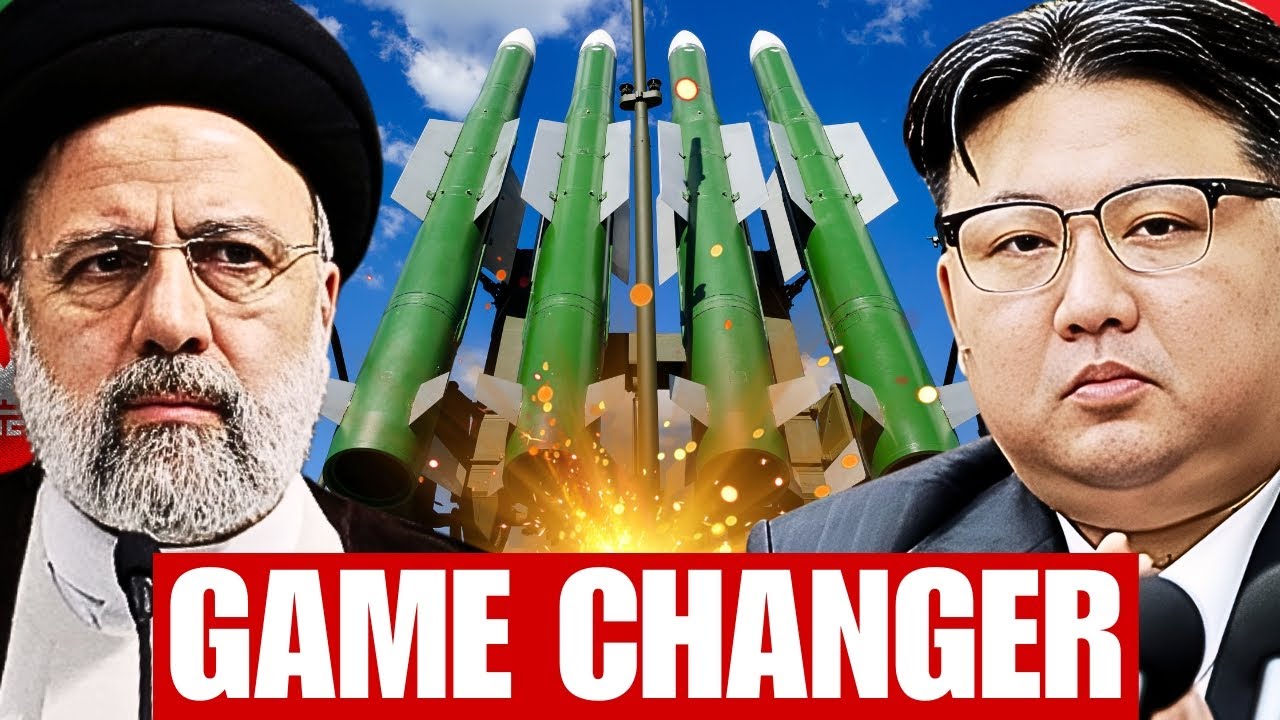
In this Geopolitical Trends video, the host examines North Korea’s unprecedented high‑level delegation to Iran, led by External Economic Relations Minister Yun Jong‑ho, and interprets it as a sign of deepening strategic ties between the two sanctioned states. The analysis covers the potential for expanded military cooperation, including arms sales that could fuel conflicts in Gaza and Ukraine, and highlights how both nations are seeking to circumvent U.S.–led sanctions through alternative trade mechanisms. The commentator argues that this partnership reshapes regional dynamics in the Middle East, bolsters Iran’s influence, and may eventually draw in Russia and China, thereby challenging the existing U.S.‑centric global order. The video critiques the U.S. narrative, frames the alliance as a response to Western isolation, and calls for a nuanced, balanced approach to managing the emerging security landscape. The segment ends with a typical YouTube call‑to‑action.
Chapters
Hello everyone and welcome to Geopolitical Trends, where truth matters. Whoever thought that North Korea publicly sent a delegation to Iran for an unofficial visit? Is this a new sign of the new global order realities? In a significant diplomatic development, North Korea has sent its highest-level delegation to Iran in 5 years. This move comes at a time when the United States has expressed concerns over the implications of growing military cooperation between Pyongyang and Tehran, particularly in the context of conflicts in the Middle East and the ongoing Ukraine conflict. Yet the rest of the world is saying, who cares about what the United States thinks?. In this analysis, I delve into the complexities surrounding this diplomatic exchange, examining its geopolitical significance, regional implications, and potential impact on the global security landscape. The North Korean delegation, led by External Economic Relations Minister, his name is Yun Jong-ho, represents a notable stride in strengthening ties between Tehran and Pyongyang. This rare public trip highlights the importance both nations place on their economic and military collaborations. The discussions held in Iran aimed to explore avenues for expanding trade and cooperation, particularly in the context of global tensions and international sanctions. One of the key concerns surrounding this diplomatic exchange is the potential for increased military cooperation between North Korea and Iran, argue the West. While the United States has raised alarm over the possibility of arms sales from both nations, claiming that these actions may have contributed to fueling ongoing conflicts in both the Middle East, particularly in Israeli-Gaza conflict, and in Russia's conflicts with Ukraine. The US narrative couldn't be far from the truth. One thing is sure, this collaboration between Iran and North Korea has broader geopolitical implications, suggesting, in my opinion, a deepening alliance that extends beyond mere economic interests. Both nations face significant sanctions and international isolation, leading them to seek mutual support and potentially solidifying their strategic partnership. This alliance could alter the balance of power in conflict zones, complicating efforts to resolve this crisis diplomatically. And just imagine what this alliance might look like if and when Russia and China join in. The result is a change in the global order in ways the West has never imagined or anticipated. Then what about the regional dynamics and geopolitical realignments? Well, the visit also signals the potential realignments of regional dynamics. Iran is situated at the heart of the Middle East, or West Asia, that is, has historically sought to expand its influence in the region through military and political alliances. The partnership with North Korea provides Iran with an additional avenue to pursue its strategic goals, potentially strengthening its position in regional geopolitics. Furthermore, this cooperation, in my opinion, could exacerbate tensions between Iran and the US, with Washington viewing Tehran's action as destabilizing to regional security. Yet, it is the US that has and is contributing to destabilizing the region. The US's silence over Gaza atrocities is a case in point. Then what about the role of economic sanctions? Well, the collaboration between North Korea and Iran also reflects the challenges both nations face under international sanctions headed by the United States. The economic isolation imposed by Western powers has pushed both countries to seek alternative partnerships, and rightly so. The discussions between Pyongyang and Tehran underscore their shared interest in expanding economic ties potentially through alternative trading mechanisms that circumvent sanctions. And it's a foregone conclusion. This economic cooperation could help both nations, Iran and North Korea, sustain themselves despite external pressure, but it also raises questions about the effectiveness of current sanctions regimes. The persistence of these alliances suggests that sanctions alone may not suffice to deter North Korea and Iran from pursuing their strategic and geopolitical objectives. Here is my conclusion for you. North Korea's high-level visit to Iran signifies a complex interplay of diplomatic, economic, and military interests. The expanding partnership between Pyongyang and Tehran reflects both nations' need to navigate international isolation, potentially strengthening their alliances and limiting Western efforts to manage regional conflicts and crises. This development, in my opinion, highlights the need for a nuanced approach to international relations, balancing diplomatic engagements, economic pressures, and regional stability measures. The, in my opinion, the coming months will be crucial in determining how this partnership evolves and its implications for global security. One thing is sure, The world is no longer the sole property of a sole superpower. That era is long gone. The question we ask: how do we carefully navigate the challenges posed by these strategic alliances to ensure a balanced and peaceful world order? Please hit the like button and don't forget to subscribe. As always, remember, geopolitics impact your daily life in more ways than one. Till next time, thank you.