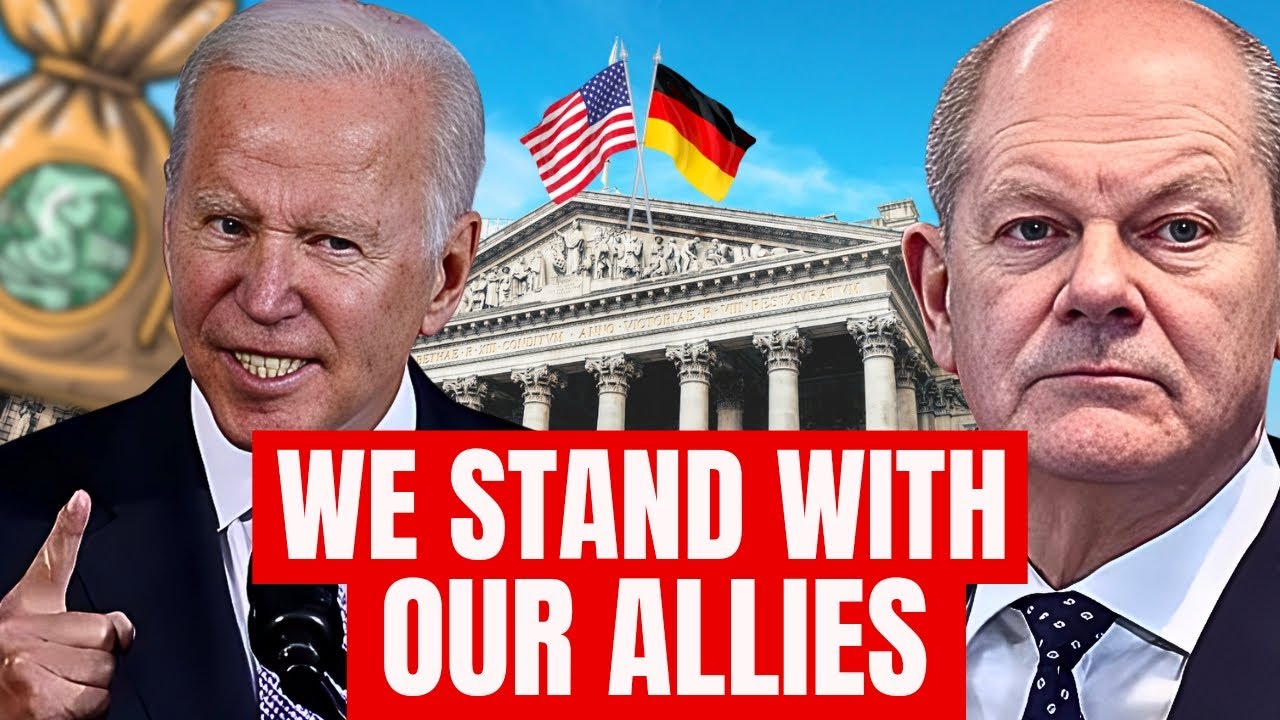
This content was created by David Oualaalou. This content was uploaded by David Oualaalou. This is a YouTube video titled "What: US Threatens German/European Banks with Sanctions! Much for Allies!!" (posted/edited 2024-06-21) consisting of a single-speaker geopolitical commentary. The host (labelled SPEAKER A) analyzes recent US warnings—specifically Treasury Secretary Janet Yellen urging German/European banks to comply with sanctions on Russia—explaining sanctions, the role and leverage of foreign banks (and risks of losing dollar access), the accelerating trend of de‑dollarization (China/Russia, yuan/gold), shifting geopolitical alliances (BRICS, ASEAN, SCO), and implications for investors. The piece is opinionated and critical of US/Western policy and closes with typical YouTube calls to like and subscribe.
Chapters
Hello everyone and welcome to Geopolitical Trends, where truth matters. Hasn't the world had enough of the US threats of sanctions? In this recent development, the United States has issued a stern warning to foreign banks, particularly in Europe, about the potential consequences of aiding Russia in circumventing sanctions. In this brief analysis, I will explore the implications of these warnings, the role of the US Treasury Secretary Janet Yellen's recent actions, and the broader context of global de-dollarization aimed geopolitical and economic shift. So, fasten your seat belt and let's take a drive in the vast open geopolitical highways. First, what are sanctions and what are their significance? A lot of people do not know. Sanctions are powerful tool in international relations used by countries to exert economic pressure on others to achieve political objectives. The US has a long history of employing sanctions to influence the behavior of other nations. In the case of Russia, sanctions have been aimed at curbing Russian military actions, particularly when it comes to Ukraine. As you know, the sanctions usually includes restrictions on financial transactions, trade embargoes, and asset freezes. These measures, combined, are designed to isolate Russia economically and financially, limiting its ability to fund military operations. Yet what the US and West is refusing to admit and accept is that these sanctions have failed miserably on all fronts. Then comes our Secretary of Treasury, Janet Yellen's warning to German banks. US Treasury Secretary Janet Yellen recently urged German bank executives to enhance their compliance with the US sanctions against Russia. During her recent meeting on May of this year, Yellen emphasized the importance of shutting down any effort to circumvent these sanctions. She warned that failure to comply could result in severe penalties, including cutting off access to the US dollar, which is crucial for international banking operations. Yellen's warning underscores not only the US government's determination to enforce its sanctions rigorously but also demonstrate how submissive Germany is. By targeting banks that might facilitate Russia's evasion of sanctions, the US aims to close any loopholes that could undermine the effectiveness of its measures. Then becomes the question: What is the role of foreign banks? Well, foreign banks, particularly those in Europe, play a critical role in the enforcement of US sanctions. Some of you may ask, why? It is because some European countries are very weak, politically speaking, and under the thumb of the United States. Many international transactions are conducted in the US dollar, giving the US significant leverage over foreign financial institutions. If these banks facilitate transactions that violate US sanctions, they risk losing access to the US financial system, which can be a crippling blow. German banks, given Germany's strong economic ties with Russia, are particularly under scrutiny. Yellen's direct engagements with these banks highlight the strategic importance of their compliance in the broader effort to isolate Russia economically. Then comes the trend of de-dollarization. One of the significant trends in the global economy is de-dollarization, where countries seek to reduce their reliance on the US dollar for international trade and finance. This trend has been accelerated by geopolitical tensions, including the US sanctions on Russia. Countries like China and Russia have been at the forefront of this movement, promoting the use of alternative currencies and establishing financial systems that bypass the US dollar altogether. For instance, Russia has increased its use of the Chinese yuan and gold in international transactions. The push for de-dollarization is driven by a desire to mitigate the risk of US sanctions and, of course, reduce dependency on the US financial system. As more countries adopt this strategy,, it could potentially weaken the dominance of the US dollar in global finance. Then the geopolitical and economic shift. Well, the current geopolitical landscape is marked by significant shifts in alliances and power dynamics. The conflict in Ukraine has prompted a reevaluation of economic and military strategies Worldwide, the US and its allies have sought to present a united front against Russia, leveraging economic tools to pressure Moscow. However, reality on the ground demonstrates that the collective West has failed miserably to bring Russia on its knees. At the same time, countries that are wary of US influence, are exploring new economic partnerships and financial systems. This reconfiguration of global economic relationships is contributing to the trend of de-dollarization and altering the balance of power in international finance. ASEAN, BRICS, SCO are a case in point. What about the implications for you and investors? Well, for investors, these developments present both challenges and opportunities. On the one hand, the enforcement of the sanctions and the risk of penalties for non-compliance create an uncertain environment for international banking and finance. On the other hand, The trend of de-dollarization opens up new avenues for investment in alternative currencies and financial systems. It's worth considering. Investors need to stay informed about geopolitical developments and their potential impact on global markets. Diversifying, for example, diversifying investments and exploring opportunities in emerging markets and alternative financial systems could be prudent strategies in this evolving landscape. Here is my conclusion for you, because I like to keep it short and concise. The US threat of sanctions on banks aiding Russia's war effort is a significant development with far-reaching implications. US Treasury Secretary Janet Yellen's recent warning, which is a bullion in my opinion, to German banks highlights the critical role of financial institutions in enforcing sanctions. Meanwhile, the broader trend of de-dollarization reflects a shifting global economic landscape driven by geopolitical tensions, and strategic realignments. For you, understanding these dynamics is crucial for navigating the complexities of the international financial system and making informed investment decisions. As the world continues now to change, staying adaptable and well-informed will be key to seizing opportunities and mitigating risks. If you like this video, please hit that like button and don't forget to subscribe. As always, remember, geopolitics impact your daily life in more ways than one. Till next time, thank you.